

 English
 Español
 عربى
عربى русский
 中文简体
中文简体
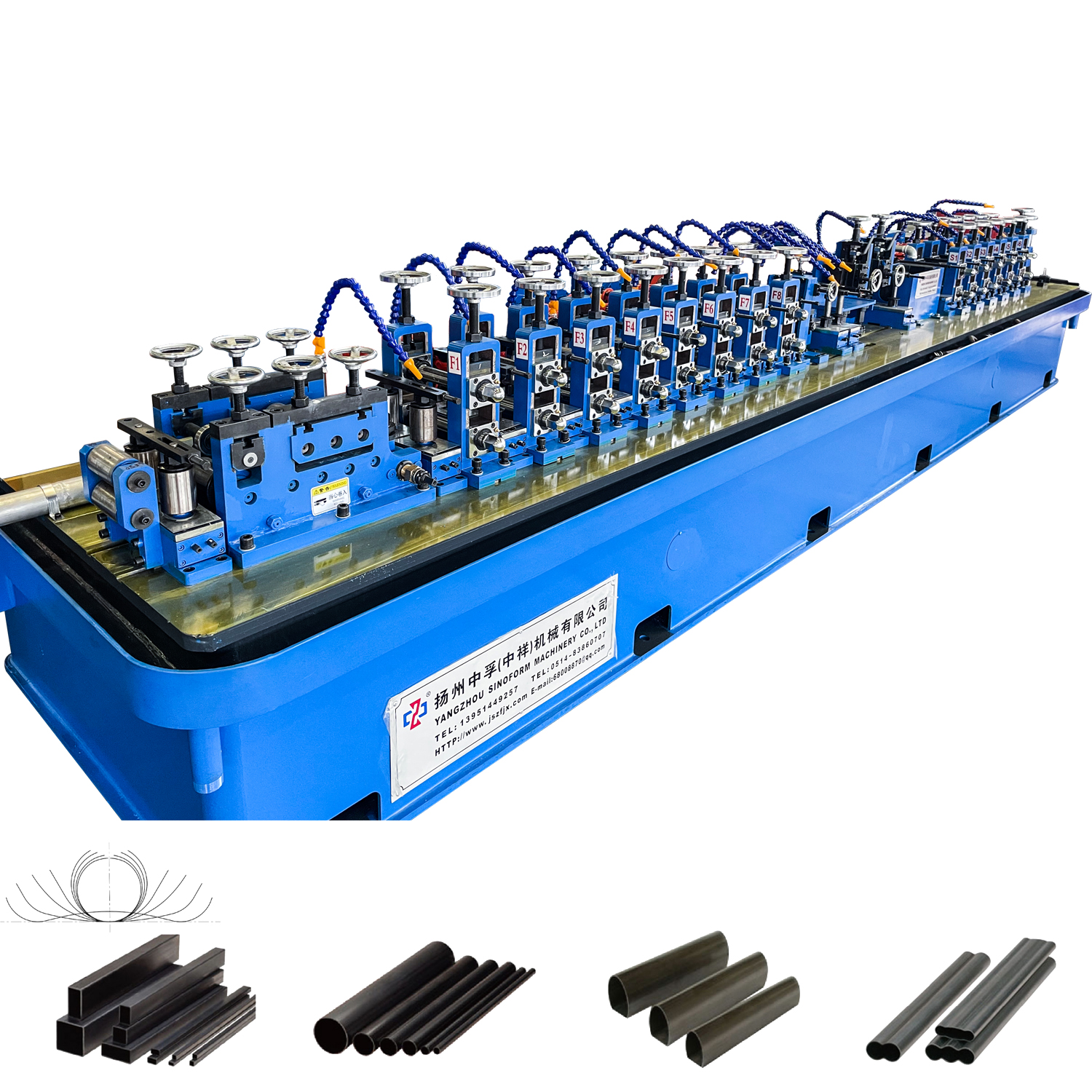
200x200 ERW Square And Rectangular Tube Mill Line
Product IntroductionDuring the process of forming square and rectangular pipes, the roll utilizes a combined roll ...
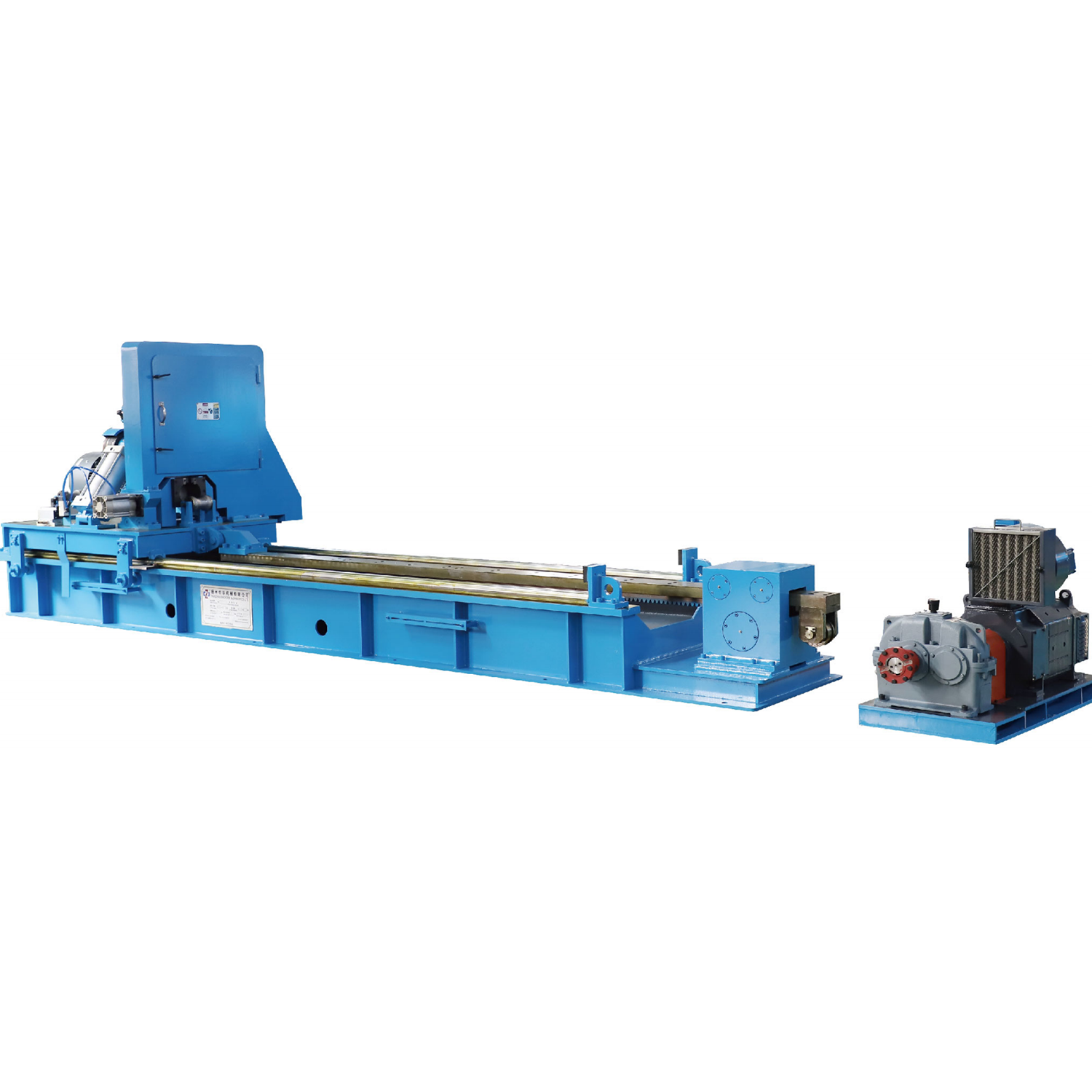
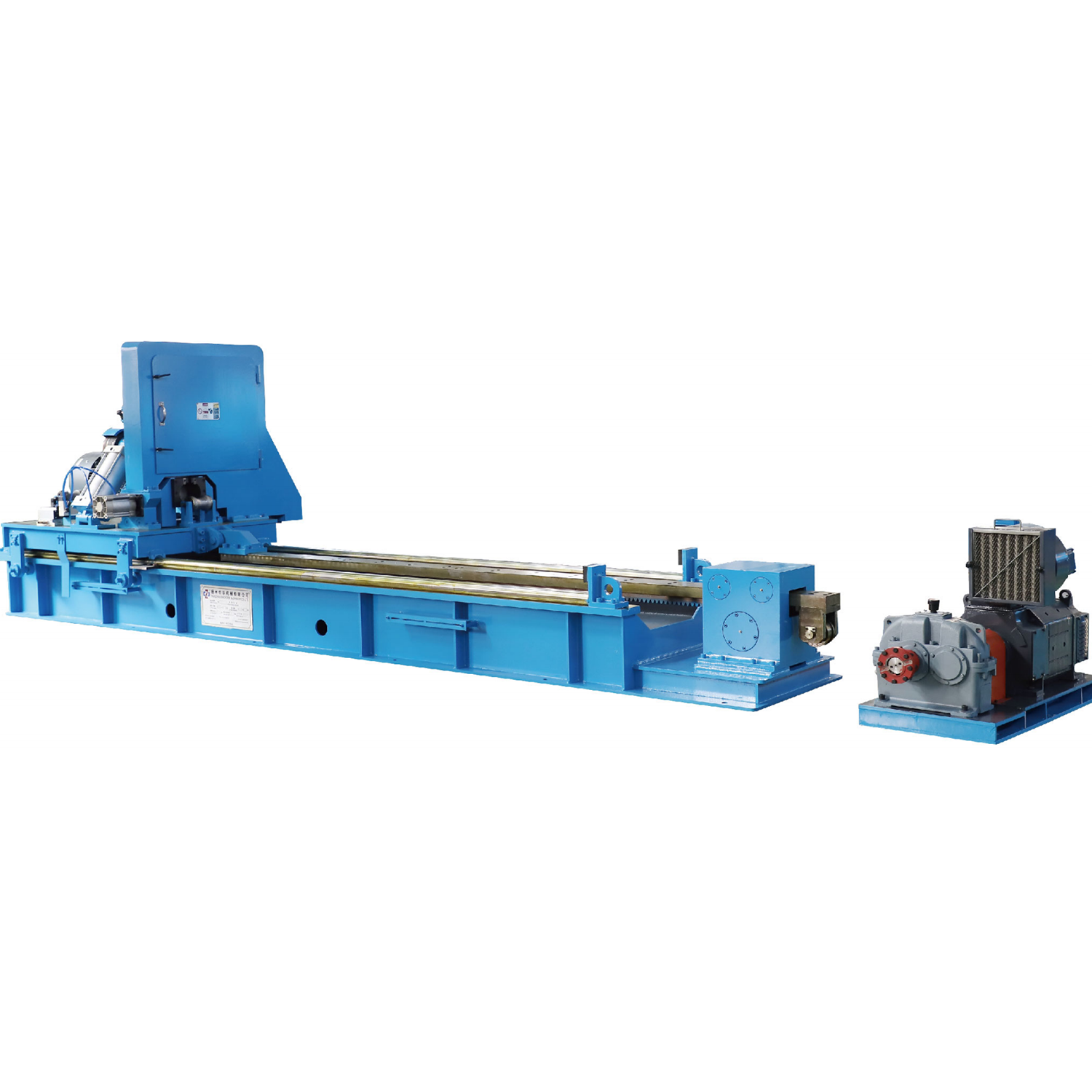
A special saw used to cut metal materials, using frictional heat generated by high-speed rotation to melt and cut the workpiece
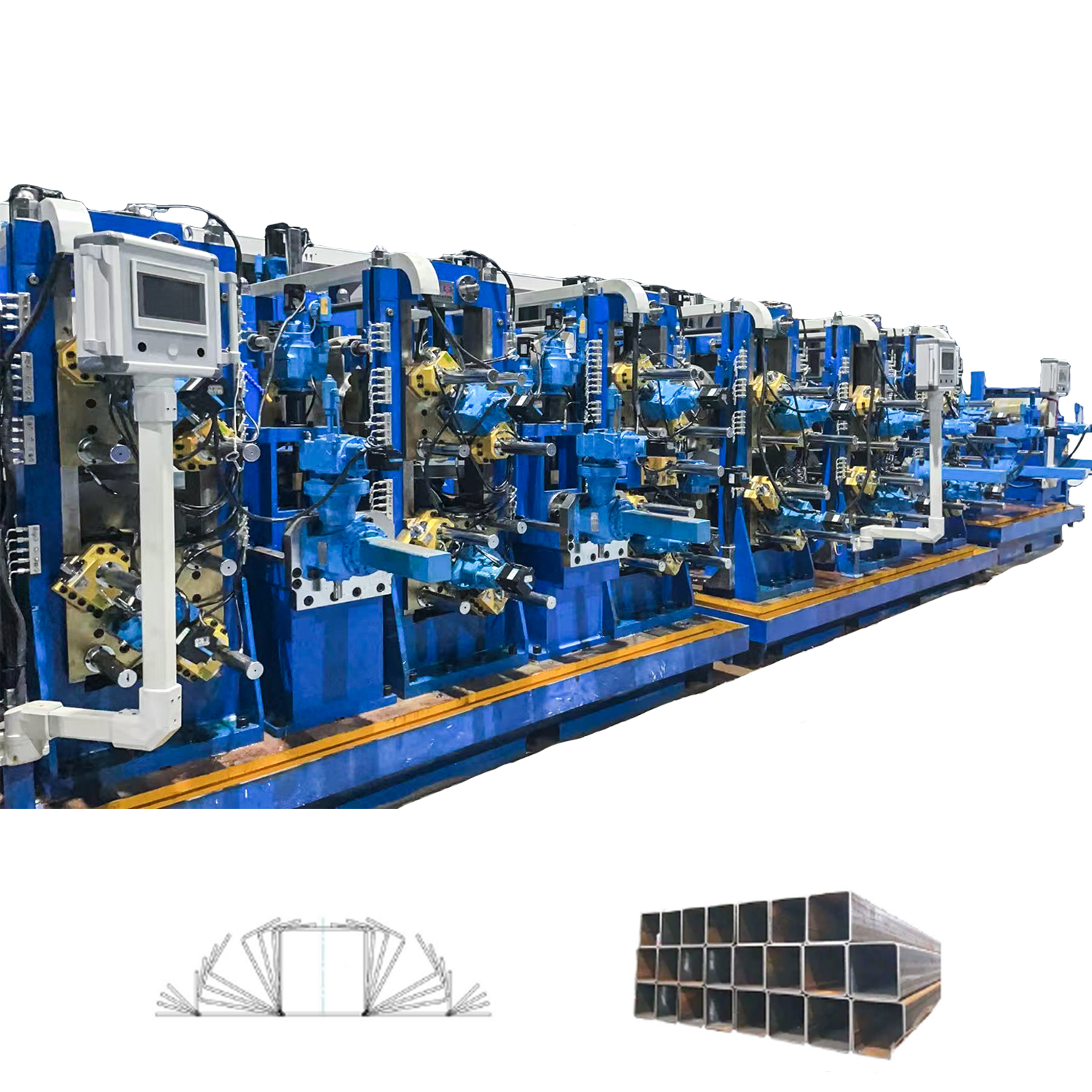
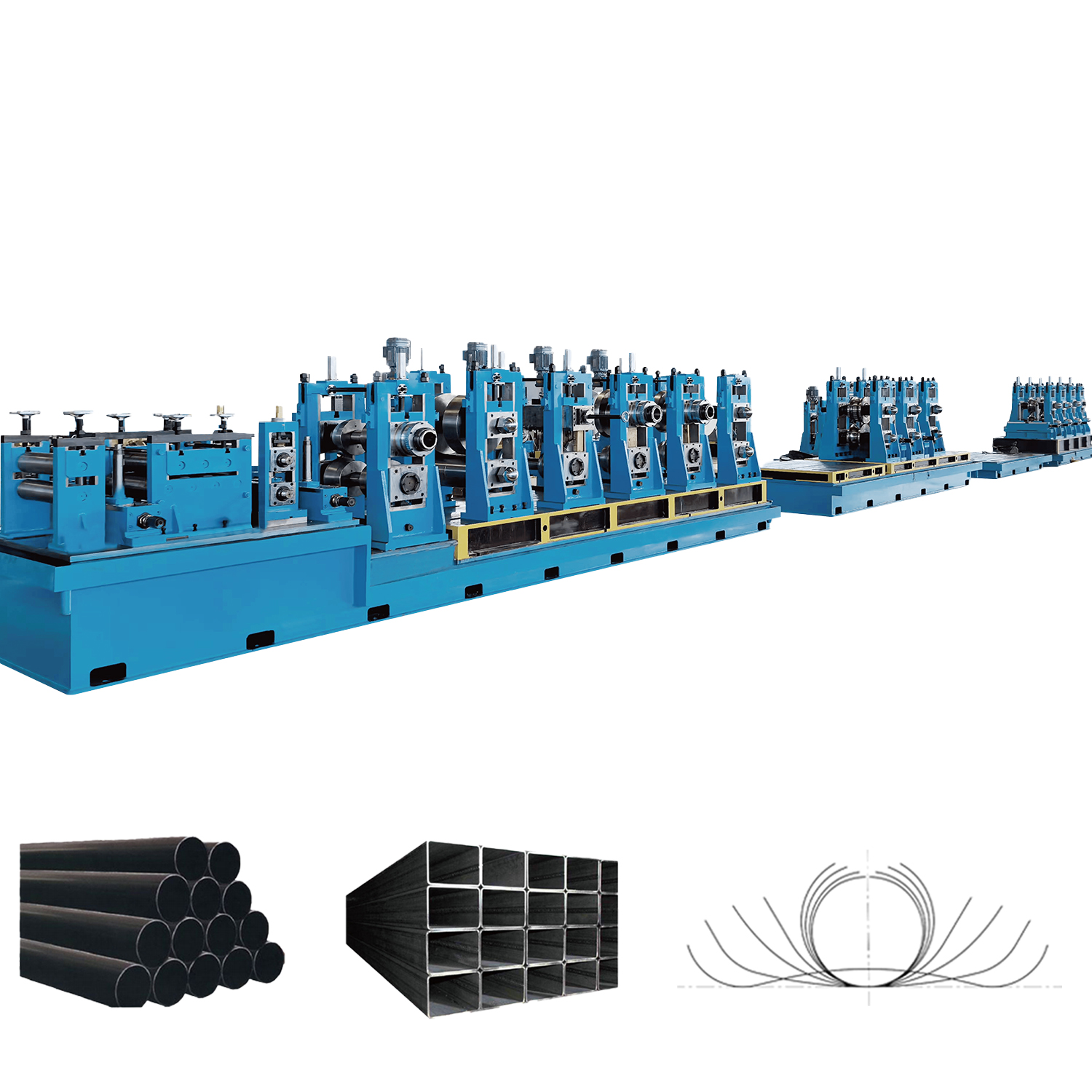
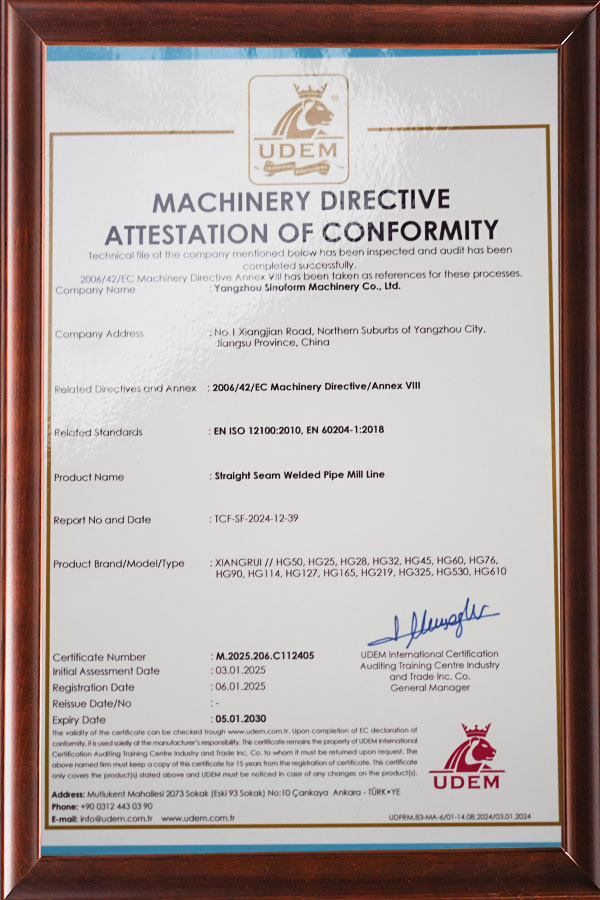
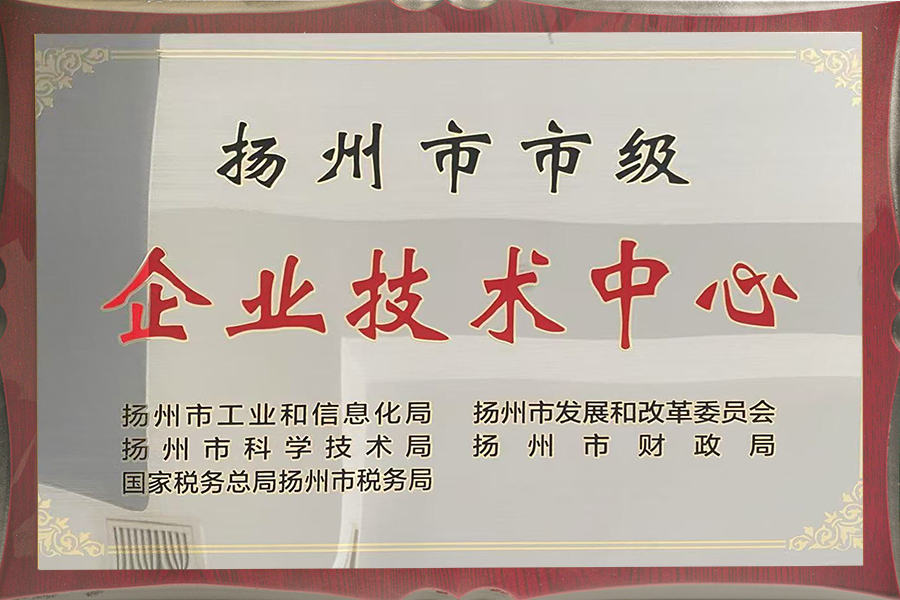
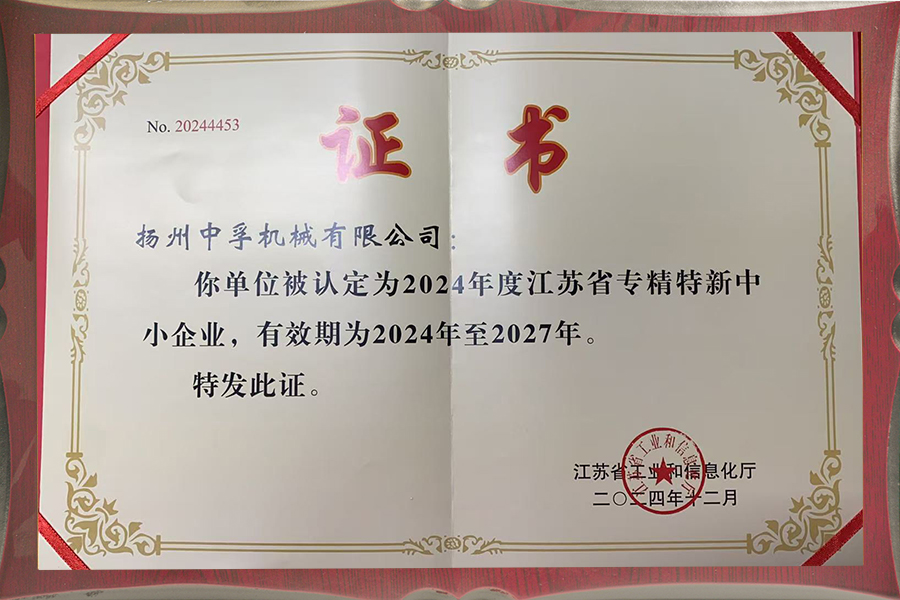
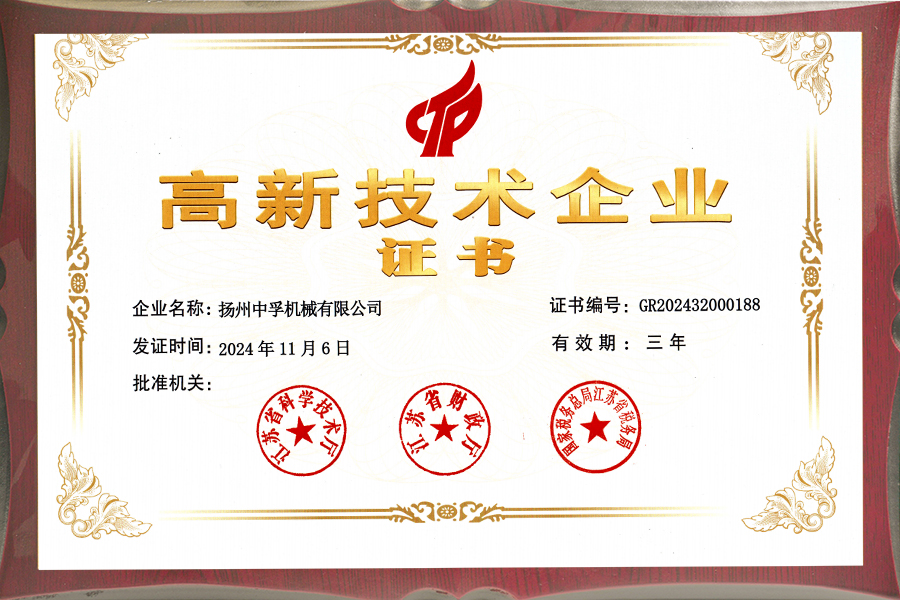
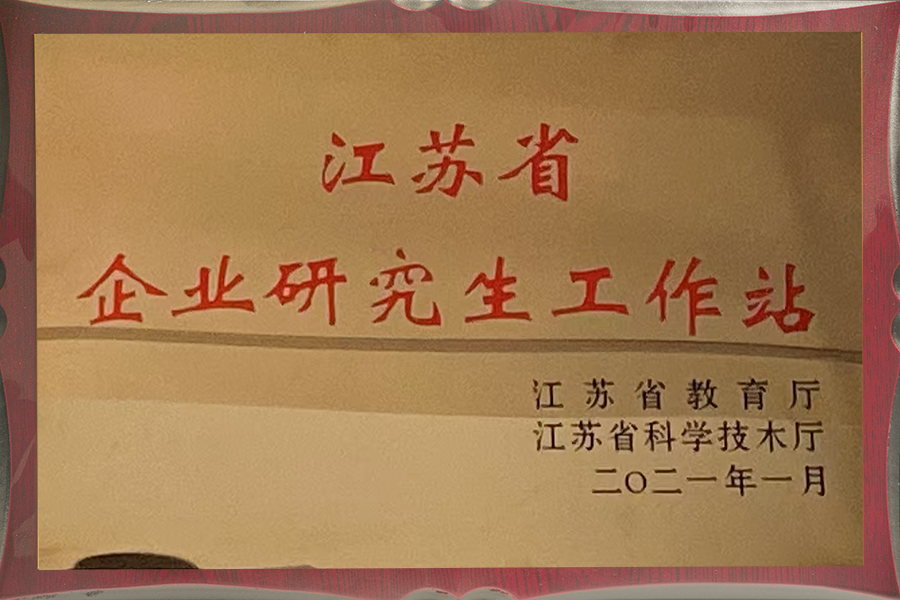
The fundamental difference between ERW and EFW steel pipes lies in the welding mechanism: ERW (Electric Resistance Welded) pipes use electrical resistance to ...
READ MOREAn ERW tube mill is a continuous production line that transforms flat steel strip into round, square, or rectangular tubes using high-frequency electric resist...
READ MOREERW pipes, which stands for Electric Resistance Welded pipes, are steel pipes manufactured by cold-forming flat steel strip or coil into a cylindrical shape an...
READ MOREPipes are made using one of three core manufacturing methods depending on the material: seamless steel pipes are formed by piercing a solid metal billet, welde...
READ MORE
 No.1 Xiangjian Road, Northern
Suburbs Of Yangzhou City,
Jiangsu Province,China
No.1 Xiangjian Road, Northern
Suburbs Of Yangzhou City,
Jiangsu Province,China
 Phone: +86-0514-8363 8877
 E-mail: [email protected]
© Yangzhou SINOFORM Machinery Co., Ltd. Custom Hot Friction Saw suppliers
