
 English
 Español
 عربى
عربى русский
 中文简体
中文简体
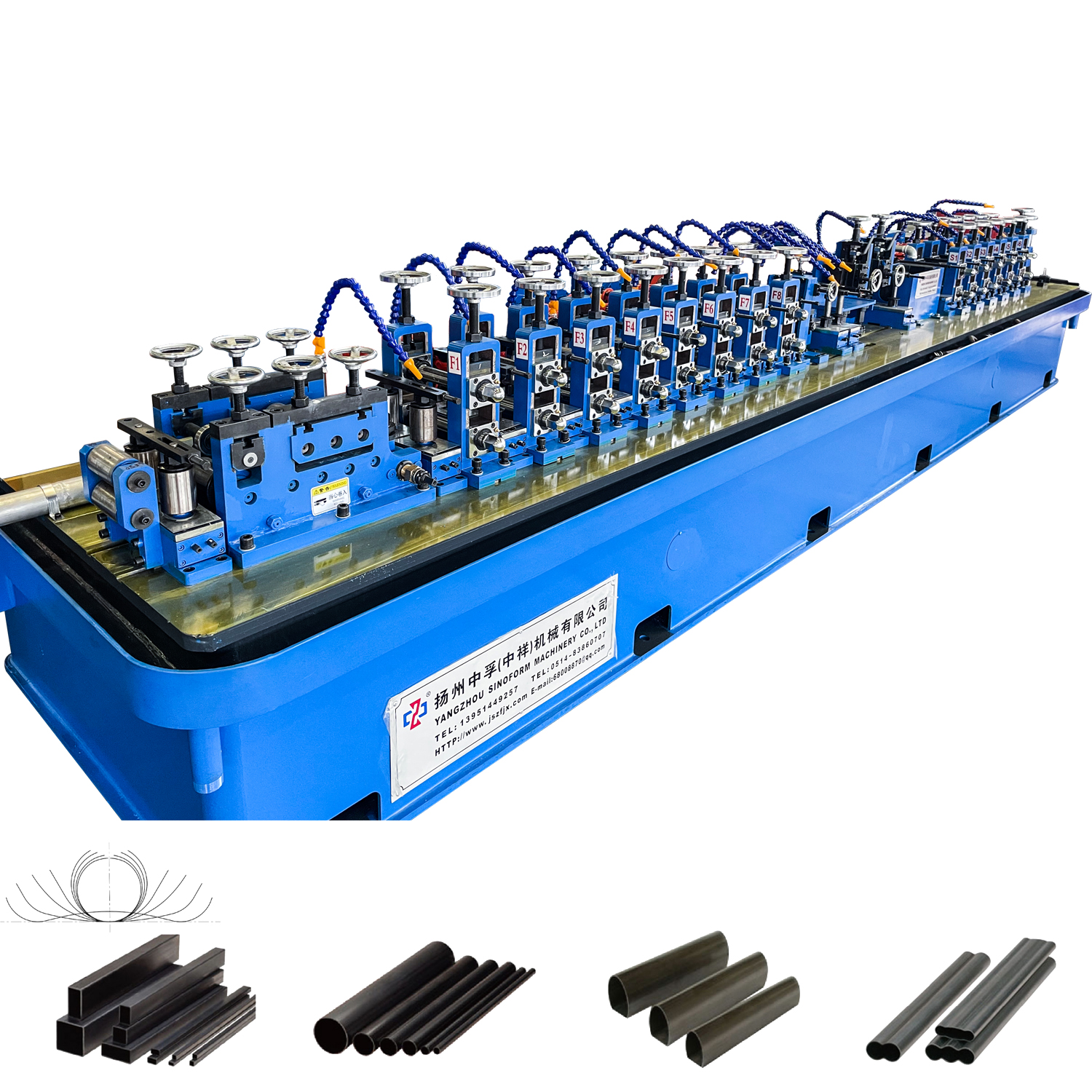
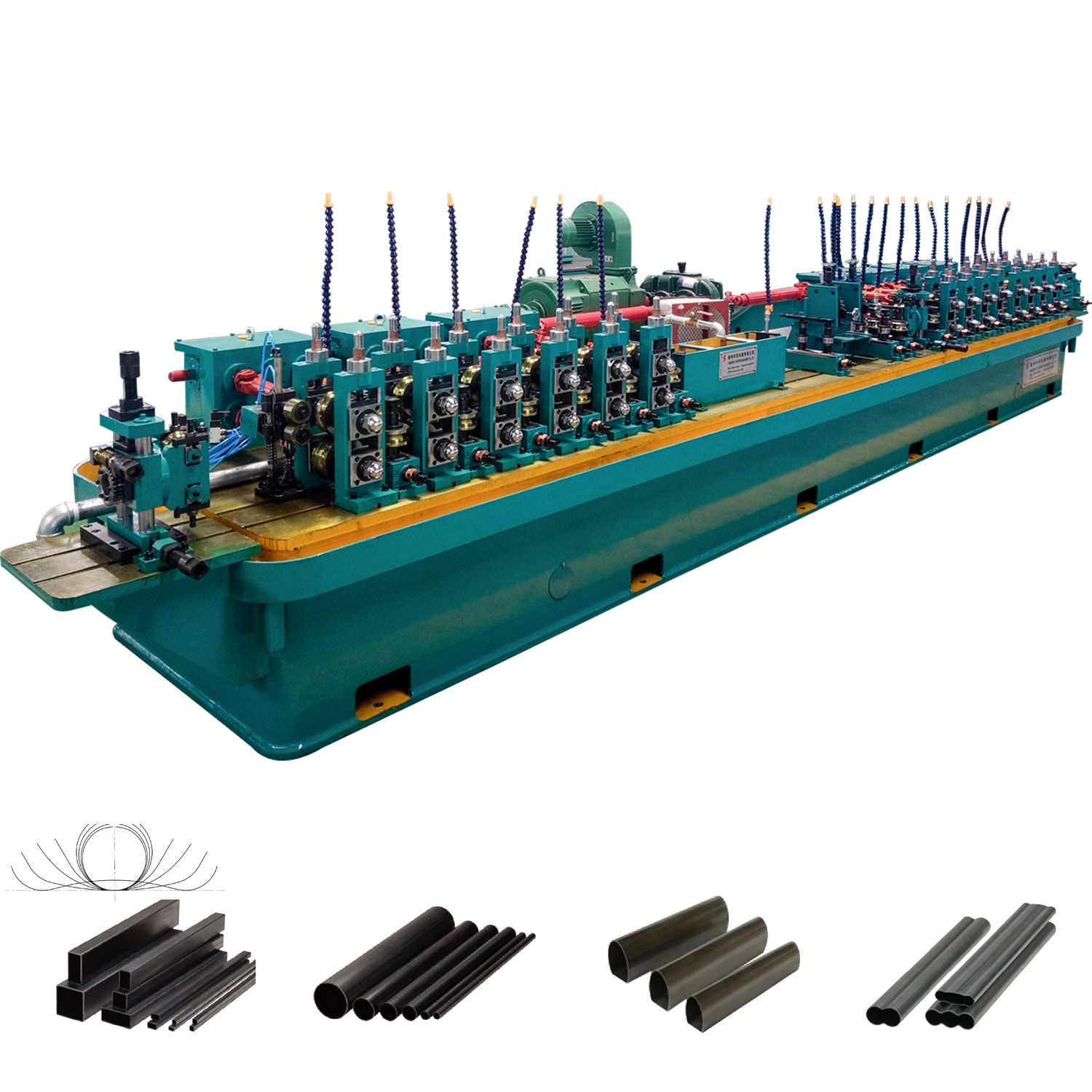
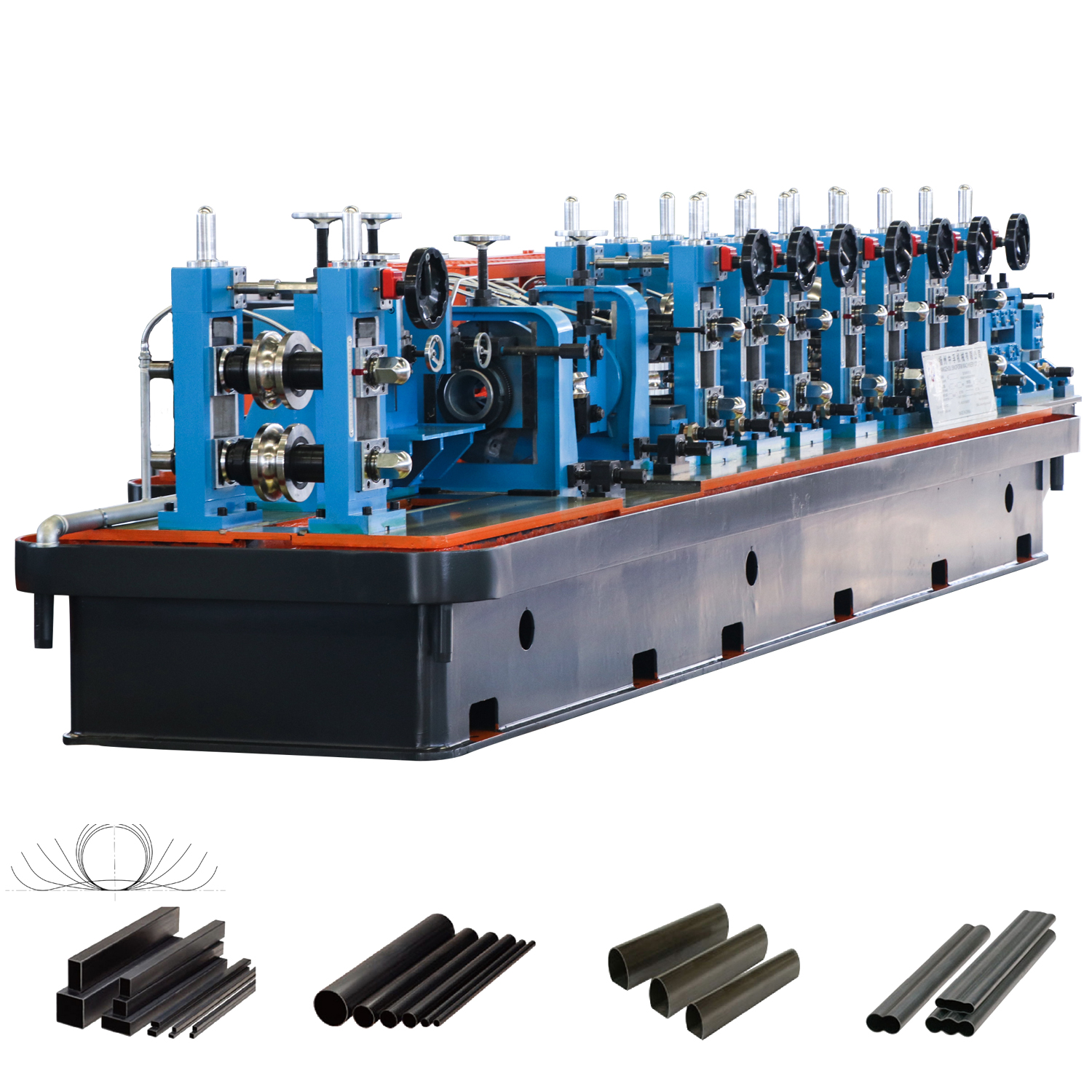
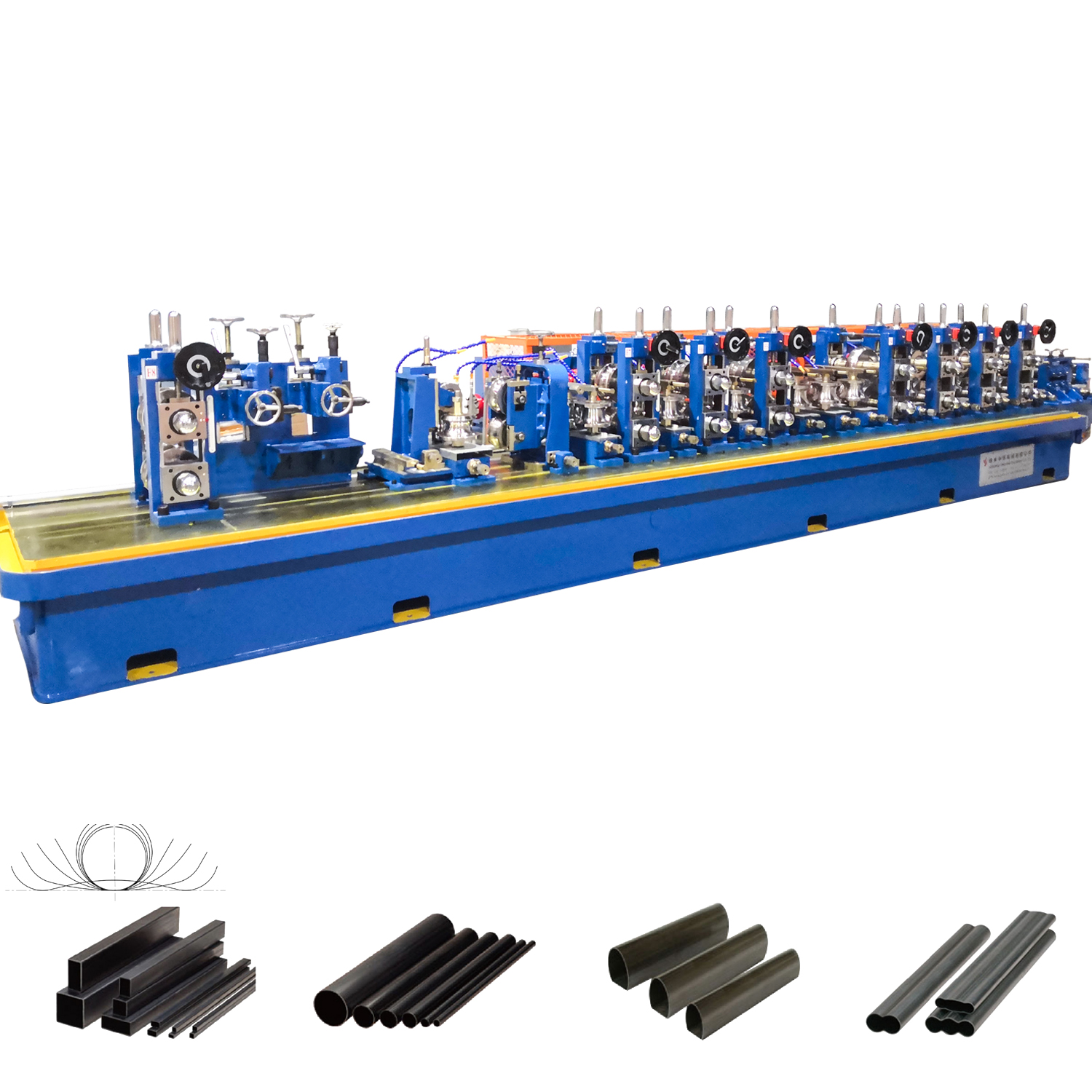
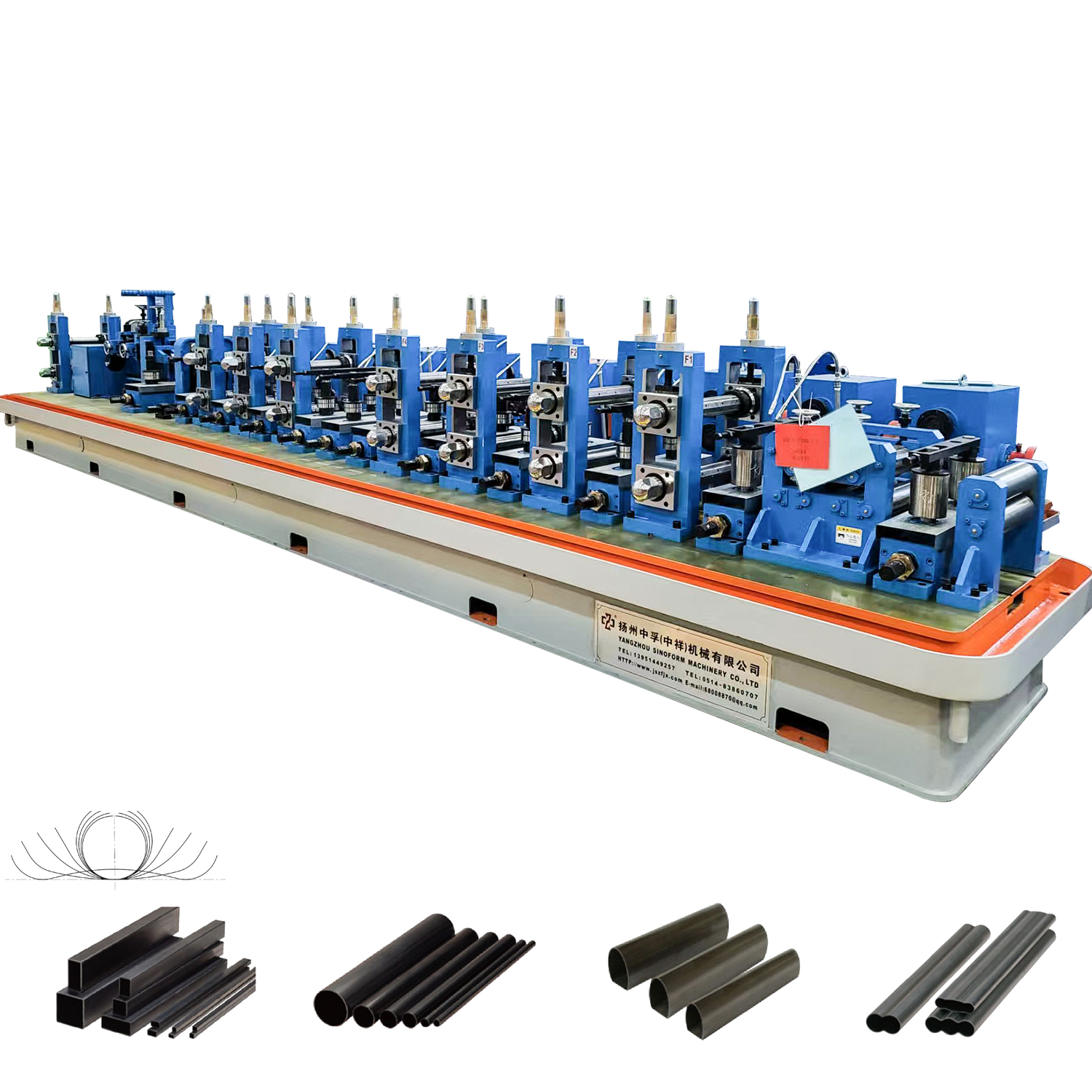
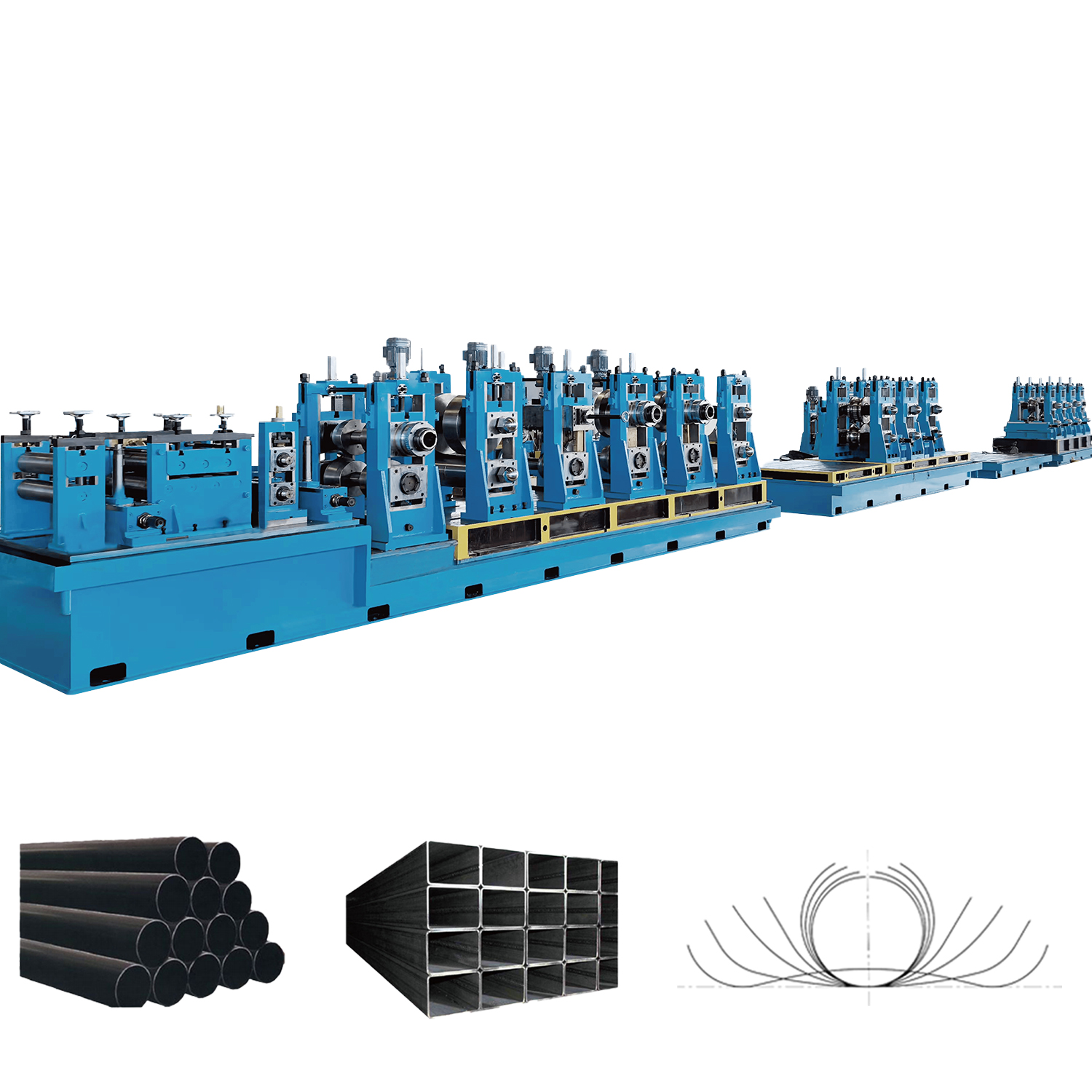
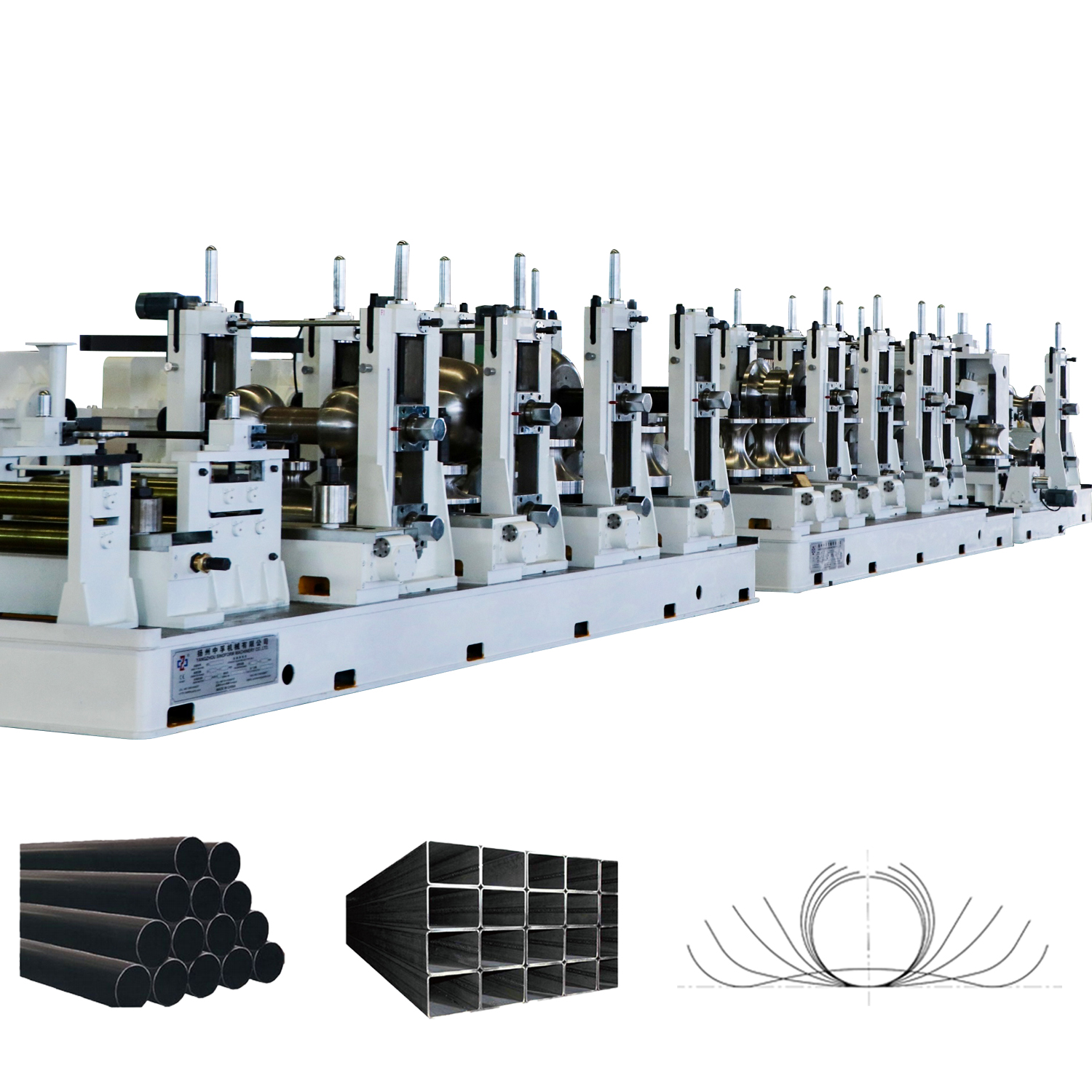
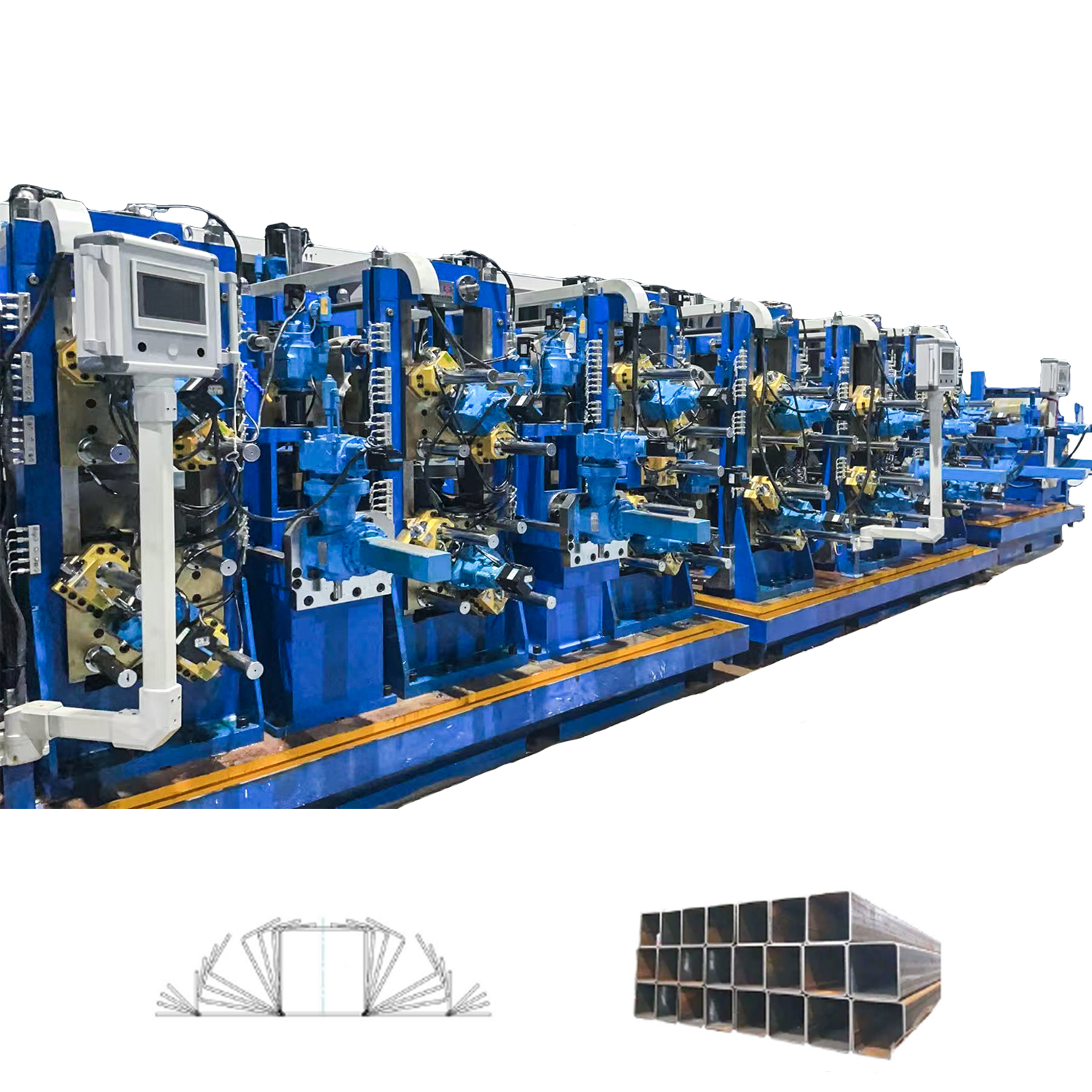
An ERW tube mill is a continuous production line that transforms flat steel strip into round, square, or rectangular tubes using high-frequency electric resistance welding. This technology is the dominant method for manufacturing medium-diameter steel pipes and structural hollow sections worldwide. According to the International Tube Association (ITA), ERW tube mills account for roughly 42% of all welded steel tube production by tonnage, a figure that reflects the process's unmatched combination of high speed, low cost, and consistent quality. A modern ERW tube mill can produce pipe from 12 millimeters to over 660 millimeters in outer diameter at line speeds exceeding 120 meters per minute. This article examines the engineering, operational parameters, and economic advantages of the electric resistance welding process, providing a detailed technical overview for manufacturers, engineers, and procurement professionals.
Content
- 1 What Is an ERW Tube Mill and How Does It Work
- 2 Key Components and Their Functions in an ERW Tube Mill
- 3 Production Capabilities and Technical Parameters
- 4 ERW Pipe vs. Seamless and Spiral Weld Pipe: A Comparative Analysis
- 5 Quality Control and Standards for ERW Tube Production
- 6 Maintenance and Operational Efficiency of an ERW Tube Mill
- 7 Frequently Asked Questions About ERW Tube Mills
- 7.1 What is the difference between high-frequency and low-frequency ERW welding?
- 7.2 Can an ERW tube mill produce stainless steel pipe?
- 7.3 How much does a complete ERW tube mill line cost?
- 7.4 What are the typical scrap rates in ERW tube production?
- 7.5 Is ERW pipe suitable for high-pressure gas transmission?
- 8 Conclusion: The Strategic Role of ERW Tube Mills in Global Pipe Production
What Is an ERW Tube Mill and How Does It Work
An ERW tube mill uses high-frequency alternating current, typically between 100 and 400 kilohertz, to heat the edges of a continuously formed steel strip to forging temperature (approximately 1,250 degrees Celsius), immediately followed by pressure rolls that fuse the edges into a solid-state bond without filler metal. The process begins with a coiled steel strip—commonly hot-rolled or cold-rolled, and often conforming to standards such as API 5L or ASTM A513—that passes through a series of forming rolls. These rolls gradually shape the flat strip into an open-seam tube. As the tube enters the welding station, a high-frequency induction coil or contact electrodes concentrate current at the strip edges. The resulting resistance heating is so precise that the heat-affected zone (HAZ) is typically only 0.5 to 1.5 millimeters wide, minimizing distortion and preserving the base metal's mechanical properties. Immediately after the weld point, internal and external scarfing tools remove the small bead of displaced metal, leaving a smooth surface. The hot tube then passes through sizing rolls that correct its dimensions and straightness before being cut to length by a flying saw. The entire cycle, from strip to finished pipe, takes less than one minute for a 6-meter length in a standard ERW tube mill.
Key Components and Their Functions in an ERW Tube Mill
The consistent, high-speed output of an ERW tube mill depends on seven interconnected subsystems, each performing a critical step in the transformation of flat strip into finished pipe. The following unordered list details each major component and its role, based on standard configurations used in the global pipe industry.
- Uncoiler and strip accumulator: Holds up to 20 metric tons of steel coil and feeds the strip at a controlled tension. A horizontal looper or accumulator allows continuous production by holding enough strip for 2 to 3 minutes while coil ends are joined.
- Shear and end welder: Trims the tail of the preceding coil and the head of the new coil, then butt-welds them together to maintain uninterrupted flow through the tube mill.
- Forming section: A series of 8 to 12 driven roll stands that progressively bend the flat strip into a cylindrical shape with an open seam. Roll design is specific to the tube diameter and wall thickness, typically using edge-bending passes and cage rolls for precise edge presentation.
- High-frequency welder: Solid-state units providing up to 600 kilowatts of power deliver current to the strip edges via an induction coil or sliding contacts. The frequency is selected based on tube diameter and wall thickness; smaller thin-wall tubes require higher frequencies (300–400 kHz) for efficient edge heating.
- Squeeze roll assembly: A set of two or three rolls that apply precisely controlled pressure—typically 20 to 50 kilonewtons—to forge the heated edges together at the weld point. Roll alignment and pressure uniformity are critical to prevent hook cracks and poor fusion.
- Sizing and straightening section: After the weld and scarfing, the tube passes through 4 to 8 roll stands that correct its outside diameter to within plus or minus 0.2 millimeters and its straightness to better than 0.5 millimeters per meter. This section sets the final dimensional tolerance.
- Flying cut-off saw: A synchronized saw that travels with the tube and cuts it into predetermined lengths—commonly 6, 12, or 20 meters—without stopping production. The saw uses a carbide-tipped blade and can make a cut in under 2 seconds.
Production Capabilities and Technical Parameters
Modern ERW tube mills achieve remarkable versatility across a wide spectrum of sizes, wall thicknesses, and materials, as summarized in the table below. The data represents typical parameters for three common mill configurations, compiled from industry equipment specifications and the Chinese National Standard GB/T 13793 for welded steel pipes.
| Mill Configuration | Tube OD Range (mm) | Wall Thickness Range (mm) | Max Line Speed (m/min) | Welding Power (kW) |
|---|---|---|---|---|
| Small-diameter mill | 12 – 50 | 0.5 – 3.5 | 90 – 140 | 100 – 200 |
| Medium-diameter mill | 60 – 219 | 2.0 – 12.0 | 60 – 100 | 300 – 500 |
| Large-diameter mill | 219 – 660 | 6.0 – 20.0 | 20 – 50 | 600 – 1000 |
Table: Typical production parameters for three classes of ERW tube mill based on industry surveys and published equipment data sheets. Line speed is inversely proportional to tube diameter and wall thickness.
ERW Pipe vs. Seamless and Spiral Weld Pipe: A Comparative Analysis
ERW tube mill output offers a more favorable cost-to-performance ratio than seamless pipe for most low and medium pressure applications, while competing with spiral welded pipe on large diameters through higher productivity and tighter tolerances. The cost to produce one metric ton of ERW steel tube is typically 30% to 50% lower than that of seamless pipe of the same grade and dimensions, according to a 2023 cost analysis by Metal Bulletin Research. The table below contrasts the key characteristics.
| Characteristic | ERW Pipe | Seamless Pipe | Spiral Welded Pipe |
|---|---|---|---|
| Typical OD range (mm) | 12 – 660 | 6 – 1000+ | 219 – 3000+ |
| Wall thickness uniformity | Excellent (±3% to 5%) | Good (±5% to 10%) | Good (±5% to 8%) |
| Weld seam presence | Yes, but smooth and heat-treated | None | Yes, spiral seam |
| Relative production cost | Lowest | Highest (1.5 to 2x ERW) | Moderate (1.1 to 1.3x ERW) |
| Primary applications | Oil and gas lines, structural, automotive, furniture | High-pressure boiler tubes, drill pipe, aerospace | Large water mains, piling, long-distance gas |
Table: Three-way comparison of ERW, seamless, and spiral welded steel pipe based on current industry data. ERW offers the best combination of low cost and tight tolerances for diameters up to 660mm.
Quality Control and Standards for ERW Tube Production
Every ERW tube mill relies on a combination of real-time monitoring systems and off-line destructive testing to ensure that each weld meets specified pressure-bearing requirements. The most critical quality check is the weld seam integrity, verified through in-line eddy current or ultrasonic testing at speeds matching the mill output. The American Petroleum Institute's API 5L standard requires that ERW line pipe undergo 100% non-destructive testing of the weld zone, with a maximum permissible defect length of 5.0 millimeters for any indication exceeding the reference notch depth. Destructive tests performed on sample sections every 4 to 8 hours of production include flattening, flare, and guided-bend tests that expose any lack of fusion. Additionally, the heat-affected zone hardness must not exceed 22 HRC (Rockwell C) for sour service applications, a value that can be achieved by post-weld induction heat treatment on the tube mill line. The yield strength of the finished pipe typically ranges from 235 megapascals for low-carbon grades to 550 megapascals for high-strength low-alloy (HSLA) steels, with the ERW process having negligible effect on the base metal strength as long as the heat input is controlled.
Maintenance and Operational Efficiency of an ERW Tube Mill
A well-maintained ERW tube mill can achieve an overall equipment effectiveness (OEE) of 85% or higher, with scheduled downtime for roll changes and welder electrode replacement being the primary maintenance events. Roll change intervals depend on the material being processed and tube specifications; for standard carbon steel, forming rolls may run 800 to 1,200 hours before re-grinding or replacement. The high-frequency welder requires regular replacement of the induction coil or contact shoes every 500 to 700 operating hours, as the high current density erodes the contact surfaces. The following ordered list outlines the key maintenance priorities that directly affect tube quality and production throughput.
- Roll alignment check: Perform a laser alignment measurement on the forming and sizing stands at least once per week. A deviation of just 0.3 millimeters in roll pass centerline can cause helical twist in the finished tube, increasing scrap rate by up to 2%.
- Welder power calibration: Verify that the output frequency and power match the setpoint within plus or minus 2% using an oscilloscope. Incorrect frequency reduces welding efficiency, forcing higher power input and expanding the heat-affected zone.
- Squeeze roll inspection: Check the squeeze roll profile and bearing play daily. Worn squeeze rolls cause asymmetric pressure, leading to one-sided weld flash and potential cold welds that fail the flattening test.
- Cooling system maintenance: Ensure the recirculating water system delivers the required flow rate to the welder and forming rolls. Insufficient cooling can elevate the bearing temperature above 80 degrees Celsius, accelerating grease breakdown and bearing failure.
- Saw blade sharpness: A dull flying saw blade produces burrs on the tube end that require manual deburring. Replace or sharpen the blade after every 15,000 cuts, or when the burr height exceeds 0.5 millimeters.
Frequently Asked Questions About ERW Tube Mills
What is the difference between high-frequency and low-frequency ERW welding?
High-frequency electric resistance welding operates at 100 to 400 kHz, concentrating the current at the strip edges due to the skin and proximity effects, resulting in a very narrow heat-affected zone and high efficiency. Low-frequency welding, used in older mills, operates at 50 to 60 Hz and produces a much wider HAZ, often requiring post-weld normalizing. Modern ERW tube mills universally employ high-frequency welding because it reduces power consumption by roughly 30% and dramatically improves weld quality.
Can an ERW tube mill produce stainless steel pipe?
Yes, an ERW tube mill configured for stainless steel must incorporate specialized roll tooling to avoid carbon contamination, and the welder must use a protective inert gas shield—typically argon or nitrogen—to prevent chromium oxide formation at the weld zone. The line speed for stainless is often reduced to 70% of the carbon steel speed to allow adequate heat dissipation and prevent weld cracking.
How much does a complete ERW tube mill line cost?
The capital cost for a new ERW tube mill varies by capacity and automation level. A small-diameter line (up to 50mm OD) may cost between USD 600,000 and 1.2 million, while a large-diameter line (up to 660mm OD) with advanced NDT equipment can exceed USD 10 million. These figures include the complete mechanical, electrical, and welding systems, but exclude civil works and utilities.
What are the typical scrap rates in ERW tube production?
A well-operated ERW tube mill achieves a finished product scrap rate of 1.5% to 3.0% of the input strip weight. Most scrap occurs during coil changeovers, weld start-up, and cut-off ends. Advanced mills with automatic weld seam tracking and real-time diameter monitoring can reduce scrap to below 1.2%, according to data published in Tube & Pipe Technology magazine.
Is ERW pipe suitable for high-pressure gas transmission?
Yes. ERW pipe manufactured to API 5L PSL2 with stringent weld seam toughness requirements is widely used for onshore gas transmission lines up to X70 grade and operating pressures of 100 bar (1,450 psi). The key requirement is that the weld and heat-affected zone exhibit Charpy V-notch impact toughness exceeding 27 joules at the minimum design temperature, a performance level achieved through controlled chemistry and precise post-weld heat treatment on the mill.
Conclusion: The Strategic Role of ERW Tube Mills in Global Pipe Production
The ERW tube mill remains the most cost-effective and versatile platform for manufacturing steel pipe across a broad spectrum of sizes and applications. Its ability to deliver high-strength, dimensionally precise tubes at speeds that dwarf alternative methods ensures its continued dominance in sectors ranging from oil and gas to automotive manufacturing. As the global demand for steel pipe is projected to reach 180 million metric tons annually by 2030 according to the World Steel Association, investments in high-frequency tube mills equipped with digital process control and advanced non-destructive testing will separate the producers capable of meeting rigorous quality standards from those unable to compete. The data and operational practices outlined in this article provide a foundation for understanding and optimizing this essential industrial process.