
 English
 Español
 عربى
عربى русский
 中文简体
中文简体
ERW pipes, which stands for Electric Resistance Welded pipes, are steel pipes manufactured by cold-forming flat steel strip or coil into a cylindrical shape and then welding the longitudinal seam using high-frequency electric current without adding any filler metal. The electric resistance welding process generates heat through the electrical resistance of the steel itself, bringing the edges of the formed strip to a forging temperature of approximately 1,200°C to 1,400°C (2,200°F to 2,550°F), at which point the edges are pressed together by squeeze rolls to create a solid-state bond that is as strong as the base metal. According to the American Petroleum Institute (API), ERW pipe is one of the most widely used types of steel pipe in the world, accounting for a significant portion of the millions of tons of tubular products produced annually for the oil and gas, water transmission, structural, and automotive industries. Understanding exactly what are ERW pipes involves examining the manufacturing process that gives them their name, the standards that govern their quality, and the applications where their specific combination of dimensional accuracy, surface finish, and cost-effectiveness makes them the preferred choice over seamless or other welded pipe types.
Content
- 1 How Are ERW Pipes Manufactured? The Electric Resistance Welding Process
- 2 Key Characteristics That Define ERW Pipe Quality
- 3 ERW Pipe vs. Seamless Pipe: A Direct Performance Comparison
- 4 Major Applications of ERW Pipes Across Industries
- 5 Quality Control and Post-Weld Heat Treatment of the Weld Seam
- 6 Frequently Asked Questions About ERW Pipes
How Are ERW Pipes Manufactured? The Electric Resistance Welding Process
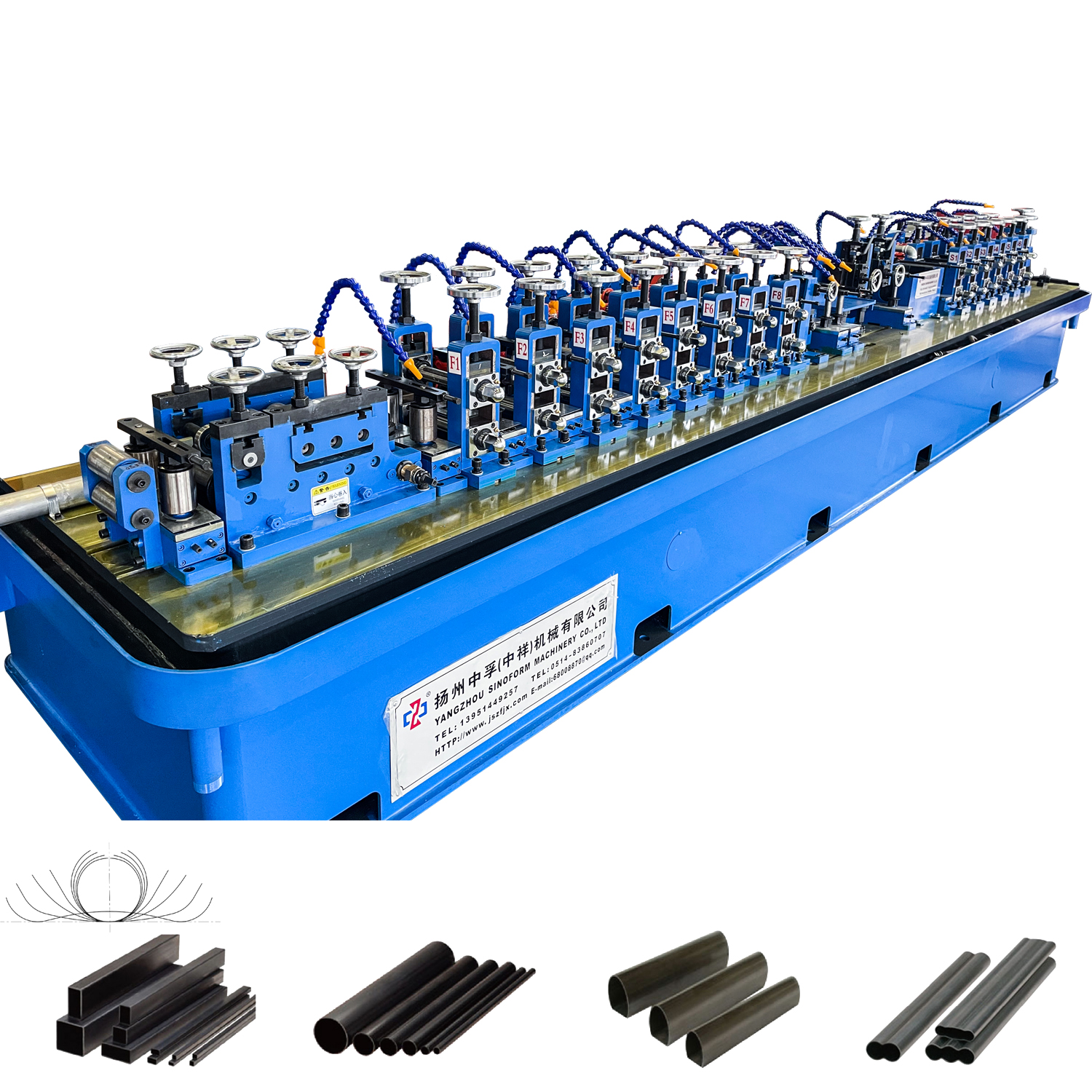
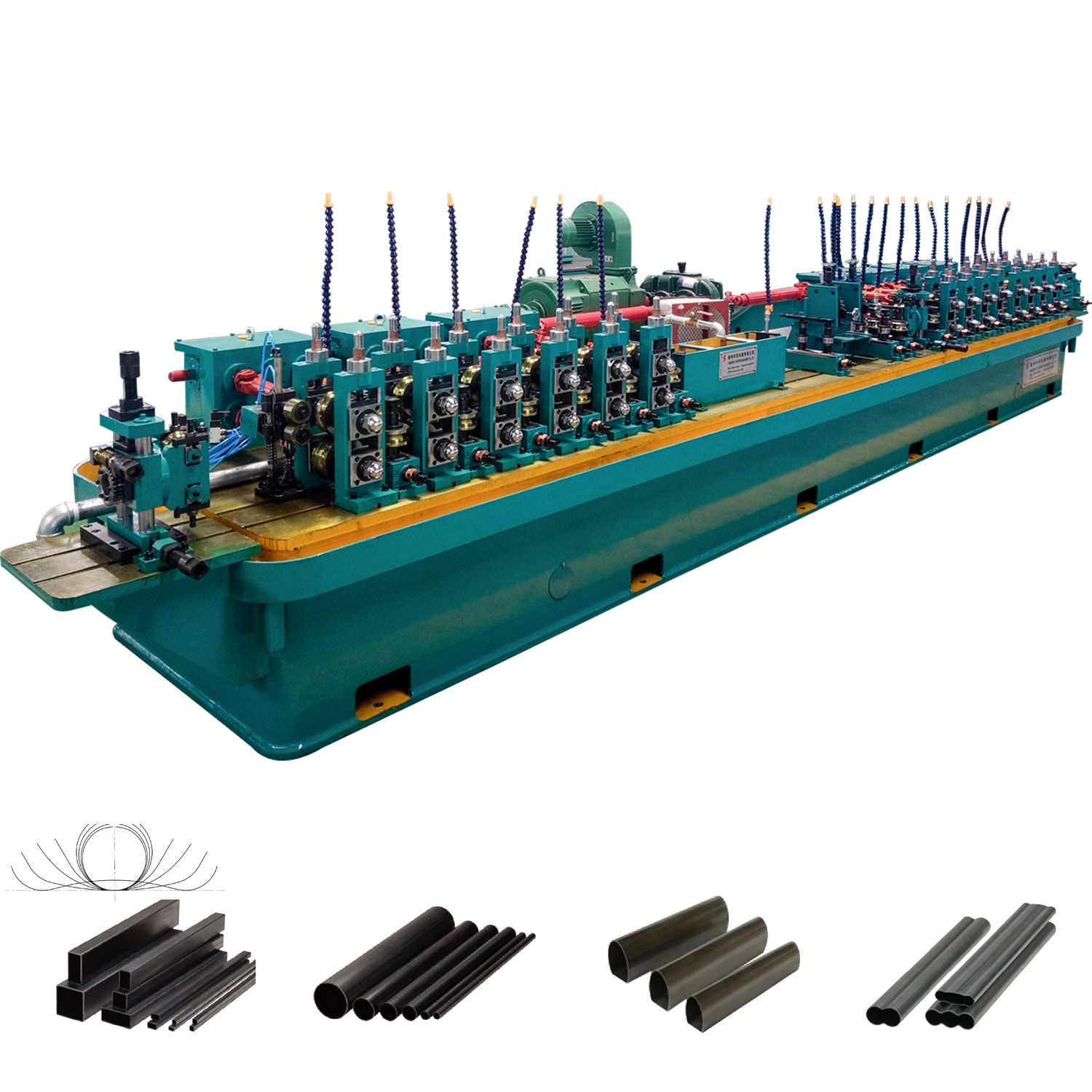
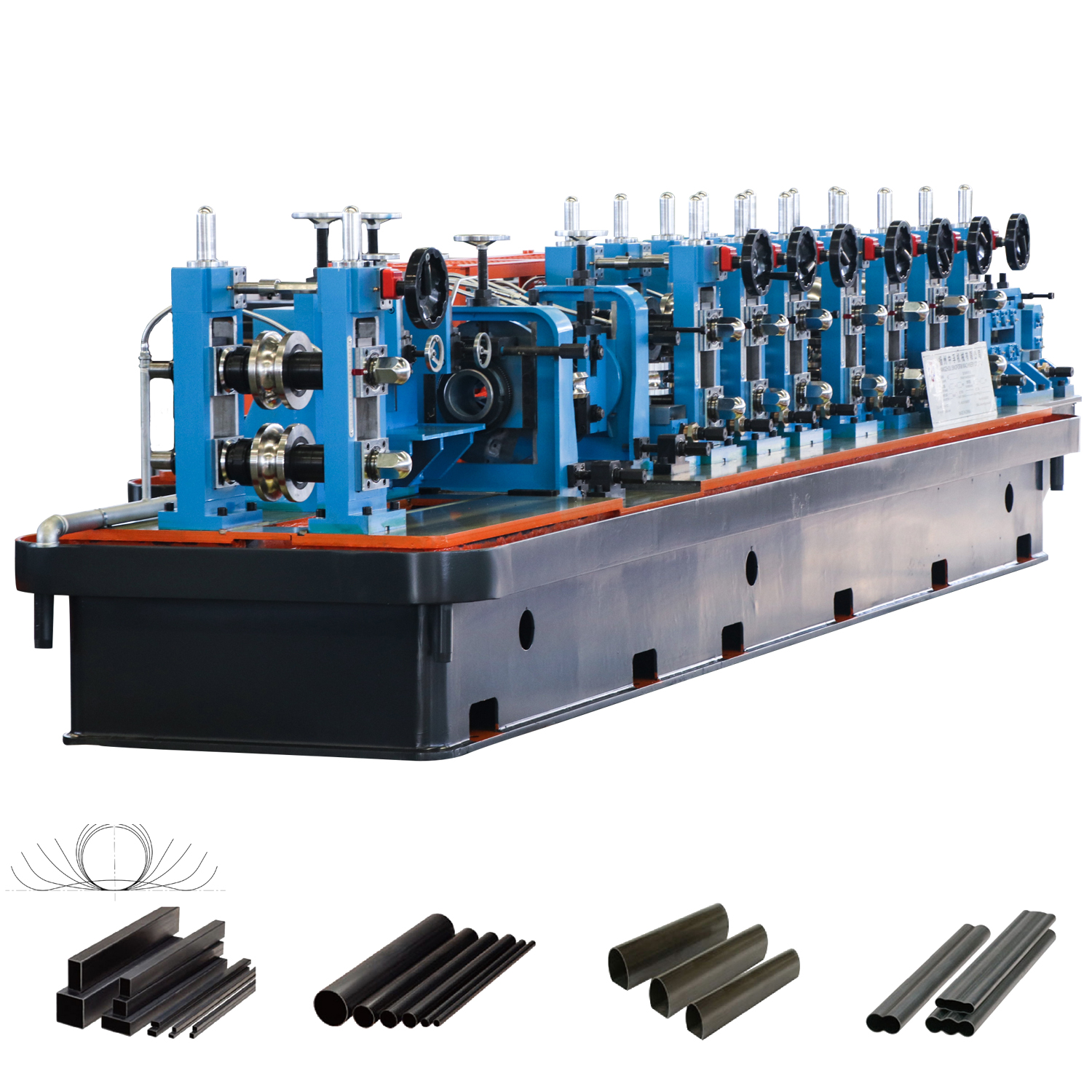
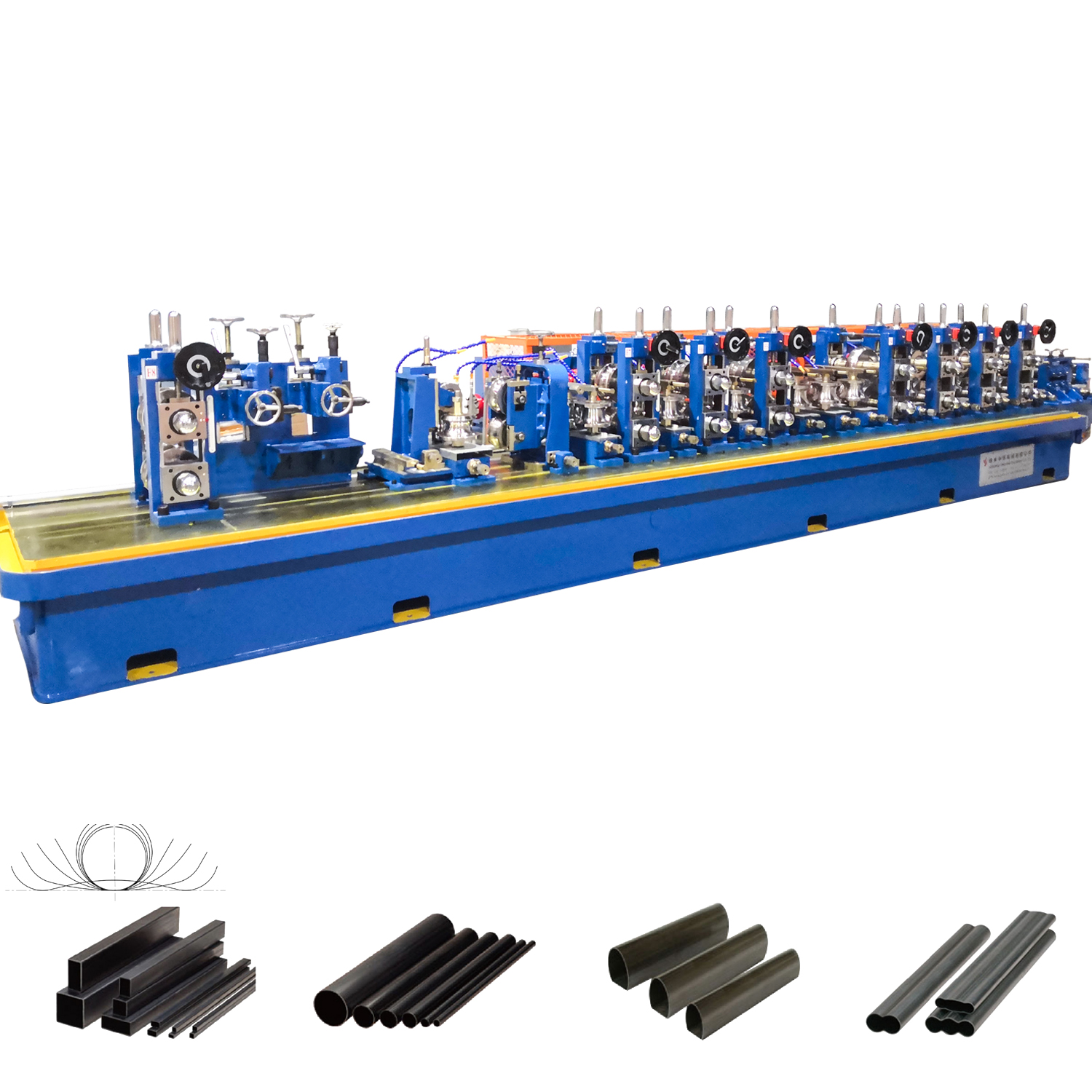
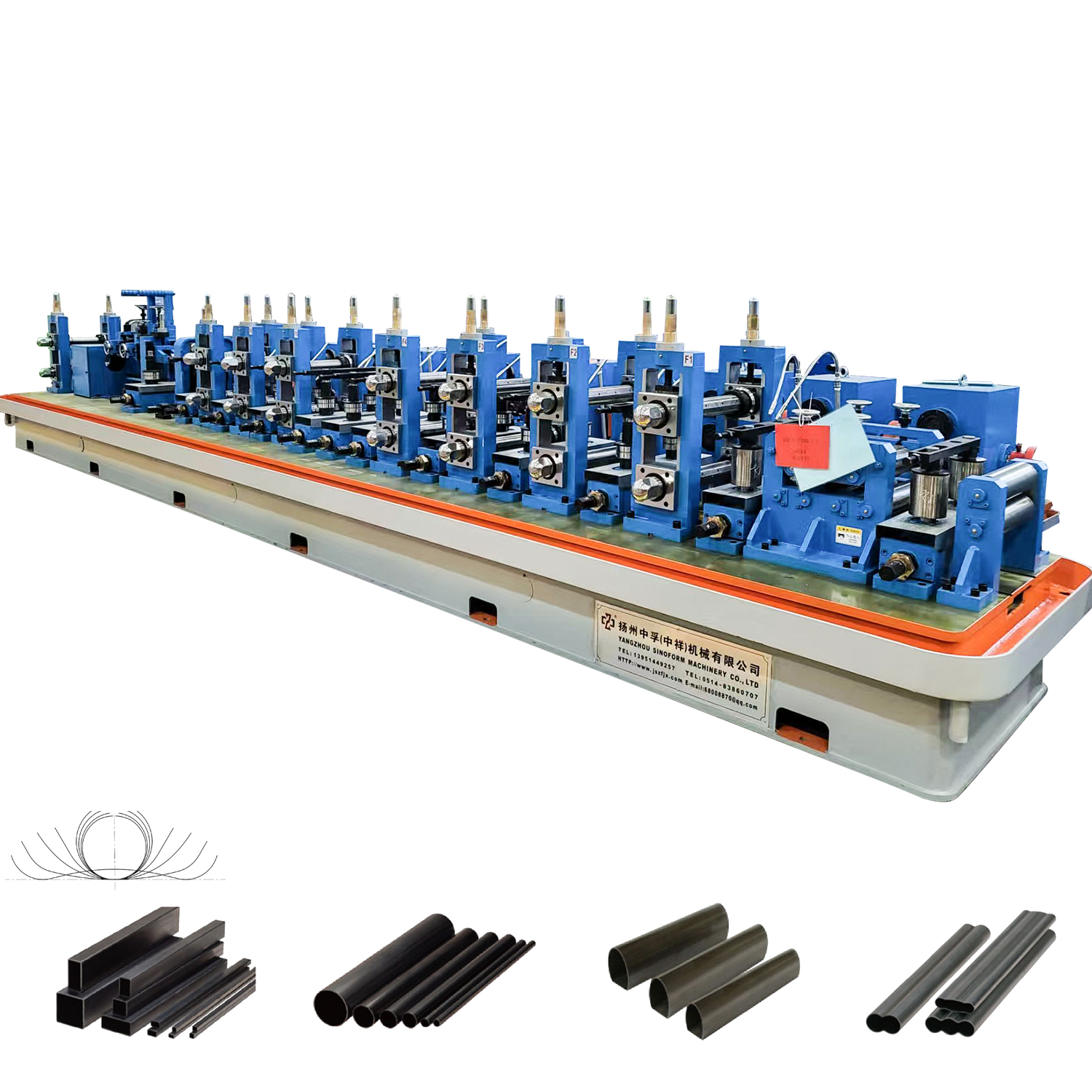
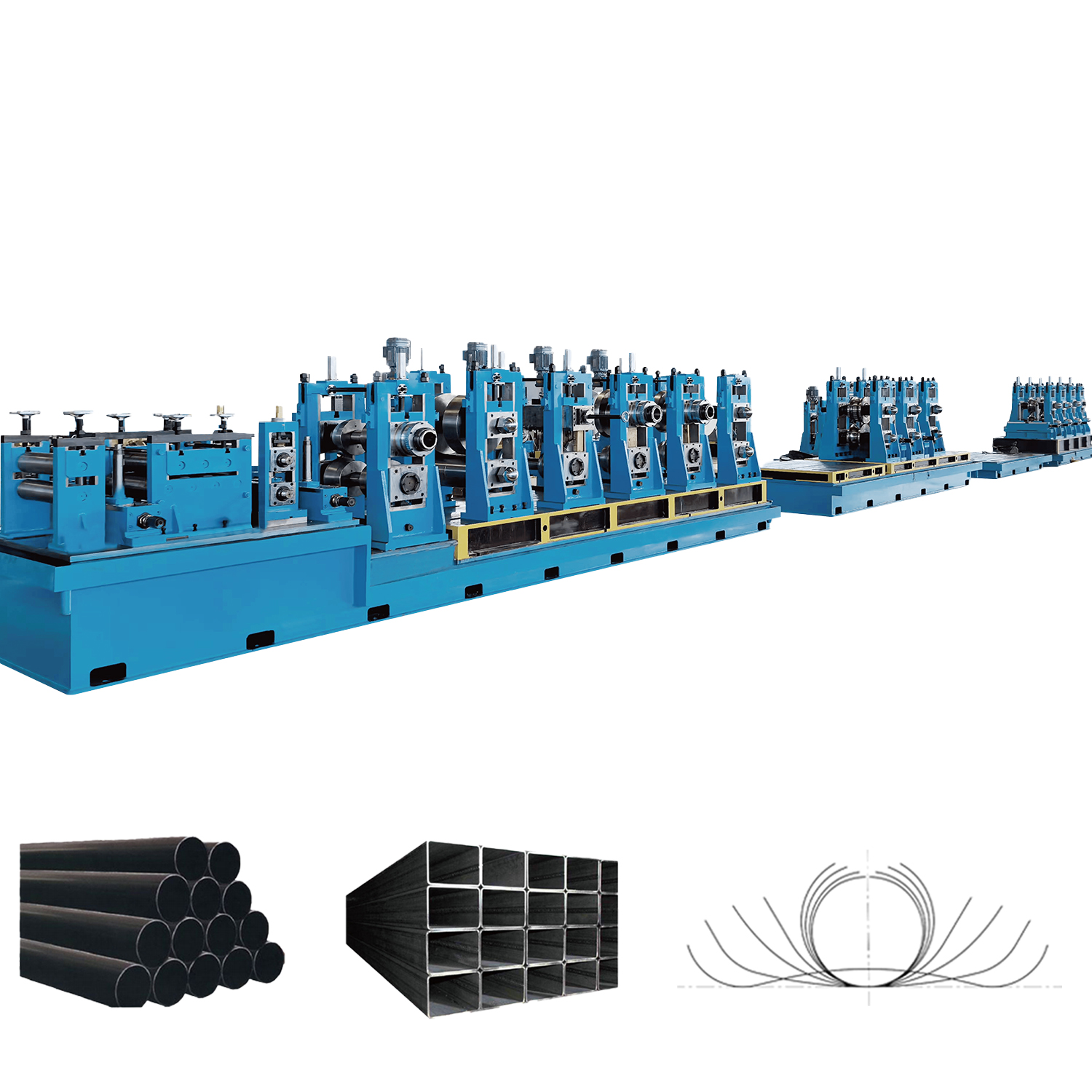
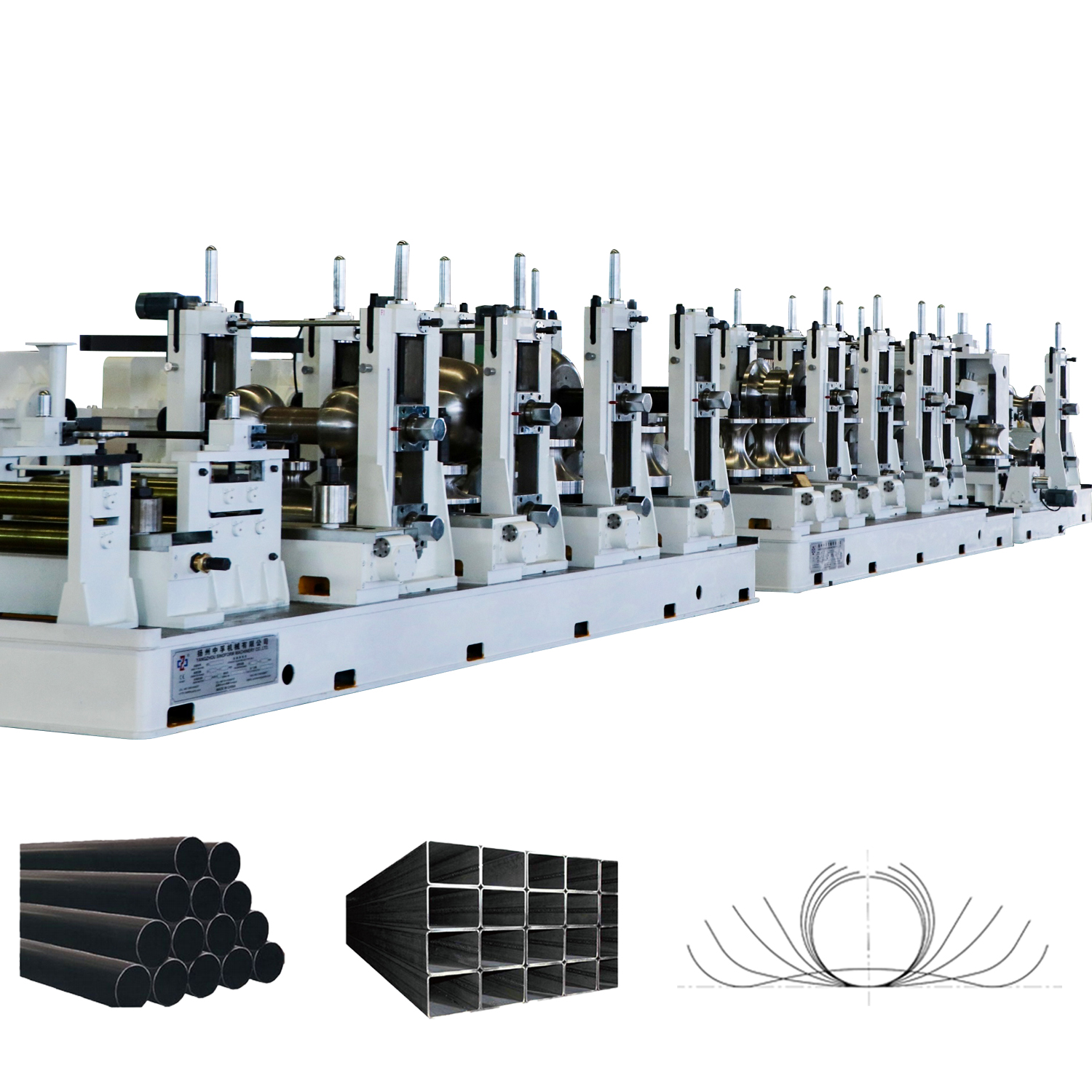
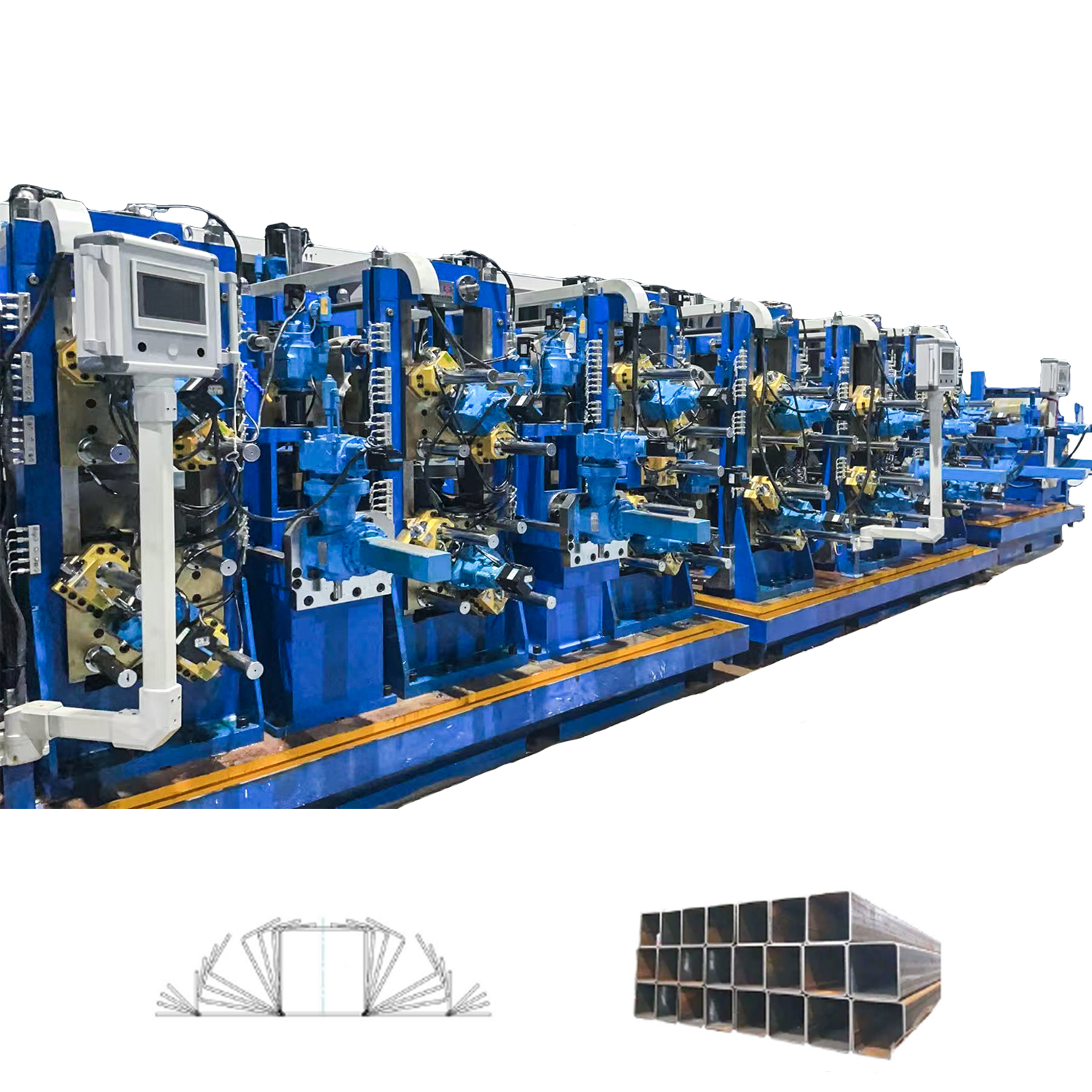
The manufacturing of ERW pipes begins with a flat steel strip or coil that is unrolled, leveled, and progressively formed into a cylindrical tube through a series of contoured rollers, after which high-frequency electric current is passed through the edges of the seam to heat them to welding temperature, and squeeze rollers forge the edges together into a homogeneous joint. The process starts with hot-rolled or cold-rolled steel coil that has been slit to the precise width required for the pipe circumference. The strip passes through a series of forming rolls arranged in a breakdown section, a fin-pass section, and a sizing section. In the breakdown section, the flat strip is gradually bent into a U-shape. The fin-pass rolls then close the gap until the two edges are almost touching and are aligned precisely parallel to each other. At this point, the strip enters the welding station, where high-frequency electrical current—typically in the range of 100 to 800 kilohertz (kHz)—is induced into the strip edges through an induction coil or conducted through sliding contacts. The current concentrates along the edges of the strip due to the skin effect and proximity effect, which are physical principles that cause high-frequency alternating current to flow in the surface of a conductor and to concentrate on facing surfaces. The electrical resistance of the steel converts this current into intense localized heat within fractions of a second, raising the temperature of the edges to the plastic and then forging range. The squeeze rolls immediately after the welding station apply a controlled pressure of approximately 20 to 50 megapascals (MPa), forcing the softened edges together and expelling any oxides, contaminants, and excess molten metal to the outside and inside of the pipe as a bead of material called weld flash. This flash is then trimmed flush with the pipe surface by internal and external scarfing tools, leaving a smooth weld seam that is often nearly invisible to the eye. After welding, the pipe passes through sizing rolls that bring it to the exact outer diameter required, and then it is cut to length by a traveling cutoff saw. According to the ASTM A53 standard, which covers ERW pipe for general structural and pressure applications, the completed pipe must be capable of passing a flattening test and a hydrostatic pressure test that demonstrate the integrity of the weld seam. This continuous, high-speed process can produce pipe at rates of 30 to 120 meters per minute, which is far faster than the hot-rolling and piercing process used to make seamless pipe, and this production efficiency is the fundamental reason for the economic advantage of ERW pipes.
Key Characteristics That Define ERW Pipe Quality
ERW pipes are characterized by their uniform wall thickness, tight dimensional tolerances, smooth surface finish, and a longitudinal weld seam that, when properly manufactured and heat-treated, exhibits mechanical properties equivalent to the surrounding base metal. The quality of an ERW pipe is directly linked to the quality of the incoming steel coil, the precision of the forming and welding parameters, and the post-weld heat treatment applied to the seam. The weld zone is the most critical region of the pipe. During the rapid heating and cooling cycle of welding, the steel immediately adjacent to the bond line can form a hard, brittle microstructure called martensite if the carbon content of the steel is above approximately 0.20% and the cooling rate is too high. To prevent this, modern ERW mills incorporate an in-line induction annealing station immediately after the welding and scarfing operations. This station reheats the weld seam to a temperature of approximately 900°C to 950°C (1,650°F to 1,740°F) and then allows it to cool in air, which tempers the martensite and normalizes the grain structure, restoring the ductility and toughness of the base metal across the weld zone. Pipe produced for high-pressure oil and gas transmission service under the API 5L standard must pass a series of mechanical tests, including a tensile test across the weld, a guided bend test that bends a specimen with the weld at the apex of the bend, and a Charpy V-notch impact test at low temperatures to verify that the weld retains adequate toughness. The dimensional accuracy of ERW pipe is another distinguishing feature. Because the strip is cold-formed from precision-rolled coil, the wall thickness can be held to a tolerance of ±5% to ±7.5%, which is tighter than the ±12.5% typical of seamless pipe. This precise wall thickness is particularly important for applications such as automotive drive shafts, where imbalance caused by wall variation can cause vibration, and for threaded pipe used in plumbing, where a uniform wall is needed to cut consistent threads. The combination of these characteristics—dimensional precision, smooth surface, uniform properties, and a reliable weld—defines the value proposition of ERW pipes across their entire range of applications.
ERW Pipe vs. Seamless Pipe: A Direct Performance Comparison
While both ERW and seamless pipes can meet the same ASTM and API standards for many applications, they differ fundamentally in their manufacturing process, cost structure, and the specific service conditions for which each is optimally suited. The table below provides a direct comparison of the key parameters that guide the selection between these two dominant steel pipe types.
| Parameter | ERW Pipe | Seamless Pipe |
|---|---|---|
| Manufacturing Method | Cold-formed from strip, high-frequency welded | Hot-rolled from solid billet, pierced and rolled |
| Wall Thickness Tolerance | ±5% to ±7.5% | ±10% to ±12.5% |
| Surface Finish | Very smooth; suitable for coating and painting | Rougher; scale from hot forming may remain |
| Relative Cost | Lower (fast, continuous process) | Higher (slower, multi-step batch process) |
| Available Size Range | Typically up to 24-inch OD (larger with spiral weld) | Up to 26-inch OD and larger |
| Maximum Pressure Rating | Up to API 5L Grade X80 (80,000 psi yield) | Up to API 5L Grade X100 and higher |
| Preferred Applications | Low to medium pressure pipelines, structural, automotive | High-pressure, high-temperature, corrosive, subsea |
Major Applications of ERW Pipes Across Industries
ERW pipes are used extensively in the oil and gas transmission, water and sewage distribution, construction and structural engineering, automotive manufacturing, agricultural irrigation, and scaffolding sectors, where their combination of reliable strength, dimensional accuracy, and lower cost makes them the dominant pipe type for most non-extreme service conditions. The specific applications for ERW pipes are organized by the industry standards that govern each use:
- Oil and gas transmission pipelines: API 5L ERW pipes in grades up to X80 (550 MPa minimum yield strength) are used for onshore natural gas and crude oil transmission lines operating at pressures up to approximately 1,500 psi (103 bar). The smooth interior surface of ERW pipe reduces friction and improves flow efficiency compared to seamless pipe, and the lower cost per ton allows longer pipeline distances to be constructed within budget.
- Water wells and municipal water mains: ASTM A53 Grade B ERW pipe is the standard material for water well casings, water transmission mains, and fire protection sprinkler piping. The pipe is typically galvanized or coated with epoxy to prevent corrosion, and the tight dimensional tolerances ensure reliable threaded connections.
- Structural columns and building frames: ASTM A500 Grade B and C ERW pipes are used for square and round hollow structural sections (HSS) that form the columns, beams, and trusses of modern steel-frame buildings. The high strength-to-weight ratio and the uniform wall thickness of ERW tube allow engineers to design efficient structural members without the weight penalty of heavier hot-rolled sections.
- Automotive components and drive shafts: Cold-rolled ERW tubes are used for automotive propeller shafts, suspension arms, and seat frames. The precise wall thickness minimizes rotating mass imbalance, and the excellent surface finish allows for direct painting or powder coating without additional surface preparation.
- Fencing, scaffolding, and agricultural irrigation: Light-gauge galvanized ERW pipe serves as the standard material for chain-link fence posts, temporary scaffolding structures, and center-pivot irrigation systems. The low cost and availability in long lengths make it the practical choice for these high-volume applications.
Quality Control and Post-Weld Heat Treatment of the Weld Seam
The reliability of ERW pipes in pressure-containing service depends critically on the post-weld heat treatment of the longitudinal seam, which normalizes the grain structure across the weld zone and eliminates the brittle martensitic microstructure that can form during the rapid cooling of the weld. Without this heat treatment, the weld line can become a zone of weakness that is susceptible to stress corrosion cracking, fatigue failure, and brittle fracture, particularly in low-temperature service or in environments containing hydrogen sulfide. The in-line induction annealing process reheats the weld to a temperature within the austenitic range, typically 900°C to 950°C, and holds it for a few seconds before air cooling. This thermal cycle transforms any hard martensite into a normalized fine-grained ferrite and pearlite structure that matches the properties of the surrounding base metal. After heat treatment, the weld is tested by both destructive and non-destructive methods. Destructive tests include the flattening test, in which a ring section of pipe is compressed between parallel plates until the inner surfaces touch, and the weld must not open or crack. Non-destructive testing, conducted continuously on the production line, includes ultrasonic inspection of the entire weld seam to detect any internal defects such as incomplete fusion, porosity, or cracking. According to the American Society for Testing and Materials (ASTM), these quality control measures have made the modern ERW pipe suitable for many applications that were historically restricted to seamless pipe, a shift that has been supported by decades of successful service experience in pipelines, structural frames, and pressure vessels worldwide.
Frequently Asked Questions About ERW Pipes
What does ERW stand for in pipe terminology?
ERW stands for Electric Resistance Welded. The name refers to the manufacturing process in which the longitudinal seam of the pipe is fused together using heat generated by the electrical resistance of the steel itself, without the addition of filler metal. The process is also sometimes called high-frequency welding when the electrical current is applied at frequencies above 100 kHz.
Is ERW pipe stronger than seamless pipe?
The base metal of ERW pipe can achieve the same minimum yield strength as seamless pipe when produced to the same API or ASTM grade. However, the weld seam is a potential point of weakness if it is not properly heat-treated. Modern ERW pipe with normalized seams meets the same tensile, bend, and impact requirements as seamless pipe for its grade. The choice between the two is usually driven by application-specific factors such as corrosion resistance, temperature cycling, and code requirements rather than by a simple strength comparison.
Can ERW pipe be used for high-pressure steam or boiler service?
ERW pipe can be used for low to medium-pressure steam and boiler applications when it is manufactured to the ASTM A178 or ASTM A214 standards, which specifically cover electric-resistance-welded tubes for boilers and superheaters. For high-pressure, high-temperature steam service in power plants, seamless pipe to ASTM A192 or A210 is more commonly specified because of the absence of a weld seam and the greater historical operating experience at extreme temperatures.
How can I tell if a pipe is ERW or seamless by looking at it?
An ERW pipe typically shows a slightly visible longitudinal seam line on the inside or outside surface, which may appear as a thin, slightly discolored or smooth stripe. However, on modern ERW pipe that has been scarfed and coated, the seam can be extremely difficult to see. The manufacturing standard and grade are stamped or stenciled on the pipe surface, and the marking will indicate the ASTM or API specification, which identifies whether the pipe is ERW or seamless.
ERW pipes are a cornerstone of modern industry, providing a cost-effective, dimensionally precise, and mechanically reliable tubular product that meets the needs of pipelines, structures, vehicles, and countless other applications. The electric resistance welding process, combined with rigorous post-weld heat treatment and non-destructive testing, produces a product in which the weld is often indistinguishable from the base metal in both appearance and performance. By understanding what ERW pipes are and how they are made, engineers, contractors, and procurement professionals can confidently select the correct specification for their project requirements.