

 English
 Español
 عربى
عربى русский
 中文简体
中文简体
200x200 ERW Square And Rectangular Tube Mill Line
Product IntroductionDuring the process of forming square and rectangular pipes, the roll utilizes a combined roll ...
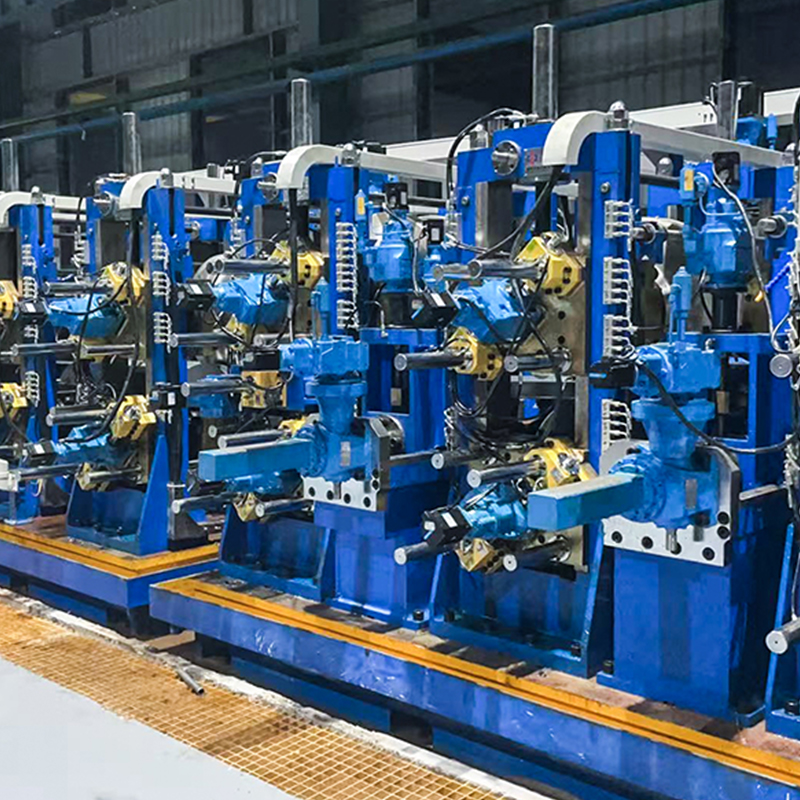
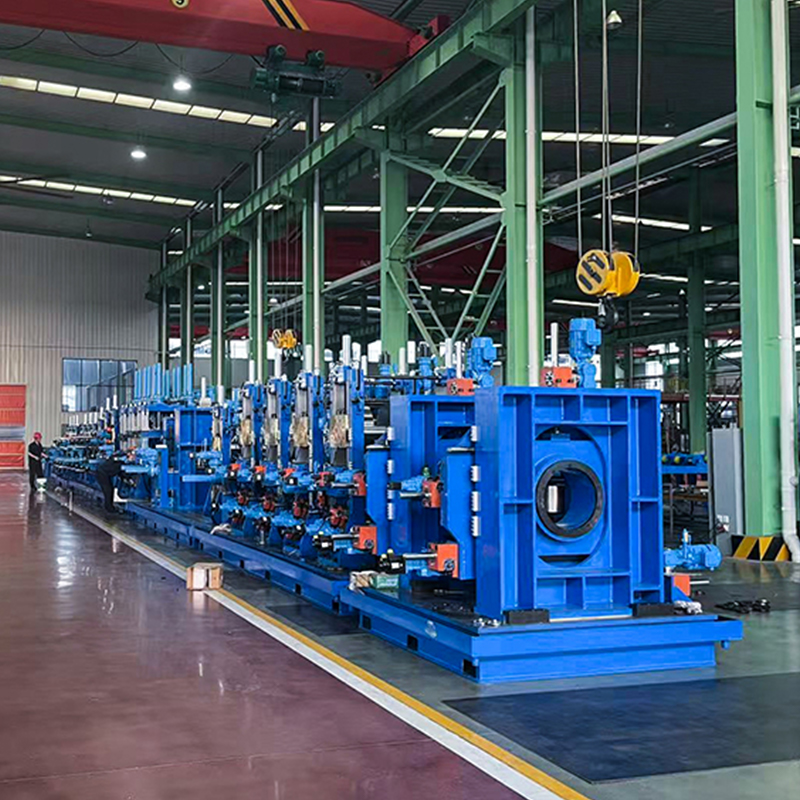
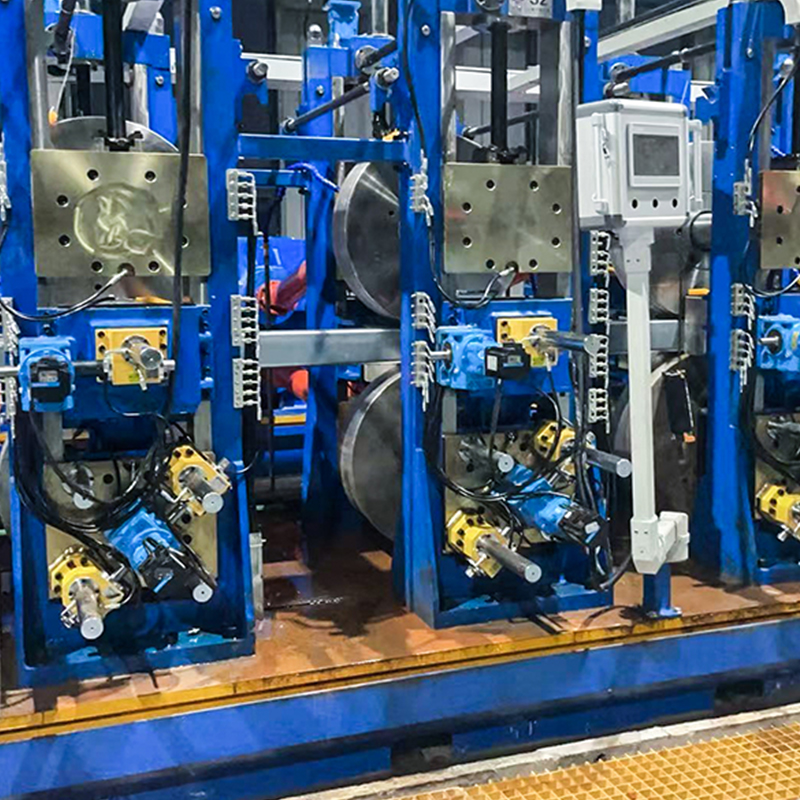
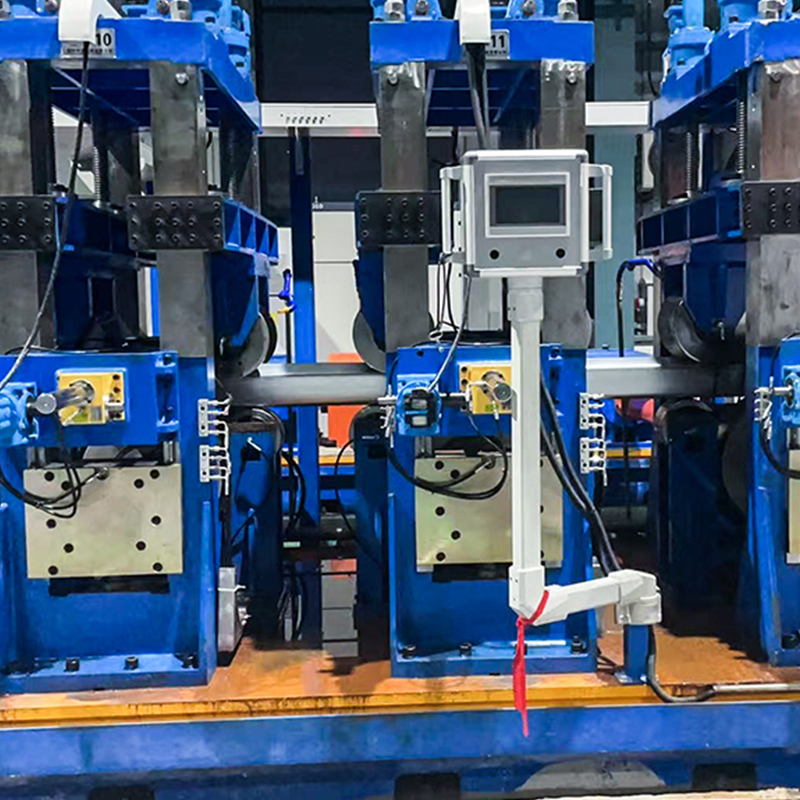
Product Introduction
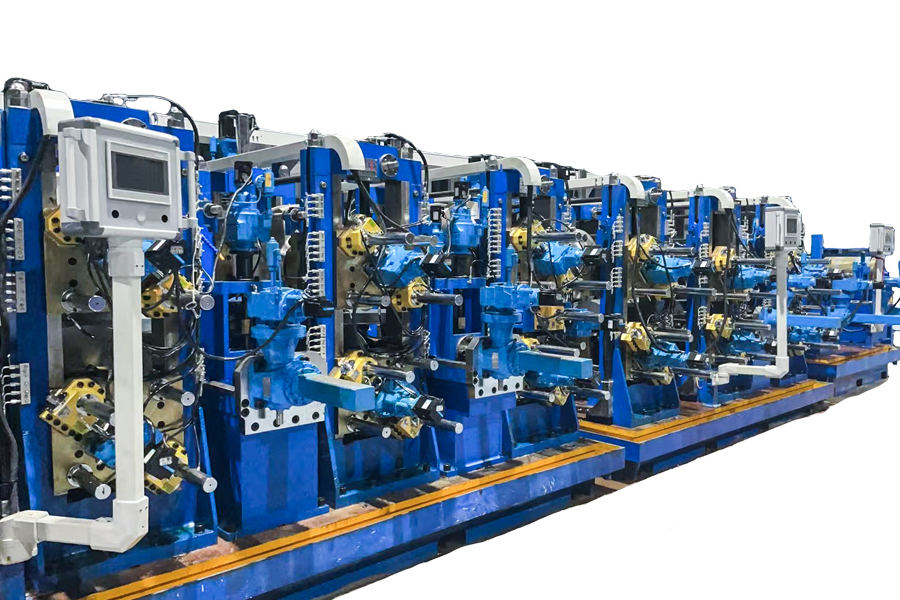
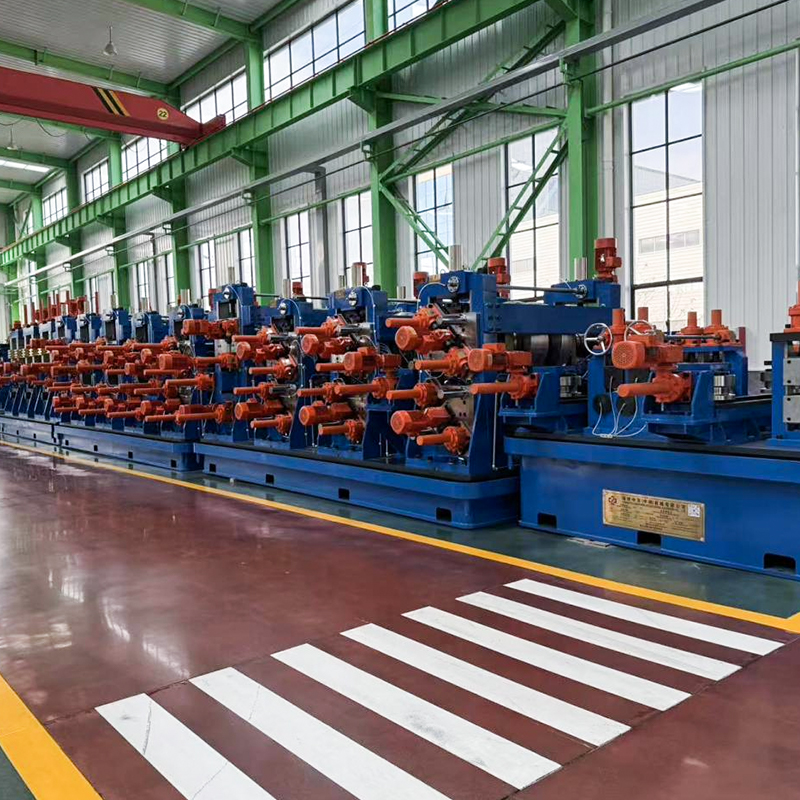
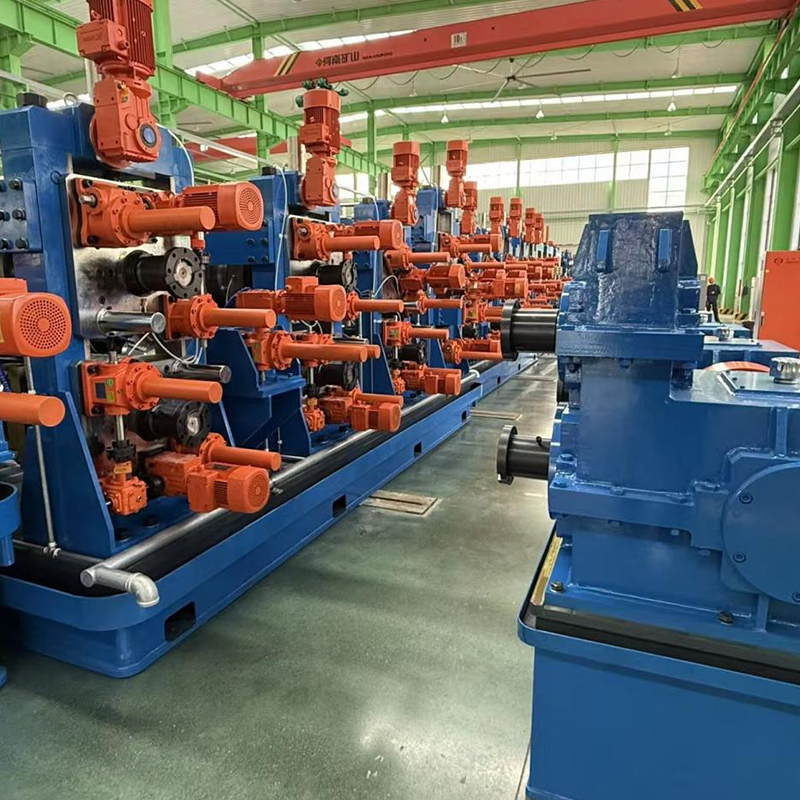
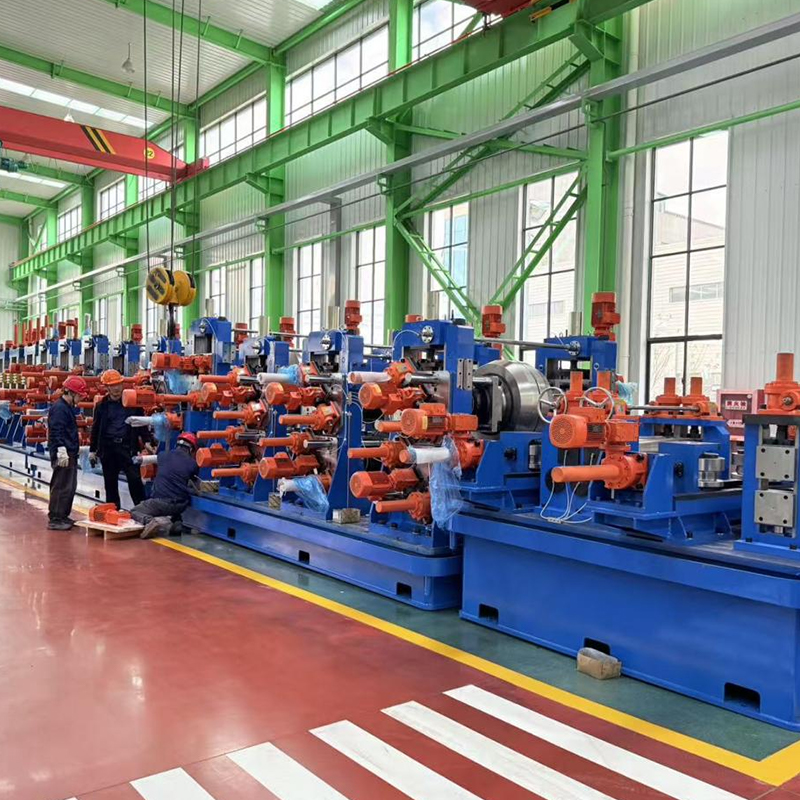
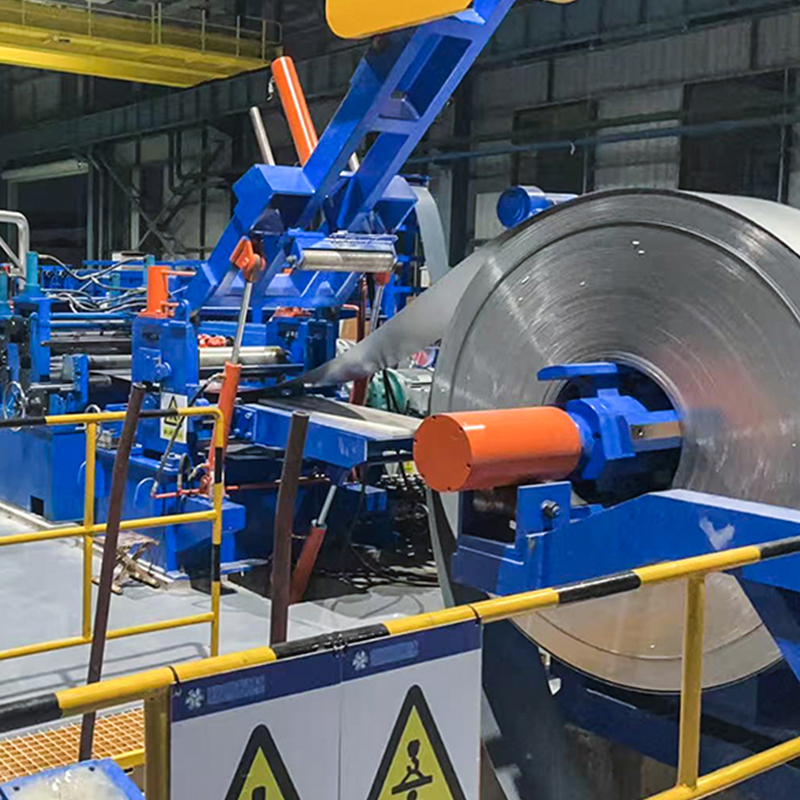
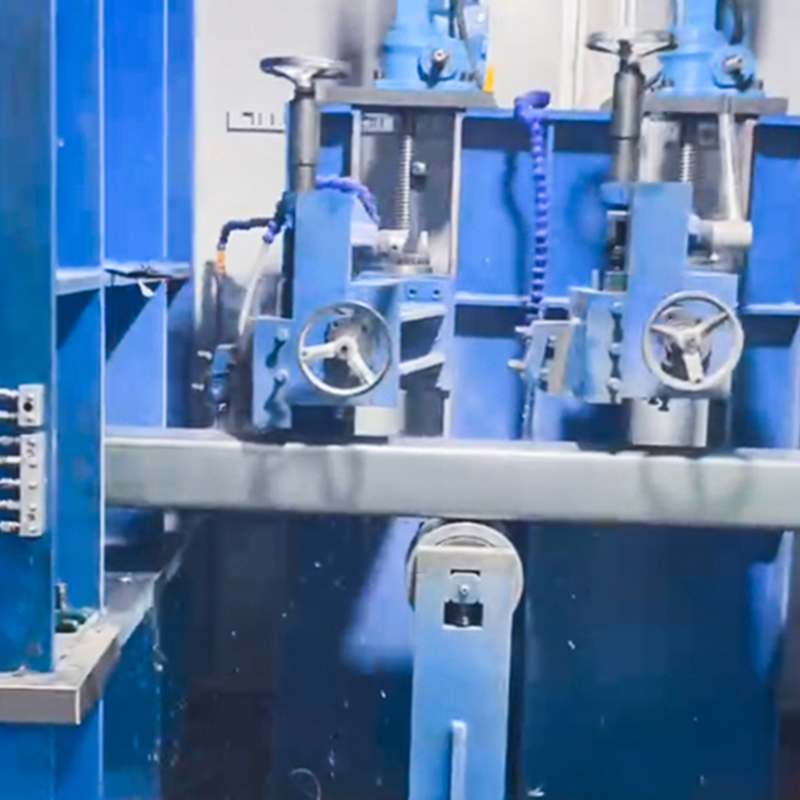
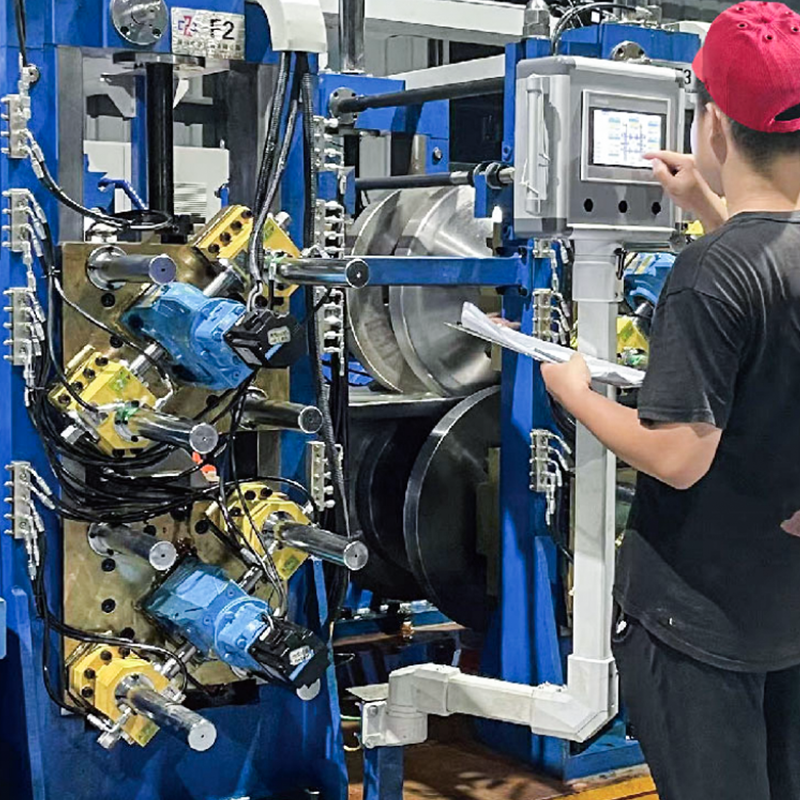
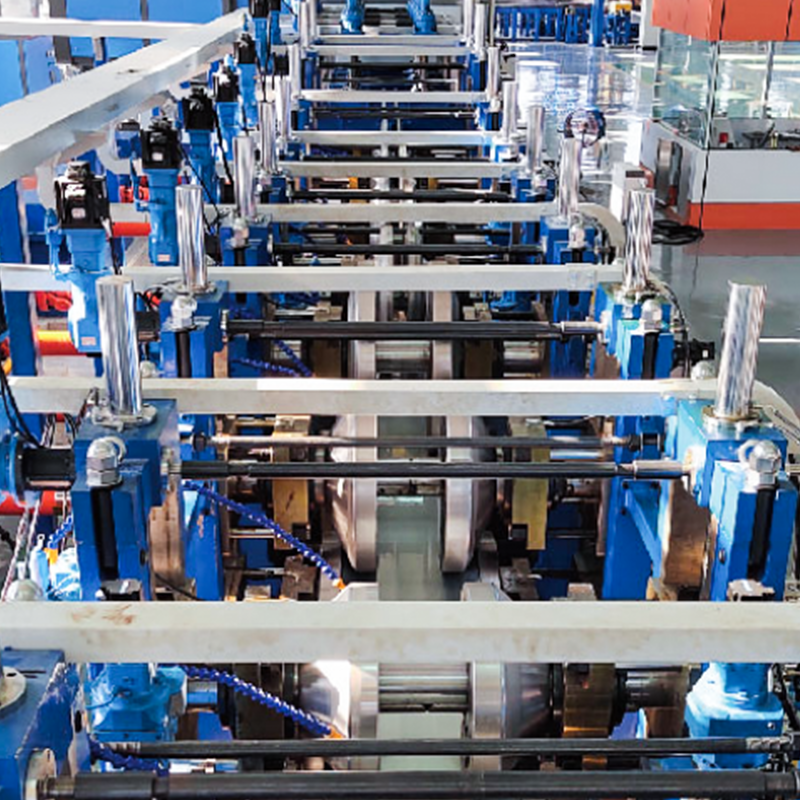
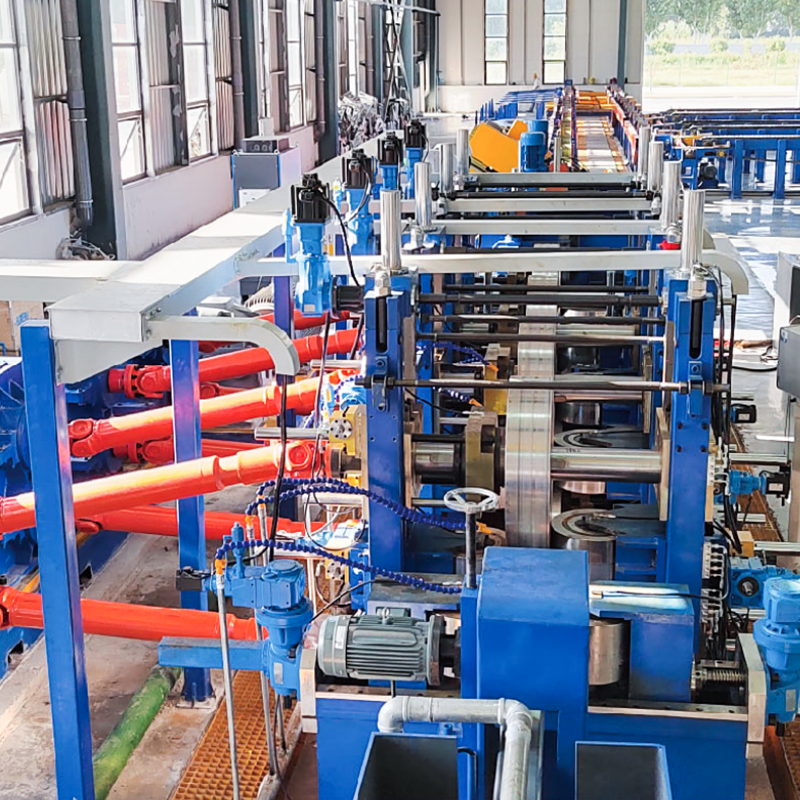
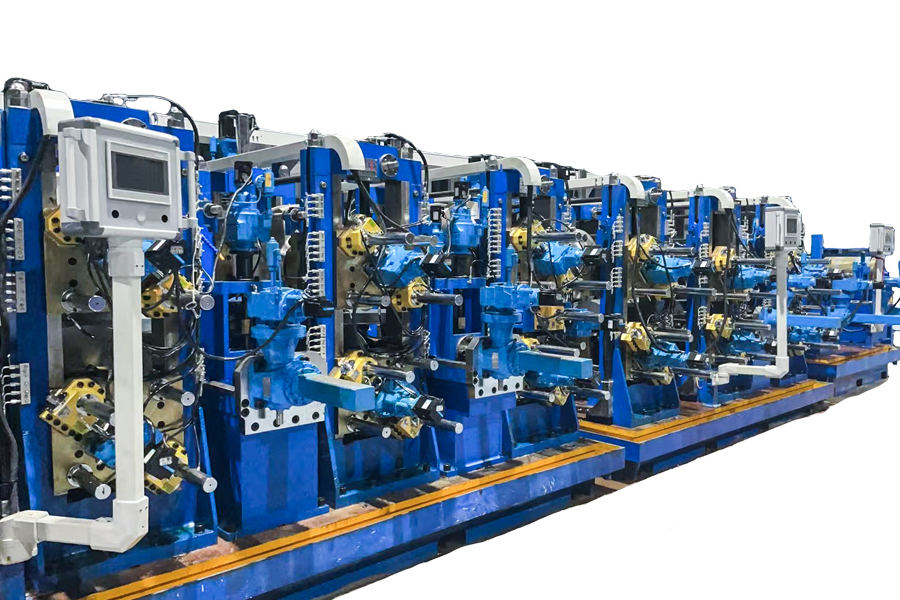
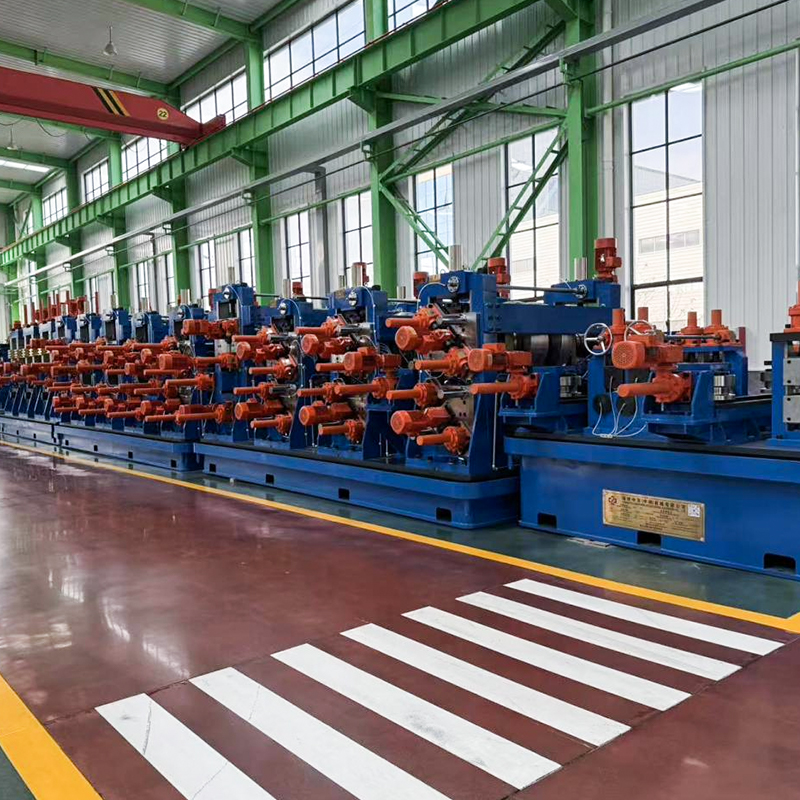
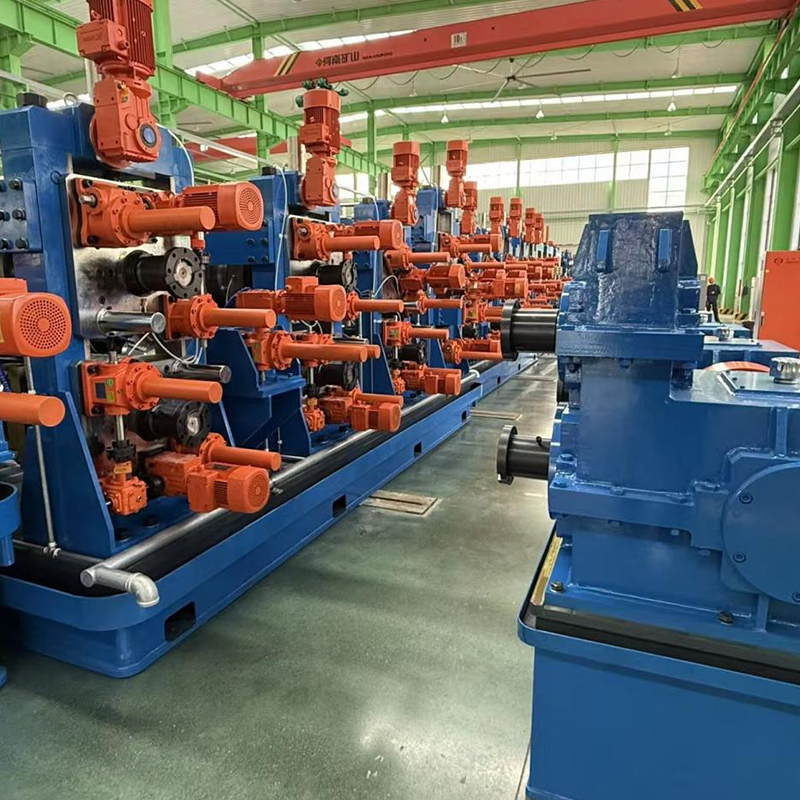
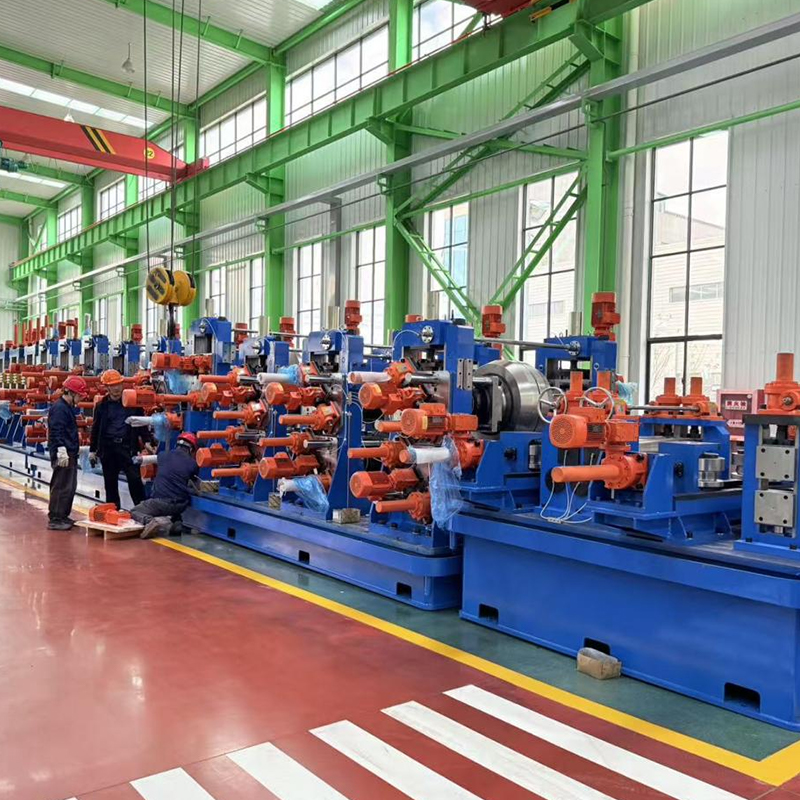
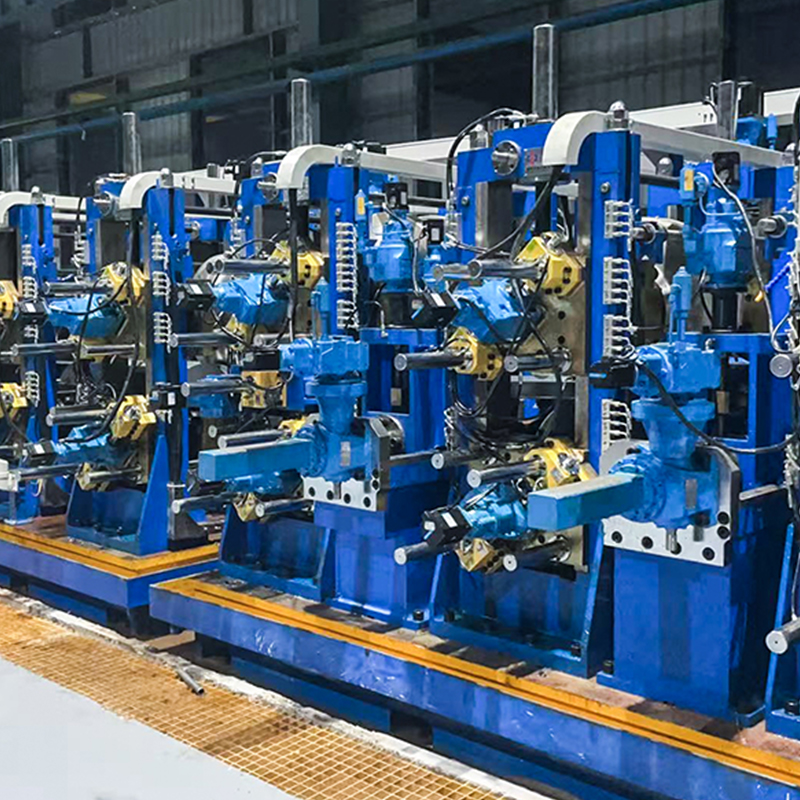
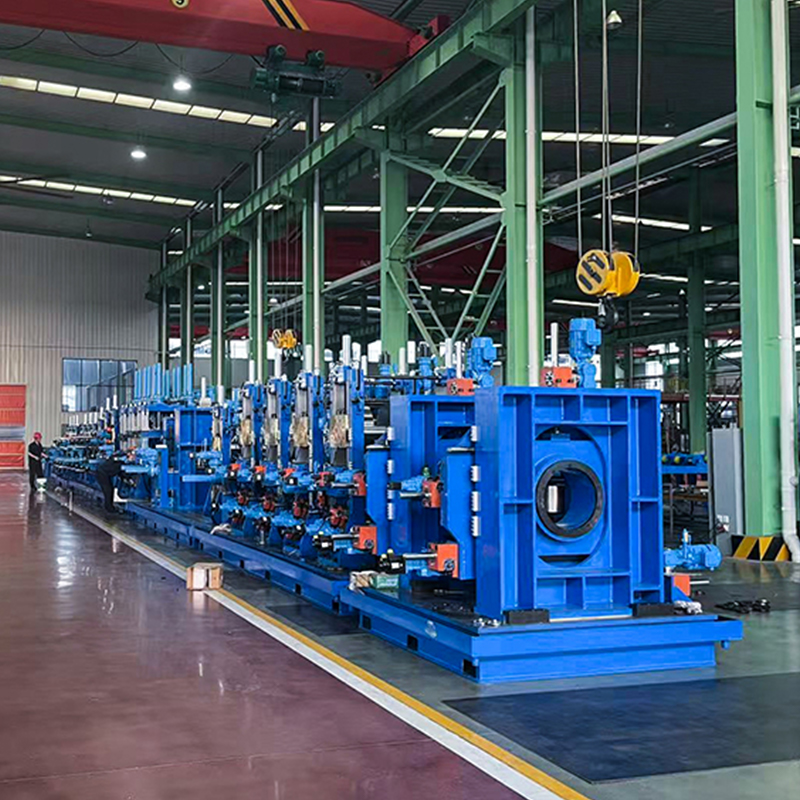
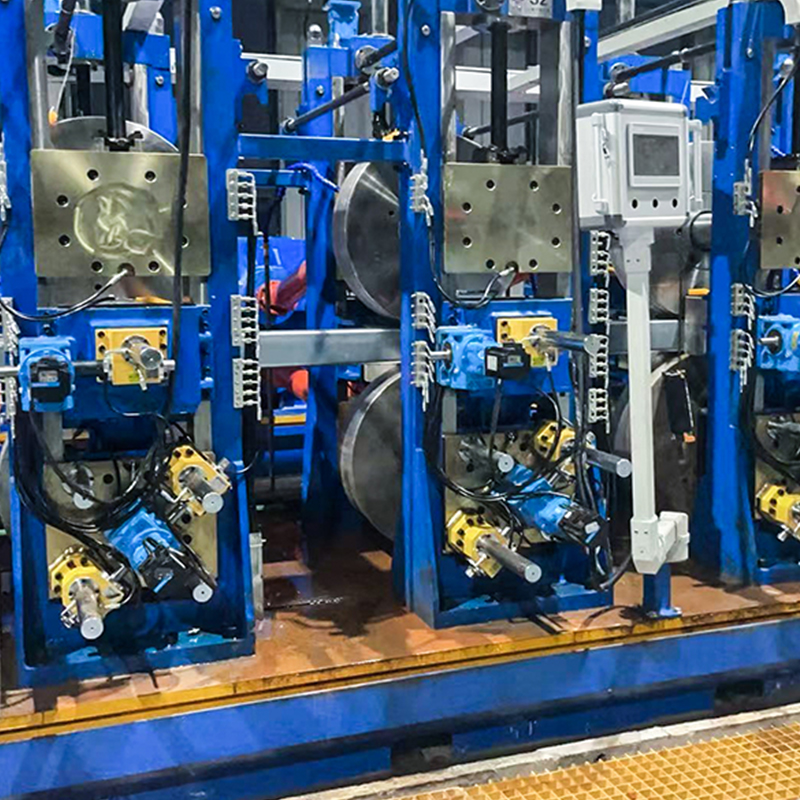
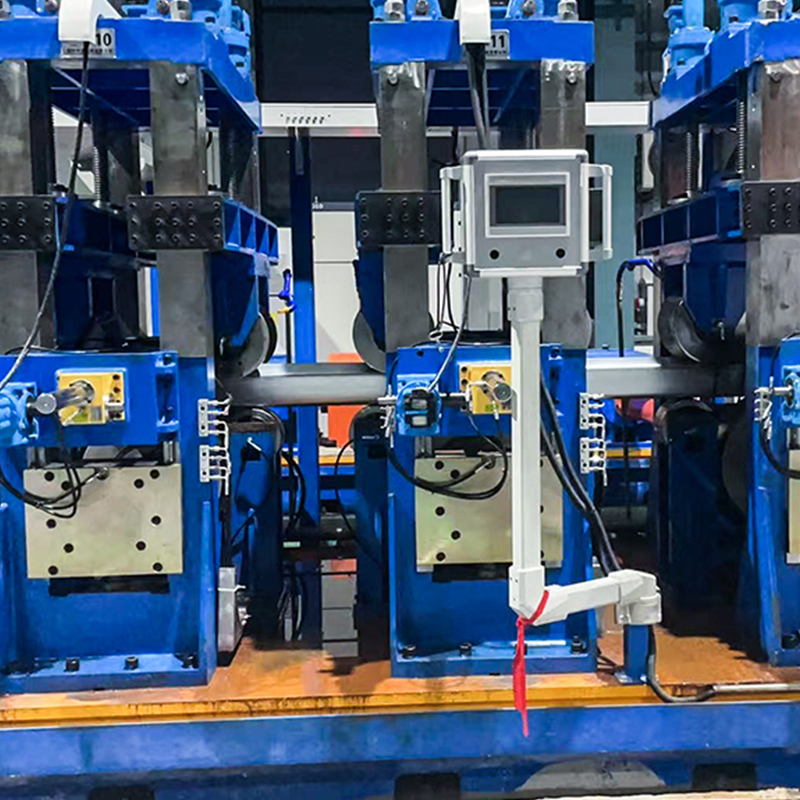
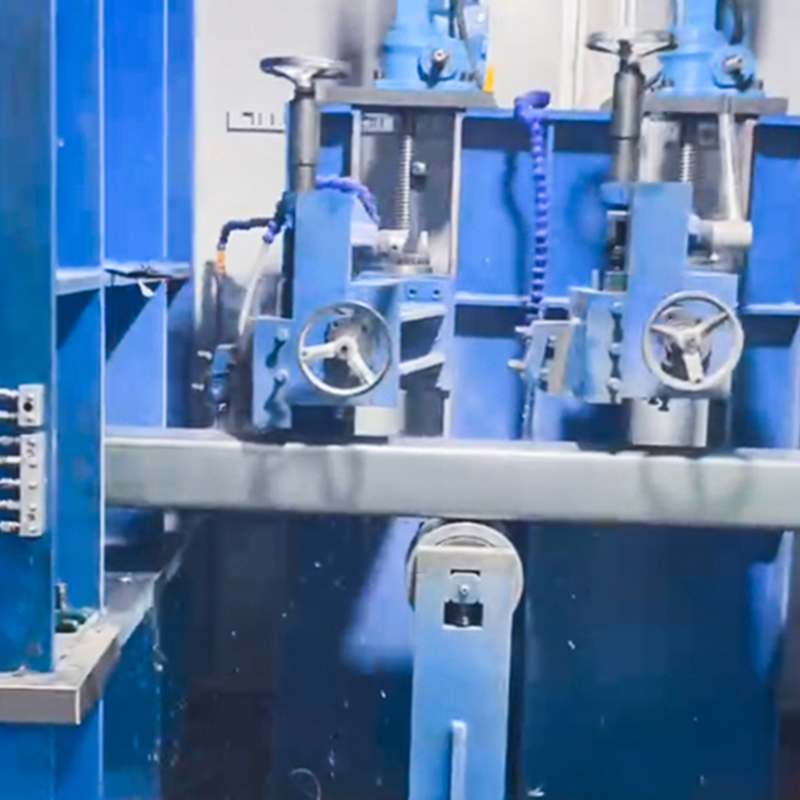
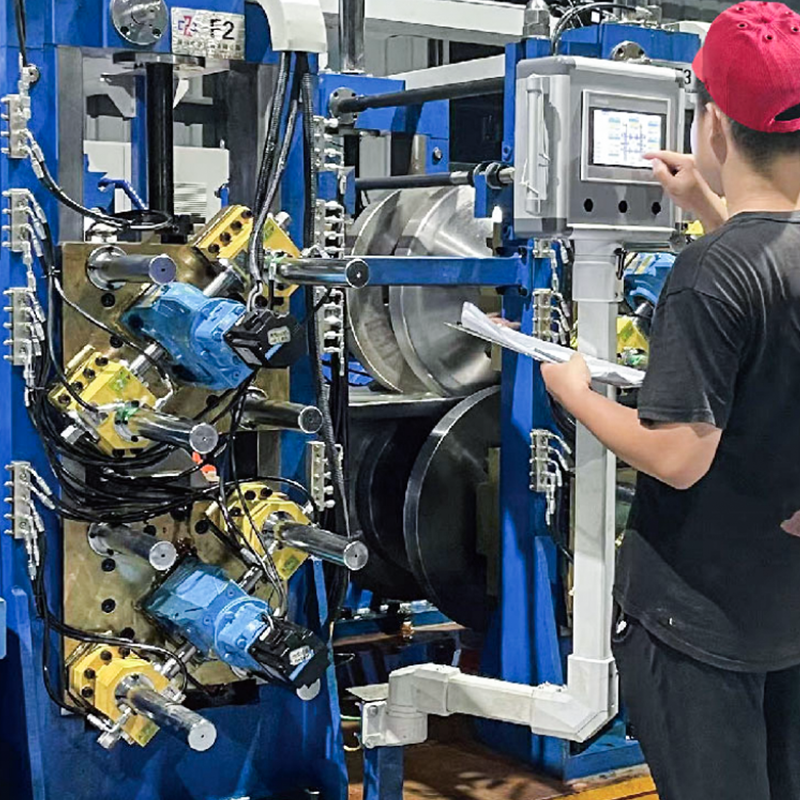
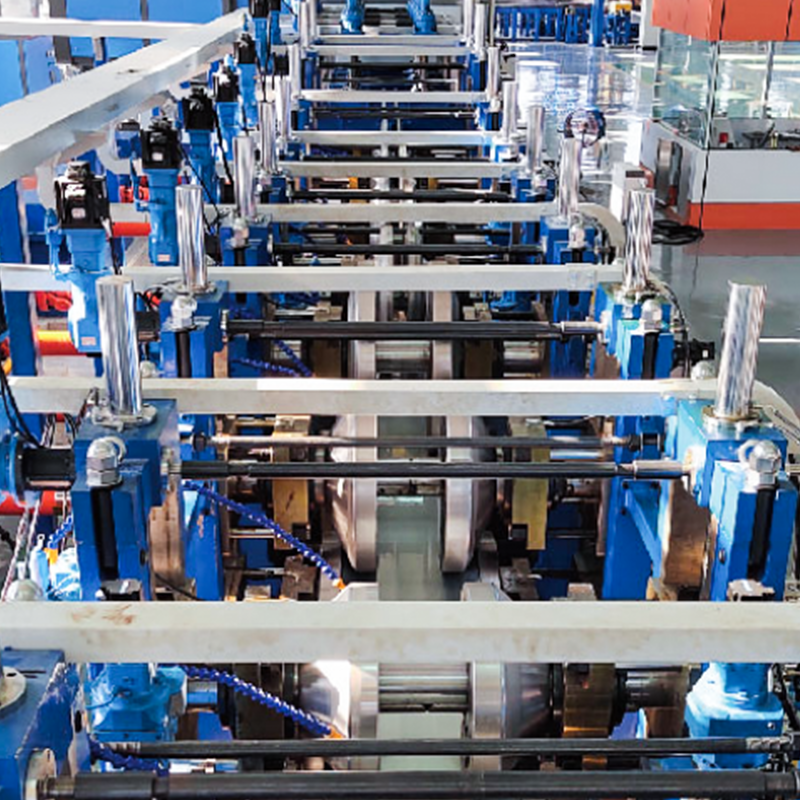
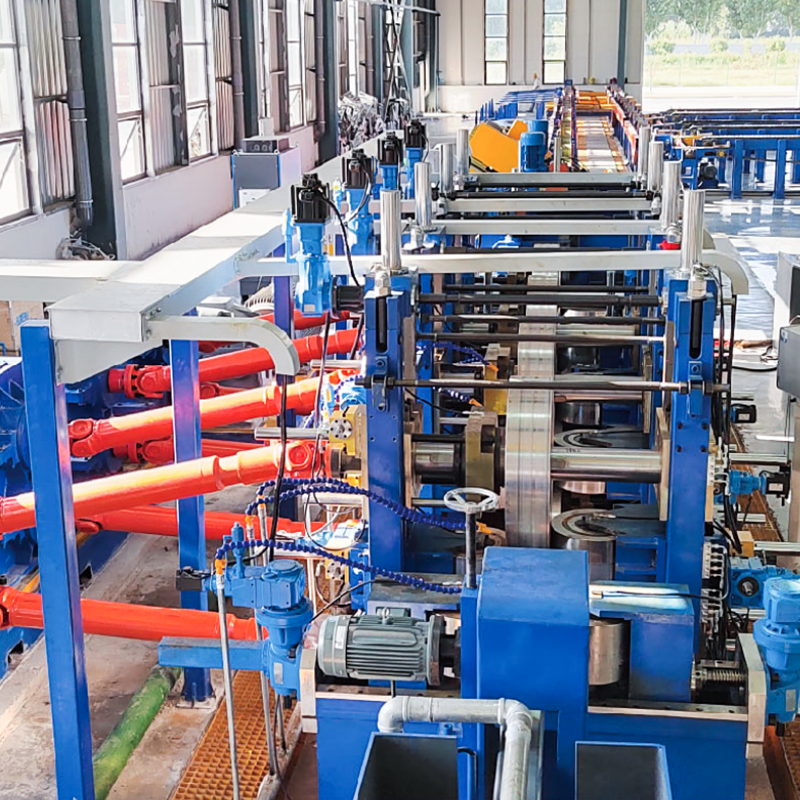
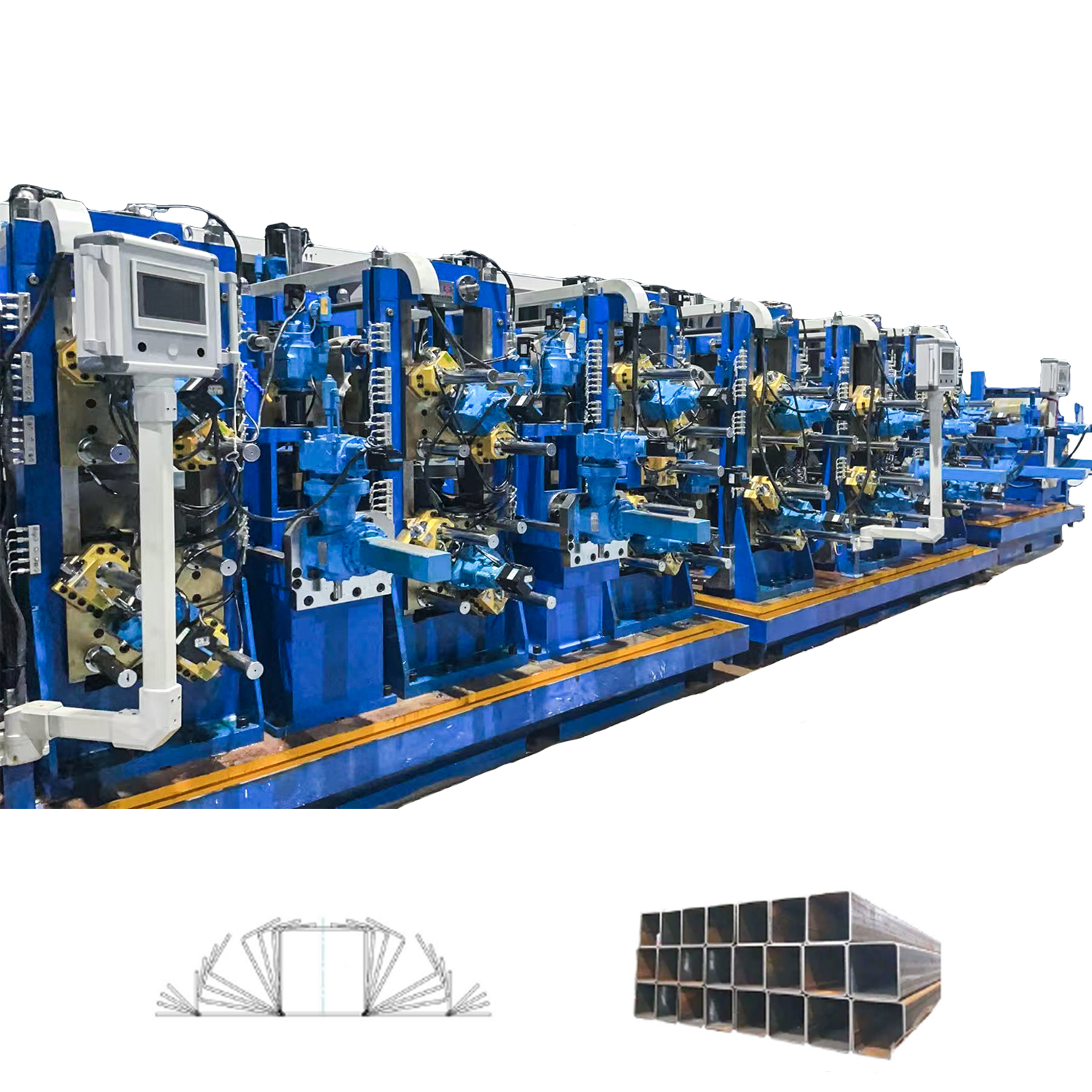
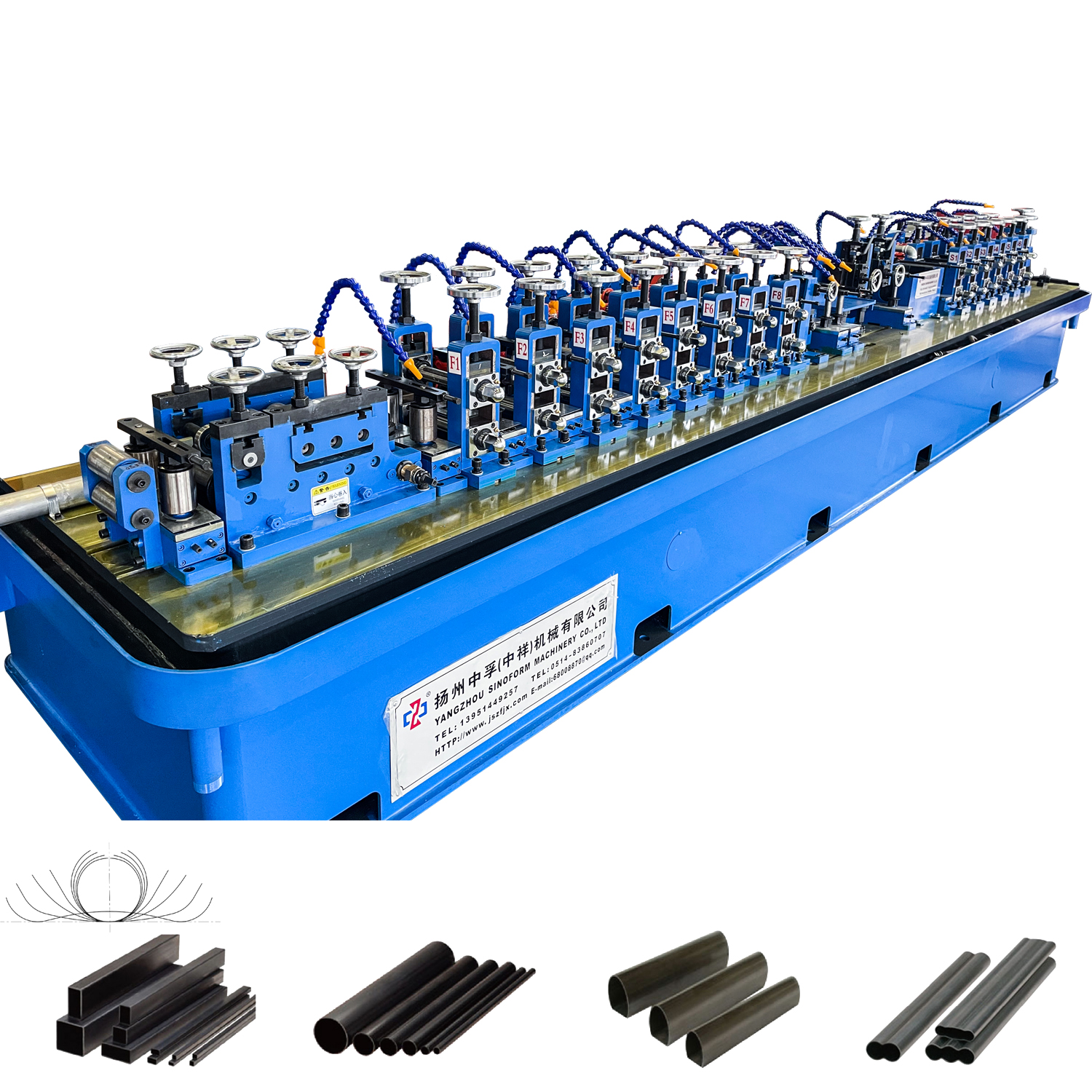
During the process of forming square and rectangular pipes, the roll utilizes a combined roll with a fragment structure, and the roll sheet is filled with the roll sleeve. One set of rolls can cover the welded pipes of the product specifications, and the roll-sharing rate reaches 100%. The roll adopts a segmented structure, and the local contact between the roll and the steel strip in the deformation area is not uniform, thus reducing the contact area and correspondingly reducing the friction between the strip steel and the roll. As a result, the roll wastage is less. The energy consumption of the machine forming is reduced correspondingly, and the strip width can be saved by about 4%. According to the needs of users, the machine can be designed to produce profiles, square tubes, rectangular tubes, and round tubes, multi-functional combination equipment, to achieve a multi-purpose machine.
The fundamental difference between ERW and EFW steel pipes lies in the welding mechanism: ERW (Electric Resistance Welded) pipes use electrical resistance to ...
READ MOREAn ERW tube mill is a continuous production line that transforms flat steel strip into round, square, or rectangular tubes using high-frequency electric resist...
READ MOREERW pipes, which stands for Electric Resistance Welded pipes, are steel pipes manufactured by cold-forming flat steel strip or coil into a cylindrical shape an...
READ MOREPipes are made using one of three core manufacturing methods depending on the material: seamless steel pipes are formed by piercing a solid metal billet, welde...
READ MOREThe 200x200 ERW square and rectangular tube mill line represents an essential industrial production system designed for continuous high-frequency electric resistance welding of structural steel hollow sections. Engineered for efficiency and structural accuracy, this machinery processes hot-rolled or cold-rolled steel coils into precise square and rectangular cross-sections.
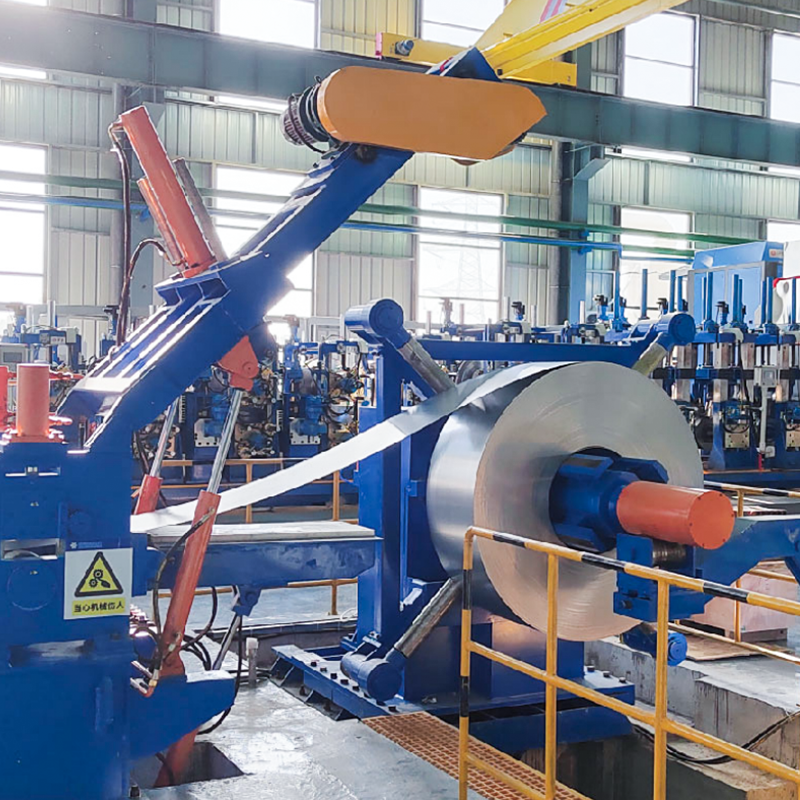
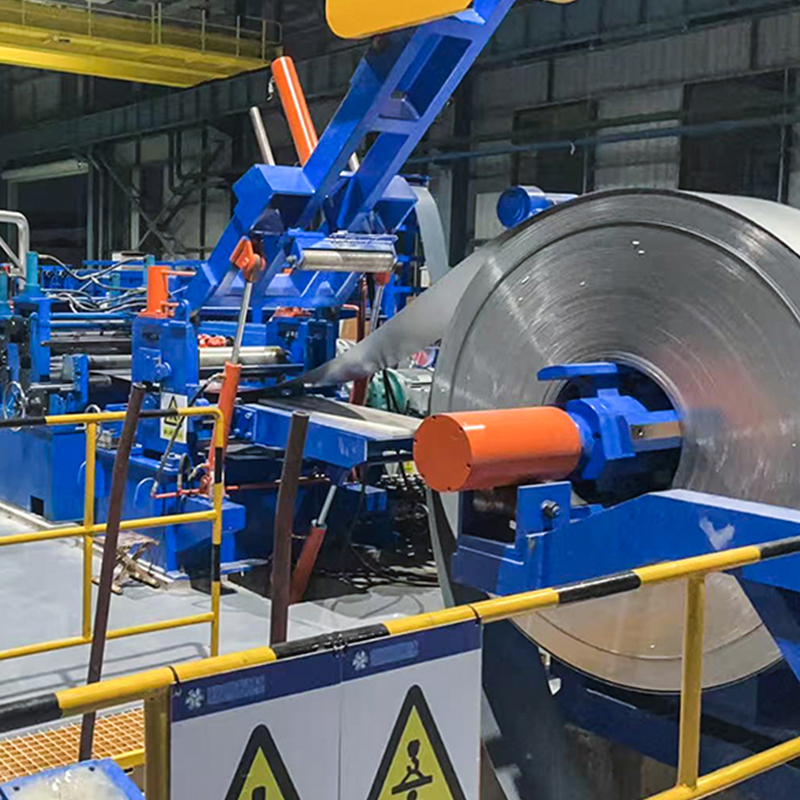
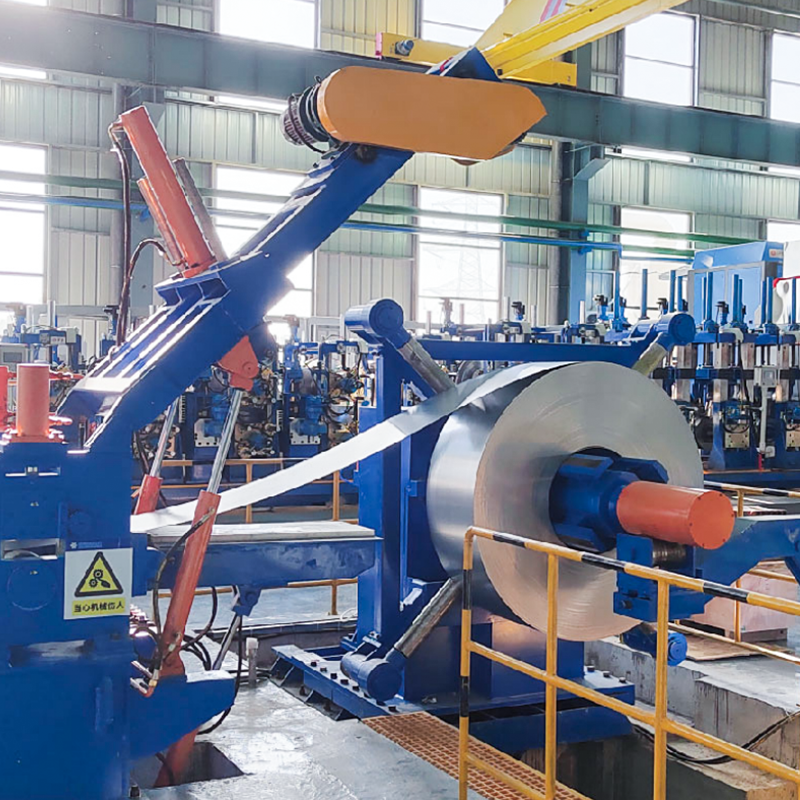
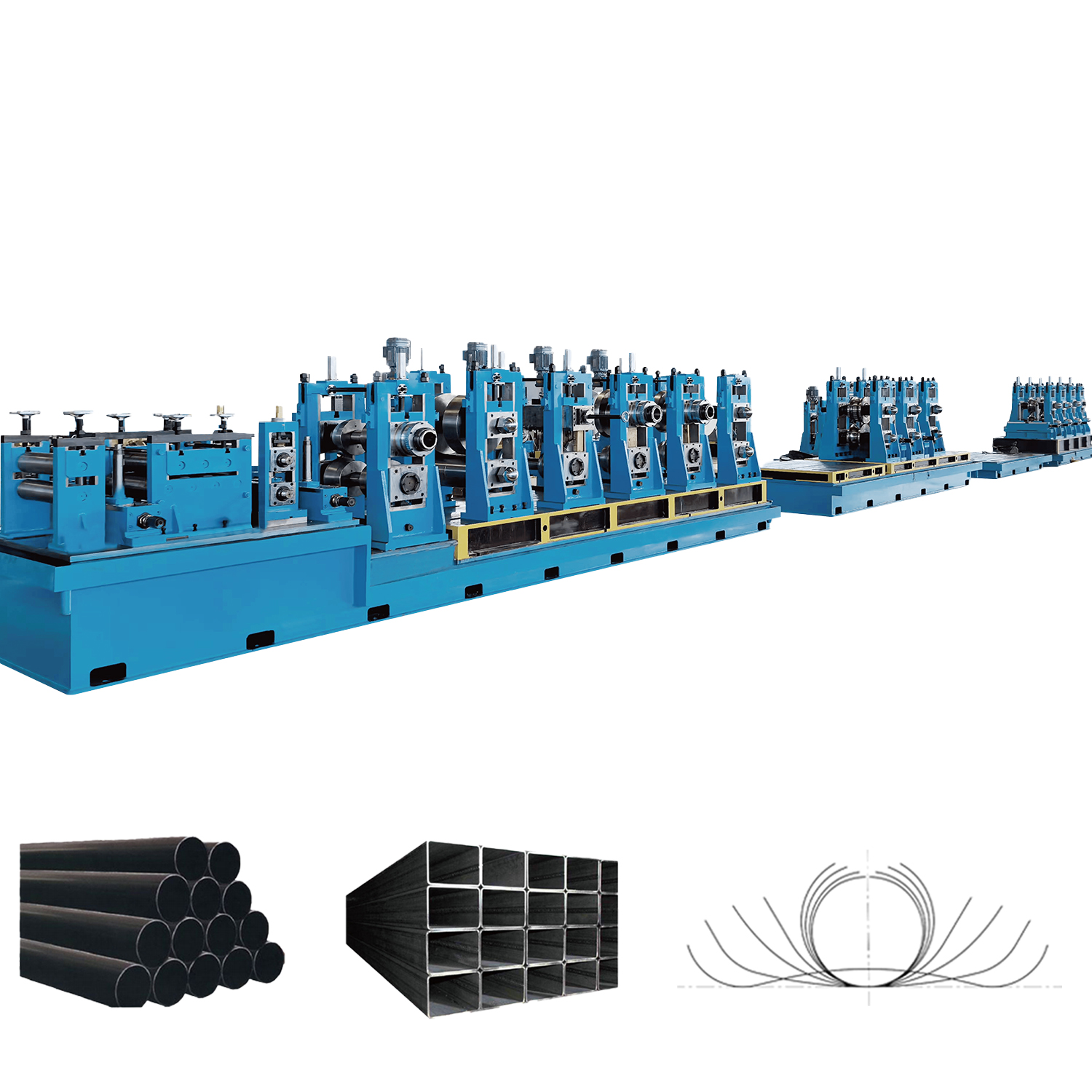
An Electric Resistance Welding (ERW) tube mill line operates through continuous roll forming and high-frequency induction heating. Strip steel uncoils, passes through flattening rollers, and undergoes incremental cold forming through a series of breakdown and fin-pass stands. The open seam is joined using high-frequency welding current (typically 300 kHz to 500 kHz), which concentrates energy along the strip edges without requiring filler metal.
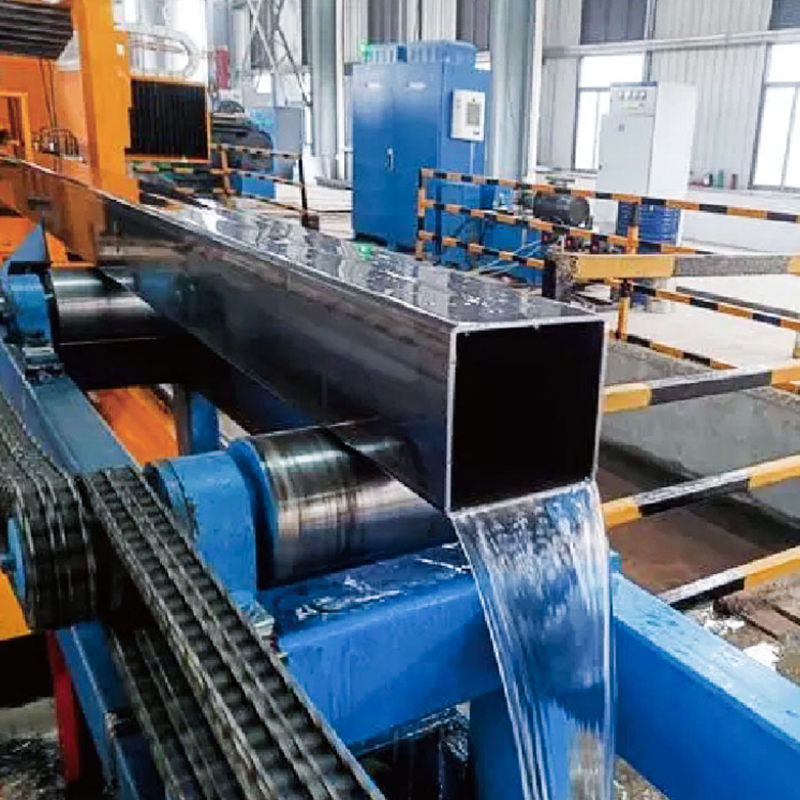
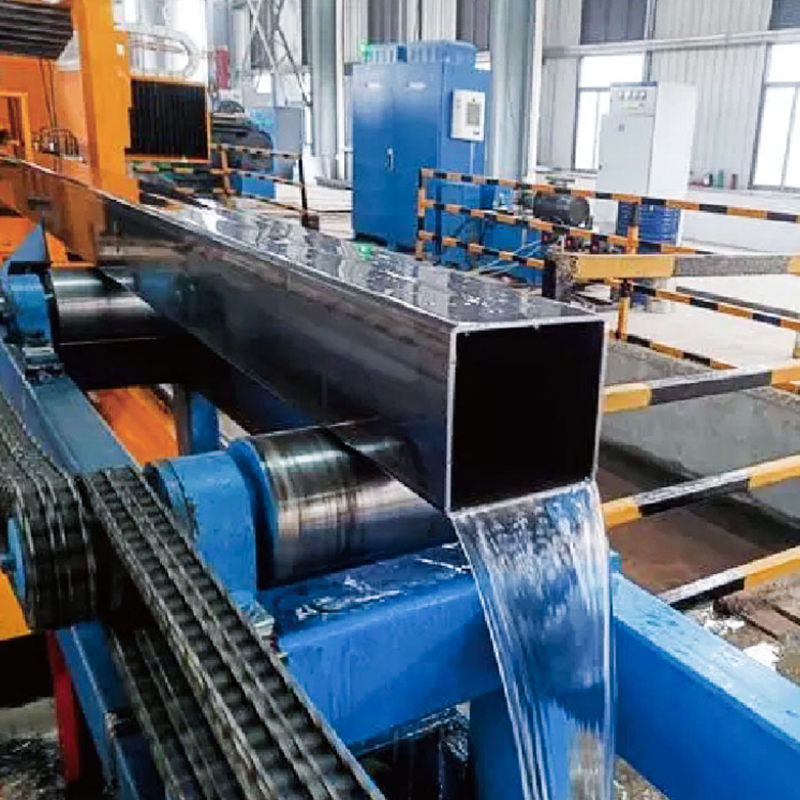
After internal and external bead removal, the welded tube enters cooling and sizing stages. Sizing stands re-shape the round mother tube into 200x200 mm square profiles or corresponding rectangular dimensions (such as 250x150 mm or 300x100 mm) through precision roll tooling. Finally, an automated flying cold saw or friction saw cuts the tube into required commercial lengths.
In the production of 200x200 ERW hollow sections, two main forming methodologies are utilized industry-wide. Selecting the appropriate process depends on production requirements, wall thickness variations, and tooling investment.
| Process Feature | Round-to-Square Forming Method | Direct-to-Square Forming Method |
|---|---|---|
| Forming Sequence | Formed into round tube, welded, then sized into square profile. | Formed directly into square cross-section prior to high-frequency welding. |
| Tooling Investment | Requires specific roll sets for each round diameter and final square profile. | Uses shared combined tooling, reducing roll changeover costs. |
| Corner Stress Distribution | Uniform deformation with lower residual stress along side walls. | Higher corner concentration, requiring precise roll design for heavy walls. |
| Edge Thickness Uniformity | High dimensional stability across varying wall thicknesses. | Optimal for medium-to-thin wall production efficiency. |
200x200 ERW square and rectangular tubes serve as critical load-bearing structural members across modern construction and heavy industrial manufacturing. Key application areas include:
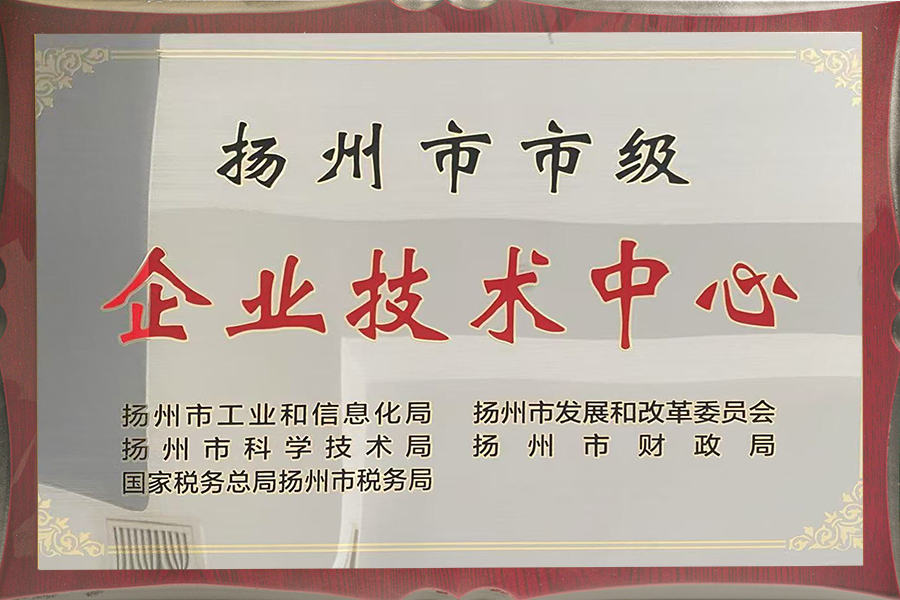
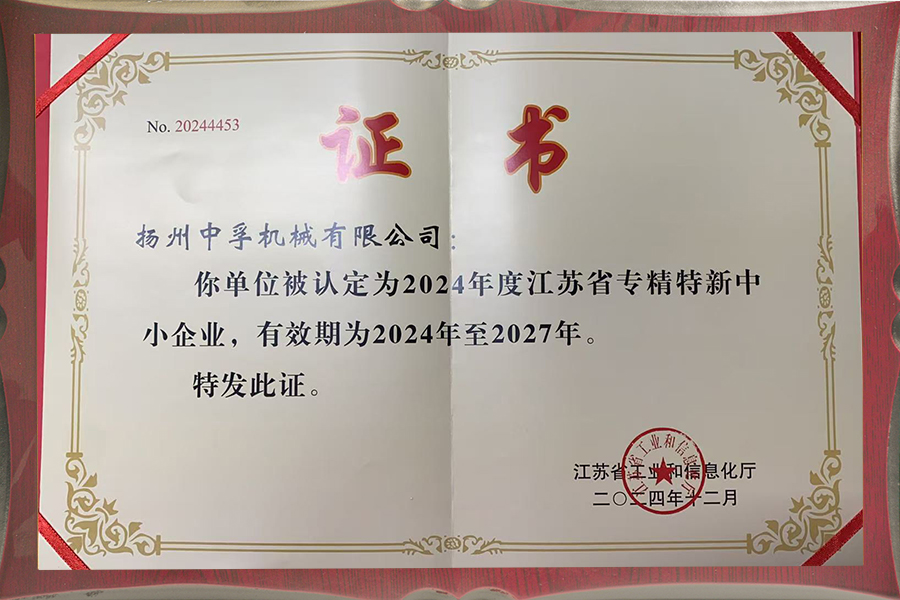
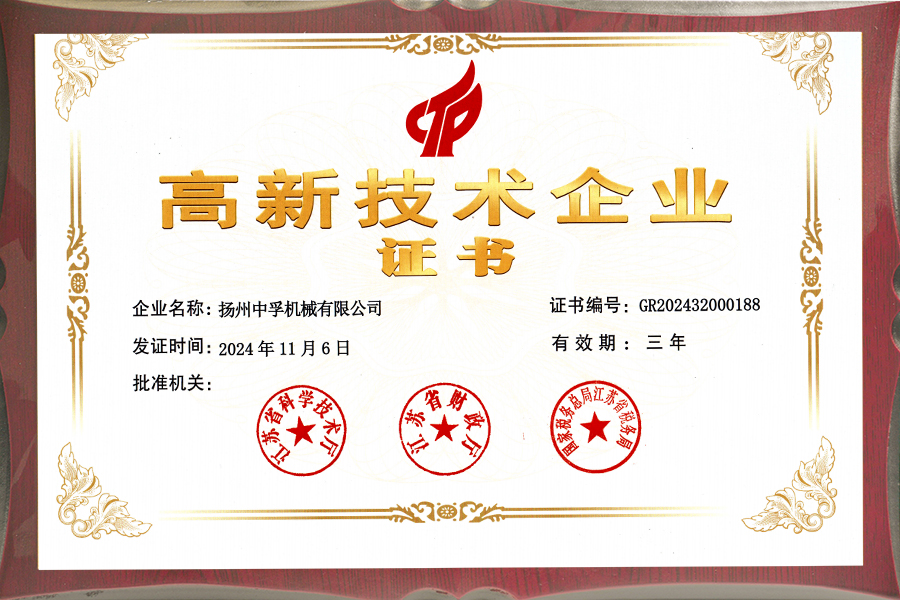
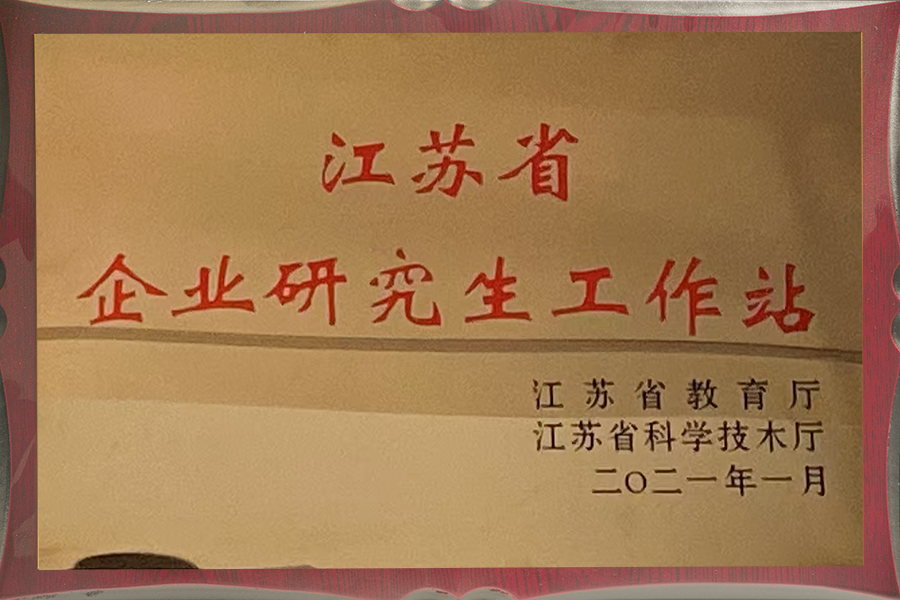
Located in the Industrial Concentration Zone of Dayi Town, Yangzhou City, Jiangsu Province, Yangzhou SINOFORM Machinery Co., Ltd. has operated as an established manufacturer of welded pipe production lines and supporting rolling mill molds since its registration in January 2010. The company integrates scientific research, mechanical engineering, production, sales, and technical service into a unified manufacturing framework.
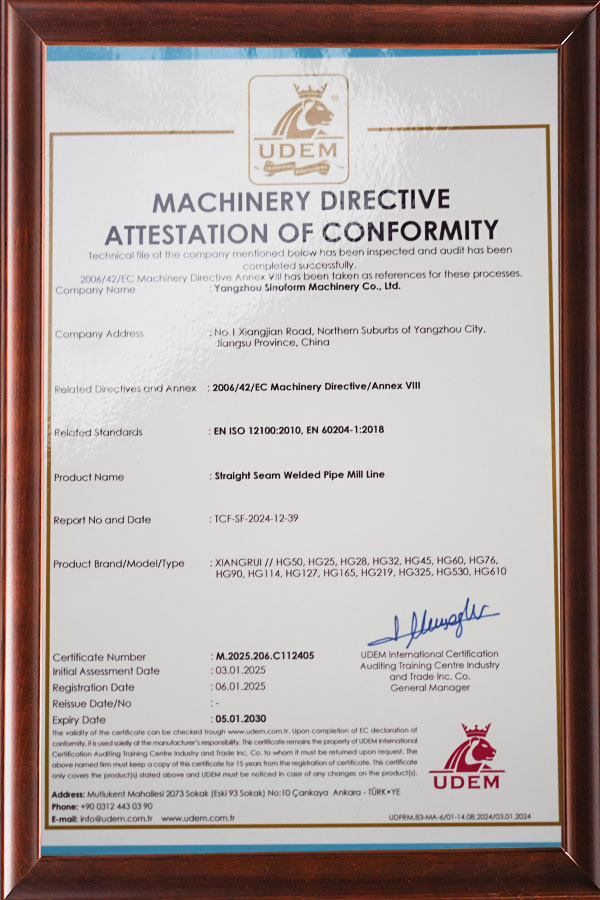
With a workforce of over 160 employees, Yangzhou SINOFORM Machinery maintains an annual output capacity of 160 to 200 welded pipe production lines. The company utilizes advanced machining equipment to maintain precise tolerances during the manufacturing of high-frequency welded pipe equipment, laser welded pipe units, cold-formed steel lines, and specialized rolling mill molds. Operations adhere to ISO9001 quality certification standards and CE certification requirements, ensuring compliance with international manufacturing norms.
The line processes standard carbon steel coils ranging from yield strength Q195 up to high-strength Q355/S355 grades. Adjustments in motor power and roll forming design are required when processing higher tensile strength materials to account for springback.
Inline quality control includes high-frequency weld power monitoring, online ultrasonic testing (UT) for internal defect detection, eddy current inspection, and periodic flattening and bending tests on cut samples.
Rolling mill molds require periodic inspection for surface wear and micro-cracking, proper lubrication management, and precise alignment checkups during setup to prevent asymmetrical profile deformation and premature mold degradation.

 No.1 Xiangjian Road, Northern
Suburbs Of Yangzhou City,
Jiangsu Province,China
No.1 Xiangjian Road, Northern
Suburbs Of Yangzhou City,
Jiangsu Province,China
 Phone: +86-0514-8363 8877
 E-mail: [email protected]
© Yangzhou SINOFORM Machinery Co., Ltd. Custom 200x200 ERW Square And Rectangular Tube Mill Line suppliers
