
 English
 Español
 عربى
عربى русский
 中文简体
中文简体
Pipes are made using one of three core manufacturing methods depending on the material: seamless steel pipes are formed by piercing a solid metal billet, welded steel pipes are rolled and fused along a seam, and plastic pipes such as PVC or HDPE are shaped through an extrusion process that pushes melted material through a die. According to data published by the American Iron and Steel Institute, global steel pipe production exceeded 140 million metric tons in 2023, while the Plastics Pipe Institute reports that plastic pipe manufacturing has grown by an average of 4.2 percent per year since 2019 as municipalities replace aging metal infrastructure (Source: Plastics Pipe Institute Annual Report, 2023).
This article explains how the three major pipe categories are manufactured step by step, compares their production methods, and answers the most common questions people ask about how pipes are made.
Content
- 1 Why Pipe Manufacturing Method Matters
- 2 How Seamless Steel Pipes Are Made
- 3 How Welded Steel Pipes Are Made
- 4 How Plastic Pipes (PVC and HDPE) Are Made
- 5 How Copper Pipes Are Made
- 6 Comparing Pipe Manufacturing Methods
- 7 Seamless vs. Welded Pipes: Which Performs Better?
- 8 Quality Control in Pipe Manufacturing
- 9 Frequently Asked Questions About How Pipes Are Made
- 10 Conclusion
Why Pipe Manufacturing Method Matters
The manufacturing method used determines a pipe's strength, cost, and suitable application, which is why manufacturers choose different processes for water supply lines, oil and gas pipelines, and structural construction. A seamless pipe, for example, can typically withstand higher internal pressure than a welded pipe of the same diameter because it has no weld seam that could become a weak point, according to engineering standards published by the American Petroleum Institute (API 5L specification, 2022). This is why seamless pipes are commonly specified for high-pressure oil and gas transport, while welded pipes are more often used in lower-pressure applications such as structural framing and water distribution.
How Seamless Steel Pipes Are Made
Seamless steel pipes are made by heating a solid cylindrical steel billet and piercing a hole through its center to form a hollow tube, without any welded joint. The process, commonly called the Mannesmann piercing method, has been the industry standard since it was patented in 1885 and remains the primary method used today for high-pressure pipe production.
- Heating the billet: A solid round steel billet is heated in a rotary furnace to approximately 1,200 to 1,300 degrees Celsius (2,192 to 2,372 degrees Fahrenheit), making the steel malleable enough to be pierced.
- Piercing: The heated billet is passed between two angled rollers over a piercing point, which forces a hole through the center and creates a hollow shell called a "mother tube."
- Elongation and rolling: The hollow shell is then stretched and rolled to reduce its wall thickness and increase its length, using a mandrel to maintain a consistent internal diameter.
- Sizing: The pipe passes through a sizing mill that adjusts the outer diameter to meet exact specification requirements.
- Cooling and cutting: The finished pipe is air-cooled on a cooling bed, then cut to standard commercial lengths, typically 6 to 12 meters (20 to 40 feet).
How Welded Steel Pipes Are Made
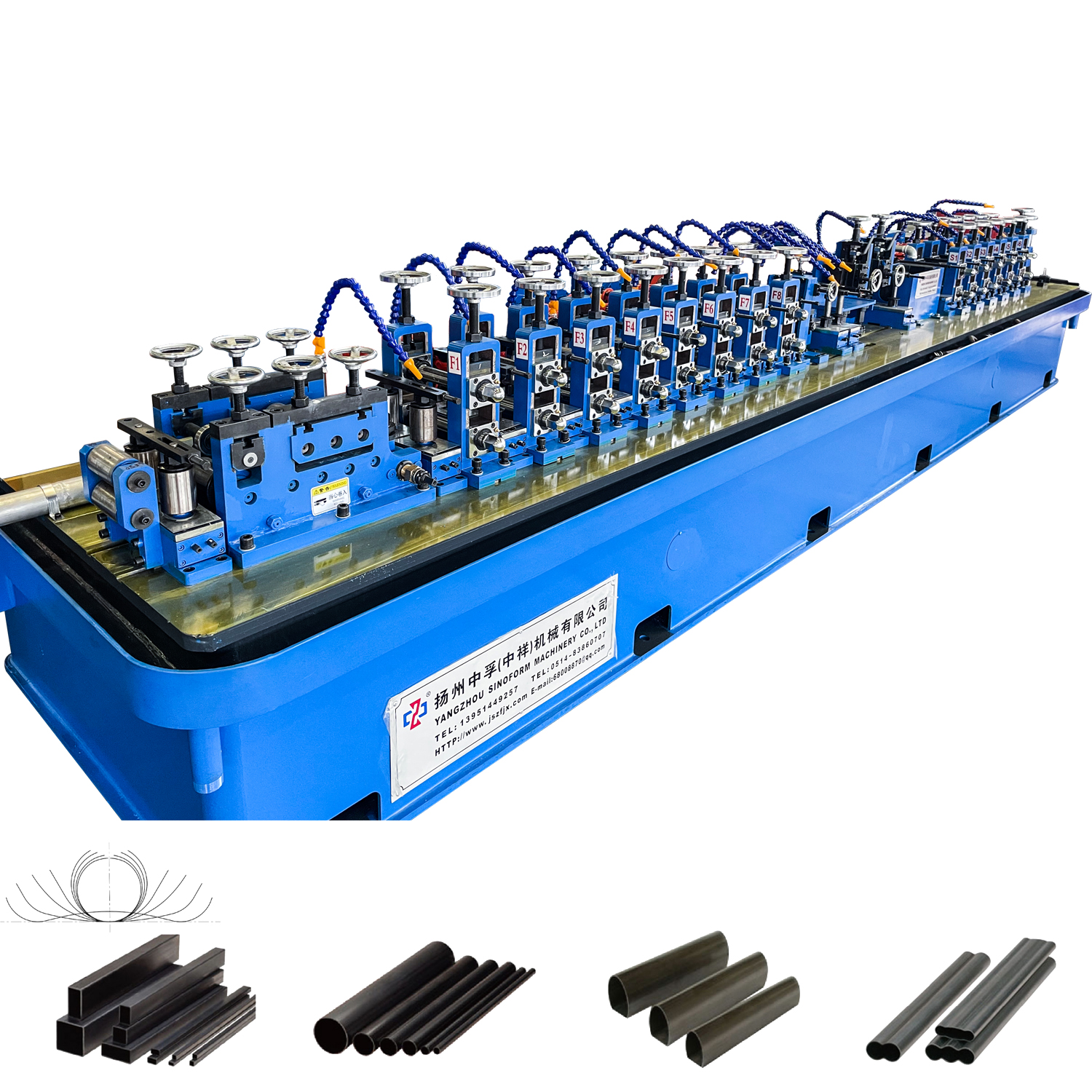
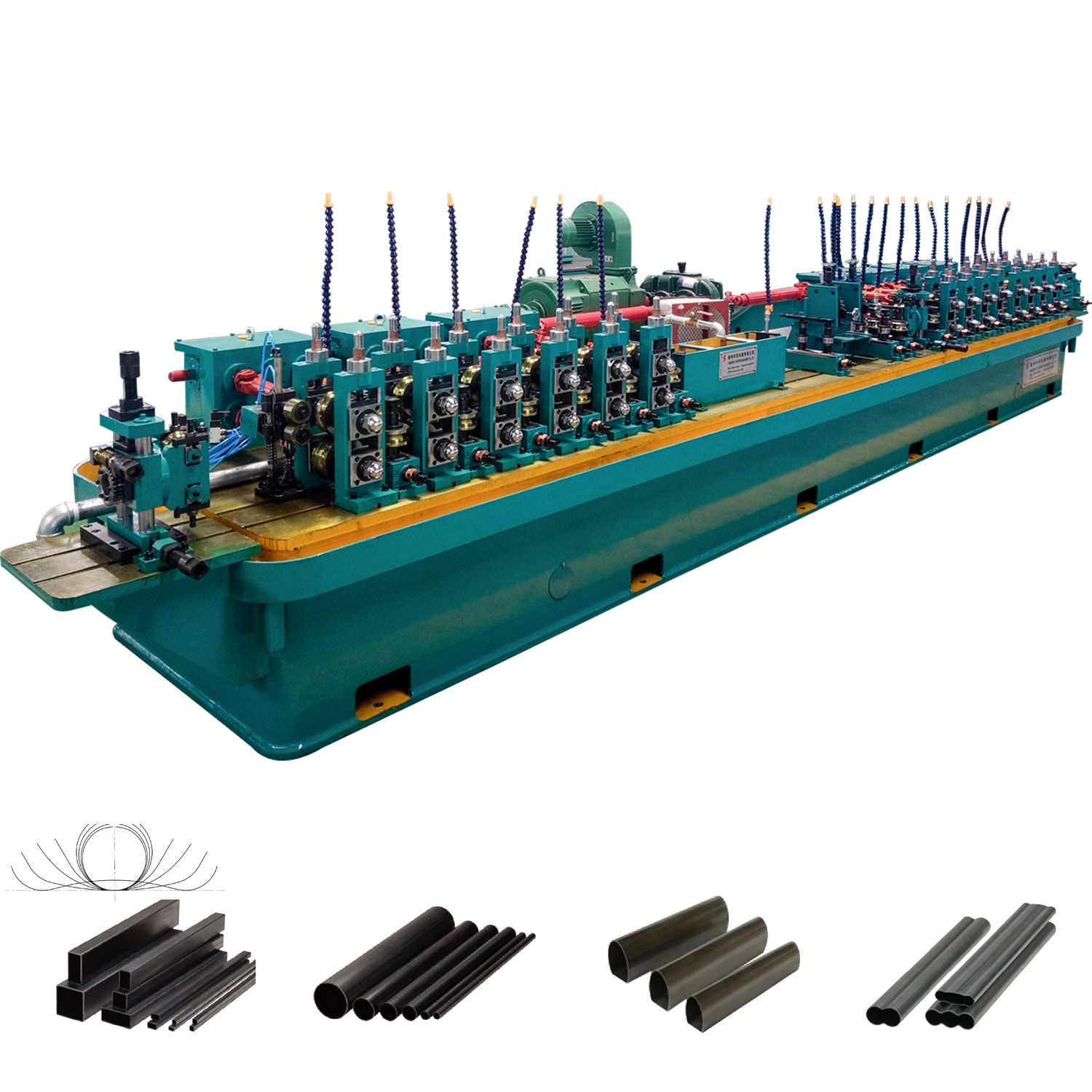
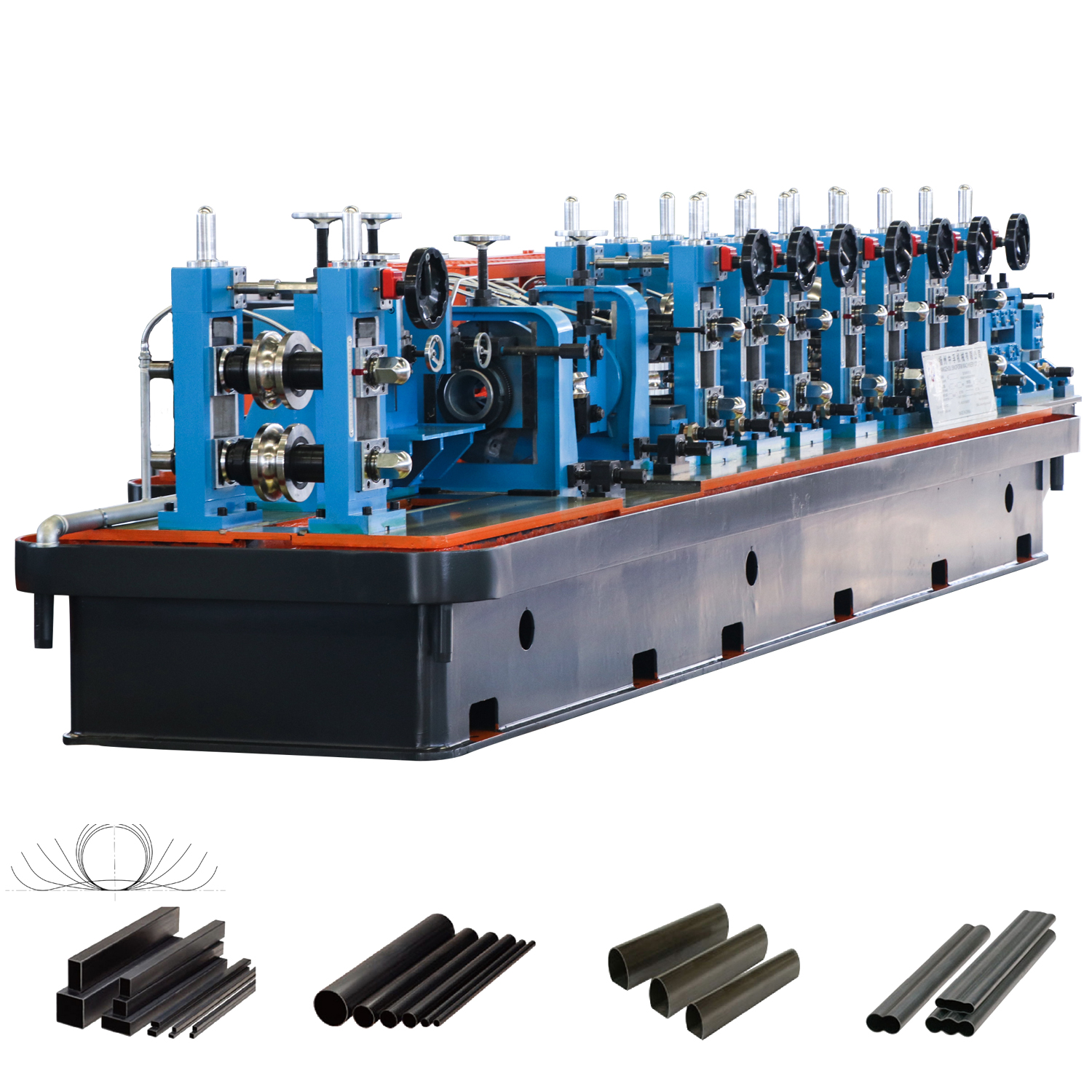
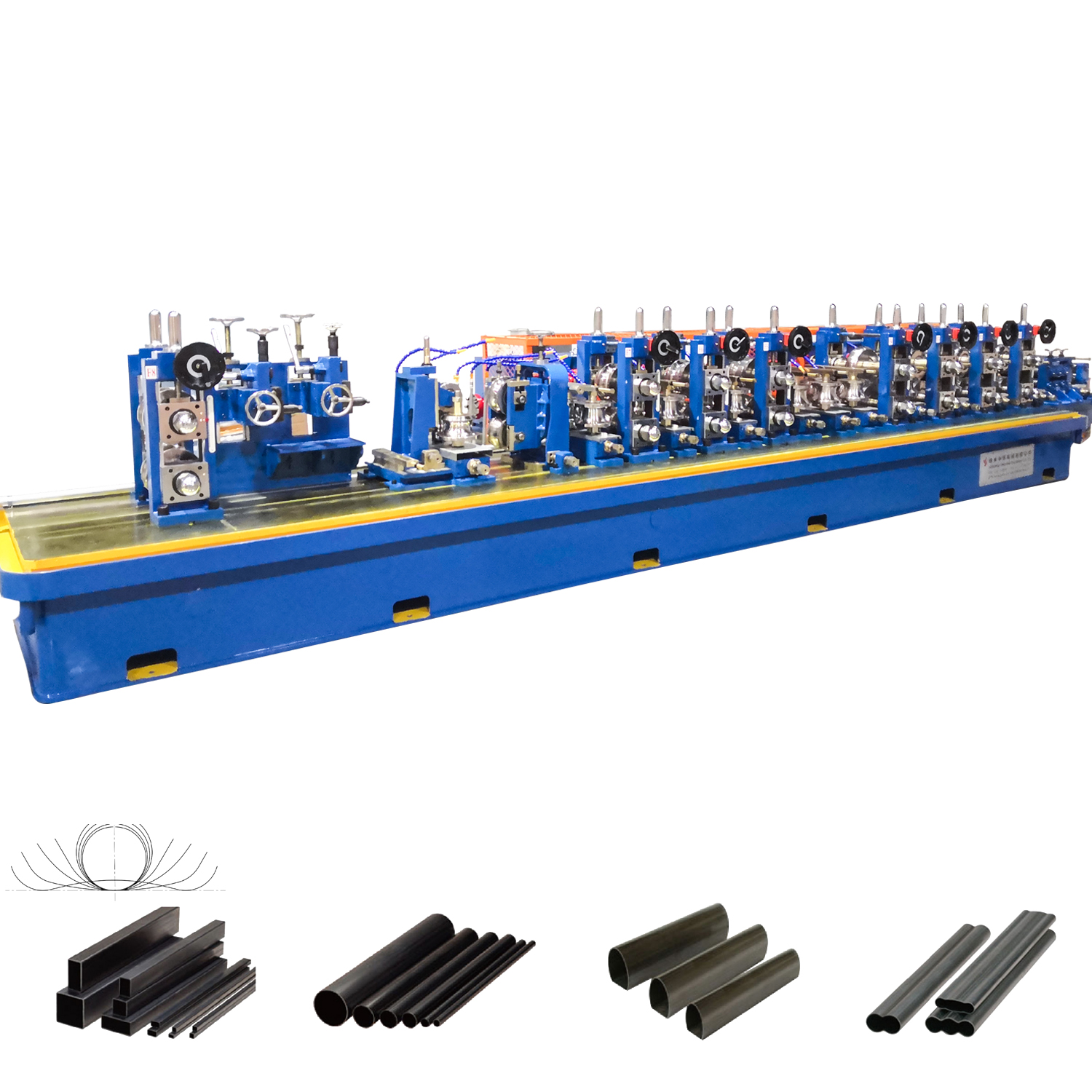
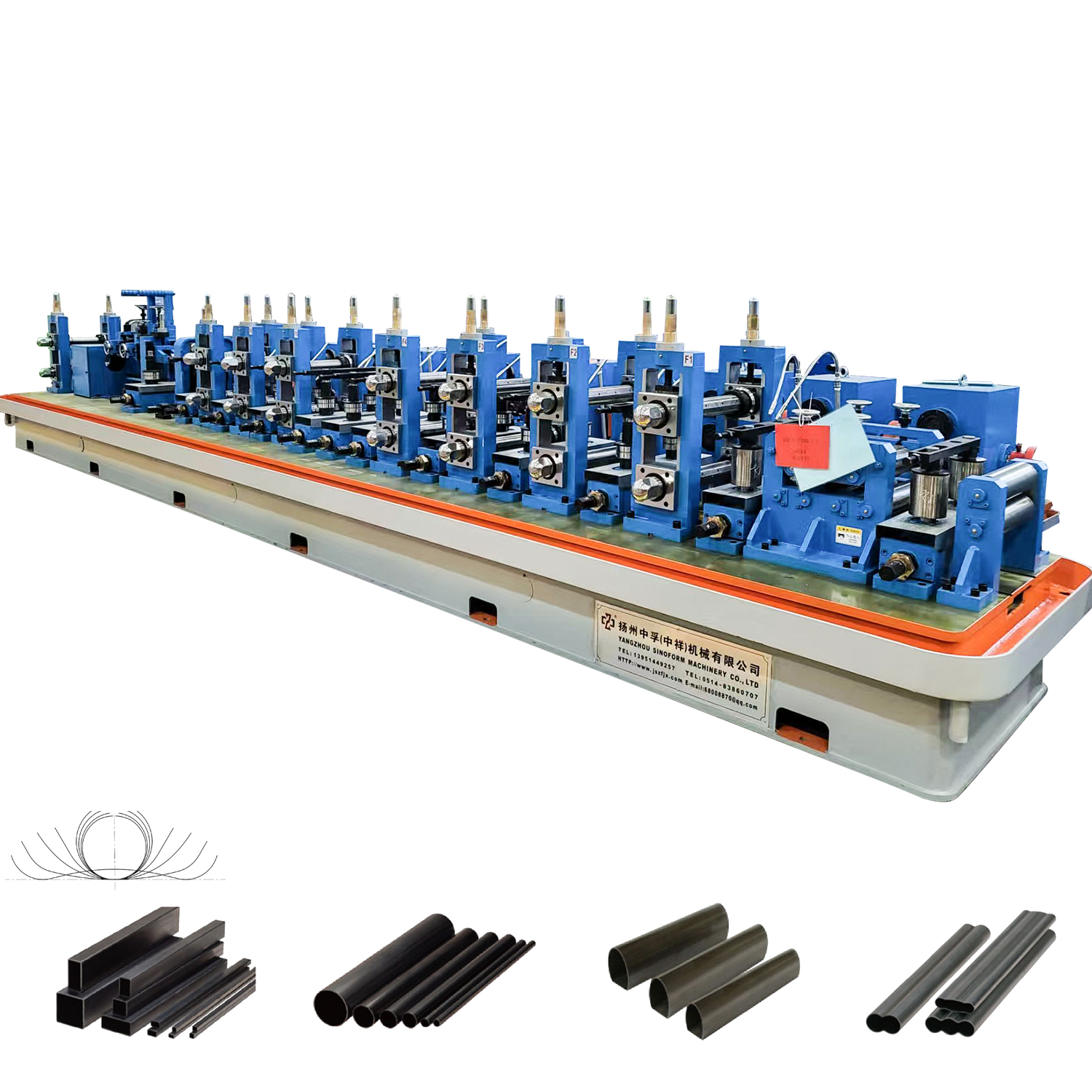
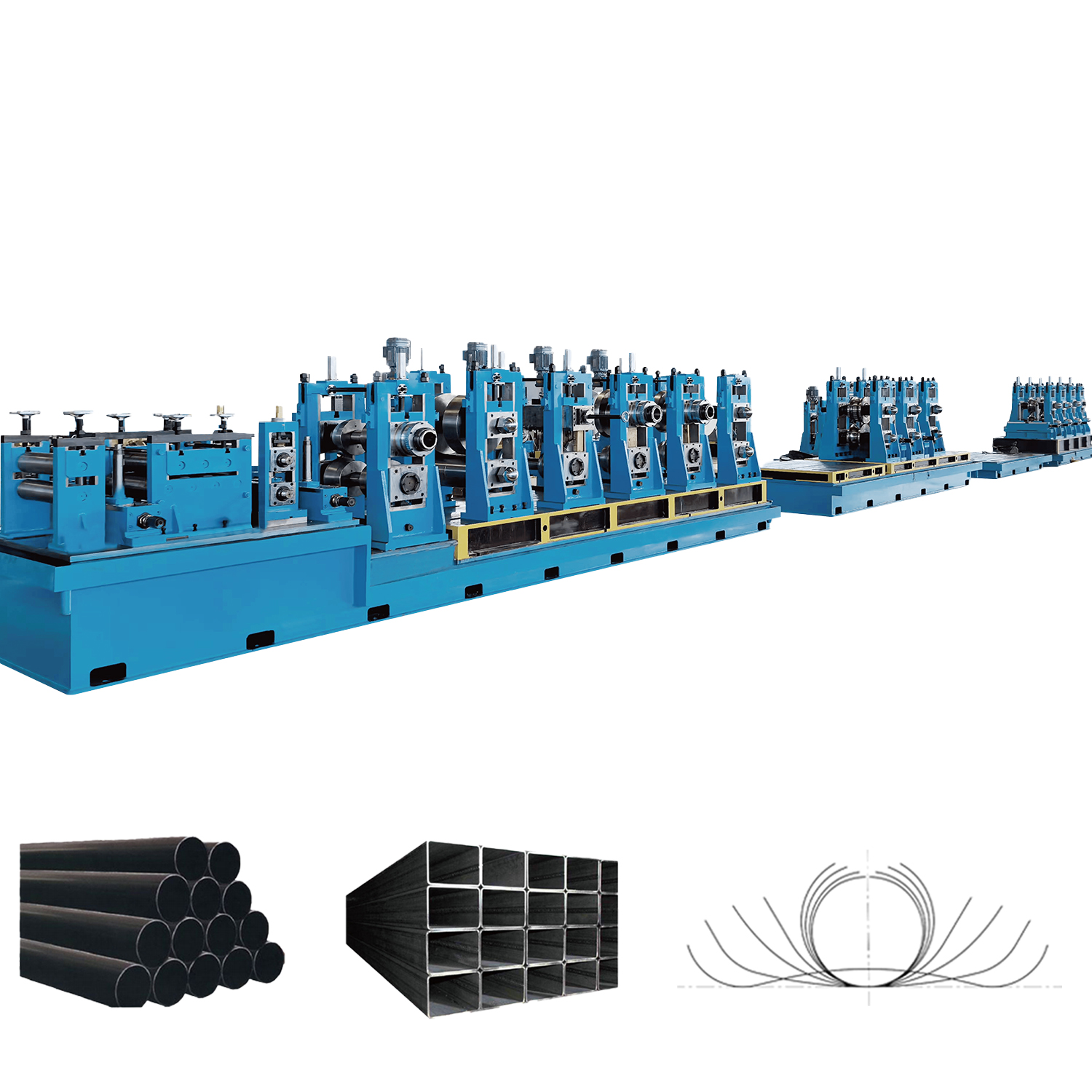
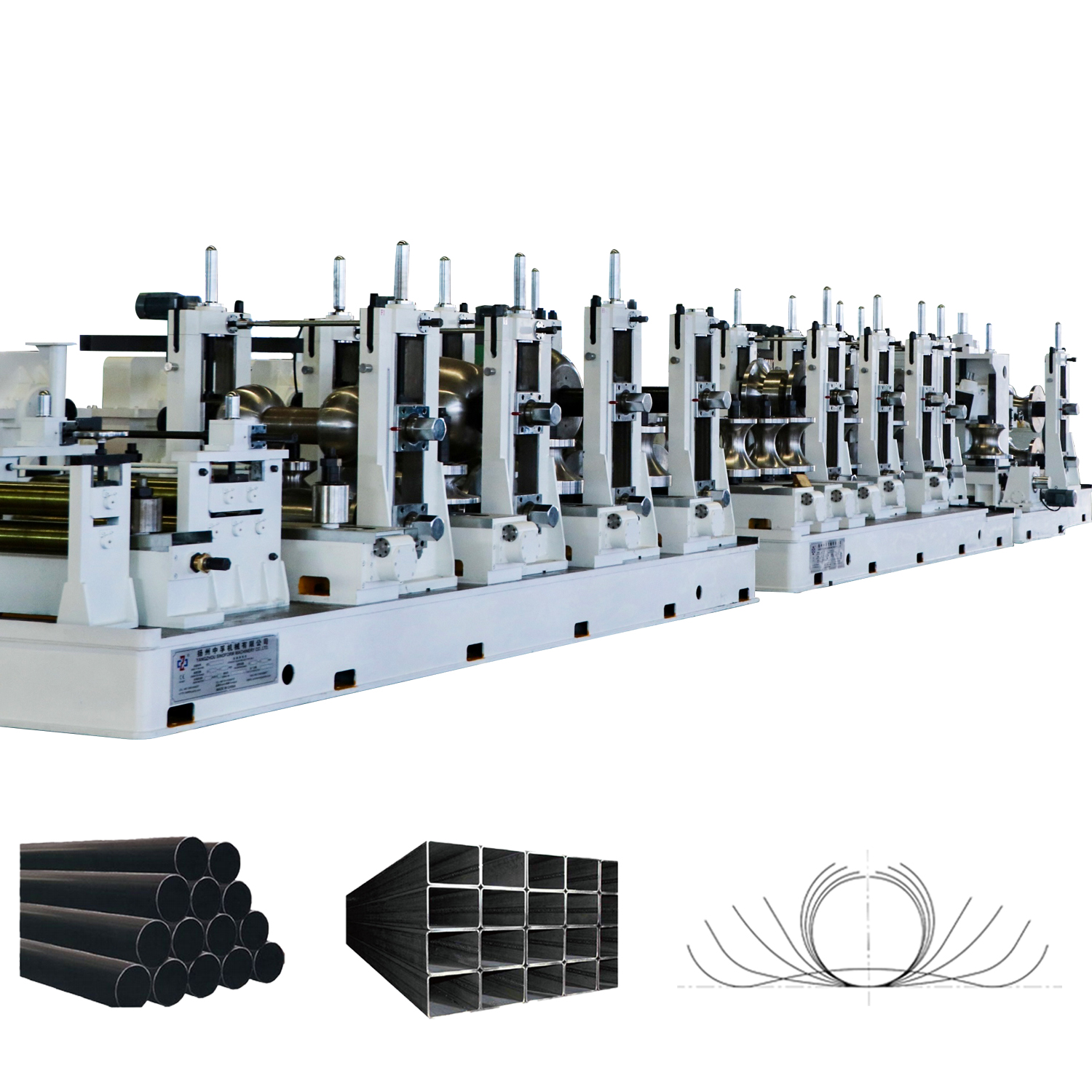
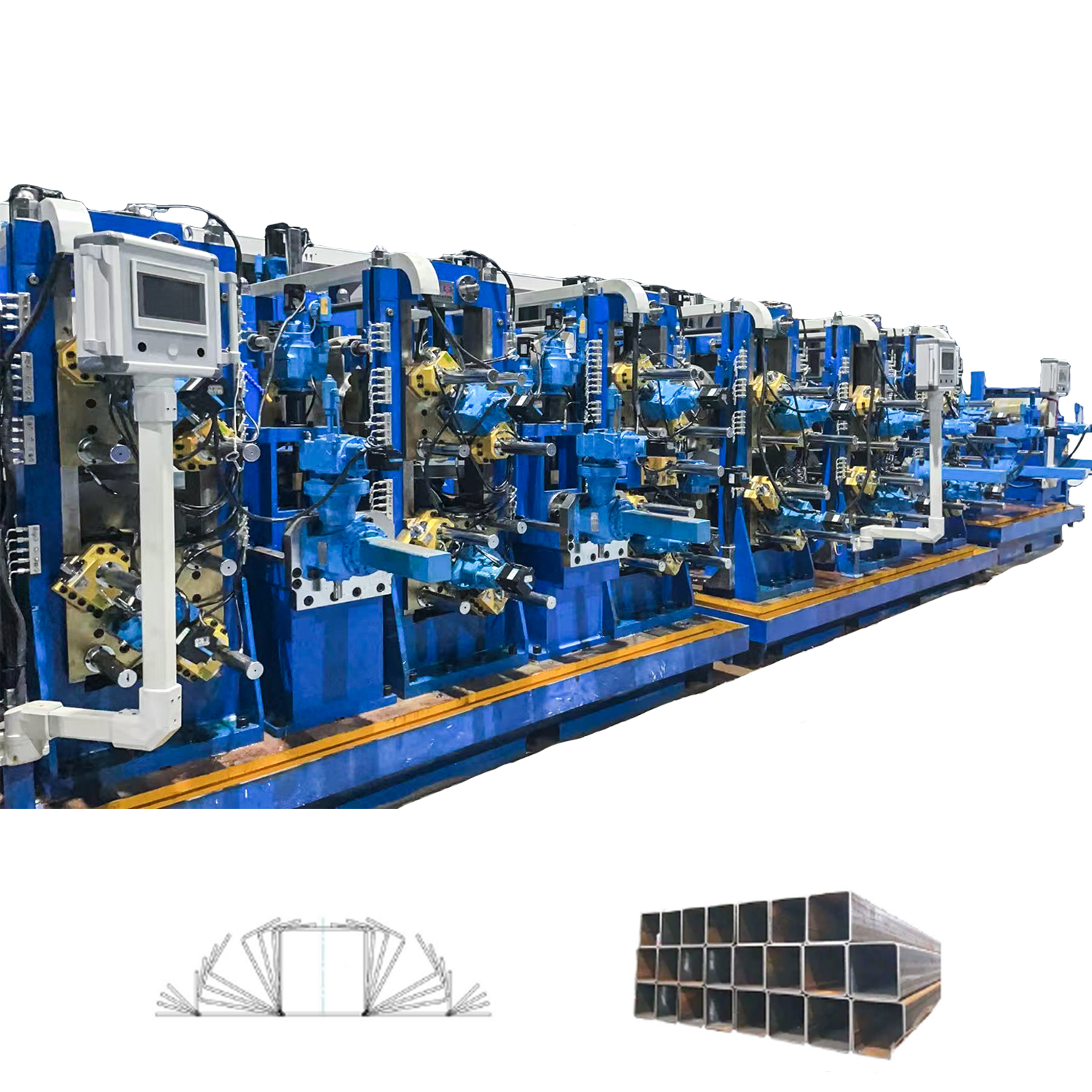
Welded steel pipes are made by rolling flat steel plate or coil into a cylindrical shape and fusing the edges together along a seam, which makes production faster and less expensive than the seamless method.
- Uncoiling and flattening: A coil of flat steel strip is fed through rollers that flatten and straighten it before shaping.
- Forming: The flat steel is passed through a series of shaping rollers that gradually curl it into a cylindrical tube shape.
- Welding the seam: The two edges of the rolled steel are pressed together and fused, most commonly using high-frequency electric resistance welding (ERW), which passes an electric current through the seam to generate heat and bond the edges without added filler metal.
- Seam trimming: Excess weld material, known as flash, is trimmed from both the inside and outside of the seam to produce a smooth surface.
- Sizing and cutting: The pipe is sized to its final diameter and cut to standard lengths, then inspected for weld quality.
How Plastic Pipes (PVC and HDPE) Are Made
Plastic pipes such as PVC and HDPE are made through an extrusion process, in which raw plastic resin is melted and continuously pushed through a circular die to form a hollow tube shape.
- Resin preparation: Plastic resin pellets, along with stabilizers and additives, are mixed in precise ratios before being fed into the extruder hopper.
- Melting and extrusion: A rotating screw inside a heated barrel melts the resin and forces it forward through a circular die, forming a continuous hollow tube. Extrusion temperatures for PVC typically range from 180 to 210 degrees Celsius (356 to 410 degrees Fahrenheit), according to manufacturing guidelines from the Plastics Pipe Institute.
- Sizing and cooling: The still-soft pipe passes through a vacuum sizing tank that shapes it to the correct diameter, followed by a water cooling bath that solidifies the plastic.
- Cutting and belling: The cooled pipe is cut to length, and one end is often heated and expanded to form a bell-shaped socket for easy joint connections.
How Copper Pipes Are Made
Copper pipes are made by heating refined copper into a molten state, casting it into a hollow cylindrical billet, and then drawing it through progressively smaller dies to reach the final wall thickness and diameter.
- Casting: Molten copper is cast into a hollow tube shape called a billet, using a rotating casting wheel or vertical casting method.
- Hot extrusion: The billet is heated and pushed through an extrusion press to reduce its diameter and create a longer, thinner tube.
- Cold drawing: The tube is pulled through a series of dies at room temperature to further reduce diameter and wall thickness while increasing length, a process repeated multiple times to reach final specifications.
- Annealing: Between drawing passes, the copper is heated and slowly cooled to relieve internal stress and restore flexibility, since repeated cold drawing makes the metal brittle.
- Cutting and coiling: Rigid copper pipe is cut into standard straight lengths, while flexible copper tubing is wound into coils.
Comparing Pipe Manufacturing Methods
The table below compares the four major pipe manufacturing methods by raw material, primary process, and typical application, based on manufacturing standards published by the American Petroleum Institute and the Plastics Pipe Institute.
| Pipe Type | Raw Material | Primary Process | Common Application |
| Seamless Steel | Solid steel billet | Piercing and rolling | High-pressure oil and gas |
| Welded Steel (ERW) | Flat steel coil | Rolling and seam welding | Structural, low-pressure water |
| PVC / HDPE Plastic | Plastic resin pellets | Extrusion | Plumbing, drainage, irrigation |
| Copper | Refined copper billet | Casting and cold drawing | Residential plumbing, HVAC |
Caption: Comparison of raw materials, manufacturing processes, and common applications across the four major pipe types, based on standards from the American Petroleum Institute and the Plastics Pipe Institute.
Seamless vs. Welded Pipes: Which Performs Better?
Seamless pipes generally perform better under high pressure and extreme temperature, while welded pipes are more cost-effective for general-purpose and lower-pressure use. The comparison below outlines the practical differences buyers and engineers consider.
| Factor | Seamless Pipe | Welded Pipe |
| Pressure Tolerance | Higher, no weak seam | Lower than seamless |
| Production Cost | Higher | Lower |
| Dimensional Consistency | Can vary slightly along length | Very consistent |
| Typical Diameter Range | Limited by billet size | Wider range available |
Caption: Performance and cost comparison between seamless and welded steel pipes, based on API 5L specification guidelines (2022).
Quality Control in Pipe Manufacturing
Quality control in pipe manufacturing relies on non-destructive testing methods that check for cracks, wall thickness variation, and weld defects before pipes leave the factory. The following methods are standard across the industry:
- Ultrasonic testing: High-frequency sound waves are passed through the pipe wall to detect internal cracks or voids that are not visible from the outside.
- Hydrostatic testing: The pipe is filled with water and pressurized above its rated working pressure to confirm it does not leak or fail under stress.
- Eddy current testing: An electromagnetic field is used to detect surface and near-surface defects, commonly applied to welded seam inspection.
- Dimensional inspection: Outer diameter, wall thickness, and length are measured against tolerance specifications using laser or mechanical gauges.
Frequently Asked Questions About How Pipes Are Made
What is the strongest type of pipe manufacturing process?
Seamless piping is generally considered the strongest manufacturing process because it has no weld seam, which removes the most common point of structural weakness. This is why seamless pipes are the standard choice for high-pressure oil, gas, and steam transport.
Why are plastic pipes made through extrusion instead of casting?
Plastic pipes are made through extrusion because the process allows for continuous, uninterrupted production of long lengths at a consistent diameter, which is far more efficient than casting individual sections. Extrusion also allows manufacturers to precisely control wall thickness along the entire length of the pipe.
How long does it take to manufacture a steel pipe?
A single welded steel pipe can be formed, welded, and cut within a few minutes on a continuous production line, while seamless pipe manufacturing takes longer due to the multiple heating, piercing, and rolling stages involved. Full production speed depends on pipe diameter, wall thickness, and the specific mill equipment used.
Are pipes recycled during manufacturing?
Steel and copper pipe manufacturing commonly incorporates recycled scrap metal into the raw billet, and the American Iron and Steel Institute reports that the U.S. steel industry uses an average of over 70 percent recycled content across all steel production. Plastic pipe manufacturers also increasingly use post-industrial recycled resin as part of their raw material mix.
Conclusion
Understanding how pipes are made comes down to four core manufacturing paths: seamless steel pipes formed through piercing and rolling, welded steel pipes shaped and fused along a seam, plastic pipes extruded from melted resin, and copper pipes cast and cold-drawn to final size. Each method is chosen based on the pressure, durability, and cost requirements of the pipe's final application, and rigorous testing methods such as ultrasonic and hydrostatic inspection ensure that every pipe meets safety standards before it reaches the field.