

 English
 Español
 عربى
عربى русский
 中文简体
中文简体
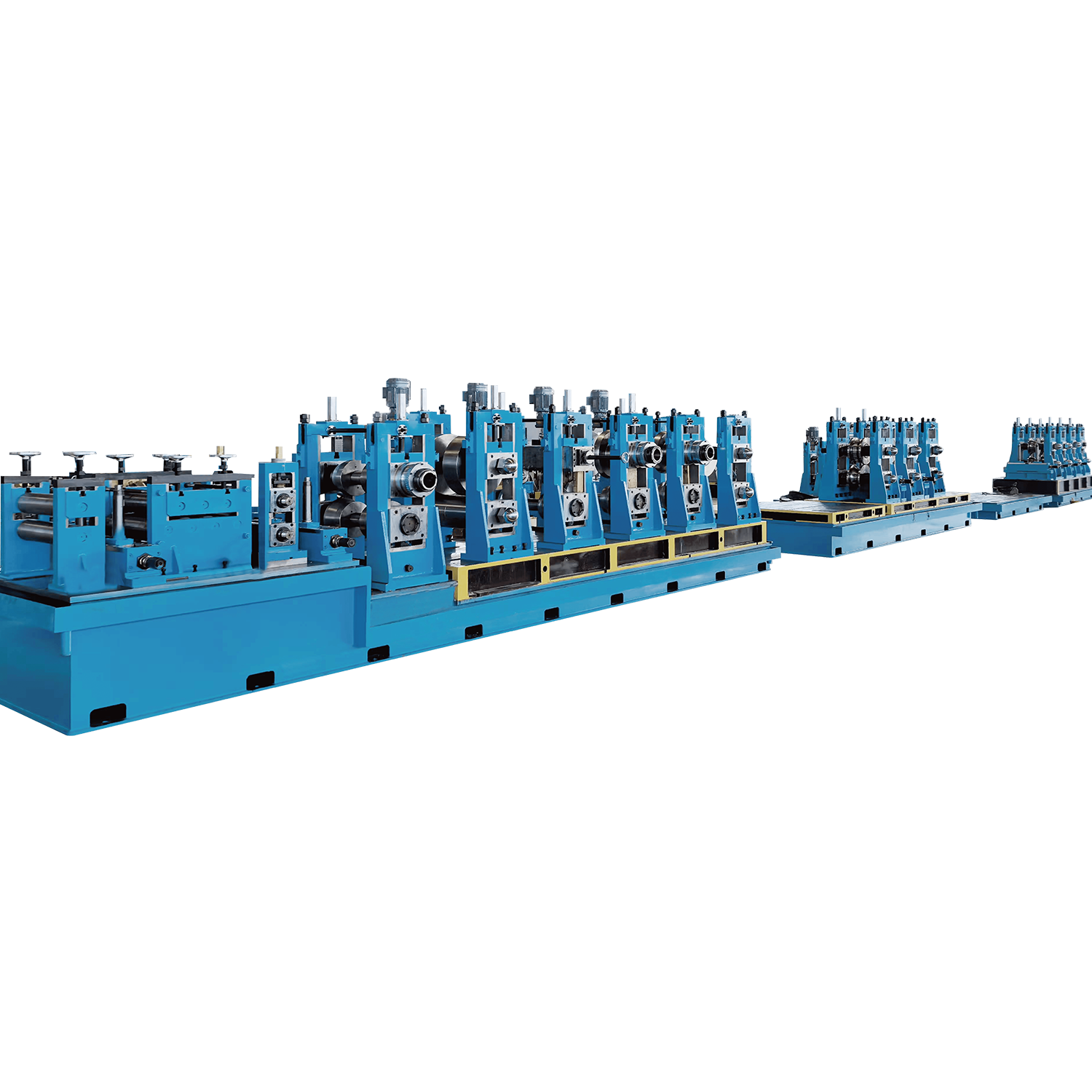
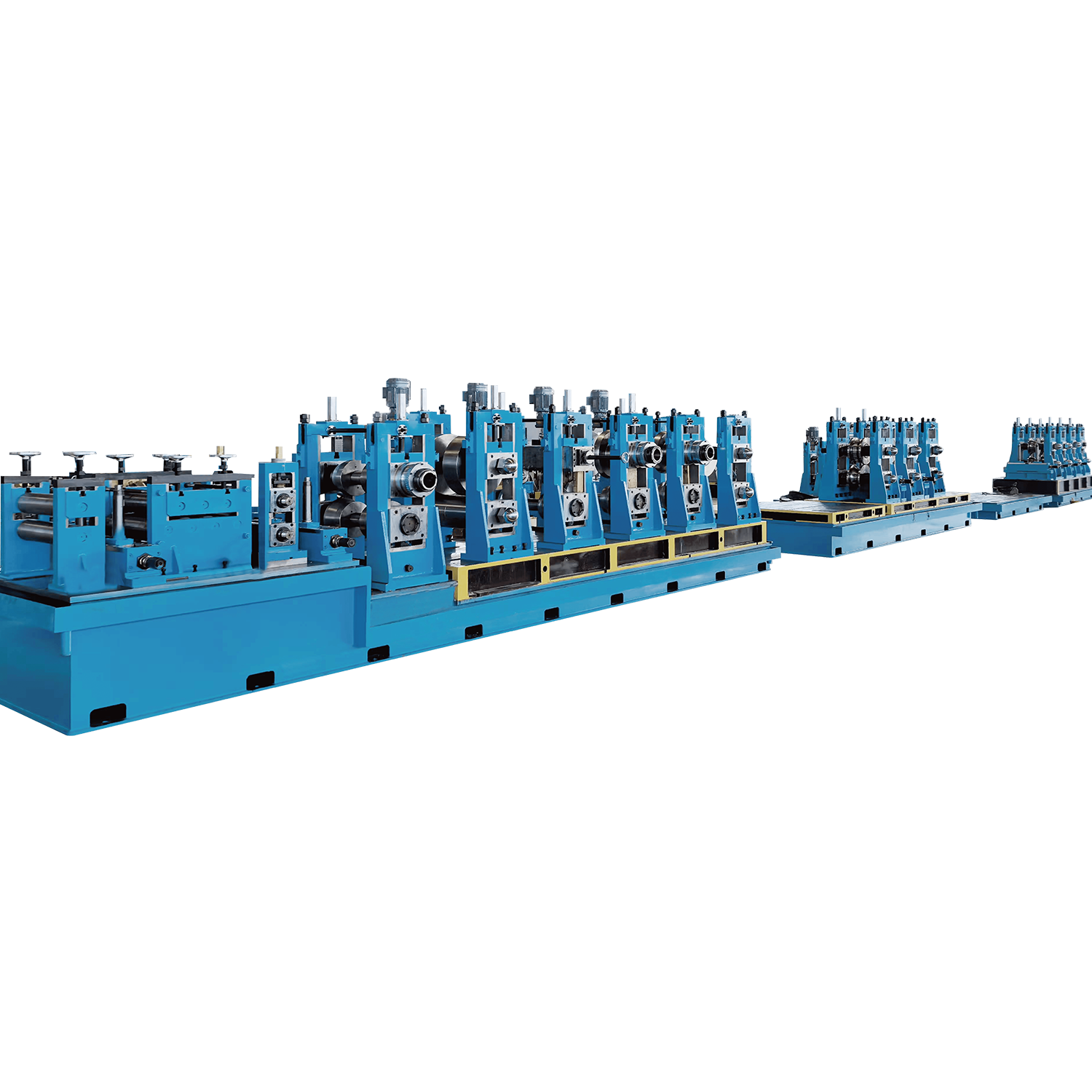
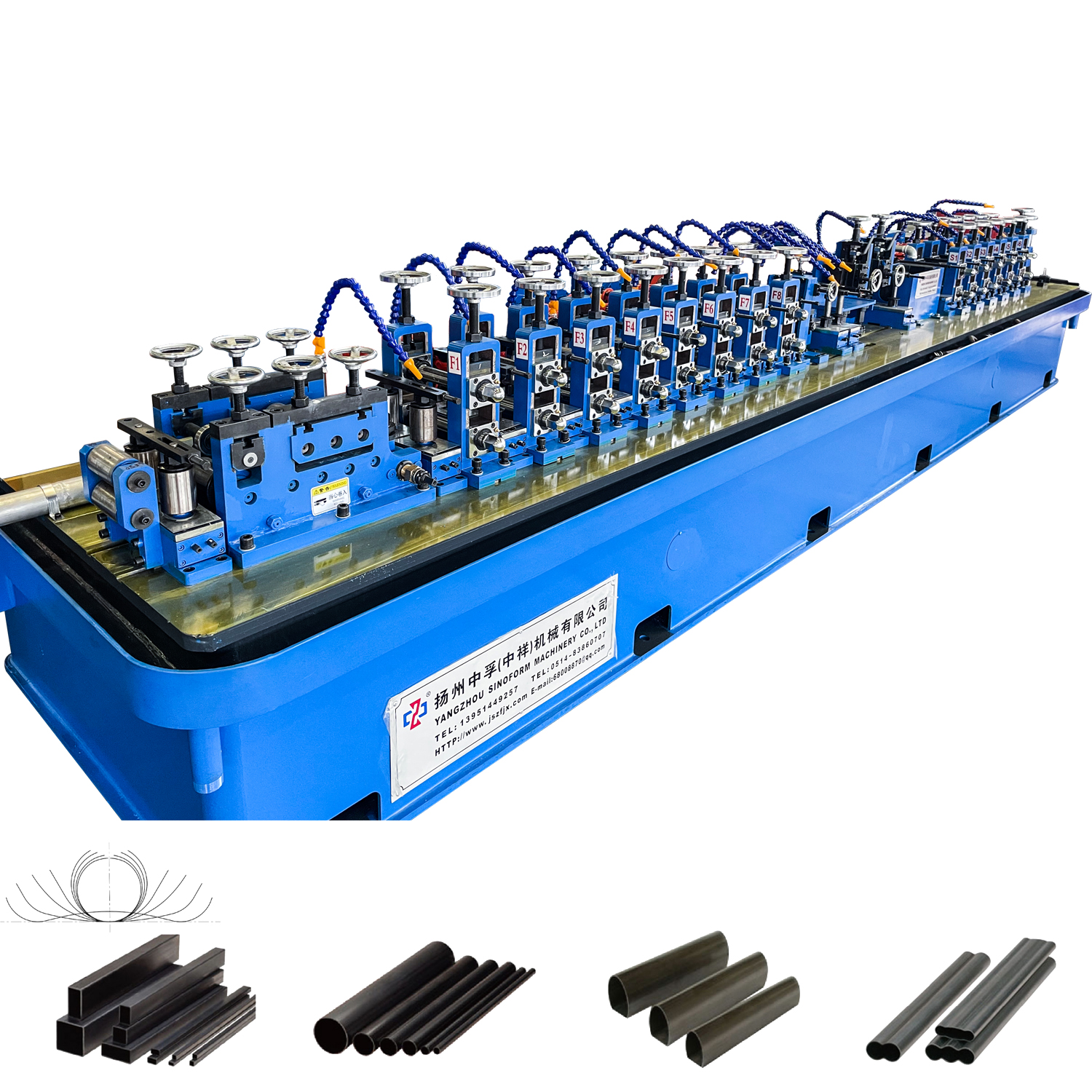
200x200 ERW Square And Rectangular Tube Mill Line
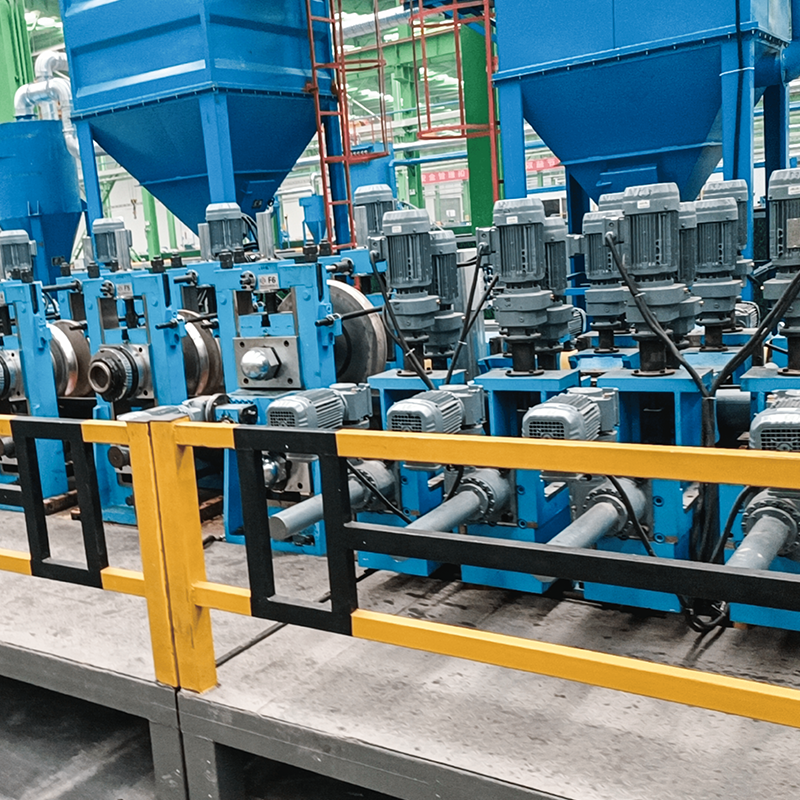
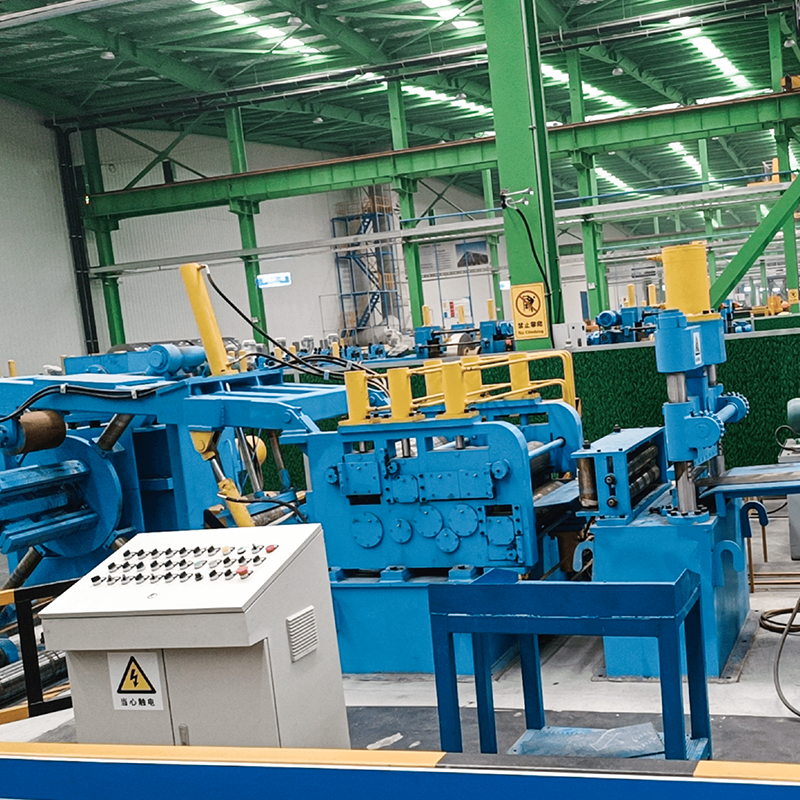
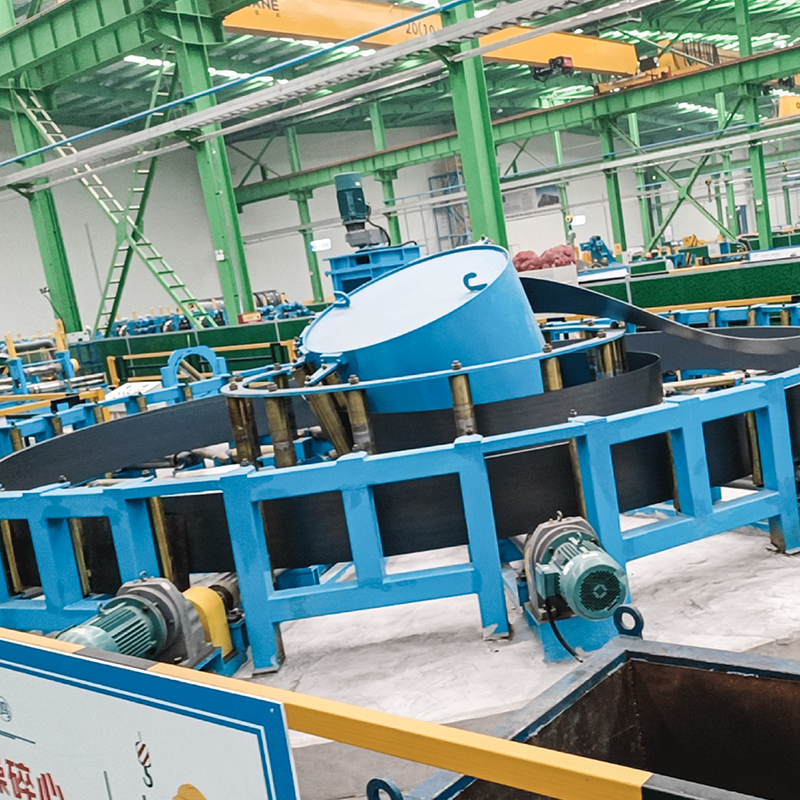
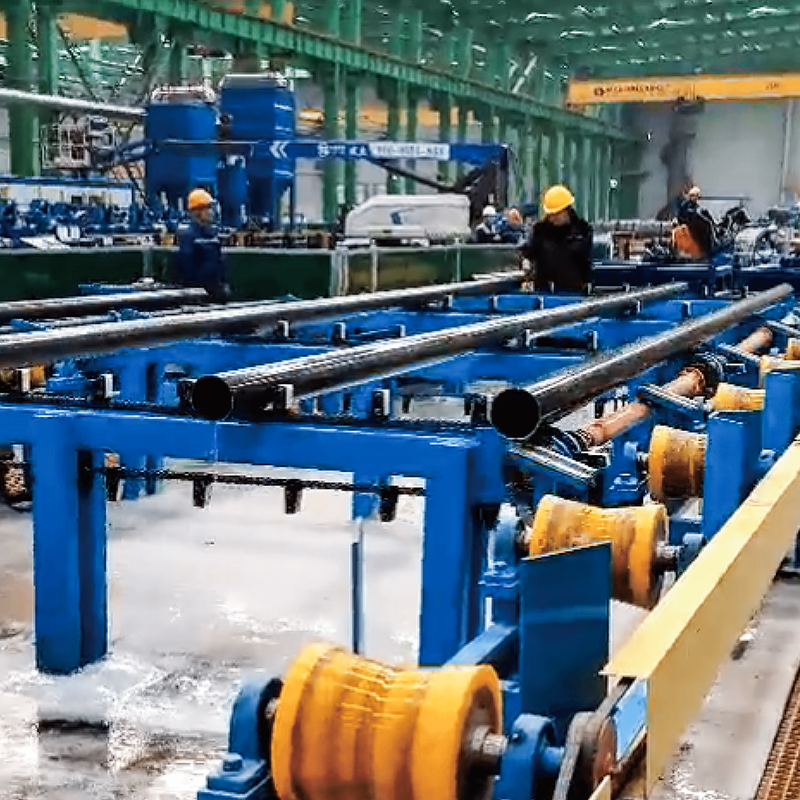
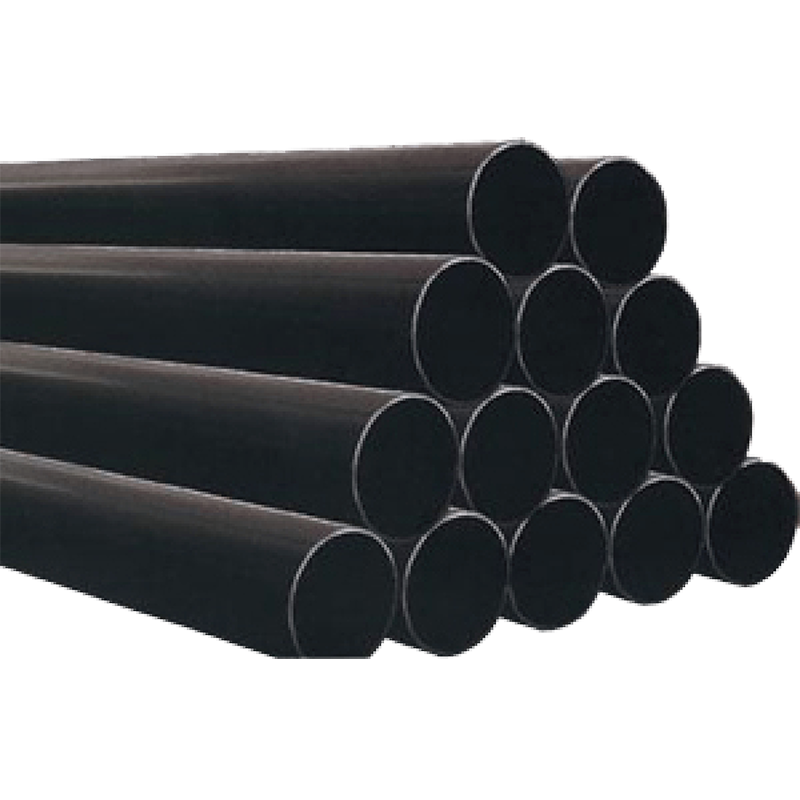
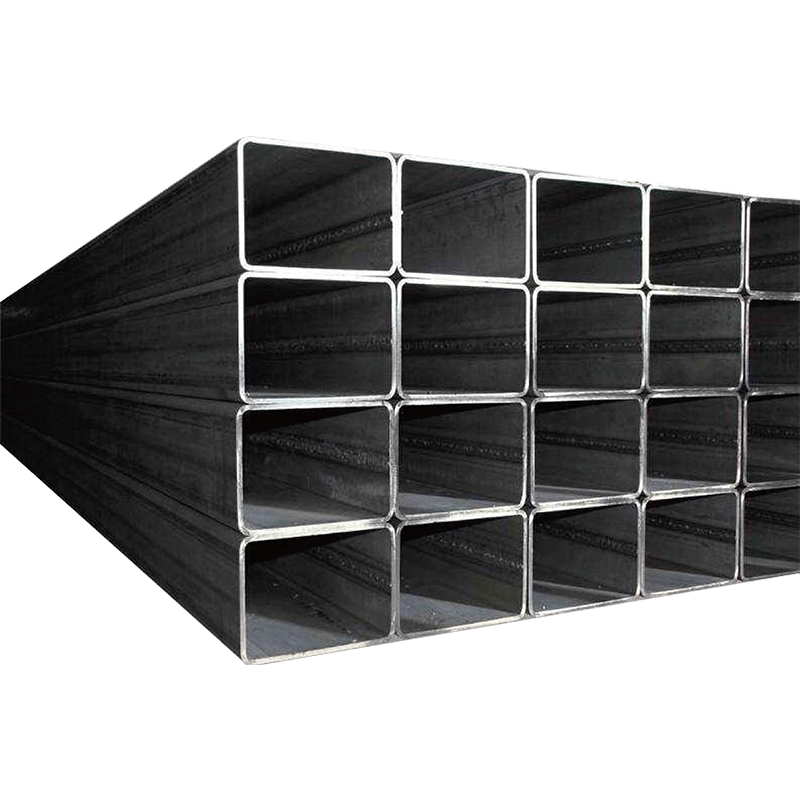
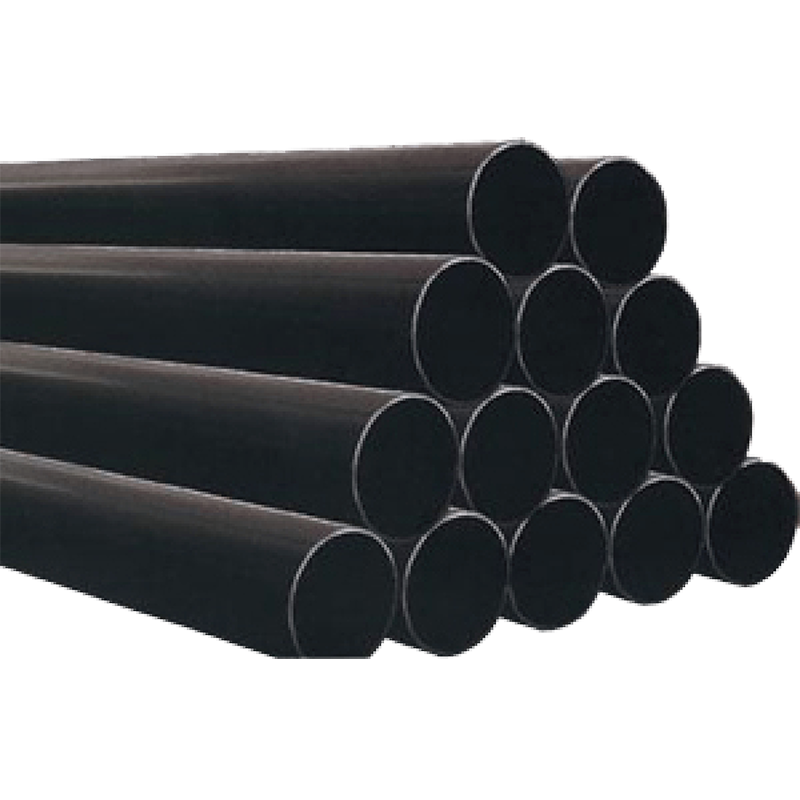
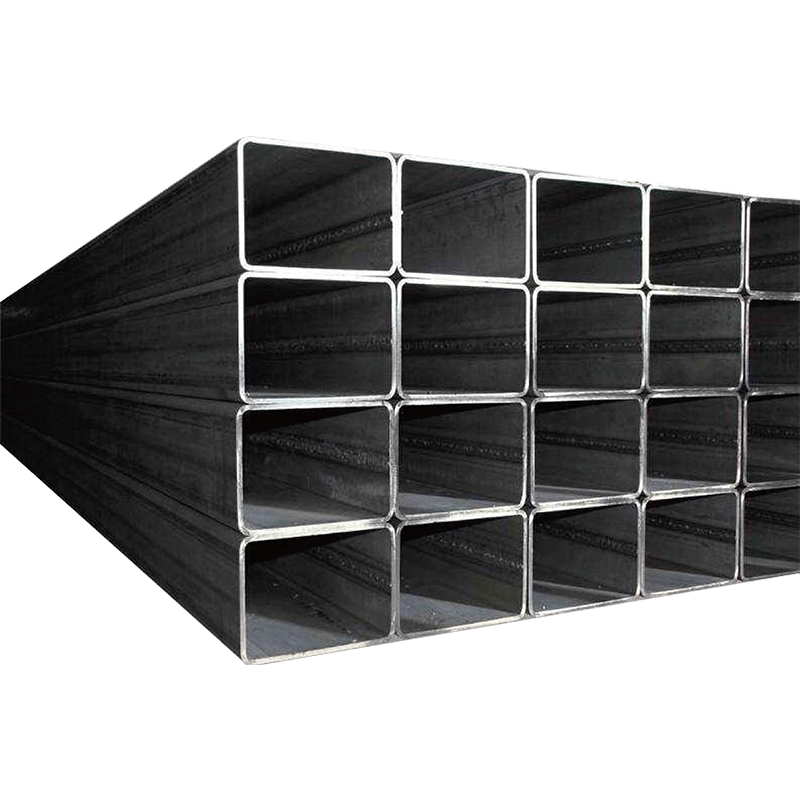
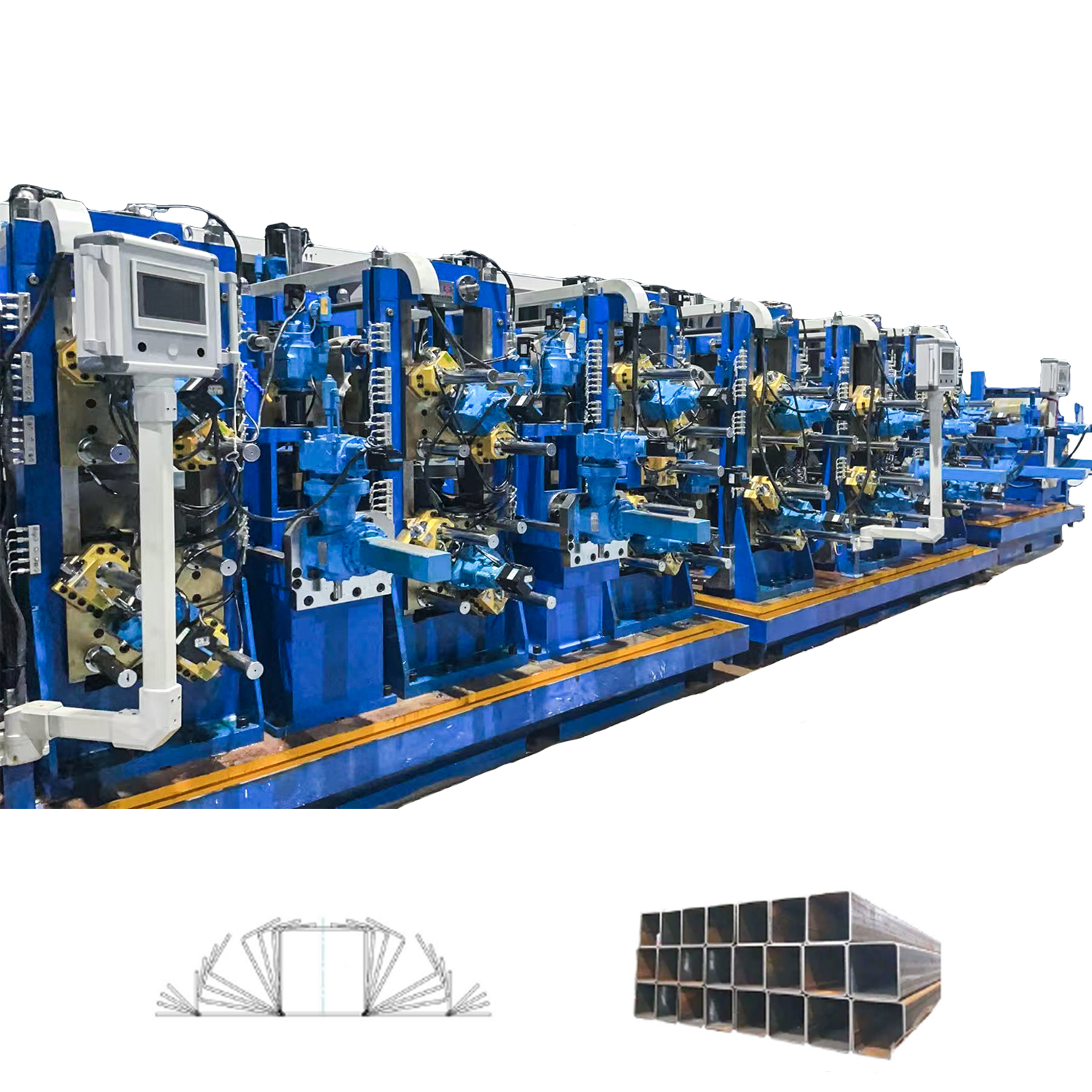
Product IntroductionDuring the process of forming square and rectangular pipes, the roll utilizes a combined roll ...
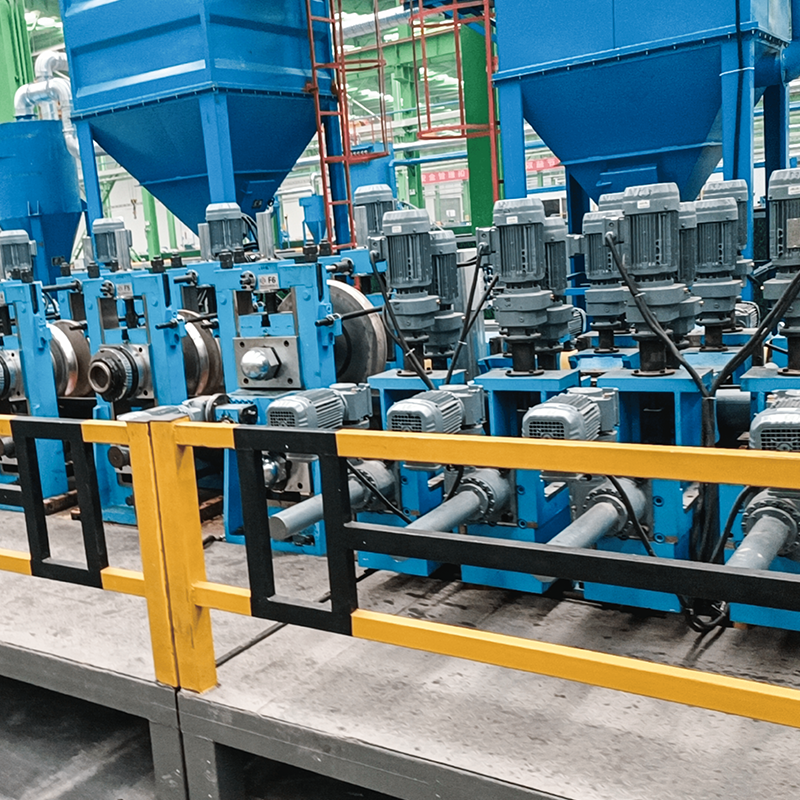
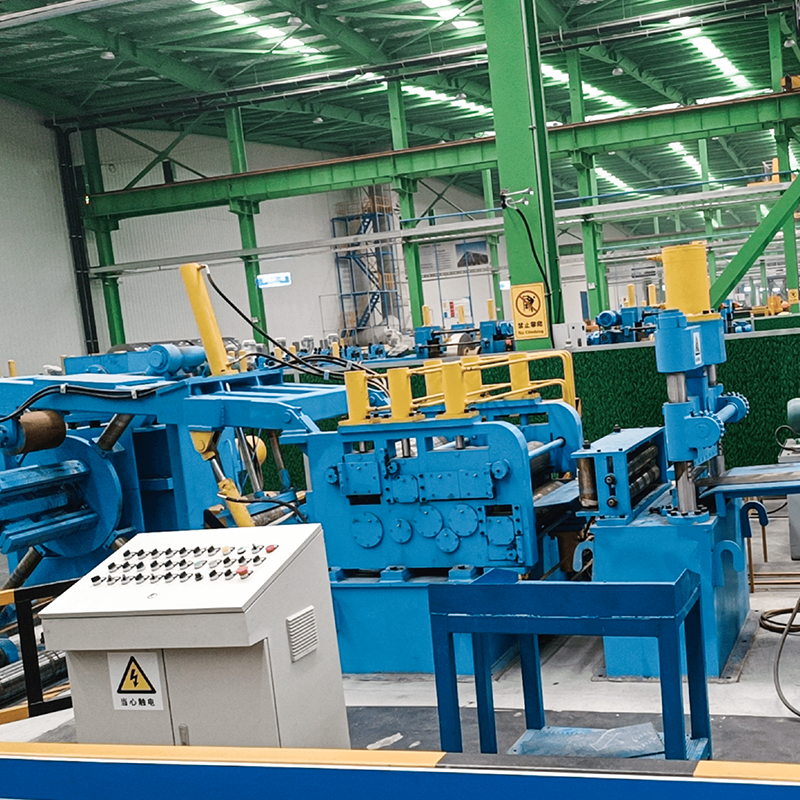
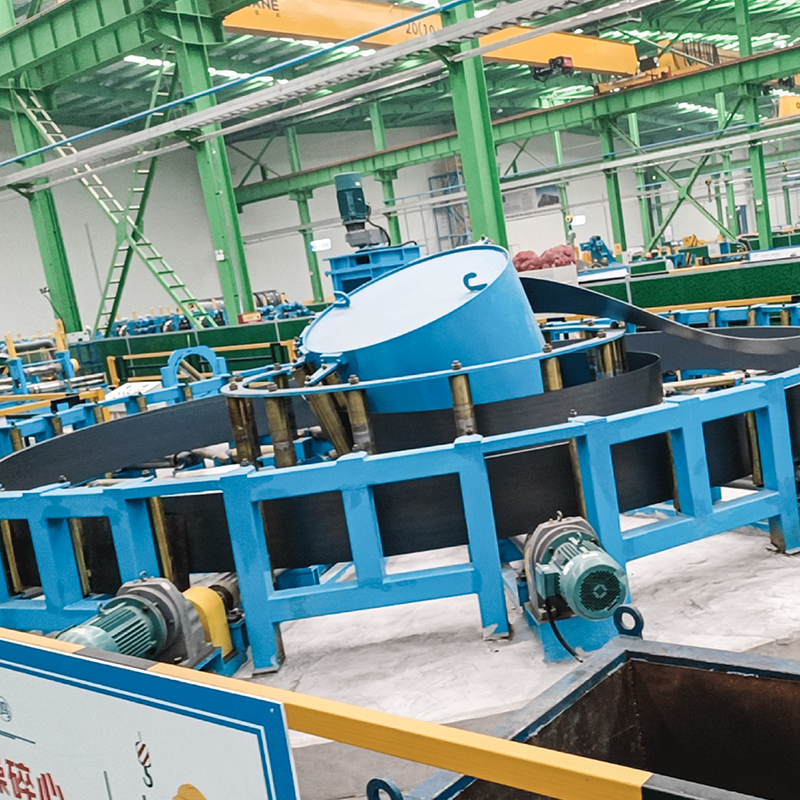
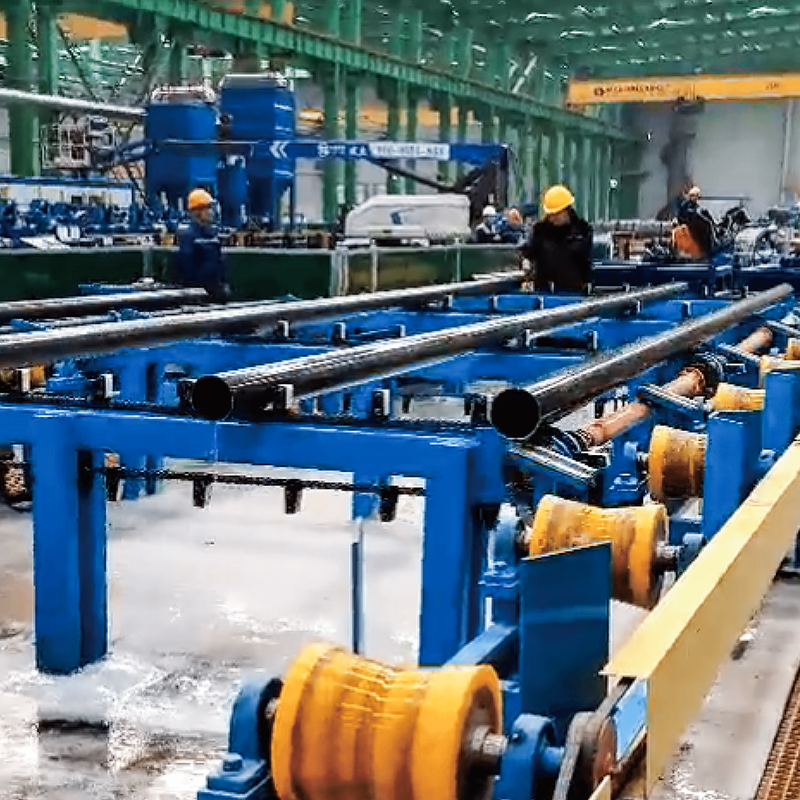
Product specification
| Machine model | Production range | Wall thickness range | Milling speed | High-frequency power |
| HG508 | Φ219~Φ508mm |
δ6.0~16.0mm |
10~25 | 1200KW |
| □170x170~400×400 | □δ≤15.0mm |
The fundamental difference between ERW and EFW steel pipes lies in the welding mechanism: ERW (Electric Resistance Welded) pipes use electrical resistance to ...
READ MOREAn ERW tube mill is a continuous production line that transforms flat steel strip into round, square, or rectangular tubes using high-frequency electric resist...
READ MOREERW pipes, which stands for Electric Resistance Welded pipes, are steel pipes manufactured by cold-forming flat steel strip or coil into a cylindrical shape an...
READ MOREPipes are made using one of three core manufacturing methods depending on the material: seamless steel pipes are formed by piercing a solid metal billet, welde...
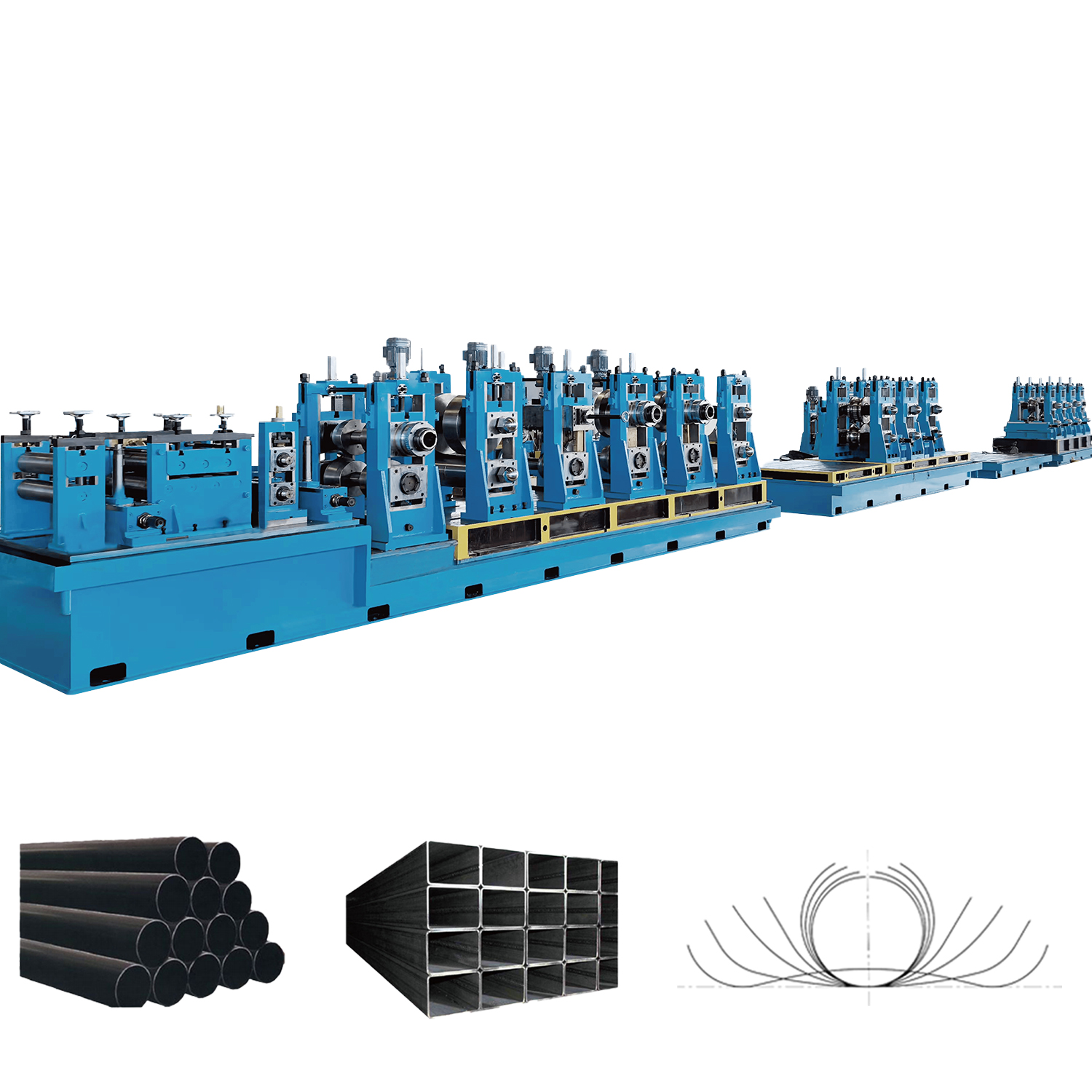
READ MOREThe HG508 Tube Making Machine is a high-frequency welded pipe production unit designed to manufacture steel tubes with an outer diameter up to 508 mm. The suffix "for Share Moulds" specifies a tooling strategy in which a single mould set is engineered to serve multiple tube diameters within a defined size group, rather than requiring one independent mould per diameter. This configuration is applied in production environments where a wide product range must be accommodated while keeping tooling inventory and procurement costs at a manageable level.
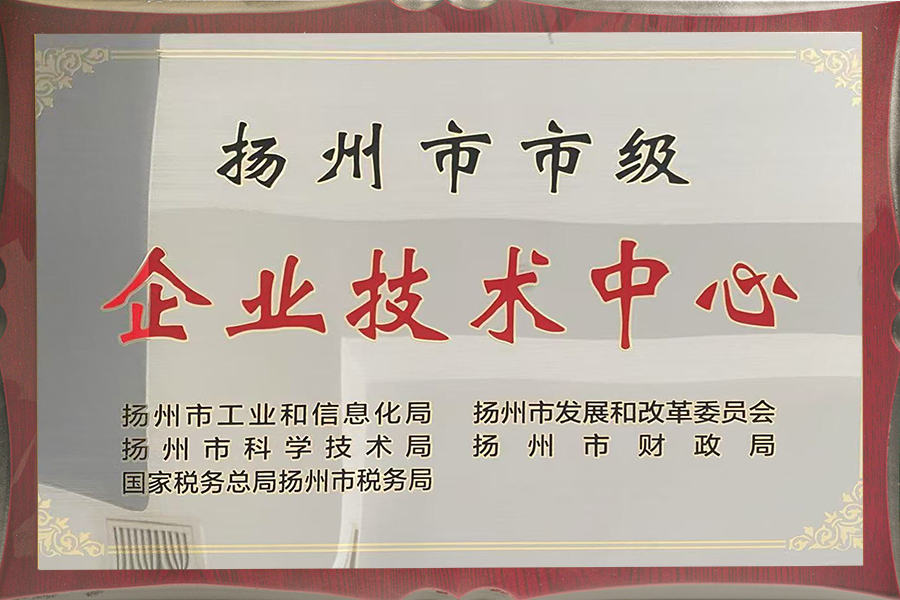
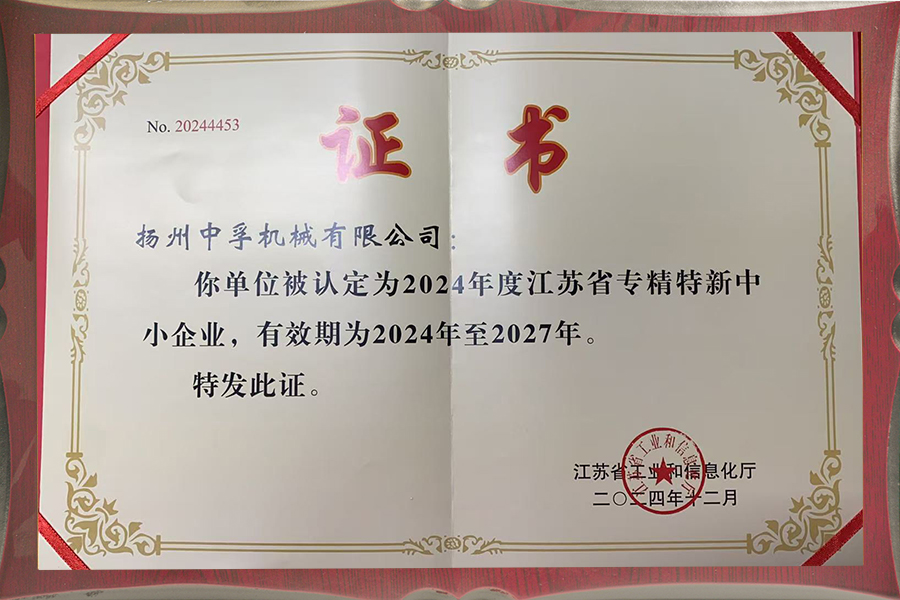
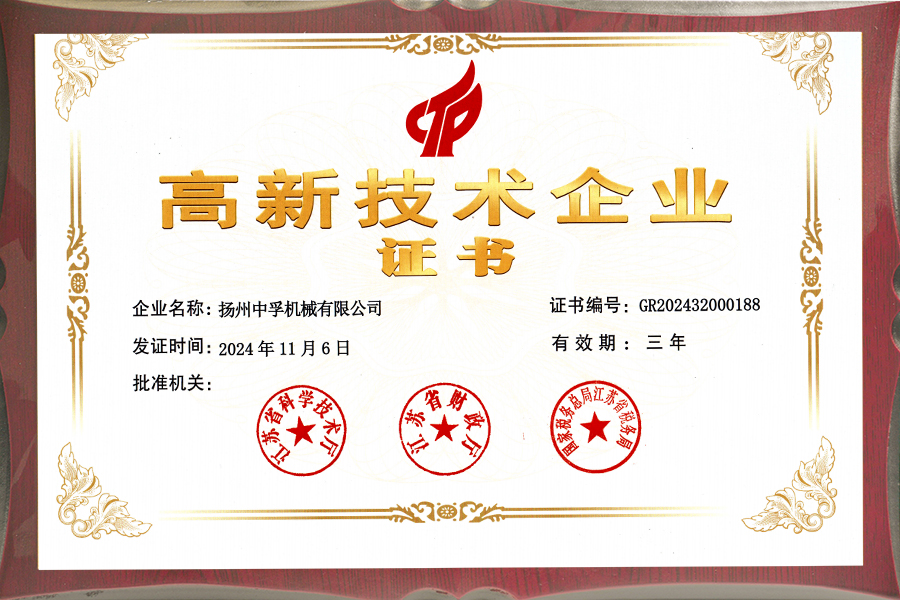
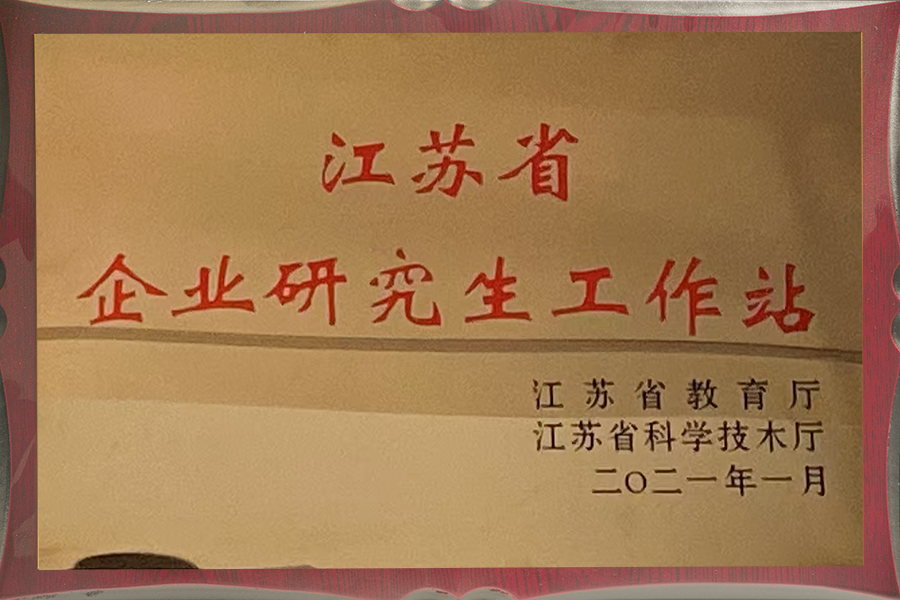
Yangzhou SINOFORM Machinery Co., Ltd., founded in 2010 and based in Yangzhou, Jiangsu Province, specializes in the manufacture of welded pipe units and rolling mill molds. The HG508 share mould line represents the upper end of the standard welded pipe machine range offered by the company and is directed at producers working with large-diameter structural and industrial tubing.
The table below presents the general technical scope of the HG508 tube making machine operating with shared mould tooling. Values are indicative and subject to project-specific engineering confirmation.
| Parameter | Typical Value / Range |
| Maximum Outer Diameter | 508 mm |
| Minimum Outer Diameter | Typically 114 mm (configuration-dependent) |
| Wall Thickness Range | 3.0 mm - 16.0 mm |
| Raw Material | Hot-rolled steel strip coil |
| Welding Method | High-frequency induction welding (HFI) |
| Tube Cross-Section | Round (square and rectangular with additional profile tooling) |
| Material Grade | Carbon steel, low-alloy structural steel |
| Mould Sharing Principle | One mould group covers a defined OD band within the full range |
In tube mill terminology, moulds (also referred to as roll tooling or forming dies) are the shaped components mounted on the roll stands that progressively form, weld, and size the steel strip into finished tube. In a dedicated mould system, every target diameter requires its own matched mould set across the forming, squeeze, and sizing passes. For a machine capable of producing the full HG508 diameter range, this would mean procuring and storing a large number of distinct mould sets.
The share mould approach addresses this by partitioning the full diameter range into groups and engineering one mould set to cover all diameters within each group. This is made possible through:
It should be noted that switching between diameter groups still requires a physical mould change. The share mould benefit applies to size changes within one group, where only stand repositioning is needed. For changes crossing a group boundary, the mould set must be replaced, though the total number of sets to manage remains significantly lower than in a fully dedicated tooling arrangement.
| Aspect | Dedicated Moulds | Share Moulds |
| Tooling Investment | High — one set per diameter | Lower — one set per diameter group |
| Tooling Storage Space | Large — full inventory per size | Reduced — inventory per group |
| Profile Optimization | Precisely matched to each diameter | Engineered for the group bandwidth |
| Within-Group Size Change | Full mould change required | Stand adjustment only — faster changeover |
| Cross-Group Size Change | Full mould change required | Mould change required |
| Production Mix Suitability | High-volume single-size runs | Multi-size, varied specification runs |
| Mould Wear Pattern | Wear concentrated on single-size profile | Wear distributed across group range |
A heavy-duty hydraulic uncoiler supports large-weight coils appropriate for the strip widths used in 508 mm diameter production. An edge milling or strip-end shearing unit prepares the strip edges to specified geometry and removes oxide scale, which directly affects weld seam quality at large diameters.
The strip passes through multiple breakdown and fin-pass roll stands fitted with the share moulds for the applicable diameter group. Due to the large diameter range, the forming section of an HG508 line typically requires more pass stages than smaller-diameter mills, to achieve uniform forming without overstressing the strip material.
At the welding station, HF induction coils heat the open tube edges to forging temperature. Squeeze rolls apply radial pressure to close the seam and consolidate the weld. For HG508-class diameters, welding power requirements are substantially higher than for smaller mills; the power unit must be sized to match the maximum wall thickness and target line speed. An internal and external scarfing assembly removes the weld bead to the required surface profile.
Downstream sizing stands fitted with the shared sizing moulds correct the outer diameter and roundness to final tolerance. A multi-roll straightener removes longitudinal bow. At large diameters, straightening force requirements are significant, and the straightener must be dimensioned accordingly.
A flying saw or band saw cut-off machine cuts the tube to length while the line remains in motion. The run-out table collects finished tubes, which may then proceed to end-facing, hydrostatic testing, or marking depending on the applicable product standard.
Large-diameter tubes produced on the HG508 line are used in sectors that require substantial structural or conveyance capacity:
SINOFORM manufactures both the HG508 tube making machine and the associated rolling mill moulds as integrated products. For the share mould system, the mould profile calculations are developed in conjunction with the machine design, ensuring that the stand geometry and the mould contour are matched throughout the full diameter group range.
Mould material selection for HG508-scale production considers the elevated forming forces involved at large diameters and heavier wall thicknesses. Common mould materials include forged alloy tool steel with appropriate heat treatment and high-chromium cast iron for applications requiring extended wear life. Replacement mould sets and re-grinding services for existing moulds are available as part of after-sales support.
Q: How many mould groups are typical for the HG508 diameter range?
The number of groups depends on the OD range and the diameter spread within each group. A common configuration for an HG508 line covering 114 mm to 508 mm may use three to five mould groups. Group boundaries are set during tooling design based on the customer's target product mix and acceptable forming deviation across the group.
Q: What dimensional tolerances can the share mould system achieve?
When stand positions are correctly set for each diameter and the moulds are within acceptable wear limits, dimensional tolerances are consistent with those achievable on a dedicated mould system for the same size. The key factors are accurate setup to the parameter table, consistent strip dimensions, and timely mould inspection and replacement.
Q: What HF welding power is typically required for HG508 production?
Required welding power depends on the combination of outer diameter, wall thickness, and target line speed. For the upper range of the HG508 at maximum wall thickness, installed power is generally in the range of 600 kW to 1000 kW or above. Power sizing must be confirmed against the specific product schedule before equipment specification.
Q: Can the HG508 share mould line produce square or rectangular hollow sections?
Round tube production is the standard configuration. Square and rectangular sections can be produced by adding a profile forming section downstream of the round sizing stands. Each square or rectangular target profile requires dedicated profile moulds, which are separate from the round tube share mould sets.
Q: What is the relationship between line speed and tube diameter on the HG508?
Line speed decreases as outer diameter and wall thickness increase, because larger cross-sections require more forming passes and higher welding energy per unit length. For tubes near 508 mm outer diameter at maximum wall thickness, typical operating speeds are in the range of 8 to 20 meters per minute. Smaller diameters within the range can operate at higher speeds, subject to welding power and forming stability.

 No.1 Xiangjian Road, Northern
Suburbs Of Yangzhou City,
Jiangsu Province,China
No.1 Xiangjian Road, Northern
Suburbs Of Yangzhou City,
Jiangsu Province,China
 Phone: +86-0514-8363 8877
 E-mail: [email protected]
© Yangzhou SINOFORM Machinery Co., Ltd. Custom HG508 Tube making machine for share Moulds suppliers
