

 English
 Español
 عربى
عربى русский
 中文简体
中文简体
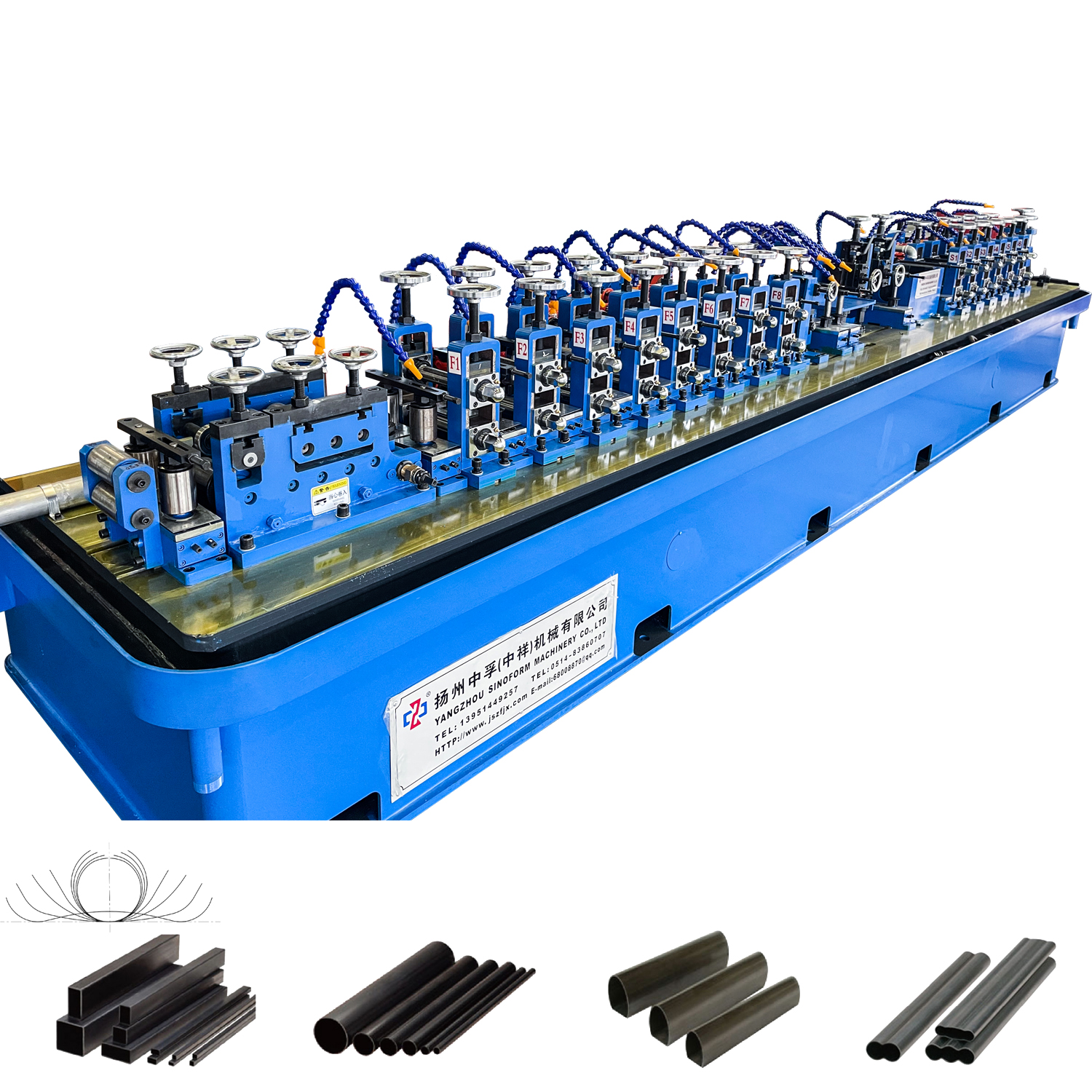
200x200 ERW Square And Rectangular Tube Mill Line
Product IntroductionDuring the process of forming square and rectangular pipes, the roll utilizes a combined roll ...
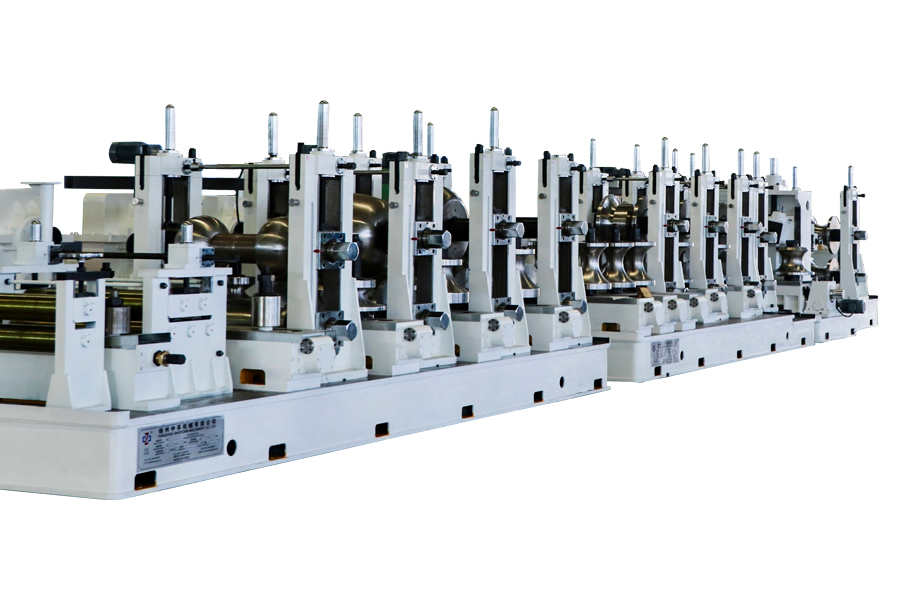
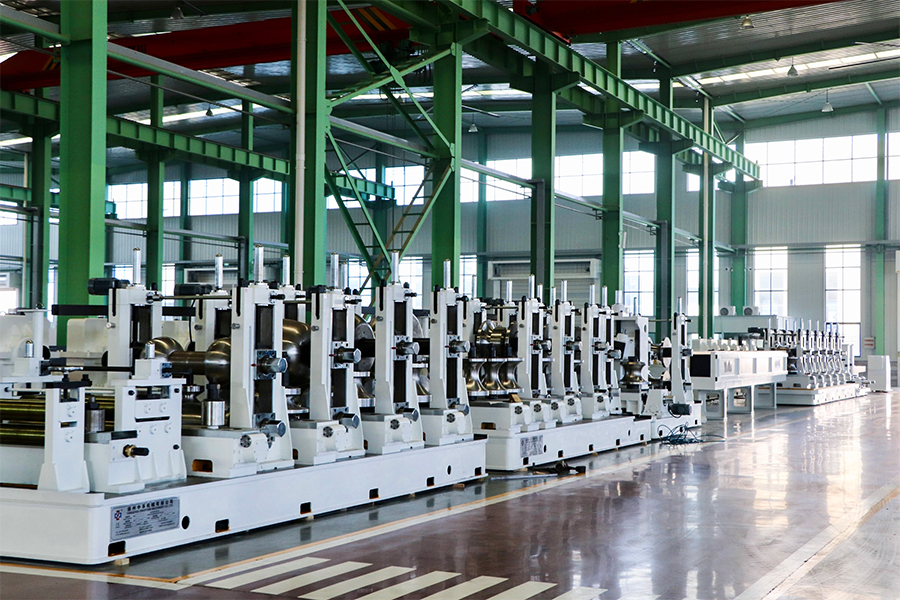
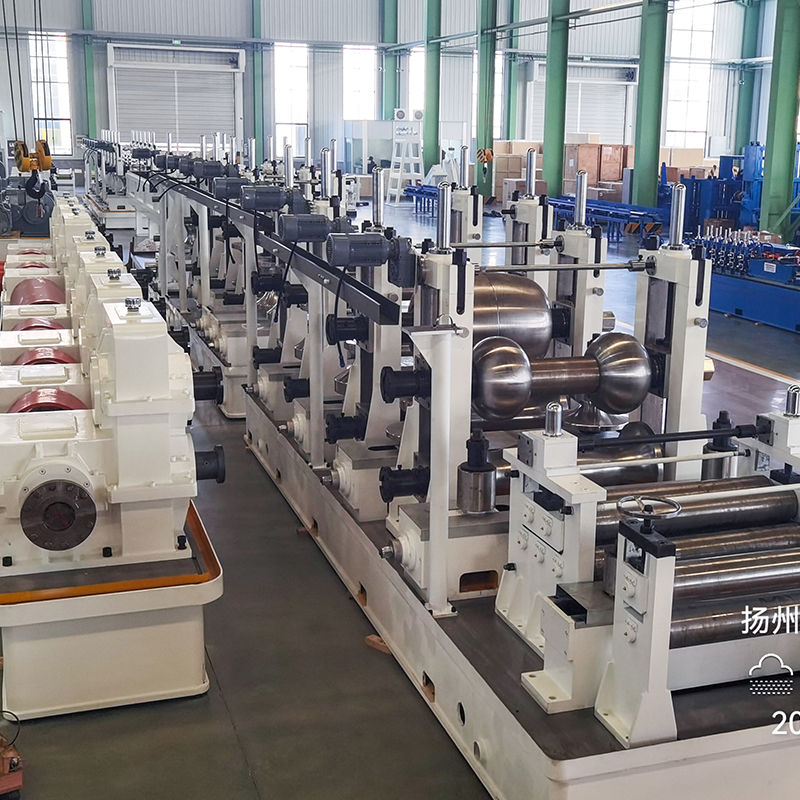
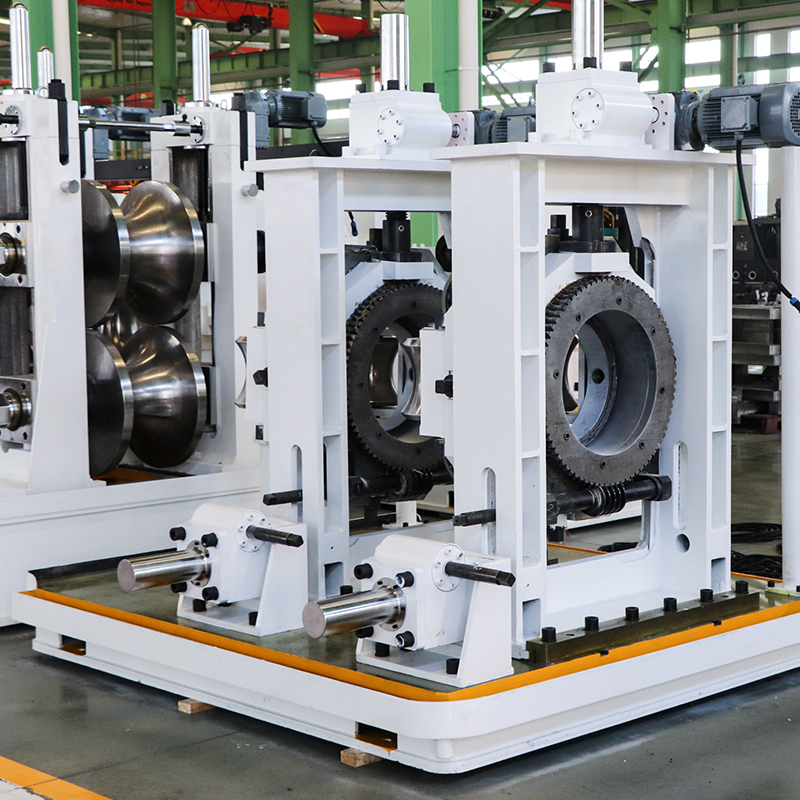
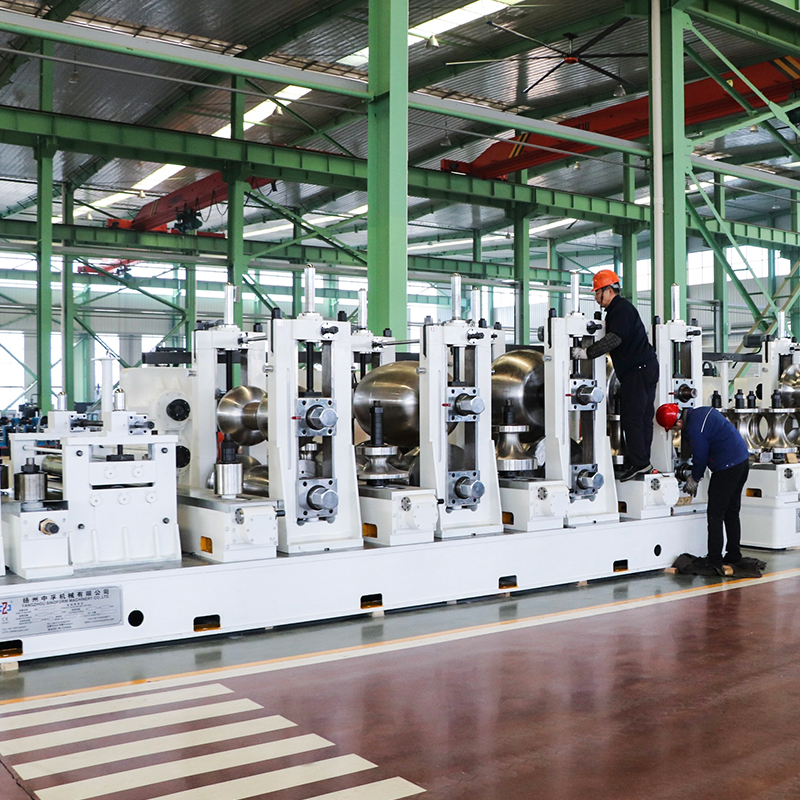
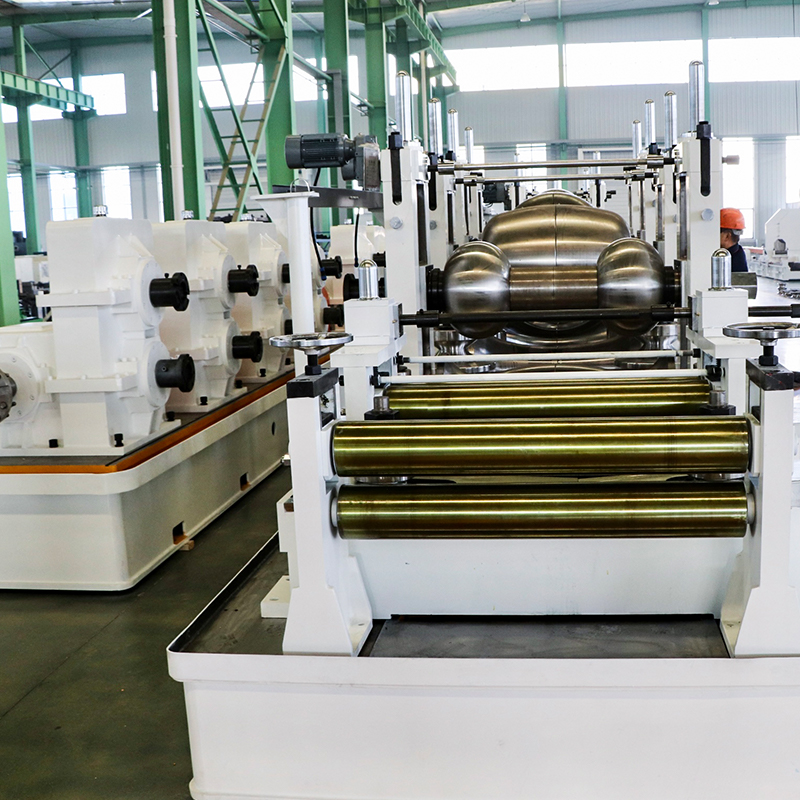
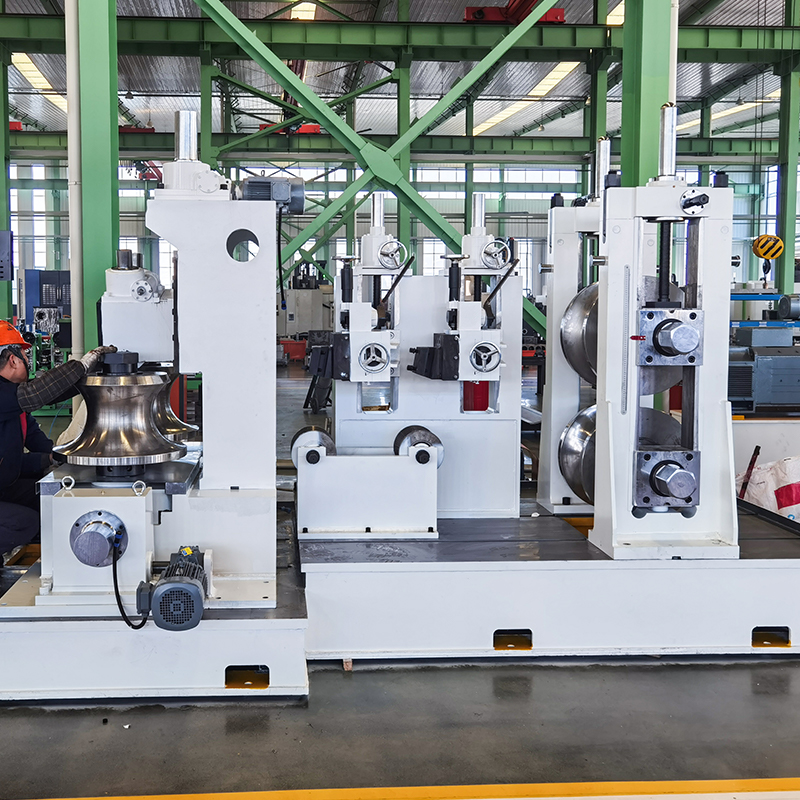
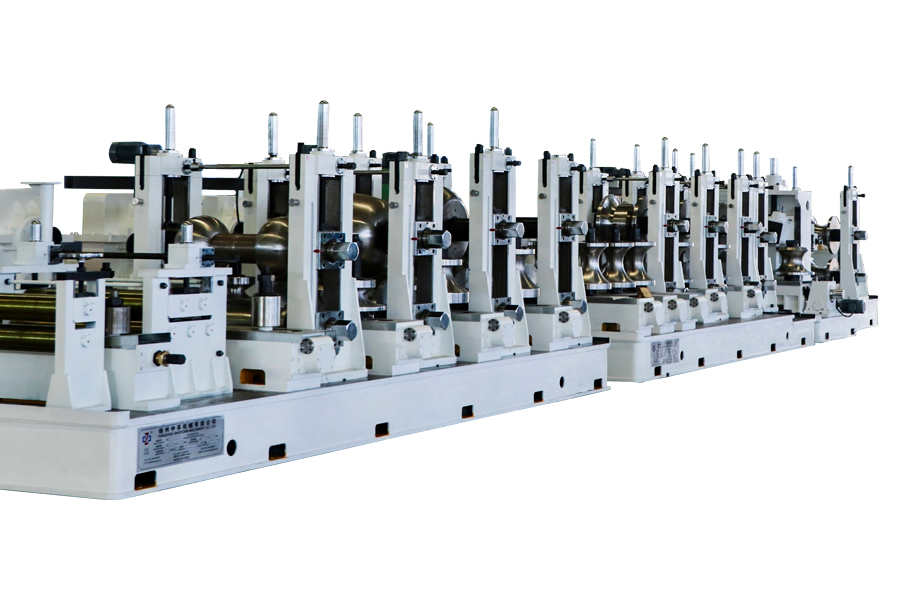
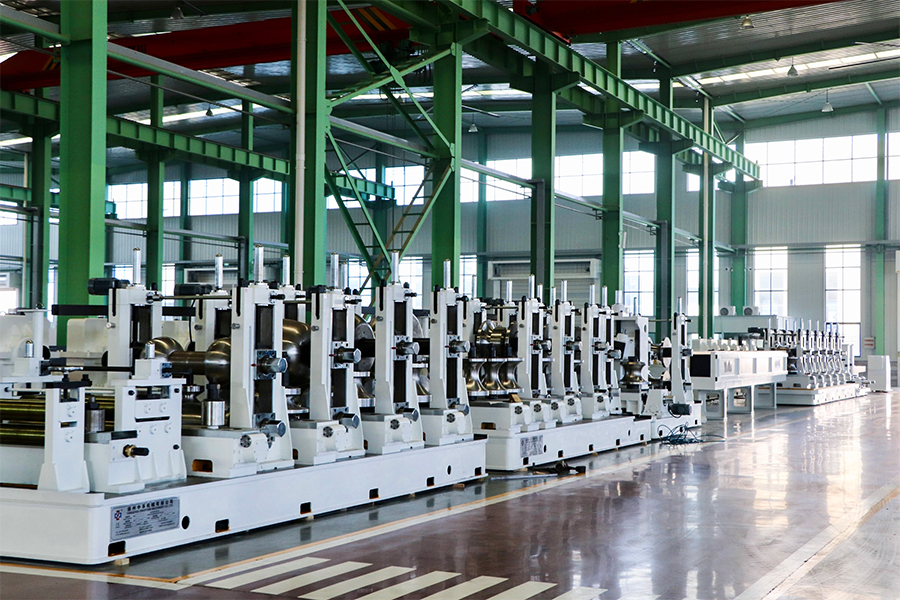
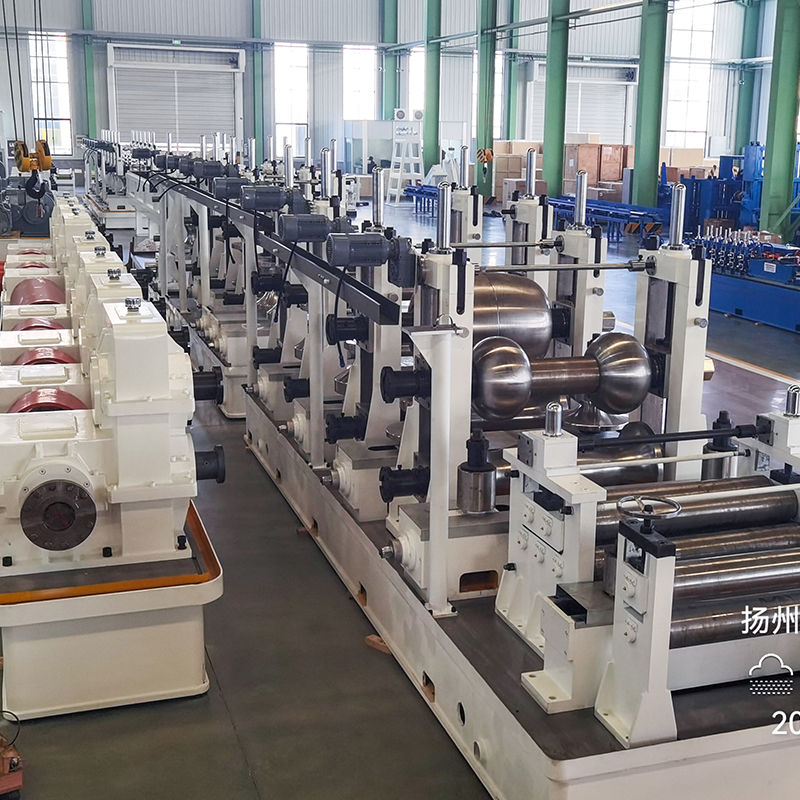
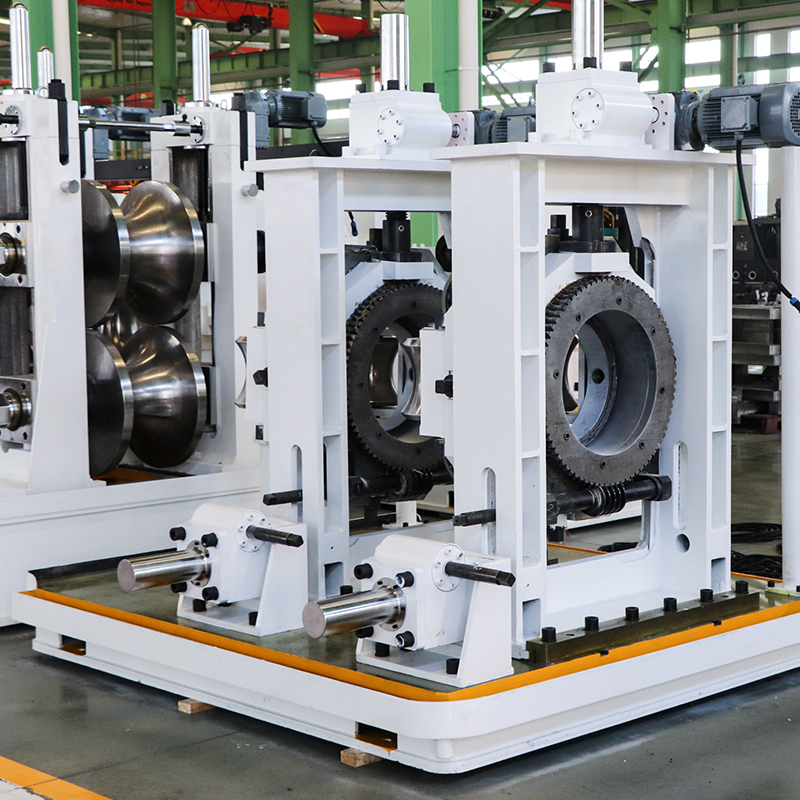
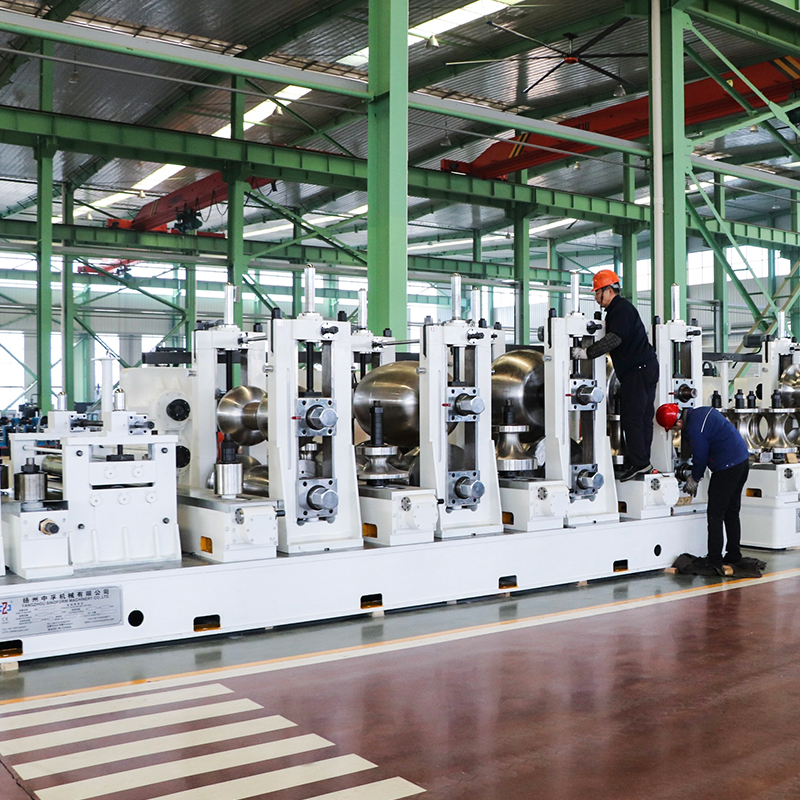
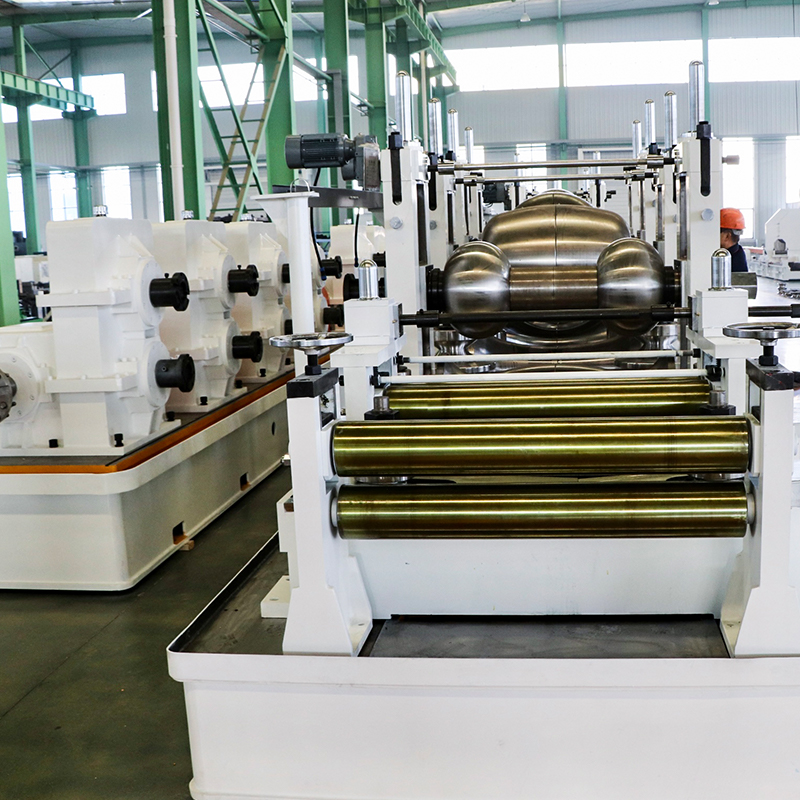
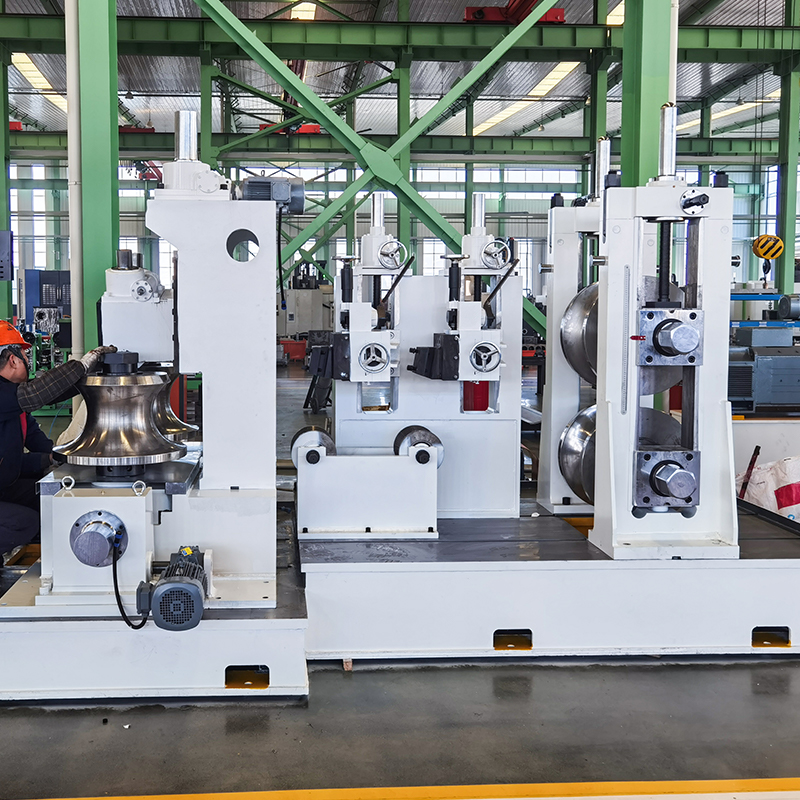
Product specification
| Machine model | Production range | Wall thickness range | Milling speed | High-frequency power |
| HG325 | Φ165~Φ325mm |
δ4.0~12.0mm |
10~30 | 800KW |
| □130x130~250×250 | □δ≤10.0mm |
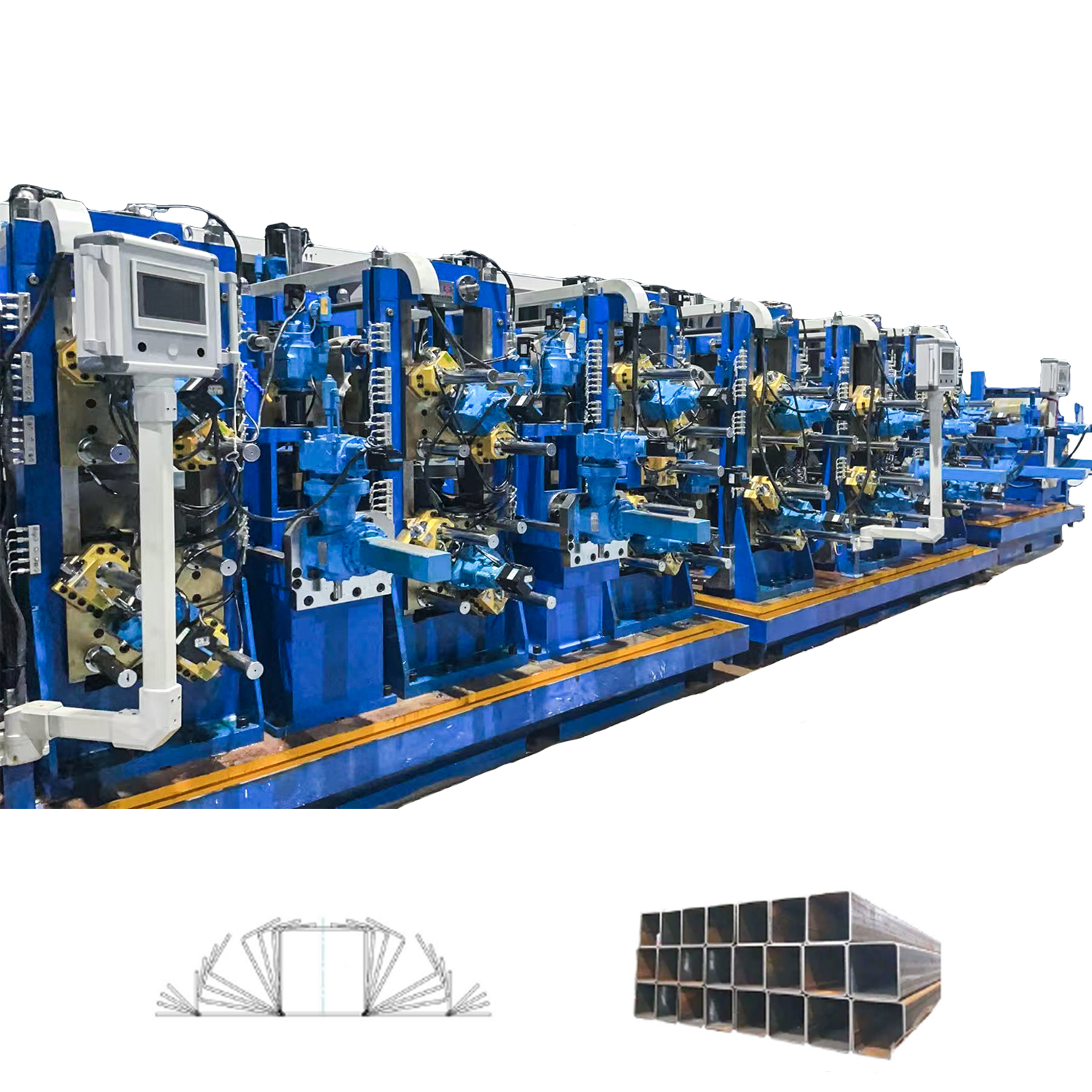
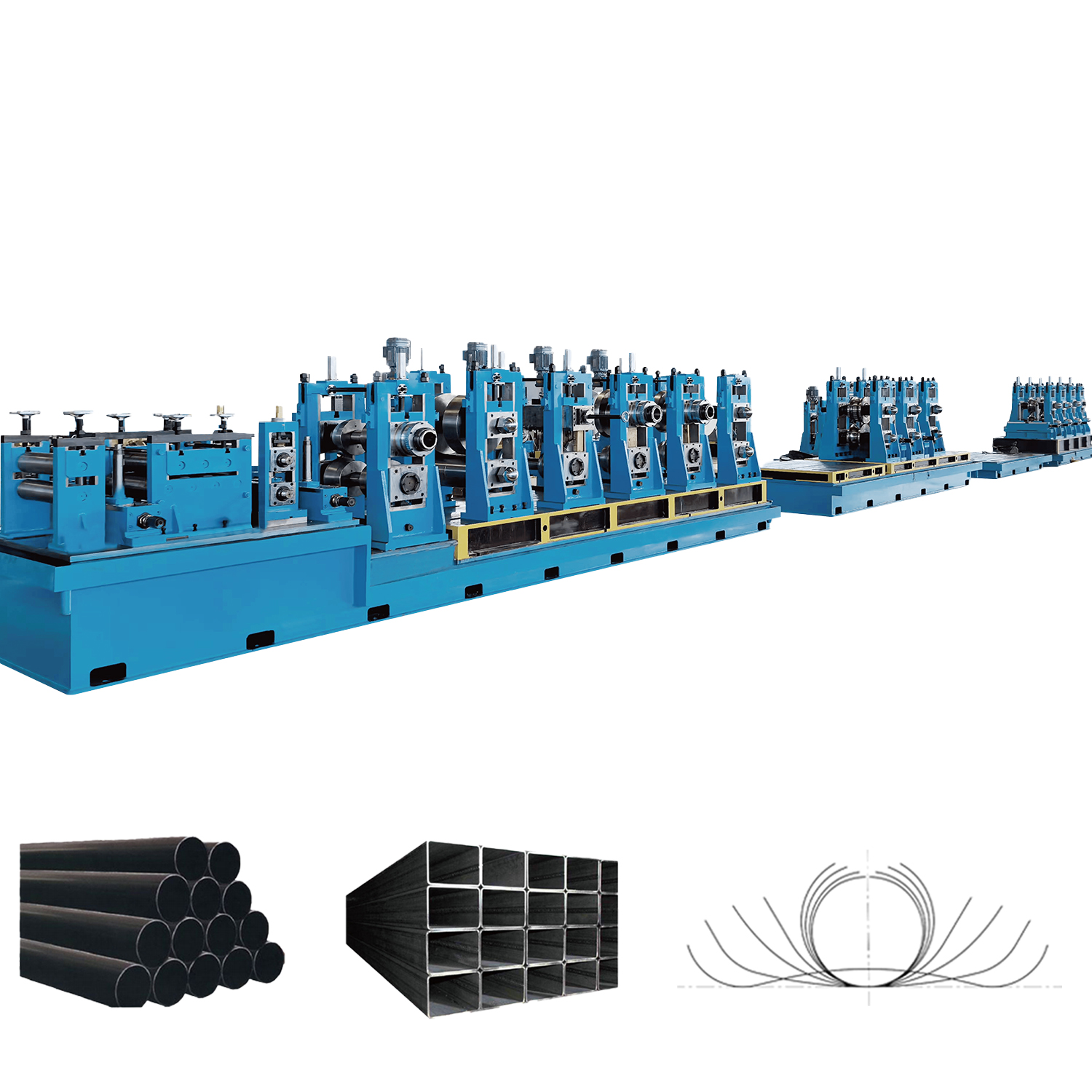
The fundamental difference between ERW and EFW steel pipes lies in the welding mechanism: ERW (Electric Resistance Welded) pipes use electrical resistance to ...
READ MOREAn ERW tube mill is a continuous production line that transforms flat steel strip into round, square, or rectangular tubes using high-frequency electric resist...
READ MOREERW pipes, which stands for Electric Resistance Welded pipes, are steel pipes manufactured by cold-forming flat steel strip or coil into a cylindrical shape an...
READ MOREPipes are made using one of three core manufacturing methods depending on the material: seamless steel pipes are formed by piercing a solid metal billet, welde...
READ MOREThe HG325 Tube Mill Line is a high-frequency welded pipe production system engineered to manufacture steel tubes with an outer diameter up to 325 mm. The designation "by Share Roller" refers to a tooling configuration in which a single set of forming and sizing rolls is shared across a defined range of tube sizes, rather than requiring a dedicated roll set for each individual diameter. This approach is widely adopted in facilities where product diversity and tooling cost management are primary operational considerations.
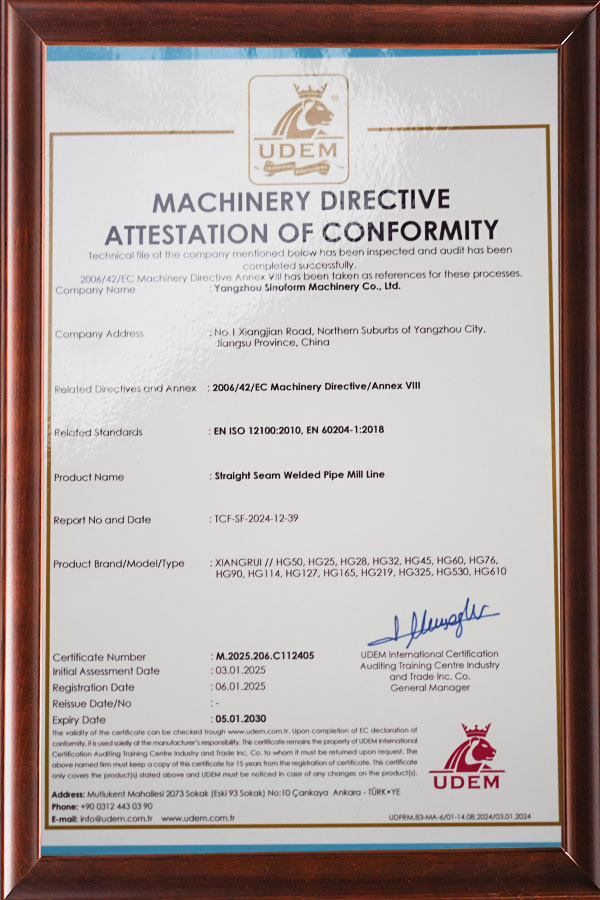
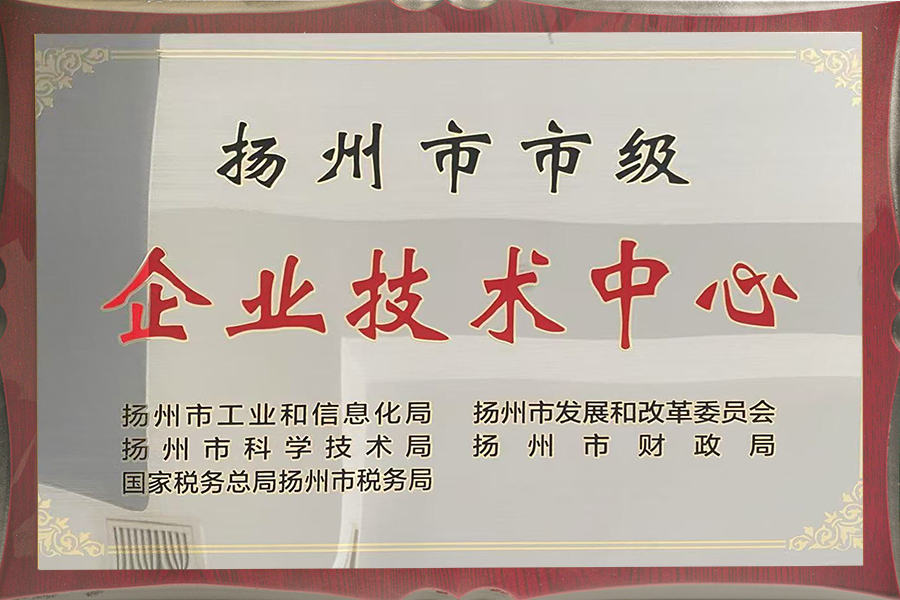
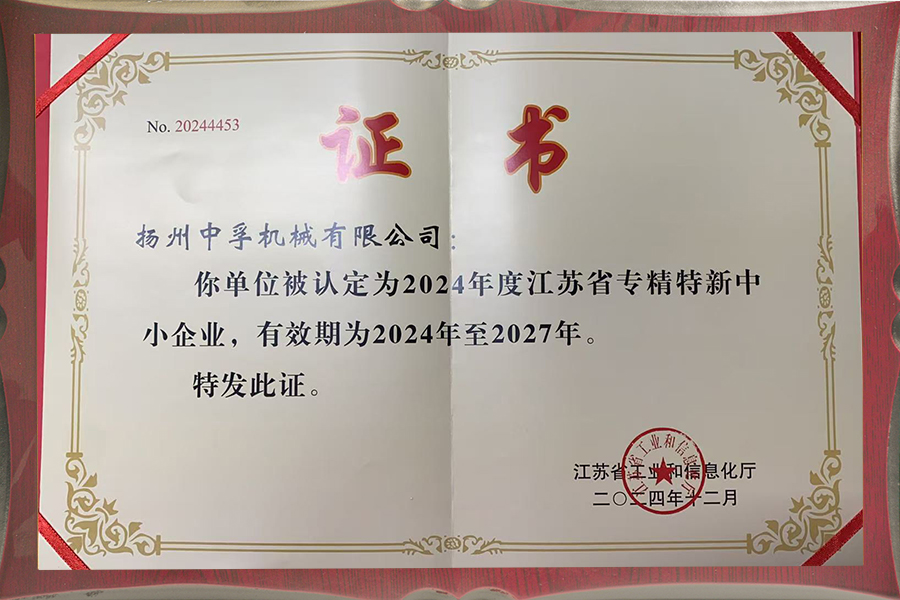
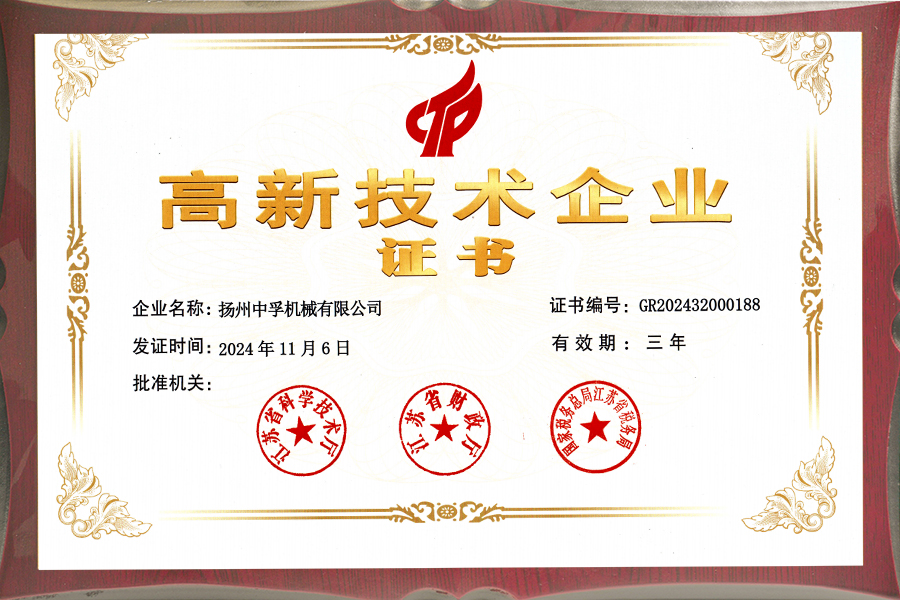
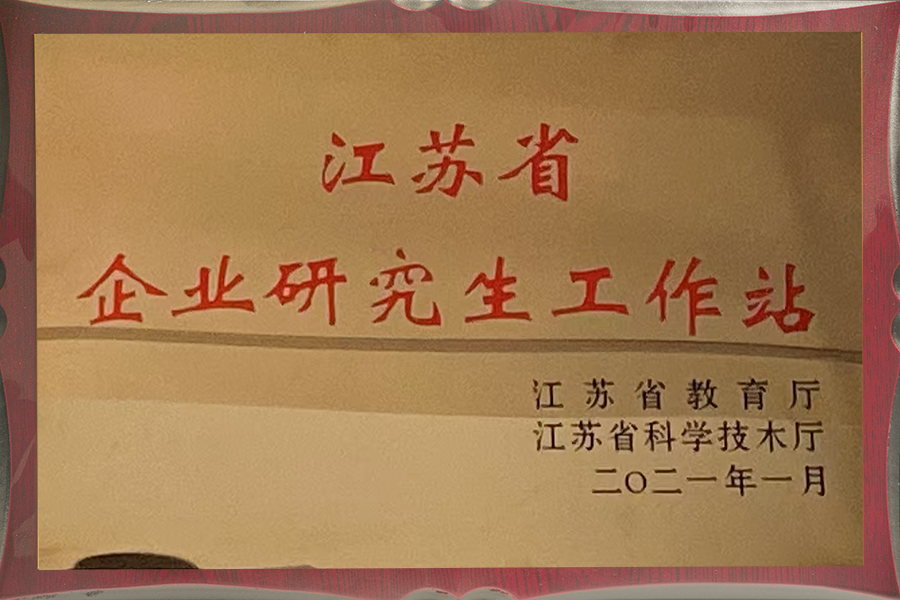
Yangzhou SINOFORM Machinery Co., Ltd., established in 2010 and located in Yangzhou, Jiangsu Province, manufactures tube mill lines and rolling mill molds as core products. The HG325 line with shared roller tooling is one of the representative configurations in the product range, designed for producers requiring flexible production capability within a broad diameter spectrum.
The following table outlines the general technical scope of an HG325 tube mill line operating with a shared roller system. Actual values may vary according to specific customer requirements and raw material conditions.
| Parameter | Typical Value / Range |
| Maximum Outer Diameter | 325 mm |
| Minimum Outer Diameter | Typically 50 mm (configuration-dependent) |
| Wall Thickness Range | 2.0 mm - 12.0 mm (material and diameter dependent) |
| Raw Material | Hot-rolled / cold-rolled steel strip coil |
| Welding Method | High-frequency induction welding (HFI) |
| Tube Cross-Section | Round (square and rectangular available with additional tooling) |
| Roller Sharing Ratio | One roll set covers multiple sizes within a defined group |
In a conventional tube mill line, each pipe size requires its own dedicated roller set for forming, welding squeeze, and sizing passes. As the product range expands, the required tooling inventory grows significantly, increasing both capital expenditure and storage requirements.
The Share Roller approach groups pipe sizes into defined diameter ranges. A single roller profile is engineered so that it can form and size all diameters within each group by adjusting roll gap, pass spacing, and related process parameters. This is achieved through:
It is important to note that shared rollers do not eliminate tooling changeover entirely. Operators must still reset stand positions and verify process parameters when switching between sizes within the group. The benefit is a significant reduction in the number of distinct roll sets that must be procured, maintained, and stored.
| Aspect | Dedicated Roller | Share Roller |
| Tooling Cost | Higher (one set per size) | Lower (one set per group) |
| Tooling Storage | Large inventory required | Reduced inventory |
| Roll Profile Precision | Optimized per size | Engineered for group range |
| Changeover Time | Longer (full roll change) | Shorter (parameter adjustment within group) |
| Product Range Flexibility | Full flexibility with full tooling set | Flexible within defined groups |
| Applicable Production Volume | High-volume single-size runs | Mixed-size, multi-specification runs |
A hydraulic uncoiler holds the raw steel strip coil and feeds it into the line at a controlled tension. An accumulator or looping pit may be incorporated to allow continuous production during coil changeover, minimizing downtime.
The flat strip passes through a series of forming roll stands that progressively bend the strip into an open tube profile. In the share roller configuration, the forming rolls in this section are designed to accommodate the full diameter group range. The number of forming passes depends on the strip thickness and the target tube diameter.
The open tube passes through an HF induction coil or contact welding system. The strip edges are heated to welding temperature and then pressed together by squeeze rolls, forming a continuous longitudinal weld seam. The weld bead is subsequently removed by an internal and external scarfing tool to meet surface quality requirements.
After welding, the tube passes through sizing roll stands that bring the outer diameter and roundness to final dimensional tolerance. The shared sizing rolls are adjusted to match each diameter within the group. A straightening unit corrects any longitudinal bow before the tube proceeds to cutting.
A flying saw or rotary cut-off machine cuts the continuous tube to the required length without stopping the mill. The cut-to-length tolerance is controlled by an encoder-based measurement and servo-driven saw carriage.
Steel tubes produced on the HG325 line with shared roller tooling are used across multiple industry sectors:
SINOFORM manufactures both the tube mill line and the associated rolling mill molds in-house. This dual capability allows dimensional consistency between machine interfaces and roll profiles, which is particularly relevant in a share roller configuration where roll geometry must be precisely calculated to serve multiple diameters.
Roll materials are selected based on tube material grade, production speed, and expected campaign length. Common tooling materials include high-chromium cast iron, forged alloy steel, and carbide-tipped variants for abrasive strip materials. Replacement and spare roll sets for the HG325 share roller groups are available as part of the after-sales tooling supply.
Q: How many diameter groups does the HG325 share roller system cover?
The grouping depends on the specific engineering design. A typical HG325 configuration may divide the full OD range from approximately 50 mm to 325 mm into three to five roller groups, with each group covering a defined diameter band. The exact grouping is determined during the tooling design phase based on the customer's target product mix.
Q: Does the share roller system affect dimensional tolerances?
Provided the roll stands are correctly set and calibrated for each size within the group, dimensional tolerances achievable on a share roller line are comparable to those on a dedicated roller line. Tolerance outcomes depend on roll wear condition, material consistency, and process parameter accuracy.
Q: Can the HG325 line produce both round and square/rectangular tubes?
The base configuration produces round tubes. Square and rectangular hollow sections can be produced by adding a turks head or profile sizing section downstream of the round sizing stands. This requires additional roll tooling specific to each square or rectangular profile.
Q: What is the typical line speed for HG325 production?
Line speed varies with tube diameter and wall thickness. For larger diameter tubes near 325 mm, typical speeds are in the range of 20 to 40 meters per minute. Smaller diameters within the range can run at higher speeds. Actual operating speed is also limited by the available HF welding power and the forming quality at speed.
Q: What after-sales support is available for the rolling mill molds?
SINOFORM supplies replacement roll sets and spare tooling for lines it manufactures. Drawings and dimensional records for each roll group are retained to support re-grinding or replacement orders. Technical assistance for roll setup parameters can be coordinated directly with the engineering team.

 No.1 Xiangjian Road, Northern
Suburbs Of Yangzhou City,
Jiangsu Province,China
No.1 Xiangjian Road, Northern
Suburbs Of Yangzhou City,
Jiangsu Province,China
 Phone: +86-0514-8363 8877
 E-mail: [email protected]
© Yangzhou SINOFORM Machinery Co., Ltd. Custom HG325 Tube mill line by share Roller suppliers
