

 English
 Español
 عربى
عربى русский
 中文简体
中文简体
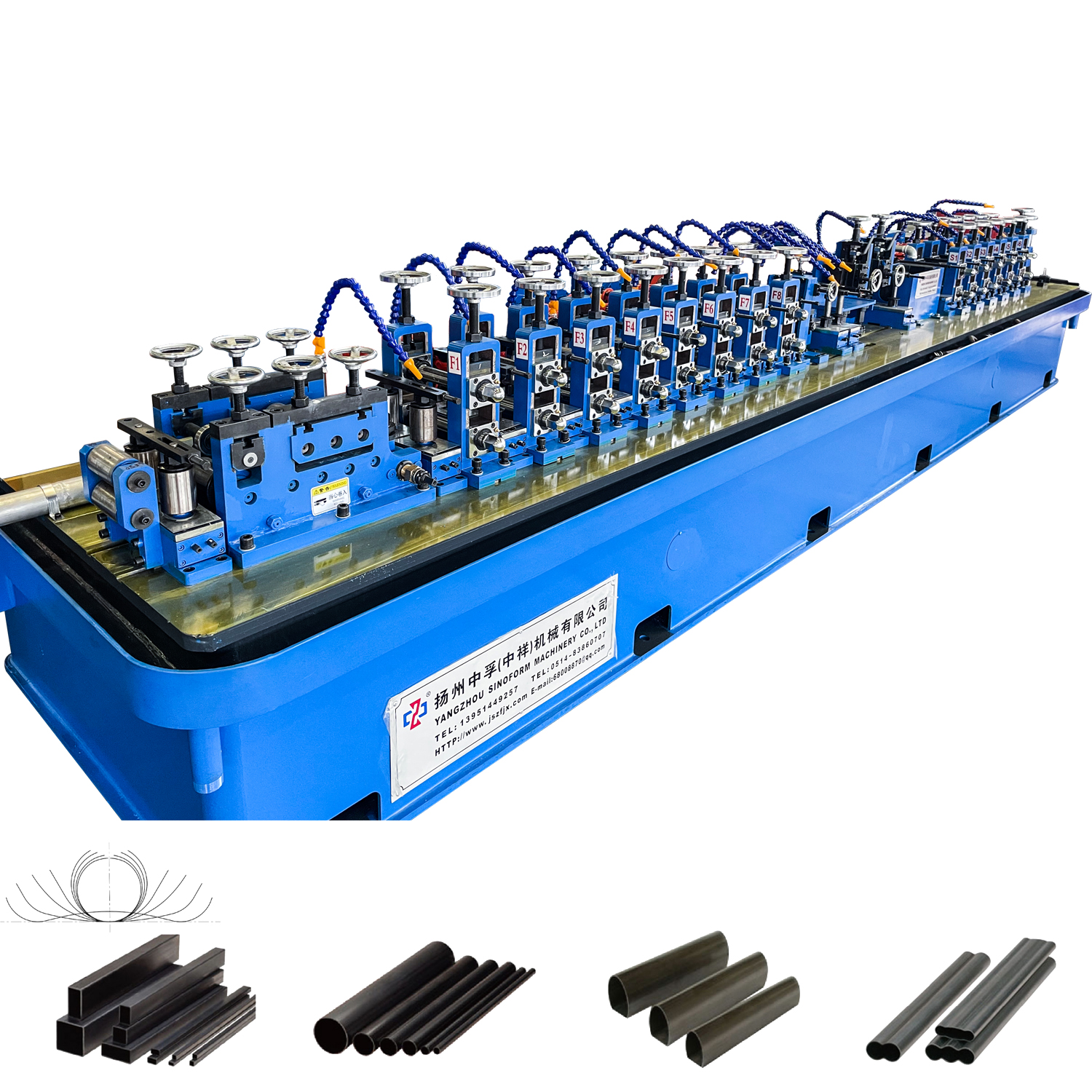
200x200 ERW Square And Rectangular Tube Mill Line
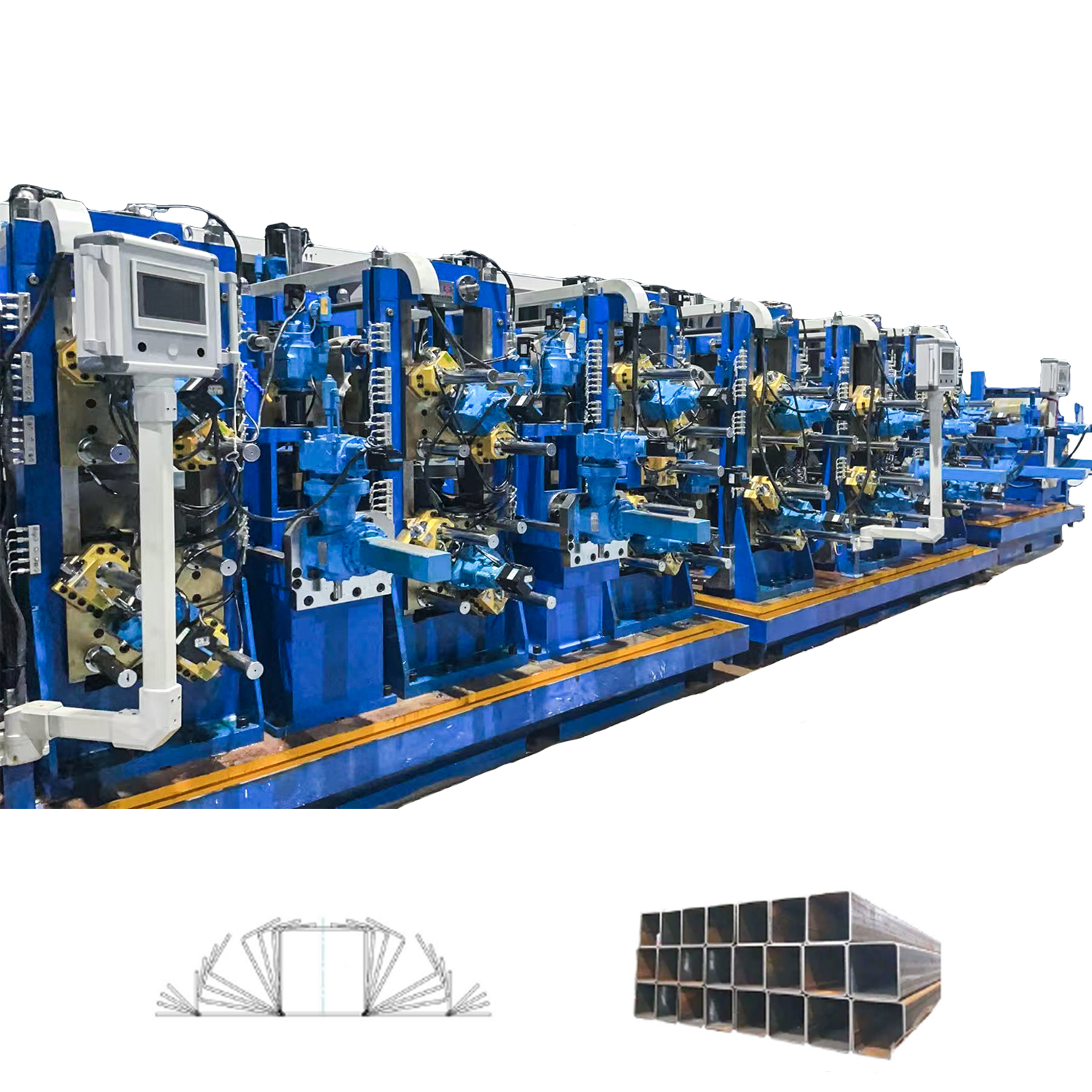
Product IntroductionDuring the process of forming square and rectangular pipes, the roll utilizes a combined roll ...
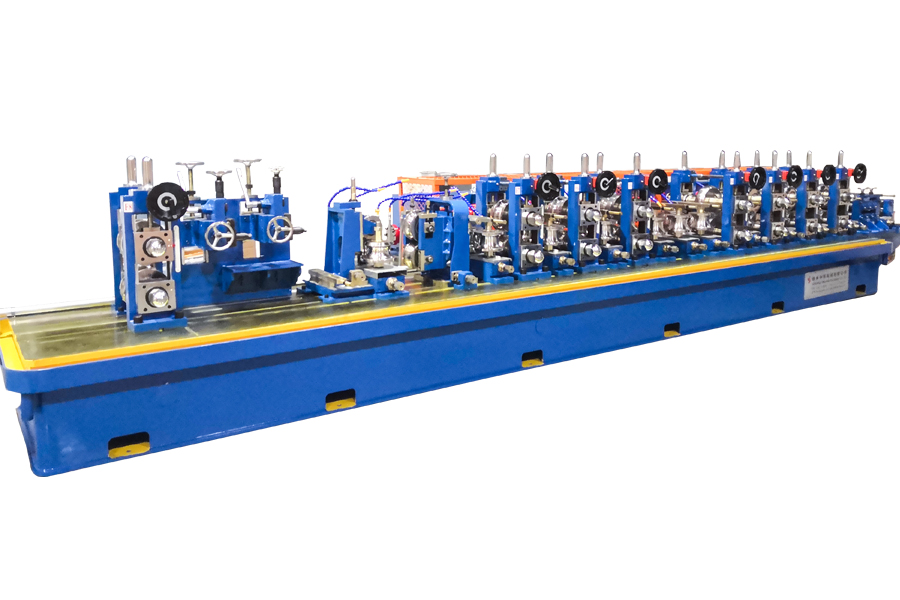
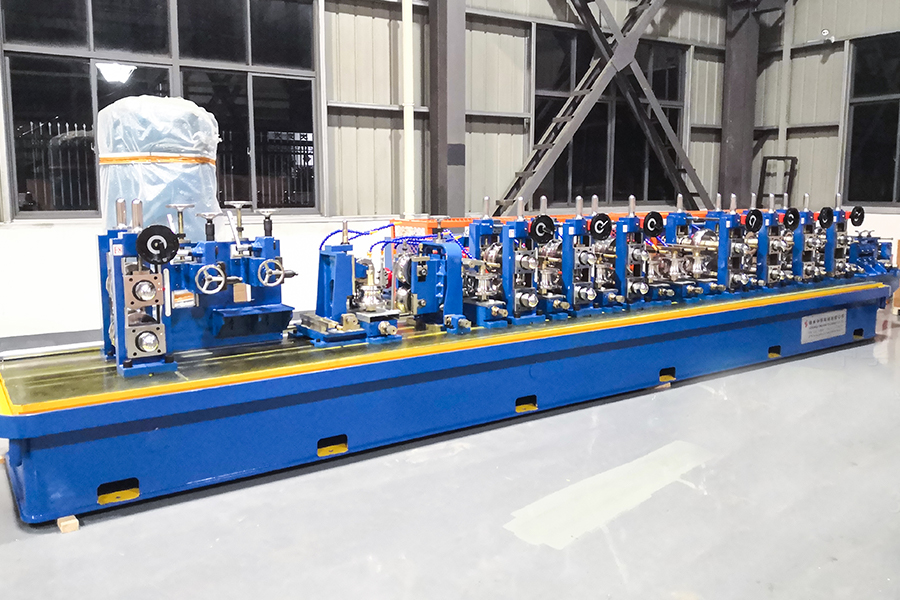
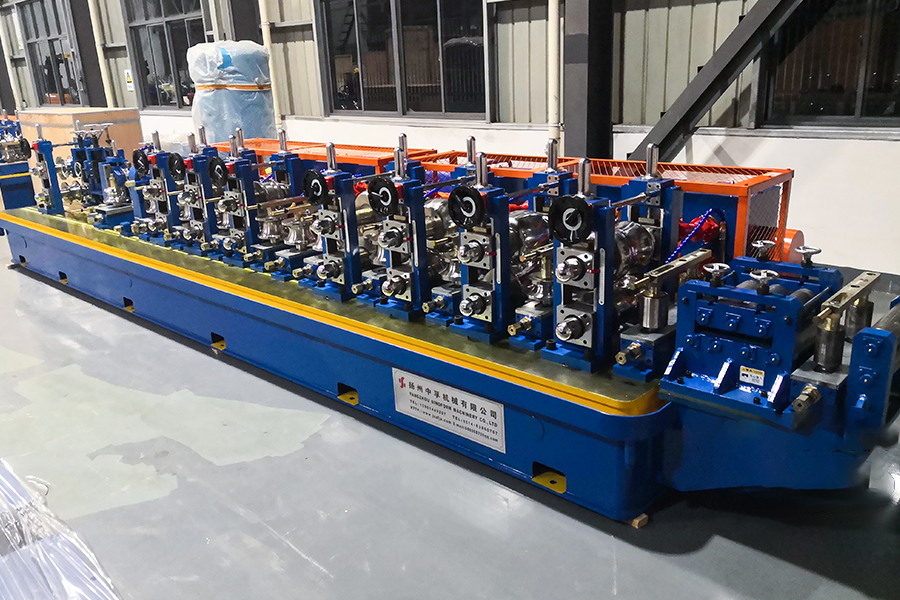
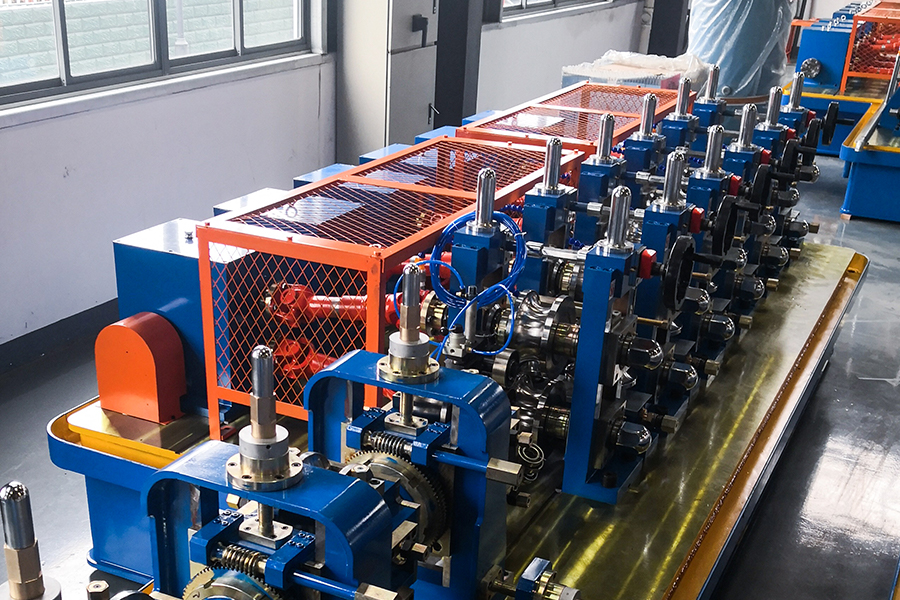
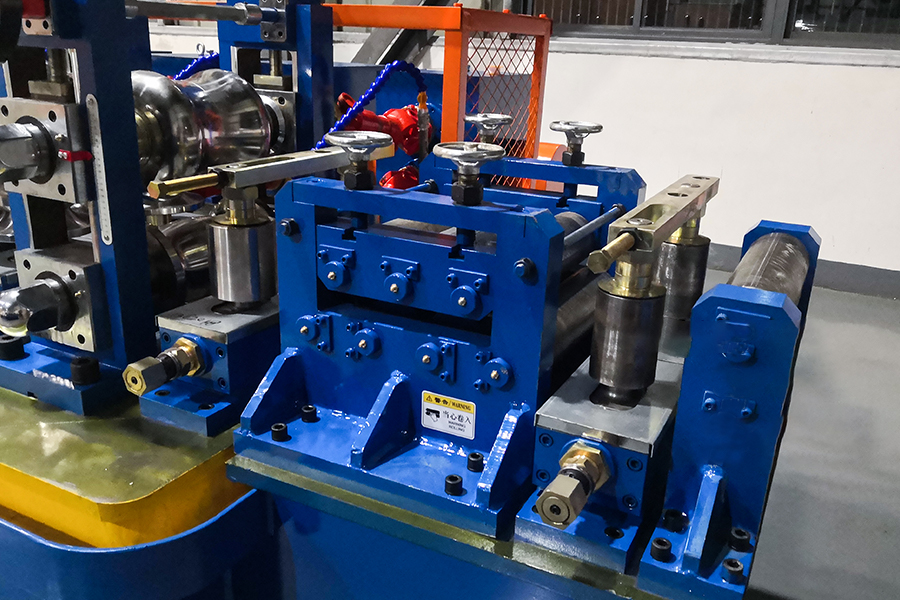
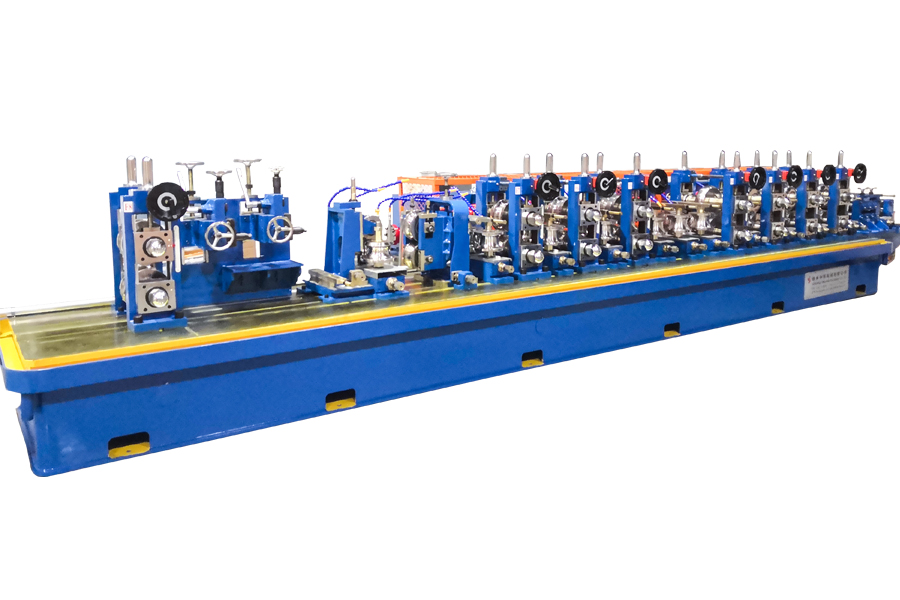
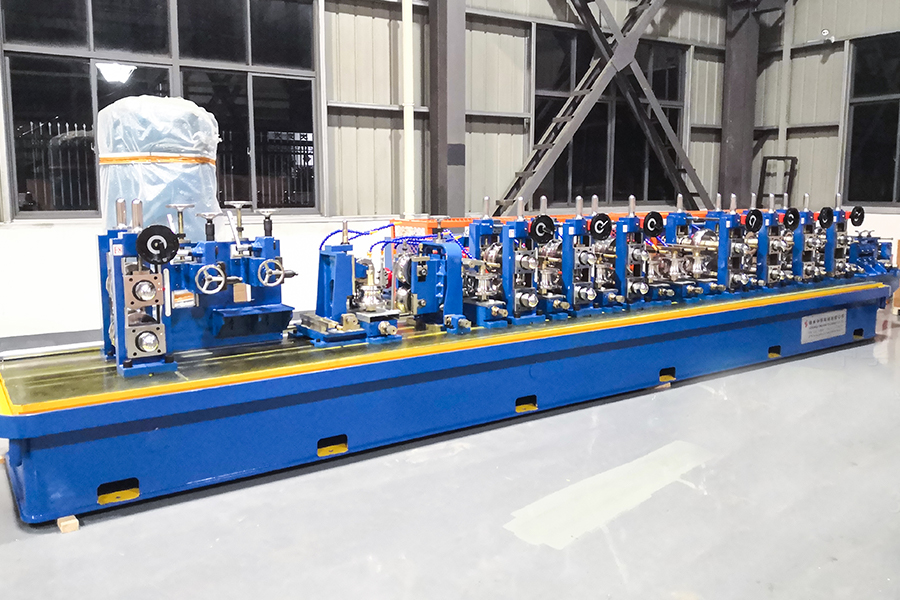
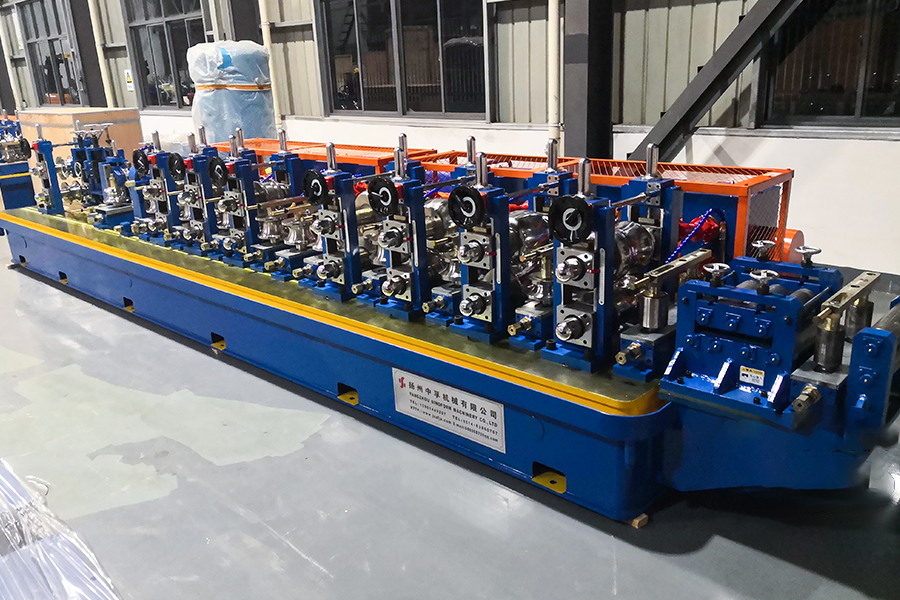
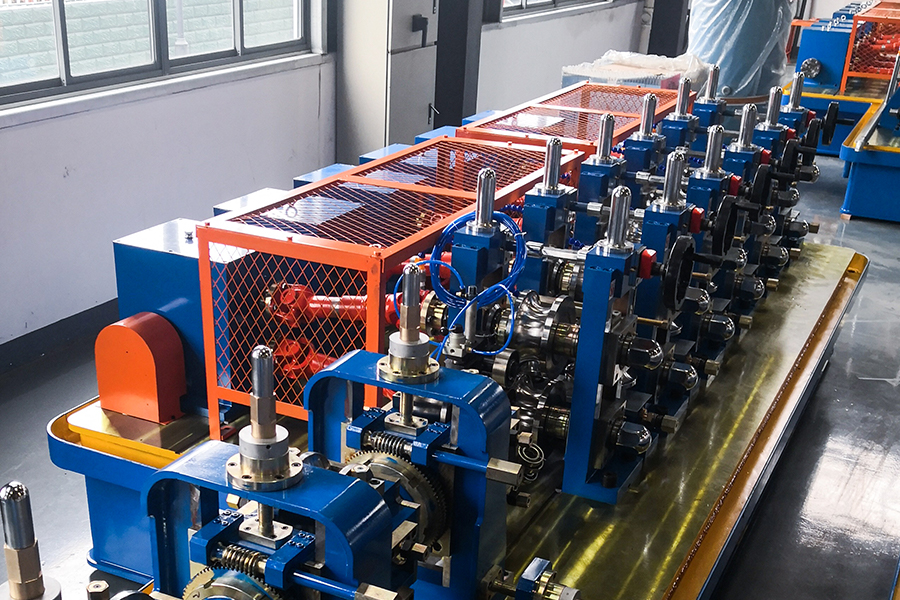
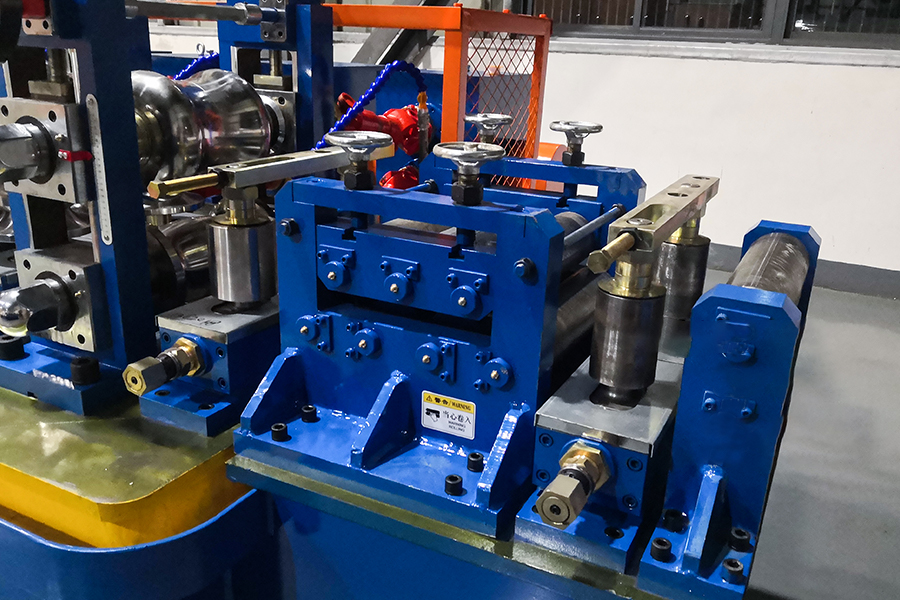
The main technical performance and detailed description of the production line
| Machine model | Production range | Wall thickness range | Milling speed | High frequency power |
| HG76 | Φ25~Φ90mm | δ1.5~4.0 mm | 20~90 | 300KW |
| □20×20~70×70 | □δ≤3.5mm |
1. Workshop requirements
| Item | Parameter | Remarks |
| Feed direction | Left or right entry (depends on the customer's workshop process layout) | Facing the equipment, the direction of raw material entry |
| Total power of equipment |
Approximately 720KW(Main machine 264KW+High frequency300KW+Auxiliary machine150KW) |
|
| Power supply voltage standard | 380V/50HZ; Three-phase four-wire system | Low voltage distribution cabinet, cables, customer self-provided |
| Equipment area covered |
L55-65M×W 4.5M |
According to the equipment layout |
| The high-frequency welding machine area is covered | L6M×W 3M×H 2.8M | |
| Water supply (recycled) |
One cooling pool: 30m³; One set of high-pressure pumps. Alternatively, the supplier can provide the buyer with factory drawings, and based on the drawings, create a waterway layout plan. |
The customer self-provides a water pool, water pump, plumbing system, and cooling tower |
| Air supply | Air compressor: one set 1.6m³for common steel pipe;if Galvanized pipe need 3.5m³ | The customer self-provides an air compressor, air storage tank, and pipeline |
| Lifting equipment | Aircrane 5~10Tons: two sets | The customer self-provides |
| Normal consumable parts | (1)Scraper knives | |
| (2)Saw blade | ||
| (3)Ferrite | ||
| (4)Induction coil(Copper tube, insulated tube) |
Production process
Raw material (steel strip) → uncoiling → shearing and end welding → material accumulating → non-power leveling → mill-forming → high-frequency welding → removing burrs outside of weld seam → cooling → sizing → roughly straightening → fixed length cutting → finishing tube→pack

Technical specification(Pictures only for reference)
| 1、 Single-sided hydraulic uncoiler | |
| Function | The function of this unit is to dismantle the entire coil of steel strip and provide the necessary raw materials for the forming machine |
| Loading Weight | Max. 8.0 Tons/side |
| cone heads |
Single cone head |
| Conehead structure type | combination of sliders, sturdy, and stable |
| Expand type | Hydraulic expanding |
| Cone heads material | Spindle: 42CrMo, forging, overall tempering; |
| Arc plate: 45# overall tempering | |
| Wedge slider: 45# steel tempered | |
| Brake type | Pneumatic type |
| Material blocking device | Manual mode |
| 2、Shearing and butt-welder |
|
| Function | Its function is shearing and aligning the head and the end of two different strips, cutting off irregular parts, and welding two strips together so that the line can work continuously |
| Shearing type |
Hydraulic shearing, material: Cr12MoV |
| Clamping type |
Hydraulic clamping |
| Welding type | TIG automatic welding |
| 3.2、 Horizontal accumulator |
|
| Function | It is used for accumulating enough steel strips to ensure the machine runs continuously |
| Outside size | O.D. 5.0m |
| Feeding motor | 18.5 KW (AC motor with variable frequency speed regulation) |
| Storage motor | 22 KW (AC motor with variable frequency speed regulation) |
| Feeding speed | MAX200m/min |
|
Storage capacity |
500~1000m |
| 2. Forming and sizing the main machine (seven in front and five in back, split bed)
Main machine |
|
| Unit arrangement: | |
|
Forming:2 rollers leveling→V→7 rollers leveling→V→1 H→1 V→2 H→2 V→3H →3V→4 H→4 V(A)→4 V(B)→4 V(C)→5 H→5 V→6H→6 V→7 H→7V |
|
|
Guiding and 2 or 3 rollers Extrude → Scraper → Polishing→Water Cooling |
|
|
Sizing:1 V→1 H→2 V→2 H→3 V→3 H→4 V→4 H→5 V→5 H→6V→6 H →speed measurement→Straightening 1→Straightening 2→ V |
|
| 1)Leveling device | |
| Function | |
| With a 7-roll leveling device to enter the forming machine steadily | |
| Structure | |
| 1 roll Anti-jumping, 2 rolls Guiding vertical, 7 rolls leveling GCr15, surface high-frequency quenching treatment. | |
| 2)
Forming machine (split-type) |
|
| Function | It can gradually squeeze steel strips into tube blanks by forming rolls, and send them to the welding machine. |
| Forming type |
“W” forming, Double radius hole type |
| Horizontal-roll stands | 7 stands |
| Vertical-roll stand | 9 stands |
|
Horizontal-roll stands |
|
|
Quantity |
7sets |
| Structure | |
| Double column gantry frame, with the operating end frame capable of side roll replacement | |
| Material of horizontal stands | Precision-cast steel parts |
| Horizontal shaft diameter | Φ80mm |
| Horizontal shaft material | 42CrMo, normalized HB260~290, surface high-frequency quenching HRC50~55 |
| Tempering Surface quenching |
| Vertical-roll stand | |
|
Quantity |
9 stands |
| Structure | Double pivot structure, strengthened and fastened with pull plates. The rolling mill is assembled on the roller shaft through bearings, making it easy to change the rollers. |
| Material of vertical stands | QT400 The slider is a slot type (high precision, not easily damaged) |
| Vertical shaft diameter |
Φ50mm |
| Vertical shaft material | 40Cr, normalized HB260~290, surface high-frequency quenching HRC50~55 |
| Tempering Surface quenching | |
| Roller adjustment method | The center and position of the two roller shafts are adjusted by adjusting the screw sleeve, and the adjusting nut is a copper nut; The height of the vertical roller is fine-tuned by adjusting the nut. |
| gearbox | |
| Quantity | 7sets |
| Box material | QT400 |
| Transmission type | Spiral bevel gear transmission |
| Spiral bevel gear material | |
|
20CrMnTi Forging, tooth surface quenching treatment |
|
| Gear shaft material | 40Cr, normalized HB260~290, surface high-frequency quenching HRC50~55 |
| Tempering Surface quenching | |
| 3) welding section | |
| ①Guiding | |
| Function |
Guide the weld seam, adjust the welding V-angle to ensure that the weld seam can be correctly guided into the extrusion roller welding position during welding |
| Structure | 2-roll type, adjustable horizontally and vertically, and can rotate at a certain angle. Horizontal and vertical adjustments are made using screw rods, while frame rotation adjustments are made using worm gears. |
| shaft material | 40Cr, normalized HB260~290, surface high-frequency quenching HRC50~55 |
| Tempering Surface quenching | |
| ②Squeezing device (Two or Three roller type SQ) | |
| Function | The welding seam will be closed |
| Structure | Two or three rollers type SQ, Double pivot structure, strengthened fastening with pull plate |
| shaft material | 40Cr, normalized HB260~290, surface high-frequency quenching HRC50~55 |
| Tempering Surface quenching | |
| ③Scraper | |
| Function | Use a scraper knife to remove the outer welding bead, welding seam will be smooth and clear. |
| Structure |
2 sets of scrapers; The scraper can be adjusted up, down, and horizontally, and has a fast lifting function. A pallet or roller is provided below the blade holder. |
| ④Polishing | |
| Function | Stabilizing steel pipes and flattening external burrs and uneven parts |
| shaft material | 40Cr, normalized HB260~290, surface high-frequency quenching HRC50~55Tempering Surface quenching |
| 4) Cooling tank | |
| Function | adopt a water tank spraying type to make sure the tube blank is cooling enough. |
| Structure | Box-type welded structure, the upper water pipe is made into a spray shape to spray and cool the steel pipe. |
| 5)
Sizing machine (6 horizontal, 6 vertical + 2 sets of Turkish straightening) |
|
| Function | |
| The function of the four-roll type pushing square device is to online deform the precision-shaped steel pipe into a square spacing pipe and roughly straighten it to achieve ideal geometric dimensions and flatness. | |
| ①Horizontal stand | 6 sets, the same as forming a machine |
| ②Vertical-roll stand | 6 sets, the same as forming a machine |
| 3)Straightening device 2 sets of Turkish head straightening(See the last Turkish - heads above) | |
| Type of Straightening Device | |
| Turkish - heads, 360° rotatable | |
| Structure | |
| 2/4 - roll frame, with rolling rolls distributed on the same surface, adjustable horizontally and vertically, and capable of rotating at a certain angle. Horizontal and vertical adjustments are made using screw rods, while frame rotation adjustments are made using worm gears. | |
| Shaft diameter | Φ40mm |
| Shaft material | 40Cr, normalized HB260~290, surface high-frequency quenching HRC50~55 |
| Tempering Surface quenching | |
| 6) Main driven device | |
| Drive Way | |
| Motor→Reducer→Gear box→Universal shafts→Horizontal shafts | |
| Main motor model, power | 132KW Low speed DC motor,2 sets; |
| Reducer |
ZLY250 2 sets; |
| Gearbox | Forming part:7 sets; Sizing part:6 sets |
| Spiral umbrella gear transmission box, with high load-bearing capacity, high transmission efficiency, and long service life. | |
|
Spiral umbrella gear material: 20CrMnTi, Tempering Surface quenching。Depth of carburized layer 1.1~1.5 mm, surface quenching hardness HRC55~60。 |
|
| 5、Roller | |
| Roll | Material: Cr12, Heat treatment hardness: HRC58-62. Keyway wire cutting and CNC machining ensure hole shape accuracy and working surface polishing. |
| extrude roll | Material: H13, Heat treatment hardness: HRC50-53. Keyway wire cutting, profile CNC lathe, and working surface polishing. |
| Roller pad | Material:45# steel. |
| 6.1、Hot cutting saw
Customers can choose 6.1 or 6.2 |
|
| Structure | PLC, Ordinary saw blade cutting |
| (1) Maximum cutting diameter |
Φ76mm(60*60) |
| (2) maximum cutting thickness |
Δ3.5mm |
| (3)cutting length and precision | L=3~8m,≤±3 mm |
| (4)drive type | Pneumatic saw lifting and lowering (saw head enlarged and reinforced) |
| (5)size of the saw blade |
Φ700mm×Φ80mm×4.0/5.0mm |
| (6)driving motor | 30 KW AC motor |
| (7)cutting motor | 37 KW AC motor |
| (8)Clamp | Air Clamp |
| 6.2、Cold cutting saw | |
| Structure |
Motion controller control, HSS high-speed steel / TCTAlloy saw blade cutting |
| (1)、Maximum cutting diameter |
Φ76mm |
| (2)、maximum cutting thickness |
Δ3.5mm |
| (3)、 cutting length and precision | L=4~8m,≤±2 mm |
| (4)、drive type | Servo motor/ball screw/linear guide |
| (5)、size of saw blade |
Φ450mm-HSS high-speed steel |
| (6)、driving motor | 15 KW Yaskawa Servo motor |
| (7)、cutting motor | 18.5 KW AC motor |
| (8)Feeding motor | 2.9 KW Yaskawa Servo motor |
| (9)、speed of cutting | 20-70 m/min |
| 7、conveyor table | |
| Function | |
| The function is to accelerate the separation of steel pipes cut to fixed lengths and transport them to the packaging area | |
| Transmission motor | 3 KW |
| AC motor with variable frequency speed regulation | |
| Quantity of feeding rollers | 12 sets |
| Length | 12 M |
| 8、300KW High-frequency welding machine | |
| Introduction | The entire equipment is controlled by a PLC system to achieve comprehensive interlocking control and fault diagnosis functions, and the operating status of the equipment is monitored through an LCD screen |
| Composition | RECTIFIER CABINET |
| INVERTER CABINET | |
| COOLING DEVICE | |
| OPERATING TABLE | |
| TRANSFORMER | |
| DC SPEED ADJUSTOR | |
| 9、Zinc spraying machine (customer option) | |
| Overview | The arc burns at both ends of the wire as a heat source, causing the wire to melt. At the same time, compressed air atomizes the melted wire into gas droplets, which are then sprayed at high speed onto the surface of the pre-treated workpiece. Form a complete coating. |
The fundamental difference between ERW and EFW steel pipes lies in the welding mechanism: ERW (Electric Resistance Welded) pipes use electrical resistance to ...
READ MOREAn ERW tube mill is a continuous production line that transforms flat steel strip into round, square, or rectangular tubes using high-frequency electric resist...
READ MOREERW pipes, which stands for Electric Resistance Welded pipes, are steel pipes manufactured by cold-forming flat steel strip or coil into a cylindrical shape an...
READ MOREPipes are made using one of three core manufacturing methods depending on the material: seamless steel pipes are formed by piercing a solid metal billet, welde...
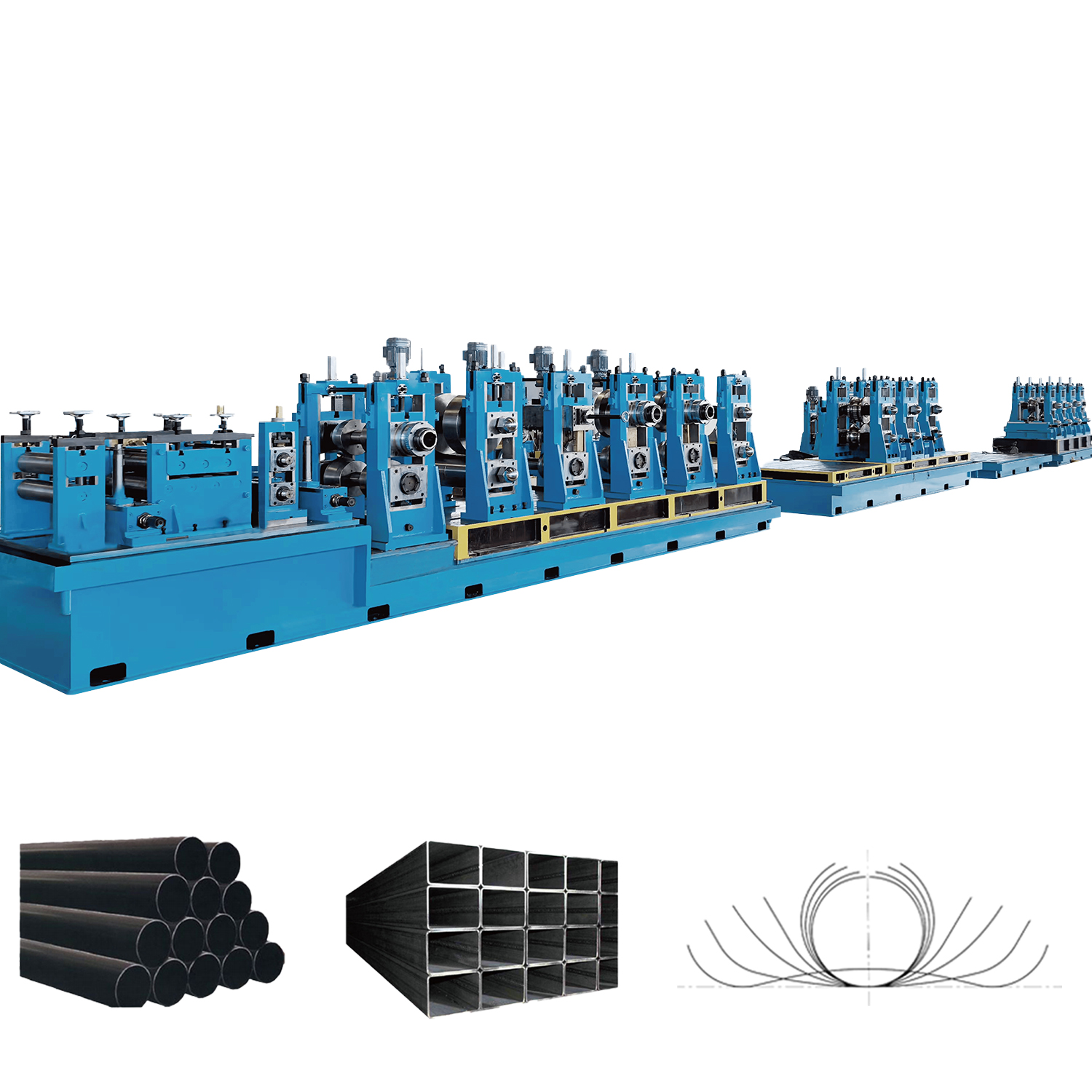
READ MOREThe HG76 ERW tube mill line is a high-frequency electric resistance welded (ERW) pipe production system designed to form and weld steel strip into round tubes with an outer diameter capacity up to 76 mm. The designation "HG76" indicates the maximum tube outer diameter the mill is configured to produce, expressed in millimeters.
ERW (Electric Resistance Welding) is a continuous forming and welding process in which a flat steel strip is progressively shaped into a tubular profile through a series of roll forming stations, then welded along the longitudinal seam using high-frequency electrical current. The resulting weld is achieved without filler material, producing a clean seam suitable for structural and mechanical tube applications.
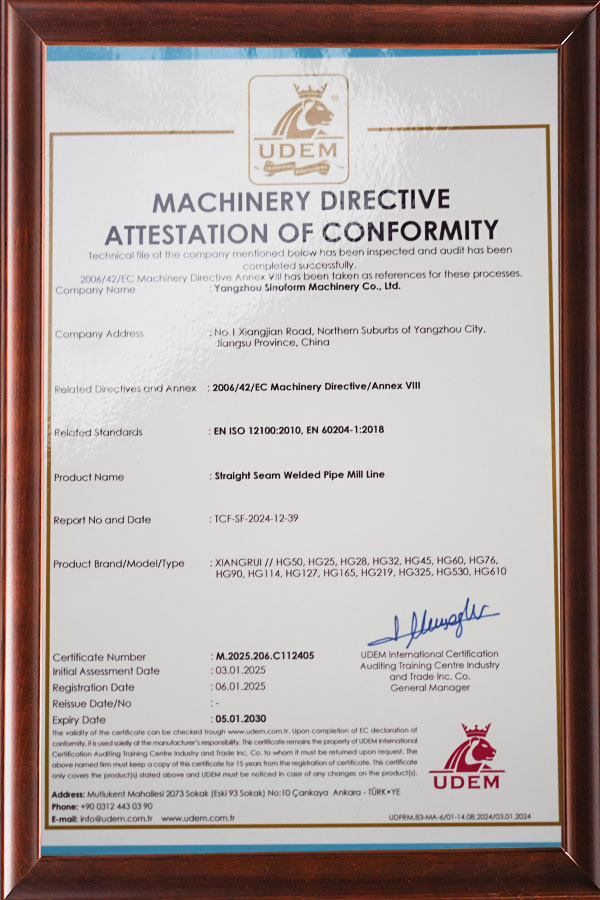
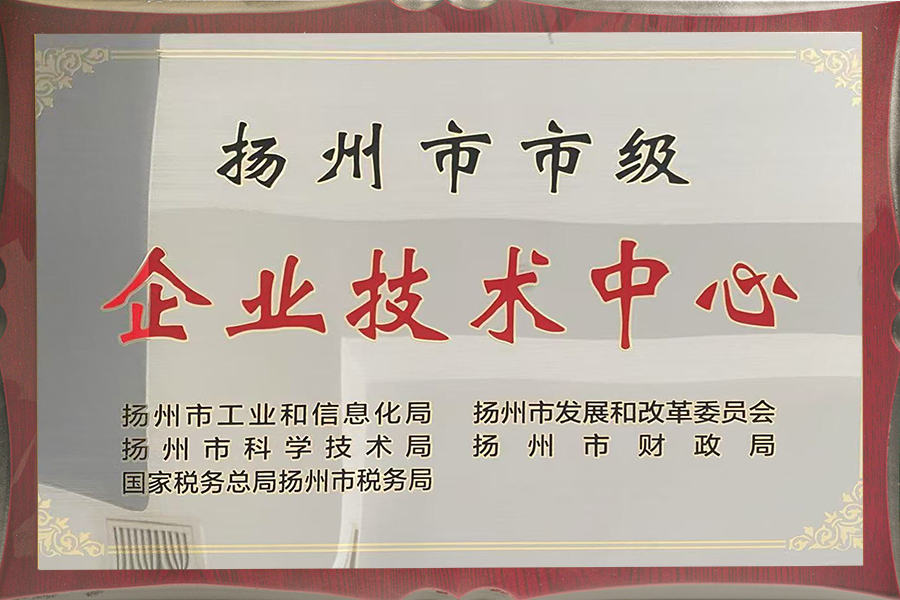
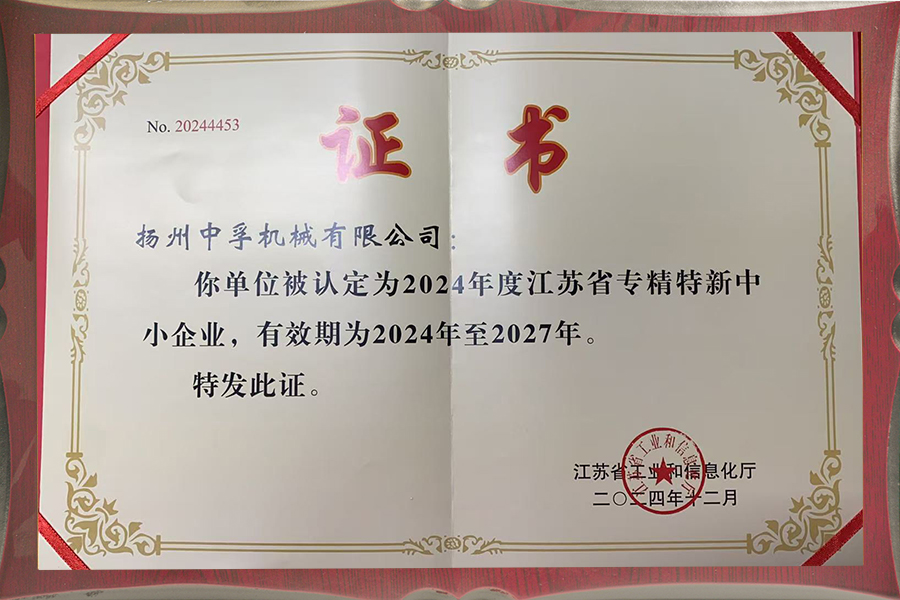
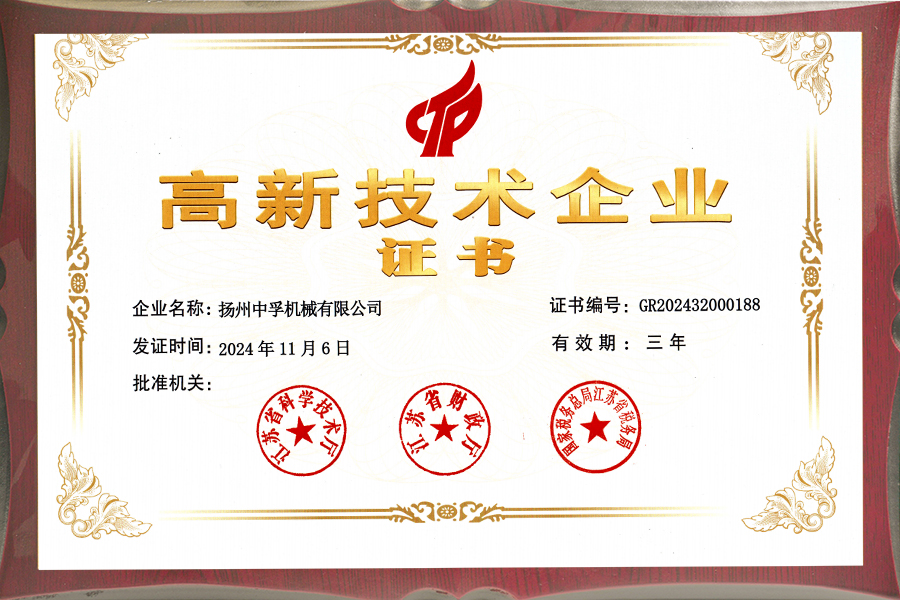
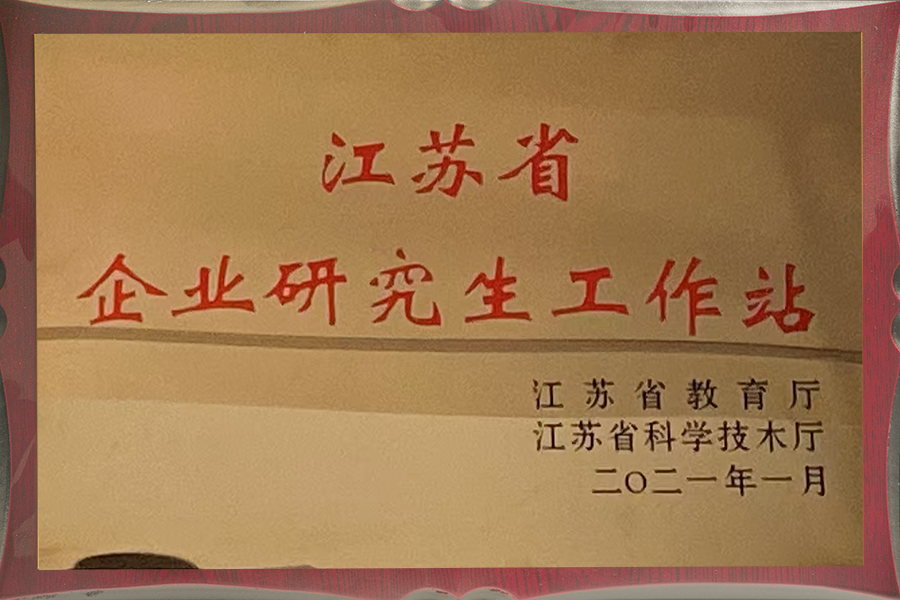
Yangzhou SINOFORM Machinery Co., Ltd. manufactures ERW tube mill lines including the HG76 series as part of its welded pipe equipment range. The company has been producing tube mill machinery since 2010 and specializes in high-frequency welded pipe equipment, laser welded pipe equipment, and associated rolling mill tooling.
| Parameter | Typical Specification |
| Maximum Tube Outer Diameter | 76 mm |
| Minimum Tube Outer Diameter | Varies by configuration (typically 20 to 30 mm for HG76 class) |
| Wall Thickness Range | 0.8 to 3.5 mm (confirmed by order specification) |
| Tube Profile | Round (square and rectangular with sizing section) |
| Welding Method | High-frequency electric resistance welding (HF-ERW) |
| Strip Material | Carbon steel, stainless steel (grade-dependent) |
| Mill Speed | Varies by tube size and wall thickness; confirmed per order |
| Drive System | AC variable frequency drive (standard configuration) |
A complete HG76 ERW tube mill line consists of several sequential processing sections, each performing a defined function in the strip-to-tube conversion process:
The uncoiler holds and feeds the steel strip coil into the line at a controlled tension. Cantilever or double-head uncoiler configurations are used depending on coil weight and production continuity requirements. Proper strip tension at the uncoiler prevents strip wander and forming defects downstream.
A strip accumulator stores a loop of strip material to allow coil changes without stopping the mill. A butt welder or shear-and-weld unit joins the trailing end of one coil to the leading end of the next, maintaining continuous production.
The roll forming section progressively bends the flat strip into an open tubular profile through a series of forming stands. Each stand applies incremental deformation. The number of forming passes and roll geometry is determined by the strip width, material grade, and target tube diameter. Rolling mill molds for the HG76 line are precision-machined to defined profile tolerances.
The HF welding unit applies high-frequency current (typically 200 to 400 kHz) through contact shoes or an induction coil at the tube seam. The current heats the strip edges to forging temperature and the weld squeeze rolls apply pressure to form a solid-state forge weld. Weld quality is dependent on consistent speed, power, and edge preparation.
The external weld bead formed by the upset material at the seam is removed by a scarfing tool mounted immediately after the weld box. Internal bead management depends on tube end-use requirements and mill configuration.
The sizing section reduces the tube to its final outer diameter tolerance and corrects ovality introduced during forming. Straightening rolls ensure the finished tube meets linearity requirements. A square or rectangular profile can be produced by substituting round sizing rolls with profiled sets.
A flying cut-off saw or cold saw cuts the continuous tube to defined lengths while the mill runs at production speed. The cut tubes are transferred to a run-out table for collection and bundling.
| Mill Model | Max OD | Typical Wall Thickness | Typical Application Segment |
| HG32 / HG38 | 32 to 38 mm | 0.5 to 2.0 mm | Small precision tubes, furniture, bicycle frames |
| HG50 / HG60 | 50 to 60 mm | 0.8 to 3.0 mm | Mechanical tubing, handrails, light structures |
| HG76 | 76 mm | 0.8 to 3.5 mm | Structural tubing, scaffolding, automotive, HVAC |
| HG114 / HG127 | 114 to 127 mm | 1.5 to 6.0 mm | Heavy structural, construction, fluid conveyance |
| HG165 and above | 165 mm and above | 2.0 to 10.0 mm | Large diameter structural and pipeline applications |
Tubes produced on the HG76 ERW mill line fall within a size range used across several industries:
Q: What does the designation HG76 specifically refer to?
A: HG76 denotes the maximum outer diameter capacity of the tube mill line, which is 76 mm. The prefix "HG" is used in the SINOFORM product designation system to identify high-frequency welded pipe mill lines. The numeral indicates the upper limit of the tube OD range the mill is engineered to produce.
Q: Can the HG76 mill produce square and rectangular tubes in addition to round?
A: Yes. With the addition of a sizing section equipped with profiled rolls, the HG76 line can produce square and rectangular hollow sections within the dimensional range corresponding to the strip width and forming capacity of the mill. Profile-specific rolling mill molds are required for each target section size.
Q: What steel grades can be processed on the HG76 ERW tube mill line?
A: The HG76 mill is designed to process carbon steel strip as the primary material. Processing of stainless steel or other alloy grades depends on the specific mill configuration, roll materials, and welding system parameters. Material compatibility should be confirmed with SINOFORM at the specification stage.
Q: What are the rolling mill molds and how are they supplied?
A: Rolling mill molds (also referred to as tooling or roll sets) are the precision-machined roll assemblies mounted at each forming, welding, sizing, and straightening stand. SINOFORM manufactures its own rolling mill molds as part of its product range, allowing tooling to be specified and supplied alongside the mill line or as replacement sets for existing equipment.
Q: What commissioning and technical support does SINOFORM provide with the HG76 mill line?
A: Commissioning scope and technical support terms are agreed at the project stage. SINOFORM has accumulated experience across more than ten years of tube mill manufacturing. Customers should confirm installation supervision, operator training, and after-sales service terms directly with the company prior to order placement.

 No.1 Xiangjian Road, Northern
Suburbs Of Yangzhou City,
Jiangsu Province,China
No.1 Xiangjian Road, Northern
Suburbs Of Yangzhou City,
Jiangsu Province,China
 Phone: +86-0514-8363 8877
 E-mail: [email protected]
© Yangzhou SINOFORM Machinery Co., Ltd. Custom HG76 ERW Tube mill line suppliers
