

 English
 Español
 عربى
عربى русский
 中文简体
中文简体
I. ERW Tube Welding Technology Foundation and Industry Positioning
As one of the core processes in the current steel pipe manufacturing field, ERW (Electric Resistance Welding) tube welding technology is widely used in oil and gas transmission, municipal water supply and drainage, machinery manufacturing, building structures and other fields, relying on the advantages of high efficiency, low cost and high yield rate. Its core principle is to use the resistance heat generated by high-frequency current (usually 10-500kHz) to heat the edge of the steel strip to a plastic state, and then realize solid-state welding through extrusion by squeeze rolls. No filler metal is needed, the weld quality is stable, and the production efficiency can reach 2-3 times that of traditional processes.
In the global welded pipe market, ERW welded pipes account for more than 40%, and they dominate the field of small and medium-caliber steel pipes (diameter ≤ 610mm) in particular. With the development of the energy and infrastructure industries, the requirements for the precision, pressure resistance and corrosion resistance of ERW welded pipes have been continuously improved, which has promoted the upgrading of ERW tube mills towards automation, intelligence and high specification. This trend has also urged equipment manufacturers to continuously optimize core technologies and production solutions.
II. Core Composition and Technical Advantages of ERW Tube Mills
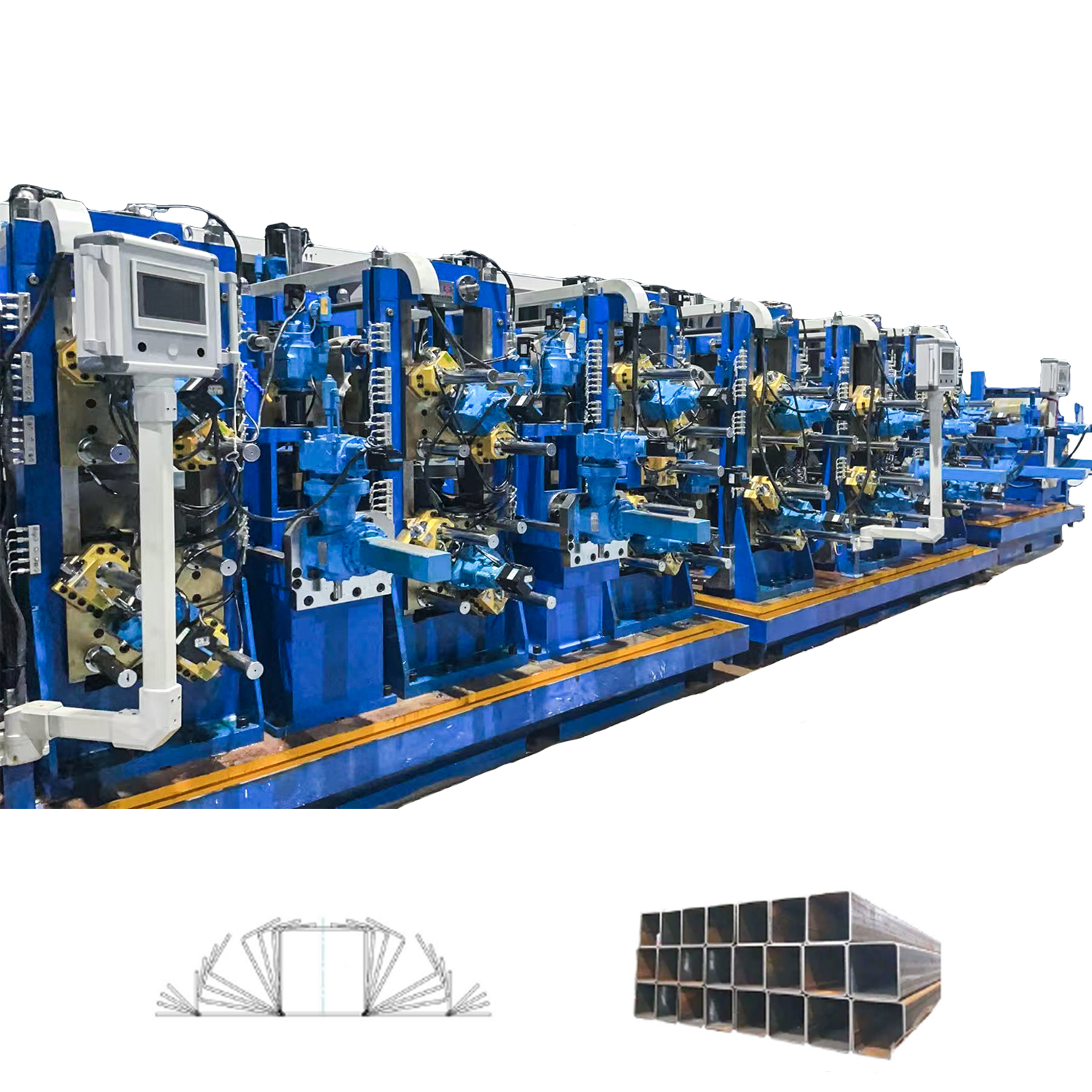
A complete ERW tube mill is usually composed of an uncoiler, leveler, slitting machine, forming machine, high-frequency welding system, sizing machine, flying saw, flaw detection equipment, etc. All links need to cooperate accurately to ensure the quality of steel pipes. Among them, the high-frequency welding system and the forming machine are the core components:
High-frequency welding system: It determines the weld strength and consistency. The mainstream technologies include High-Frequency Induction Welding (HFI) and high-frequency contact welding. The former uses electromagnetic induction for heating, which results in higher weld purity and is suitable for high-pressure pipeline fields.
Forming machine: It adopts the cold forming process, and the roll parameters need to be adjusted according to the steel strip material (such as Q235, X80) and pipe diameter to ensure that the roundness and straightness of the steel pipe meet the standards.
Compared with seamless steel pipes and other welding processes (such as submerged arc welding), the core advantages of ERW tube mills are reflected in the following aspects:
High production efficiency: With a continuous production mode, the daily output of a single production line can reach 500-1000 tons.
High material utilization rate: The steel strip is directly formed without waste from cutting the head and tail, and the yield rate exceeds 95%.
Significant cost advantage: The energy consumption is only 1/3 of that of the seamless steel pipe process, and the equipment investment payback period is short.
Strong specification flexibility: It can quickly switch pipe diameters and wall thicknesses to meet the needs of multi-variety and small-batch orders.
III. Adaptability between Yangzhou SINOFORM Machinery and ERW Tube Mills
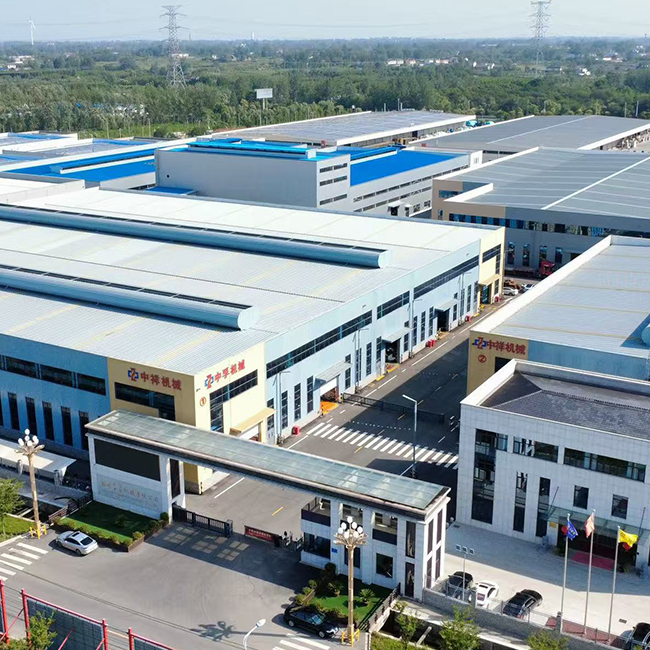
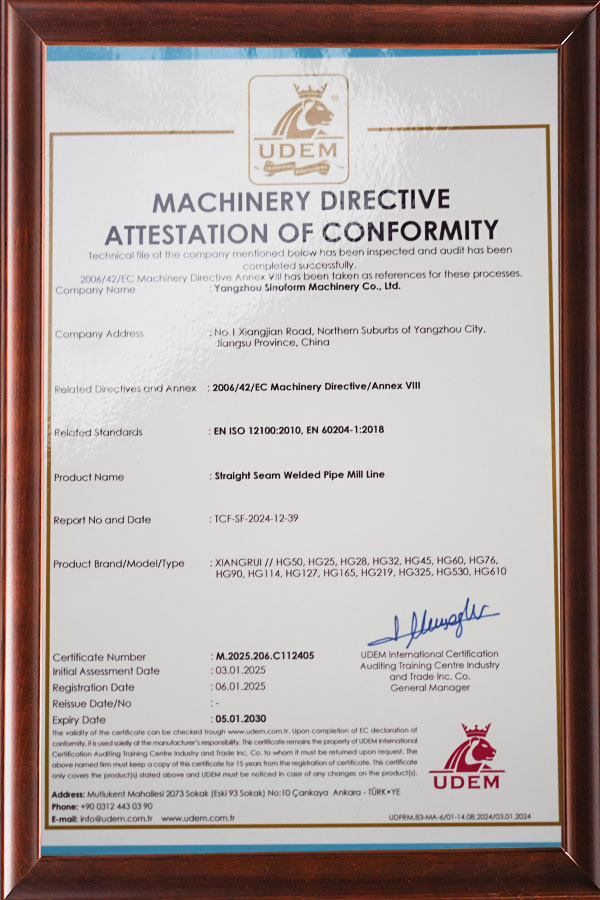
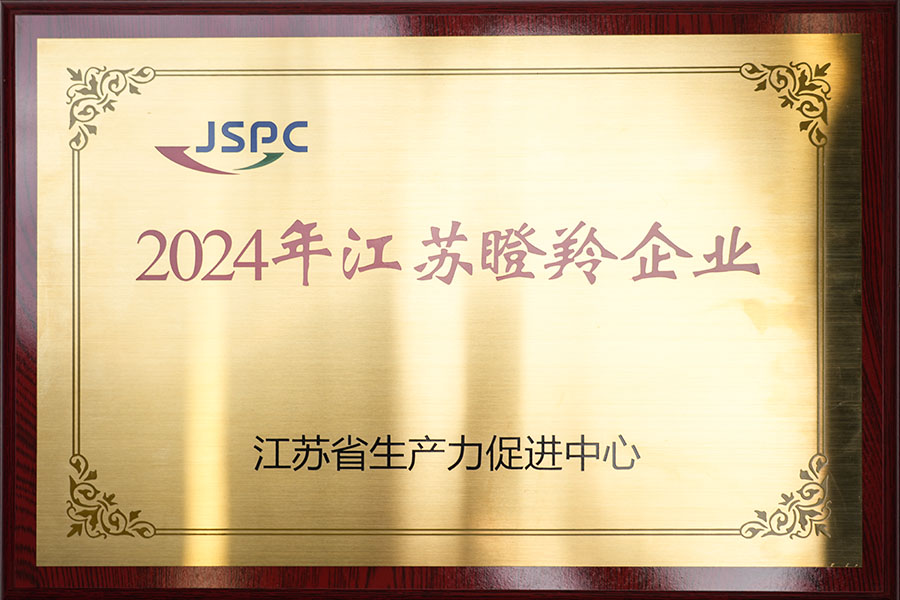
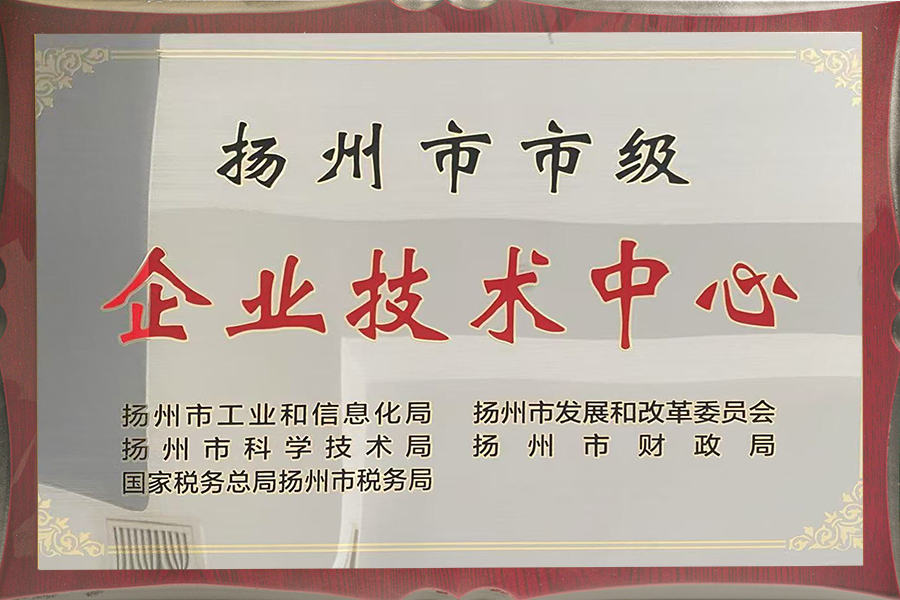
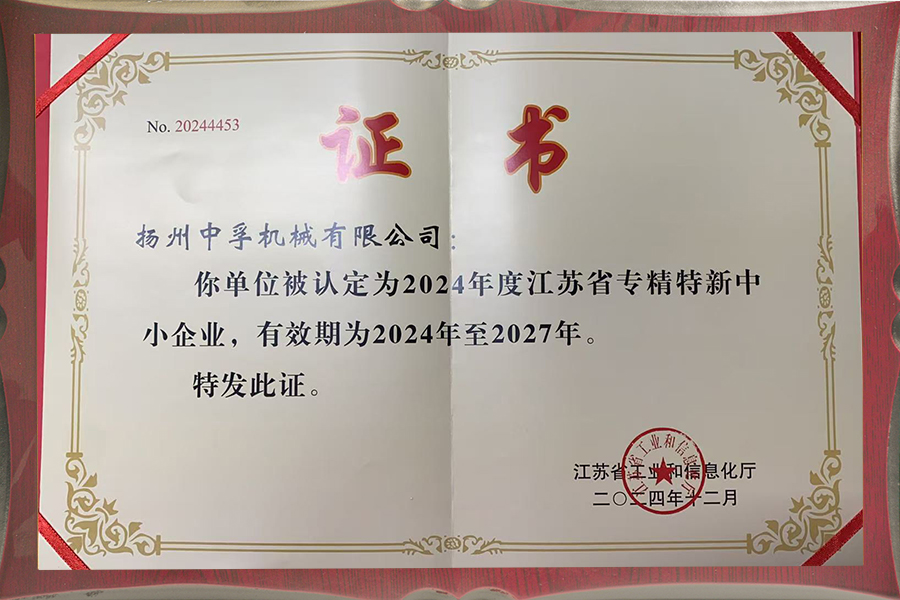
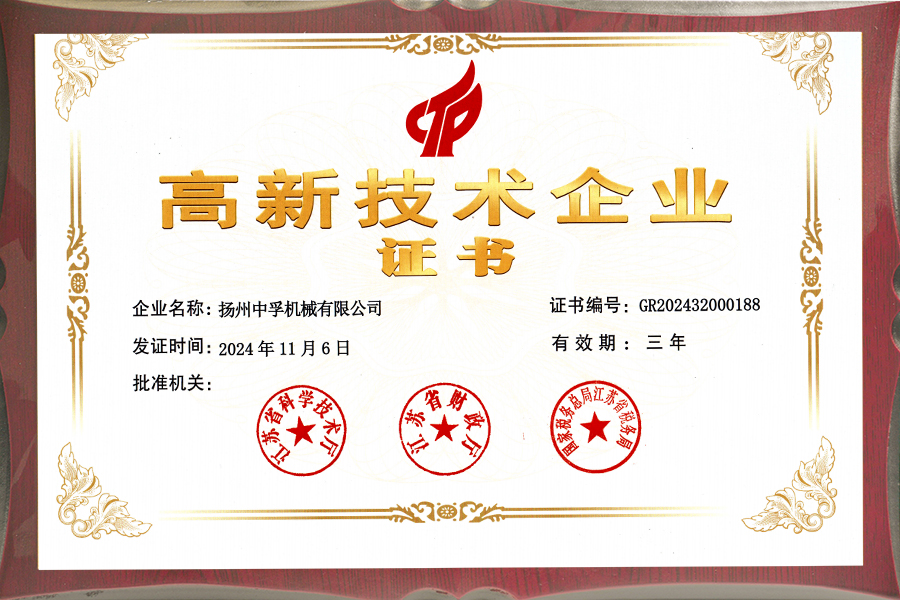
Yangzhou SINOFORM Machinery Co., Ltd. is a professional manufacturer in the field of welded pipe equipment in China. Registered in the Industrial Concentration Zone of Dayi Town, Yangzhou City, Jiangsu Province in January 2010, it has become a well-known enterprise in the welded pipe industry with more than ten years of industry experience. Its core products include high-frequency ERW tube mills, laser welded pipe equipment and supporting rolling mill molds.
The company has advanced processing equipment leading domestic peers (such as high-precision CNC lathes and roll grinders), and can independently process the core components of ERW tube mills with an accuracy error controlled within 0.02mm. It can provide customized solutions for pipe diameters ranging from Φ16mm to Φ630mm, meeting standards such as GB/T 3091 and API 5L. At the same time, as an enterprise integrating scientific research, production, sales and service, its after-sales response time is no more than 48 hours, and it also provides services such as unit installation, commissioning and operator training.