A Complete Guide to Tube Mill Machine: The "Shaping Master" in Pipe Manufacturing
In our daily lives and industrial production, pipes are ubiquitous—from the water pipes in our homes and the exhaust pipes of cars to the scaffolding steel pipes at construction sites. Behind these seemingly ordinary pipes lies the support of a "shaping master" known as the Tube Mill Machine (pipe-making machine). From flat steel strips to pipes of various specifications and shapes, the Tube Mill Machine achieves efficient transformation of "steel strips into pipes" through precise structural design and automated processes. Today, we will comprehensively introduce this core equipment from six dimensions: structure, functions, application scenarios, comparison with other equipment, parameter interpretation, and maintenance. This article is full of practical information to help you quickly understand the value and usage key points of the Tube Mill Machine.
I. Disassembling the Tube Mill Machine: 4 Core Structures, Working in a "Assembly Line" Manner
If you imagine the Tube Mill Machine as a small-scale "pipe production line", it will be easy to understand its structure. From the entry of steel strips to the output of pipes, each structure is responsible for a key link, and they work together to complete the "shaping task". There is no redundant design, and every step serves the final pipe quality and efficiency.
1. Feeding and Straightening Structure: "Inspecting" the Steel Strip to Ensure "Basic Qualification"
Steel strips just leaving the factory are usually in coils, like a large "roll of iron sheets". The first step of the Tube Mill Machine is to make this "roll of iron sheets" flat and smoothly enter the subsequent links, which requires the feeding and straightening structure to "check".
- Uncoiler: It acts as an "uncoiling worker", and its core function is to smoothly uncoil the coiled steel strip. Currently, mainstream uncoilers are divided into "hydraulic tension type" and "mechanical tension type": The hydraulic tension type can adjust the tension (generally 0.5-2MPa) according to the size of the steel coil (adapting to diameters from 500mm to 1500mm), avoiding loosening or stretching deformation of the steel coil, which is suitable for scenarios with high production requirements. The mechanical tension type has lower cost and is suitable for small-sized steel coils (diameter ≤ 800mm), such as those used by small pipe factories to produce small-caliber domestic water pipes.
- Straightening Roller Group: When a steel strip is just uncoiled, it has a "curl memory", similar to a strip of paper torn from a roll that bends naturally. The straightening roller group consists of 6-12 groups of hard rollers arranged vertically. The rollers are mostly made of 45# steel, with a hardness of over HRC55 after quenching. By repeatedly rolling the steel strip, the "curl memory" is completely eliminated. A high-quality straightening roller group can control the flatness of the steel strip within 0.5mm/m—if this step is not done well, the pipes produced later may be "crooked" or "elliptically deformed". For example, when producing DN50 water pipes, one side may be thicker and the other thinner.
2. Forming Structure: "Shaping" the Steel Strip into Desired Shapes
After the flat steel strip enters the forming structure, it begins the key step of "transformation"—changing from a flat surface to a tubular shape. This is like "customizing" the shape of the steel strip. The forming structure mainly relies on the cooperation of two components to ensure precise shape and no cracking.
- Forming Roller Stand: This is the "core workshop" of the Tube Mill Machine, usually composed of 10-20 groups of roller stands, with 2-4 forming rollers on each group. When the steel strip passes through the roller stands, it is "gradually bent": the first few groups of rollers first bend the two sides of the steel strip into a "U-shape", the middle groups slowly reduce the curvature to form a "semi-tubular shape", and the last few groups directly shape it into the target shape (which can be circular, square, rectangular, etc.). The advantage of this "progressive forming" is to avoid cracking of the steel strip due to excessive force at one time, similar to how folding a paper strip slowly is less likely to break than folding it forcefully. For example, when producing thin-walled stainless steel pipes (with a wall thickness of 0.8mm), cracking at the bending part is likely to occur if bent at one time.
- Special Molds: To produce pipes of special shapes, such as plum blossom shape or oval shape (common in furniture decorative pipes or mechanical accessory pipes), special molds are required. The molds are usually made of Cr12MoV alloy, with a hardness of over HRC60 after heat treatment, making them wear-resistant and durable. The "gap" of the mold is a key parameter. For example, when producing DN50 circular pipes, the mold gap should be controlled between 0.1-0.2mm: if the gap is too large, the steel strips cannot be tightly connected, and gaps are likely to appear during subsequent welding; if the gap is too small, the steel strip will be deformed, resulting in uneven wall thickness of the pipe.
3. Welding Structure: "Sealing the Gap" of the Pipe Blank to Form a "Complete Pipe"
After forming, the steel strip becomes an "open pipe blank", like a jacket with an unzipped zipper. The function of the welding structure is to seal this "opening" and turn the pipe blank into a complete and sealed pipe. This step directly determines the pressure resistance and sealing performance of the pipe.
- High-Frequency Induction Heating Device: It is like a "fast heater". Through electromagnetic induction, eddy currents are generated at the opening of the pipe blank, and the temperature can be quickly raised to the high temperature required for welding within 1-2 seconds. Different materials have different temperature requirements: carbon steel requires 1250-1300℃, and stainless steel requires 1300-1350℃. This heating method is very "precise"—it only heats the opening and does not affect the performance of other parts of the pipe, avoiding "local overheating damage". For example, when producing stainless steel pipes, it will not cause oxidative discoloration on the pipe surface due to a too large heating range.
- Squeeze Rollers: When the opening of the pipe blank is heated to a "molten state", the squeeze rollers come into play. It is composed of 2-4 groups of pressure rollers, which compact the molten opening by applying appropriate pressure (5-10MPa for carbon steel welding and 3-8MPa for stainless steel welding) to form a firm weld. The pressure is crucial: if the pressure is too small, the weld will not be fully fused, and water or air leakage is likely to occur; if the pressure is too large, the pipe will be thinned, affecting its strength. For example, when producing water delivery pipes, if the pressure is insufficient, water leakage is likely to occur at the weld during subsequent water supply.
4. Sizing and Cutting Structure: "Setting Specifications" for Pipes to Precisely Control Size and Length
The welded pipe is not yet a finished product. It needs to go through sizing and cutting to determine the final size and length, which is like "final trimming" of the pipe to meet the user's requirements. For example, scaffolding pipes for construction are usually cut into 6-meter lengths, and domestic drainage pipes may be cut into 3-meter lengths.
- Sizing Roller Group: The welded pipe may have slight dimensional deviations, such as an outer diameter 0.5mm larger than the standard. The sizing roller group is like a "precision calibrator", composed of 3-6 groups of high-precision rollers (with a processing accuracy of ±0.01mm). By rolling the pipe, the outer diameter and roundness are adjusted to the standard range. For example, when producing DN100 steel pipes, the outer diameter error should be ≤±0.3mm, and the roundness error should be ≤0.2mm. The sizing rollers are usually made of high-speed steel, and their surfaces are chrome-plated to reduce wear and extend service life—if the sizing rollers are worn, it may lead to inaccurate pipe sizes. For example, a pipe that was supposed to be DN50 may become DN50.5, which cannot be connected to pipe fittings later.
- Flying Saw: It is equivalent to an "automatic cutting machine", which can cut the pipe into fixed lengths according to customer requirements (such as 6 meters or 9 meters). The flying saw adopts "follow-up cutting" technology, where the saw blade moves synchronously with the conveying speed of the pipe (the conveying speed is generally 5-20 meters per minute), and the cutting accuracy can reach ±1mm. This avoids pipe deformation caused by traditional "stop cutting". For example, during traditional stop cutting, the pipe may "bend" due to sudden stop, while the follow-up cutting of the flying saw can keep the pipe stable and the cutting surface flatter.
II. Core Functions of the Tube Mill Machine: 3 Key Capabilities Supporting Efficient Pipe Production
After understanding the structure, let's look at the core functions of the Tube Mill Machine—it not only "turns steel strips into pipes" but also meets the production needs of different scenarios through efficient and precise operations, helping pipe factories solve the pain points of "low productivity, poor quality, and insufficient flexibility".
1. Efficient Continuous Production: "Non-Stop" Pipe Output to Maximize Productivity
Traditional pipe production requires frequent manual intervention, such as stopping the machine when changing steel coils or adjusting equipment, which easily affects efficiency. The Tube Mill Machine can achieve "continuous production" thanks to two key designs:
- Material Storage Buffer Design: Some equipment is equipped with a material storage device (such as a horizontal spiral storage device), which can store 50-80 meters of steel strips. When changing steel coils, the steel strips in the material storage device can continue to supply the subsequent links without stopping the machine. For example, if it takes 10 minutes to change a steel coil, the steel strips in the material storage device can just support production for 10 minutes, and the entire production process will not be interrupted.
- Full-Process Automated Connection: All links from straightening, forming, welding to cutting are completed automatically without manual intervention. Only 1-2 skilled operators are needed to monitor the entire process. For example, when producing DN20 thin-walled stainless steel pipes, the speed of the Tube Mill Machine can reach 20 meters per minute, and it can produce 9,600 meters per day based on 8 working hours; even when producing DN300 thick-walled carbon steel pipes, the speed can reach 5 meters per minute, with a daily output of 2,400 meters. This efficiency is difficult to achieve with traditional manual production—traditional manual pipe production can only produce a maximum of 300 meters per day, showing a significant gap.
2. Precise Quality Control: From "Approximate" to "Standardized" to Reduce Defect Rate
The quality of pipes directly affects usage safety. For example, if a water pipe has weld defects, it is prone to water leakage; if an oil pipeline has inaccurate dimensions, it may fail to connect. The Tube Mill Machine can control the defect rate to a very low level through multi-link precise control:
- The straightening link controls the flatness of the steel strip to avoid pipe deformation;
- The forming link ensures the pipe shape is regular through progressive bending and precise molds, preventing "elliptical" or "flat pipes";
- The welding link uses high-frequency induction heating and precise pressure control to ensure firm and defect-free welds with strong pressure resistance;
- The sizing link calibrates the dimensions to ensure that each pipe meets the standard specifications, avoiding "one thick and one thin" pipes.
A high-quality Tube Mill Machine can control the pipe defect rate below 0.5%, far lower than the 15% defect rate of traditional production. This means that when producing 1,000 pipes, traditional methods may result in 150 defective products, while the Tube Mill Machine produces at most 5 defective products, greatly reducing material waste and rework costs.
3. Flexible Adaptation to Needs: "One Machine for Multiple Uses" to Meet Different Specifications and Materials
Different industries have very different pipe requirements: construction requires thick-walled carbon steel pipes (such as DN48 scaffolding pipes), automobiles require thin-walled aluminum alloy pipes (such as DN30 exhaust pipes), and home appliances require square stainless steel pipes (such as 30×30 square pipes for refrigerator frames). The Tube Mill Machine can flexibly adapt to these needs by adjusting its structure and parameters, eliminating the need for "one machine for one specification" like traditional equipment:
- Convenient Specification Change: By replacing the forming roller set and molds, pipes of different shapes such as circular, square, and oval can be produced. For enterprises that need to frequently change specifications, "modular forming roller stands" can be selected, and the roller set can be replaced in only 1-2 hours, without the need for long disassembly like traditional equipment. For example, DN20 circular pipes can be produced in the morning, and 30×30 square pipes can be produced in the afternoon, flexibly meeting small-batch and multi-specification customized orders.
- Flexible Material Compatibility: By adjusting welding temperature (1250-1300℃ for carbon steel, 1300-1350℃ for stainless steel) and forming pressure, steel strips of different materials such as carbon steel, stainless steel, aluminum alloy, and copper alloy can be processed without purchasing additional special equipment.
III. Application Scenarios of the Tube Mill Machine: Ubiquitous "Pipe Source" from Daily Life to Industry
Pipes produced by the Tube Mill Machine have long been integrated into all aspects of our daily lives and industrial production. Almost all places where pipes are used have its "trace". According to scenarios, they are mainly concentrated in three fields: civil use, industry, and engineering, covering needs from "daily trivial matters" to "large-scale projects".
1. Civil Scenarios: Serving Daily Life to Improve Home Convenience
In our homes and daily lives, many pipes come from the Tube Mill Machine. Although these pipes are inconspicuous, they ensure the convenience of life:
- Water Supply and Drainage Pipes: Most of the tap water pipes and bathroom drainage pipes in homes are stainless steel or PPR composite pipes (the metal layer of some PPR composite pipes also needs to be processed by the Tube Mill Machine). These pipes need to be corrosion-resistant and have smooth inner walls, which can be met by pipes produced by the Tube Mill Machine—smooth inner walls prevent scale accumulation, and corrosion resistance avoids pipe rust and water pollution. For example, stainless steel water pipes can be used for more than 20 years, which are more durable than traditional galvanized pipes.
- Furniture Decorative Pipes: The hanging rods of wardrobes, balcony railings, and stair handrails are mostly square or circular stainless steel pipes. The Tube Mill Machine can precisely control the shape and size of the pipes. For example, when producing 30×30 square pipes, the side length error is ≤±0.1mm, ensuring that furniture is assembled more tightly and has a more beautiful appearance—if the size is inaccurate, the railings may not be installed smoothly, affecting the user experience.
- Home Appliance Pipes: The evaporator pipes of refrigerators and the water inlet pipes of washing machines require thin-walled and high-precision pipes. The Tube Mill Machine can produce pipes with a wall thickness of 0.5-1mm and a dimensional error of ±0.1mm, meeting the compact design needs of home appliances. For example, the internal space of a refrigerator is limited, and thin-walled pipes can save space, while high precision ensures that the pipes are accurately connected to other components.
2. Industrial Scenarios: Supporting Industrial Production to Ensure Equipment Operation
In industrial production, pipes produced by the Tube Mill Machine are "core components" of many devices. Without these pipes, many industrial processes cannot operate normally:
- Automotive Industry: The exhaust pipes, chassis brackets, and fuel pipes of automobiles require thin-walled and high-strength pipes, such as stainless steel pipes or aluminum alloy pipes. The Tube Mill Machine can produce pipes with a wall thickness of 1-1.5mm and strong pressure resistance—the exhaust pipes need to withstand high temperatures and vibrations, and high-strength pipes can avoid cracking; the fuel pipes need to be tightly sealed, and the pipes produced by the Tube Mill Machine have firm welds to prevent oil leakage.
- Mechanical Manufacturing: The hydraulic pipes of machine tools and the conveying pipes of engineering machinery require high-pressure resistant and wear-resistant pipes. The thick-walled carbon steel pipes (with a wall thickness of 3-8mm) produced by the Tube Mill Machine can meet these requirements—the hydraulic pipes need to withstand dozens of MPa of pressure, and thick-walled pipes can ensure strength; the conveying pipes need to transport materials such as sand and gravel and liquids, and wear-resistant pipes can extend their service life.
- Electronics Industry: The heat dissipation pipes of electronic devices and the protective pipes of data cables require small-caliber and high-precision pipes. The Tube Mill Machine can produce pipes with a diameter of 5-10mm and a roundness error of ≤0.1mm, adapting to the miniaturization design of electronic devices. For example, the heat dissipation pipe of a mobile phone has a diameter of only 8mm, and high precision ensures that it can be smoothly installed in the narrow body.
3. Engineering Scenarios: Assisting Large-Scale Projects to Build Infrastructure
In large-scale projects such as construction, municipal administration, and energy, pipes produced by the Tube Mill Machine are the "backbone of infrastructure", ensuring the smooth progress and long-term use of the projects:
- Construction Engineering: The scaffolding steel pipes (mostly DN48 carbon steel pipes) and fire-fighting pipes in construction sites require large quantities of high-strength pipes. The Tube Mill Machine can achieve large-scale production, with a daily output of tens of thousands of meters, meeting the progress requirements of the project. For example, the construction of a large building requires thousands of scaffolding pipes, and the Tube Mill Machine can supply them quickly without delaying the construction period.
- Municipal Engineering: Urban rainwater drainage pipes and sewage treatment pipes require large-caliber and corrosion-resistant pipes. The Tube Mill Machine can produce pipes with a diameter of 200-500mm, and the "pipe blanks" of some large-caliber spiral welded pipes also need to be pre-processed by it. Rainwater drainage pipes need to withstand ground pressure, and corrosion-resistant pipes can avoid corrosion by impurities in rainwater, ensuring smooth drainage of the municipal pipe network.
- Energy Engineering: Oil and natural gas transmission pipelines require thick-walled and high-sealing pipes. The thick-walled carbon steel pipes with a diameter of over DN300 produced by the Tube Mill Machine can withstand high pressure (over 10MPa) to avoid oil and gas leakage. Oil and natural gas are transmitted over long distances with high pressure, and leakage can cause serious accidents. The pipes produced by the Tube Mill Machine can ensure safe transmission.
IV. Tube Mill Machine vs. Other Pipe-Making Equipment: In-Depth Advantage Analysis for Correct Selection
In the field of pipe manufacturing, traditional manual pipe-making, ordinary pipe welding machines, spiral welded pipe machines and other equipment have their own application scenarios. However, the Tube Mill Machine has become the mainstream choice for small and medium-caliber pipe production due to its comprehensive advantages in four dimensions: efficiency, flexibility, cost, and quality. The following first makes an intuitive comparison through a table, then analyzes the core advantages one by one to help you quickly determine which equipment is more suitable for your needs.
1. Intuitive Comparison: Core Parameter Differences Among Four Types of Pipe-Making Equipment
|
Comparison Dimension
|
Tube Mill Machine
|
Traditional Manual Pipe-Making
|
Ordinary Pipe Welding Machine
|
Spiral Welded Pipe Machine
|
|
Production Efficiency
|
5-20 m/min, daily output 2,400-9,600 m (9,600 m for DN20 thin-walled pipes)
|
0.3-0.5 m/min, daily output 200-300 m (240 m for DN50 pipes)
|
3-8 m/min, daily output 1,440-3,840 m (fixed specifications only)
|
8-15 m/min (large-caliber), daily output 3,840-7,200 m (DN≥500mm circular pipes only)
|
|
Applicable Specifications
|
Diameter 10-300mm, wall thickness 0.5-10mm, supporting circular, square, oval and other special-shaped pipes
|
Diameter 20-100mm, wall thickness 1-5mm, only circular pipes
|
Diameter 20-200mm, wall thickness 1-8mm, only 1-2 fixed specifications
|
Diameter 500-3,000mm, wall thickness 5-20mm, only circular pipes
|
|
Defect Rate
|
≤0.5% (double quality control of welding + sizing)
|
15%-20% (relying on manual experience, large error)
|
5%-8% (unstable welding temperature, prone to false welding)
|
3%-5% (difficult to control roundness error of large-caliber pipes)
|
|
Labor Requirement
|
1-2 people (only need to monitor equipment parameters, new employees can be on duty after 1 week of training)
|
5-6 people (needing multi-post cooperation of straightening, welding, cutting, requiring skilled workers with over 3 years of experience)
|
2-3 people (needing frequent roller adjustment, complex operation)
|
3-4 people (large equipment operation, requiring professional technicians)
|
|
Equipment Cost
|
500,000-3,000,000 RMB (a medium-sized equipment of 1,500,000 RMB can cover 80% of civil specifications)
|
50,000-100,000 RMB (only simple tools, no continuous production capacity)
|
300,000-800,000 RMB (specialized for single specification, additional equipment needed for specification change)
|
5,000,000-15,000,000 RMB (only applicable to large-scale engineering pipe production)
|
|
Cost per Pipe
|
About 12 RMB/m for DN50 carbon steel pipe (including material + labor + energy consumption)
|
About 25 RMB/m for DN50 carbon steel pipe (labor cost accounts for 60%)
|
About 15 RMB/m for DN50 carbon steel pipe (3 days of shutdown needed for specification change, increasing cost)
|
About 80 RMB/m for DN600 carbon steel pipe (high energy consumption for small-caliber pipe production)
|
|
Core Advantage
|
Efficient, flexible, low-cost, high-quality, suitable for multi-scenarios
|
Extremely low initial investment, suitable for temporary small-batch production
|
High cost-effectiveness for fixed-specification production
|
Good at large-caliber thick-walled pipes, suitable for engineering pipes
|
|
Applicable Scenario
|
Civil water supply and drainage, home appliance, automotive pipes, multi-specification customized orders
|
Household small-batch maintenance, temporary production
|
Mass production of fixed-specification civil pipes (e.g., DN50 drainage pipes)
|
Municipal engineering, large-caliber pipes for energy transmission
|
2. Advantage Analysis: Four Core Competitiveness of Tube Mill Machine
(1) Production Efficiency: "Continuous + Automated" Surpassing Traditional Equipment, Delivery Cycle Reduced by 60%
Traditional manual pipe-making requires frequent manual intervention in each link, with 3-5 shutdowns per hour to adjust the steel strip position; although ordinary pipe welding machines realize semi-automation, they need to disassemble the roller set and shut down for 3-5 days when changing specifications. The Tube Mill Machine achieves efficient continuous production through three designs:
- Material Storage Buffer Design: Equipped with a horizontal spiral material storage device (capacity 50-80 meters of steel strip), no shutdown is needed when changing steel strips, and continuous production can be carried out for 15-20 minutes;
- Automated Connection: From straightening, forming, welding to cutting, the whole process is completed without manual intervention, and the conveying speed can be automatically adjusted according to specifications (20 m/min for thin-walled pipes, 5 m/min for thick-walled pipes);
- Quick Model Change: Modular forming roller stand design allows specification change in only 1-2 hours (e.g., switching from DN20 circular pipe to DN50 square pipe), while ordinary pipe welding machines take 3-5 days for specification change, and manual pipe-making can hardly change models.
Case: A home appliance supporting enterprise producing DN15 stainless steel pipes for refrigerators had a daily output of 1,440 meters with ordinary pipe welding machines. After switching to the Tube Mill Machine, the daily output increased to 4,800 meters, and the order delivery cycle was shortened from 15 days to 6 days, successfully undertaking bulk orders in the peak season.
(2) Adaptability Flexibility: "One Machine Covering Multiple Specifications + Materials" for Easier Customized Needs
Small and medium-sized pipe enterprises often face "small-batch, multi-specification" orders (e.g., DN20 circular pipes for one batch, 30×30 square pipes for another batch), which are difficult for traditional equipment to adapt to. The Tube Mill Machine solves the problem of flexible production through two capabilities:
- Multi-Specification Coverage: It can produce pipes with diameter 10-300mm and wall thickness 0.5-10mm. By replacing molds, it can also produce special-shaped pipes such as square, rectangular and plum blossom shapes, covering more than 80% of civil and industrial small and medium-caliber pipe needs;
- Multi-Material Compatibility: By adjusting welding temperature (1250-1300℃ for carbon steel, 1300-1350℃ for stainless steel) and forming pressure, it can process steel strips of different materials such as carbon steel, stainless steel, aluminum alloy and copper alloy without purchasing additional special equipment.
Comparison: A pipe factory undertaking an order for DN30 aluminum alloy automotive exhaust pipes would need to purchase special aluminum alloy equipment (costing 800,000 RMB) if using ordinary pipe welding machines. However, the Tube Mill Machine can realize production only by adjusting parameters and replacing molds (costing 20,000 RMB), reducing equipment investment cost by 97.5%.
(3) Cost Control: "Reducing Labor + Material Loss + Energy Consumption", Pipe Cost 50% Lower Than Manual Production
The cost of pipe production mainly comes from three parts: labor, material loss and energy consumption. The Tube Mill Machine realizes the whole-process cost optimization through refined design:
- 70% Reduction in Labor Cost: Only 1-2 people are needed for operation. Compared with 5-6 people for traditional manual pipe-making, calculated at a monthly salary of 6,000 RMB per person, the annual labor cost can be saved by 240,000-300,000 RMB;
- 80% Reduction in Material Loss: Laser positioning cutting (error ±0.5mm) reduces steel strip waste, and precise shape control by sizing rollers (error ±0.1mm) reduces pipe scrapping rate. Material loss is reduced from 15% of manual pipe-making to less than 0.5%;
- 30% Reduction in Energy Consumption: High-frequency induction welding only heats the weld area (concentrated energy consumption). Compared with flame welding of ordinary pipe welding machines (scattered energy consumption), the energy consumption per ton of pipes is reduced from 300 kWh to 210 kWh, saving about 50,000 RMB in electricity costs annually (calculated by annual output of 100 tons).
(4) Quality Stability: "Multi-Link Precise Quality Control", Defect Rate Reduced from 15% to 0.5%
The quality of pipes directly affects the safety of use (such as water pipe leakage and exhaust pipe cracking). The Tube Mill Machine ensures stability through four-layer quality control design:
- Straightening and Shape Control: 12 groups of straightening rollers (accuracy ±0.01mm) eliminate the curl memory of the steel strip, controlling flatness within 0.5mm/m to avoid pipe ellipse;
- Welding Temperature Control: Closed-loop temperature control system (error ±5℃) ensures full weld fusion, with weld strength reaching more than 90% of the base metal, compared with the false welding problem of ordinary pipe welding machines (weld strength only 70%);
- Sizing and Calibration: High-precision sizing rollers (processing accuracy ±0.01mm) ensure outer diameter error ≤±0.3mm and roundness error ≤0.2mm, meeting the needs of precision scenarios (such as automotive fuel pipes);
- Online Detection: Some high-end models are equipped with laser diameter gauges and ultrasonic flaw detectors to detect dimensions and weld defects in real time, preventing unqualified products from flowing downstream.
Data Comparison: A construction pipe factory producing DN48 scaffolding pipes had a defect rate of 18% with manual pipe-making (mainly ellipse and weld cracking). After switching to the Tube Mill Machine, the defect rate was reduced to 0.3%, saving about 120,000 RMB in rework losses annually.
V. Interpretation of Key Technical Parameters of Tube Mill Machine: Understand Parameters for Correct Selection
Many people are confused when facing parameters such as "forming speed" and "welding frequency" when purchasing a Tube Mill Machine. In fact, these parameters directly determine the adaptability of the equipment. The following interprets 5 core parameters and the parameter selection suggestions for different needs to help you avoid "buying the wrong equipment".
1. Forming Speed (m/min)
- Definition: The length of the steel strip passing through the forming roller stand per unit time, which determines the production efficiency of the equipment.
- Parameter Range: 3-20 m/min for conventional equipment, up to 15-20 m/min for thin-walled pipes (≤1mm), and 3-8 m/min for thick-walled pipes (≥5mm).
- Selection Suggestion: If undertaking bulk orders (e.g., daily demand over 10,000 meters), select equipment with a speed of over 10 m/min; if focusing on small-batch customization, 5-8 m/min is sufficient to avoid frequent debugging due to excessive speed (e.g., producing 100 meters of customized pipes, a speed of 20 m/min may finish in 5 minutes, with debugging time longer than production time).
2. Welding Frequency (kHz)
- Definition: The working frequency of the high-frequency induction heating device, which affects the uniformity and efficiency of welding temperature.
- Parameter Range: 200-400 kHz, 250-300 kHz commonly used for carbon steel welding, and 300-400 kHz commonly used for stainless steel welding.
- Selection Suggestion: For carbon steel and low-alloy pipes, select 250-300 kHz (low-frequency heating is more stable and lower in cost); for stainless steel and aluminum alloy pipes, select 300-400 kHz (high frequency can reduce oxidation, avoid discoloration of stainless steel surface, and make aluminum alloy welding temperature easier to control).
3. Maximum Pipe Outer Diameter (mm)
- Definition: The maximum diameter of pipes that the equipment can produce, which determines the specification coverage range of the equipment.
- Parameter Range: Within 100mm for small equipment, 100-200mm for medium equipment, and 200-300mm for large equipment.
- Selection Suggestion: If mainly producing domestic water pipes (DN20-DN50), equipment with a maximum diameter of within 100mm is sufficient; if also producing industrial pipes (e.g., DN100-DN200 mechanical pipes), select medium equipment with a maximum diameter of over 200mm; if needing to produce thick-walled pipes with a diameter of over DN200 (e.g., engineering pipes), large equipment is required, but it should be noted that large equipment occupies more space (about 50㎡), so workshop space should be planned in advance.
4. Number of Roller Groups (Groups)
- Definition: The total number of forming roller stands, which affects the stability and accuracy of pipe forming, especially crucial for thin-walled pipes.
- Parameter Range: 8-20 groups, 15-20 groups needed for thin-walled pipes (progressive bending to prevent cracking), and 8-12 groups needed for thick-walled pipes (sufficient strength without multiple groups).
- Selection Suggestion: For thin-walled pipes with a wall thickness of ≤1.5mm (e.g., home appliance pipes, decorative pipes), select over 15 groups (multiple groups of rollers can make the steel strip bend slowly to avoid cracking); for thick-walled pipes with a wall thickness of ≥3mm (e.g., scaffolding pipes, hydraulic pipes), 8-12 groups are sufficient (thick-walled steel strips have high strength, and fewer groups of rollers can also ensure forming quality, while reducing equipment cost).
5. Cutting Accuracy (mm)
- Definition: The error range of pipe length after cutting by the flying saw, which affects the assembly adaptability of pipes (e.g., construction pipes need to be 6 meters long, and excessive error may cause connection failure).
- Parameter Range: ±1-3mm for conventional equipment, and ±0.5-1mm for high-precision equipment.
- Selection Suggestion: For ordinary civil pipes (e.g., drainage pipes, decorative pipes), ±2-3mm is sufficient (these pipes have low requirements for length accuracy); for precision pipes used in automobiles and electronics (e.g., exhaust pipes, heat dissipation pipes), high-precision equipment with ±0.5-1mm is required (automotive exhaust pipes need to be accurately connected to the engine, and excessive error will cause installation failure).
VI. Maintenance Precautions for Tube Mill Machine: Extend Service Life and Reduce Failures
As high-precision equipment, proper maintenance of the Tube Mill Machine can not only extend its service life (a high-quality equipment can be used for 8-10 years under normal maintenance) but also avoid production loss caused by equipment failures (a single failure may cause losses of tens of thousands of RMB in orders). The following provides practical suggestions from three dimensions: "daily inspection", "regular maintenance" and "special scenario response".
1. Daily Inspection: "Three Must-Checks" Before Startup, During Production and After Shutdown
- Inspection Before Startup: Focus on 3 key parts to avoid failures after startup:
① Surface of straightening rollers and forming rollers: If there are scratches, dents (depth ≥ 0.1mm) or metal debris, use fine sandpaper to polish them smooth or replace the rollers. Otherwise, it will cause indentations on the pipe surface—for example, when producing stainless steel decorative pipes, scratches on the rollers will leave defects on the pipe surface, affecting aesthetics.
② Hydraulic system: Check the oil level in the fuel tank (it should be above 2/3 of the scale line) and oil pressure (generally 0.8-1.2MPa). Add hydraulic oil of the same model when the oil level is insufficient (different models cannot be mixed); if the oil pressure is abnormal, check whether the hydraulic pipeline joints are leaking.
③ Cooling system: Check the water level and water quality of the water-cooling device. The water level should meet the standard and the water quality should be clean (to avoid scale blocking the pipeline). If the water quality is turbid, replace the cooling water and clean the water tank.
- Inspection During Production: Conduct a patrol inspection every 1 hour to detect abnormalities in a timely manner:
① Welding temperature and pressure: Observe the values through the equipment display. If the fluctuation exceeds ±50℃ (e.g., the welding temperature of carbon steel suddenly drops from 1280℃ to 1220℃) or ±1MPa, stop the machine to check the high-frequency induction coil (whether it is loose) or the squeeze rollers (whether they are worn).
② Pipe quality: Randomly sample pipes, measure the outer diameter and wall thickness with a caliper (the error should be within the standard range), and check whether the weld has cracks or burrs. If problems occur, adjust the parameters immediately.
③ Equipment sound: The equipment should operate without obvious abnormal noise. If there is a metal friction sound or motor roar, stop the machine immediately for inspection (this may be due to roller misalignment or bearing wear; continued operation will aggravate the damage).
- Inspection After Shutdown: Complete cleaning and recording to prepare for the next day's production:
① Clean the equipment: Use compressed air to blow off steel strip debris on the equipment surface; wipe the surfaces of forming rollers and sizing rollers with a rag (to avoid debris accumulation affecting the next day's forming accuracy); clean iron filings on the flying saw blade (to prevent saw blade wear).
② Record data: Log daily production parameters (e.g., forming speed, welding temperature), output, and defect rate in the equipment operation log. If a fault occurs, note the cause of the fault and the solution (to facilitate subsequent tracing and troubleshooting of similar problems).
2. Regular Maintenance: Replace Wear Parts on Schedule to Avoid "Minor Issues Escalating into Major Faults"
|
Maintenance Cycle
|
Maintenance Components
|
Maintenance Content
|
Precautions
|
|
Weekly
|
Straightening rollers, forming rollers
|
Check surface wear; measure roller diameter with a micrometer (replace if wear exceeds 0.2mm); clean debris between rollers
|
When replacing rollers, align the center line to avoid pipe deformation due to misinstallation
|
|
Monthly
|
Hydraulic system
|
Replace the hydraulic oil filter; check for leaks at hydraulic pipeline joints and tighten loose joints
|
Use original accessories for the hydraulic oil filter to avoid blocking the oil circuit with inferior filters
|
|
Quarterly
|
High-frequency induction coil
|
Check if the coil's insulation layer is damaged (rewrap with insulating tape if damaged); clean dust on the coil surface
|
Cut off the power supply during operation to avoid electric shock; wrap the coil with insulating tape smoothly to avoid affecting heating efficiency
|
|
Semi-annually
|
Flying saw blade
|
Check blade sharpness (grind if the cutting surface is rough); replace the blade if there are cracks or severe wear
|
Ensure the blade is installed firmly when replacing to avoid vibration during cutting
|
|
Annually
|
Bearings of all rollers
|
Disassemble and clean the bearings; add lubricating grease (use No. 2 lithium-based grease); replace bearings if rusted or jammed
|
After disassembling the bearings, clean them with kerosene and dry them before adding lubricating grease
|
3. Response to Special Scenarios: Address Abnormal Conditions to Minimize Losses
- High-Temperature Environment (Workshop Temperature ≥ 35℃ in Summer):
High temperatures can reduce the equipment's cooling efficiency, leading to overheating of the motor and high-frequency induction coil. Take the following measures:
① Increase the frequency of cooling water replacement (from once a week to once every 3 days) to ensure the cooling water temperature ≤ 30℃;
② Install exhaust fans or air conditioners in the workshop to lower the ambient temperature;
③ Reduce the equipment's continuous operation time (operate for 2 hours, then shut down for 15 minutes) to prevent long-term motor overheating.
- Humid Environment (Workshop Humidity ≥ 80%, e.g., Coastal Areas):
High humidity can cause rust on metal parts and short circuits in electrical components. Countermeasures include:
① Wipe the equipment surface with a dry rag daily; apply anti-rust oil to exposed metal parts (e.g., roller shafts) monthly;
② Install dehumidifiers in the workshop to control humidity ≤ 60%;
③ Power on the equipment for 30 minutes daily when not in production to dry internal electrical components.
- Emergency Faults (e.g., Sudden Power Outage, Weld Breakage):
① Sudden power outage: Immediately turn off the equipment's main power switch to avoid damage to electrical components caused by voltage fluctuations when power is restored. After power is restored, first check the hydraulic system and cooling system, and restart the equipment only after confirming no abnormalities.
② Weld breakage: Stop the machine immediately to check the welding temperature (whether it is too low), squeeze pressure (whether it is insufficient), and steel strip quality (whether there are impurities on the surface). Adjust parameters or replace the steel strip according to the cause; cut off the defective pipe section before restarting production.
As the "shaping master" in pipe manufacturing, the Tube Mill Machine has become an indispensable core equipment in the pipe industry due to its advantages of high efficiency, flexibility, low cost, and high quality. Whether for civil water supply and drainage pipes, industrial precision pipes, or pipe blanks for large-caliber engineering pipes, it plays a crucial role.
For enterprises or technicians new to the pipe industry, understanding the Tube Mill Machine's structure, functions, and application scenarios is the foundation for correct selection and use. Mastering parameter interpretation and maintenance methods can further improve equipment production efficiency, extend its service life, and reduce production costs. With the continuous development of industrial technology, the Tube Mill Machine will become more intelligent (e.g., integrating AI visual inspection systems) and environmentally friendly (adopting more energy-efficient motors), bringing greater value to the pipe manufacturing industry.
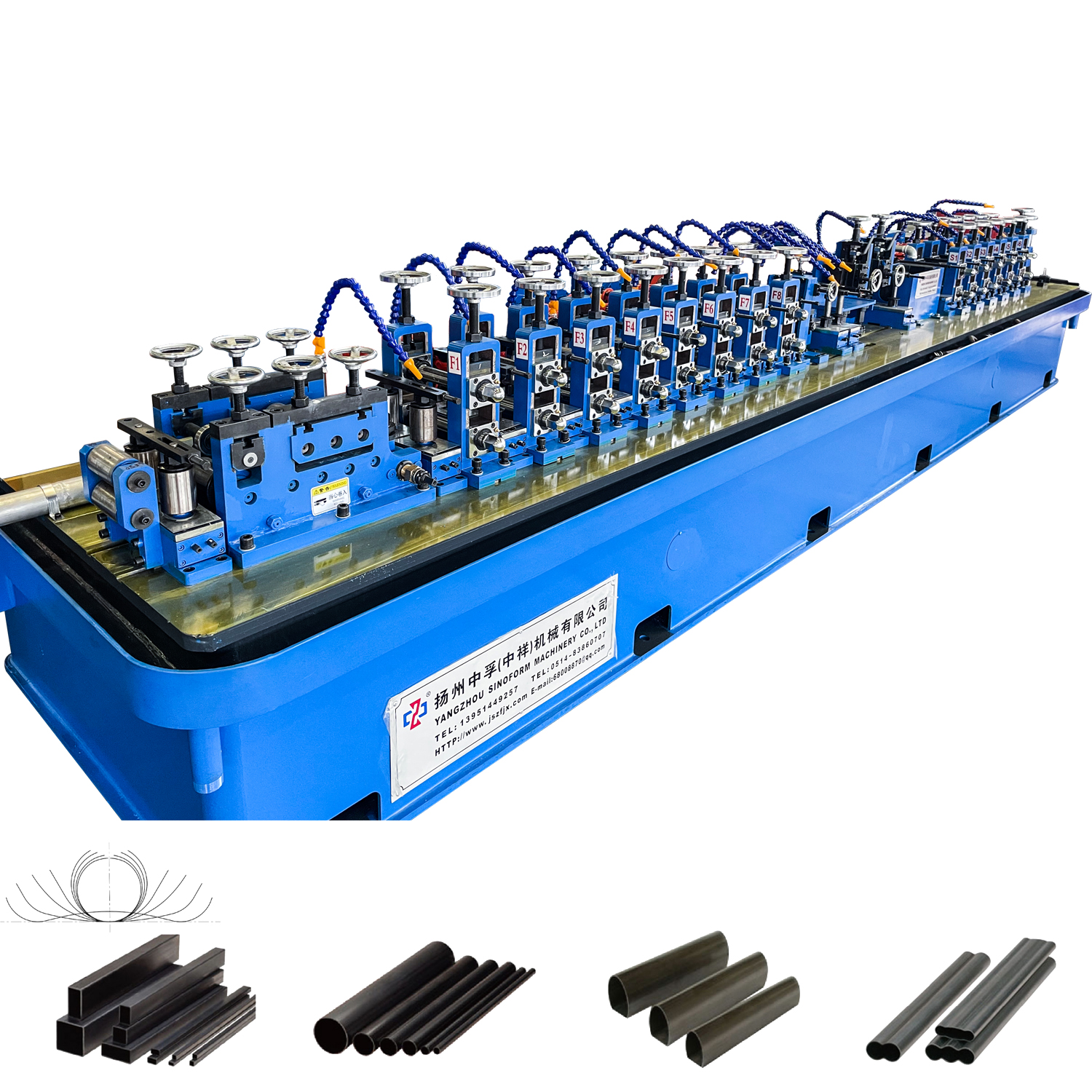 High Precision High-Frequency ERW Tube Mill line
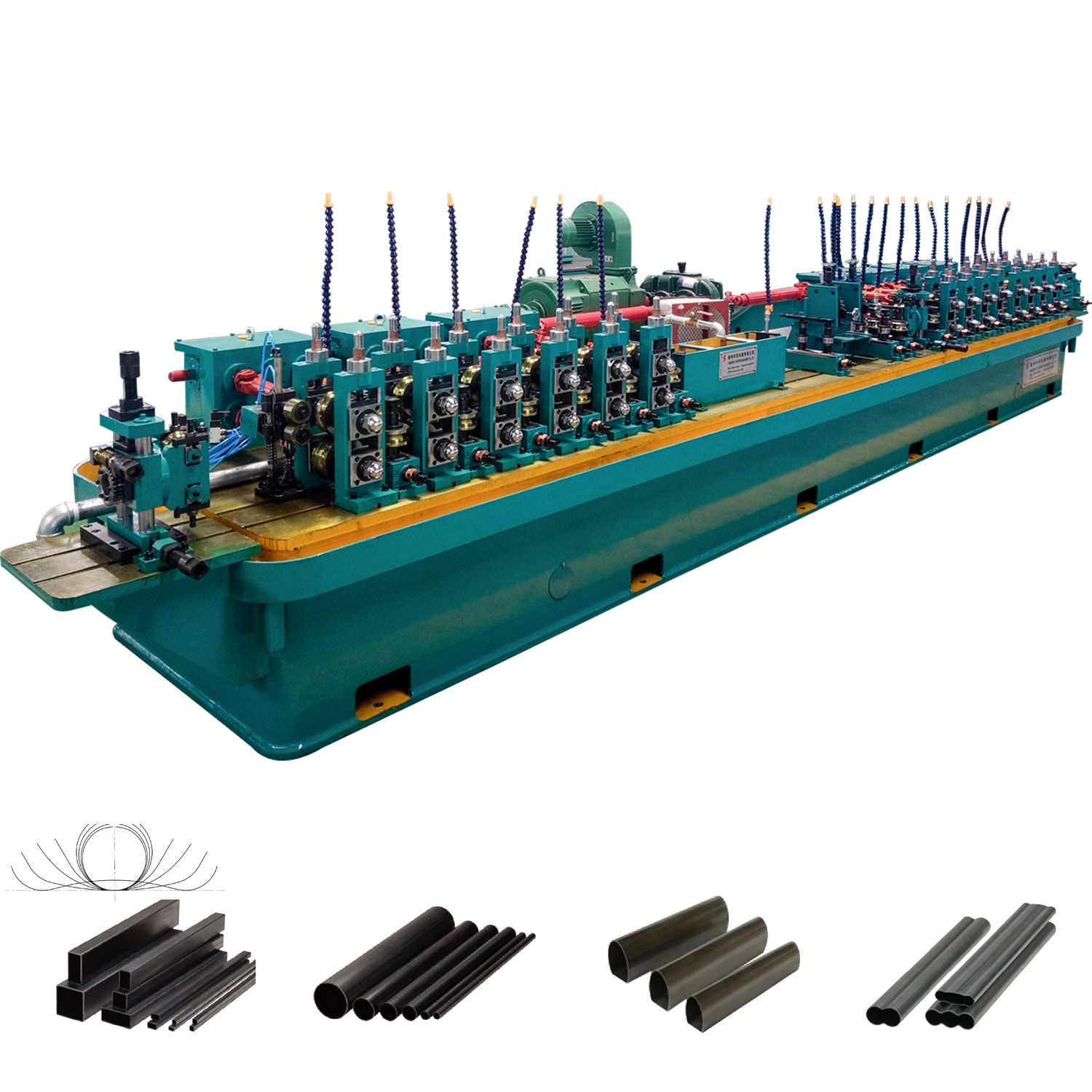 High Precision High-Frequency ERW Tube Mill line
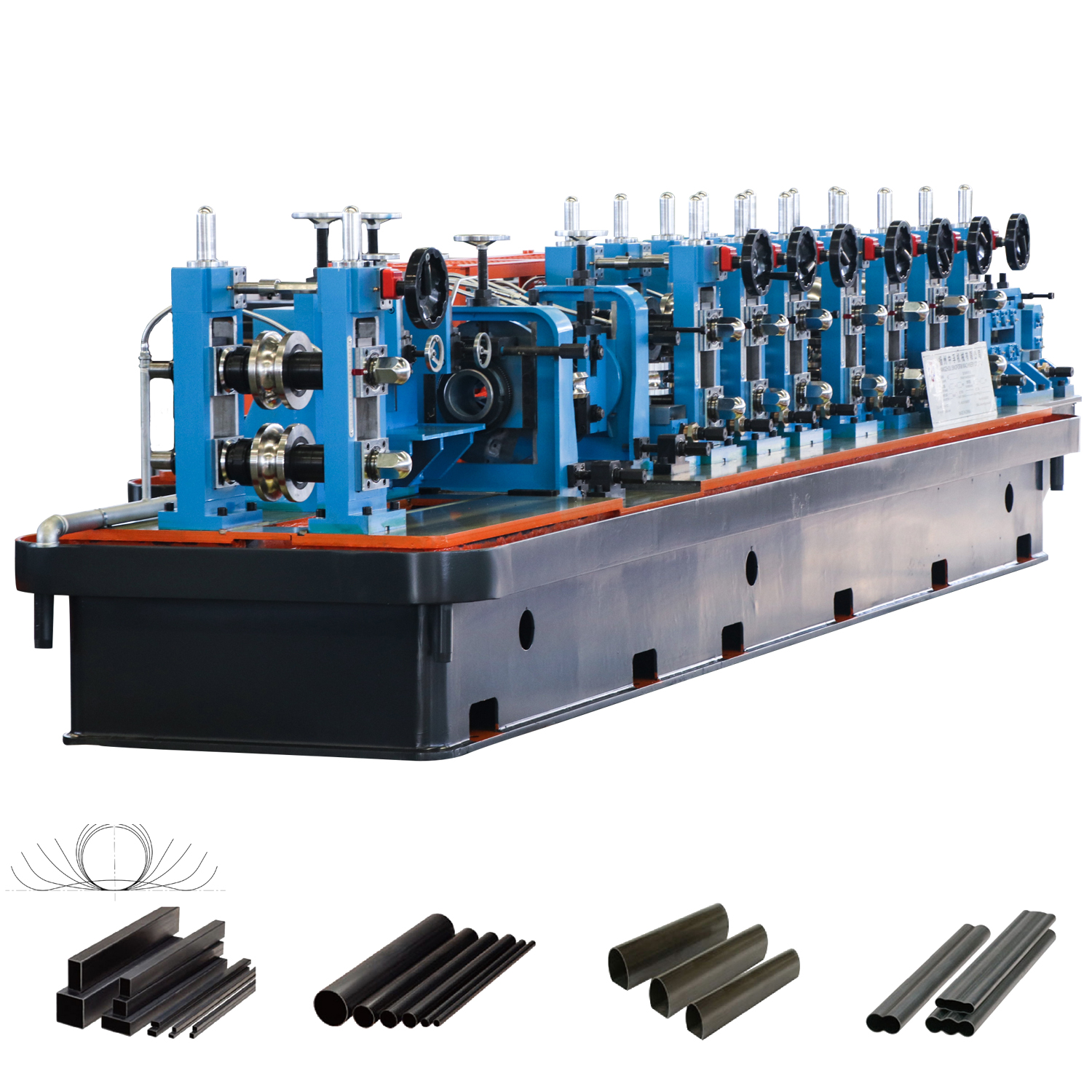 High Precision High-Frequency ERW Tube Mill line
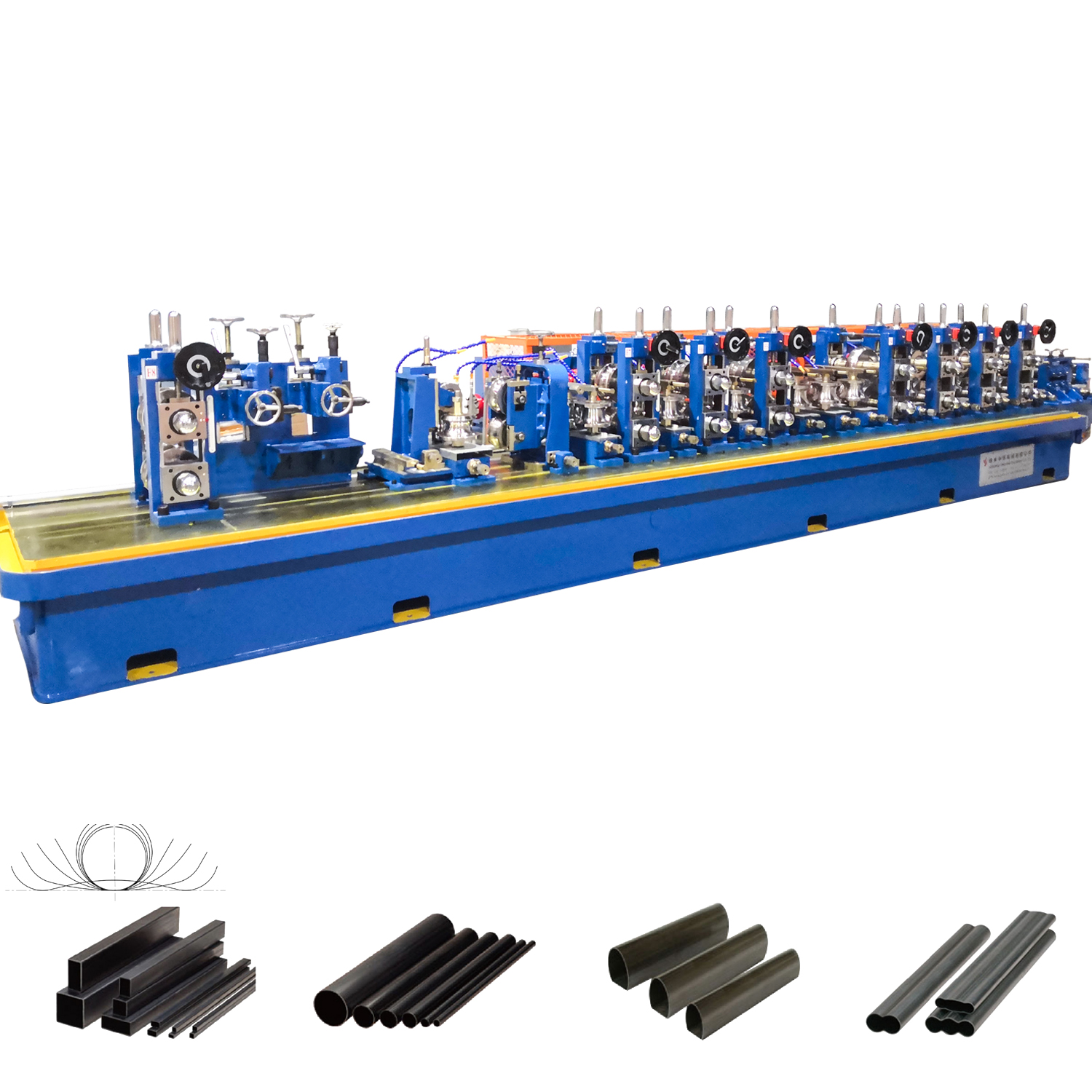 High Precision High-Frequency ERW Tube Mill line
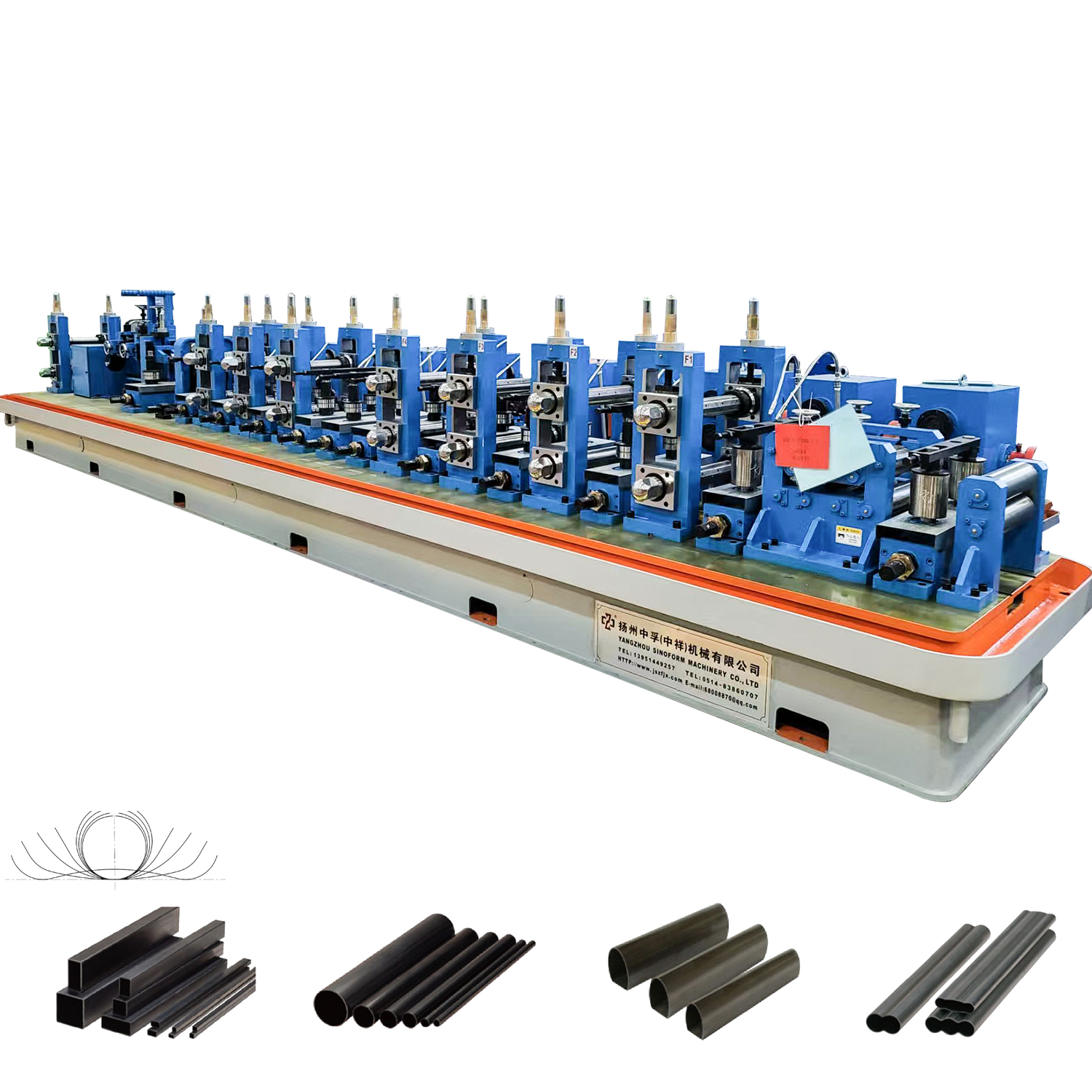 High Precision High-Frequency ERW Tube Mill line
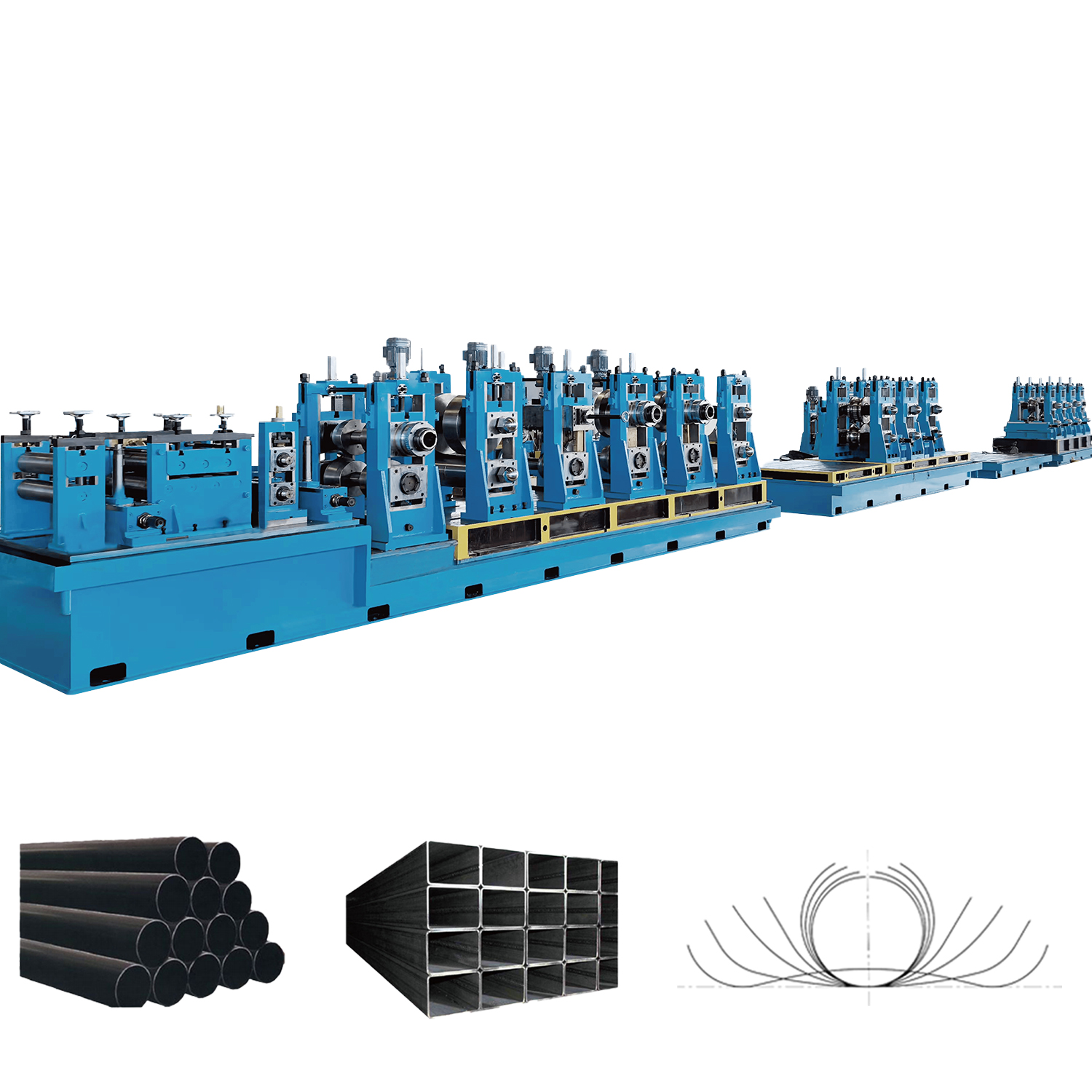 Large ERW tube mill line
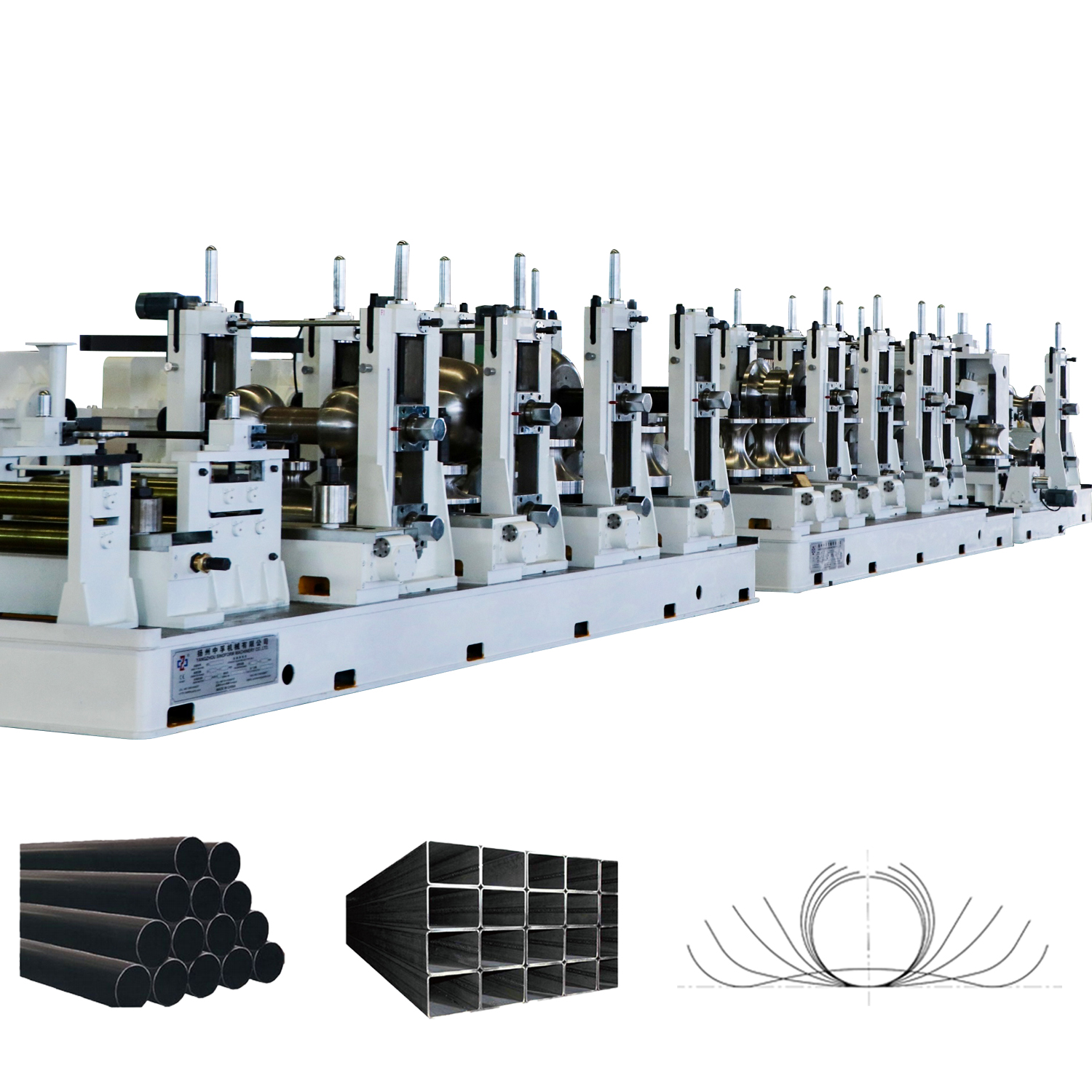 Large ERW tube mill line
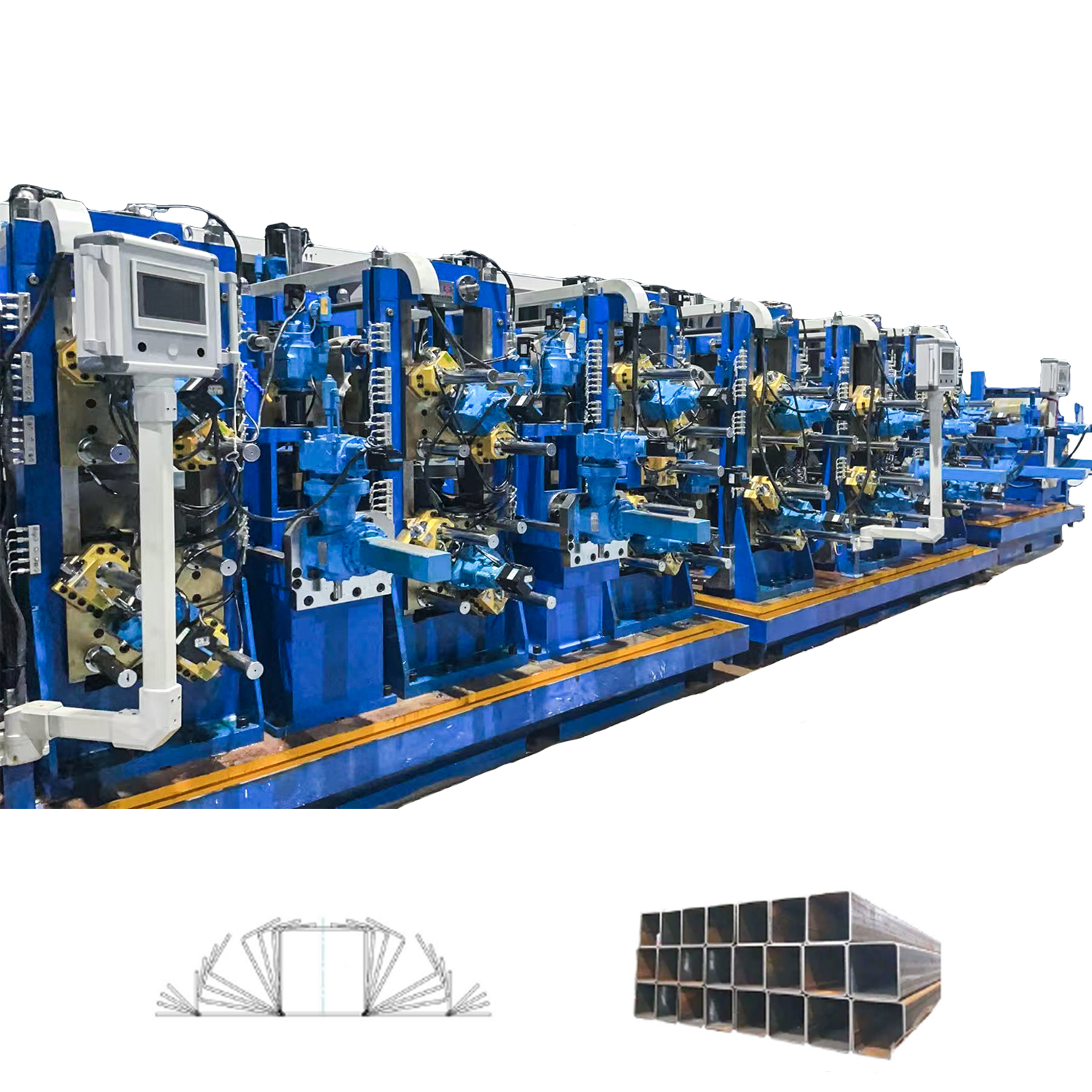 Direct To Square Welded Pipe Production Line

 No.1 Xiangjian Road, Northern
Suburbs Of Yangzhou City,
Jiangsu Province,China
No.1 Xiangjian Road, Northern
Suburbs Of Yangzhou City,
Jiangsu Province,China
 Phone: +86-0514-8363 8877
 E-mail: [email protected]


 English
 Español
 عربى
عربى русский
 中文简体
中文简体