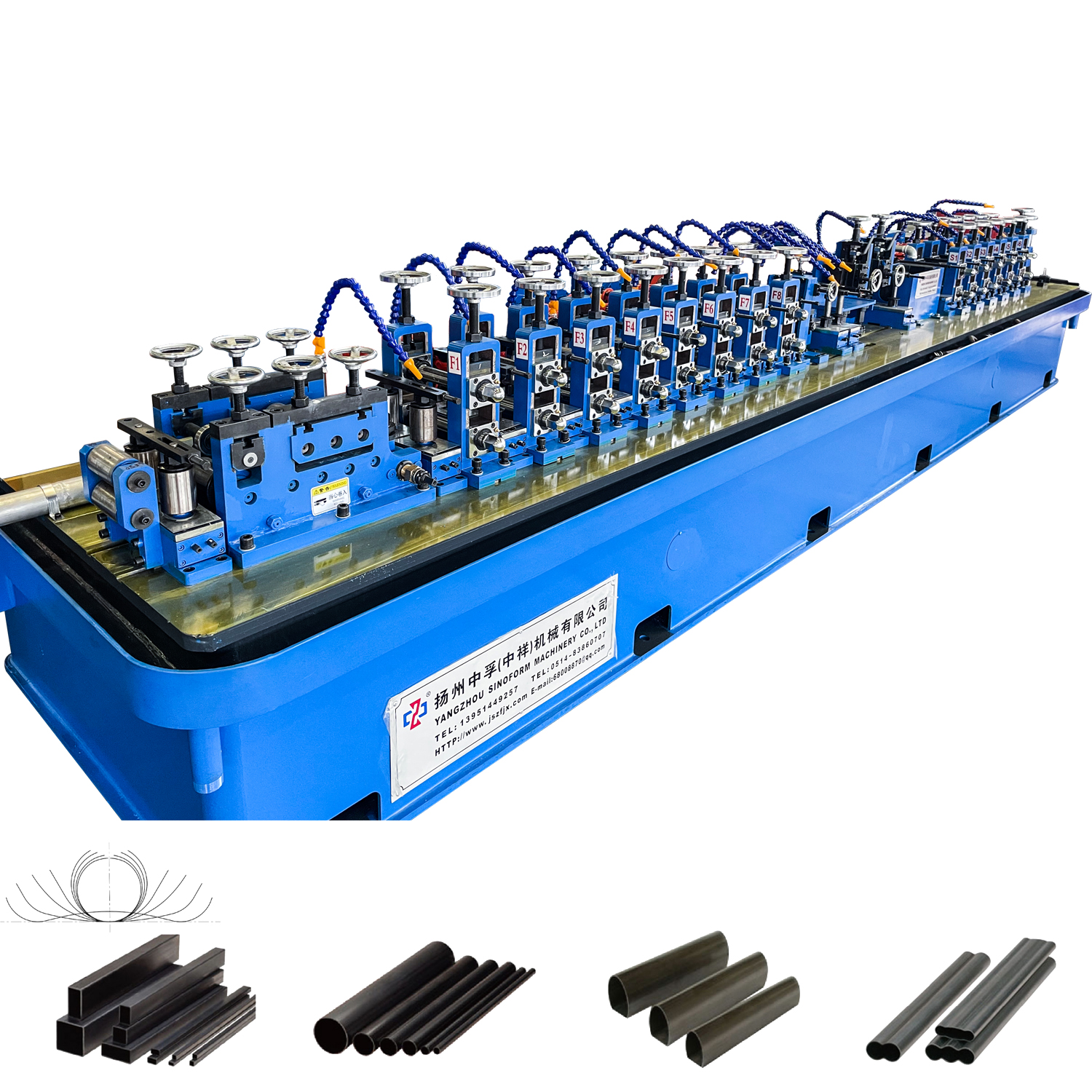
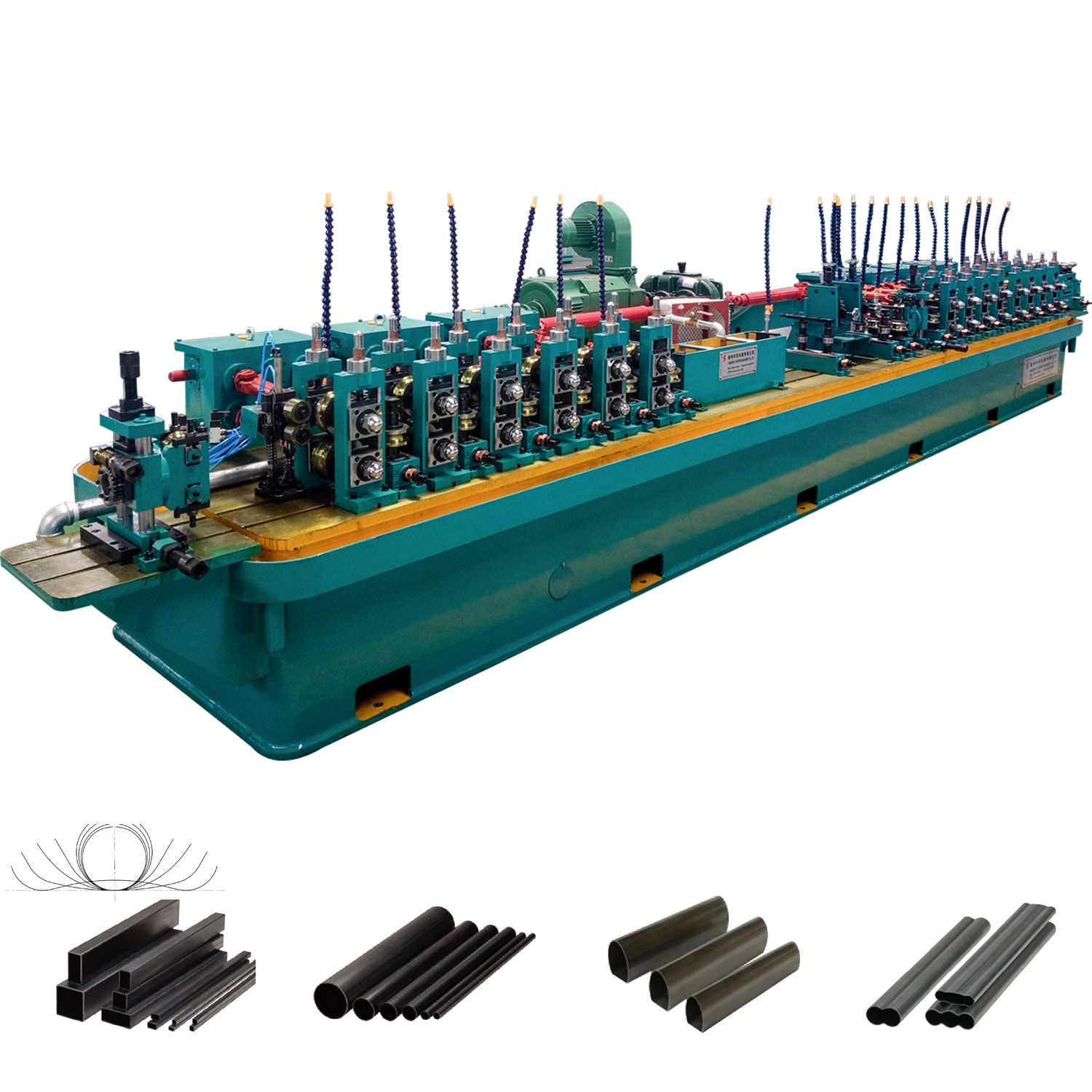
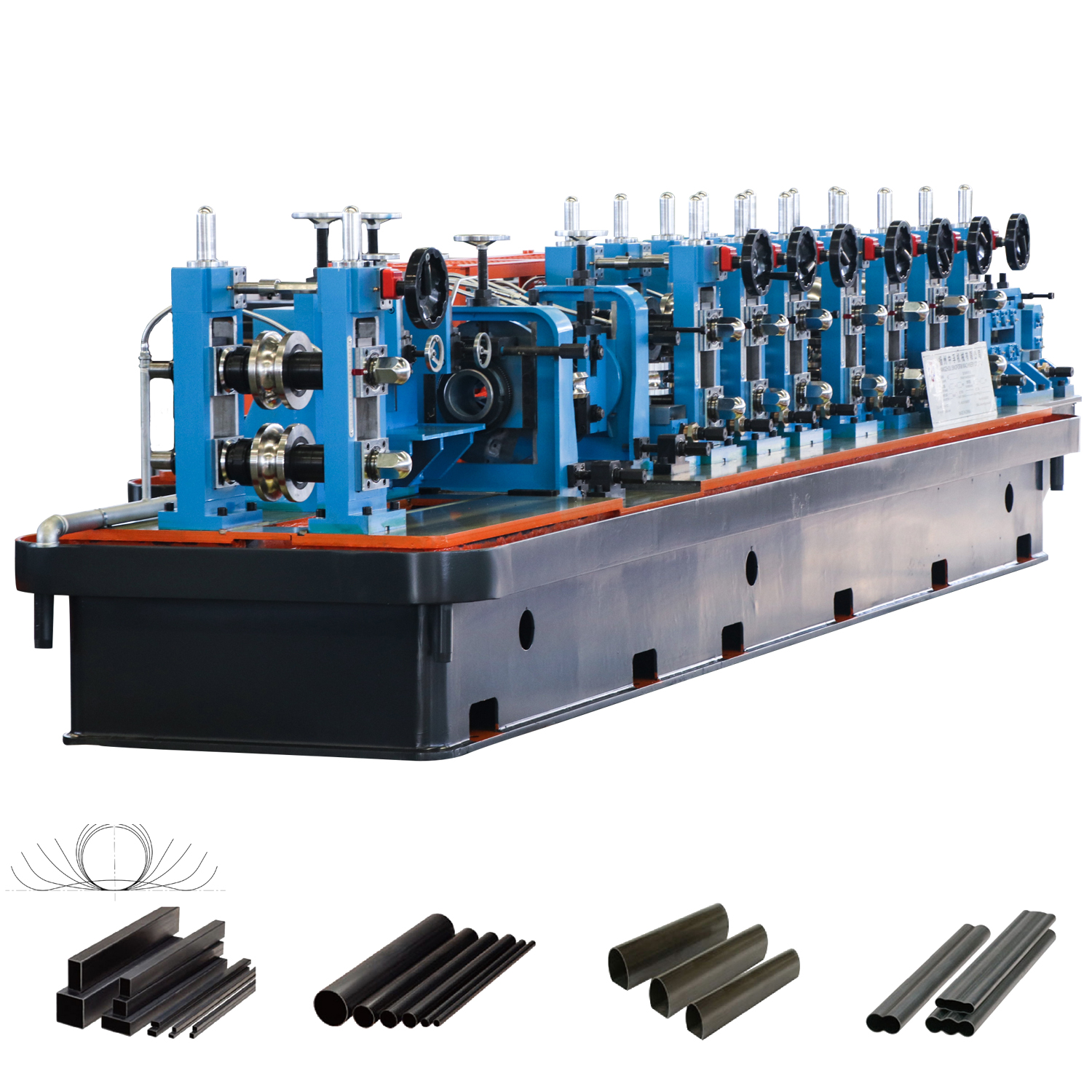
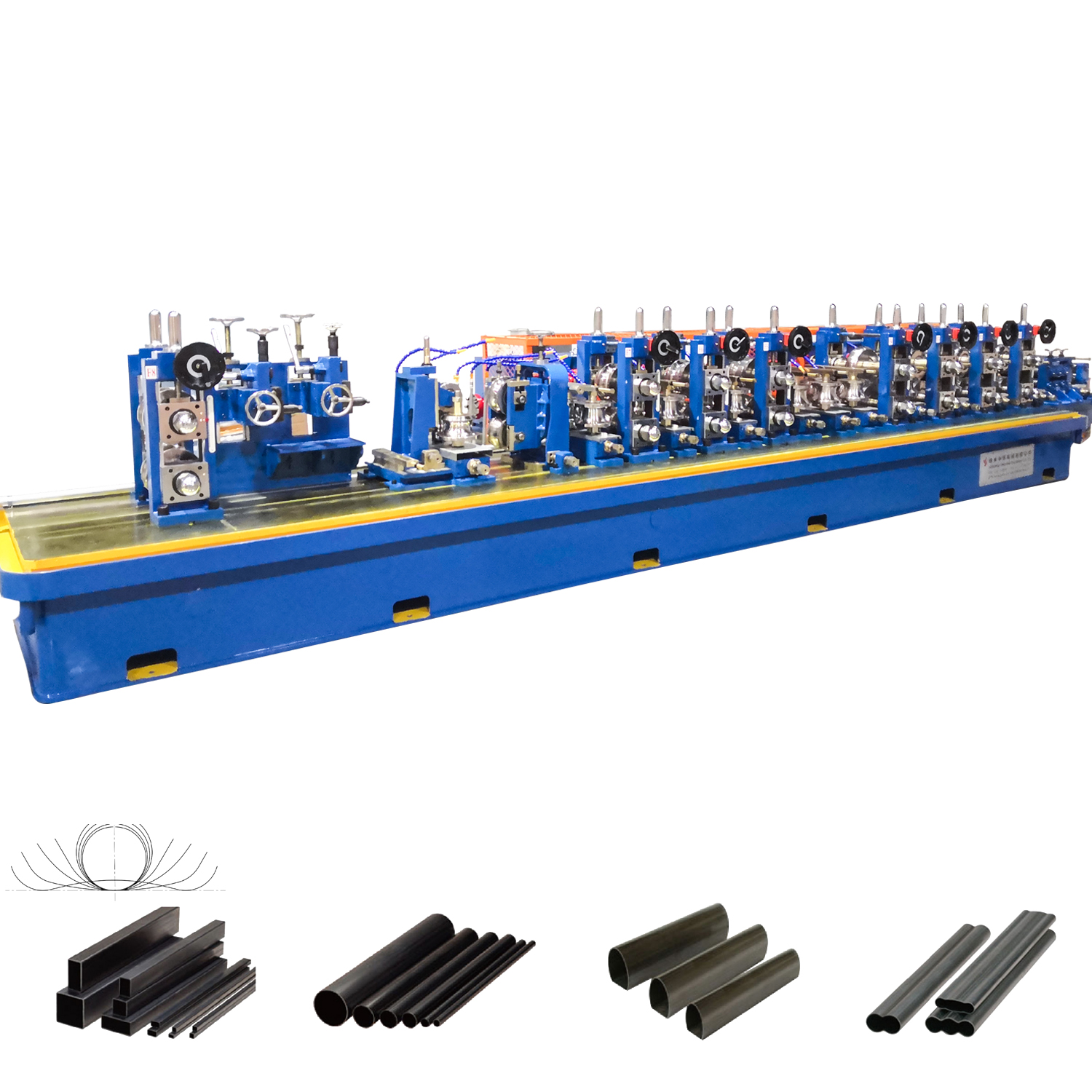
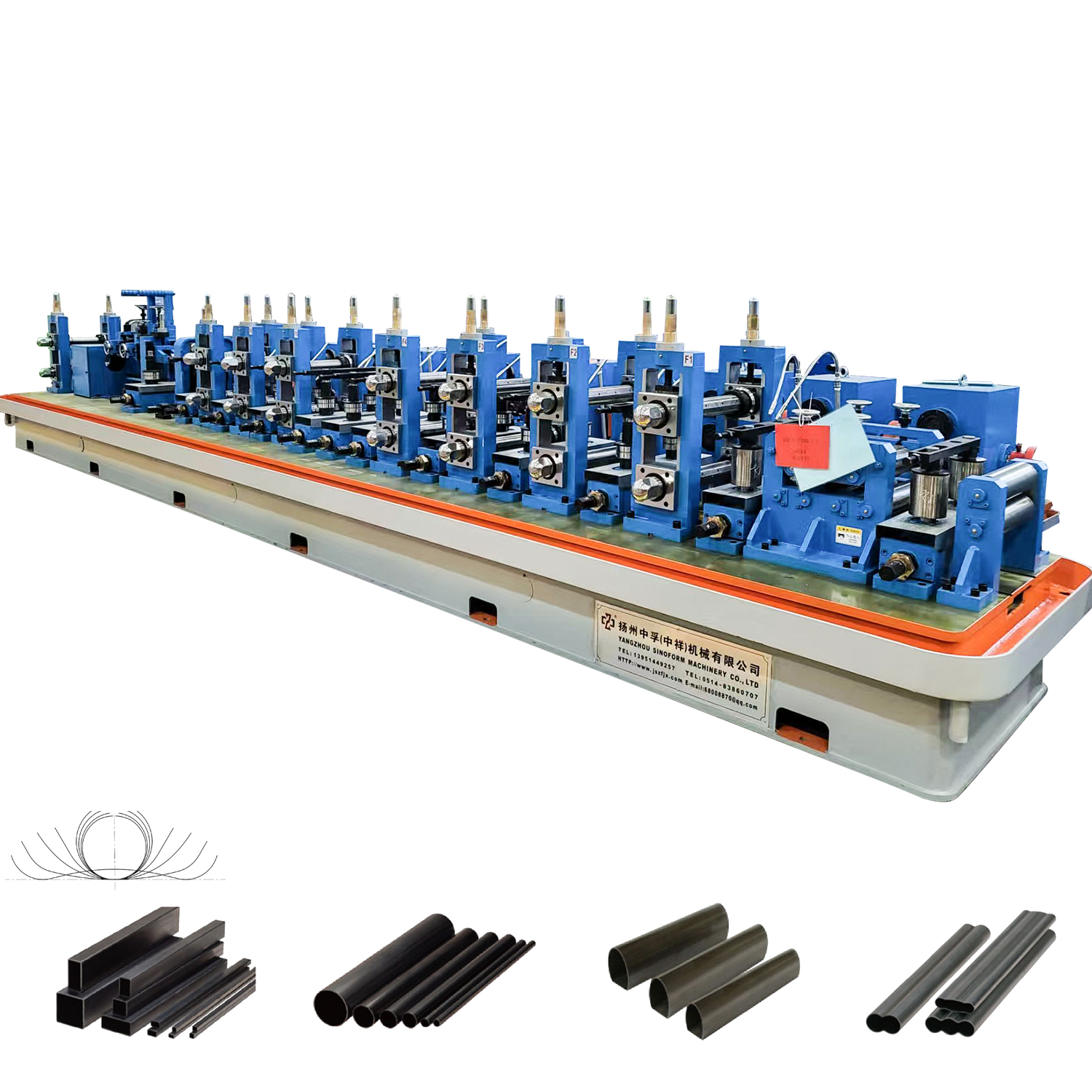
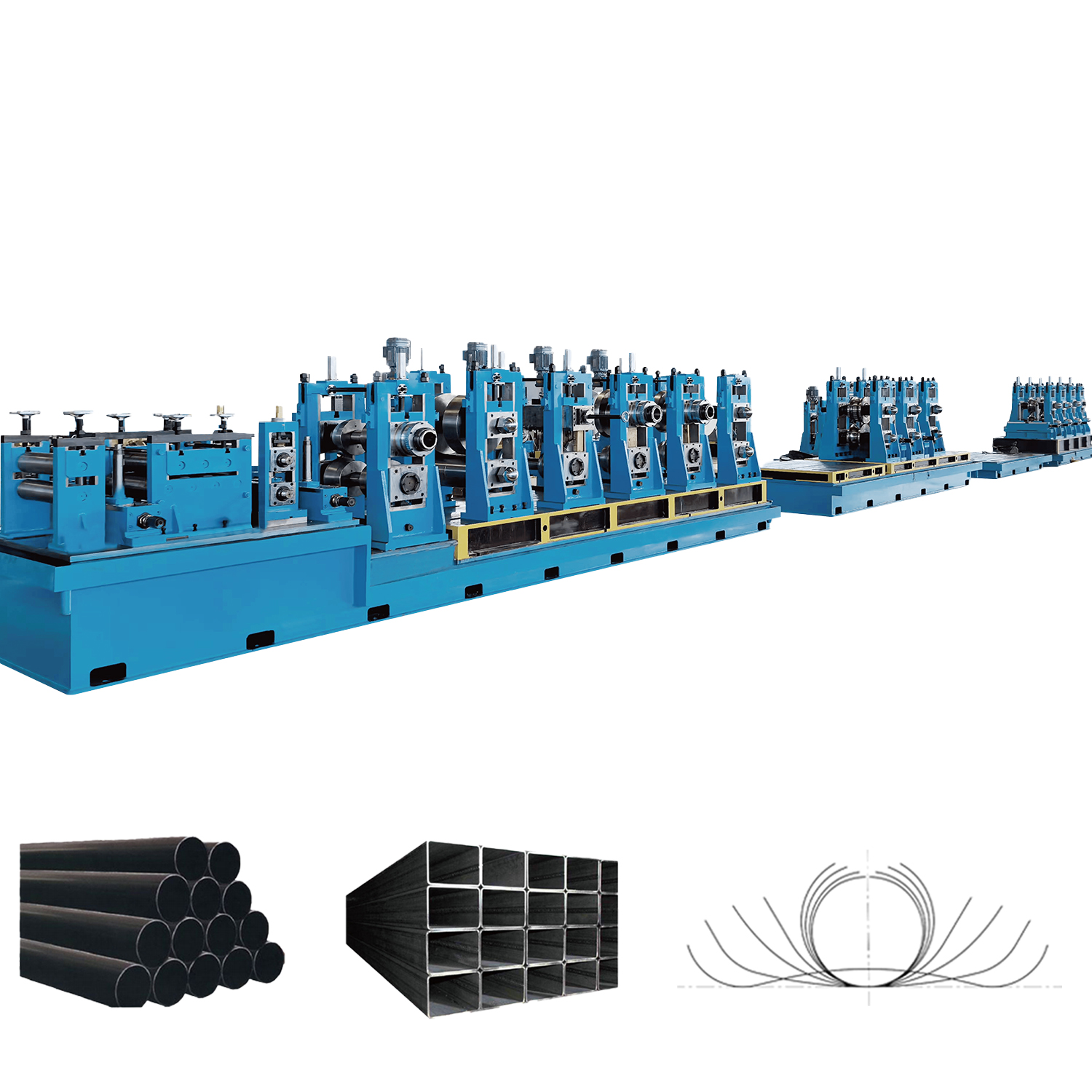
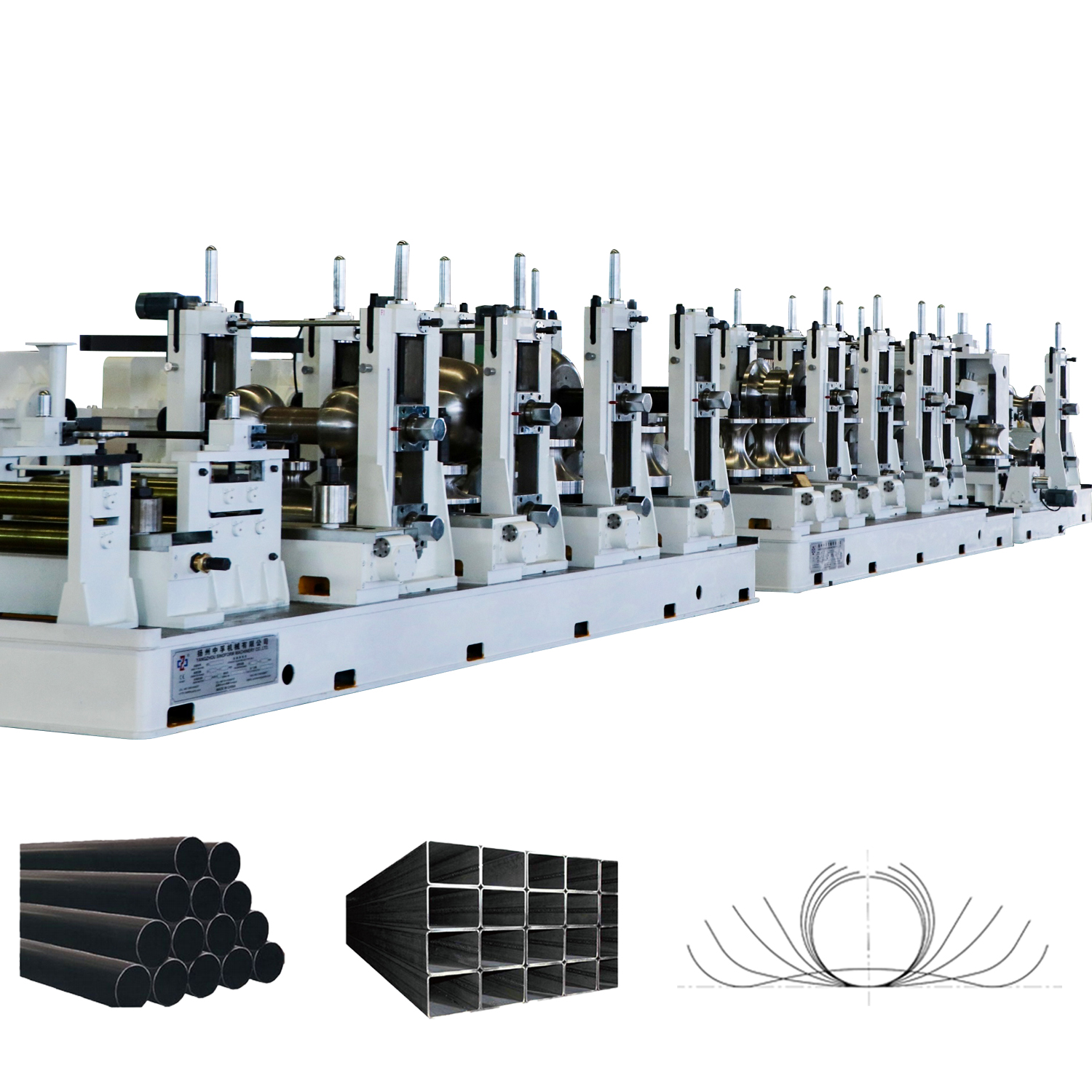
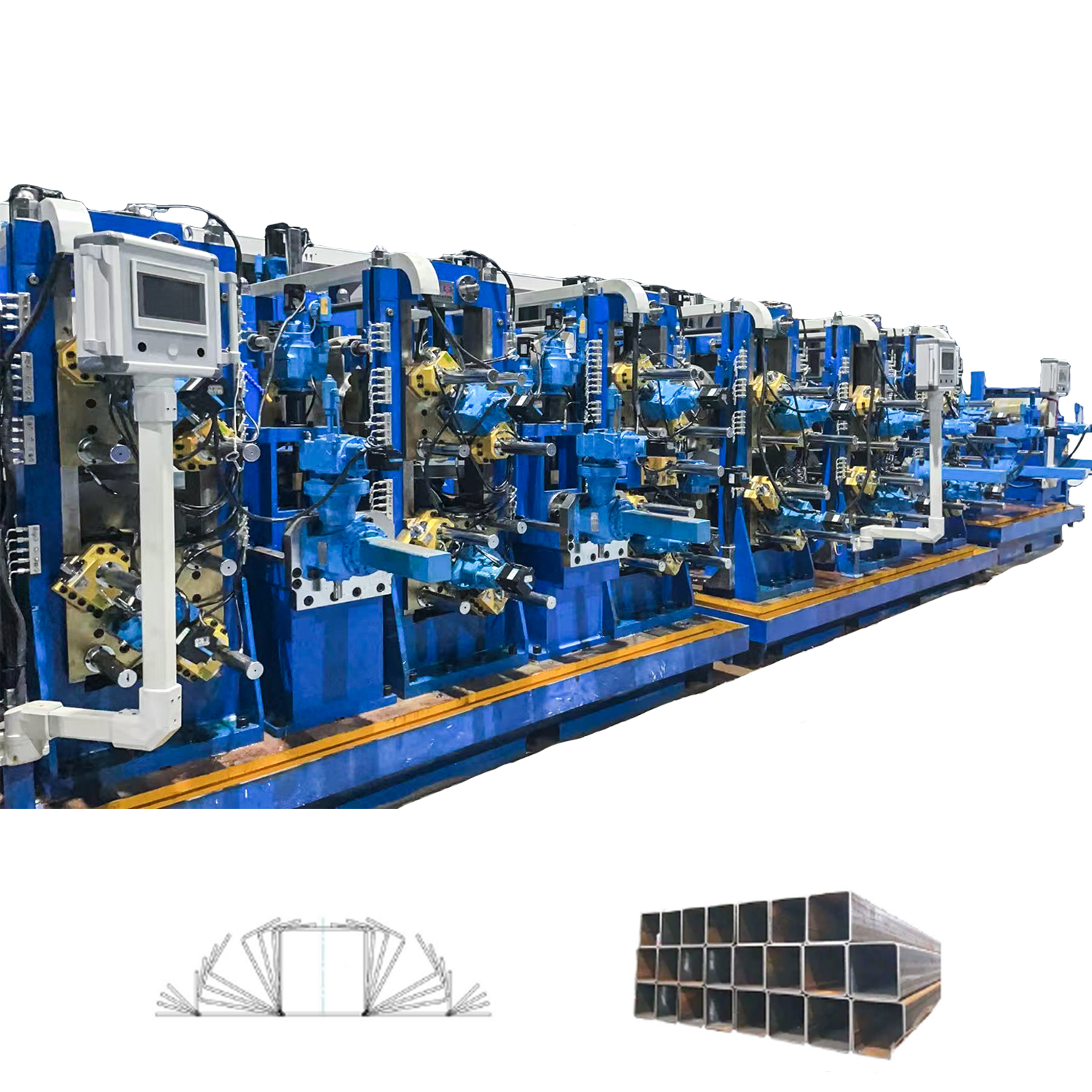
In industrial production and daily life, pipes are indispensable basic components—from water pipes and wire sleeves for home decoration to scaffolding pipes in construction projects and water supply pipes in municipal pipe networks. The mass production of these pipes relies on tube making machines, a core piece of equipment. For pipe production enterprises, equipment operators, or industry beginners, a comprehensive grasp of the differences in types of tube making machines, their working principles, operation key points, troubleshooting methods, and purchasing guidelines is crucial for improving production efficiency and ensuring product quality. This article systematically sorts out the core knowledge of tube making machines from basic understanding to practical application, helping you quickly move from "beginner" to "expert".
I. Classification of Tube Making Machines: Choose the Right Equipment Based on Needs to Avoid Resource Waste
A tube making machine is not a "single type of equipment" but is divided into multiple categories according to processing materials, process characteristics, and application scenarios. Different types of tube making machines vary significantly in structural design, core parameters, and scope of application. Choosing the wrong type will not only increase production costs but also lead to substandard pipe quality. The following is a detailed comparison of common types of tube making machines:
1. Classification by Processing Material: Select Models Based on Pipe Characteristics
(1) High-Frequency Tube Making Machines (Focus on Carbon Steel and Iron Pipe Production)
- Core Features: Adopt high-frequency induction heating technology. Through electromagnetic induction, the edge of the steel strip is rapidly heated to a molten state, and then compacted and welded by squeeze rollers to form a tubular structure. The equipment has a relatively simple structure, strong adaptability to welding magnetic materials such as carbon steel and low-alloy steel, and features high production efficiency and low energy consumption.
• Key Parameters: High-frequency heating frequency of 200-300kHz, suitable for steel strips with a thickness of 0.5-5mm, pipe outer diameter range of 10-200mm, and production speed of 5-15 meters per minute (adjusted according to pipe thickness, with faster speed for thin-walled pipes).
• Application Scenarios: Production of civil water supply and drainage iron pipes, construction scaffolding steel pipes, and ordinary industrial conveying pipes that have low corrosion resistance requirements. For example, most DN48 scaffolding pipes commonly used in municipal engineering are mass-produced by high-frequency tube making machines, with a daily output of 2,000-5,000 meters.
• Advantages and Limitations: The advantage is low equipment purchase cost (500,000-1.2 million yuan for small and medium-sized models) and low operation threshold, suitable for small and medium-sized pipe factories. The limitation is that it cannot adapt to non-magnetic materials such as stainless steel and aluminum alloy, and the corrosion resistance of the weld is weak, requiring additional anti-corrosion treatment (such as galvanizing).
(2) Stainless Steel Tube Making Machines (Focus on Stainless Steel Pipe Production)
- Core Features: Aiming at the characteristics of stainless steel (poor thermal conductivity and easy oxidation), the welding system and cooling structure have been optimized—adopting higher-frequency induction heating (300-400kHz) to ensure uniform melting of the weld; equipped with an inert gas protection device (such as argon protection) to prevent oxidative discoloration of the stainless steel surface during welding; at the same time, the forming roller set is made of wear-resistant alloy material to avoid roller wear caused by the high hardness of stainless steel.
• Key Parameters: Suitable for steel strips with a thickness of 0.3-3mm (mainly thin-walled to meet the needs of decorative and precision scenarios), pipe outer diameter of 5-150mm, welding temperature control accuracy of ±5℃, and surface roughness controllable within Ra ≤ 1.6μm.
• Application Scenarios: Production of food-grade stainless steel water pipes (complying with theGB/T 19228.2-2011 National Standard for Stainless Steel Water Pipesstandard), pipes for medical devices (such as infusion pipes), automobile exhaust pipes (high-temperature resistant stainless steel materials), and decorative stainless steel pipes (such as stair handrails and anti-theft doors and windows). For example, water delivery pipes in food processing plants require no impurities and corrosion resistance, so they must be produced by stainless steel tube making machines, and online flaw detection is required to ensure no weld defects.
• Advantages and Limitations: The advantage is high pipe surface quality and strong corrosion resistance, without the need for subsequent anti-corrosion treatment. The limitation is high equipment cost (1-2 million yuan for small and medium-sized models) and relatively slow production speed (3-10 meters per minute), suitable for scenarios with high pipe quality requirements.
(3) Multi-Functional Tube Making Machines (Multi-Material Compatibility)
- Core Features: Integrate the advantages of high-frequency tube making machines and stainless steel tube making machines. Through switchable heating modules, adjustable pressure squeeze systems, and replaceable molds, processing of multiple materials such as carbon steel, stainless steel, and aluminum alloy is realized. The equipment is equipped with a digital control system that can store production parameters (such as welding temperature and forming pressure) for different materials. When changing materials, only parameters need to be called and corresponding molds replaced, without major structural adjustments.
• Key Parameters: Suitable for steel strips with a thickness of 0.5-4mm, pipe outer diameter of 10-250mm, adjustable heating frequency (200-400kHz), and mold replacement time ≤ 2 hours.
• Application Scenarios: Suitable for enterprises with complex order types that need to produce pipes of multiple materials at the same time, such as comprehensive pipe processing plants (which produce both civil iron pipes and take orders for stainless steel decorative pipes) and automobile parts suppliers (which produce both carbon steel bracket pipes and aluminum alloy heat dissipation pipes).
• Advantages and Limitations: The advantage is high flexibility, which can handle multi-specification and multi-material orders and reduce the cost of repeated equipment purchases. The limitation is high equipment price (2-3 million yuan) and higher skill requirements for operators (who need to master parameter settings for different materials).
2. Classification by Production Automation Level: Select Configuration Based on Production Capacity Requirements
(1) Semi-Automatic Tube Making Machines
- Core Structure: Include core modules such as forming, welding, and sizing, but manual assistance is required for feeding, coil changing, and collection of cut pipes. For example, the steel strip uncoiling requires manual introduction of the steel strip head into the forming roller set, and manual replacement of a new coil when each steel strip coil is used up; the cut pipes need to be manually transported to the stacking area.
• Production Capacity Range: Daily output of 500-1,500 meters (based on an 8-hour work system), suitable for small-batch and multi-specification customized orders (such as small processing plants taking water pipe orders from local decoration companies with a single demand of 100-500 meters).
• Suitable Enterprises: Start-up pipe factories and small enterprises with unstable order volumes. The equipment cost is low (300,000-800,000 yuan), and labor costs are controllable (1-2 operators are sufficient).
(2) Fully Automatic Tube Making Machines
- Core Structure: On the basis of semi-automatic models, automatic feeding devices (such as robotic arms for feeding and automatic uncoilers), material storage buffer devices (which can store 50-100 meters of steel strips and do not require machine shutdown during coil changing), automatic cutting and sorting systems (which sort and stack pipes by length after cutting), and online detection modules (which detect pipe size and weld quality in real time) are added.
• Production Capacity Range: Daily output of 2,000-8,000 meters, suitable for large-batch and standardized orders (such as supplying scaffolding pipes for large-scale projects with a single demand of more than 10,000 meters).
• Suitable Enterprises: Medium and large pipe production enterprises and suppliers that supply goods to engineering projects or large enterprises. Although the equipment cost is high (800,000-3 million yuan), it can significantly reduce labor costs and improve delivery efficiency (3-4 operators can manage 2-3 production lines).
II. Working Principle of Tube Making Machines: Disassemble the Production Process and Master Key Control Points
The core function of a tube making machine is to "gradually transform" a flat steel strip into a tubular pipe. The entire process goes through multiple links such as uncoiling, straightening, forming, welding, sizing, and cutting. The operation accuracy of each link directly affects the final pipe quality. The following takes the most widely used high-frequency tube making machine as an example to detailedly disassemble the working principle and key control points:
1. Uncoiling and Straightening: Lay a "Flat Foundation" for Forming
(1) Uncoiling Link
- Equipment Structure: Composed of an uncoiler (supporting the steel strip coil), a tension controller (adjusting the steel strip conveying speed), and a guiding device (ensuring the steel strip is conveyed along the center line). Uncoilers are divided into mechanical tension type (suitable for small-diameter steel strip coils with a diameter ≤ 800mm) and hydraulic tension type (suitable for large-diameter steel strip coils with a diameter of 800-1,500mm), which can be selected according to the weight of the steel strip coil (500-3,000kg).
• Workflow: Fix the steel strip coil on the uncoiler, tighten the steel strip coil through the tension device to avoid loosening during rotation; set the conveying speed through the tension controller (matching the subsequent forming speed, generally 5-15 meters per minute) to ensure uniform conveying of the steel strip; the guiding device corrects the steel strip deviation (deviation ≤ 1mm/m) through infrared positioning to prevent eccentricity of the pipe during subsequent forming.
• Key Control Points: ① Tension adjustment: Adjust according to the steel strip thickness. The tension for thin steel strips (≤ 1mm) is 0.3-0.5MPa, and for thick steel strips (≥ 3mm) is 0.8-1.2MPa. Avoid loose steel strips due to too low tension or stretched and deformed steel strips due to too high tension; ② Speed matching: The uncoiling speed must be synchronized with the forming speed. If uncoiling is too fast, the steel strip will accumulate; if too slow, it will cause "material breakage" in the forming link. The speed difference must be monitored in real time through the equipment display screen (≤ 0.5 meters per minute).
(2) Straightening Link
- Equipment Structure: Composed of 6-12 groups of straightening rollers arranged vertically. The rollers are made of 45# steel (quenched, with a hardness of over HRC55). Each group of rollers can be adjusted independently in height, and the "curl memory" of the steel strip is eliminated by rolling.
• Workflow: The steel strip is conveyed from the uncoiler to the straightening roller set. First, it passes through the first 3-4 groups of "rough straightening" rollers to initially flatten the large bends of the steel strip; then, it passes through the last 3-8 groups of "fine straightening" rollers to gradually correct small bends, and finally control the flatness of the steel strip within 0.5mm/m (detected with a straightedge, gap ≤ 0.5mm).
• Key Control Points: ① Roller spacing adjustment: Set according to the steel strip thickness. The spacing = steel strip thickness + 0.1-0.2mm. Too large spacing cannot straighten, and too small spacing will scratch the steel strip surface; ② Straightening effect detection: Every 1 hour of production, randomly select a 1-meter-long steel strip, place it on a platform, and detect the flatness with a feeler gauge. If it exceeds the standard, fine-tune the roller height (adjust 0.1mm each time to avoid over-adjustment).
2. Forming Link: "Gradually Bend" the Steel Strip into a Tubular Shape
- Equipment Structure: Composed of 10-20 forming roller stands. Each roller stand contains 2-4 forming rollers (designed according to the pipe shape, 2 symmetrical rollers for circular pipes and 4 right-angle rollers for square pipes). The roller stands are arranged according to the "progressive bending" principle—from the inlet to the outlet, the bending radius of the rollers gradually increases, gradually bending the steel strip from a flat surface into a tubular shape.
• Workflow: ① Pre-bending stage (first 3-5 roller stands): Bend the two side edges of the steel strip into an "arc shape" with a radius matching the pipe outer diameter (such as a DN50 circular pipe with a pre-bending radius of 25mm) to avoid edge cracking during subsequent bending; ② Forming stage (middle 5-10 roller stands): Gradually reduce the roller spacing to bend the steel strip into an "open tubular shape" (pipe blank), with the gap at the opening controlled at 0.1-0.3mm (too large a gap affects welding quality, and too small a gap easily causes steel strip extrusion deformation); ③ Shaping stage (last 2-5 roller stands): Fine-tune the roller angle to ensure the pipe blank shape is regular (circular pipe roundness error ≤ 0.2mm, square pipe diagonal error ≤ 0.3mm).
• Key Control Points: ① Roller wear detection: Every 5,000 meters of pipes produced, measure the forming roller diameter with a micrometer. If the wear amount is ≥ 0.2mm, replace the roller to avoid uneven pipe wall thickness caused by roller wear; ② Opening gap monitoring: Observe the pipe blank opening gap in real time through a high-definition camera. If the gap exceeds the standard, adjust the horizontal position of the forming roller (fine-tune left and right, 0.05mm each time).
3. Welding Link: "Seal" the Pipe Blank into a Complete Pipe
- Equipment Structure: Composed of a high-frequency induction heating device (generating high-frequency current), squeeze rollers (compacting the weld), and a cooling device (cooling and shaping). The coil of the high-frequency induction heating device surrounds the opening of the pipe blank, and eddy currents are generated in the steel strip at the opening through electromagnetic induction, rapidly heating it to the welding temperature (1,250-1,300℃ for carbon steel, 1,300-1,350℃ for stainless steel).
• Workflow: ① Heating: The pipe blank enters the high-frequency induction coil, and the steel strip at the opening is heated to a molten state within 1-2 seconds (the temperature is monitored in real time through an infrared thermometer); ② Squeezing: The molten pipe blank enters the squeeze rollers, and 2-4 groups of squeeze rollers apply pressure from all around (5-10MPa for carbon steel, 3-8MPa for stainless steel) to compact the molten metal, discharge air and impurities, and form a firm weld; ③ Cooling: The welded pipe immediately enters a water cooling device (water temperature ≤ 30℃) and is quickly cooled to room temperature to avoid weld oxidation due to high temperature.
• Key Control Points: ① Welding temperature control: Too low temperature will lead to incomplete weld fusion (false welding), and too high temperature will burn through the steel strip (leakage welding). The temperature fluctuation must be controlled within ±5℃ through a closed-loop control system; ② Squeeze pressure adjustment: Insufficient pressure will lead to loose welds (water leakage during pressure test), and excessive pressure will thin the pipe wall (exceeding the standard tolerance). Adjust according to the steel strip thickness—high pressure for thick steel strips and low pressure for thin steel strips.
4. Sizing and Cutting: Ensure "Standard Specifications" of Pipes
(1) Sizing Link
- Equipment Structure: Composed of 3-6 groups of sizing rollers. The roller accuracy reaches IT7 grade (processing error ≤ 0.015mm), and the surface is chrome-plated (thickness 5-10μm) to reduce wear and improve smoothness.
• Workflow: The welded pipe enters the sizing roller set, and through the rolling action of the rollers, the outer diameter of the pipe is calibrated to the standard size (such as a DN100 circular pipe with an outer diameter error ≤ ±0.3mm), and the roundness (roundness error ≤ 0.2mm) and straightness (straightness error ≤ 0.5mm/m) are corrected at the same time. The dimensional stability of the pipe after sizing is greatly improved, which can meet the subsequent assembly needs (such as docking with pipe fittings).
• Key Control Points: ① Sizing roller spacing adjustment: Set according to the target outer diameter. The spacing = outer diameter + 0.05-0.1mm to ensure that the size can be calibrated without excessive extrusion of the pipe; ② Surface quality inspection: Touch the pipe surface by hand after sizing, with no obvious scratches or indentations (roughness Ra ≤ 3.2μm). If there are scratches, check whether there are impurities on the sizing roller surface and clean them in time.
- Cutting Link • Equipment Structure: Composed of a flying saw (follow-up cutting device), a length positioning sensor, and a waste collection device. The flying saw adopts "follow-up cutting" technology, and the saw blade moves synchronously with the pipe to avoid pipe deformation caused by traditional "stop cutting". • Workflow: ① Positioning: The length positioning sensor sends a cutting signal when the pipe is conveyed to the target length (such as 6 meters or 9 meters) according to the set length; ② Follow-up: The flying saw starts and moves synchronously with the pipe conveying speed (synchronization error ≤ 0.1mm/min); ③ Cutting: The saw blade (high-speed steel saw blade for carbon steel, diamond saw blade for stainless steel) rotates rapidly and completes cutting within 1-2 seconds; ④ Collection: The cut pipes are conveyed to the stacking area via a conveyor belt, and waste materials (cutting heads and tails) fall into a waste bin. • Key Control Points: ① Cutting length accuracy: Every 10 pipes cut, randomly select one to measure the length. The error should be ≤ ±1mm. If it exceeds the standard, calibrate the length sensor (using a standard length template); ② Saw blade wear detection: If the cutting surface is rough or there are burrs (height ≥ 0.1mm), replace the saw blade. The service life of high-speed steel saw blades is about 5,000 meters, and that of diamond saw blades is about 3,000 meters.
III. Operation Precautions for Tube Making Machines: Safe and Efficient Operation to Extend Equipment Service Life
Whether in small pipe processing plants or large industrial enterprises, correct operation of tube making machines is crucial for ensuring production safety, improving product quality, and extending equipment service life. The following are specific precautions, with key inspection items organized into a table for clarity:
1. Before Startup: Complete the "Inspection Check" to Eliminate Safety Hazards
(1) Core Inspection Items Summary Table
|
Inspection Category
|
Key Items
|
Standard Requirement
|
Abnormality Handling
|
|
Equipment Status
|
Hydraulic oil level & pressure
|
Oil level ≥ 2/3 scale; 0.8-1.2MPa (high-frequency type)
|
Add same-model oil; check for pipeline leaks
|
|
|
High-frequency induction coil
|
No oxidation/looseness; insulation layer intact
|
Polish with sandpaper + apply conductive paste; re-tighten bolts
|
|
|
Cooling water pump & air compressor
|
Pump runs smoothly; air pressure 0.6-0.8MPa
|
Repair pump motor; bleed air if pressure is low
|
|
Material Preparation
|
Steel strip thickness & surface
|
Thickness error ≤ ±0.05mm; no oil/rust/impurities
|
Replace uneven strip; wipe with alcohol + sand rust
|
|
|
Steel strip placement on uncoiler
|
Coil tightly fixed, no looseness/tilt
|
Adjust tension device to re-fix coil
|
|
Safety Protection
|
Safety guards & emergency stop buttons
|
Guards closed; buttons sensitive (power cut immediately when pressed)
|
Replace damaged guards; reset/replace buttons
|
(2) Safety Protection Details
- Operators must wear labor protection equipment, including insulating gloves (to prevent high-frequency electric shock), safety glasses (to prevent metal debris from splashing), and anti-smashing shoes (to prevent injury from falling pipes). Long hair should be tucked into a work cap, and loose clothing is prohibited (to avoid being caught by moving parts of the equipment).
2. During Operation: Complete the "Monitoring Check" to Respond to Abnormalities in Time
(1) Parameter & Quality Monitoring Frequency and Standards
|
Monitoring Type
|
Frequency
|
Monitoring Standards
|
Abnormality Handling
|
|
Key Parameters (temp/pressure/speed)
|
Real-time (display screen)
|
Welding temp: 1250-1300℃ (carbon steel)/1300-1350℃ (stainless steel); forming pressure: 2-5MPa
|
Stop machine; adjust coil (temp drop) or repair hydraulic leaks (low pressure)
|
|
Pipe Quality (appearance/size)
|
Every 30 minutes (random sampling)
|
Appearance: No scratches/dents; outer diameter error ≤ ±0.3mm; wall thickness error ≤ ±10%
|
Adjust forming rollers (oval pipes); increase squeeze pressure (leaking welds)
|
(2) Safety Operation Rules
- It is strictly prohibited to touch moving parts (such as rollers and steel strips) with hands during equipment operation. If it is necessary to clean the debris on the equipment surface, press the emergency stop button first to ensure the equipment is completely stopped.
• When changing the steel strip coil, cut off the power supply of the uncoiler first, and then replace the coil to avoid hand injury caused by sudden rotation of the uncoiler.
• Do not overload the equipment (e.g., do not process steel strips thicker than the equipment's maximum applicable thickness). Overloading will cause excessive wear of the rollers and shorten the service life of the equipment.
3. After Shutdown: Complete the "Maintenance Check" to Ensure Equipment Performance
- Use compressed air (pressure 0.5-0.8MPa) to blow off metal debris on the equipment surface, between the rollers, and in the welding area; clean the cooling water tank and replace with pure water/deionized water; apply anti-rust oil to the saw blade.
• Fill in the "Tube Making Machine Operation Record Form" (including production data, equipment faults, and maintenance content) and file it for at least 1 year.
• For long-term shutdown (>1 week): Drain hydraulic oil and cooling water; apply anti-rust oil to exposed metal parts; cover with a dust cover. Before restarting, conduct a no-load test for 10 minutes.
IV. Common Faults and Solutions of Tube Making Machines: Quick Troubleshooting to Reduce Shutdown Losses
To simplify fault tracing, the 8 common faults are summarized into a table with core solutions, and repeated preventive measure descriptions are simplified:
|
Fault No.
|
Fault Phenomenon
|
Core Causes
|
Quick Solution Steps
|
Preventive Cycle
|
|
1
|
Weld false welding (leaks during pressure test)
|
Low temp/pressure; oil/rust on strip; coil deviation
|
Increase temp by 10-20℃; adjust pressure to 5-10MPa (carbon steel); clean strip; align coil
|
Daily strip check; 2-hour parameter recording; weekly coil inspection
|
|
2
|
Pipe ovality (outer diameter error >±0.3mm)
|
Misaligned forming rollers; worn sizing rollers; insufficient straightening
|
Align forming rollers; replace sizing rollers (wear ≥0.2mm); increase straightening passes
|
5,000-meter roller wear check; daily straightening pressure calibration
|
|
3
|
Cutting length error >±1mm
|
Mismatched follow-up speed; sensor blockage; slow saw speed
|
Sync follow-up/conveying speed; clean sensor; adjust saw speed to 2800-3500rpm
|
Every 50-pipe length check; daily sensor cleaning
|
|
4
|
No heating in high-frequency system
|
Coil open/short circuit; faulty power module; cooling failure
|
Repair/replace coil; replace power module; clean cooling pipe
|
Weekly coil insulation check; 2-week cooling system cleaning
|
|
5
|
Unstable hydraulic pressure (fluctuation >±0.5MPa)
|
Contaminated oil; faulty relief valve; pump wear
|
Replace oil/filter; repair relief valve; replace pump parts
|
3-month oil replacement; 6-month relief valve check
|
|
6
|
Pipe surface scratches (depth 0.1-0.3mm)
|
Impurities on rollers; sharp debris on strip; worn conveyor rollers
|
Polish rollers; install magnetic debris remover; replace conveyor rollers
|
Daily roller cleaning; weekly conveyor roller inspection
|
|
7
|
No movement after startup
|
Unreset emergency button; open guard; faulty contactor
|
Reset button; close guard; replace contactor coil
|
Daily button check; regular guard travel switch inspection
|
|
8
|
Uneven pipe wall thickness (difference >±0.2mm)
|
Uneven roller gap; misaligned strip; uneven sizing pressure
|
Adjust roller gap; align strip with infrared; sync sizing pressure
|
3,000-meter roller gap check; daily strip guide calibration
|
V. Purchasing Guide for Tube Making Machines: Select Based on Needs to Balance Cost and Capacity
1. Step 1: Accurately Position Production Needs
- Civil Basic Pipes:Choose high-frequency tube making machines (cost: 500,000-1.2 million yuan) for carbon steel pipes (e.g., scaffolding pipes) with daily output ≤5,000 meters.
• Medium & High-End Pipes: Select stainless steel/multi-functional machines (1-3 million yuan) for stainless steel/aluminum alloy pipes (e.g., food-grade pipes) with strict corrosion resistance requirements.
• Mixed Material Orders: Prioritize multi-functional machines (2-3 million yuan) to handle carbon steel/stainless steel orders without repeated purchases.
2. Step 2: Screen Core Configurations
|
Configuration Category
|
Basic Demand (Civil Pipes)
|
Medium-High Demand (Precision Pipes)
|
|
Welding System
|
High-frequency induction (200-300kHz)
|
High-frequency (300-400kHz) + inert gas protection
|
|
Forming/Sizing Rollers
|
45# steel rollers (8-12 sets)
|
Cr12MoV alloy rollers (14-18 sets) + adjustable sizing stands
|
|
Automation & Detection
|
Basic parameter monitoring
|
Full automation (auto feeding/sorting) + AI visual detection + ultrasonic flaw detection
|
3. Step 3: Inspect Manufacturer Strength
- Experience: Choose manufacturers with >5 years of experience and visit customer factories to verify equipment operation.
• After-Sales: Require 18-month core component warranty, 24-hour remote maintenance, and on-site service within 48 hours for emergencies.
• Cost-Effectiveness: Avoid low-priced machines (20% below market average) with high energy consumption (25% higher than regular models); calculate "purchase price + 5-year use cost".
4. Step 4: Budget-Based Selection Table (Supplemented and Optimized)
|
Budget Range (10,000 Yuan)
|
Recommended Equipment Type
|
Core Configuration
|
Application Scenario
|
|
30-80
|
Semi-Automatic High-Frequency Machine
|
200-300kHz welding, manual feeding, basic sizing
|
Carbon steel pipes (daily output ≤1,500m), small-batch civil production
|
|
80-150
|
Semi-Automatic Multi-Functional Machine
|
200-400kHz adjustable frequency, auto material storage, size detection
|
Carbon steel/stainless steel (1,500-3,000m/day), medium-batch mixed production
|
|
150-300
|
Fully Automatic Stainless Steel/High-Frequency Machine
|
Full-item detection (size/appearance/weld), auto sorting, dual servo drive
|
Stainless steel/carbon steel (≥3,000m/day), large-batch precision production
|
Tube making machines, as core equipment in the pipe manufacturing industry, play a vital role in ensuring the quality and efficiency of pipe production. For practitioners in the industry, mastering the classification of tube making machines helps to select the right equipment according to production needs; understanding the working principle and operation precautions ensures safe and stable production; being familiar with common faults and solutions can reduce shutdown losses; and grasping the purchasing guide can avoid investment risks and achieve cost-effective configuration.
VI. Tube Making Machine Product Adaptation and Customization Strategies
In the diverse landscape of pipe production, the ability to adapt tube making machines to specific product requirements and develop customized solutions is pivotal. This not only ensures high - quality output but also enhances production efficiency and unlocks new market opportunities.
1. Adapting Machines to Pipe Material and Specification
1.1 Material - Specific Adaptations
Carbon Steel Pipes: Carbon steel pipes find extensive use in civil construction for water supply lines and in industrial settings like scaffolding. For standard carbon steel pipes, high - frequency tube making machines with an induction heating range of 200 - 300kHz are typically employed. To handle the pressure exerted by thick steel strips (3 - 5mm), the forming roller sets need to be robust. Using 45# steel quenched to a hardness of HRC55 - 60 can significantly enhance the durability of these rollers. After welding, a crucial step is the removal of oxides from the weld area. This pre - treatment is essential for subsequent galvanizing processes, which are vital for protecting the pipes from corrosion, especially when used outdoors or in underground applications.
When it comes to high - pressure carbon steel pipes, such as those used for industrial gas transmission, additional adaptations are necessary. A double squeeze roller system can be incorporated into the machine. This system applies a pressure of 8 - 12MPa, which is approximately 20 - 30% higher than the standard pressure used for regular carbon steel pipes. The higher pressure ensures that the welds are dense, effectively preventing any leakage under the high - pressure conditions (usually 1.6MPa and above) that these pipes are subjected to in industrial operations.
Stainless Steel Pipes: Stainless steel pipes are highly favored in the food and medical industries due to their corrosion - resistance and hygienic properties. For food - grade 304/316L pipes and medical infusion tubes, the tube making machines must be equipped with inert gas protection systems. Using argon gas with a purity of ≥99.99% is crucial to prevent oxidation during the welding process. This not only keeps the weld area bright but also maintains the corrosion - resistance properties of the stainless steel, which are of utmost importance in applications where the pipes come into contact with food or medical fluids.
Precision temperature control is another key aspect. The welding temperature needs to be maintained within a narrow range of 1300 - 1350℃ with an accuracy of ±3℃. This precise control helps prevent the growth of grains in the stainless steel, as excessive grain growth can weaken the strength of the pipe. After welding, a bright annealing module is often added. This module eliminates the internal stress generated during the welding process and also smooths the inner walls of the pipe to a surface roughness of Ra ≤0.8μm. These measures ensure that the pipes meet the strict food safety standards such as GB/T 19228.2-2011 National Standard for Stainless Steel Water Pipes and medical hygiene requirements.
Aluminum Alloy Pipes: Aluminum alloy pipes, particularly those made of 6061 aluminum, are widely used in the automotive industry for heat dissipation in electric vehicle batteries and in aerospace applications due to their lightweight yet strong properties. However, aluminum has unique characteristics such as high thermal conductivity and a relatively soft texture, which pose challenges during the tube making process.
To counteract the high thermal conductivity, tube making machines for aluminum alloy pipes often use a 350 - 400kHz high - frequency coil. This higher frequency allows for faster heating, compensating for the rapid heat loss that occurs in aluminum. Additionally, non - magnetic forming rollers are employed. Since aluminum can stick to magnetic parts, using non - magnetic rollers ensures a smooth forming process without any material adhesion issues. Real - time laser thickness monitors are also a crucial addition. Aluminum strips are more prone to thickness variations compared to steel strips, and these variations can lead to uneven pipe walls. The laser thickness monitor can detect any thickness changes in real - time, enabling immediate adjustments to the manufacturing process to ensure consistent wall thickness.
1.2 Specification - Based Adaptations
Small - Diameter Thin - Walled Pipes: Pipes with an outer diameter of ≤50mm, such as 10mm stainless steel decorative tubes or 20mm electrical conduits, require specialized machinery. Compact forming roller sets with 10 - 12 groups are ideal for these small - diameter pipes. The roller spacing in these sets should be adjustable in increments of 0.01mm. This fine - tuning ability ensures precise bending of the thin steel strips (usually ≤1.2mm thick) without causing any cracks.
When it comes to cutting these small - diameter pipes, a micro - cutting flying saw is essential. Using a saw with a blade diameter of ≤150mm helps avoid crushing the pipes. Small - diameter pipes have low structural rigidity, and a standard - sized saw blade can easily deform or damage them during the cutting process.
Large - Diameter Thick - Walled Pipes: For large - diameter pipes with an outer diameter of ≥200mm, like DN300 municipal drainage pipes or industrial conveying tubes, heavy - duty tube making machines are required. These machines often have extended forming sections with 16 - 18 roller groups. The gradual bending provided by these multiple roller groups is necessary to handle thick steel strips (3 - 8mm) without causing edge splitting.
A dual servo drive system is another important feature. This system provides sufficient torque for the large - diameter forming process. In addition, a hydraulic sizing module is incorporated. The hydraulic sizing module applies a uniform pressure of 5 - 8MPa to calibrate the outer diameter of the pipe. With this system, the outer diameter error can be controlled within ≤±0.5mm, ensuring that the pipes fit correctly with other components in large - scale infrastructure and industrial systems.
2. Customized Function Development for Specialized Pipes
2.1 Special - Shaped Pipes
Manufacturing special - shaped pipes, such as square, rectangular, or oval pipes, requires significant customization of standard tube making machines. The first step is to replace the standard forming rollers with custom - designed ones. For square pipes, right - angle rollers are used, while curved rollers are designed for oval pipes.
In addition to the custom rollers, a step - forming control program is implemented. This program adjusts the roller pressure incrementally at different stages of the forming process. For example, when forming square pipes, the pressure at the corner - forming stations can be increased by 0.5MPa. This controlled increase in pressure helps refine the shape of the corners and eliminates any indentations or imperfections on the pipe surface.
A real - world example of this customization is a company that manufactures square steel pipes for building facades. By adding a secondary shaping module to their tube making machine, they were able to produce 80×80mm square pipes with corner radii in the range of R1.5 - R2.0mm, which met the strict architectural design standards. This customization also significantly reduced the post - processing time, such as grinding, by 40%, leading to increased production efficiency.
2.2 Multi - Layer Composite Pipes
Multi - layer composite pipes, such as steel - plastic composite water pipes or aluminum - plastic composite gas pipes, combine the advantages of different materials. To produce these pipes, tube making machines need to be equipped with several customized functions.
A dual uncoiler system is added to feed both the metal strip and the plastic film simultaneously. This ensures a seamless integration of the two materials during the manufacturing process. An inline hot - melt bonding module is another crucial addition. This module heats the plastic film (for example, polyethylene (PE) plastic is heated to 180 - 200℃) and then presses it onto the inner or outer wall of the metal pipe with a pressure of 3 - 5MPa. This high - pressure application ensures a strong adhesion between the metal and the plastic layers, with a peel strength of ≥15N/cm.
To further enhance the quality of the composite pipes, a vacuum adsorption system can be installed. This system removes any air trapped between the steel and plastic layers. Air bubbles can weaken the bond between the layers and reduce the overall service life of the pipe. By eliminating these bubbles, the integrity and durability of the composite pipe are significantly improved.
2.3 Precision Micro - Pipes
Precision micro - pipes with an outer diameter of ≤10mm, such as 5mm stainless steel sensor tubes used in semiconductor manufacturing, demand the highest level of precision in the tube making process. To achieve this, several customized functions are incorporated into the tube making machines.
A laser diameter meter with an accuracy of 0.001mm is installed to monitor the outer diameter of the pipe in real - time. This allows for immediate adjustments to the manufacturing process if any deviations are detected. Since micro - pipes are extremely sensitive to machine vibrations, a vibration - damping base is used. Machine vibrations can cause wall thickness deviations of ≥0.02mm, which can be unacceptable in applications where precise fluid flow or sensor performance is required.
Another important addition is a static elimination module. In cleanroom environments like semiconductor manufacturing, any electrostatic charge on the pipe surface can attract dust particles. The static elimination module neutralizes the electrostatic charge, preventing dust adsorption and ensuring that the micro - pipes meet the strict surface cleanliness requirements of these high - tech industries.
With the continuous development of industrial technology, tube making machines will develop in the direction of higher automation (e.g., integrating intelligent scheduling systems), greener operation (e.g., using energy-saving components to reduce energy consumption), and stronger customization capabilities (e.g., quickly adapting to the production of special-shaped pipes of various specifications). By continuously learning and mastering the professional knowledge of tube making machines, enterprises and operators can better adapt to market changes, improve core competitiveness, and promote the high-quality development of the pipe manufacturing industry.