ERW (Electric Resistance Welded) pipe machines, as core equipment for producing high-frequency straight-seam welded pipes, play an irreplaceable role in construction steel structures, oil and gas transmission, and municipal water supply and drainage. Their stable operation highly depends on the precision of three systems: the high-frequency welding system (ensuring weld strength and tightness), the forming roll system (guaranteeing pipe roundness and uniform wall thickness), and the flying saw cutting system (achieving accurate fixed-length cutting). Compared with ordinary pipe-making equipment, the maintenance of ERW pipe machines is more professional—a deviation of just 0.05mm in forming rolls can lead to substandard pipe ovality, and a 5℃ fluctuation in welding temperature may cause cold laps in welds.
Focusing on the uniqueness of ERW pipe machines, this guide provides a systematic maintenance solution covering maintenance frameworks, process-specific maintenance, common misunderstandings, personnel skills, and emergency plans. It integrates practical cases and parameter standards from domestic factories to help enterprises reduce unplanned downtime, extend equipment service life, and ensure product quality.
Content
The maintenance of ERW pipe machines revolves around three core objectives: ensuring weld quality, maintaining forming precision, and reducing downtime losses. It adopts a three-tier cyclic system of "daily inspection – regular maintenance – special overhaul", with each tier designed based on the wear patterns of the equipment’s key components (high-frequency welding system, forming roll system, and flying saw cutting system).
Daily maintenance serves as the first line of defense against sudden failures, focusing on high-frequency vulnerable points. All operations require thoroughness and traceability to avoid omissions:
① Power Supply Testing for High-Frequency Generator:
Use a digital multimeter (e.g., Fluke 117, accuracy ±0.5% for AC voltage) to measure the three-phase input voltage, which must remain stable within 380V±5% (361V–399V). Voltage fluctuations beyond this range will cause overload of IGBT (Insulated Gate Bipolar Transistor) modules. For example, a steel pipe factory in Hebei (North China) once replaced 1–2 IGBT modules monthly due to unstable voltage, with a single module costing over RMB 8,000 (Chinese Yuan).
② Leak Detection for Cooling System:
Inspect water-cooled pipelines, joints, and O-rings (fluororubber material, temperature resistance ≥200℃). Wipe joint areas with a lint-free paper towel – no oil or water stains indicate qualification. If leakage is found, replace the O-ring immediately (specifications must match the pipe diameter, e.g., a φ28×3.5mm O-ring for DN20 pipelines).
③ Condition of Induction Coil:
Visually inspect the coil surface for oxidation and blackening (oxidation of copper coils increases electrical resistance, reducing heating efficiency by 10%–15%). Slight oxidation can be wiped clean with 99% isopropyl alcohol; for severe cases, use 800-grit sandpaper for gentle grinding. Meanwhile, check the torque of the coil joint bolts with a torque wrench (set to 25N·m) to prevent loose connections.
① Roll Surface Cleaning:
Use a soft brass brush to remove metal debris and scale from the roll surface (residues will cause scratches on the pipe surface). A factory in Shandong (East China) once produced 200 meters of defective pipes due to unremoved debris, resulting in a direct loss of over RMB 12,000 (Chinese Yuan).
② Roll Gap Locking:
Confirm that the locking nut of the roll gap adjustment handle is fully tightened to prevent roll gap deviation during equipment operation. A 0.1mm roll gap deviation will lead to a 0.2mm pipe wall thickness deviation, which exceeds the requirements of GB/T 3091 (National Standard of China: Welded Steel Pipes for Low-Pressure Fluid Transport).
③ Drive Chain Tension:
Press the midpoint of the drive chain (typically ANSI #60 or #80) with your hand – the sag must be ≤10mm. If exceeding the limit, adjust the tension via the chain tensioner (e.g., Rexnord ZA-Series). Add 1–2 drops of high-temperature chain oil (ISO VG 150, flash point ≥240℃) to lubricate the chain links and reduce friction.
① Saw Blade Condition:
Visually inspect the saw teeth for chipping (replace if chipping ≥0.2mm). Touch the saw tooth edge with a gloved hand – no obvious dullness indicates qualification. Meanwhile, confirm that the saw blade guard is securely fixed with bolts. A factory in Jiangsu (East China) once experienced a saw blade flying out due to a loose guard, causing 4 hours of equipment downtime.
② Emergency Stop Test:
Press the emergency stop button of the flying saw – the equipment must stop completely within 2 seconds. If exceeding the time limit, inspect the brake pads (replace if thickness ≤3mm, with models matching the flying saw spindle specifications, e.g., Bosch BD120).
① Steel Strip Quality:
Use a 2-meter straightedge (precision ±0.1mm) to inspect the edge flatness of the steel strip – waviness must be ≤1mm per meter. Excessive waviness will cause steel strip deviation during forming; one factory once had weld deviation exceeding 1mm due to wavy strip edges, resulting in the scrapping of the entire batch of pipes.
② Guide Roller Cleaning:
Wipe the guide rollers with a cloth dipped in neutral detergent (e.g., diluted dish soap) to remove oil and dust, preventing slippage during steel strip conveyance. Avoid using abrasive materials (e.g., steel wool) to prevent scratches on the roller surface.
Regular maintenance involves in-depth inspection of core components and precision testing with professional tools. The specific tasks and qualification standards are standardized as follows:
|
Maintenance Cycle |
Core Components |
Detailed Operations and Qualification Standards |
|
Weekly |
Forming Rolls, Steel Strip Guide Rollers |
① Radial Runout of Forming Rolls: Measure the radial runout with a dial indicator (accuracy 0.001mm, measurement range 0–10mm) – runout must be ≤0.03mm. Mark high points for grinding during overhaul if exceeding the limit. |
|
Monthly |
High-Frequency Welding System |
① Replacement of Cooling System Filter Element: Remove the water-cooled filter element of the high-frequency generator (10μm precision stainless steel material). Back-blow with compressed air (0.2MPa); if severely clogged, replace with a new element (recommended replacement every 3 months). |
|
Quarterly |
Flying Saw Mechanism, Gearbox |
① Servo Encoder Cleaning: Disconnect the flying saw encoder cable (label the connector to avoid reverse connection). Remove the encoder and wipe the optical lens with lens cleaning paper. Reinstall the encoder and torque the fixing bolts to 3N·m. |
Overhaul involves in-depth disassembly and precision restoration of the equipment, usually requiring 2–3 skilled technicians and taking 3–5 working days. Key operations are as follows:
① Re-insulation of Induction Coil:
Remove the coil and soak it in industrial degreaser (e.g., ZEP Heavy-Duty Degreaser) for 2 hours. Rinse with high-pressure water (0.3MPa) and dry completely. Inspect for pinholes via a leakage test (inflate 0.5MPa air into the coil and submerge in water – no bubbles indicate qualification). If no leakage, wrap 3 layers of high-temperature insulating tape (3M 361 glass cloth tape, temperature resistance ≥200℃) with 50% overlap between layers.
② Testing of Welding Transformer:
Use a megohmmeter (500V range) to measure the insulation resistance between the primary and secondary windings – resistance ≥15MΩ is qualified. If below the standard, place the transformer in a forced-air oven (60℃) for 8 hours to dry; retest until reaching the qualification standard.
③ Replacement of High-Voltage Cables:
Inspect the insulation layer (EPDM rubber) of the high-voltage cables for cracks or aging. If damaged, replace with cables of the same specification (e.g., 3×50mm² copper core cable, length ≤3m to reduce voltage loss). Crimp the terminal joints with a hydraulic crimper (12-ton pressure) and apply conductive paste (e.g., Permatex 81343) to reduce contact resistance.
① Roll Surface Grinding:
Remove the forming rolls and send them to a professional machinery workshop for grinding with a cylindrical grinder (e.g., M1432). Ensure the roll surface roughness is ≤Ra0.8μm and the diameter deviation is ≤±0.01mm (measured with a micrometer, accuracy ±0.001mm).
② Roll System Calibration:
After reinstallation, use a laser alignment tool (e.g., Prüftechnik Optalign Smart) to adjust the horizontal and vertical deviation of the roll system – deviation must be ≤±0.03mm. Ensure the steel strip centerline aligns with the equipment reference line (deviation ≤±0.5mm) to avoid uneven forming.
① Replacement of Saw Blade Drive Belt:
Remove the old synchronous belt (pitch 5mm) and inspect the pulley groove for wear – replace the pulley if the groove depth is ≤2mm. Install a new belt and adjust the tension: when pressing the belt midpoint with 10kg force, the sag should be 5mm.
② Cutting Precision Calibration:
Set the cutting length to 10m, cut 5 pipes continuously, and measure the length with a laser rangefinder (accuracy ±1mm) – length deviation must be ≤±0.1mm/m. If exceeding the limit, adjust the servo motor parameters (e.g., position loop gain) until reaching the qualification standard.
The maintenance of ERW pipe machines must align with their process characteristics—the high-frequency welding system determines weld quality, the forming roll system determines pipe shape, and the flying saw determines fixed-length precision. Each requires targeted maintenance.
The high-frequency welding system is the "heart" of the ERW pipe machine, and maintenance should focus on "stable heating and precise pressure":
① Daily Cleaning: Wipe the coil surface with isopropyl alcohol every shift to remove metal dust (dust accumulation causes local overheating, reducing coil life by 50%);
② Thickness Monitoring: Measure the wall thickness of the coil copper tube with an ultrasonic thickness gauge (accuracy 0.01mm) monthly—replace if wear exceeds 0.2mm (new coils must match the original model, e.g., φ12×2mm copper tube);
③ Joint Tightening: Recheck the coil joint bolts with a torque wrench (25N·m) every two weeks to prevent arcing due to looseness (a factory once had a coil burned by arcing due to loose joints, resulting in a direct loss of RMB 3,000).
① IGBT Module Monitoring: Measure the module temperature with an infrared thermometer (e.g., Fluke 62MAX) weekly—≤60℃ is qualified. If overheating, inspect the cooling fan (e.g., ebm-papst A2E130, air volume ≥50m³/h). Replace immediately if the fan makes abnormal noise or has insufficient speed;
② Capacitor Inspection: Measure the capacity of the filter capacitor (10μF/1200V DC) with a capacitor meter quarterly—replace if deviation exceeds ±10% to prevent current fluctuations due to capacitor failure;
③ Internal Dust Removal: Power off and open the generator cabinet quarterly, then blow dust off the circuit board and heat sink with compressed air (0.3MPa) to avoid short circuits caused by dust.
① Pressure Setting: Adjust pressure based on steel strip thickness (reference values for carbon steel strips: 0.8MPa for 4mm thickness, 1.0MPa for 6mm thickness, 1.2MPa for 8mm thickness). Insufficient pressure causes cold welds, while excessive pressure thins the weld;
② Cylinder Maintenance: Add pneumatic lubricating oil (e.g., Shell pneumatic tool oil) to the pressure cylinder piston rod weekly to prevent seal wear. Replace the seal ring (fluororubber material, oil and temperature resistant) if cylinder oil leakage occurs;
③ Synchronization Inspection: Check the synchronization of upper and lower pressure rolls monthly—no obvious resistance difference when rotating the roll shafts by hand. Adjust the gear ratio if deviation is large.
The forming roll system gradually bends the steel strip into shape through multiple passes, and maintenance should focus on "roll surface condition, roll gap precision, and transmission synchronization":
① Daily Rust Prevention: Wipe the roll surface with WD-40 rust inhibitor after shutdown to prevent oxidation (especially in humid environments, unprotected rolls will rust, causing indentations on the pipe surface);
② Adaptation for Stainless Steel Pipes: Use chrome-plated forming rolls (chrome layer thickness 5-10μm) when producing stainless steel pipes. Clean with a nylon cloth to avoid scratching the chrome layer—rechrome if the layer peels off;
③ Treatment of Minor Scratches: For scratches ≤0.1mm on the roll surface, manually grind with 1000-grit sandpaper in the direction of roll rotation to avoid expanding damage.
① Adjustment Tools: Use a laser alignment tool (accuracy 0.001mm) to calibrate the horizontal and vertical deviation of each forming roll, ensuring uniform roll gap (e.g., set roll gap 6.1mm, actual measurement deviation ≤0.02mm at all points);
② Adjustment Steps: Loosen the roll shaft fixing bolts, adjust the roll gap via the fine adjustment screw (accuracy 0.01mm/turn), measure after each 1/4 turn adjustment, and tighten the bolts (torque based on bolt specifications, e.g., 30N·m for M12 bolts) when reaching the standard;
③ Effect Verification: Test-produce 10 meters of pipe after adjustment, and measure the wall thickness at different positions with a caliper—deviation ≤±0.05mm is qualified.
① Lubrication Cycle: Apply high-temperature chain oil (e.g., Castrol Tribol Chain 220 SYN, temperature resistance 150℃) to the chain with a brush every two weeks to avoid wear due to dry friction;
② Tension Inspection: Measure the chain tension with a spring scale (range 50kg) monthly—horizontal tension should be 15-20kg. Adjust the tensioner if tension is insufficient to prevent chain skipping;
③ Wear Inspection: Inspect chain pins and rollers quarterly—replace the entire chain (model matching the original equipment, e.g., ANSI #80 chain) if wear exceeds 0.5mm or rollers are stuck.
The flying saw cuts the pipe synchronously with pipe movement, and maintenance should balance "saw blade life, servo precision, and chip removal smoothness":
① Material Matching: Use bimetal saw blades (HSS teeth + spring steel base, tooth pitch 3-4TPI) for carbon steel pipe cutting, and carbide-tipped saw blades (WC-Co alloy teeth, cobalt content ≥8%, tooth pitch 2-3TPI) for stainless steel pipe cutting;
② Replacement Cycle: Replace saw blades after 5,000 cuts for carbon steel pipes and 3,000 cuts for stainless steel pipes. Replace in advance if saw tooth chipping or pipe end burrs ≥0.3mm occur;
③ Saw Blade Grinding: Send old saw blades to professional manufacturers for grinding—restore the tooth angle to 30°±1° and edge roughness to ≤Ra0.4μm. Grinding cost is approximately 1/3 of a new saw blade.
① Encoder Cleaning: Remove the encoder quarterly (mark wiring to avoid reverse connection), wipe the optical lens with lens paper dipped in isopropyl alcohol, and prevent dust from affecting position detection precision;
② Servo Driver Parameters: Check driver parameters (e.g., position loop gain, speed loop gain) monthly—restore to factory settings and recalibrate if parameters are mistakenly modified;
③ Cable Inspection: Inspect the servo motor power cable and signal cable for damage, and replace with shielded cables of the same specification if aging to prevent interference causing cutting deviation.
① Daily Cleaning: Blow off the chip conveyor with compressed air (0.4MPa) after each shift to remove residual iron chips (accumulated chips will jam the conveyor, causing flying saw shutdown);
② Chain Lubrication: Add lithium-based grease (e.g., Kunlun No. 2) to the chip conveyor chain monthly to ensure smooth operation;
③ Scraper Inspection: Inspect the conveyor scrapers quarterly—replace if worn or deformed to prevent iron chips from falling into the equipment interior.
In practical maintenance, operators often fall into misunderstandings due to insufficient understanding of equipment principles and component characteristics. These mistakes not only fail to achieve maintenance goals but also accelerate equipment damage. Below are key misunderstandings, along with hazard analyses and correct practices, combined with domestic factory cases.
① Deteriorated Weld Quality: Excessive current causes over-melting of the steel strip edges, leading to burn-through holes in welds (a factory in Henan once had a 30% rejection rate due to this issue, with 2-3 pinholes per 10 meters of pipe);
② Shortened Induction Coil Life: When current exceeds 1.5 times the rated value, copper loss of the coil increases sharply, causing the coil temperature to soar—reducing its service life from 12 months to 6 months;
③ Surging Energy Consumption: Every 100A increase in current adds approximately 30 kWh of electricity consumption per hour (based on an industrial electricity price of RMB 1/kWh, this results in an additional RMB 720 in daily energy costs).
① Follow the "Steel Strip Thickness-Current" Reference Table (e.g., 500-600A for 4mm strips, 800-900A for 6mm strips, 1000-1100A for 8mm strips);
② Monitor Weld Temperature in Real Time: Use an infrared thermometer to track weld temperature, maintaining 850-950℃ for carbon steel (too low causes cold laps, too high leads to burn-through);
③ Conduct Regular Tensile Tests: Perform weld tensile tests per GB/T 2651 standards to ensure weld tensile strength is ≥90% of the base metal—avoid over-reliance on high current.
① Increased Ovality: Excessive pressure causes uneven stress on the steel strip during forming, resulting in pipe ovality ≥1% (exceeding the ≤0.5% requirement in GB/T 3091). A factory in Zhejiang once produced pipes with 1.2% ovality, which were rejected for municipal engineering, leading to a direct loss of over RMB 200,000;
② Accelerated Roll Wear: Tighter gaps increase friction between rolls and the strip, raising roll wear from 0.01mm/1000 hours to 0.03mm/1000 hours. Forming rolls that should last 2000 hours required grinding after just 800 hours, doubling grinding costs;
③ Transmission System Overload: Excessive roll pressure increases the drive motor load current to 1.3 times the rated value, accelerating insulation aging. One factory experienced motor burnout due to long-term overload, costing over RMB 15,000 in replacement and 3 days of downtime.
① Scientific Gap Setting: Set the roll gap to "steel strip thickness + 0.1-0.2mm" (e.g., 4.1-4.2mm for 4mm strips, 6.1-6.2mm for 6mm strips) to reserve space for elastic deformation during forming;
② Verify with Laser Diameter Measurement: After adjusting the gap, test-produce 1 meter of pipe and measure diameters at multiple cross-sections with a laser diameter gauge (accuracy ±0.01mm) to ensure ovality ≤0.5%;
③ Avoid Forced Adjustment: Use fine-adjustment screws to gradually adjust the gap, measuring after every 0.01mm adjustment—never force-tighten bolts to narrow gaps.
① Poor Cutting Quality: High speed increases impact between the saw blade and pipe, raising tooth chipping rates from 5% to 30%. Pipe ends develop burrs ≥0.3mm, requiring 2 minutes of manual deburring per pipe—actually reducing overall efficiency;
② Frequent Servo Failures: Over-speed cutting pushes the servo motor acceleration to 1.5 times the rated value, increasing encoder positioning errors. Cutting length deviation expands from ±0.1mm/m to ±0.5mm/m, leading to 30 out of 100 10-meter pipes being re-cut at one factory;
③ Shortened Saw Blade Life: Higher speed increases cutting force per tooth, reducing bimetal saw blade life from 5000 cuts to 2000 cuts and carbide-tipped blade life from 3000 cuts to 1200 cuts—adding RMB 12,000 monthly in saw blade costs.
① Match Speed to Pipe Thickness: Establish a "Pipe Thickness-Cutting Speed" Table (e.g., 80mm/s for 4mm pipes, 100mm/s for 6mm pipes, 120mm/s for 8mm pipes) to keep cutting force within the saw blade and servo system capacity;
② Monitor Motor Current: Track cutting current via the servo driver—reduce speed if current exceeds 1.1 times the rated value;
③ Regular Saw Blade Inspection: Check tooth condition after every 100 cuts. Repair minor chips with a grinding wheel to prevent further damage.
① Component Overheating: Excess lubricant hinders heat dissipation, raising forming roll bearing temperatures from 40℃ to 65℃ (exceeding the 60℃ limit). High temperatures degrade grease, losing lubrication and tripling bearing wear;
② Reduced Gearbox Efficiency: Overfilled gearboxes increase oil churning resistance, raising motor load current by 15% and energy consumption. Grease also leaks from seals, contaminating the steel strip and pipes;
③ Lubricant Waste: One factory added 20L of grease monthly to gearboxes (vs. the standard 8L), wasting 144L annually at a cost of over RMB 5,000.
① Fill by "Space Ratio": Add lubricant to 1/2-2/3 of the bearing internal space (e.g., 5g for 6205 bearings) and fill gearboxes to the middle line of the oil level gauge (≈1/3 of gear radius);
② Use Compatible Lubricants: Use No. 2 lithium-based grease (e.g., Great Wall 7019) for forming roll bearings and L-CKC150 extreme pressure gear oil for gearboxes—never mix different types;
③ Maintain Lubrication Records: Document lubrication time, components, lubricant type, and quantity to avoid over-filling.
ERW pipe machine maintenance requires strong professional capabilities. Personnel must master "theory + hands-on skills + safety awareness" to avoid faults caused by improper operations.
① Grasp High-Frequency Welding Principles: Understand the application of "skin effect" and "proximity effect" in ERW pipe production, and the relationship between welding current, frequency, pressure, and weld quality (e.g., 200-450kHz is suitable for low-carbon steel; excessive frequency causes burn-through);
② Understand Forming Processes: Comprehend the "progressive bending" logic of multi-pass forming, knowing each roll’s function (e.g., first 3 passes for "pre-bending", middle 4 for "forming", last 2 for "sizing") and how to adjust roll parameters for different pipe diameters;
③ Learn Electrical Systems: Read electrical schematics for high-frequency generators and servo drives, understand the basic operation of IGBT modules, encoders, and sensors, and identify faults via error codes.
① Product Standards: Master requirements for pipe wall thickness, ovality, and weld quality in standards like GB/T 3091 (Welded Steel Pipes for Low-Pressure Fluid Transport) and API 5L (Specification for Line Pipe);
② Maintenance Standards: Adhere to maintenance cycles and parameter ranges specified in equipment manuals (e.g., welding current fluctuation ≤±5%, forming roll radial runout ≤0.03mm);
③ Safety Standards: Comply with GB 5226.1 (Mechanical Safety - Electrical Equipment of Machines) requirements for equipment grounding, emergency stops, and insulation resistance.
① Precision Testing Tools: Skillfully use dial indicators (for measuring roll runout), micrometers (for pipe wall thickness), laser alignment tools (for roll calibration), and oscilloscopes (for welding current testing) to read data and judge qualification;
② Disassembly/Assembly Tools: Use torque wrenches (to tighten bolts to standard torque), pullers (to remove bearings), and hydraulic crimpers (to crimp cable lugs). When disassembling complex components (e.g., forming roll systems), mark and store parts to avoid misassembly;
③ Fault Diagnosis Tools: Use multimeters to test circuit continuity, megohmmeters to measure insulation resistance, and infrared thermometers to detect component temperatures. Derive fault causes via "phenomena-data-principles" (e.g., check capacitor capacity first for welding current fluctuations, then inspect IGBT modules).
① Welding System Faults: Distinguish between "no current" (check power supply/fuses), "current fluctuations" (check capacitors/coils), and "cold welds" (check pressure/temperature) to locate issues within 30 minutes;
② Forming System Faults: Identify roll calibration problems via excessive ovality and roll gap deviations via uneven wall thickness for quick adjustments;
③ Flying Saw Faults: Determine encoder or servo parameter issues via cutting length deviations and saw blade quality issues via tooth chipping for timely repairs.
① Power Off During Maintenance: Cut power and hang "Maintenance in Progress - No Startup" signs when servicing the high-frequency welding system or electrical cabinet. Verify no voltage with a test pen before operating;
② High-Voltage Protection: Wear 10kV insulating gloves and shoes when handling high-frequency generators or induction coils to prevent electric shock;
③ Mechanical Protection: Ensure the equipment is shut down when maintaining forming rolls or flying saws. Reinstall guards immediately after maintenance to prevent parts from flying out during operation.
① Store Lubricants Properly: Keep lubricants in a cool, dry place away from fire. Avoid skin contact; clean with soap and water if contact occurs;
② Use Cleaners Safely: Wear safety goggles and nitrile gloves when using isopropyl alcohol or degreasers. Ensure ventilation to avoid inhaling fumes;
③ Handle Welding Materials Carefully: Store flux and welding wire in moisture-proof, dust-proof conditions to prevent degradation affecting weld quality.
① Fire Emergency: Use dry powder extinguishers (never water) to put out electrical fires caused by short circuits, and cut off the main power immediately;
② Electric Shock Response: Cut power first if someone is shocked, then use insulated tools to separate the victim from the power source. Perform CPR if necessary;
③ Component Jamming: Stop the equipment immediately if jamming occurs. Do not restart until the cause is identified and resolved.
ERW pipe machines may experience sudden faults during production. Delayed handling can cause downtime losses of RMB 5,000-20,000 per hour. Below are emergency procedures for 4 common faults to restore production quickly.
① Inspect Three-Phase Input Power: Measure the incoming voltage with a multimeter. If 0V, contact an electrician to check the factory main power. If voltage is normal (380V±5%), inspect the generator power switch and 50A fuse—replace the fuse if blown;
② Check Control Circuit: Inspect control relays inside the generator cabinet. If no 220V voltage at the relay coil, check if the emergency stop button or limit switch is stuck—reset manually if needed;
① Inspect the Induction Coil: Check for breaks or loose joints. Repair breaks with silver solder (melting point 779℃) and tighten loose joints to 25N·m with a torque wrench;
② Inspect IGBT Modules: Test module conductivity with a multimeter. Replace damaged modules (e.g., Infineon FF450R12KE4) and apply 0.1mm-thick thermal grease to ensure heat dissipation;
① Raw Material Issues: Inspect the jammed strip for edge wrinkles, cracks, or foreign objects (e.g., metal nugget). Cut the strip with a cutting tool, remove debris, and replace with qualified strip;
② Roll System Issues: Remove the forming roll guard and check for metal debris buildup or roll shaft bending. Clean debris with a brush; if shaft bending exceeds 0.05mm (measured with a dial indicator), replace the shaft;
③ Transmission Issues: Check if the drive chain has skipped teeth or broken. Realign the chain and sprocket if skipping occurs; replace the chain (e.g., ANSI #80) if broken, then adjust tension to ≤10mm sag;
① Inspect the Encoder: Remove the servo motor encoder, wipe the optical lens with lens paper. Replace the encoder (e.g., Siemens 1XP8001-1BB01) if scratches are found; check the encoder cable—replace shielded cables if the shield is damaged to avoid interference;
② Calibrate Servo Parameters: Access the servo drive parameter interface and adjust the position loop gain (e.g., from 200 to 250). Test-cut 1 pipe after each adjustment until deviation ≤±0.1mm/m;
① Inspect the Saw Blade Drive Belt: If the belt slips or has insufficient tension, adjust the tensioner to ensure ≤5mm sag when pressed with 10kg force. Replace the synchronous belt (pitch 5mm) if severely worn;
② Inspect the Cutting Mechanism: Check if the cutting blade is worn or if there are foreign objects on the guide rails. Grind the blade edge if worn, and clean the rails before applying guide rail-specific lubricating oil (e.g., Shell Tivela GT 32);
① Inspect Pipeline Joints: Check the connections between water pipes and the generator/coil. If O-rings are aged or damaged, replace them with fluororubber O-rings (specifications matching the pipe diameter, e.g., φ28×3.5mm for DN20 pipes) and apply sealant (e.g., Loctite 596) after replacement;
② Inspect Pipe Bodies: Check for cracks or damage on the pipes. If damaged, repair using pipe joints (e.g., copper joints) or replace with stainless steel pipes of the same specification (φ20×2mm);
③ Inspect the Cooling Water Tank: Check for leaks at the tank welds. If leaking, repair with argon arc welding and conduct a pressure test (0.5MPa for 30 minutes, no leakage is qualified);
ERW pipe machines often operate in special environments such as high temperature, high humidity, and high dust. Maintenance strategies need to be adjusted accordingly to prevent accelerated equipment damage.
① Cooling System Enhancement:
② Lubrication Scheme Adjustment:
③ Raw Material and Production Adaptation:
① Rust Prevention for Metal Components:
② Moisture Prevention for Electrical Systems:
③ Raw Material Storage and Pretreatment:
① Equipment Sealing Enhancement:
② Increased Component Cleaning Frequency:
③ Workshop Environment Control:
Evaluating maintenance effects is key to verifying the effectiveness of maintenance work. It is necessary to analyze problems through quantitative indicators and optimize maintenance plans to achieve the goal of "ensuring equipment stability at the lowest cost".
Based on the production characteristics of ERW pipe machines, core indicators are set from three dimensions: "equipment operation, product quality, and maintenance cost", with clear qualification ranges:
|
Evaluation Dimension |
Core Indicator |
Qualification Standard |
Data Collection Method |
|
Equipment Operation |
Equipment Failure Rate |
≤2 shutdowns per month, single shutdown time ≤2 hours |
Record daily in the "Equipment Fault Log" and summarize monthly |
|
|
Equipment Utilization Rate |
Actual operating time / Planned operating time ≥90% |
Export operating data from the equipment control system and calculate monthly |
|
Product Quality |
Pipe Qualification Rate |
Qualified pipe quantity / Total output ≥98% |
Conduct daily sampling inspection (5 samples per 100 pipes) and calculate the qualification rate |
|
|
Weld First-Time Qualification Rate |
Defect-free weld length / Total weld length ≥99% |
Inspect welds with an ultrasonic flaw detector and record daily |
|
Maintenance Cost |
Maintenance Cost per Unit Product |
Monthly maintenance cost (parts + consumables + labor) / Total output ≤0.5 RMB/m |
The finance department counts maintenance costs, and the production department provides output data |
|
|
Vulnerable Part Replacement Cycle |
Forming rolls ≥2000 hours, Induction coils ≥1500 hours |
Record the installation and replacement time of vulnerable parts and calculate the cycle |
① Maintenance personnel fill out the "ERW Pipe Machine Maintenance Record Form" daily, documenting maintenance content (e.g., lubrication, cleaning, part replacement), used consumables (model, quantity), and test data (e.g., forming roll runout, welding current);
② Production personnel fill out the "Production Operation Record Form" daily, recording operating hours, output, and pipe inspection data (wall thickness, ovality, weld defects);
③ The equipment control system automatically collects key parameters (e.g., high-frequency generator temperature, servo motor current) and stores data every 10 minutes for tracing abnormal fluctuations.
① The equipment management department summarizes monthly data, calculates core indicators (e.g., equipment failure rate = Total monthly fault shutdown time / Total monthly planned operating time × 100%), compares them with qualification standards, and identifies unqualified indicators;
② Analyze the root causes of unqualified indicators: For example, if the equipment failure rate exceeds the standard, check the fault records. If 70% of faults are due to forming roll bearing wear, the cause may be an overly long lubrication cycle or improper lubricant selection. If the pipe qualification rate is low, check the inspection data—if the main defect is cold welds, the cause may be unstable welding current or insufficient pressure.
① If forming roll bearings wear too quickly (replacement cycle <1500 hours), analysis reveals that the lubricant has insufficient high-temperature resistance (originally using No. 2 lithium-based grease, which deteriorates easily in high-temperature environments). Switch to No. 3 high-temperature lithium-based grease and shorten the lubrication cycle to 1 week. After 3 months of tracking, the bearing replacement cycle extends to 2200 hours, meeting the standard;
② If welding current fluctuates significantly (fluctuation >±5%), investigation finds that the high-frequency generator capacitors are aged (capacity deviation >±10%). Shorten the capacitor replacement cycle from 1 year to 8 months. After replacement, the current fluctuation is controlled within ±3%, and the cold weld rate drops from 5% to 1%.
① If the procurement cost of vulnerable parts is too high (e.g., imported induction coils cost RMB 3000 each), research domestic alternative products (e.g., coils from a Wuxi manufacturer cost RMB 1800 each with consistent performance parameters). After 3 months of trial, the service life of domestic coils is equivalent to that of imported ones (both 1500 hours), reducing monthly vulnerable part costs by 40%;
② If maintenance labor costs are high (2 hours of maintenance per day), optimize the maintenance process: Assign daily repetitive inspections (e.g., steel strip surface cleaning) to production personnel, while maintenance personnel focus on inspecting core components (e.g., high-frequency system, forming roll system). The daily maintenance time is shortened to 1 hour, reducing labor costs by 50%.
① If regular maintenance takes too long (8 hours for quarterly maintenance), split maintenance work into "online inspection" and "offline repair": Complete online inspections (e.g., current testing, roll gap measurement) during equipment operation gaps, and concentrate offline repairs (e.g., gearbox oil change, encoder cleaning) during weekend shutdowns. The total quarterly maintenance time is shortened to 4 hours, without affecting normal production;
② Introduce intelligent maintenance tools: Install vibration sensors (e.g., Schneider TM310 Vibration Sensor) on the equipment to monitor the vibration value of forming roll bearings in real time (normal ≤2.8mm/s). The system automatically alarms when vibration exceeds the limit, avoiding omissions in manual inspections. The fault early warning accuracy is improved by 80%.
The maintenance of ERW pipe machines is a systematic project that revolves around four cores: "process characteristics, environmental adaptation, personnel capabilities, and data optimization". It requires mastering professional principles of high-frequency welding and multi-pass forming to address weld quality and forming precision issues; adapting to complex working conditions such as high temperature, high humidity, and high dust through enhanced sealing, lubrication adjustment, and cleaning optimization to reduce environmental impact on equipment; improving maintenance personnel’s "theory + hands-on + safety" capabilities and establishing emergency response mechanisms to quickly handle sudden faults; and finally, achieving a balance between maintenance costs and equipment stability through data-driven evaluation and continuous optimization.
With the development of intelligent manufacturing technology, the maintenance of ERW pipe machines will move toward "predictive maintenance" in the future—collecting equipment operating data through IoT sensors and predicting component life (e.g., forming roll wear trends, capacitor aging time) using AI algorithms to arrange maintenance in advance and avoid unplanned shutdowns. Enterprises should actively embrace this trend, gradually introduce intelligent monitoring equipment and data analysis platforms based on existing maintenance systems, and transform maintenance work from "passive repair" to "proactive prevention", providing stronger guarantees for efficient, stable, and low-cost ERW pipe production.
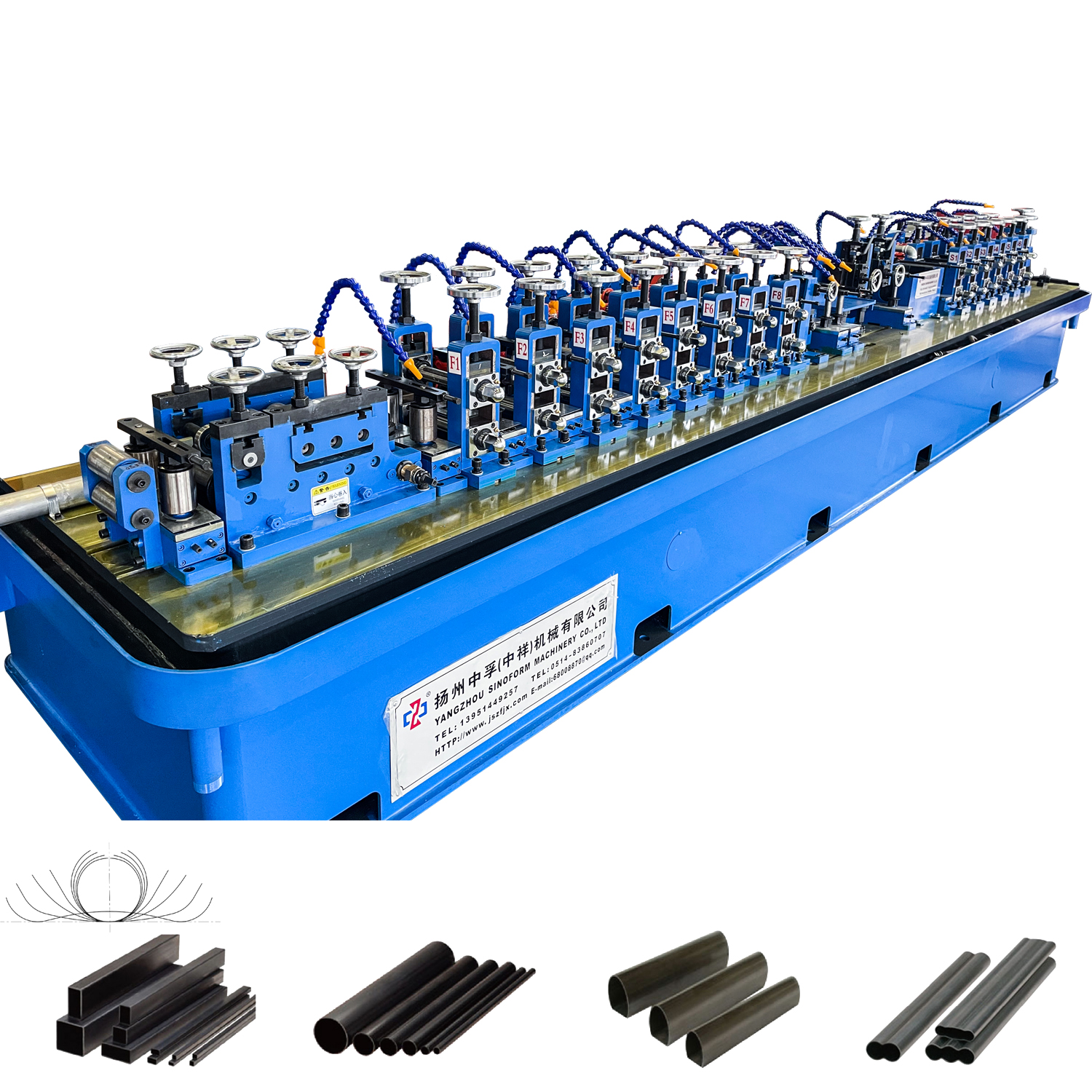 High Precision High-Frequency ERW Tube Mill line
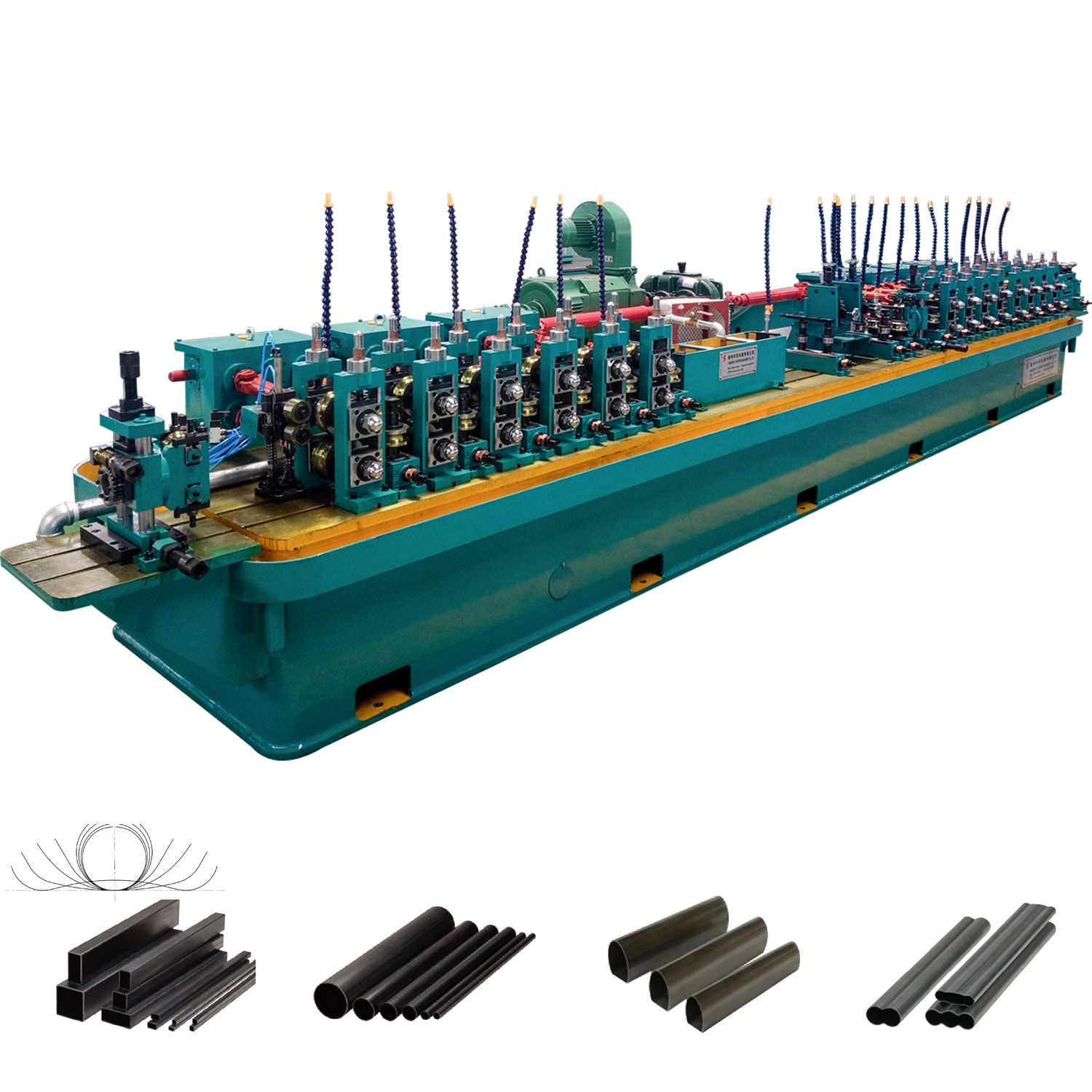 High Precision High-Frequency ERW Tube Mill line
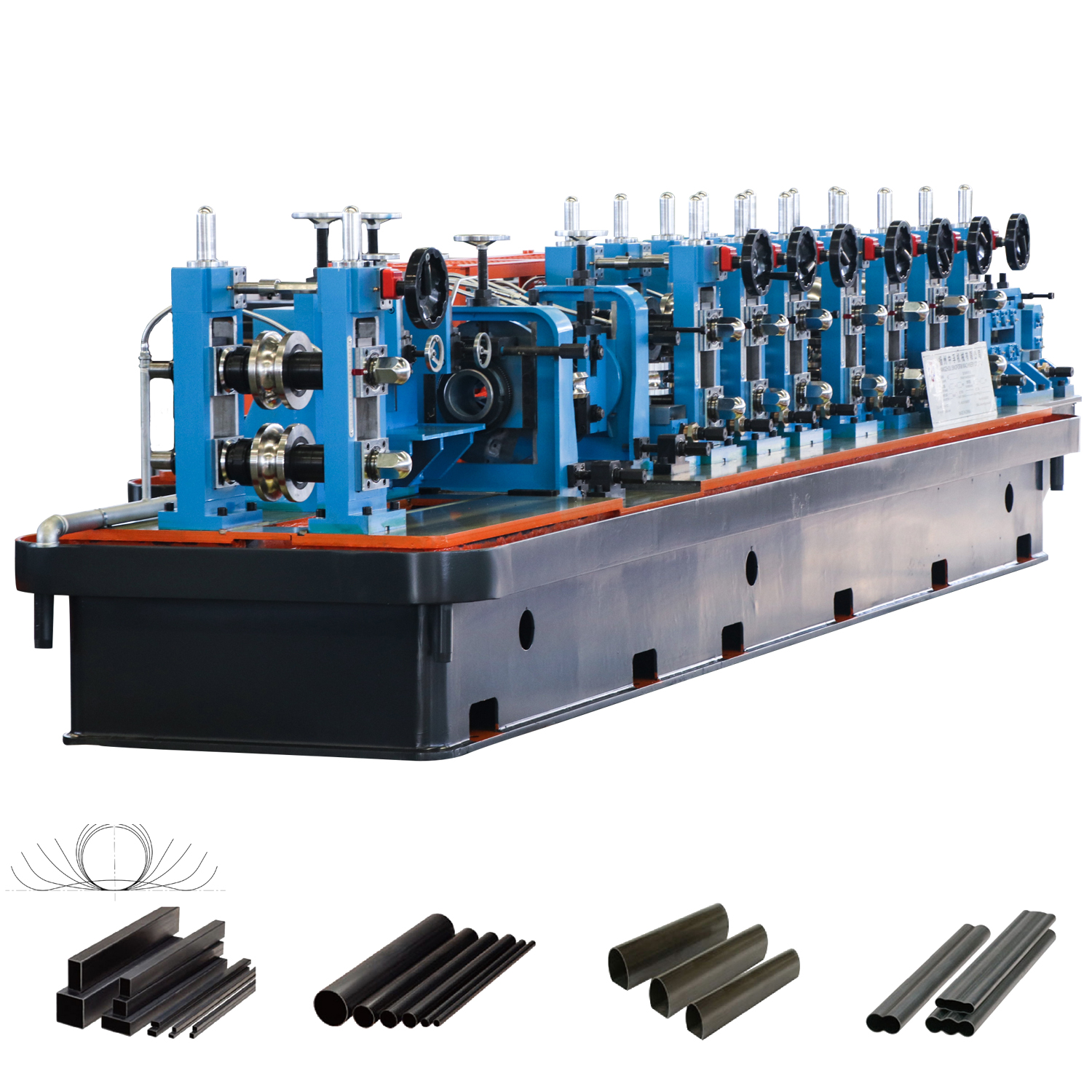 High Precision High-Frequency ERW Tube Mill line
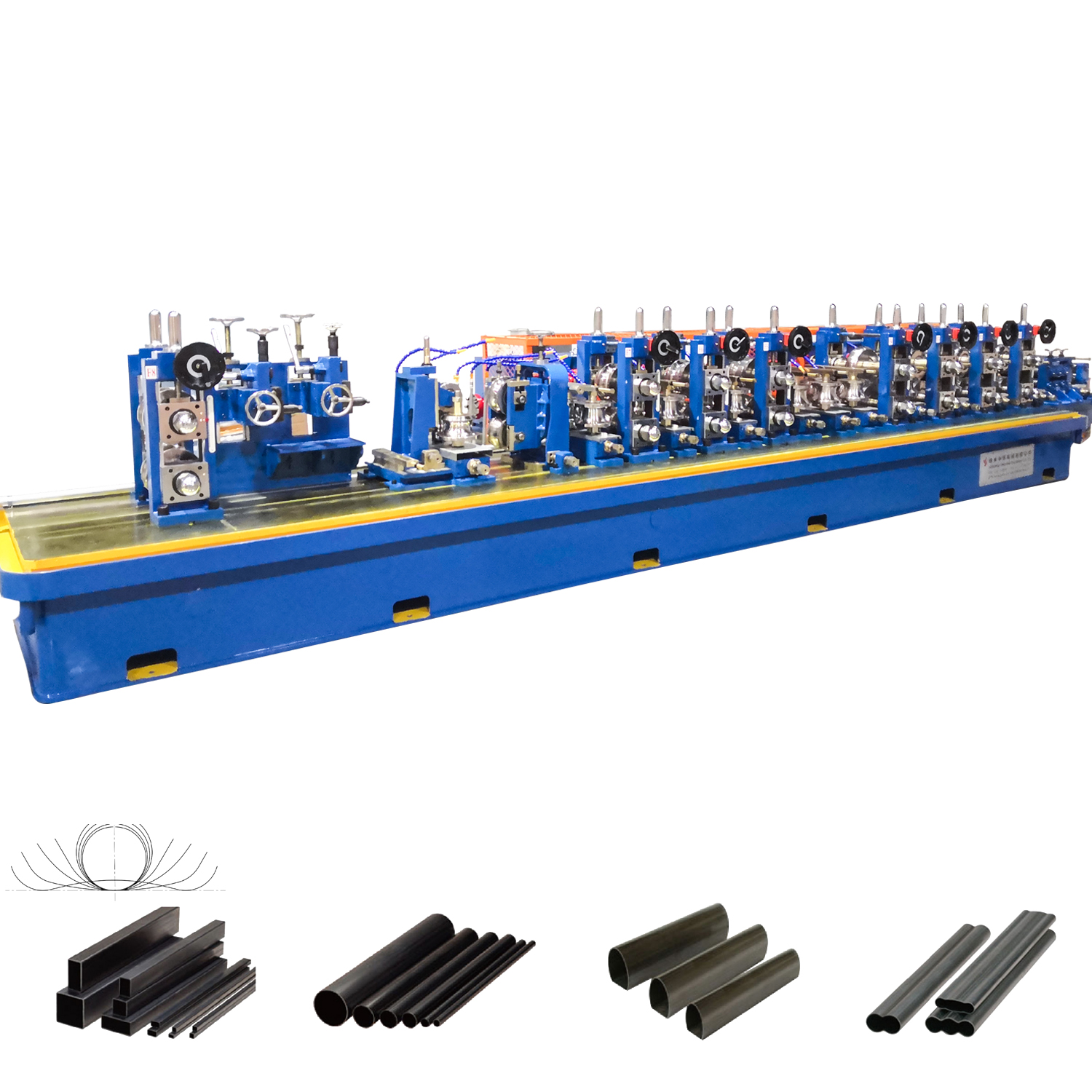 High Precision High-Frequency ERW Tube Mill line
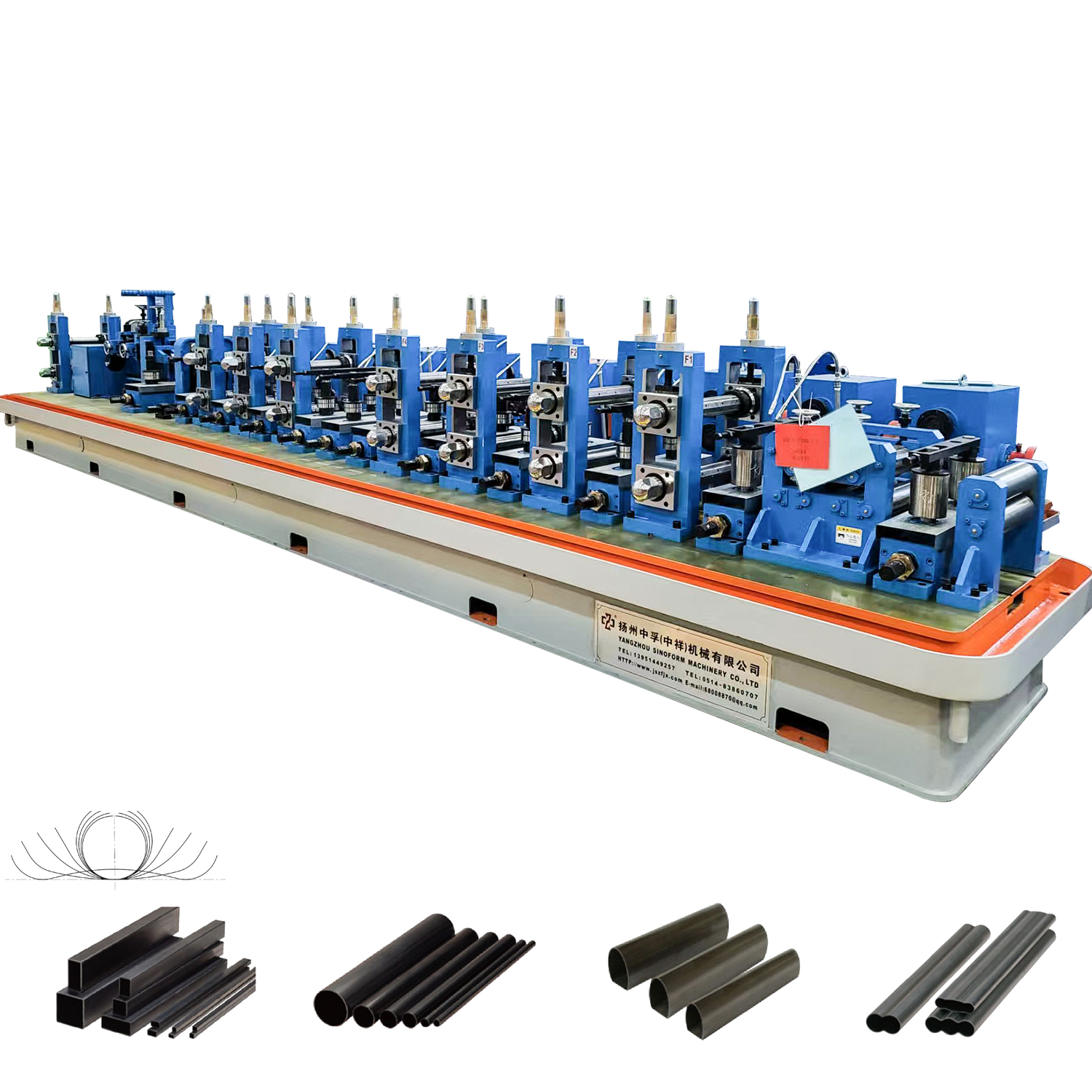 High Precision High-Frequency ERW Tube Mill line
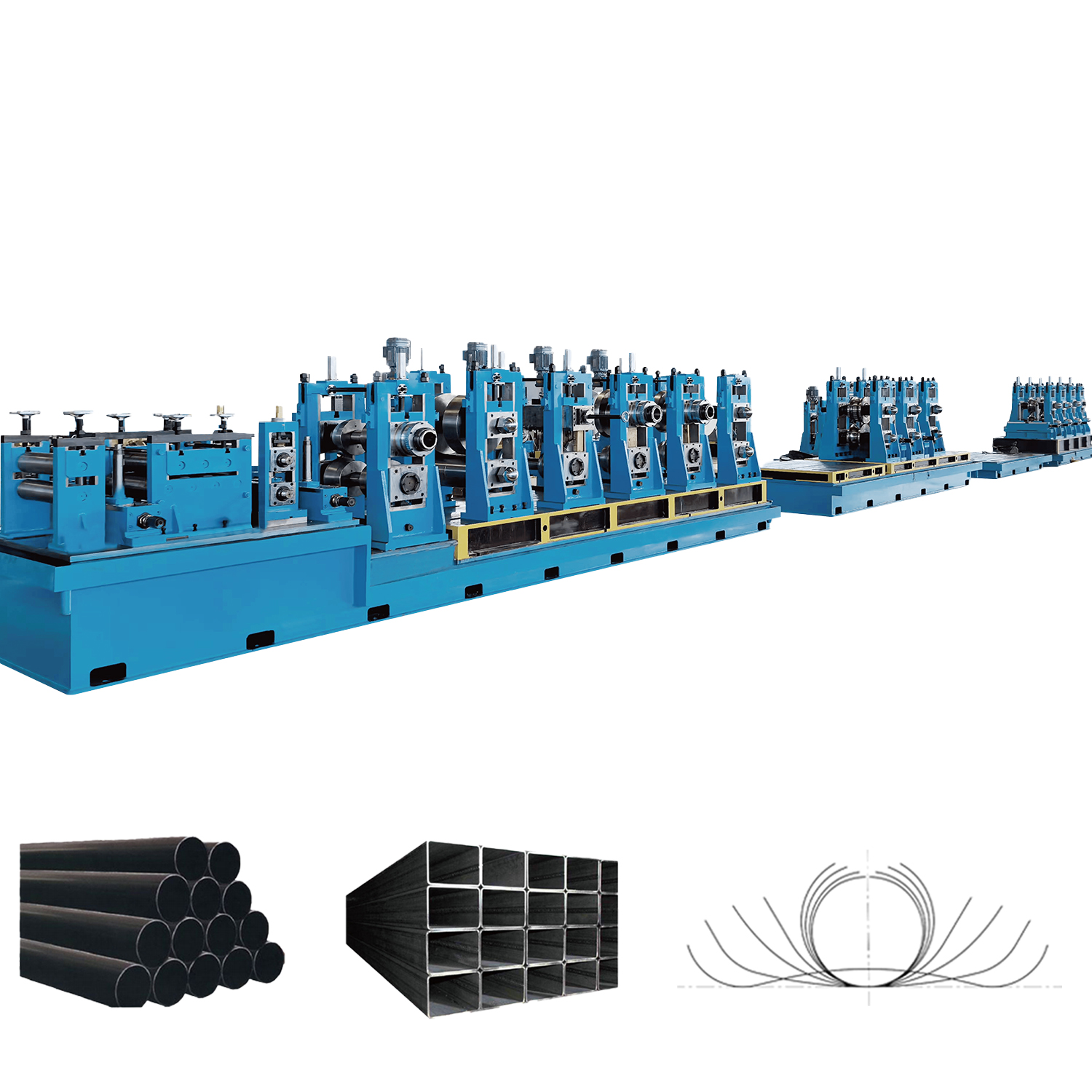 Large ERW tube mill line
Large ERW tube mill line
Large ERW tube mill line
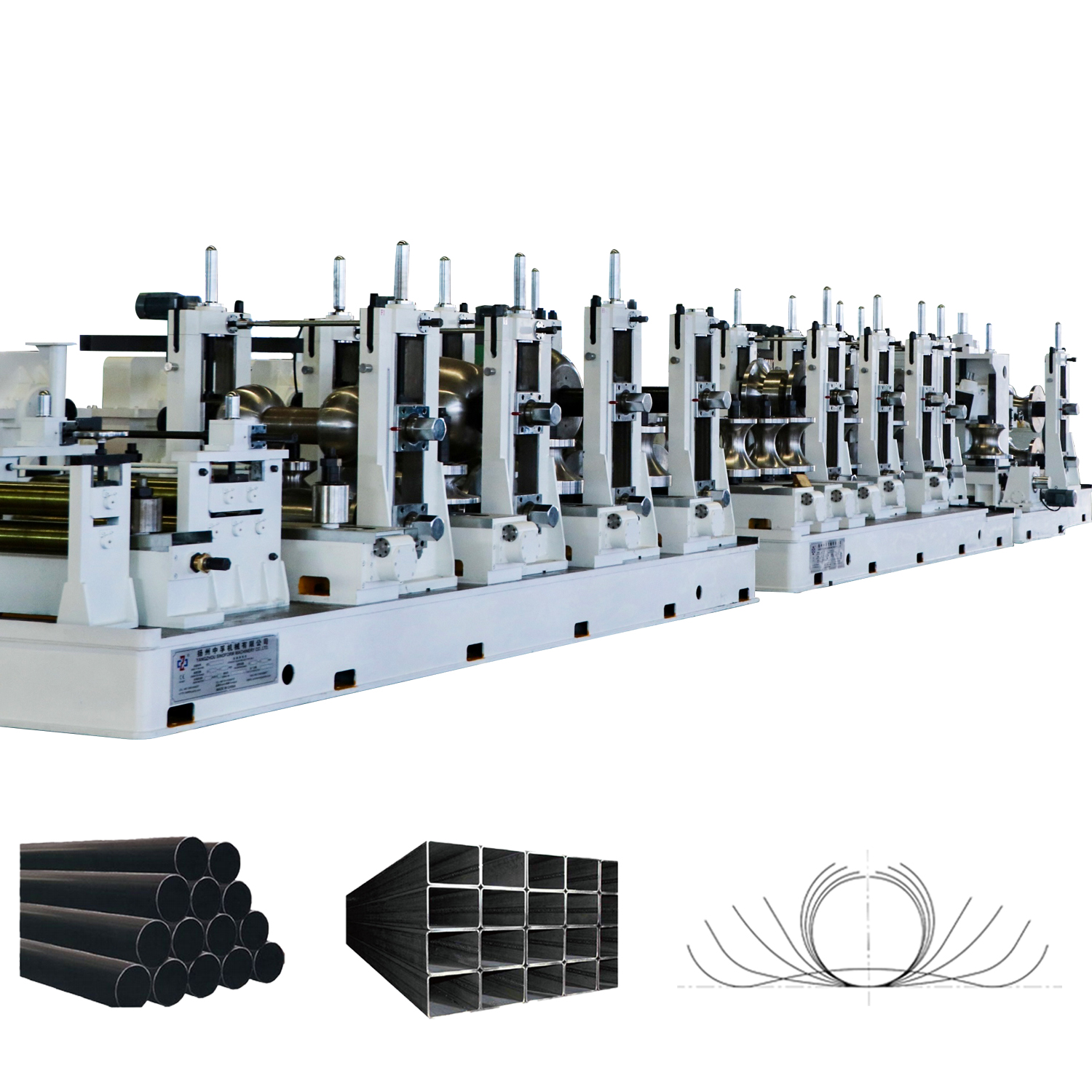 Large ERW tube mill line
Large ERW tube mill line
Large ERW tube mill line
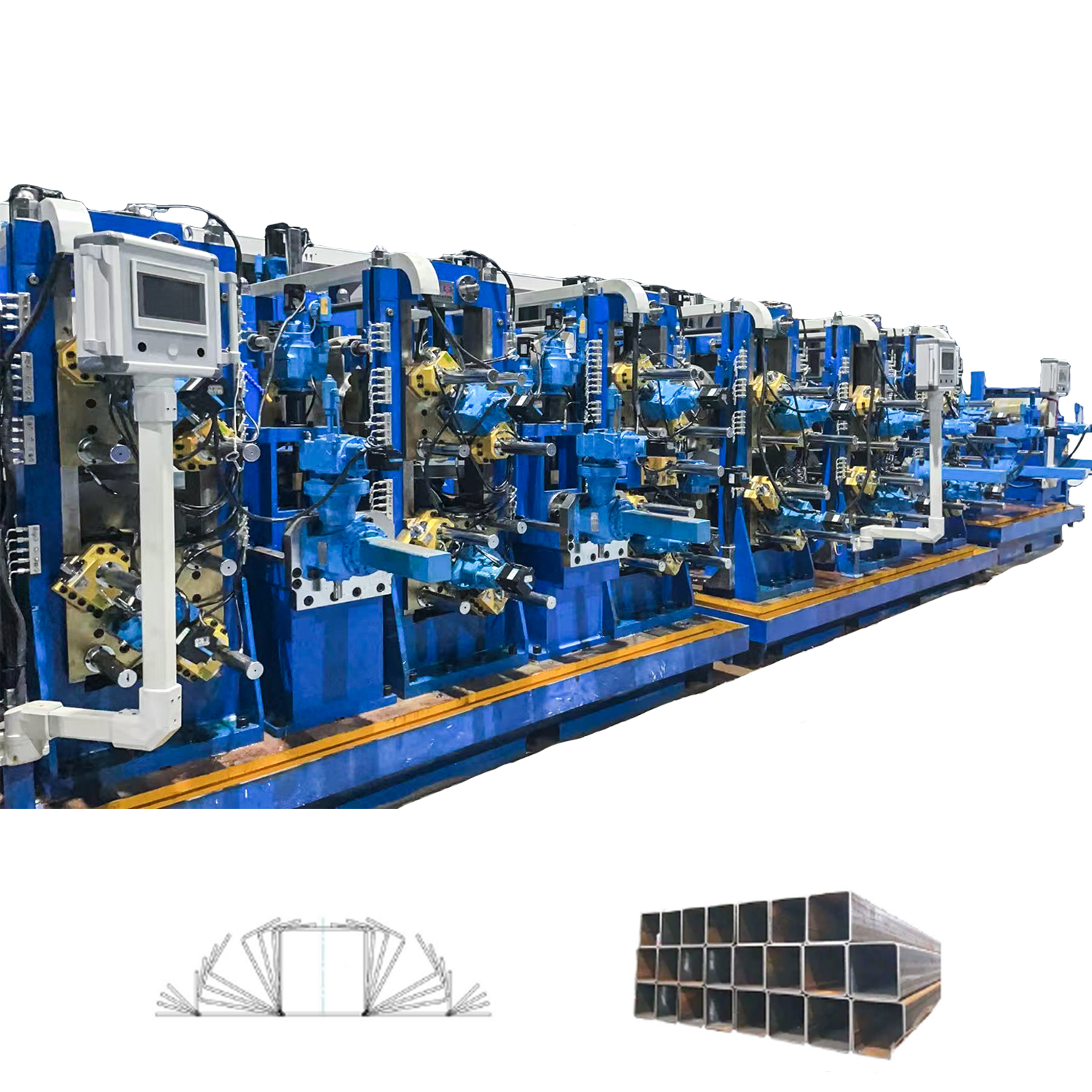 Direct To Square Welded Pipe Production Line
Direct To Square Welded Pipe Production Line
Direct To Square Welded Pipe Production Line
Direct To Square Welded Pipe Production Line
Direct To Square Welded Pipe Production Line

 No.1 Xiangjian Road, Northern
Suburbs Of Yangzhou City,
Jiangsu Province,China
No.1 Xiangjian Road, Northern
Suburbs Of Yangzhou City,
Jiangsu Province,China
 Phone: +86-0514-8363 8877
 E-mail: [email protected]
© Yangzhou SINOFORM Machinery Co., Ltd. Tube Mill Line Manufacturers
Pipe Making Machine Custom
Tube Making Machine Suppliers



 English
 Español
 عربى
عربى русский
 中文简体
中文简体