What Are the Key Advantages of Welded Pipe Line for Transportation?
Welded pipe line is a type of pipeline constructed by welding metal pipes together, and it offers several key advantages that make it a reliable choice for fluid and gas transportation. One of the main advantages is high structural strength. The welding process creates a strong, continuous joint between the pipes, which can withstand high pressure—this is crucial for transporting fluids (like oil, water, or chemicals) and gases (like natural gas) that are often moved at high pressures over long distances. The strong joints also make the pipeline resistant to external forces, such as ground movement or heavy loads, reducing the risk of pipe separation or leakage.
Another advantage is versatility in size and material. Welded pipelines can be manufactured in a wide range of diameters, from small pipes (as small as a few millimeters) used for industrial processes to large-diameter pipes (over 1 meter) for long-distance oil and gas transmission. They can also be made from various materials, including carbon steel, stainless steel, and alloy steel, allowing for customization based on the type of fluid/gas being transported and the environmental conditions. For example, stainless steel welded pipelines are used for transporting corrosive fluids (like acidic chemicals or saltwater), as they have excellent corrosion resistance, while carbon steel welded pipelines are commonly used for natural gas transportation due to their strength and cost-effectiveness.
Welded pipelines also have good leak tightness. When properly welded by qualified technicians and inspected (using non-destructive testing methods like X-ray, ultrasonic, or magnetic particle testing), the welded joints have minimal risk of leakage. This is essential for transporting hazardous fluids or gases, as leaks can lead to environmental pollution (such as oil spills), safety hazards (like gas explosions), and financial losses (from product waste or cleanup costs). Additionally, the continuous nature of welded pipelines reduces the number of joints compared to other pipeline types (like threaded or flanged pipelines)—fewer joints mean fewer potential leak points, further enhancing reliability.
What Are the Common Applications of Welded Pipe Line?
Welded pipe line is widely used in various industries for the transportation of fluids and gases, thanks to its strength and versatility. In the oil and gas industry, it is the primary choice for long-distance transmission pipelines. For example, cross-country oil pipelines (like the Trans-Alaska Pipeline System) use large-diameter carbon steel welded pipes to transport crude oil from production sites to refineries. Similarly, natural gas transmission pipelines (such as the Rockies Express Pipeline in the U.S.) rely on welded pipelines to move natural gas across hundreds or thousands of kilometers, as the strong joints can handle the high pressure (often 600-1,000 psi) required for long-distance transport. Welded pipelines are also used in offshore oil and gas operations—here, corrosion-resistant alloy steel or stainless steel welded pipes are preferred to withstand the harsh marine environment (saltwater, waves, and corrosion).
In the water and wastewater industry, welded pipelines are used for large-scale water distribution and sewage transport. Municipalities often use carbon steel or ductile iron welded pipelines for main water lines, as they can handle the pressure needed to supply water to entire neighborhoods or cities. For wastewater transport, welded pipelines are resistant to the abrasive and corrosive nature of sewage, ensuring long-term durability. Additionally, welded pipelines are used in desalination plants, where stainless steel welded pipes transport saltwater and treated freshwater, as they resist corrosion from saltwater.
The chemical and petrochemical industry also relies heavily on welded pipelines. These industries need to transport a variety of hazardous or corrosive fluids (like acids, alkalis, and petrochemical derivatives), so stainless steel or alloy steel welded pipelines are used. The leak-tight joints of welded pipelines prevent the release of toxic chemicals, protecting workers and the environment. For example, in refineries, welded pipelines transport gasoline, diesel, and other petroleum products between processing units, as they can withstand the high temperatures and pressures of refinery operations.
In the power generation industry, welded pipelines are used for transporting steam, cooling water, and fuel (like coal slurry or natural gas) to power plants. For coal-fired power plants, large-diameter welded pipelines carry cooling water from rivers or lakes to the plant’s cooling systems. In natural gas-fired power plants, welded pipelines transport natural gas to the combustion chambers, as their strong joints can handle the high pressure of the gas supply. Additionally, welded pipelines are used in geothermal power plants to transport hot, corrosive geothermal fluids, often using corrosion-resistant alloy welded pipes.
What Factors Should Be Considered When Installing Welded Pipe Line?
Installing a welded pipe line requires careful planning to ensure reliability and safety. First, site and environmental assessment is crucial. Before installation, engineers must evaluate the terrain (whether it’s flat, hilly, or offshore), soil conditions (like soil type, moisture content, and load-bearing capacity), and local weather patterns. For example, in areas with permafrost (like northern Canada or Alaska), special installation techniques (such as insulating the pipeline or using elevated supports) are needed to prevent the pipeline from shifting as the permafrost thaws. In offshore areas, the pipeline must be designed to withstand waves, currents, and potential damage from ships or marine life.
Second, material selection must align with the transported fluid/gas and environment. As mentioned earlier, carbon steel is suitable for non-corrosive fluids (like natural gas or freshwater), while stainless steel or alloy steel is better for corrosive fluids (like saltwater or chemicals). The thickness of the pipe wall is also important—thicker walls are needed for high-pressure applications (like long-distance oil transmission) or areas with high external pressure (like deep offshore pipelines). Additionally, the type of welding process (such as shielded metal arc welding, gas metal arc welding, or submerged arc welding) should be chosen based on the pipe material and installation conditions—submerged arc welding, for example, is often used for large-diameter pipes due to its high efficiency and strong welds.
Third, welding quality control and inspection are non-negotiable. All welds must be performed by certified welders, and each weld should undergo non-destructive testing (NDT) to detect defects like cracks, voids, or incomplete fusion. Common NDT methods include X-ray testing (which uses radiation to detect internal defects), ultrasonic testing (which uses sound waves to check weld integrity), and magnetic particle testing (which detects surface defects in ferrous materials). Any defective welds must be repaired and re-inspected before the pipeline is put into use, as even small weld defects can lead to leaks or pipeline failure over time.
Fourth, backfilling and protection after installation are essential. Once the pipeline is welded and inspected, it is buried in a trench (for onshore pipelines) or laid on the seabed (for offshore pipelines). The trench should be filled with suitable material (like sand or gravel) to protect the pipeline from damage by rocks or sharp objects. For onshore pipelines, additional protection (like concrete casing or corrosion-resistant coatings) may be needed in areas with high traffic or potential excavation. Offshore pipelines may be covered with concrete mattresses or buried in the seabed to protect against anchors or fishing gear.
How to Maintain Welded Pipe Line to Ensure Long-Term Reliability?
Long-term maintenance is key to extending the lifespan of a welded pipe line (which can be 50 years or more with proper care). First, regular inspection is necessary to detect issues early. Onshore pipelines can be inspected using inline inspection tools (also called “smart pigs”)—these devices are inserted into the pipeline and use sensors to detect corrosion, weld defects, or blockages. Smart pigs can collect data on pipeline condition, which engineers can use to prioritize maintenance. Offshore pipelines may be inspected using remotely operated vehicles (ROVs) equipped with cameras and sensors, which can check the pipeline’s exterior for damage or corrosion.
Second, corrosion prevention is critical, especially for pipelines transporting corrosive fluids or located in harsh environments. Corrosion can weaken the pipe wall and lead to leaks, so pipelines are often coated with corrosion-resistant materials (like polyethylene or epoxy) during installation. For buried pipelines, cathodic protection (either sacrificial anodes or impressed current systems) is used to prevent corrosion—sacrificial anodes (made of zinc or magnesium) corrode instead of the pipeline, while impressed current systems use an external power source to create a protective electrical current. Regular checks of the corrosion protection system (like testing the voltage of cathodic protection anodes) are needed to ensure it is working properly.
Third, leak detection systems should be installed and monitored. Modern welded pipelines are often equipped with pressure sensors and flow meters that can detect sudden changes in pressure or flow—these changes may indicate a leak. For long-distance pipelines, fiber optic sensors (installed alongside the pipeline) can detect temperature changes (a leak of hot oil or gas, for example, will cause a temperature spike) or vibrations (from a pipeline breach). Additionally, operators should conduct regular visual inspections of above-ground pipeline sections (like valves or pump stations) and respond quickly to any signs of leakage (such as oil slicks, gas odors, or wet soil).
Fourth, emergency response planning is essential. Even with proper maintenance, pipeline failures can occur (due to natural disasters, third-party damage, or unexpected corrosion). Operators should have a detailed emergency response plan that includes procedures for shutting down the pipeline, containing leaks, and cleaning up spills. The plan should also include contact information for local emergency services, environmental agencies, and repair crews. Regular drills and training for staff can ensure that the emergency response is quick and effective, minimizing the impact of a pipeline failure on the environment and public safety.
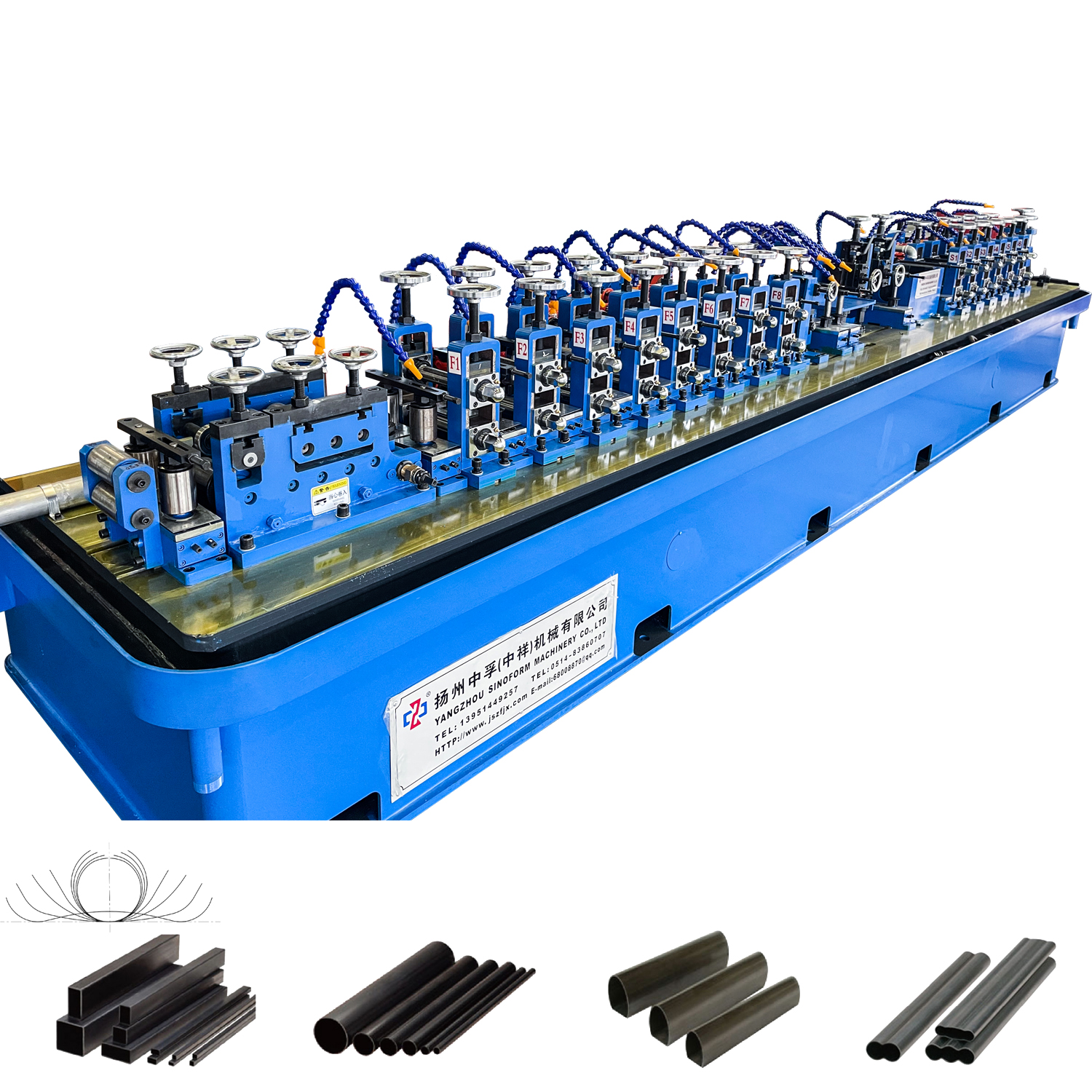 High Precision High-Frequency ERW Tube Mill line
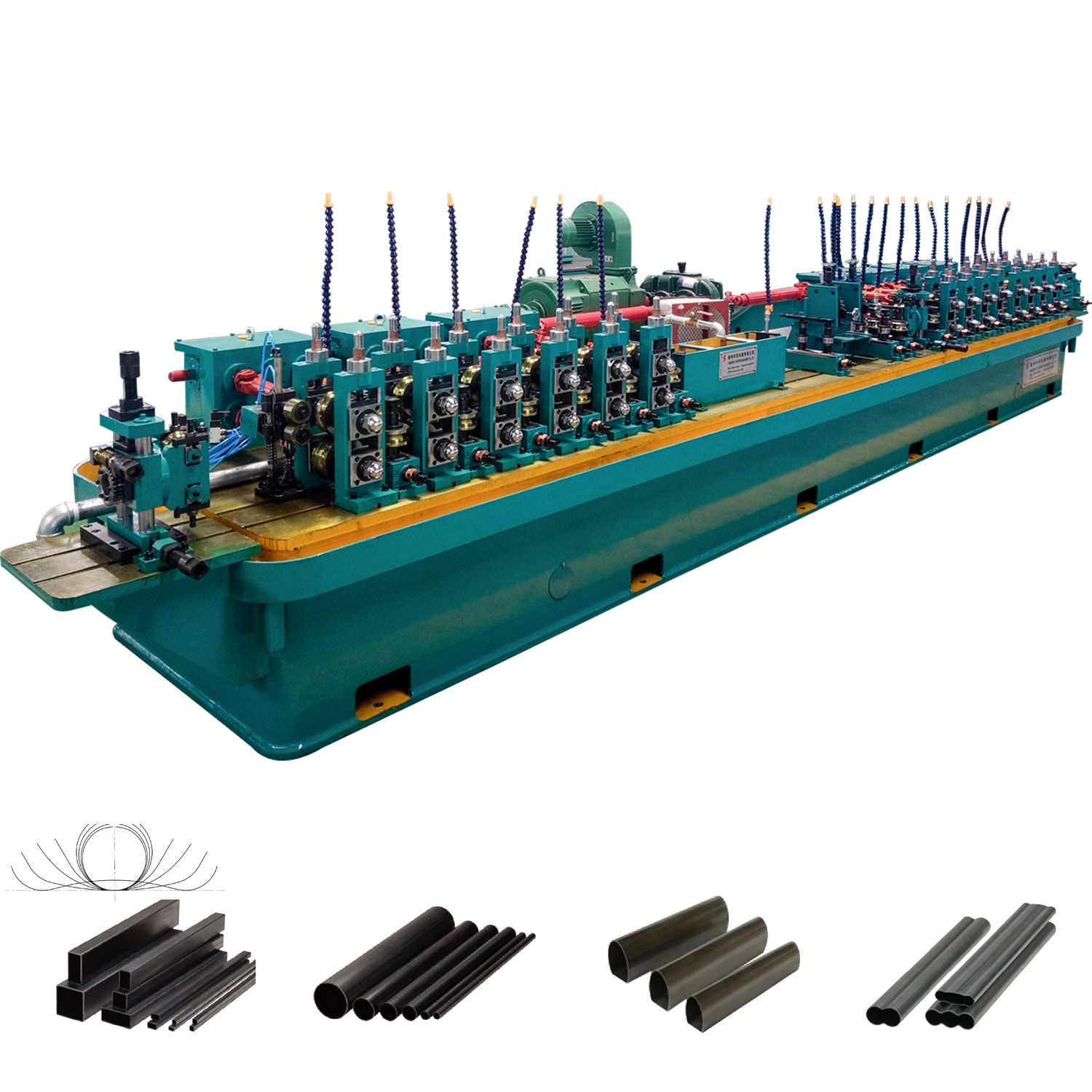 High Precision High-Frequency ERW Tube Mill line
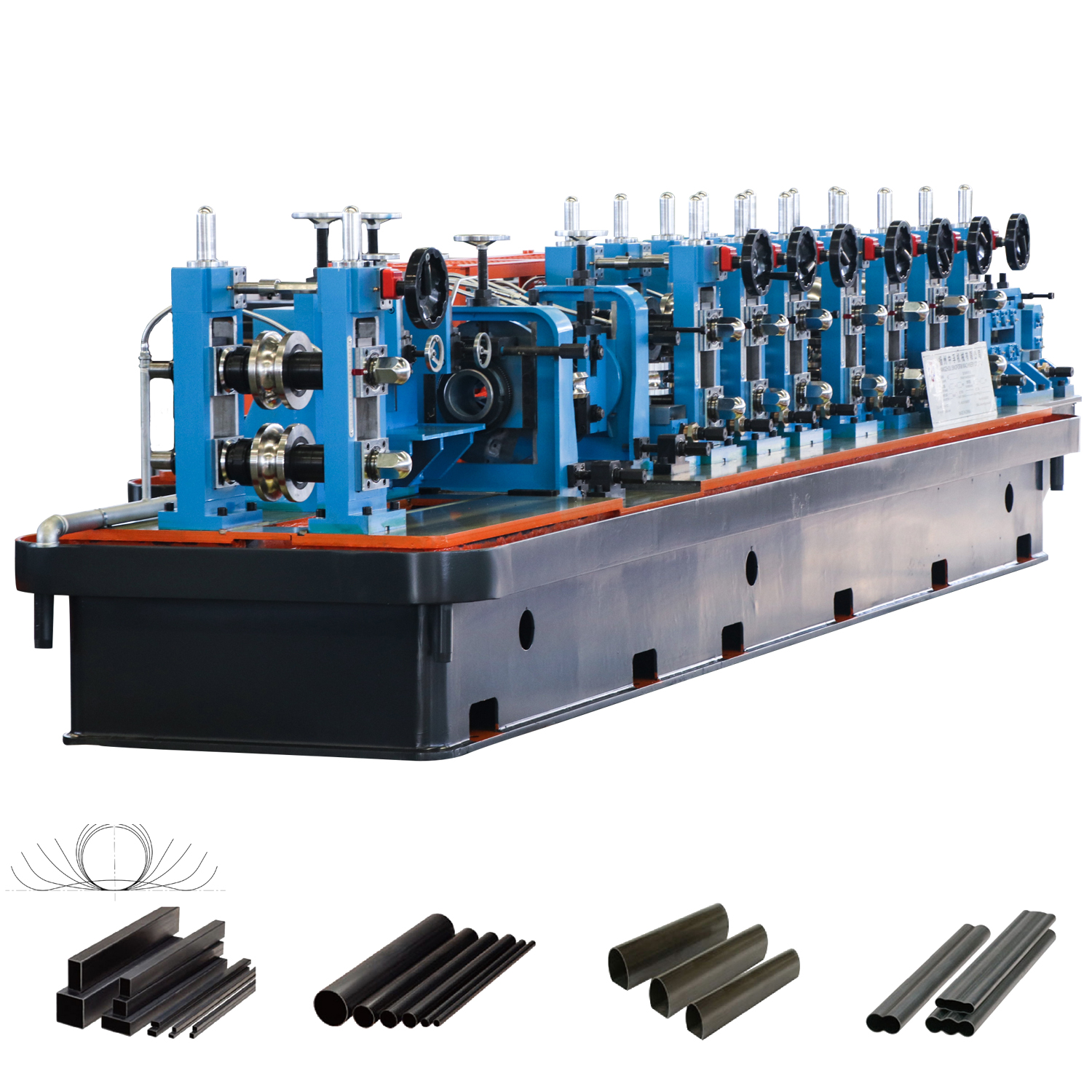 High Precision High-Frequency ERW Tube Mill line
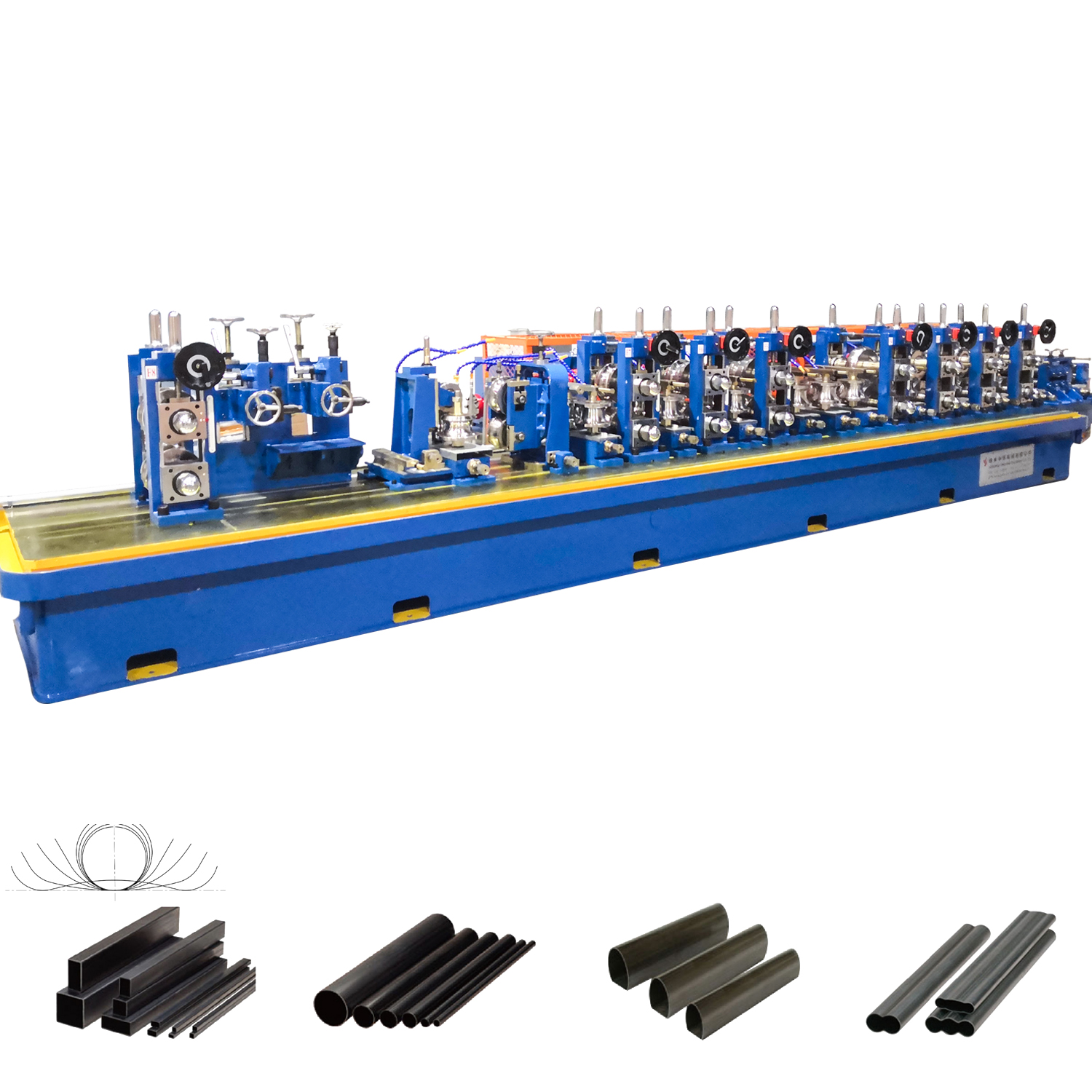 High Precision High-Frequency ERW Tube Mill line
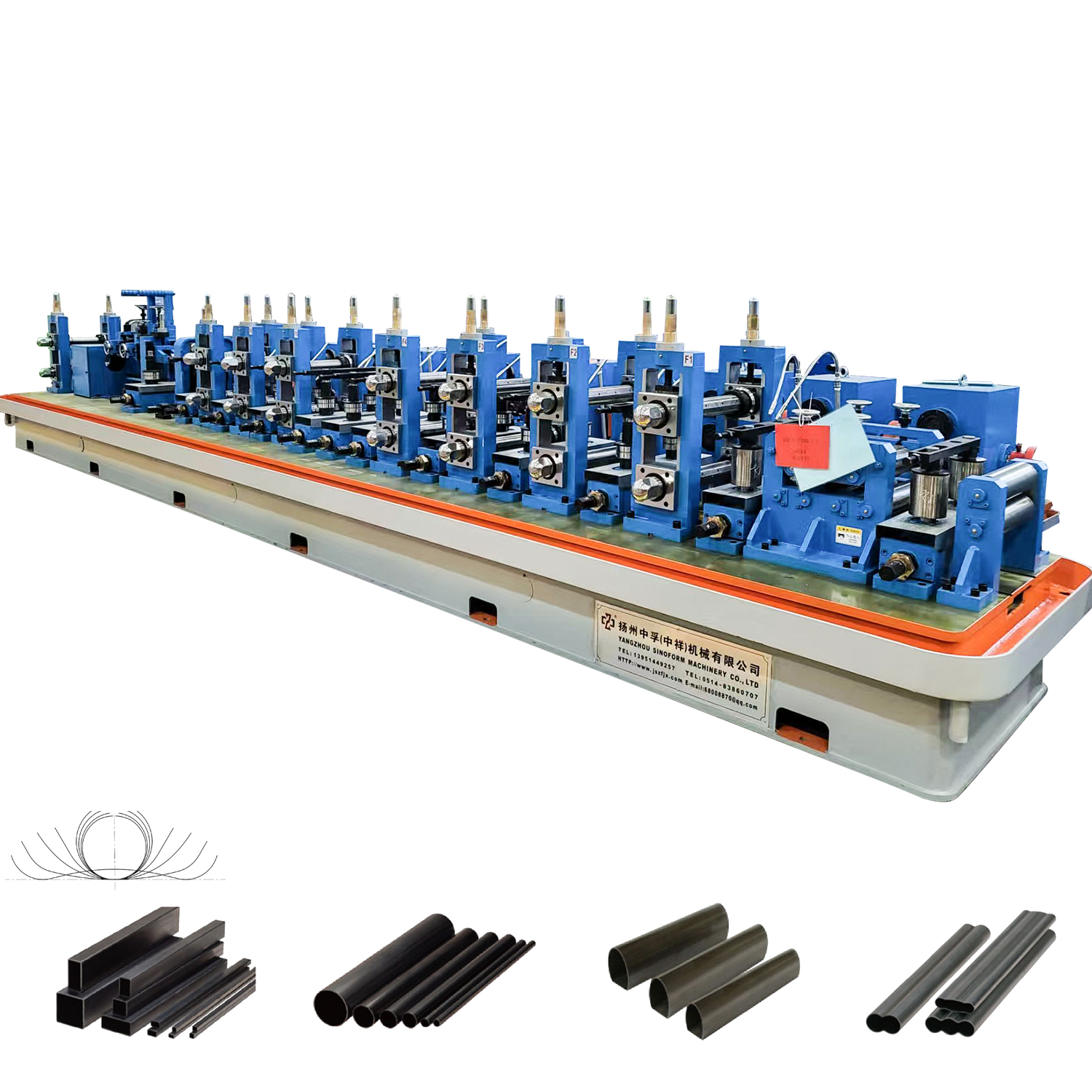 High Precision High-Frequency ERW Tube Mill line
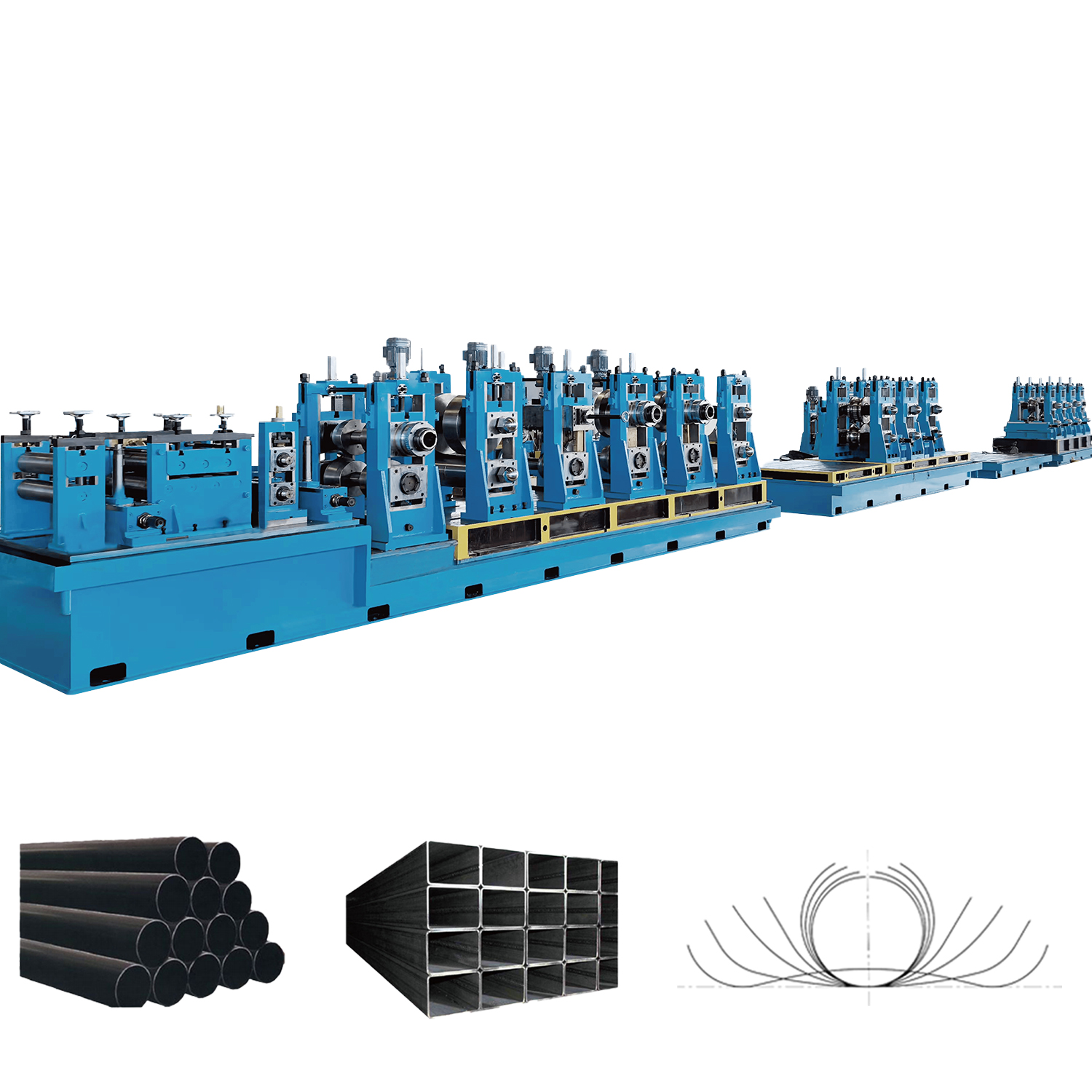 Large ERW tube mill line
Large ERW tube mill line
Large ERW tube mill line
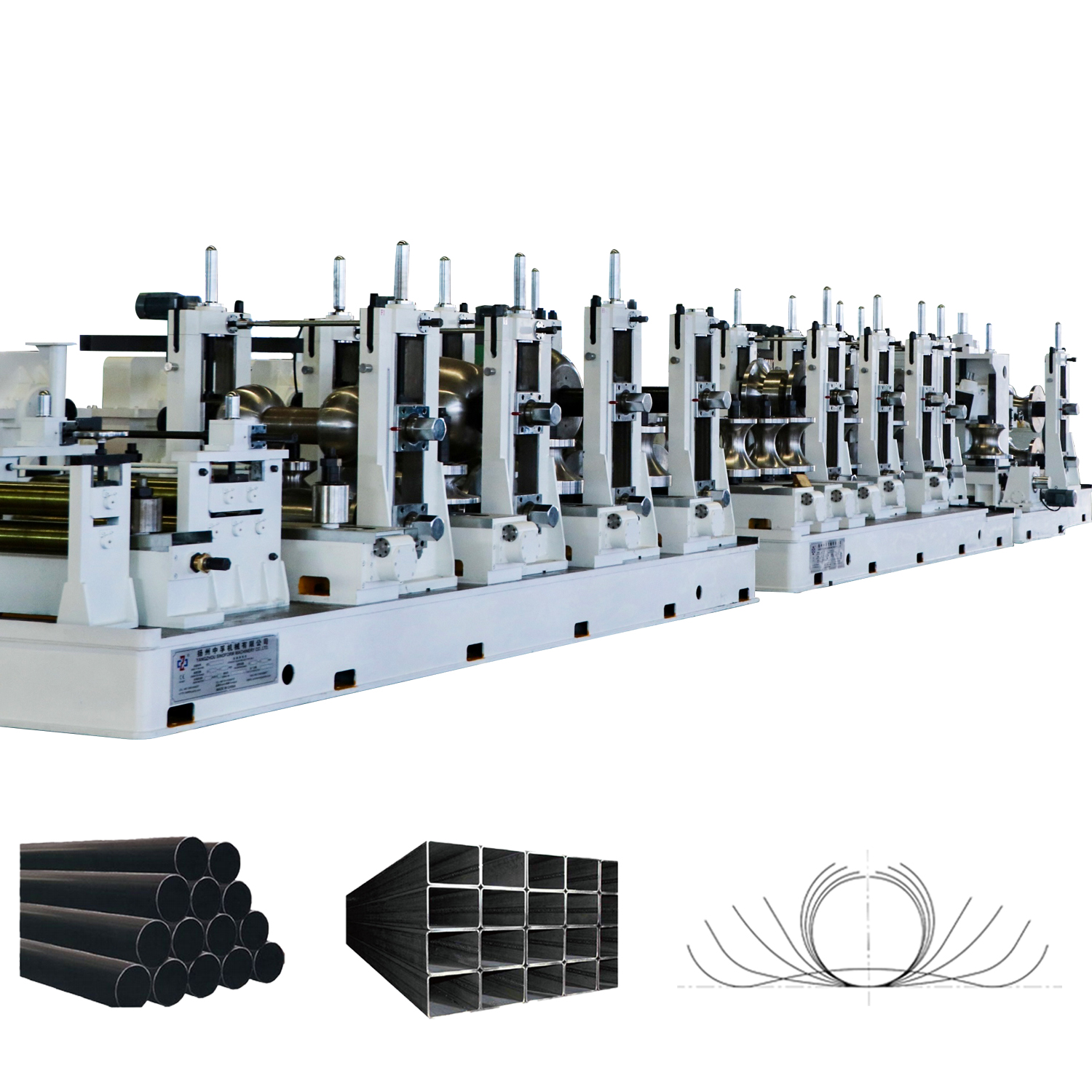 Large ERW tube mill line
Large ERW tube mill line
Large ERW tube mill line
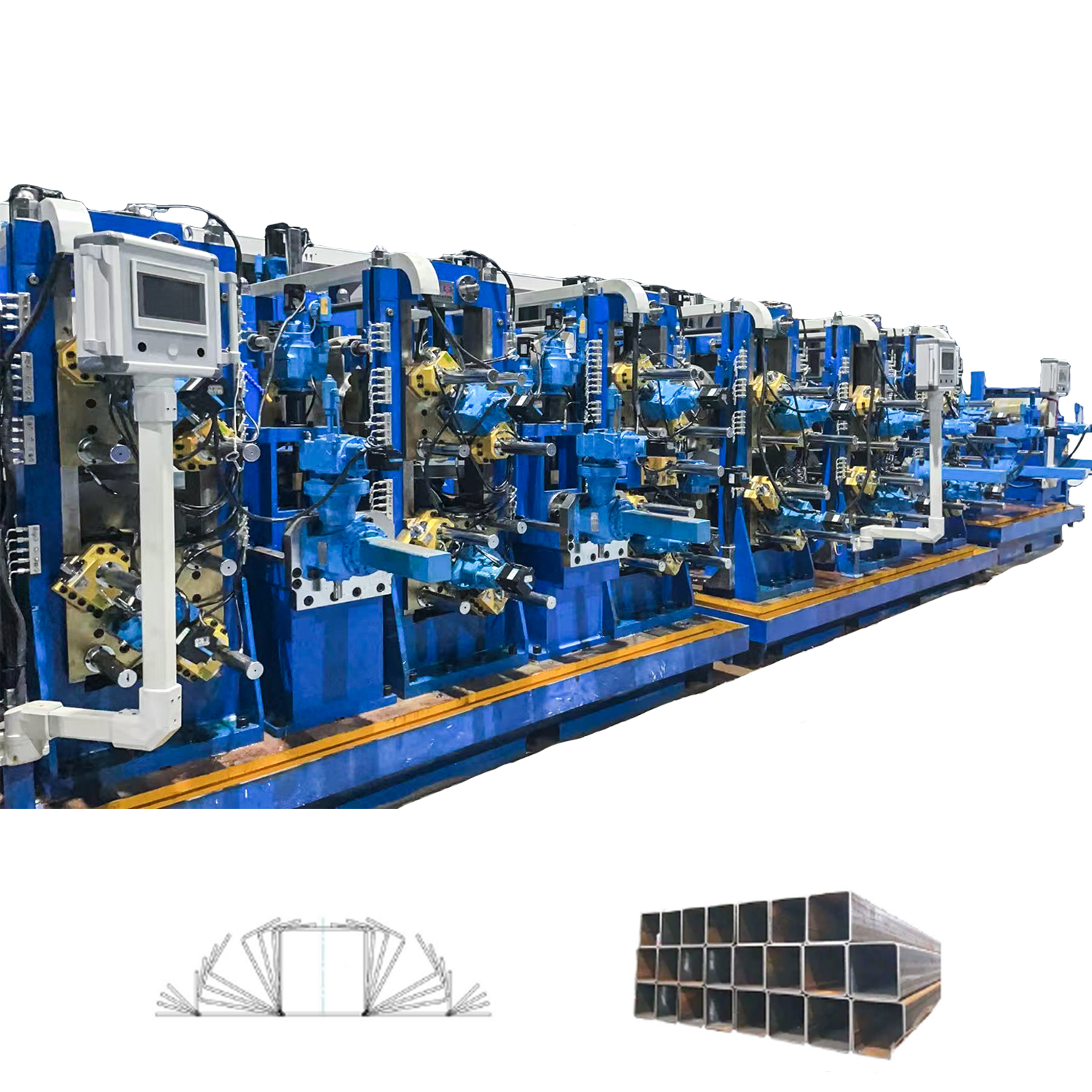 Direct To Square Welded Pipe Production Line
Direct To Square Welded Pipe Production Line
Direct To Square Welded Pipe Production Line
Direct To Square Welded Pipe Production Line
Direct To Square Welded Pipe Production Line

 No.1 Xiangjian Road, Northern
Suburbs Of Yangzhou City,
Jiangsu Province,China
No.1 Xiangjian Road, Northern
Suburbs Of Yangzhou City,
Jiangsu Province,China
 Phone: +86-0514-8363 8877
 E-mail: [email protected]
© Yangzhou SINOFORM Machinery Co., Ltd. Tube Mill Line Manufacturers
Pipe Making Machine Custom
Tube Making Machine Suppliers



 English
 Español
 عربى
عربى русский
 中文简体
中文简体