What types of steel pipes can be produced by ERW pipe machine and in which areas are these steel pipes used?
With its efficient and low-cost production advantages, ERW pipe machine can produce straight-slit resistance welded steel pipes (ERW steel pipes) of various specifications and materials. According to the pipe diameter, wall thickness, material and surface treatment methods, there are rich product types and are widely used in various fields such as municipal engineering, energy transmission, machinery manufacturing, and construction industries.
From the perspective of product type, first of all, by pipe diameter classification, resistance welded pipe machine can produce small-diameter welded pipe (pipe diameter ≤50mm), medium-diameter welded pipe (pipe diameter 50-200mm) and large-diameter welded pipe (pipe diameter 200-630mm). Small-diameter welded pipes are usually thin-walled pipes (wall thickness 0.5-3mm). Common specifications such as DN15 (pipe diameter 15mm), DN20 (20mm), etc., mostly made of low-carbon steel, and the surface is often galvanized (i.e. galvanized welded pipes). This steel pipe has good corrosion resistance and is used in municipal projects for indoor and outdoor water supply and drainage pipes, such as tap water inlet pipes and bathroom drainage branches in residential buildings; in the field of mechanical manufacturing, it can be used as hydraulic oil pipes and pneumatic pipelines for small mechanical equipment. Because of their small diameter and light weight, it is convenient for the internal layout of the equipment.
The wall thickness of medium-diameter welded pipes is mostly 3-10mm, and the materials cover low-carbon steel and low-alloy steel. Some of them will be treated with anti-corrosion coating (such as epoxy coal asphalt coating). In the field of energy transmission, it is often used in urban gas medium and low pressure conveying pipelines, such as gas branch pipes in communities, which can meet the sealing and pressure resistance requirements of gas transportation; in the construction industry, it can be used as raw materials for scaffolding vertical poles and cross bars, and its strength can support construction loads and is cost-effective than seamless steel pipes. The wall thickness of larger diameter welded pipes is usually 10-20mm, and the material is mainly low-alloy steel. It is mainly used in urban central heating pipelines and industrial circulation water pipelines. For example, the cooling water conveying main pipes in factories need to withstand a certain pressure and temperature. The high strength of low-alloy steel and the sealing after welding can ensure the long-term and stable operation of the pipeline.
According to material classification, resistance welded pipe machines can produce low-carbon steel welded pipes, low-alloy steel welded pipes and stainless steel welded pipes. Low-carbon steel welded pipes (such as Q235 material) have the largest output and the lowest cost. They are suitable for scenarios with low strength requirements, such as ordinary water supply and drainage and gas branch pipes; low-alloy steel welded pipes (such as Q345 material) have added alloy elements such as manganese and silicon, and are 30%-50% higher than low-carbon steel welded pipes. They can be used in high-pressure water supply and industrial pressure pipelines, such as process fluid delivery pipelines in chemical plants; stainless steel welded pipes (such as 304 and 316 materials) have excellent corrosion resistance and can be used in acid and alkali environments. They are used in food processing industries to convey food raw materials and water cleaning pipelines, and in the medical industry for fluid delivery pipelines for medical devices to avoid contamination of materials.
According to the surface treatment method, it can also be divided into black tubes (untreated), galvanized tubes, plastic coated tubes, etc. Black pipes are mainly used in temporary pipelines or scenes where secondary processing is required in subsequent situations. For example, as a member connecting pipe in steel structure projects, anti-rust paint is required in subsequent applications; plastic coatings are coated with polyethylene, epoxy resin and other plastic coatings on the inner and outer walls of the welded pipes. In addition to corrosion resistance, they can also reduce the scale of the inner wall of the pipe. They are suitable for conveying sewage and chemical wastewater and other highly corrosive media, such as sewage transport pipelines of sewage treatment plants.
What operating specifications should be paid attention to during use of ERW pipe machine and how to carry out daily maintenance?
As a high-precision industrial equipment, standardized operation is the key to ensuring production safety and product quality. At the same time, scientific daily maintenance can extend the service life of the equipment and reduce failure downtime.
In terms of operating specifications, you must first prepare before starting the machine. Operators must wear protective equipment, such as safety helmets, anti-scalding gloves, and goggles to avoid damage caused by high-temperature metal splash during welding; check the status of each component of the equipment, including whether the tension system of the unwinder is normal, whether the roller system of the forming machine is aligned, whether the electrodes or induction coils of the welding machine are worn, and whether the cooling liquid level of the cooling system is sufficient. If the components are loose, worn or insufficient, they need to be adjusted, replaced or supplemented in time. It is strictly forbidden to operate with faults. After starting the machine, trial production is required. First, input small batches of strip steel raw materials, observe the forming accuracy and weld quality of the welded pipe (such as whether there are unwelded or cracks). Only after confirming that the first product is qualified through the detection equipment (such as ultrasonic flaw detector) can you enter the mass production stage; during the production process, the operator needs to monitor the equipment operating parameters in real time, such as welding current, voltage, extrusion roller pressure, and strip steel conveying speed. If the parameters fluctuate abnormally, the machine must be stopped immediately to prevent mass products from being scrapped or equipment damage due to out-of-control parameters. In addition, it is necessary to pay attention to the quality control of strip steel raw materials. It is strictly forbidden to use strip steel with severe rust, scratches or thickness deviations on the surface. This type of strip steel will lead to difficulties in forming, increase weld defects, and increase the risk of equipment failure.
Daily maintenance needs to be carried out on a cycle and can be divided into daily maintenance, weekly maintenance and monthly maintenance. The focus of daily maintenance is cleaning and basic inspection: After the production is completed, clean the strip steel debris and oil stains on the surface of the equipment, especially metal splashes near the welding machine to prevent accumulation from affecting the heat dissipation of the components; check the cooling system, clean the impurities in the coolant water tank, and replenish the coolant (if water is used to cool, anti-rust agents must be added regularly to prevent the water tank from rusting); check the lubricating oil level in each transmission area, such as the gear box of the uncoiler and the cutting machine. If the oil level is too low, add the corresponding model of lubricating oil. Weekly maintenance requires in-depth inspection of key components: disassemble the electrodes or induction coils of the welding machine, check whether the surface is burned or deformed, if there is slight burning, it can be repaired by grinding, and it needs to be replaced when serious; check the roller bearings of the forming machine, and rotate the rollers to feel stuck or abnormal noise. If there is any abnormality, the bearings need to be disassembled, clean the internal oil and grease, and replace the bearings if necessary; check the tool wear of the deburring machine, measure the tool size. If the wear amount exceeds the specified value (usually 0.5mm), the tool position needs to be adjusted or a new tool needs to be replaced to ensure the burr removal effect. Monthly maintenance requires comprehensive maintenance and calibration: the roller systems of the sizing machine and straightening machine are calibrated accurately, and the parallelism and perpendicularity of the rollers are measured using a laser collimator. If the deviation exceeds the limit, correct it by adjusting bolts; check whether the electrical system of the equipment, including the terminals in the control cabinet, and whether the parameters of the inverter are normal, clean up the dust in the electrical cabinet, and prevent dust from accumulation and causing short circuits in the electrical components; perform functional tests on the equipment's safety protection devices (such as emergency stop buttons and guardrails) to ensure that they are sensitive and effective. If the protection device is found to be damaged, it needs to be repaired or replaced immediately. It is strictly forbidden to operate the equipment in the absence of safety protection.
What common failures are prone to occur during operation of ERW pipe machine, and what are the corresponding solutions?
During long-term operation of ERW pipe machine, due to factors such as raw material quality, operating method, component wear, etc., various faults may occur. Timely identification of the cause of the fault and adopt targeted solutions is the key to ensuring continuous production.
The first common fault is "weld not welded", which is manifested as gaps at the welded pipe weld. During detection, the ultrasonic flaw detector shows that there is an unfused area inside the weld. There are three main reasons for the failure: First, the welding current or voltage is insufficient, resulting in the temperature of the edge of the pipe blank that does not reach the welding temperature; second, the pressure of the extrusion roller is too small, and the edge of the pipe blank cannot be fully extruded and fused; third, there is oil stains and rust on the edge of the strip steel, which affects the current conduction and metal fusion. The solution needs to be dealt with in a targeted manner: if it is a parameter problem, the welding current needs to be gradually increased (the adjustment range is not more than 5%), and the pressure of the extrusion roller is appropriately increased. After adjustment, the weld quality is detected by trial welding until the weld is not penetrated. If it is a strip edge problem, a cleaning device needs to be added after the uncoiler, and the oil stains and rust on the strip edges are removed through alkaline liquid cleaning and high-pressure water washing to ensure that the cleanliness of the strip edge meet the standards before entering the molding welding process.
The second fault is "the ellipticity of the welded pipe molding exceeds the standard", that is, the cross-section of the welded pipe is not round, and the difference between the maximum diameter and the minimum diameter exceeds the specified tolerance (usually 1% of the pipe diameter). This fault is mostly caused by misalignment of the forming machine roller system, unstable tension of the strip steel or insufficient accuracy of the sizing machine roller system. The solutions are as follows: First, check whether the horizontal roller of the forming machine is aligned with the vertical roller, use a level and a ruler to measure the roller system position. If there is any misalignment, adjust the roller system fixing bolts, adjust the horizontal roller to the same horizontal plane, and adjust the vertical roller to be perpendicular to the axis of the pipe blank; secondly, check the tension control system of the unwinding machine. If the tension is too high or too low, the tension sensor needs to be calibrated, reset the tension parameters to ensure the stability of the tension during the conveying process of the strip steel; if the ellipticity still exceeds the standard after the above adjustment, check the sizing rollers of the diameter sizing machine, measure the roundness and coaxiality of the rollers, replace the seriously worn sizing rollers, and recalibrate the spacing of the sizing rollers to ensure that the welded pipes are subjected to uniform force during the sizing process.
The third type of fault is "welder cooling system failure", which is manifested as insufficient cooling system pressure, excessive coolant temperature, and even equipment alarm. The cause of the failure may be a clogged coolant pipe, damage to the cooling water pump, or deterioration of the coolant. Solution: First turn off the power supply of the equipment, disassemble the pipe joints of the cooling system, use a high-pressure air gun to purge the pipes, and remove impurities (such as metal debris, scale) in the pipes. If the pipeline is severely blocked, you can use citric acid solution to soak the pipes and flush them; if the pressure is still insufficient after purge, check whether the motor of the cooling water pump is running normally, measure the inlet and outlet pressure of the water pump. If the water pump is damaged, replace the same type of water pump; at the same time, check the pH (pH value) of the coolant. If the pH value is less than 7 (acidic) or higher than 10 (alkaline), a new coolant needs to be replaced, and a rust-proof agent and stabilizer are added in proportion to prevent the coolant from corroding the pipes and equipment components.
The fourth fault is "incomplete deburring", that is, obvious burrs remain on the inner and outer surfaces of the welded pipe, exceeding the standard requirements (usually the burr height does not exceed 0.1mm). The main causes of the failure are wear of the deburring machine tool, tool position offset or tool speed insufficient. Solution: First check the tool wear condition. If the tool edge becomes dull, a new tool needs to be replaced. After replacement, adjust the contact depth between the tool and the welded pipe (usually 0.2-0.3mm) to ensure that the tool can fully cut the burr; if the tool is not worn, the radial and axial positions of the tool need to be adjusted to align the tool at the weld burr position to avoid leakage due to position deviation; if the position and tool are normal, check the speed of the tool drive motor. If the speed is lower than the set value, adjust the inverter parameters to increase the tool speed, enhance the cutting ability, and ensure that the burr is completely removed.
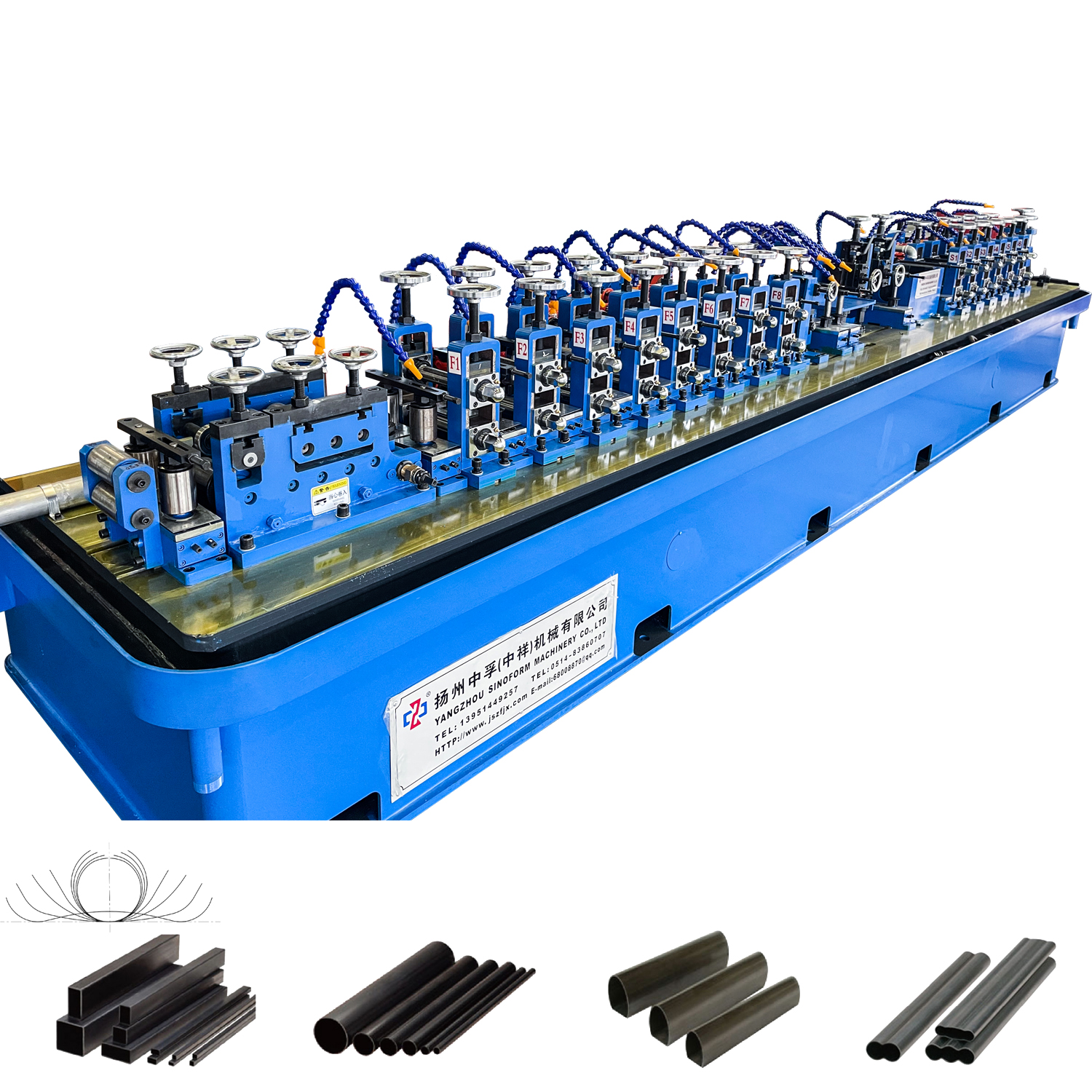 High Precision High-Frequency ERW Tube Mill line
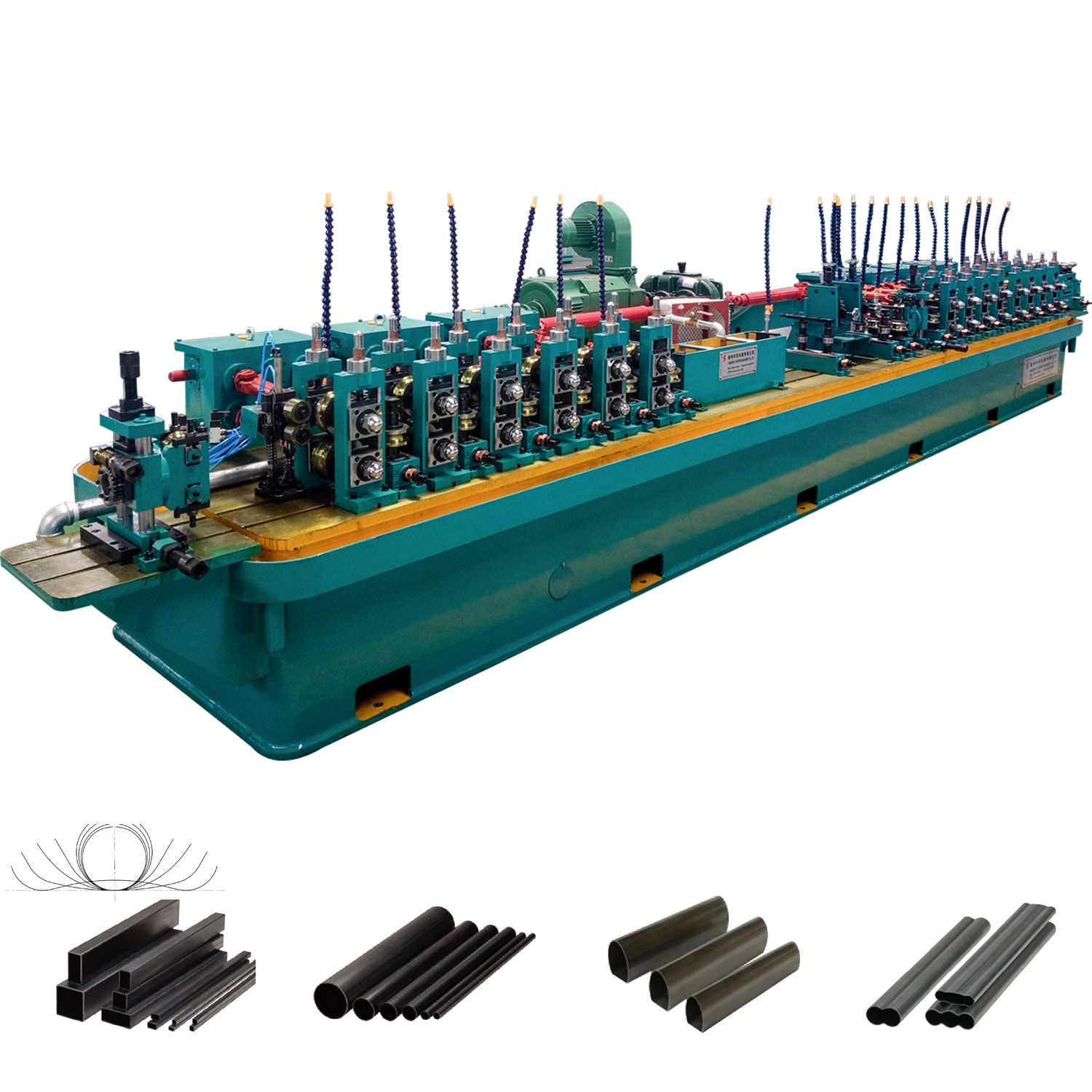 High Precision High-Frequency ERW Tube Mill line
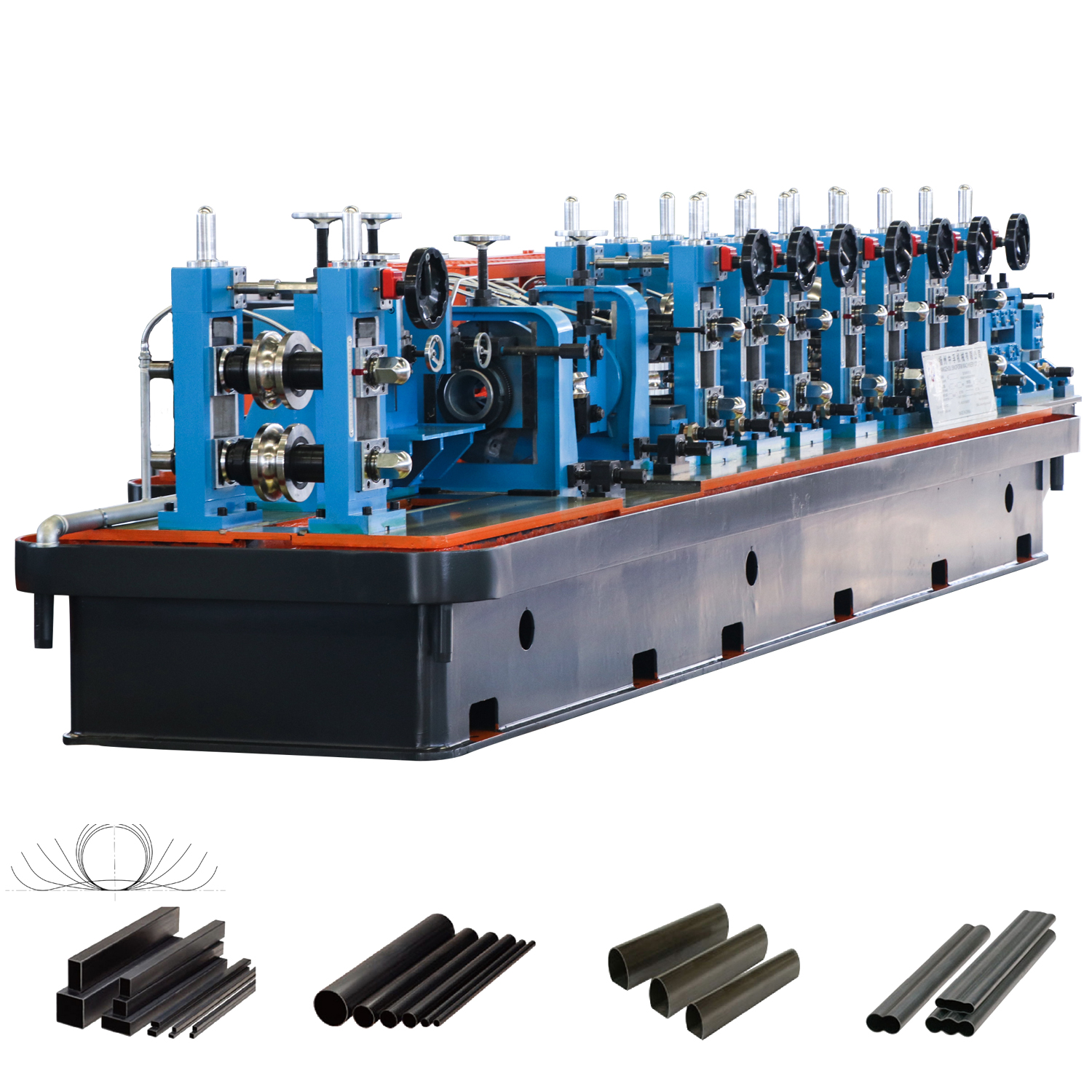 High Precision High-Frequency ERW Tube Mill line
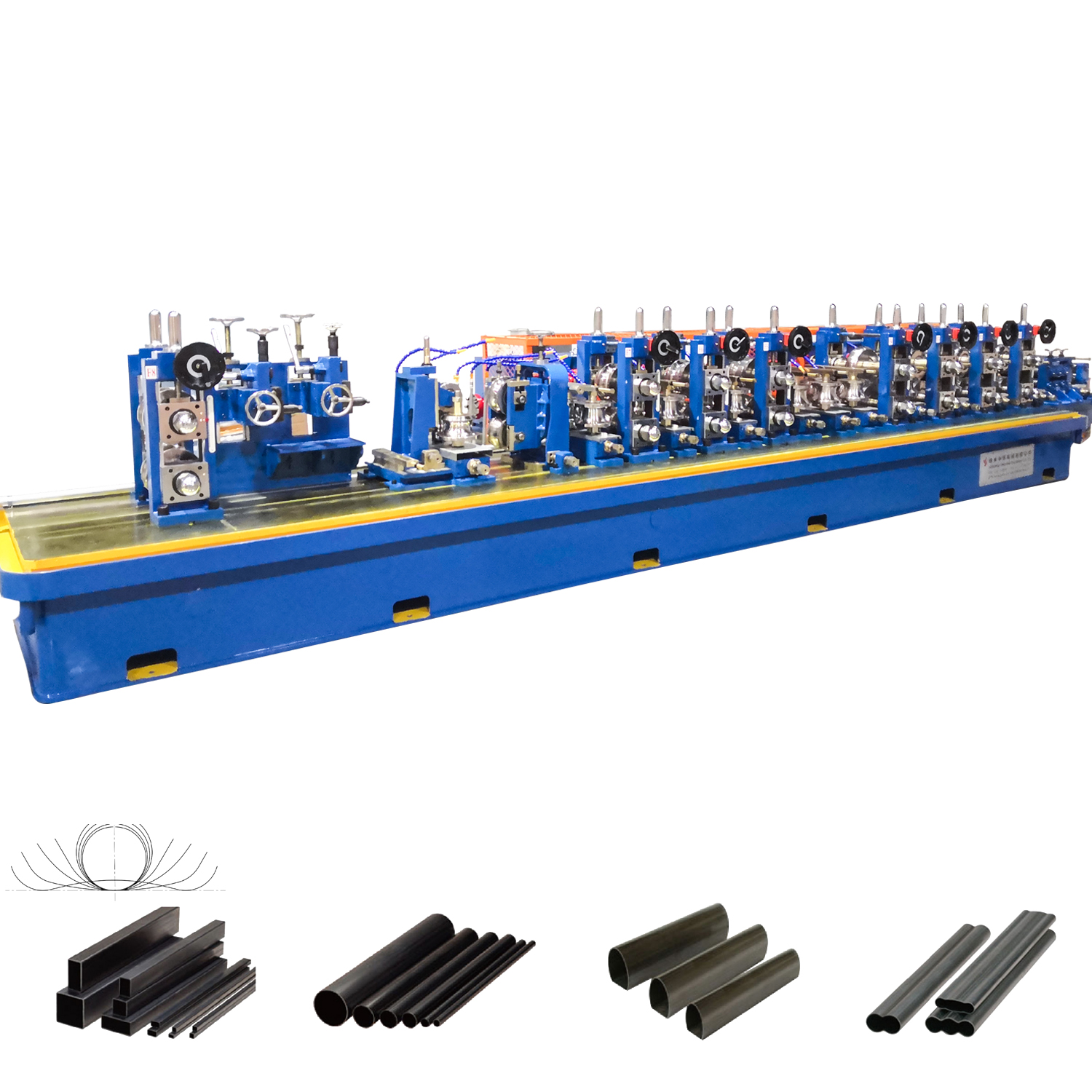 High Precision High-Frequency ERW Tube Mill line
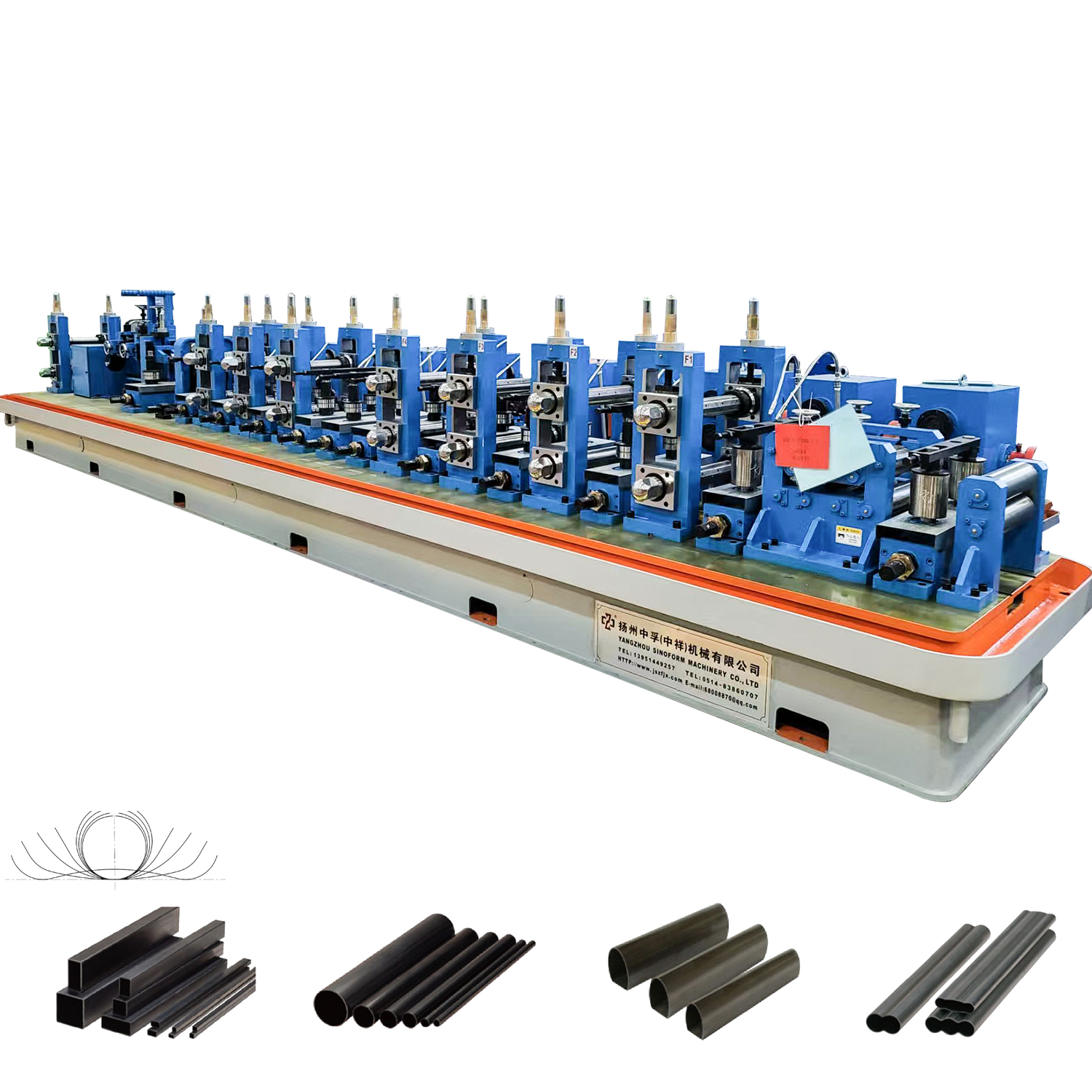 High Precision High-Frequency ERW Tube Mill line
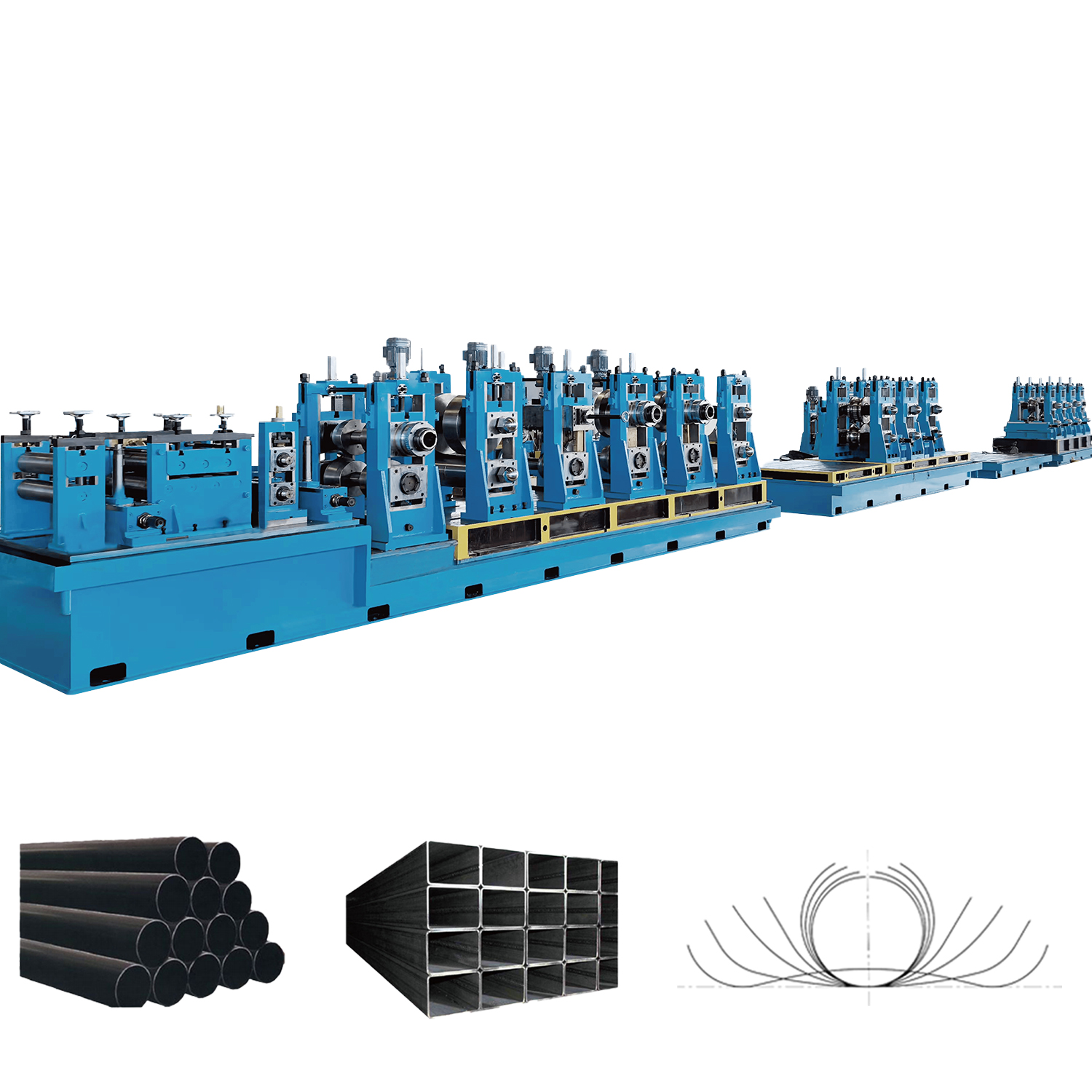 Large ERW tube mill line
Large ERW tube mill line
Large ERW tube mill line
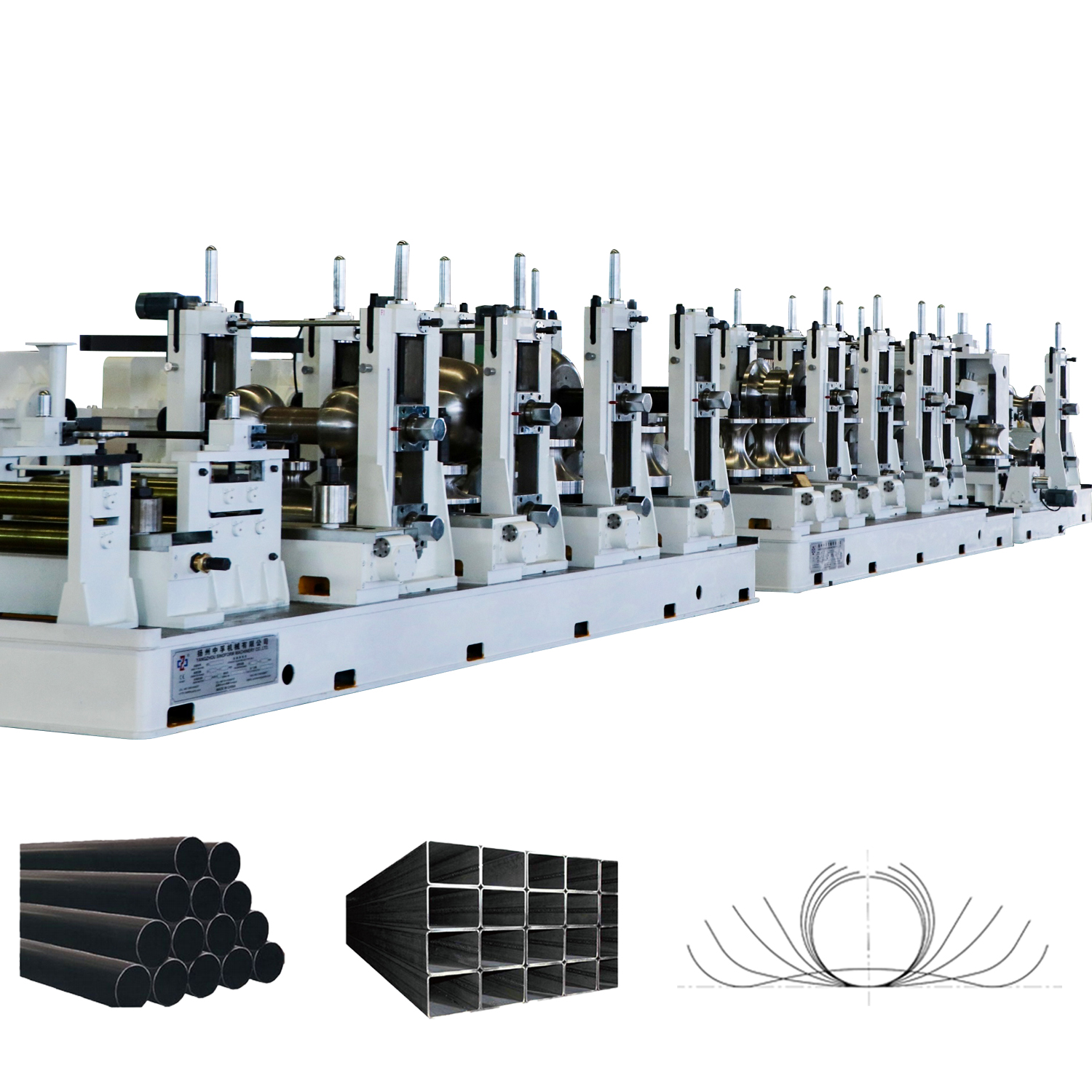 Large ERW tube mill line
Large ERW tube mill line
Large ERW tube mill line
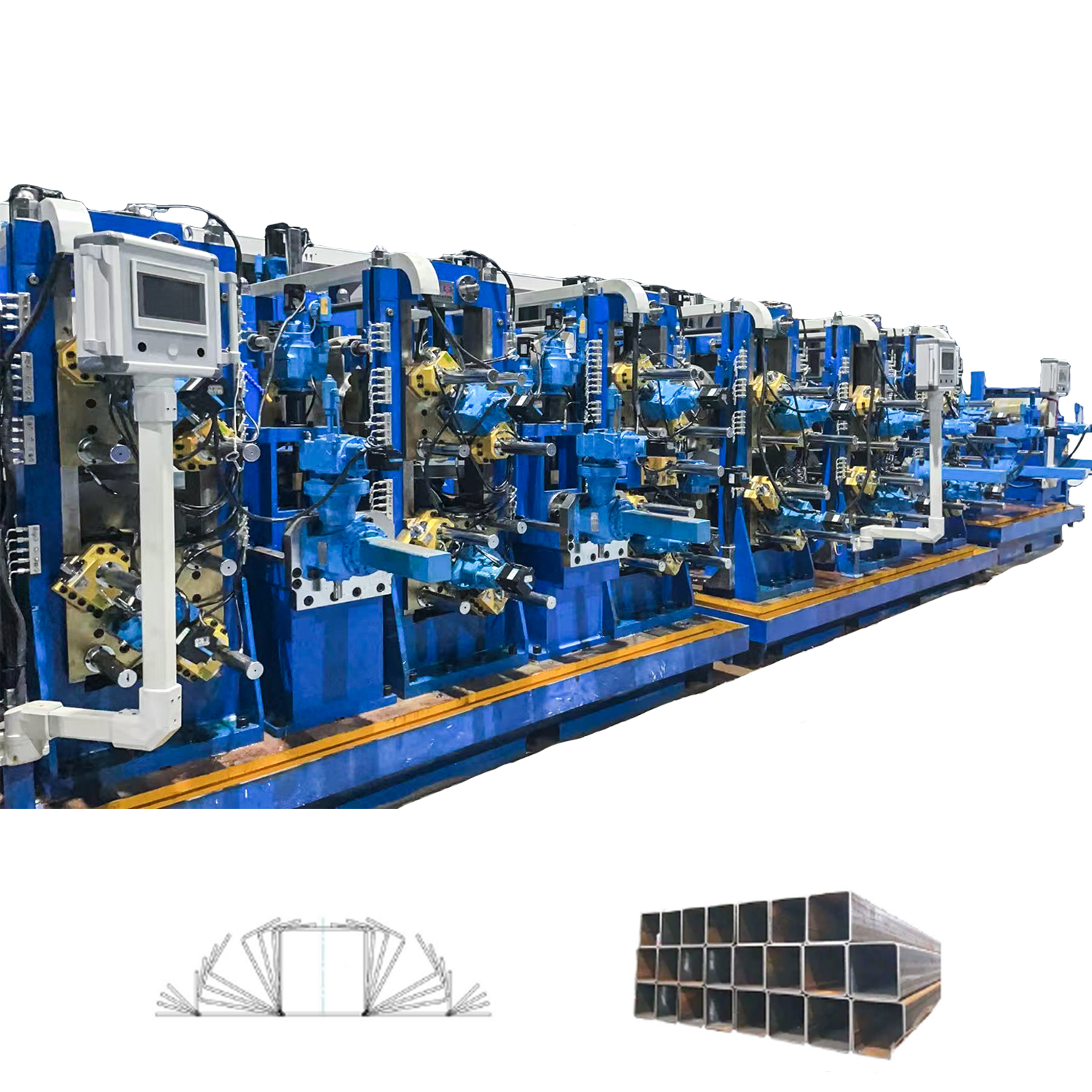 Direct To Square Welded Pipe Production Line
Direct To Square Welded Pipe Production Line
Direct To Square Welded Pipe Production Line
Direct To Square Welded Pipe Production Line
Direct To Square Welded Pipe Production Line

 No.1 Xiangjian Road, Northern
Suburbs Of Yangzhou City,
Jiangsu Province,China
No.1 Xiangjian Road, Northern
Suburbs Of Yangzhou City,
Jiangsu Province,China
 Phone: +86-0514-8363 8877
 E-mail: [email protected]
© Yangzhou SINOFORM Machinery Co., Ltd. Tube Mill Line Manufacturers
Pipe Making Machine Custom
Tube Making Machine Suppliers



 English
 Español
 عربى
عربى русский
 中文简体
中文简体