What Strict Standards Are Applied to Raw Material Selection for Welded Tubes?
The foundation of high - quality welded tube production lies in the strict selection of raw materials, and welded tube mills adhere to rigorous standards to ensure the metal strips or coils used meet the required specifications. First, mills carefully evaluate the material grade of the metal. Different applications of welded tubes demand specific material grades. For instance, tubes used in high - pressure gas pipelines typically require low - alloy high - strength steel grades like X80, which offer excellent tensile strength and impact resistance. Mills only source materials from certified suppliers who can provide detailed material certificates, including chemical composition and mechanical property reports. This ensures that the metal has the necessary elements—such as a controlled carbon content (usually below 0.25% for structural steels) to balance strength and weldability—and meets the required tensile strength (e.g., minimum 550 MPa for X80 steel).
Second, the surface quality of the raw metal is closely inspected. Any surface defects, such as rust, oil stains, scratches, or oxide layers, can negatively affect the welding process and the final tube quality. Mills use automated surface inspection systems, equipped with high - resolution cameras and laser scanners, to detect even micro - level defects. For example, scratches deeper than 0.1 mm or rust covering more than 5% of the surface area will lead to the rejection of the metal coil. Additionally, the thickness and width uniformity of the metal strips are strictly controlled. Using precision laser thickness gauges, mills ensure that the thickness variation of the strip is within ±0.03 mm. Uneven thickness can cause inconsistent forming and welding, resulting in tubes with uneven wall thickness, which reduces their load - bearing capacity.
Finally, mills conduct sampling tests on the raw materials. Random samples are taken from each batch of metal coils to perform chemical composition analysis (using X - ray fluorescence spectroscopy) and mechanical property tests (including tensile and bending tests). For example, a tensile test will verify that the metal's yield strength and elongation meet the standard—elongation of at least 20% is required for most structural tubes to ensure they can withstand bending without cracking. If any sample fails these tests, the entire batch of raw materials is rejected to prevent substandard materials from entering the production process.
How Are Forming Processes in Welded Tube Mills Controlled to Ensure Tube Shape and Dimension Accuracy?
The forming process is a critical step in welded tube production, and mills employ precise control measures to ensure the tube achieves the correct shape and dimensional accuracy. One key control measure is the use of computer - numerical control (CNC) roll forming machines. These machines consist of a series of sequentially arranged rollers, each with a specific contour designed to gradually bend the flat metal strip into the desired tube shape (e.g., circular, square, or rectangular). The CNC system precisely controls the speed of the rollers (typically 10 - 30 meters per minute, depending on the tube size) and the pressure applied to the strip. This ensures that the metal is bent uniformly, avoiding defects like wrinkling or uneven curvature. For example, when forming a 100 mm diameter circular tube, the CNC system adjusts each roller's pressure to ensure the tube's circumference variation is within ±0.5 mm.
Another important control aspect is the guide system before forming. Mills use precision guide rollers to align the metal strip correctly as it enters the roll forming machine. Misalignment can lead to the strip being bent asymmetrically, resulting in a tube with an oval cross - section or uneven wall thickness. The guide rollers are adjusted based on the width and thickness of the metal strip, with laser alignment sensors providing real - time feedback to the control system. If the strip deviates from the correct path by more than 0.2 mm, the system automatically adjusts the guide rollers to correct the alignment.
Additionally, mills monitor the forming temperature of the metal. While most roll forming processes are conducted at room temperature, for high - strength steel strips, a controlled pre - heating process may be required to improve the metal's ductility and reduce the risk of cracking during forming. The pre - heating temperature is precisely controlled using infrared temperature sensors, typically maintained between 150 - 250°C for low - alloy steels. The temperature is monitored at multiple points along the strip, and any deviation from the set range triggers an alarm, prompting operators to adjust the heating system. This ensures that the metal remains ductile enough to be formed into the desired shape without compromising its mechanical properties.
What Advanced Welding Technologies and Quality Checks Ensure Strong and Defect - Free Welds?
Welding is the core process that joins the edges of the formed metal strip into a tube, and mills use advanced welding technologies and strict quality checks to ensure strong, defect - free welds. One widely used advanced technology is high - frequency induction welding (HFIW). In HFIW, a high - frequency alternating current (typically 200 - 500 kHz) is passed through an induction coil surrounding the formed metal tube. This induces eddy currents in the metal, heating the edges of the tube to a molten state (around 1300 - 1400°C for carbon steel) within milliseconds. The molten edges are then pressed together by high - pressure squeeze rollers, creating a continuous, seamless weld. HFIW offers several advantages, including fast welding speed (up to 60 meters per minute), uniform heating, and minimal heat - affected zone (HAZ), which reduces the risk of weld brittleness.
To ensure weld quality, mills conduct real - time monitoring during the welding process. Using ultrasonic testing (UT) systems, high - frequency sound waves are transmitted through the weld area. Any defects, such as voids, cracks, or incomplete fusion, will reflect the sound waves differently, and the system displays these reflections as images on a screen. Operators can detect defects as small as 0.1 mm in diameter, and if a defect is detected, the system automatically slows down or stops the welding process to allow for adjustments. Additionally, millivolt monitoring is used to measure the voltage across the weld area. A stable voltage indicates uniform heating and proper weld formation, while voltage fluctuations may signal issues like uneven strip edges or incorrect squeeze pressure.
After welding, post - weld quality checks are performed. One key check is the weld bead inspection. The outer and inner weld beads are visually inspected for uniformity, and any excess weld material (flash) is removed using precision scarfing tools. The scarfing process ensures that the tube's outer and inner surfaces are smooth, with no protrusions that could cause fluid turbulence in applications like water or gas transport. Another important check is the tensile test on welded samples. Randomly selected welded tubes are cut into samples, and a tensile force is applied until the sample breaks. The test measures the weld's tensile strength, which must be at least 90% of the base metal's tensile strength to ensure the weld can withstand the same loads as the rest of the tube. For example, if the base metal has a tensile strength of 550 MPa, the weld must have a tensile strength of at least 495 MPa to pass the test.
What Post - Production Testing and Quality Assurance Measures Confirm Final Tube Quality?
After the welding process, welded tube mills implement a series of post - production testing and quality assurance measures to confirm that the final tubes meet all quality standards. One essential test is the hydrostatic pressure test. Each tube is filled with water, and pressure is applied to the inside of the tube at a level 1.5 - 2 times the tube's rated working pressure. For example, a tube designed for a working pressure of 10 MPa will be tested at 15 - 20 MPa. The tube is held at this pressure for a specified time (usually 30 - 60 seconds), and operators check for leaks using pressure gauges and visual inspection. A drop in pressure or water seepage indicates a weld defect or material flaw, and the tube is rejected. Some mills use automated hydrostatic testing systems that can test multiple tubes simultaneously, recording pressure data for each tube to ensure traceability.
Another important post - production test is the non - destructive testing (NDT) of the entire tube length. In addition to the ultrasonic testing conducted during welding, mills perform a second UT scan on the entire tube to detect any defects that may have been missed or formed after welding. Magnetic particle testing (MPT) is also used for ferromagnetic tubes (e.g., carbon steel tubes). MPT involves magnetizing the tube and applying iron oxide particles to the surface. Any surface or near - surface defects, such as cracks or pits, will disrupt the magnetic field, causing the particles to cluster around the defect, making it visible to inspectors. This test is particularly effective for detecting defects in the weld area and the tube's outer surface.
Dimensional inspection is also a key part of post - production quality assurance. Using laser dimension measuring systems, mills check the tube's outer diameter, inner diameter, wall thickness, straightness, and length. The outer diameter is measured at multiple points along the tube's length, with a tolerance of ±0.1 mm for standard tubes. Wall thickness is measured using ultrasonic thickness gauges, ensuring that the thickness variation is within ±0.05 mm. Straightness is checked by rolling the tube on a flat surface and measuring the maximum deviation from a straight line—for tubes longer than 6 meters, the straightness deviation must be less than 3 mm. The length of each tube is measured using laser distance sensors, with a tolerance of ±2 mm for standard lengths (e.g., 6 meters, 12 meters).
Finally, mills implement a comprehensive quality documentation system. Each tube is assigned a unique identification number, and all test results—including raw material certificates, welding parameters, hydrostatic test data, and NDT reports—are recorded in a digital database linked to this identification number. This documentation allows for full traceability, so if a quality issue arises later, mills can trace the tube back to its production batch, identify the root cause of the issue, and take corrective actions to prevent future problems. Additionally, regular audits are conducted by internal quality teams and external certification bodies (e.g., ISO, ASTM) to ensure that the quality assurance measures are being followed consistently, and any non - conformities are addressed promptly.
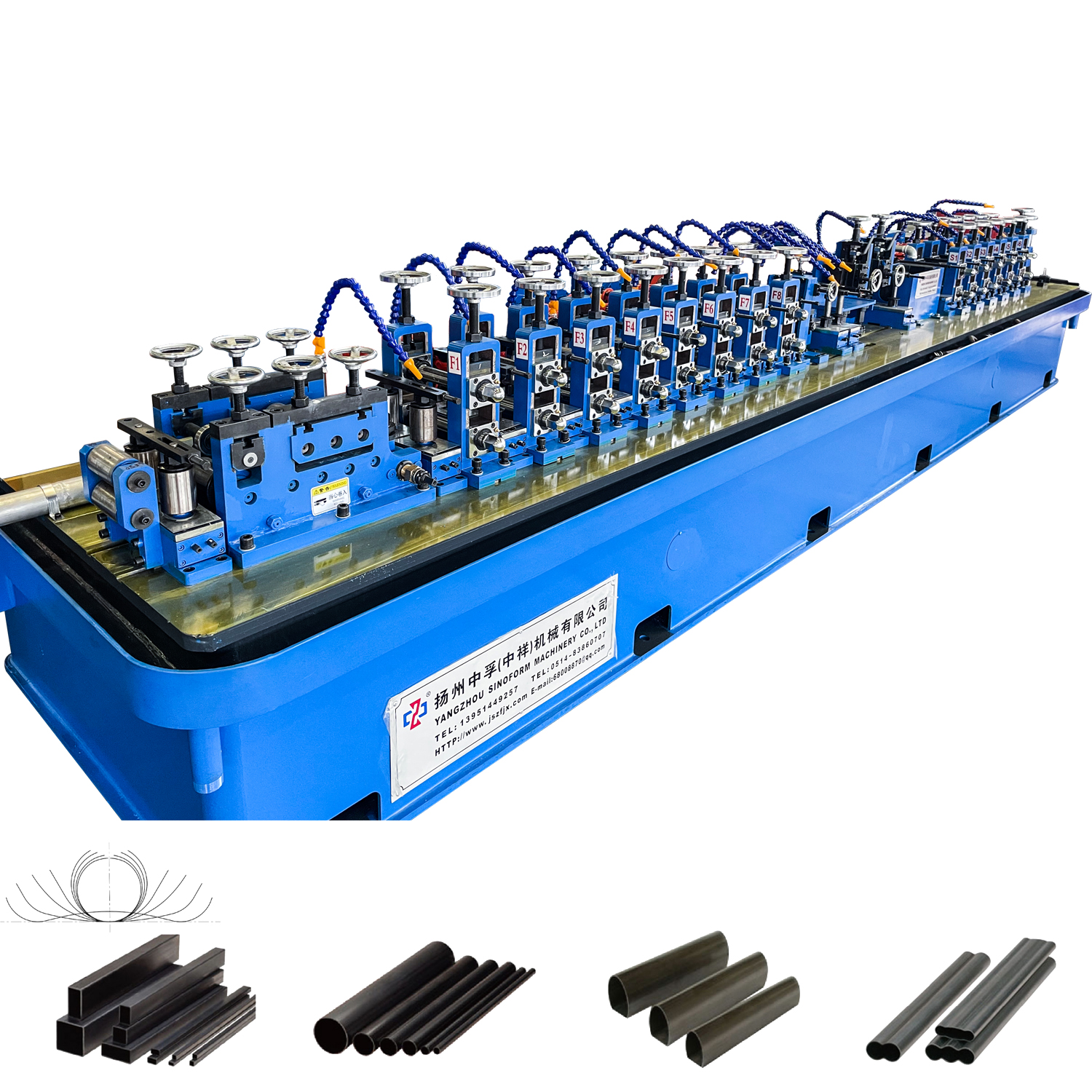 High Precision High-Frequency ERW Tube Mill line
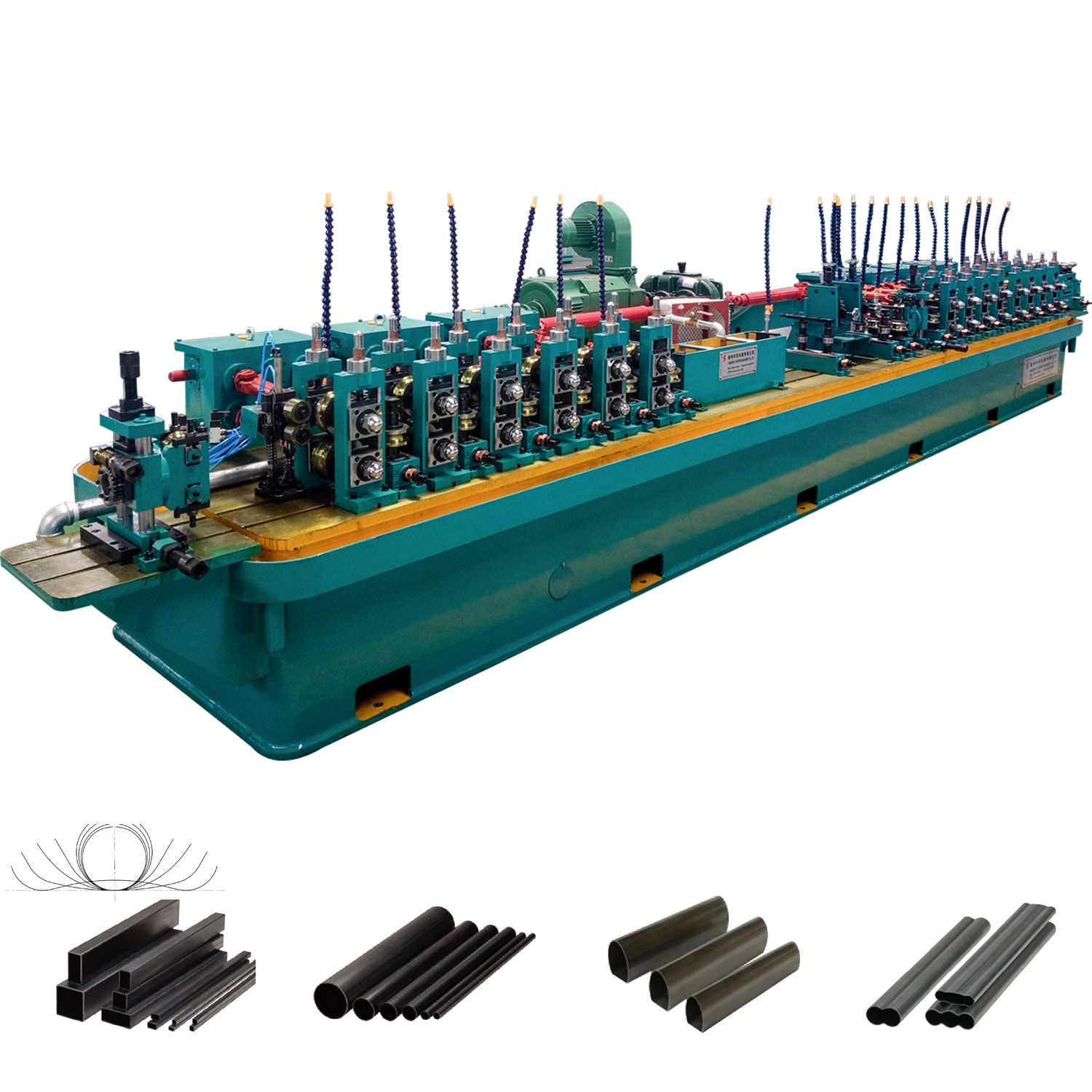 High Precision High-Frequency ERW Tube Mill line
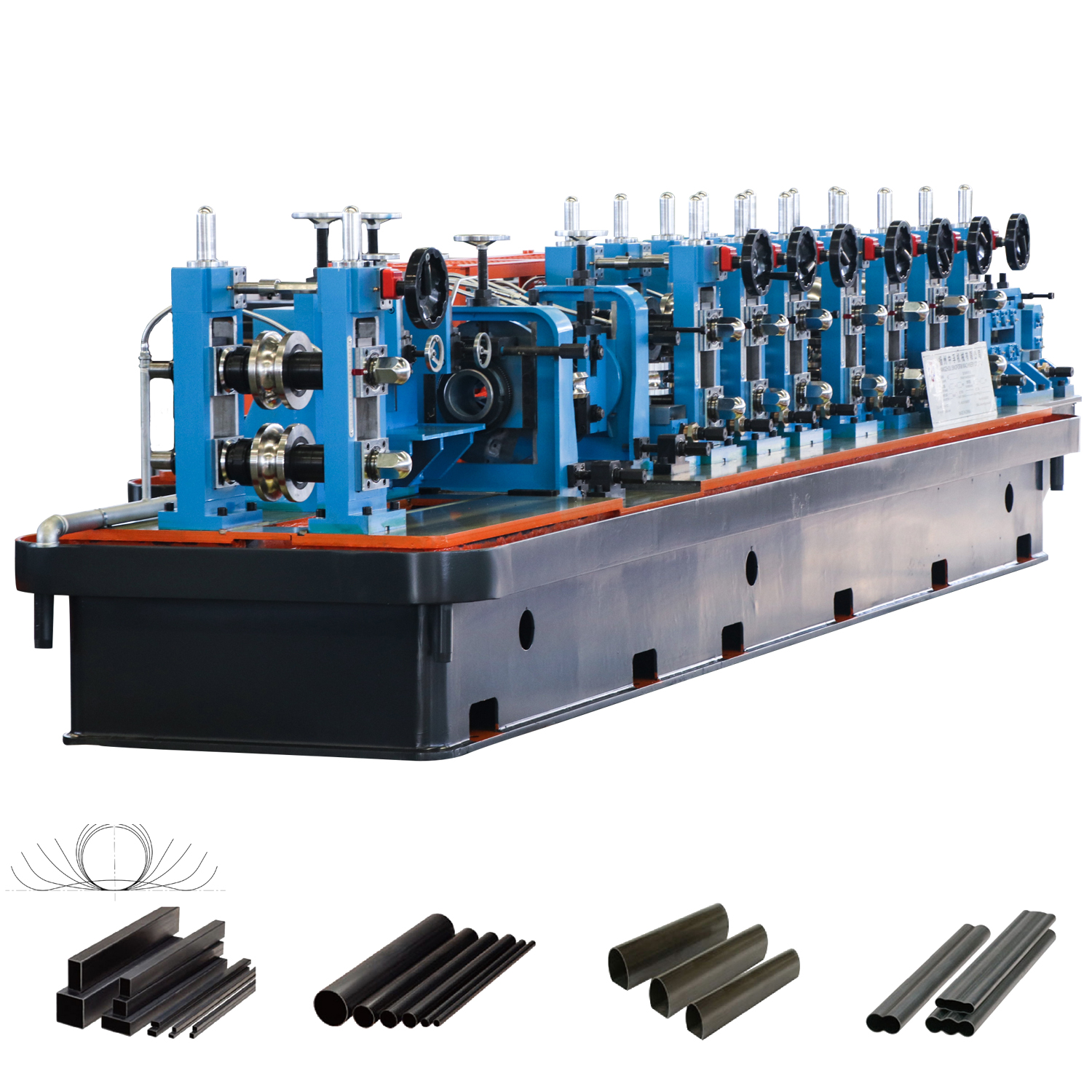 High Precision High-Frequency ERW Tube Mill line
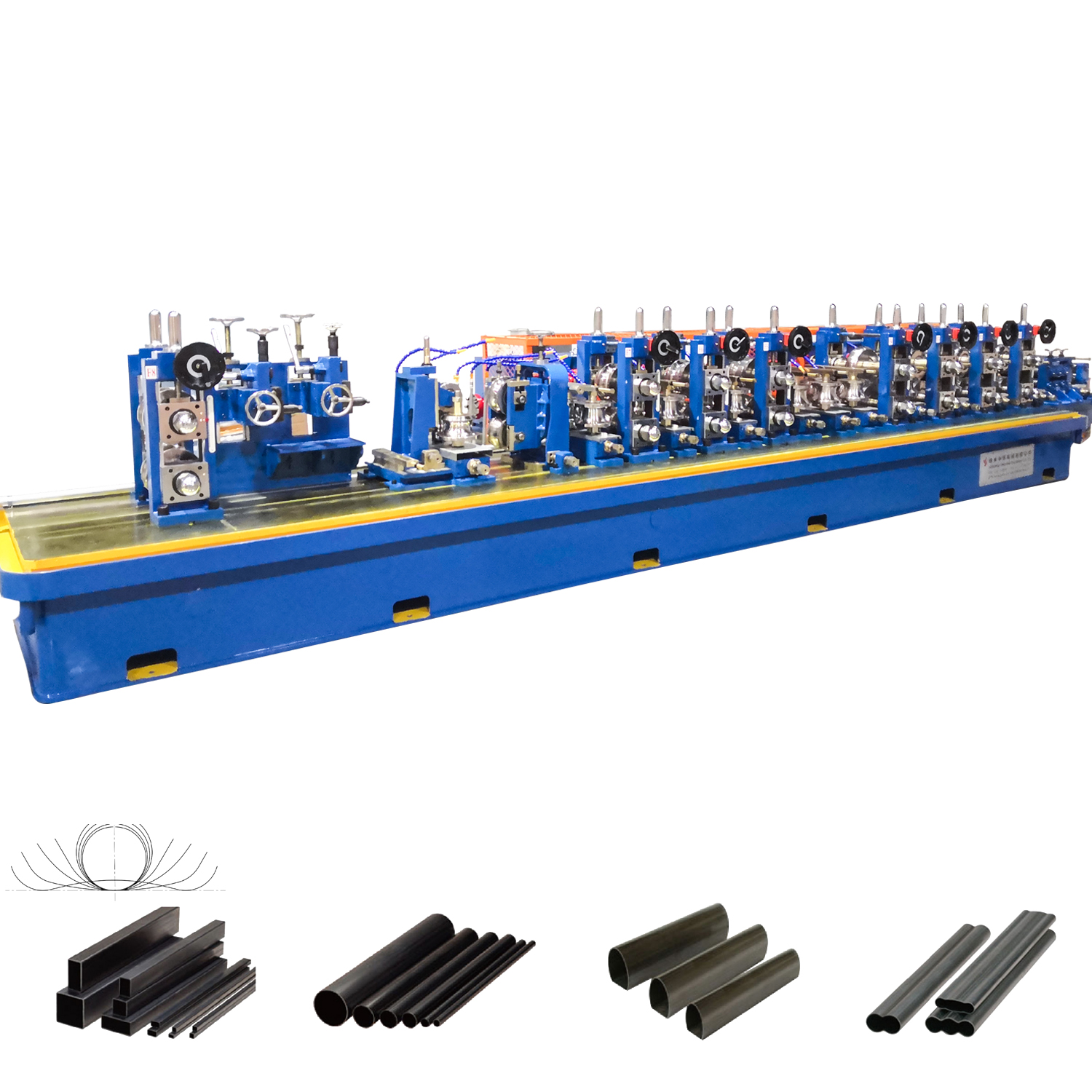 High Precision High-Frequency ERW Tube Mill line
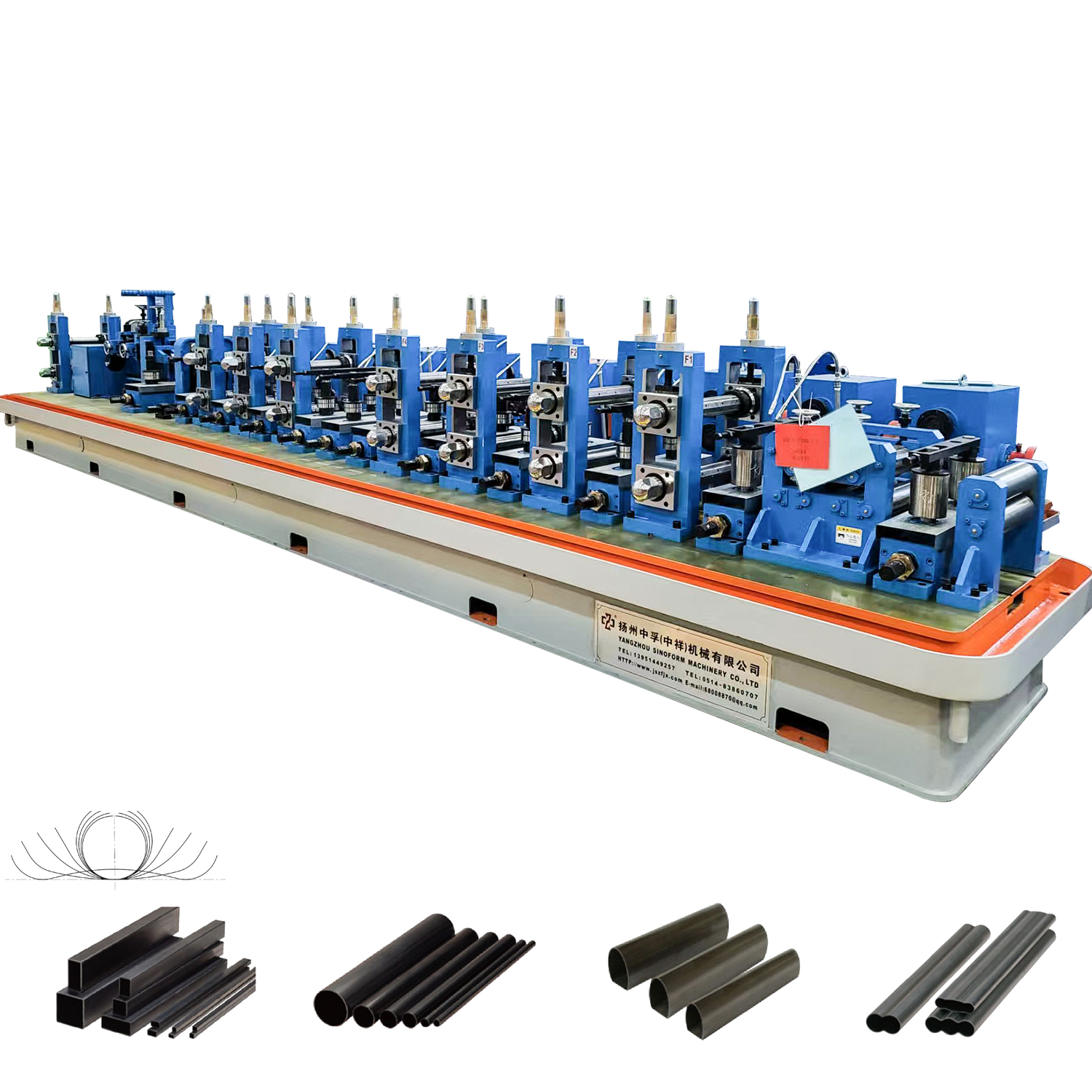 High Precision High-Frequency ERW Tube Mill line
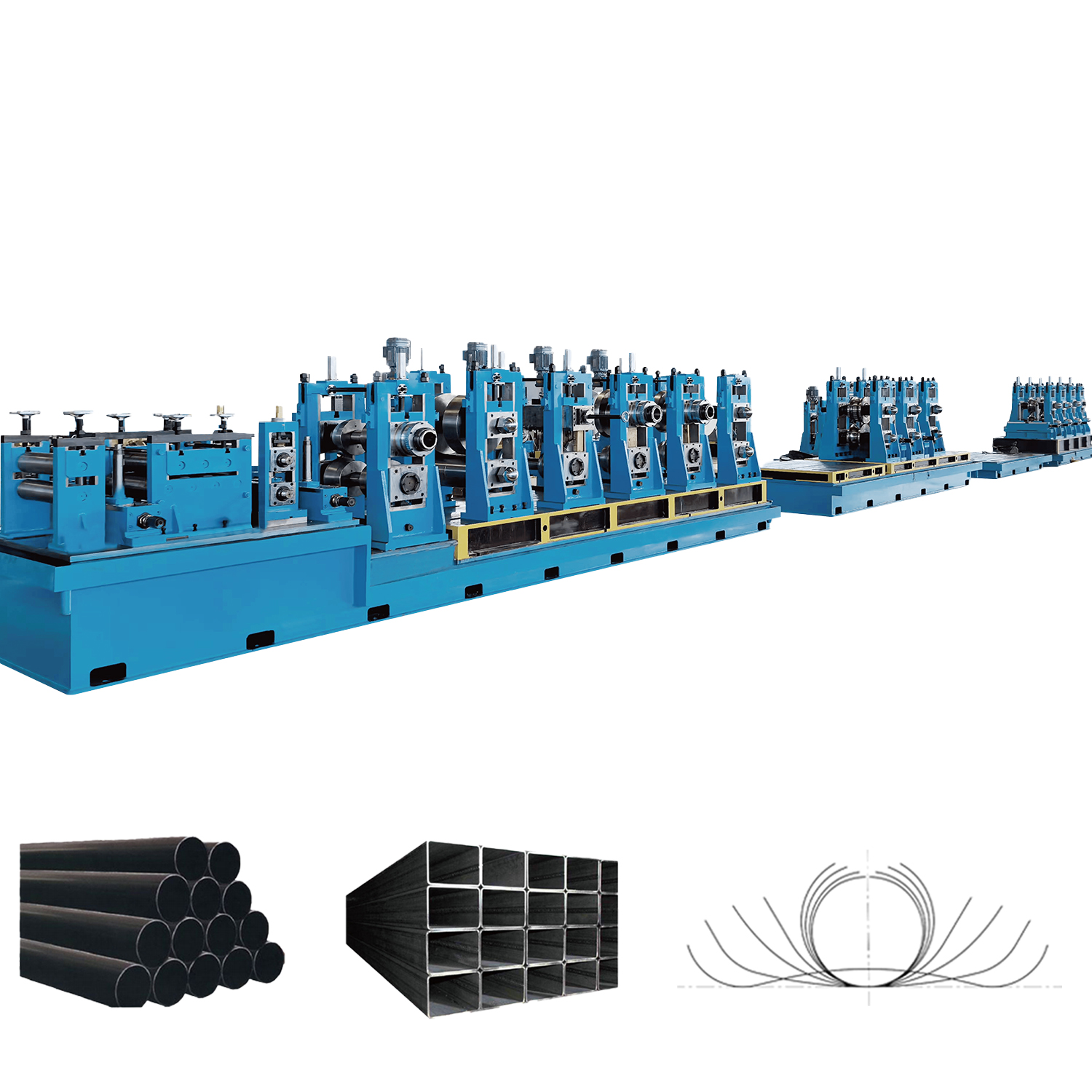 Large ERW tube mill line
Large ERW tube mill line
Large ERW tube mill line
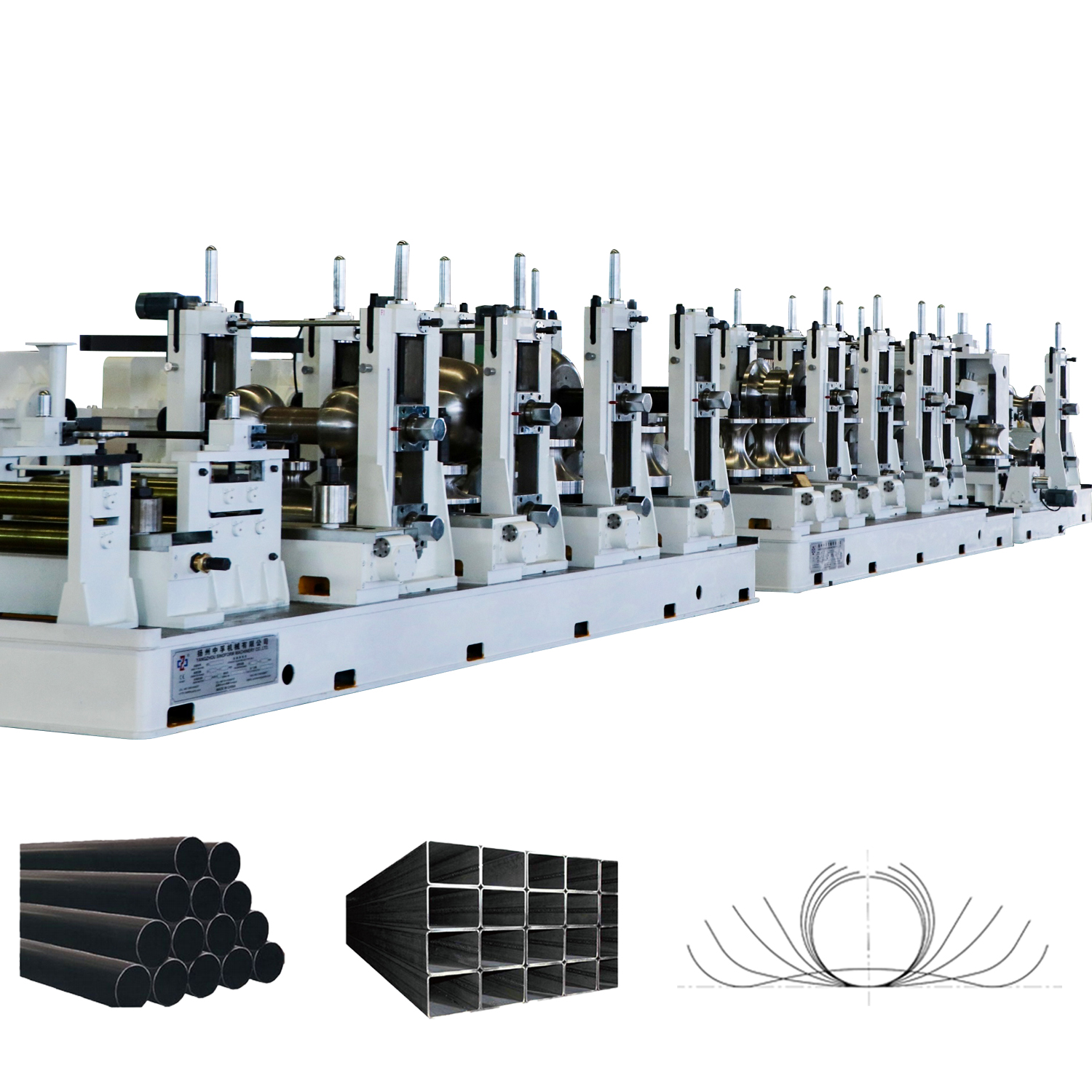 Large ERW tube mill line
Large ERW tube mill line
Large ERW tube mill line
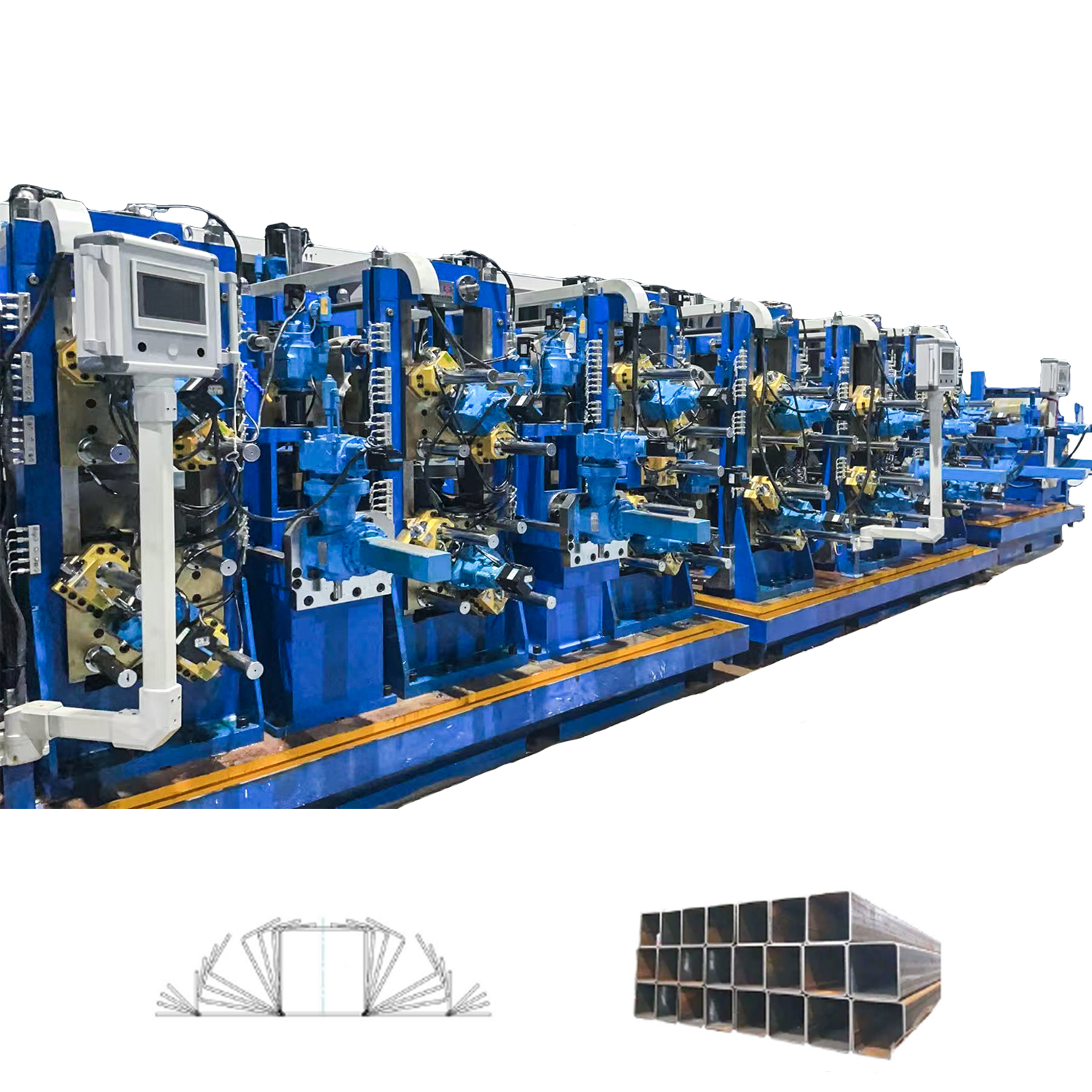 Direct To Square Welded Pipe Production Line
Direct To Square Welded Pipe Production Line
Direct To Square Welded Pipe Production Line
Direct To Square Welded Pipe Production Line
Direct To Square Welded Pipe Production Line

 No.1 Xiangjian Road, Northern
Suburbs Of Yangzhou City,
Jiangsu Province,China
No.1 Xiangjian Road, Northern
Suburbs Of Yangzhou City,
Jiangsu Province,China
 Phone: +86-0514-8363 8877
 E-mail: [email protected]
© Yangzhou SINOFORM Machinery Co., Ltd. Tube Mill Line Manufacturers
Pipe Making Machine Custom
Tube Making Machine Suppliers



 English
 Español
 عربى
عربى русский
 中文简体
中文简体