What Exactly Is an API Welded Pipe Unit, and Which Standards Does It Adhere To?
An API welded pipe unit is a specialized, integrated set of equipment designed to produce welded steel pipes that meet the strict standards set by the American Petroleum Institute (API). These standards, most commonly API 5L (for oil and gas transmission pipes) and API 5CT (for oil well casing and tubing), dictate requirements for pipe material, wall thickness, weld strength, corrosion resistance, and dimensional accuracy—critical for pipes used in high-pressure, high-risk industries like oil and gas. Unlike ordinary welded pipe production lines, an API welded pipe unit isn’t just for shaping steel into pipes; it’s engineered to handle high-strength steel and implement rigorous quality control at every step, ensuring each pipe can withstand extreme conditions, such as deep-sea oil extraction or long-distance gas transmission.
What Core Components Make Up an API Welded Pipe Unit, and What Roles Do They Play?
An API welded pipe unit consists of several key components, each vital to producing high-quality API-standard pipes:
First, uncoiling and leveling machines: These unwind large steel coils (the raw material) and flatten them to eliminate “coil memory”—the tendency of steel to retain its curved shape from the coil. If steel isn’t properly leveled, the formed pipe will have uneven walls, which weakens its pressure resistance.
Next, cold-forming machines: Using a series of rollers, these machines bend the flat steel into a circular or oval shape. Many modern units use the “UOE forming” process—first shaping the steel into a U-shape, then an O-shape, and finally expanding it to the exact diameter—to ensure the pipe is perfectly round and has uniform wall thickness (deviations as small as 0.1mm can be rejected).
Then, welding machines: High-frequency induction welding (HFIW) machines are the most common here. They use high-frequency electrical current to heat the edges of the formed steel to around 1300°C (its melting point) and press the edges together to create a seamless weld. Unlike traditional arc welding, HFIW produces welds with strength equal to the base steel, with no gaps or weak points.
After welding, heat treatment furnaces take over: Pipes are heated to 900–1000°C and cooled slowly (a process called annealing). This reduces stress in the weld area, which is crucial—unrelieved stress could cause the pipe to crack under high pressure or temperature changes.
Finally, inspection devices: These include ultrasonic testers (to detect internal weld defects like tiny cracks), X-ray machines (to check for “porosity” or air bubbles in the weld), and hydrostatic testers (to test pressure resistance by filling the pipe with water and applying high pressure, simulating real-world use).
How Does an API Welded Pipe Unit Ensure Weld Quality—The Most Critical Factor for Pipe Safety?
Weld quality is make-or-break for API pipes, and the unit uses a three-layer control system to guarantee it:
Pre-welding control: Before forming, the unit tests the chemical composition of the steel coil using a spectrometer. For example, API 5L X80 steel (used for high-pressure gas lines) requires a minimum yield strength of 552 MPa—if the steel doesn’t meet this standard, it’s rejected immediately. The steel’s surface is also inspected for rust, scratches, or defects, as these can weaken the weld.
In-welding monitoring: The welding machine uses real-time sensors to track key parameters: heating temperature, welding pressure, and speed. If the temperature is too low (resulting in a weak weld) or too high (melting too much steel and causing deformation), the unit automatically adjusts the settings or stops production. Some advanced units even use AI to analyze welding data and predict defects before they occur, further reducing error risk.
Post-welding inspection: Every pipe undergoes 100% inspection. Ultrasonic testers scan the entire length of the weld to find cracks as small as 0.2mm (invisible to the naked eye). X-ray machines check for “lack of fusion”—a defect where the steel edges didn’t fully bond during welding. Hydrostatic tests apply pressure 1.5 times the pipe’s rated working pressure; if the pipe leaks or deforms, it’s scrapped. Only pipes that pass all inspections are marked with API certification and released.
Why Is the API Welded Pipe Unit Essential for the Oil and Gas Industry?
The oil and gas industry relies on API pipes to transport oil, gas, and water over thousands of kilometers and in harsh environments—deep oceans, deserts, or freezing climates. Ordinary welded pipes would fail here: they might crack under high pressure (up to 10 MPa in gas lines) or corrode from saltwater or natural gas. API pipes, made by an API welded pipe unit, are built to withstand these conditions. For example, offshore oil platforms use API 5L pipes to carry oil
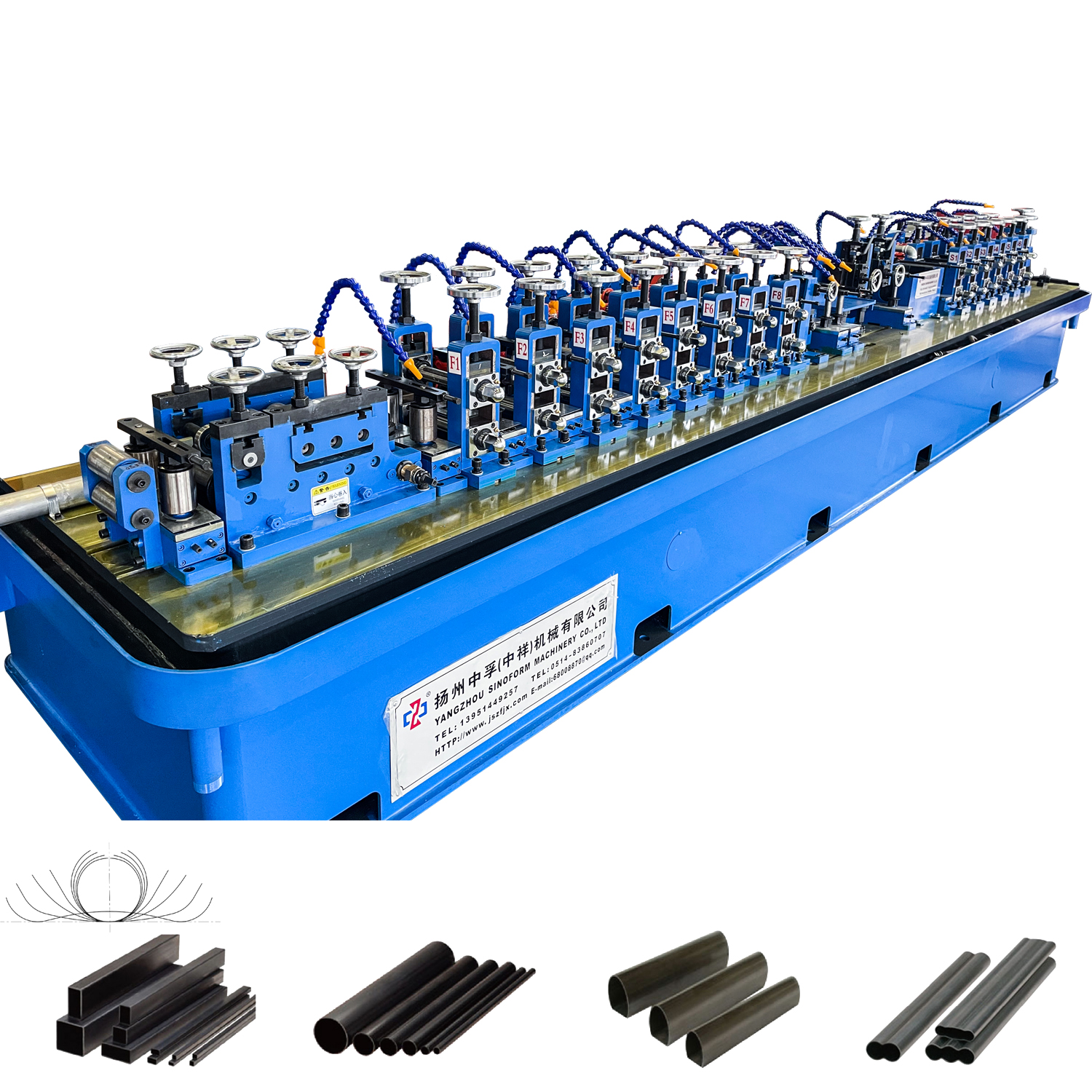 High Precision High-Frequency ERW Tube Mill line
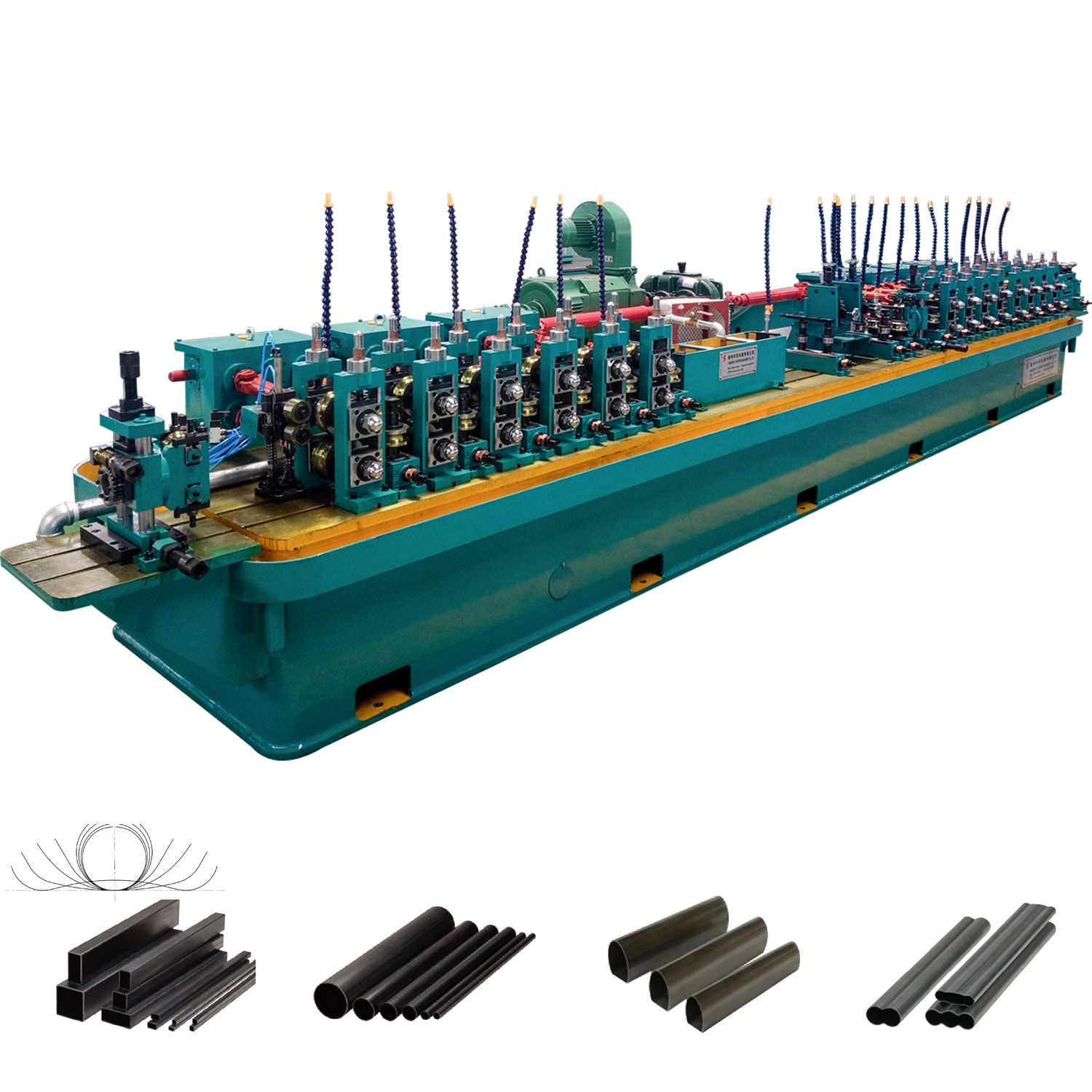 High Precision High-Frequency ERW Tube Mill line
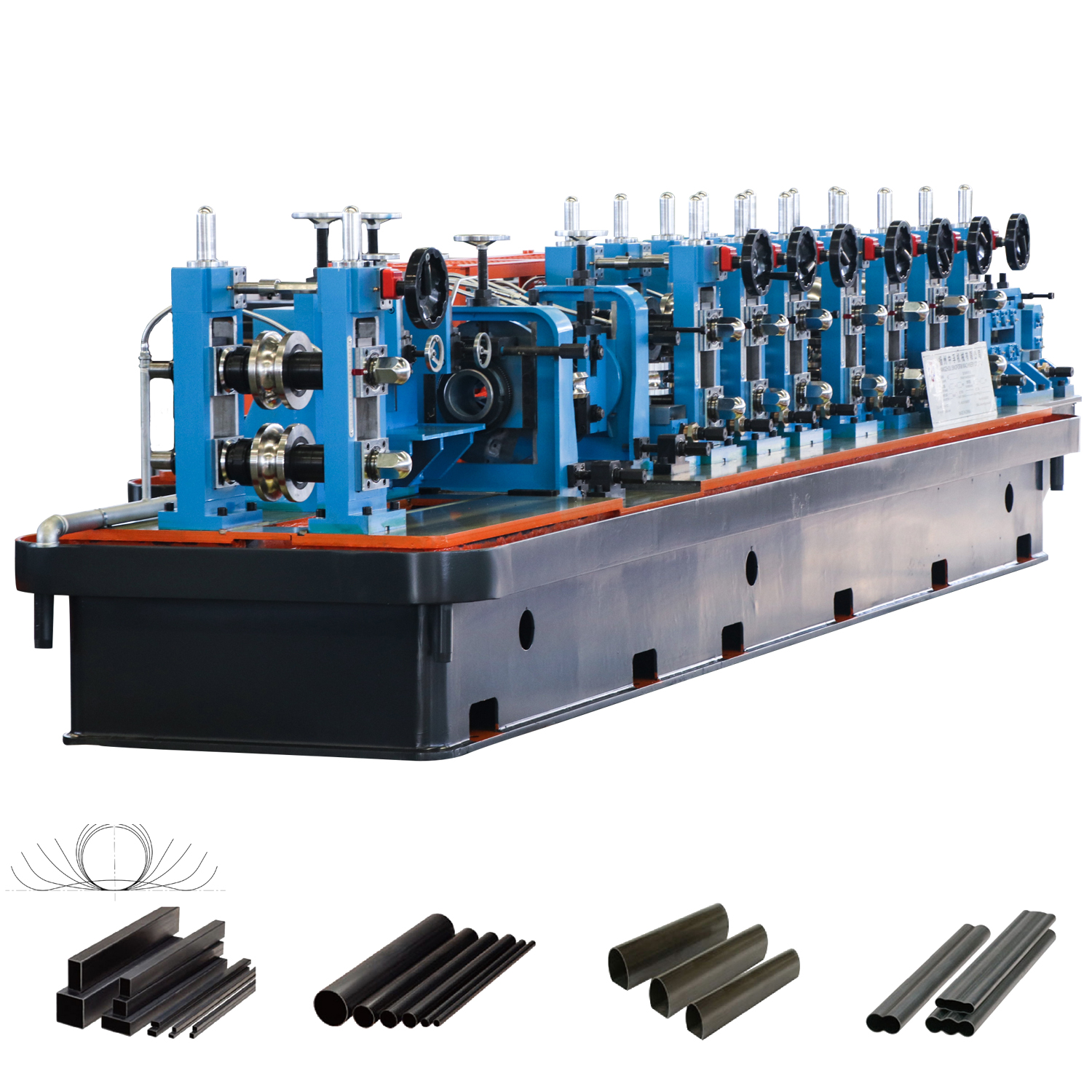 High Precision High-Frequency ERW Tube Mill line
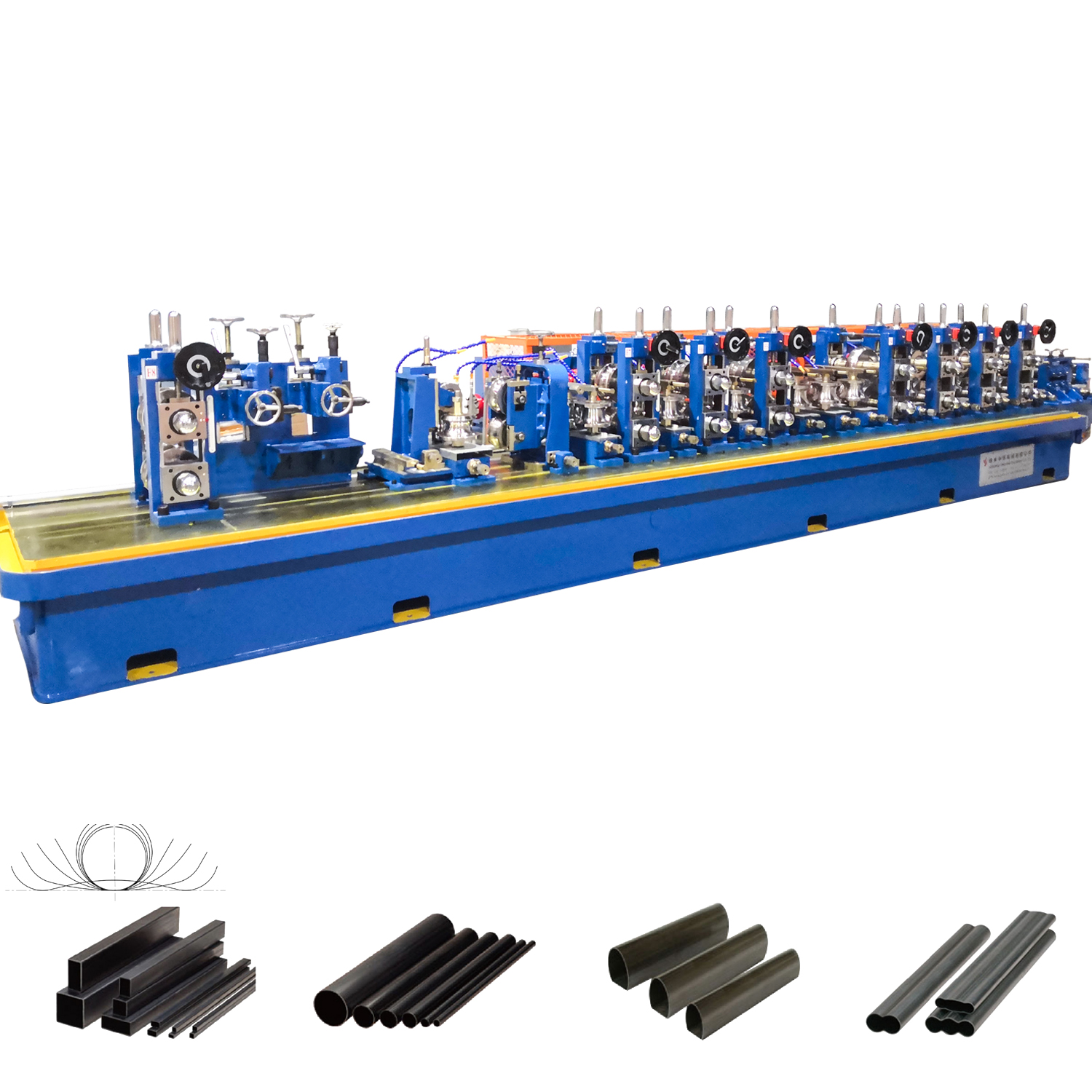 High Precision High-Frequency ERW Tube Mill line
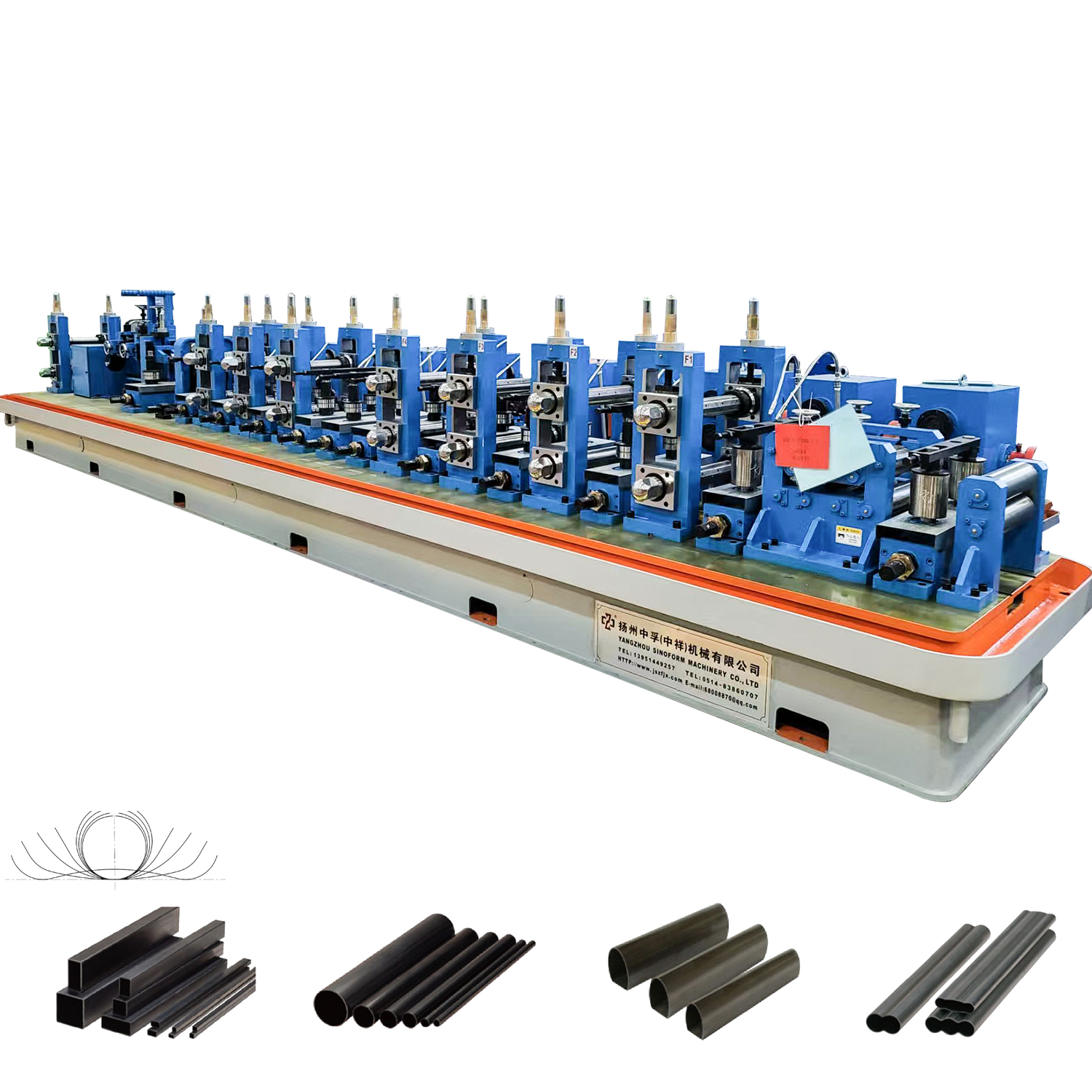 High Precision High-Frequency ERW Tube Mill line
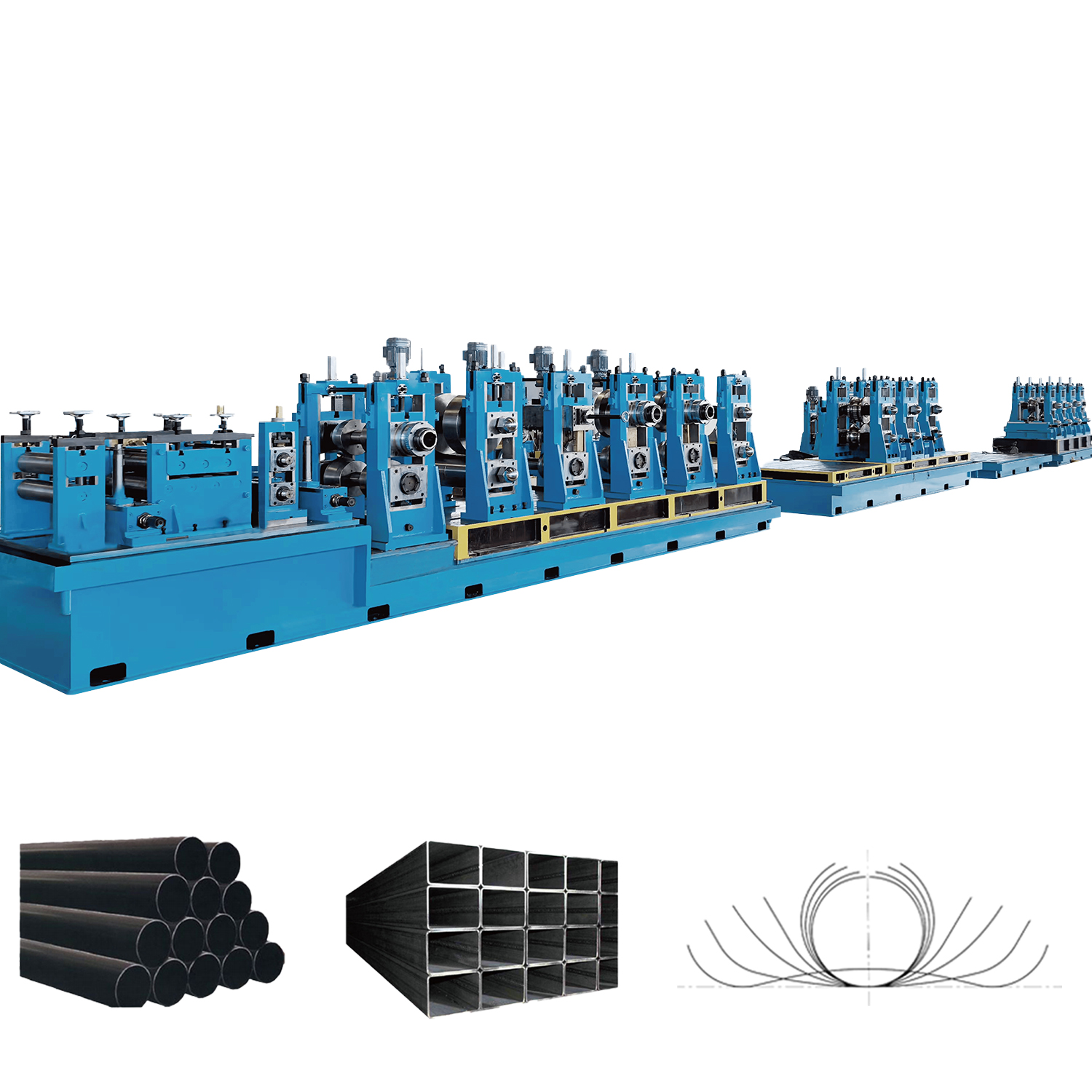 Large ERW tube mill line
Large ERW tube mill line
Large ERW tube mill line
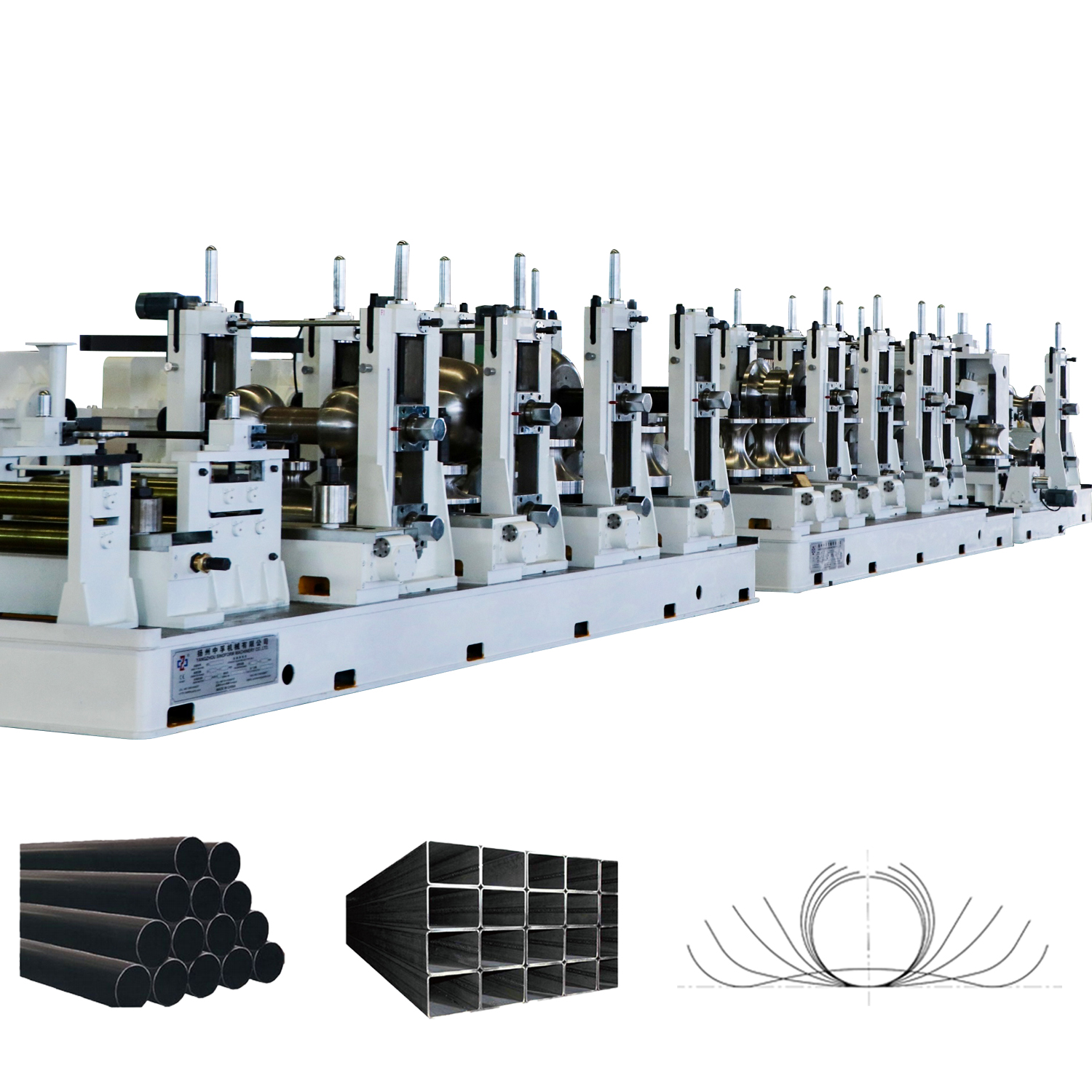 Large ERW tube mill line
Large ERW tube mill line
Large ERW tube mill line
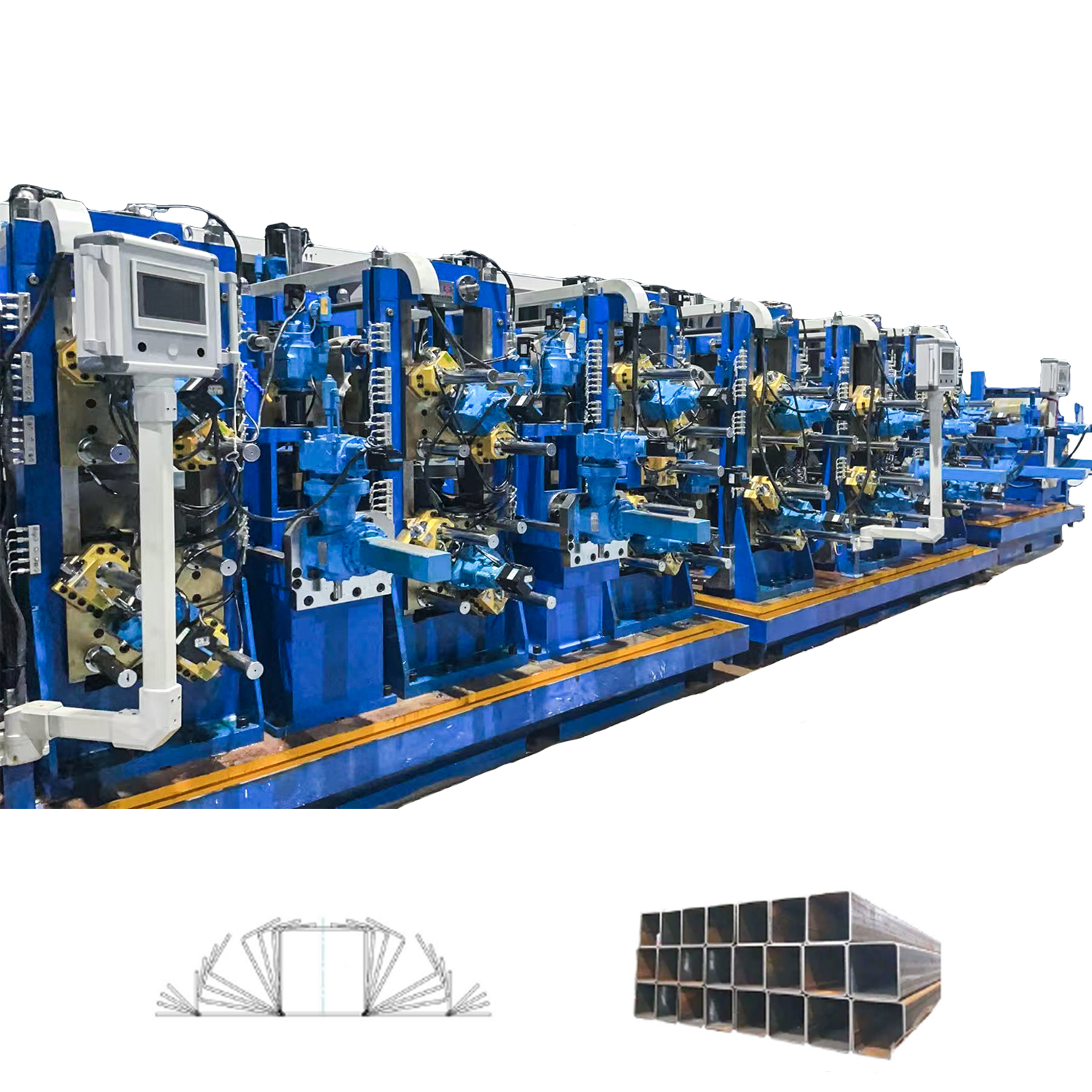 Direct To Square Welded Pipe Production Line
Direct To Square Welded Pipe Production Line
Direct To Square Welded Pipe Production Line
Direct To Square Welded Pipe Production Line
Direct To Square Welded Pipe Production Line

 No.1 Xiangjian Road, Northern
Suburbs Of Yangzhou City,
Jiangsu Province,China
No.1 Xiangjian Road, Northern
Suburbs Of Yangzhou City,
Jiangsu Province,China
 Phone: +86-0514-8363 8877
 E-mail: [email protected]
© Yangzhou SINOFORM Machinery Co., Ltd. Tube Mill Line Manufacturers
Pipe Making Machine Custom
Tube Making Machine Suppliers



 English
 Español
 عربى
عربى русский
 中文简体
中文简体