How do high-efficiency tube mill lines improve production efficiency?
The most prominent advantage of high-efficiency tube mill lines is their ability to boost output while maintaining consistent quality. Equipped with advanced screw extruders featuring optimized length-to-diameter ratios (typically 25:1 to 30:1) and multi-zone temperature control systems, these lines achieve faster and more uniform raw material plasticization, increasing maximum extrusion capacity to 150 kg/h and line speeds up to 30 m/min. Automated integration further enhances efficiency: PLC control systems synchronize feeding, extrusion, cooling, and cutting processes, reducing manual intervention and minimizing downtime caused by operational errors. Compared to traditional lines, this integration can improve production efficiency by 30% or more.
What role do high-efficiency lines play in cost control?
Cost reduction through energy efficiency and waste minimization is a key driver for manufacturer adoption. Advanced heating and motor systems in high-efficiency lines reduce energy consumption during plasticization and extrusion—for example, frequency conversion motors can lower energy use by 15-20% compared to fixed-speed motors, aligning with global green production goals. Precision components like multi-zone temperature control systems and high-precision molds ensure consistent tube dimensions (with wall thickness tolerances within ±0.1mm), lowering scrap rates caused by uneven wall thickness or surface defects. Additionally, flexible mold configurations allow quick switching between different tube diameters (ranging from 10mm to 200mm) and materials (PVC, PE, PP, etc.), reducing changeover time from 2-3 hours to 30-45 minutes and adapting to small-batch, customized orders without sacrificing efficiency.
How do high-efficiency lines guarantee stable product quality?
Consistent quality output is another core advantage supported by systematic design. Efficient cooling systems—combining water circulation cooling and air blow cooling—rapidly stabilize extruded tubes, ensuring dimensional accuracy and smooth surfaces (with surface roughness Ra ≤ 0.8μm). Precision traction systems with adjustable speed controls (with speed stability within ±0.5%) maintain constant tension during tube pulling, preventing deformation. Cutting systems (such as planetary cutting or chip-free cutting designs) deliver clean, uniform cuts that meet strict length tolerances (within ±2mm for tubes up to 3m). These coordinated components ensure that every batch of tubes meets international quality standards, reducing rework rates and enhancing market competitiveness for manufacturers.
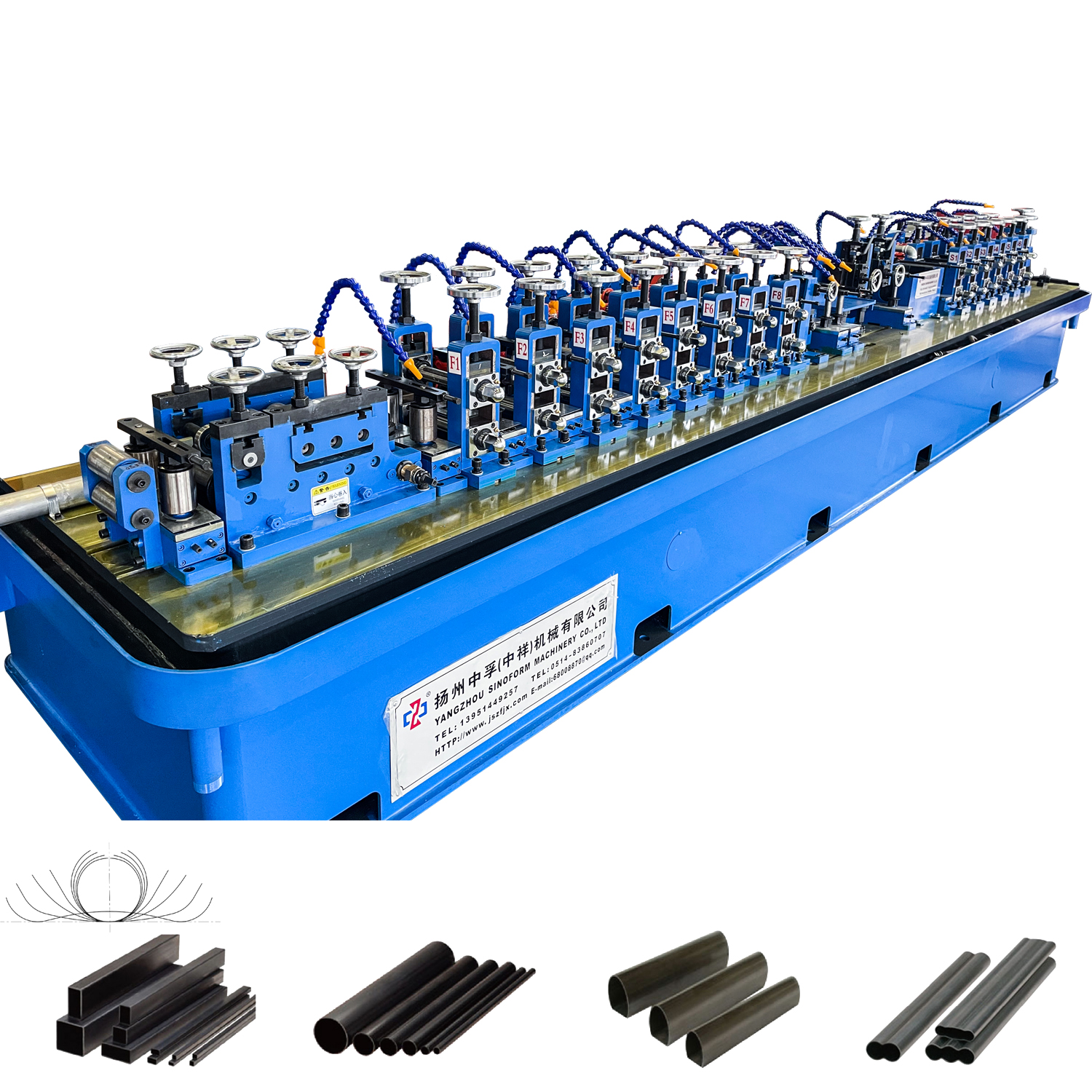 High Precision High-Frequency ERW Tube Mill line
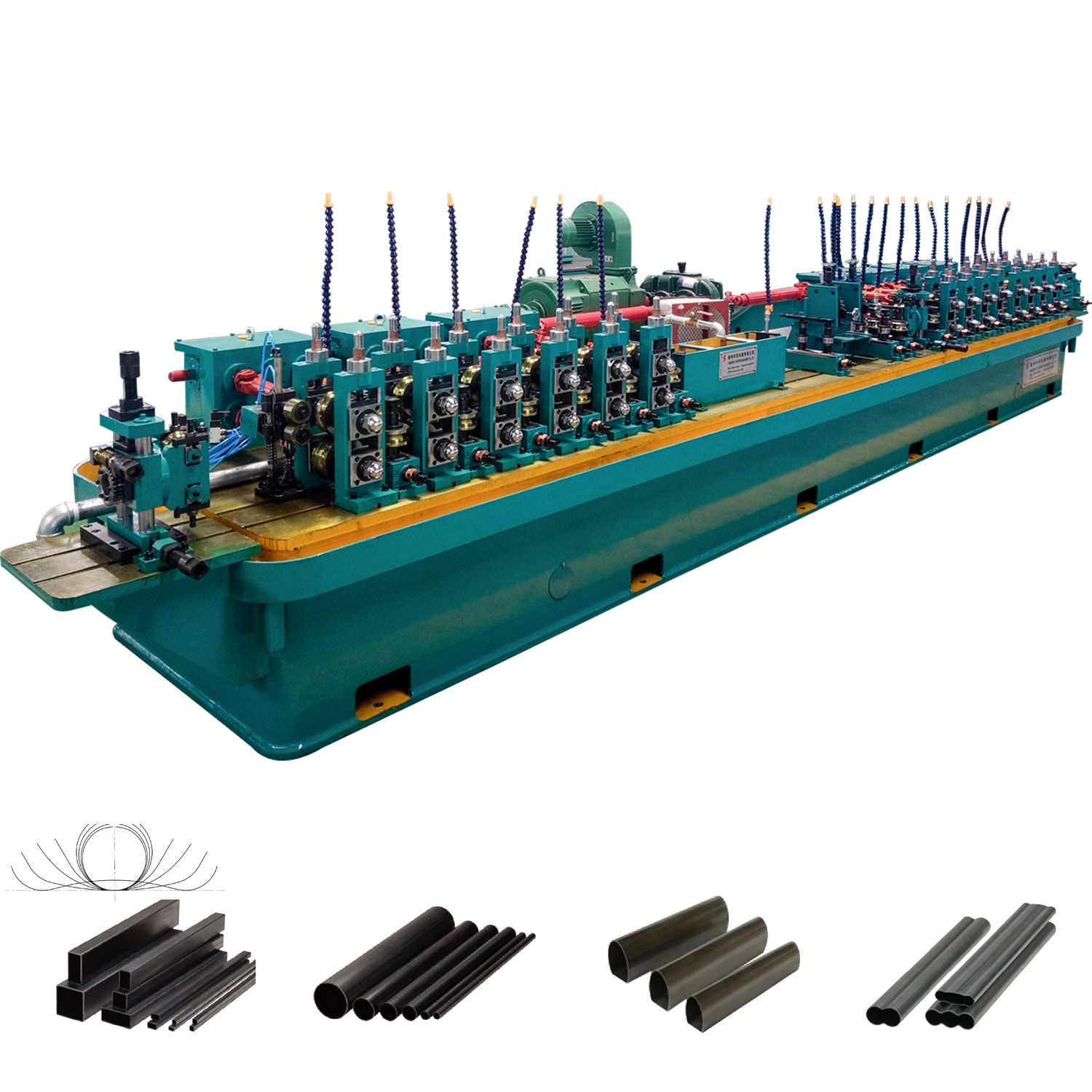 High Precision High-Frequency ERW Tube Mill line
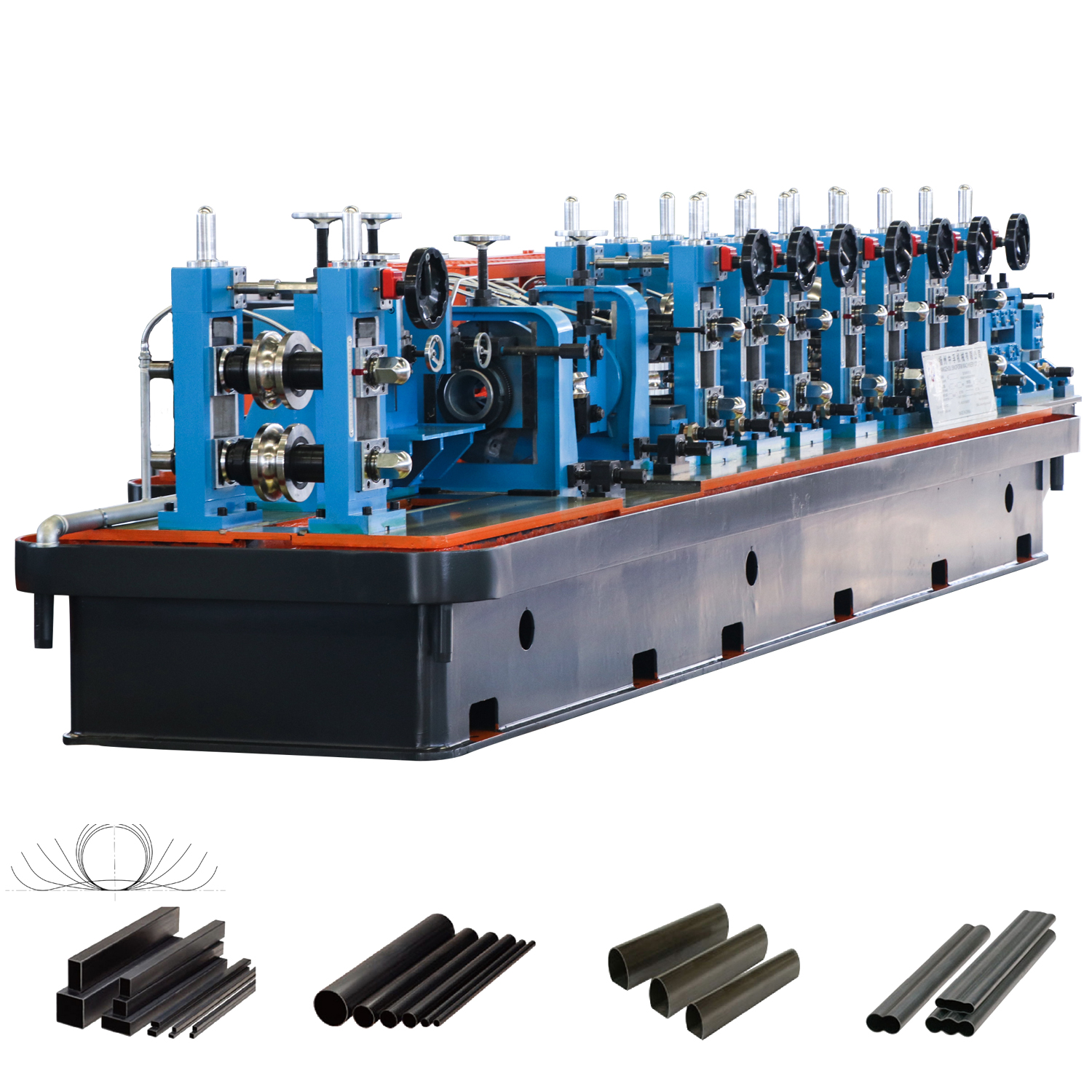 High Precision High-Frequency ERW Tube Mill line
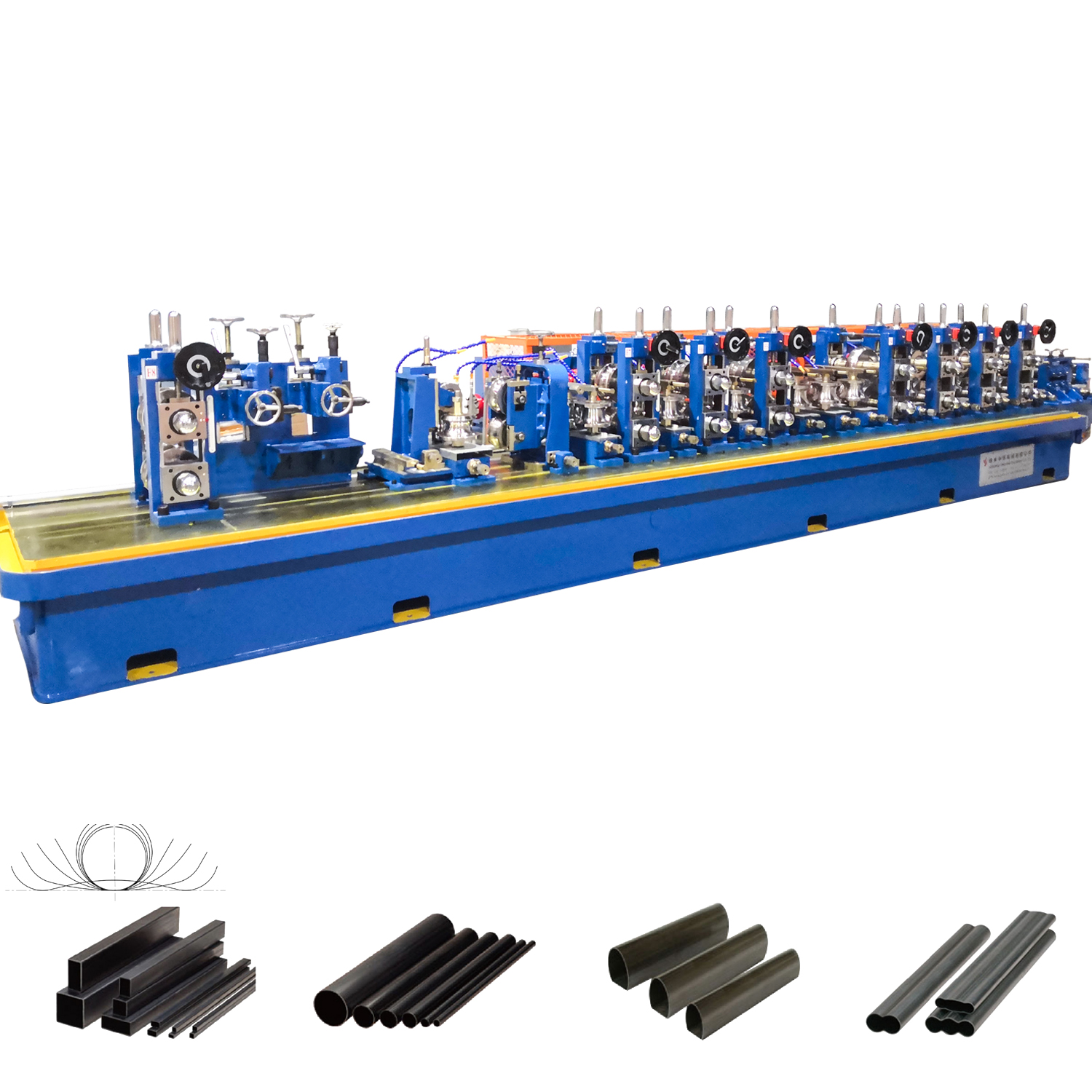 High Precision High-Frequency ERW Tube Mill line
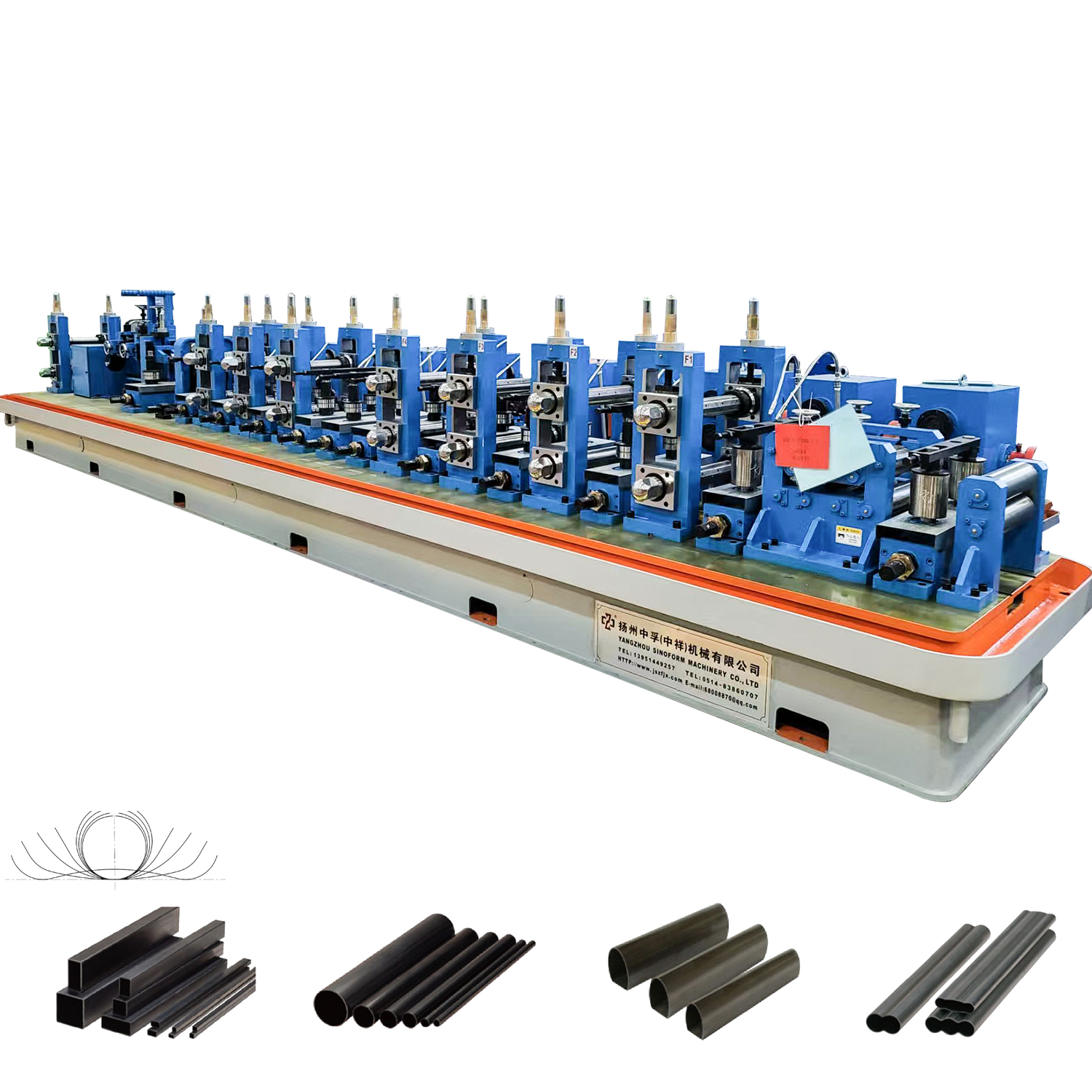 High Precision High-Frequency ERW Tube Mill line
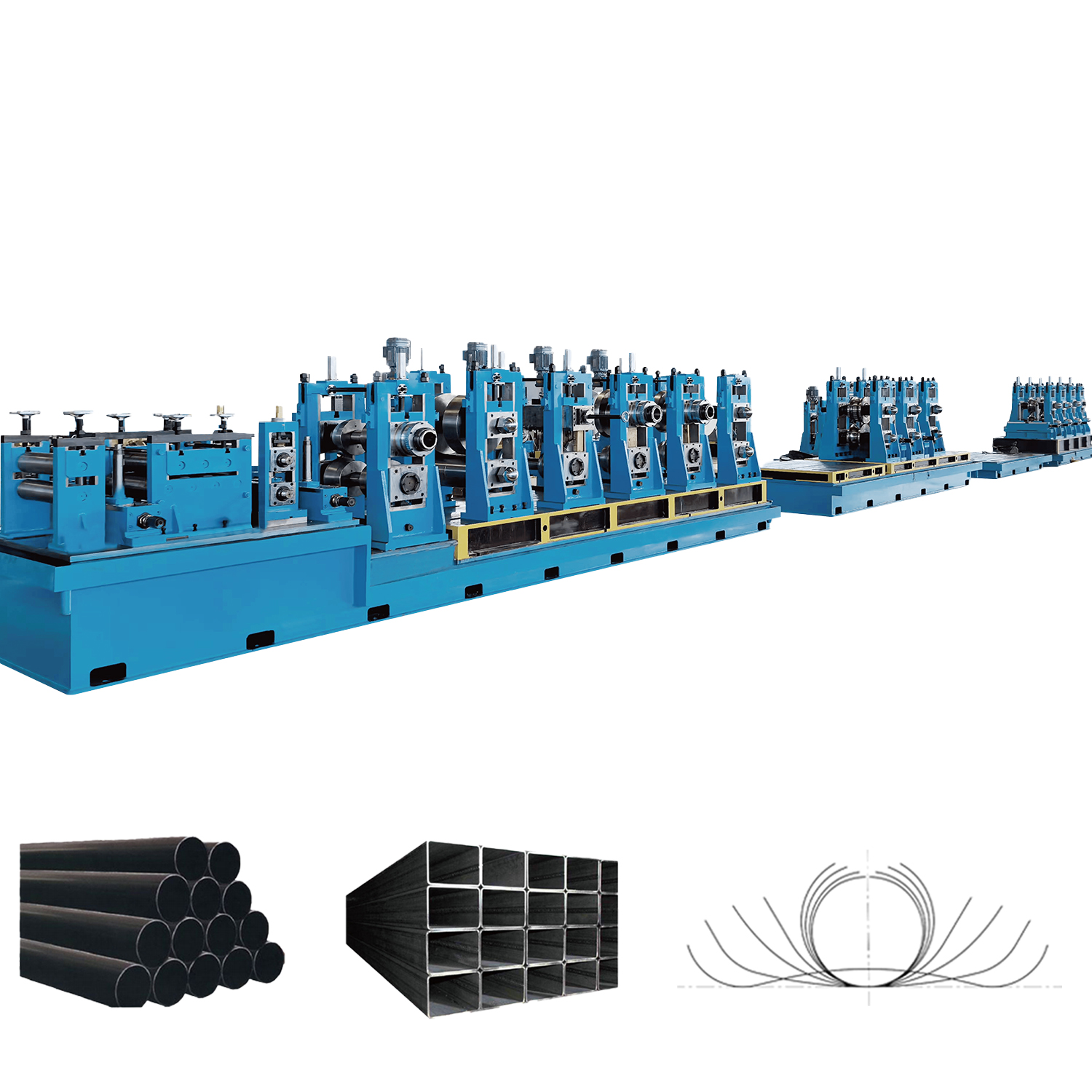 Large ERW tube mill line
Large ERW tube mill line
Large ERW tube mill line
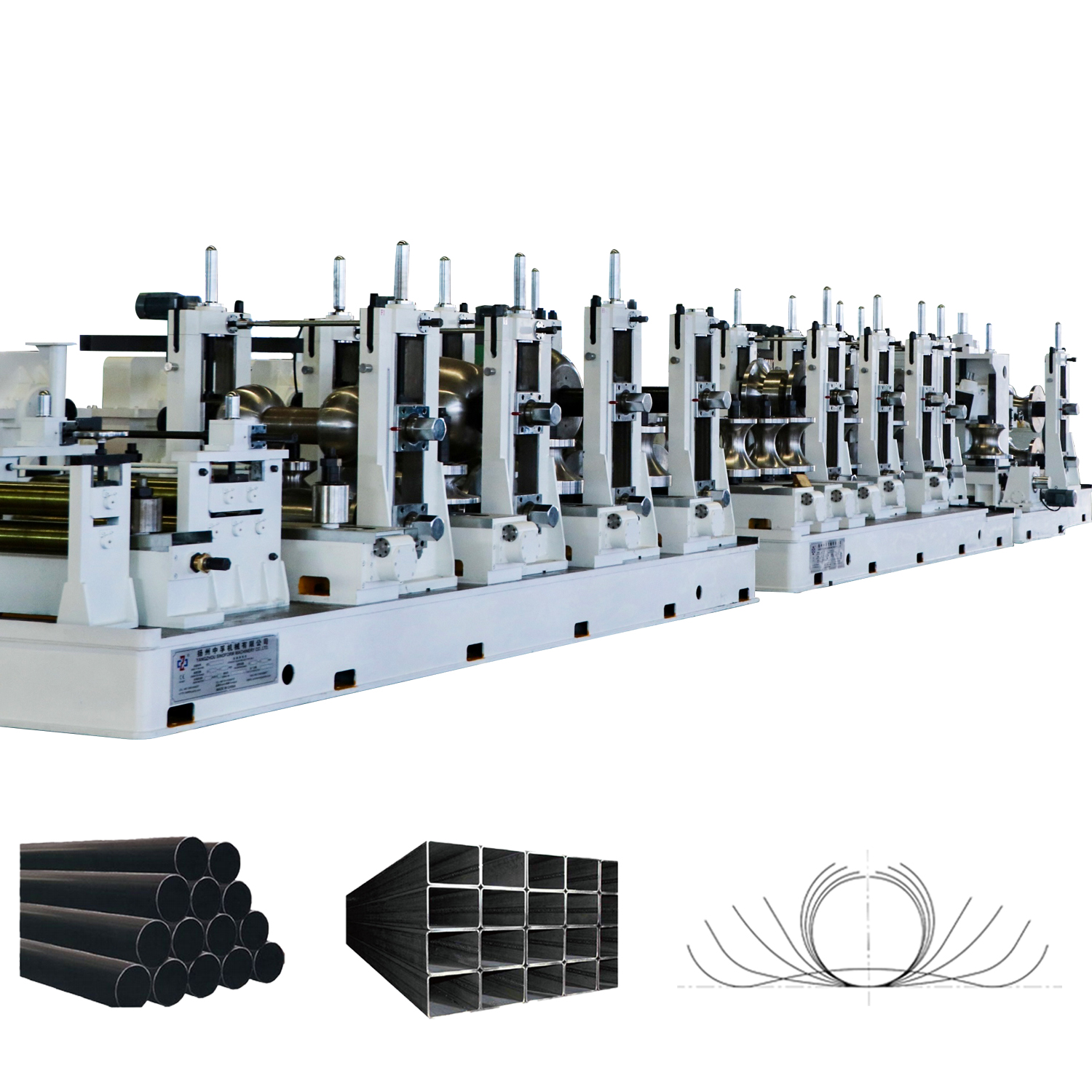 Large ERW tube mill line
Large ERW tube mill line
Large ERW tube mill line
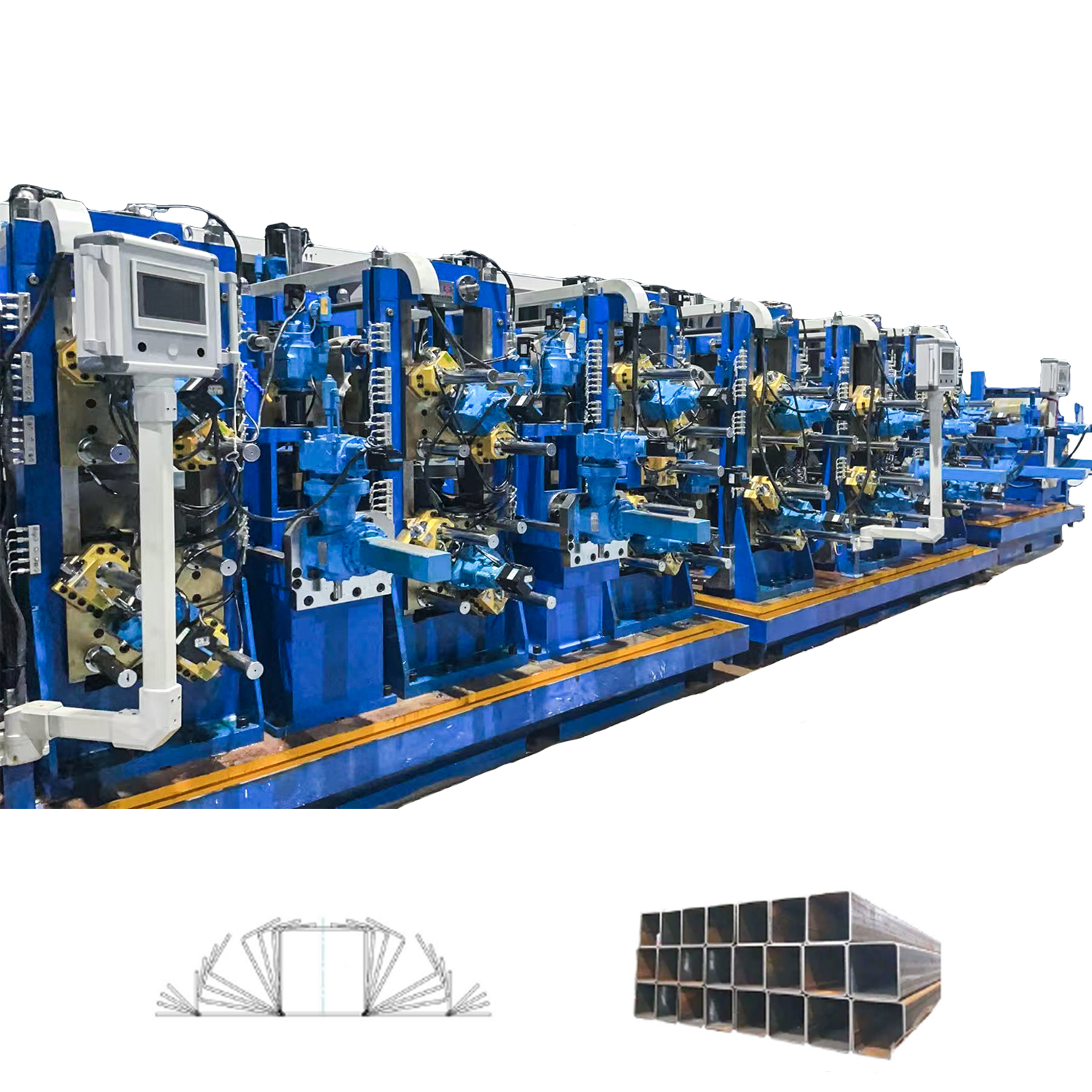 Direct To Square Welded Pipe Production Line
Direct To Square Welded Pipe Production Line
Direct To Square Welded Pipe Production Line
Direct To Square Welded Pipe Production Line
Direct To Square Welded Pipe Production Line

 No.1 Xiangjian Road, Northern
Suburbs Of Yangzhou City,
Jiangsu Province,China
No.1 Xiangjian Road, Northern
Suburbs Of Yangzhou City,
Jiangsu Province,China
 Phone: +86-0514-8363 8877
 E-mail: [email protected]
© Yangzhou SINOFORM Machinery Co., Ltd. Tube Mill Line Manufacturers
Pipe Making Machine Custom
Tube Making Machine Suppliers



 English
 Español
 عربى
عربى русский
 中文简体
中文简体