Tube production lines are critical for manufacturing consistent, high-quality tubes used in industries like construction, automotive, medical devices, and plumbing. The precision of these lines—measured by tube diameter, wall thickness uniformity, straightness, and surface smoothness—directly determines product performance and compliance with industry standards. Even small deviations can render tubes unusable for high-precision applications (e.g., medical catheters or automotive fuel lines). Below, we break down the key factors that influence production line precision and how they impact final output.
How Do Raw Material Properties Influence Tube Precision?
The quality and consistency of raw materials (typically metal alloys, plastics, or composites) are the foundation of tube precision. Even advanced production equipment cannot compensate for flawed materials, as inconsistencies in raw material properties directly translate to tube defects. Here are the critical material-related factors:
1. Chemical Composition Uniformity
For metal tubes (e.g., steel, aluminum, copper), variations in alloy composition (e.g., carbon content in steel, magnesium levels in aluminum) affect material ductility, strength, and thermal expansion. For example, if a steel coil has uneven carbon distribution, some sections will be more brittle than others—during the extrusion or rolling process, these brittle sections may deform unevenly, leading to inconsistent wall thickness. For plastic tubes, uneven distribution of additives (e.g., plasticizers, stabilizers) can cause localized differences in melting point, resulting in uneven stretching and diameter variations.
2. Physical Properties Consistency
Density and Thickness: Raw material coils (for metal tubes) or pellets (for plastic tubes) must have uniform density. A coil with varying thickness will feed into the production line at inconsistent rates—thicker sections may be over-processed (thinning the tube wall), while thinner sections may be under-processed (creating thicker walls).
Surface Quality: Raw materials with surface defects (e.g., scratches, rust on metal coils, or impurities in plastic pellets) will transfer these flaws to the final tube. For example, a metal coil with a rust spot can cause a indentation in the tube during rolling, compromising precision and structural integrity.
3. Moisture Content (for Plastic/Composite Tubes)
Plastic and composite raw materials (e.g., PVC, polyethylene, fiberglass-reinforced plastic) absorb moisture from the air. Excess moisture evaporates during the melting/extrusion process, creating air bubbles in the tube wall. These bubbles weaken the tube and cause irregularities in wall thickness—even a 0.1% increase in moisture content can lead to a 5–10% drop in precision for thin-walled plastic tubes. Pre-drying raw materials to a consistent moisture level (usually <0.05% for most plastics) is therefore essential.
What Role Does Equipment Calibration and Maintenance Play in Precision?
Tube production lines consist of interconnected machines (e.g., extruders, rolling mills, cutters, straighteners) that rely on precise alignment and settings to produce uniform tubes. Even minor equipment misalignment or wear can disrupt the entire production process. Key equipment-related factors include:
1. Extruder Screw and Die Calibration
The extruder is the heart of plastic/metal tube production—it melts raw materials and forces them through a die (a metal mold) to form the tube’s shape.
Screw Speed and Temperature: The extruder screw’s rotational speed controls material flow rate; inconsistent speed leads to uneven material feed, resulting in tube diameter fluctuations. Similarly, uneven heating in the extruder barrel (e.g., a faulty heater zone) causes raw materials to melt unevenly—some sections may be too viscous (slowing flow) while others are too thin (speeding flow), creating wall thickness variations.
Die Alignment and Wear: The die must be perfectly centered in the extruder. A misaligned die will cause material to flow more to one side, resulting in a lopsided tube (e.g., thicker wall on the right, thinner on the left). Over time, die openings wear down (especially for metal tubes), increasing the tube’s diameter beyond specifications—regular die measurement (using calipers or laser scanners) and replacement are critical.
2. Rolling Mill and Sizing Machine Alignment (for Metal Tubes)
Metal tube production often uses rolling mills to reduce tube diameter and improve wall uniformity, followed by sizing machines to finalize dimensions.
Roller Gap and Pressure: Rolling mill rollers apply pressure to the tube to shape it; uneven roller gaps (e.g., one roller set tighter than others) will compress the tube unevenly, leading to ovality (non-circular cross-section). For example, a 0.1mm difference in roller gap can cause a 2–3% deviation from the target diameter.
Sizing Machine Guide Rolls: Guide rolls in sizing machines keep the tube straight during cooling. Misaligned guide rolls will push the tube to one side, causing straightness defects (e.g., bending or "camber")—a common issue in long metal tubes (6+ meters) that renders them unsuitable for structural applications.
3. Cutting and Straightening Equipment Precision
After forming, tubes are cut to length and straightened. A dull cutter blade can create uneven, burr-filled ends, while a misaligned straightener may bend the tube instead of correcting it. For example, a cutter with a 0.5mm offset from the tube’s centerline will produce tubes with inconsistent lengths (±1mm), which is unacceptable for medical or automotive tubes requiring ±0.1mm length tolerance.
How Do Process Parameters (Temperature, Speed, Pressure) Impact Precision?
Even with high-quality materials and calibrated equipment, imprecise control of process parameters can ruin tube quality. Process parameters act as "adjustments" to ensure materials are processed consistently at every stage. Key parameters include:
1. Temperature Control
Temperature affects material flow, cooling, and solidification—critical for both metal and plastic tubes.
Extrusion Temperature: For plastic tubes, too low a temperature leads to incomplete melting, causing lumps or "gel spots" in the tube wall; too high a temperature degrades the plastic, creating brittle sections. For metal tubes (e.g., aluminum extrusion), uneven temperature in the extrusion die can cause the tube to cool at different rates—sections that cool faster will shrink more, leading to wall thickness variations.
Cooling Rate: After extrusion/rolling, tubes are cooled (via water baths, air blowers, or cooling jackets) to set their shape. A uneven cooling rate (e.g., one side of the tube cooled faster than the other) causes uneven shrinkage—for example, a plastic tube cooled rapidly on the left may have a smaller left diameter than the right.
2. Production Speed
Line speed (the rate at which the tube moves through the production line) must be balanced with other parameters to maintain precision.
Too Fast: High speed reduces the time raw materials spend in the extruder, leading to incomplete melting (plastic tubes) or insufficient shaping (metal tubes). It also puts more stress on guide rolls and cutters, increasing the risk of misalignment. For example, doubling line speed without adjusting extruder temperature can cause a 10–15% increase in diameter variation.
Too Slow: Slow speed increases production time and costs, but it can also lead to over-processing—for metal tubes, prolonged contact with rolling mills may thin the wall beyond specifications; for plastic tubes, slow cooling can cause the tube to sag, reducing straightness.
3. Pressure Settings
Pressure controls material flow and shaping in extruders and rolling mills.
Extruder Pressure: Inconsistent pressure (caused by a faulty pressure sensor or clogged extruder) leads to uneven material flow—spikes in pressure can push excess material through the die, increasing tube diameter; drops in pressure reduce flow, thinning the wall.
Rolling Pressure: For metal tubes, too high rolling pressure can over-compress the tube, reducing diameter below target; too low pressure leaves the tube too large, requiring rework that risks further imprecision.
What Impact Do Environmental Factors Have on Production Line Precision?
Environmental conditions in the production facility may seem trivial, but they can disrupt sensitive equipment and material properties. Key environmental factors include:
1. Temperature and Humidity
Temperature: Facility temperature fluctuations (e.g., seasonal changes or proximity to heating/cooling vents) affect equipment alignment—metal machines expand in high temperatures and contract in low temperatures, leading to misalignment. For example, a 10°C increase in facility temperature can cause a 0.05mm expansion in a steel guide roll, enough to create a 1% diameter deviation in the tube.
Humidity: High humidity increases moisture absorption in plastic/composite raw materials (as discussed earlier) and causes rust on metal equipment (e.g., rolling mill rollers). Rust on rollers creates uneven friction, leading to tube surface scratches or uneven shaping. Most tube production facilities maintain humidity levels between 40–60% to mitigate these issues.
2. Vibration and Dust
Vibration: Nearby heavy machinery (e.g., other production lines, forklifts) creates vibrations that travel through the floor to tube production equipment. These vibrations disrupt extruder screws, guide rolls, and laser measurement tools—even small vibrations (0.1mm amplitude) can cause a laser diameter sensor to give inaccurate readings, leading to incorrect adjustments.
Dust: Dust particles in the air can contaminate raw materials (e.g., sticking to plastic pellets) or clog equipment (e.g., extruder dies, cooling water filters). A single dust particle in a plastic tube’s extrusion die can create a small indentation in the tube wall, failing precision checks for medical or aerospace applications.
How Does Quality Control (QC) and Monitoring Systems Affect Precision?
Even with optimal materials, equipment, and processes, precision cannot be maintained without real-time monitoring and QC checks. Weak QC systems allow defects to go undetected until final inspection, wasting time and materials. Key QC-related factors include:
1. Real-Time Monitoring Tools
Modern tube production lines use sensors and cameras to monitor precision in real time:
Laser Diameter Sensors: Measure tube diameter and ovality at multiple points along the line, alerting operators to deviations within milliseconds. Without these sensors, operators may not notice diameter changes until the tube is cut, leading to large batches of defective products.
Wall Thickness Gauges: Use ultrasonic or X-ray technology to check wall thickness uniformity—critical for tubes used in high-pressure applications (e.g., oil pipelines). A faulty gauge that gives inaccurate readings can allow thin-walled sections to pass, risking tube failure in use.
Straightness Meters: Detect bending or camber in long tubes, ensuring they meet straightness tolerances (e.g., <1mm per meter for construction tubes).
2. Frequency of Manual Inspections
Automated monitoring is essential, but manual inspections (using calipers, micrometers, or coordinate measuring machines) are still needed to verify sensor accuracy and check for defects sensors may miss (e.g., surface scratches). Infrequent manual inspections increase the risk of sensor drift (inaccurate readings over time) going unnoticed—for example, a laser sensor that drifts by 0.05mm may produce 1000s of defective tubes before a manual check catches the issue.
3. Operator Training
Even the best equipment and sensors rely on trained operators to interpret data and make adjustments. An untrained operator may ignore sensor alerts, misadjust process parameters (e.g., increasing extruder temperature too much to fix a diameter issue), or skip maintenance checks—all of which reduce precision. Regular training on equipment calibration, parameter adjustment, and defect recognition is therefore critical.
In summary, tube production line precision is influenced by a complex interplay of raw materials, equipment, processes, environment, and QC. Neglecting any of these factors can lead to costly defects and non-compliant products. For manufacturers, investing in high-quality materials, regular equipment calibration, precise process control, facility environmental management, and robust QC systems is essential to maintaining consistent precision—and ultimately, delivering tubes that meet customer and industry standards.
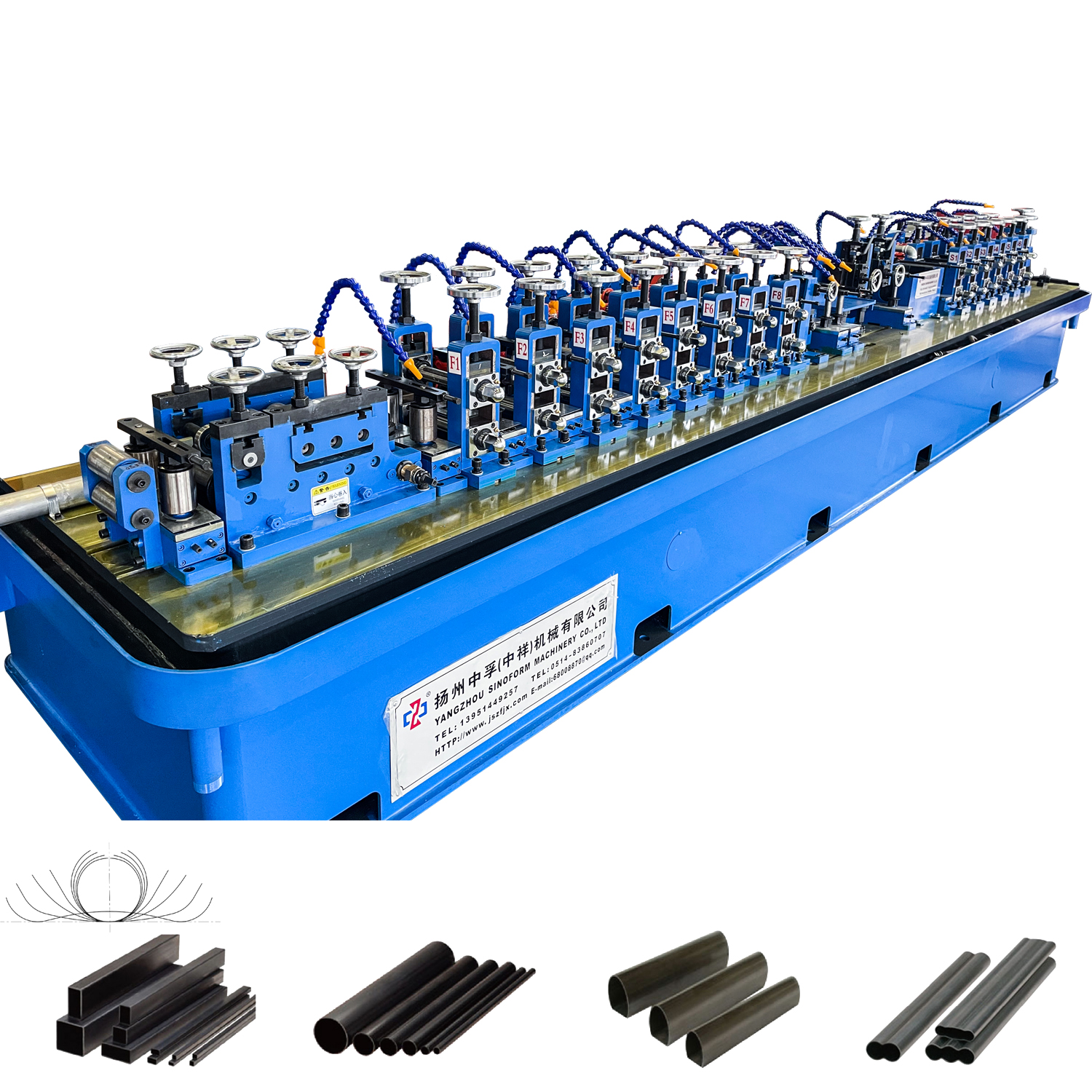 High Precision High-Frequency ERW Tube Mill line
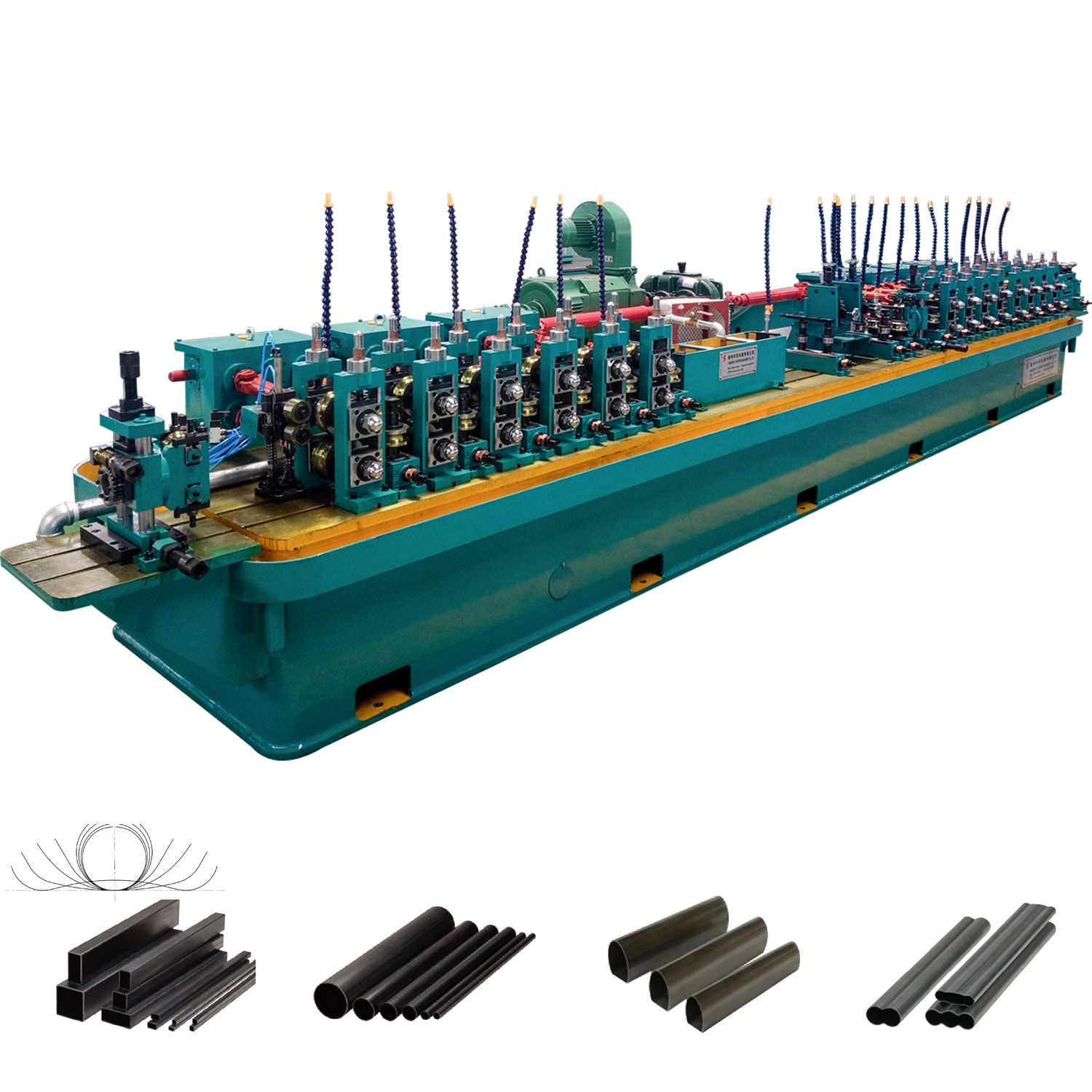 High Precision High-Frequency ERW Tube Mill line
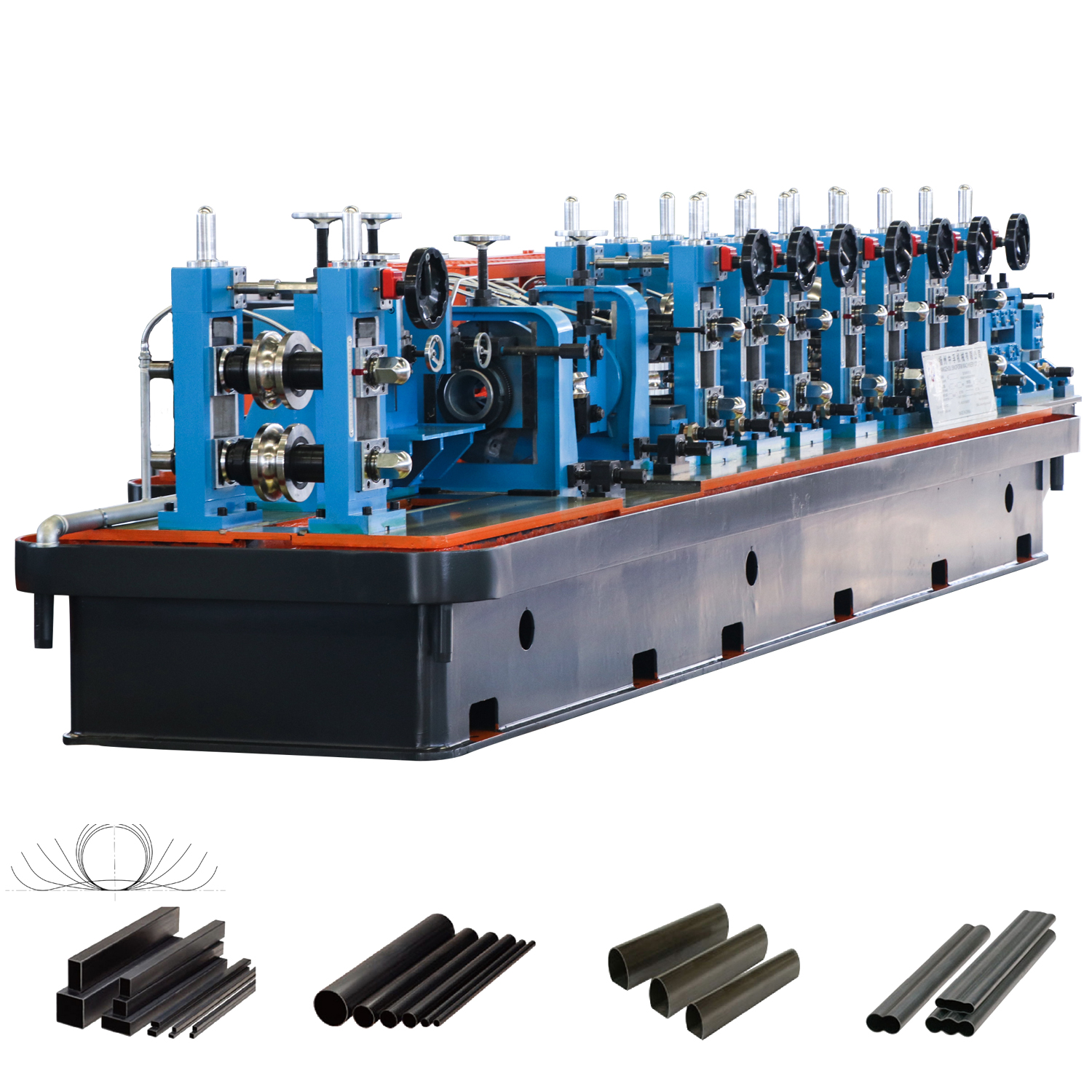 High Precision High-Frequency ERW Tube Mill line
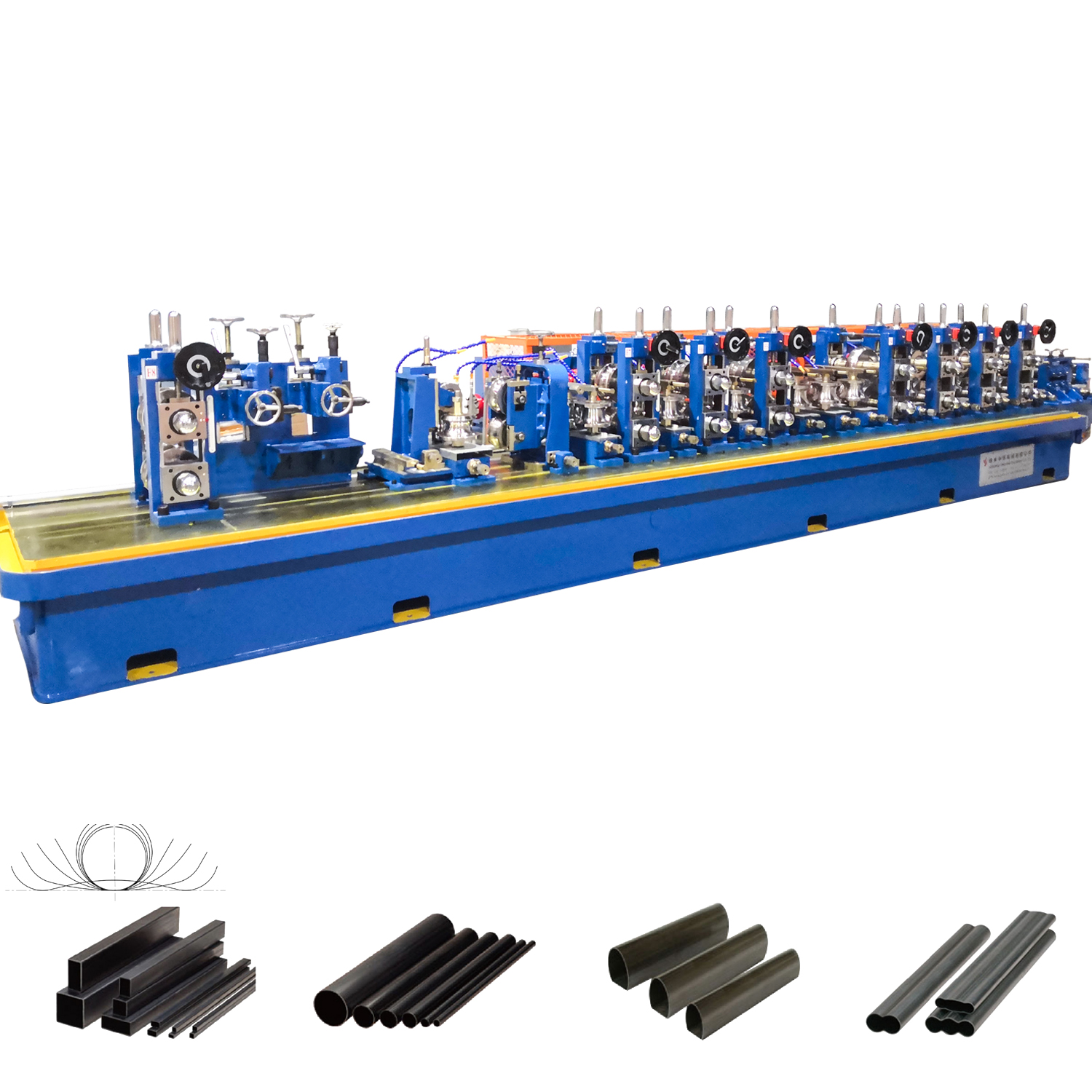 High Precision High-Frequency ERW Tube Mill line
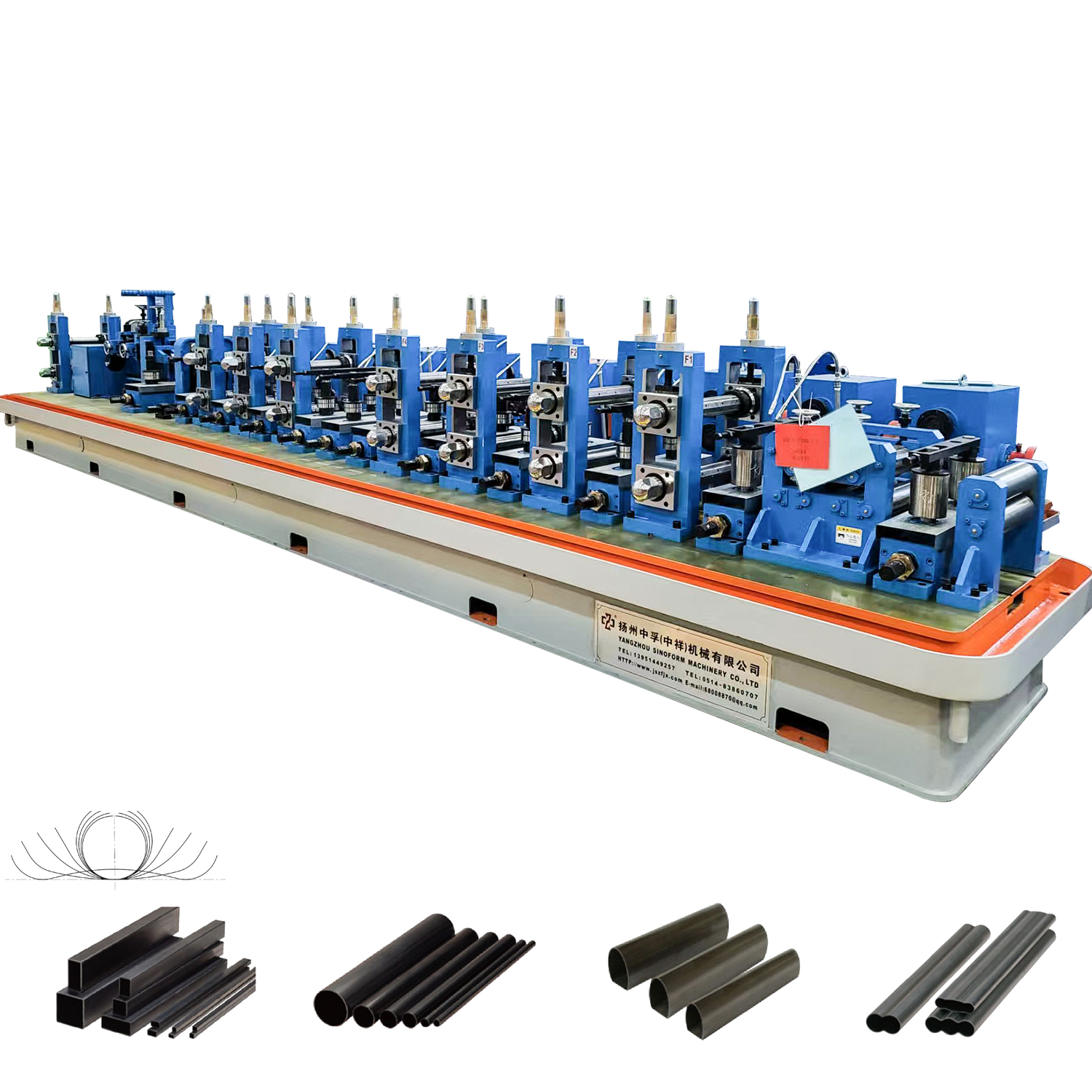 High Precision High-Frequency ERW Tube Mill line
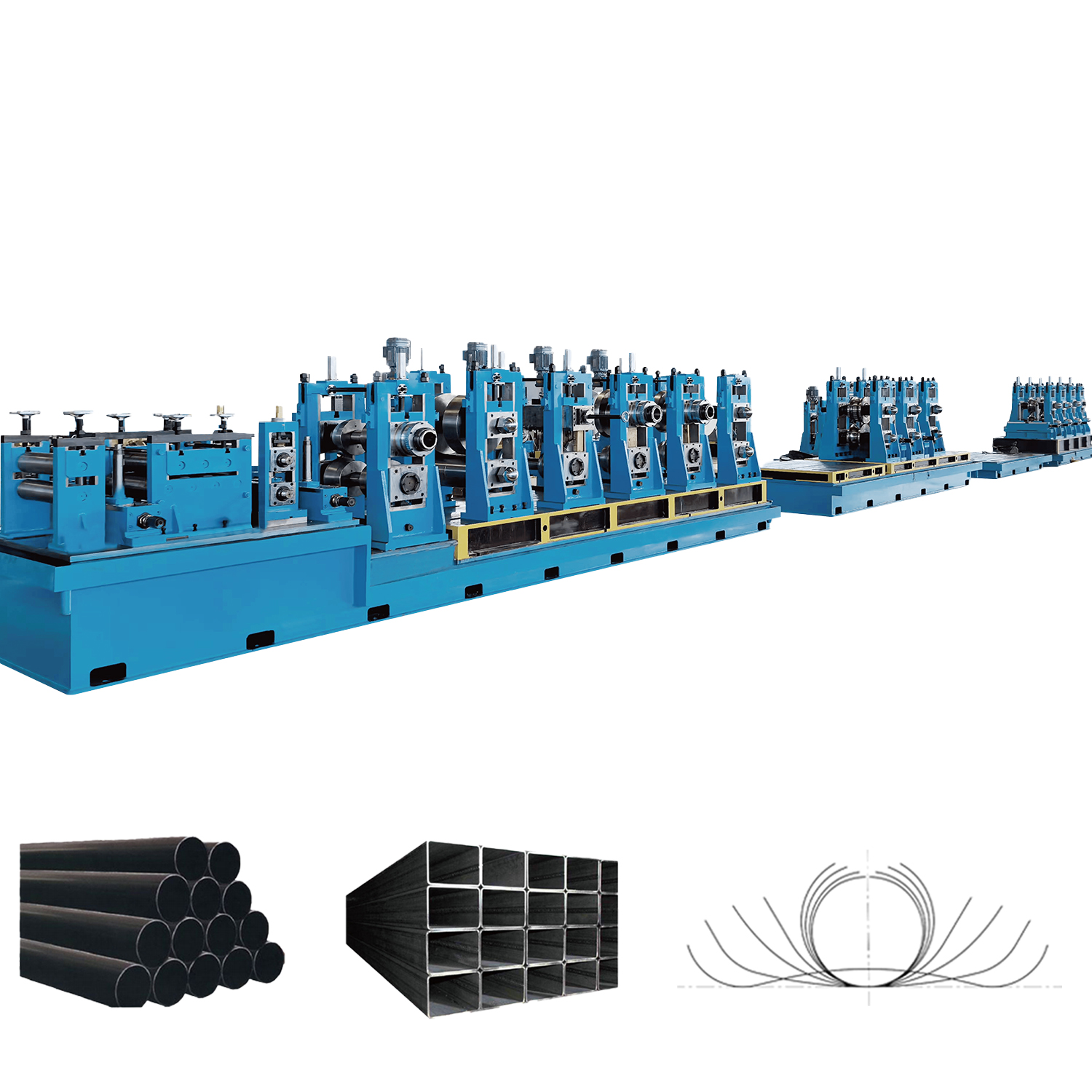 Large ERW tube mill line
Large ERW tube mill line
Large ERW tube mill line
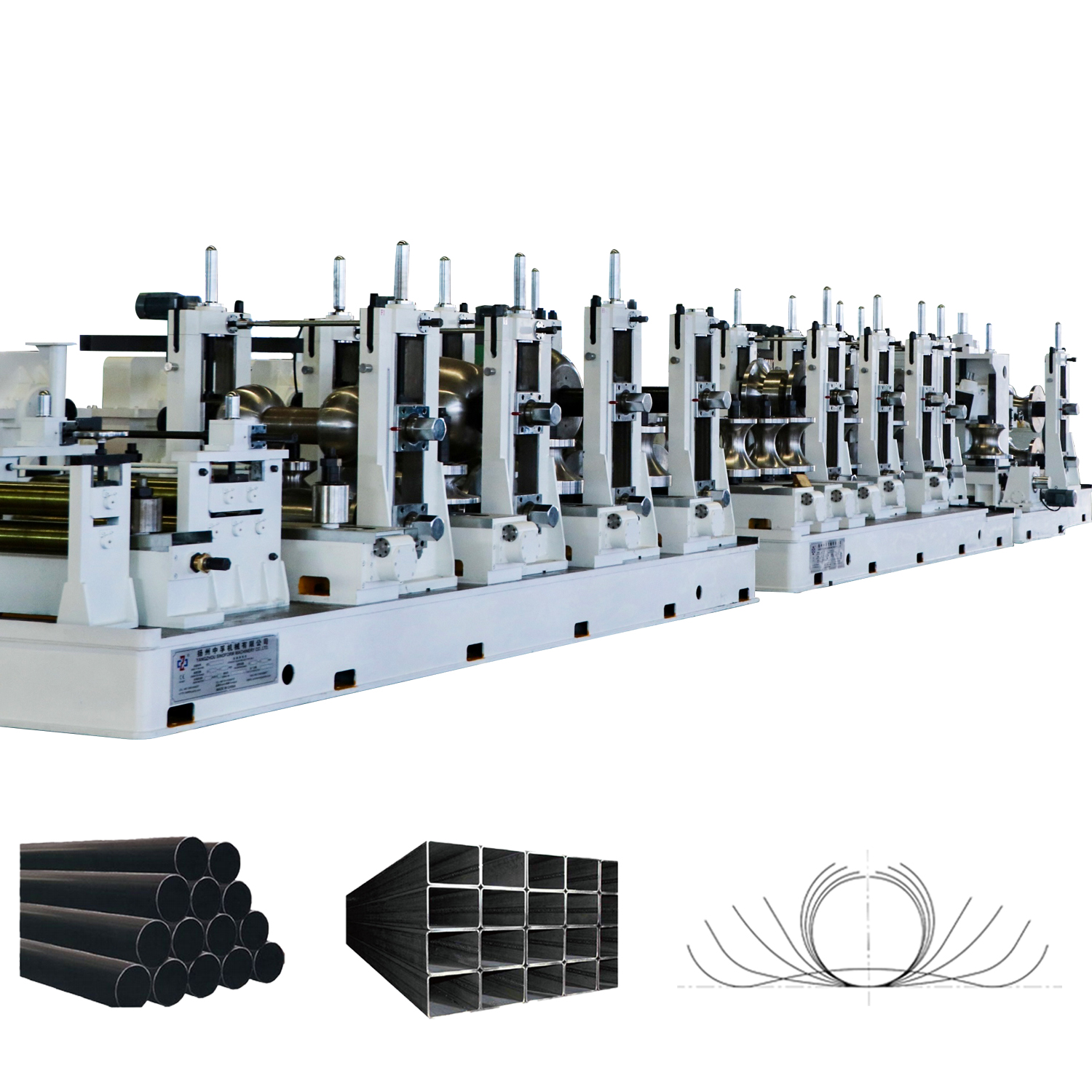 Large ERW tube mill line
Large ERW tube mill line
Large ERW tube mill line
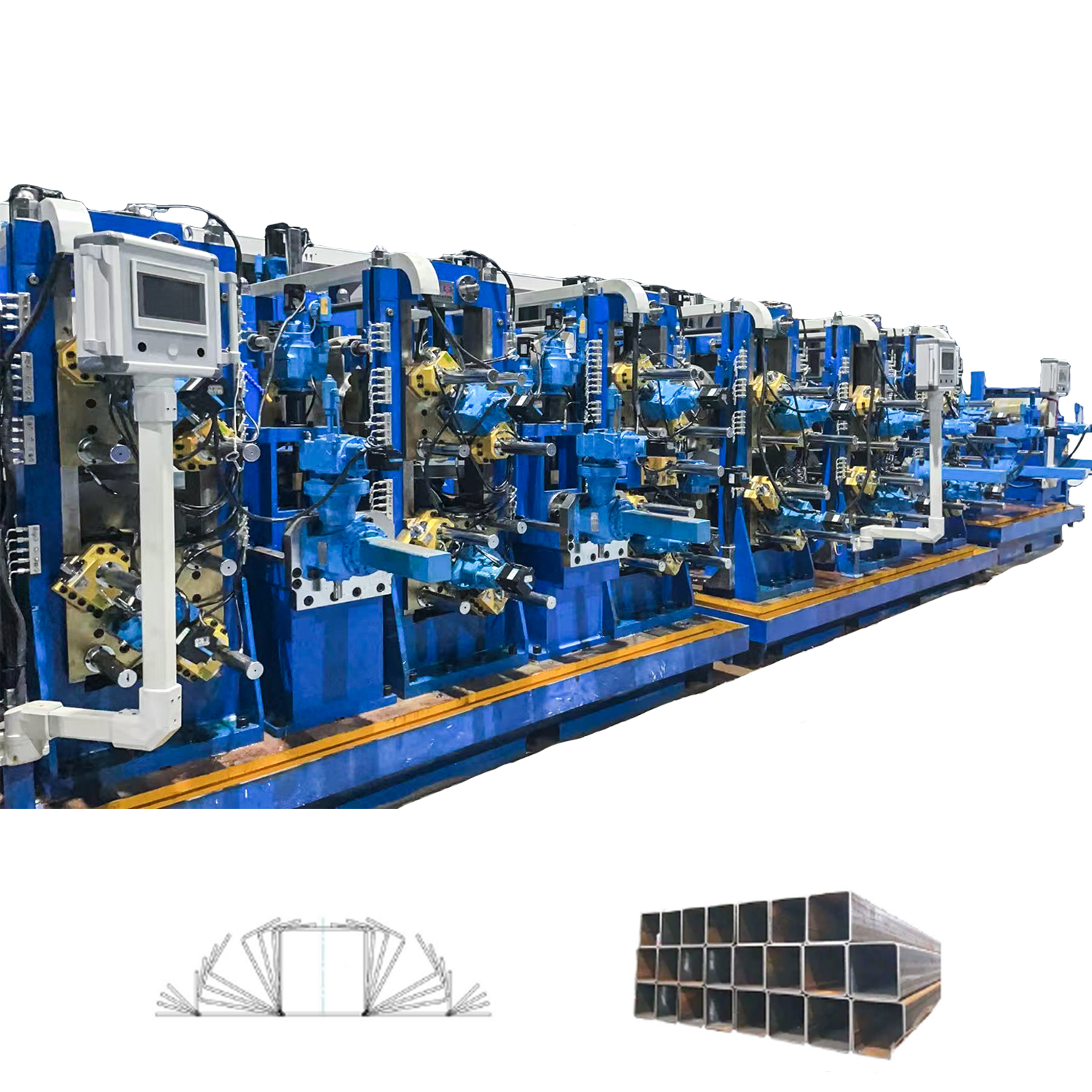 Direct To Square Welded Pipe Production Line
Direct To Square Welded Pipe Production Line
Direct To Square Welded Pipe Production Line
Direct To Square Welded Pipe Production Line
Direct To Square Welded Pipe Production Line

 No.1 Xiangjian Road, Northern
Suburbs Of Yangzhou City,
Jiangsu Province,China
No.1 Xiangjian Road, Northern
Suburbs Of Yangzhou City,
Jiangsu Province,China
 Phone: +86-0514-8363 8877
 E-mail: [email protected]
© Yangzhou SINOFORM Machinery Co., Ltd. Tube Mill Line Manufacturers
Pipe Making Machine Custom
Tube Making Machine Suppliers



 English
 Español
 عربى
عربى русский
 中文简体
中文简体