Content
Electric Resistance Welding (ERW) tube production faces a critical trade-off: increasing production speed often disrupts tube straightness, yet both are essential for industrial efficiency and product quality. When speed rises, challenges emerge at multiple stages: faster metal coil uncoiling and feeding can create uneven tension, leading to lateral shifts in the metal strip. During the forming process, higher speeds reduce the time for the strip to gradually shape into a cylindrical form, increasing the risk of uneven wall thickness or "ovalization" (non-circular cross-sections). Additionally, faster welding and cooling cycles may cause uneven heat distribution—localized overheating or incomplete cooling can introduce internal stresses, which manifest as bending or warping once the tube is cut to length. For industries like construction (structural tubes) or fluid transport (pipeline tubes), even minor straightness deviations (exceeding 1mm per meter) render tubes unusable, making it imperative to identify mill features that resolve this speed-straightness conflict.
To maintain straightness while accelerating production, ERW tube mills rely on two key coil handling and feeding features: tension-controlled uncoiling systems and precision strip leveling units. Tension-controlled uncoilers use automated sensors and hydraulic brakes to maintain consistent tension across the metal coil as it uncoils—even at speeds up to 60 meters per minute. This prevents the strip from "snaking" (side-to-side movement) or stretching unevenly, which would otherwise cause misalignment during forming. Precision strip leveling units, equipped with multi-roll (12–24 rolls) systems, flatten the metal strip before forming. These rolls apply uniform pressure to eliminate residual stresses from coil storage (e.g., "coil set," where the strip retains a curved shape) and ensure the strip enters the forming section with a flat, consistent profile. Without this leveling, high-speed forming would amplify existing strip irregularities into straightness defects in the final tube.
The forming section—where the flat metal strip is bent into a tube shape—requires three specialized features to boost speed without sacrificing straightness: progressive multi-pass forming dies, real-time shape monitoring, and adaptive roll pressure control. Progressive multi-pass dies divide the forming process into 8–12 gradual stages (instead of fewer, more abrupt bends), allowing the metal to adjust to its cylindrical shape at high speeds without accumulating stress. Real-time shape monitoring uses high-resolution cameras and laser scanners to track the strip’s curvature at each forming pass; if deviations (e.g., uneven edge alignment) are detected, the system sends instant feedback to adjust die positions. Adaptive roll pressure control applies variable pressure to the forming rolls—for example, increasing pressure on areas prone to stretching at higher speeds—to ensure uniform wall thickness and prevent ovalization. Together, these features enable forming speeds up to 80 meters per minute while keeping straightness within industry standards (≤0.8mm per meter).
Welding and post-welding processes are critical for preserving straightness, as uneven heat or cooling can undo progress from earlier stages. Two key features here are high-frequency induction welding (HFIW) with precise power regulation and controlled cooling systems. HFIW uses high-frequency electrical currents (300–500 kHz) to heat the strip edges for welding—unlike traditional ERW, it delivers concentrated, uniform heat, reducing the heat-affected zone (HAZ) where stresses accumulate. Precise power regulation adjusts the current based on strip thickness and speed, ensuring consistent weld quality without overheating. Controlled cooling systems—using mist sprays or air jets with temperature sensors—cool the welded tube evenly as it exits the welding section. Rapid but uniform cooling prevents thermal warping; for example, cooling the tube from 800°C to 200°C in 10–15 seconds (instead of uneven cooling) locks in a straight profile. Additionally, some mills include a "post-weld straightening pass" with small-diameter rolls that apply gentle pressure to correct minor deviations before cutting.
Verifying the effectiveness of these features requires a combination of in-line testing and off-line quality checks. In-line testing uses integrated sensors: laser straightness gauges measure the tube’s deviation in real time as it moves through the mill (sampling every 0.5 seconds) to ensure straightness stays within limits at maximum speed. Tension sensors in the feeding section monitor for uneven pull, while thermal imaging cameras check for hotspots in the welding zone that could indicate uneven heating. Off-line checks involve cutting sample tubes (every 500 meters of production) and measuring their straightness using a precision straightness bench—this bench uses dial indicators to detect deviations across the tube’s length. Additionally, wall thickness gauges (ultrasonic or laser-based) verify that thickness remains uniform at high speeds, as uneven thickness is a precursor to straightness issues. Only when both in-line and off-line tests confirm consistent speed and straightness can the mill features be considered effective.
Even the most advanced mill features require regular maintenance to retain their performance. Three key practices are critical: periodic calibration of forming rolls and dies, cleaning and inspection of welding components, and lubrication of tension control systems. Forming rolls and dies should be calibrated every 1,000 hours of operation—wear or misalignment (even 0.1mm) can cause uneven forming at high speeds. This calibration involves measuring roll parallelism and adjusting die positions to match the strip’s thickness. Welding components (e.g., induction coils, electrode tips) need weekly cleaning to remove metal debris, which can disrupt heat distribution and lead to uneven welds. Tension control systems—including hydraulic brakes and sensors—require monthly lubrication with high-temperature grease to prevent friction-related tension fluctuations. Additionally, replacing worn strip leveling rolls every 3,000 hours ensures consistent flattening of the metal strip. Neglecting these practices can cause features to degrade over time, forcing operators to reduce speed to maintain straightness—undermining the mill’s efficiency.
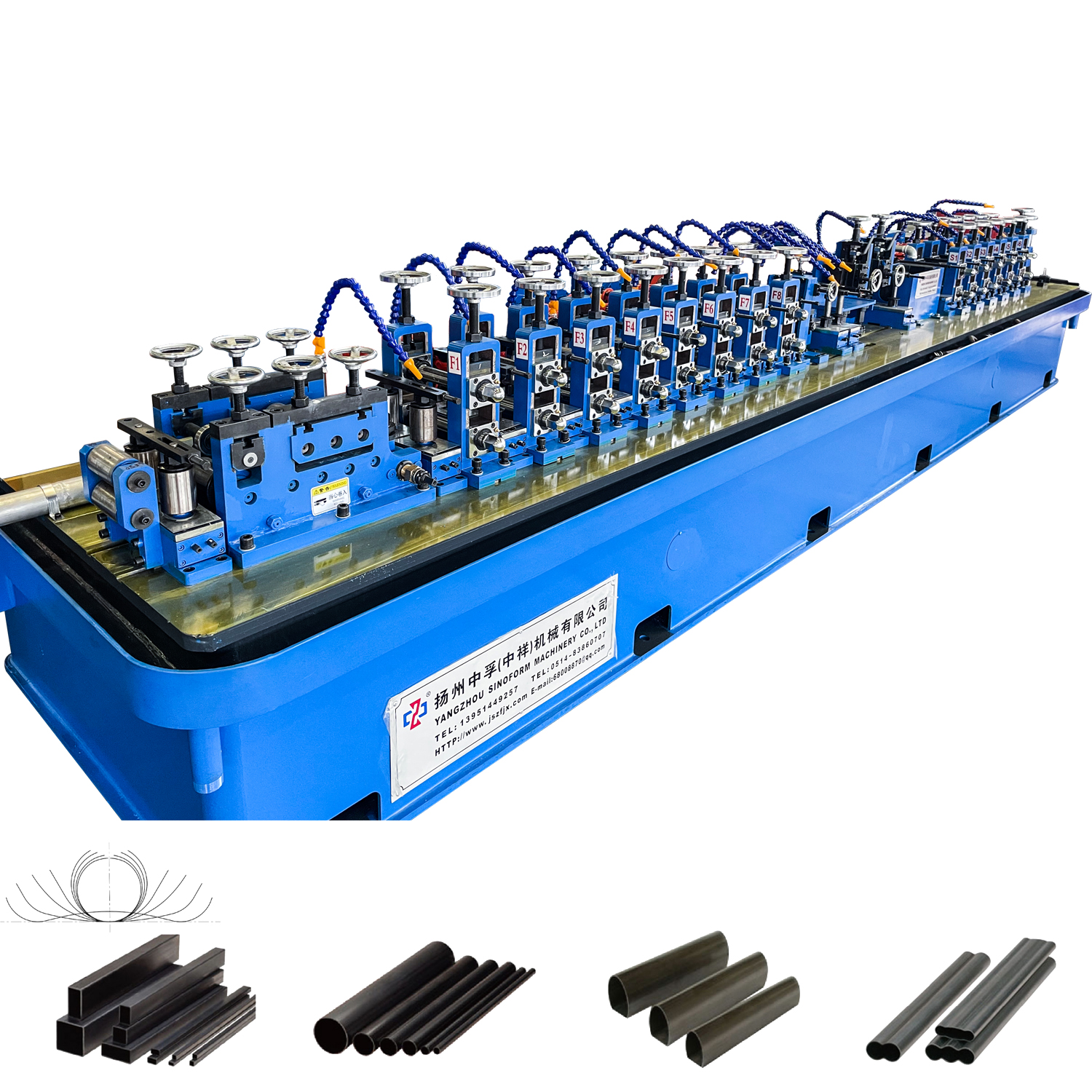 High Precision High-Frequency ERW Tube Mill line
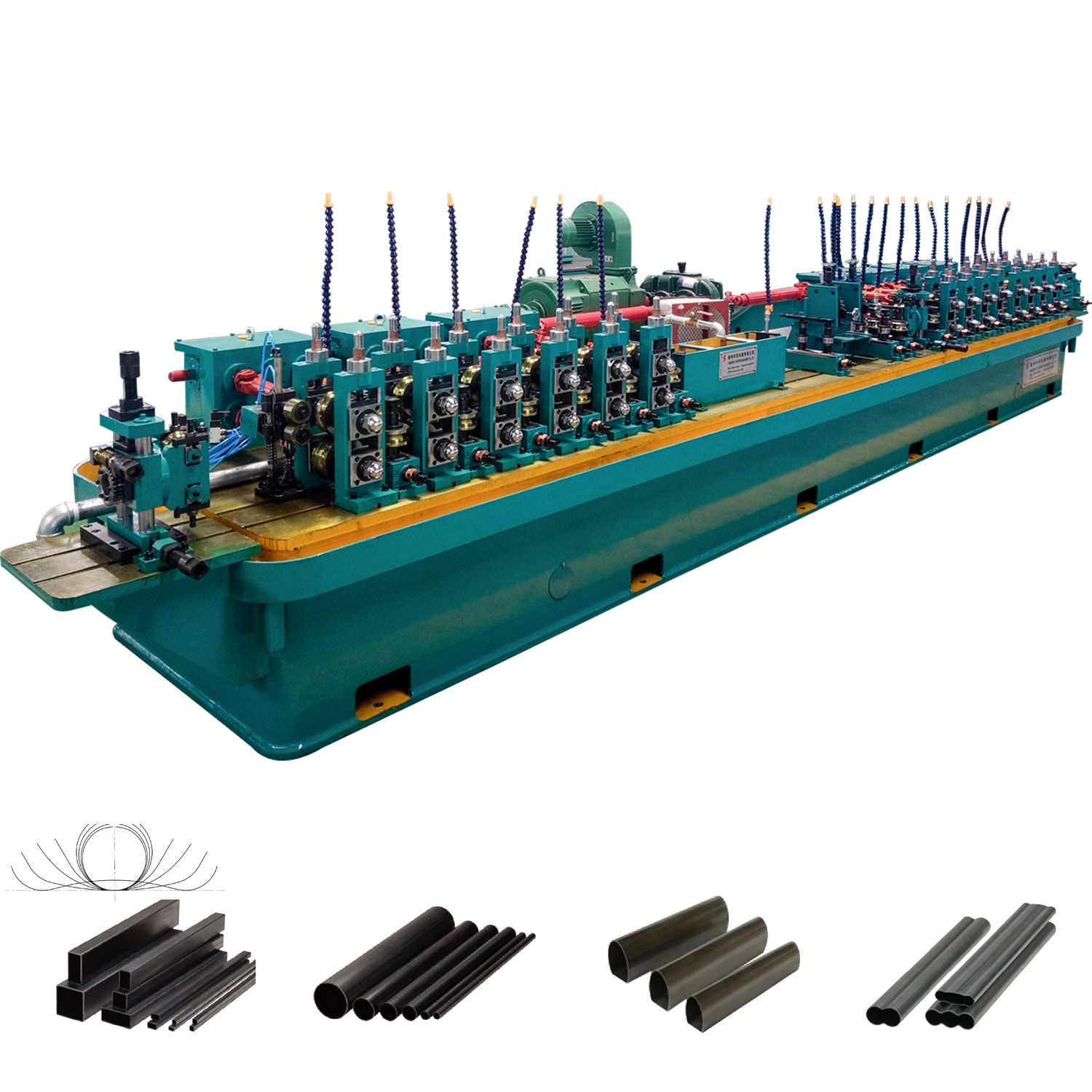 High Precision High-Frequency ERW Tube Mill line
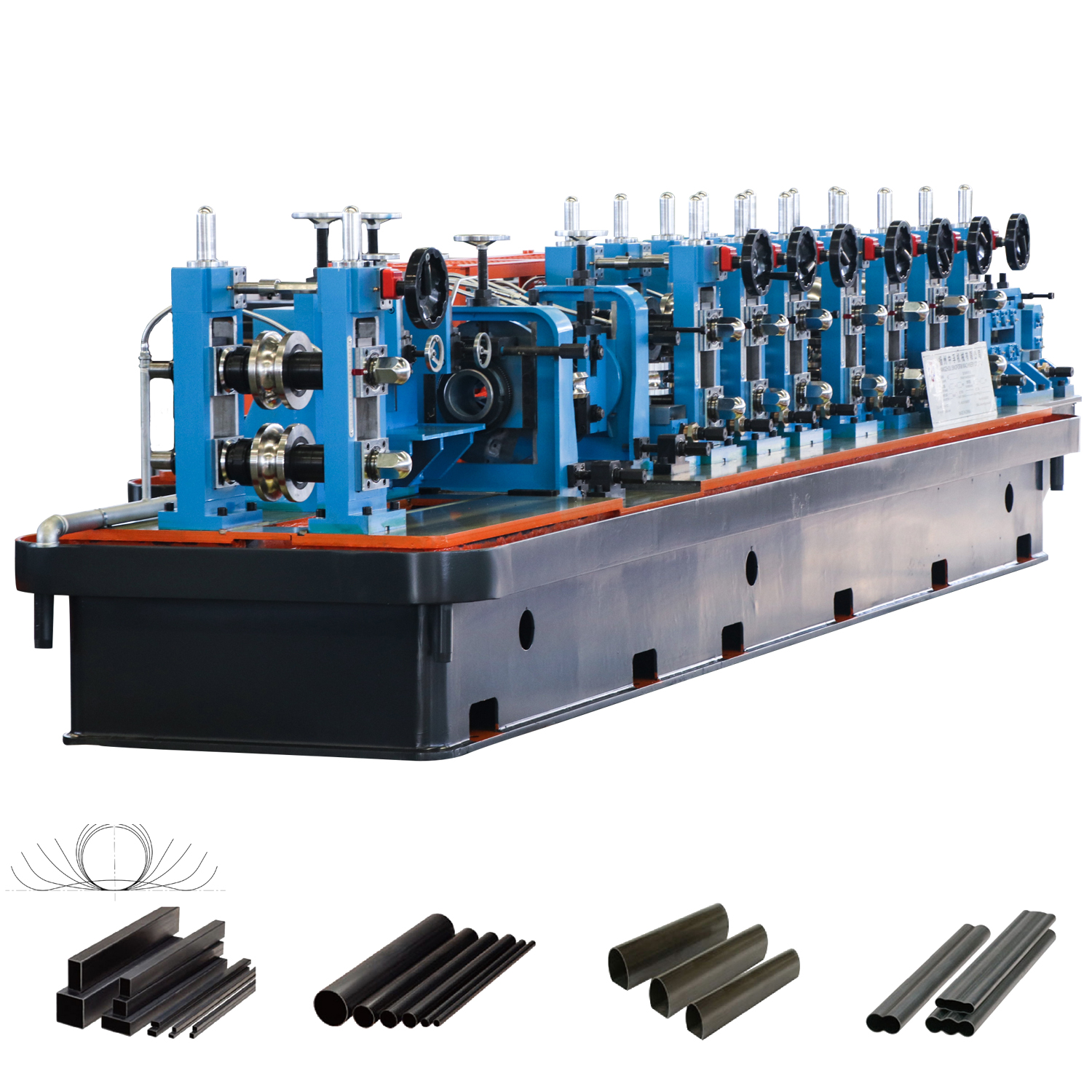 High Precision High-Frequency ERW Tube Mill line
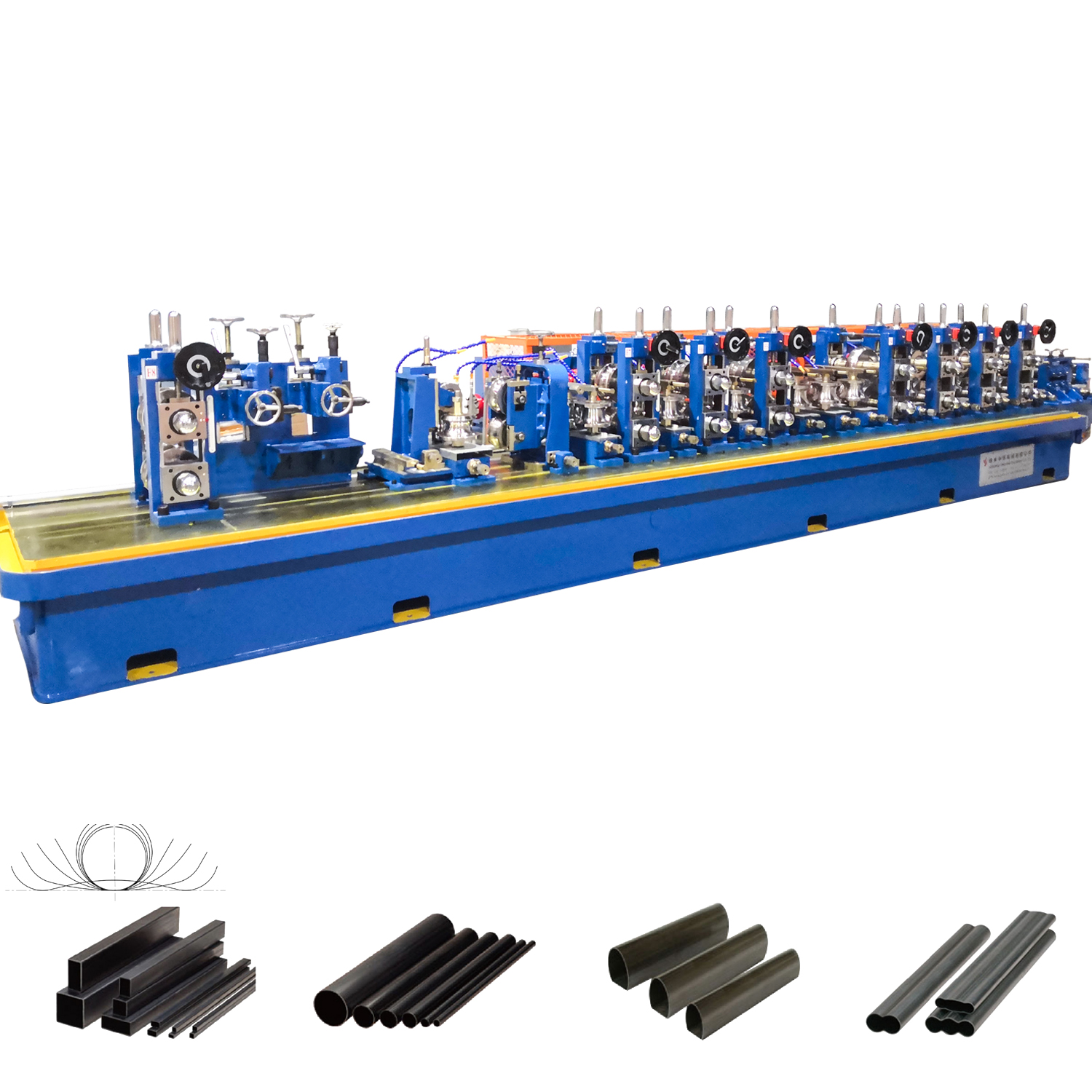 High Precision High-Frequency ERW Tube Mill line
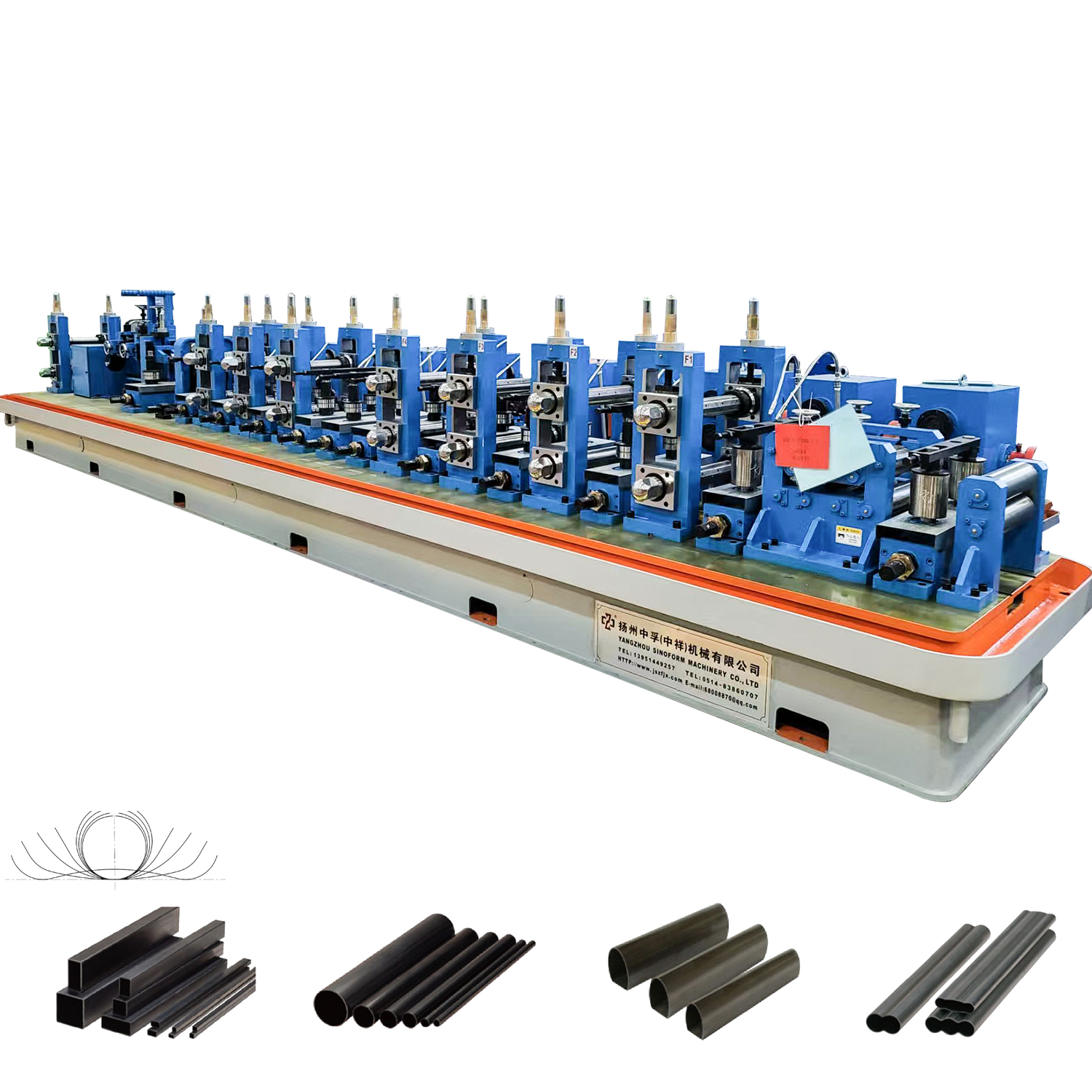 High Precision High-Frequency ERW Tube Mill line
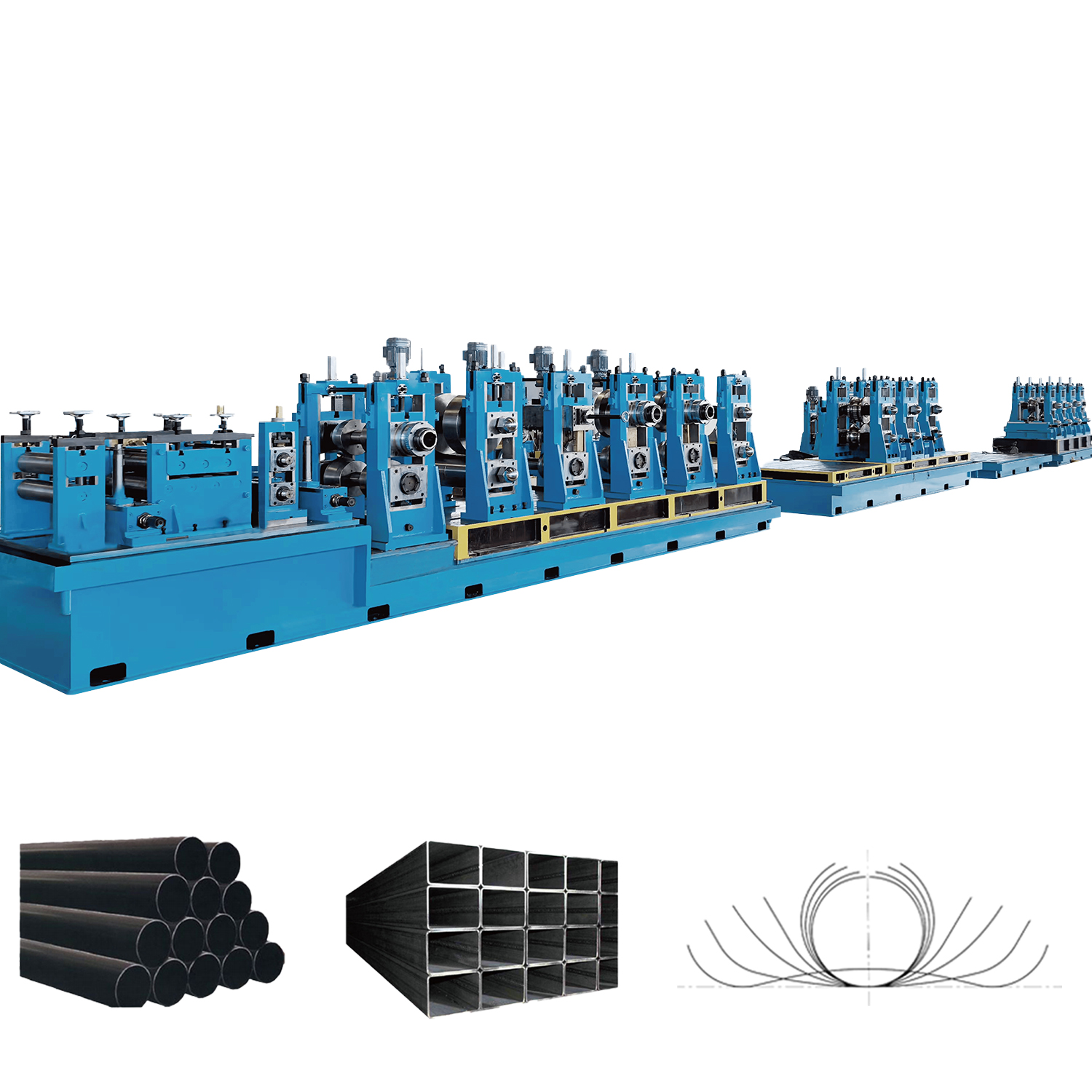 Large ERW tube mill line
Large ERW tube mill line
Large ERW tube mill line
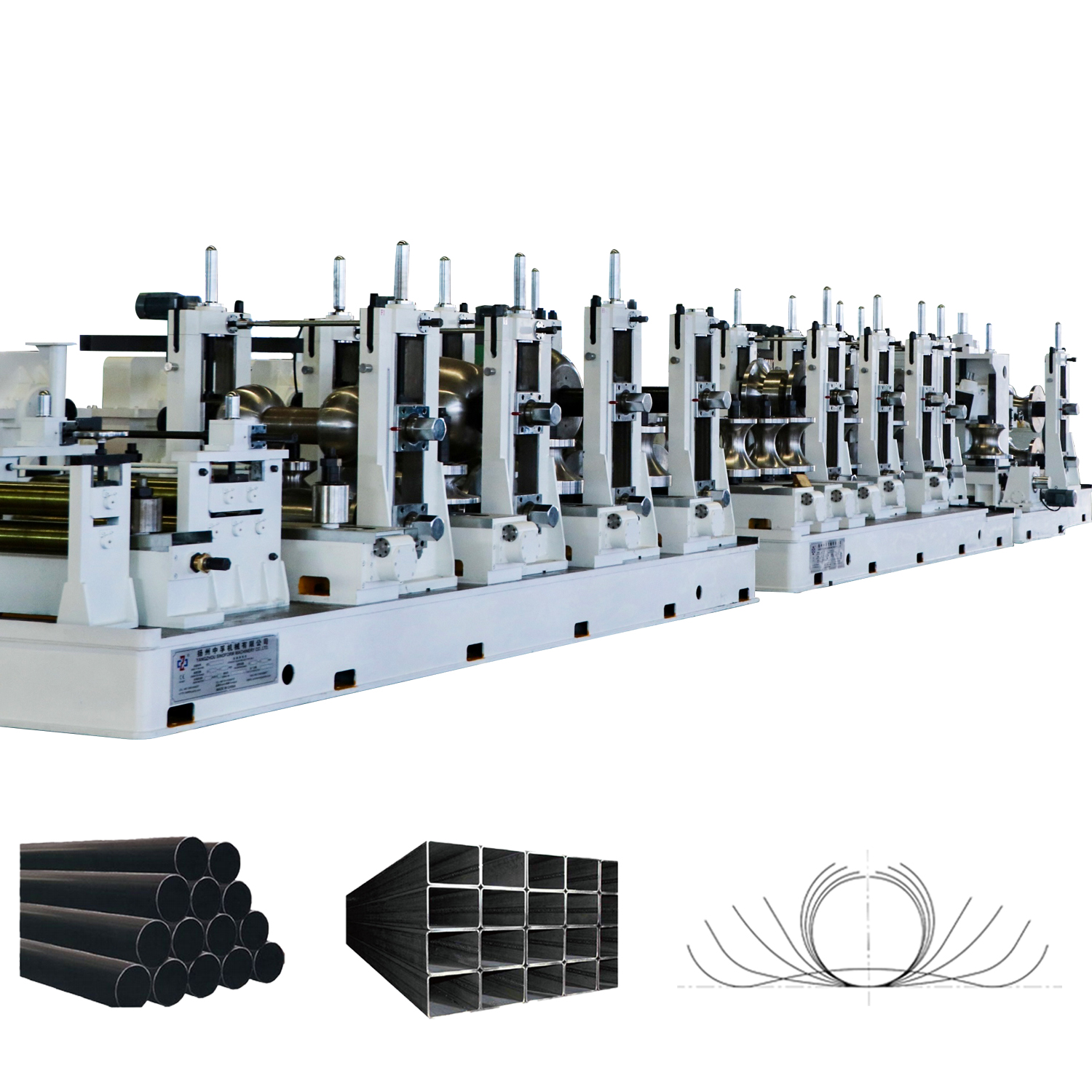 Large ERW tube mill line
Large ERW tube mill line
Large ERW tube mill line
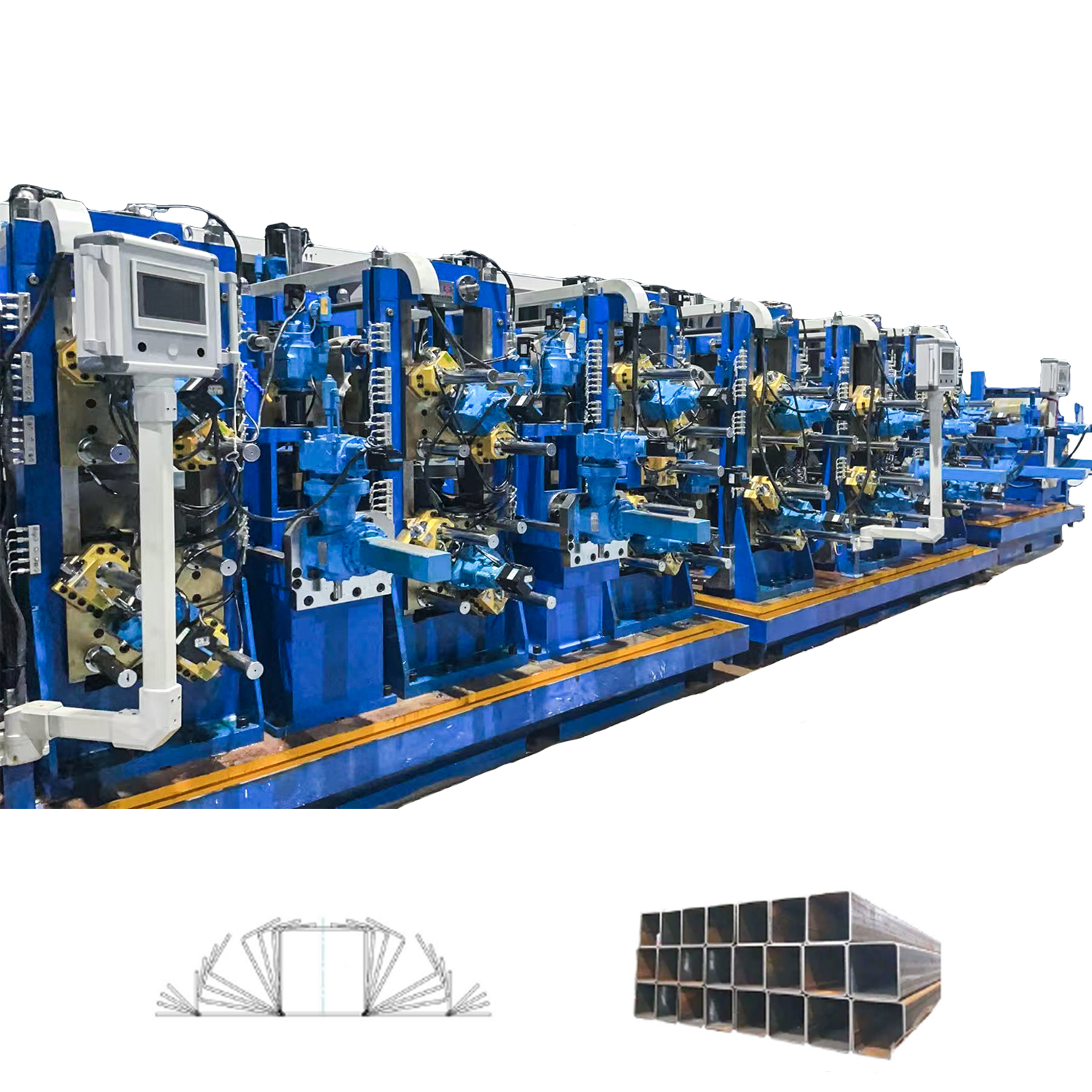 Direct To Square Welded Pipe Production Line
Direct To Square Welded Pipe Production Line
Direct To Square Welded Pipe Production Line
Direct To Square Welded Pipe Production Line
Direct To Square Welded Pipe Production Line

 No.1 Xiangjian Road, Northern
Suburbs Of Yangzhou City,
Jiangsu Province,China
No.1 Xiangjian Road, Northern
Suburbs Of Yangzhou City,
Jiangsu Province,China
 Phone: +86-0514-8363 8877
 E-mail: [email protected]
© Yangzhou SINOFORM Machinery Co., Ltd. Tube Mill Line Manufacturers
Pipe Making Machine Custom
Tube Making Machine Suppliers



 English
 Español
 عربى
عربى русский
 中文简体
中文简体