Content
Modular design in tube mill machines refers to a structure where the equipment is divided into independent, interchangeable units (modules) instead of being a single integrated system. Each module serves a specific function—such as material feeding, rolling, cutting, or cooling—and is designed to connect seamlessly with other modules. These modules are standardized in terms of size, interface, and performance, allowing them to be easily assembled, disassembled, or replaced. For example, a tube mill’s rolling module can be swapped out to accommodate different tube diameters without reconfiguring the entire machine, and a faulty cooling module can be repaired or replaced independently while other parts continue operating. This design approach differs from traditional tube mills, where components are fixed and changes often require extensive modifications to the whole system.
Yes, modular design delivers tangible improvements to tube mill production efficiency through three key mechanisms. First, it reduces downtime for maintenance and reconfiguration: when a module malfunctions, it can be quickly removed and replaced with a spare, instead of shutting down the entire machine for repairs. For instance, switching from producing 50mm-diameter tubes to 80mm-diameter tubes might take hours with a traditional mill, but only 30 minutes with a modular mill (by swapping the rolling and sizing modules). Second, modular design enhances scalability: as production demands grow, manufacturers can add new modules (e.g., an extra cutting station or a higher-capacity feeding module) instead of investing in an entirely new machine. Third, it simplifies training and operation: since each module has a standardized interface and function, operators can master specific modules faster, reducing errors that slow down production. Real-world data from industrial applications shows that modular tube mills can increase overall production efficiency by 15–30% compared to traditional designs.|
Flexibility is one of the greatest advantages of modular tube mills, making them well-suited for diverse production requirements. Traditional tube mills are often designed for a narrow range of tube sizes, materials, or wall thicknesses—changing any of these parameters requires costly and time-consuming overhauls. Modular mills, by contrast, use interchangeable modules to adapt to different production needs with minimal effort. For example, to switch from producing carbon steel tubes to stainless steel tubes, manufacturers only need to replace the heating module (to match stainless steel’s higher melting point) and the rolling module (to adjust pressure settings), rather than rebuilding the machine’s core structure. Similarly, if a factory needs to increase production of small-diameter tubes while maintaining low-volume production of large-diameter ones, it can add a dedicated small-tube rolling module without disrupting existing operations. This flexibility is particularly valuable for small to medium-sized manufacturers that serve multiple industries (e.g., construction, automotive, and plumbing) and need to respond quickly to changing customer orders.
Selecting a tube mill machine—whether modular or traditional—requires evaluating four critical parameters to ensure it aligns with production goals. First is production capacity: measured in tons per hour or number of tubes per minute, this parameter must match the factory’s current and future output needs. A mill with insufficient capacity will create bottlenecks, while an oversized mill will waste energy and resources. Second is material compatibility: different mills are designed to handle specific materials (e.g., carbon steel, aluminum, copper, or alloy steel), as each material has unique properties (hardness, ductility, melting point) that require adjusted rolling pressure, temperature, and speed. Choosing a mill incompatible with target materials will result in poor tube quality or machine damage. Third is precision and quality control features: look for mills with built-in sensors or monitoring systems that track tube dimensions (diameter, wall thickness), straightness, and surface finish. These features reduce the risk of defective products and the need for manual inspection, saving time and costs. Fourth is energy efficiency and maintenance requirements: energy consumption (measured in kWh per ton of tubes) directly impacts operational costs, so prioritize mills with energy-saving motors or heat recovery systems. Additionally, consider maintenance frequency—mills with easily accessible components or modular designs will have lower maintenance costs and less downtime over time.
While modular design offers efficiency and flexibility, it’s important to balance these benefits with other practical considerations to make the best choice. First, assess whether modularity is necessary for your production model: if your factory produces a single type of tube in high volume with little variation, a traditional mill may be more cost-effective (since modular mills often have a higher upfront cost). However, if you need to switch between products frequently or scale production gradually, the long-term efficiency gains of modular design will offset the initial investment. Second, verify module compatibility across different batches: even with standardized modules, ensure that new modules (purchased later) will work with existing ones—check for consistent interface designs and performance specifications. Third, factor in operator training: while modular mills are easier to operate in the long run, operators still need training to handle module assembly, disassembly, and troubleshooting. Finally, compare total lifecycle costs: modular mills may have higher upfront costs, but lower maintenance, downtime, and reconfiguration costs over 5–10 years. Traditional mills may be cheaper initially but require more frequent overhauls and have higher downtime costs, especially if production needs change.
The key to selecting the right tube mill is to start with a clear understanding of your production requirements, then evaluate how design (modular vs. traditional) and parameters align with those needs. Begin by defining your target tube specifications (size, material, wall thickness), daily production volume, and future growth plans—this will narrow down the mills that can meet your basic capacity and compatibility needs. Next, test the mill’s performance (if possible) with your target material to assess precision and efficiency. For modular mills, ask about the availability of spare modules and the time required for reconfiguration—this will help you estimate potential downtime. For all mills, calculate the total lifecycle cost (upfront purchase, energy, maintenance, and downtime) instead of focusing solely on price. Finally, prioritize mills that offer reliable after-sales support (e.g., technical assistance for module replacement or maintenance), as this will ensure smooth operation over the machine’s lifespan. By following this approach, you can select a tube mill that maximizes efficiency, adapts to your needs, and delivers long-term value.
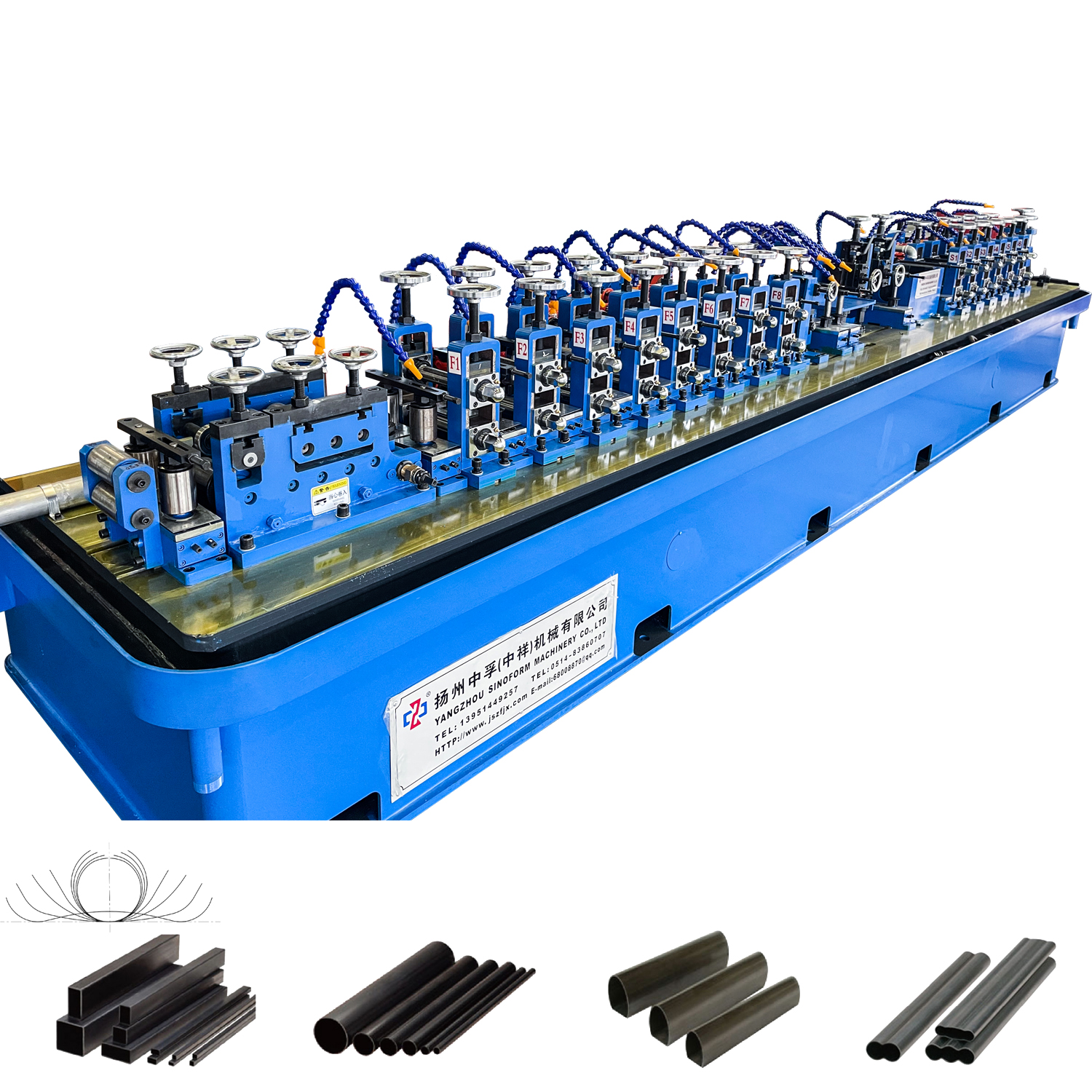 High Precision High-Frequency ERW Tube Mill line
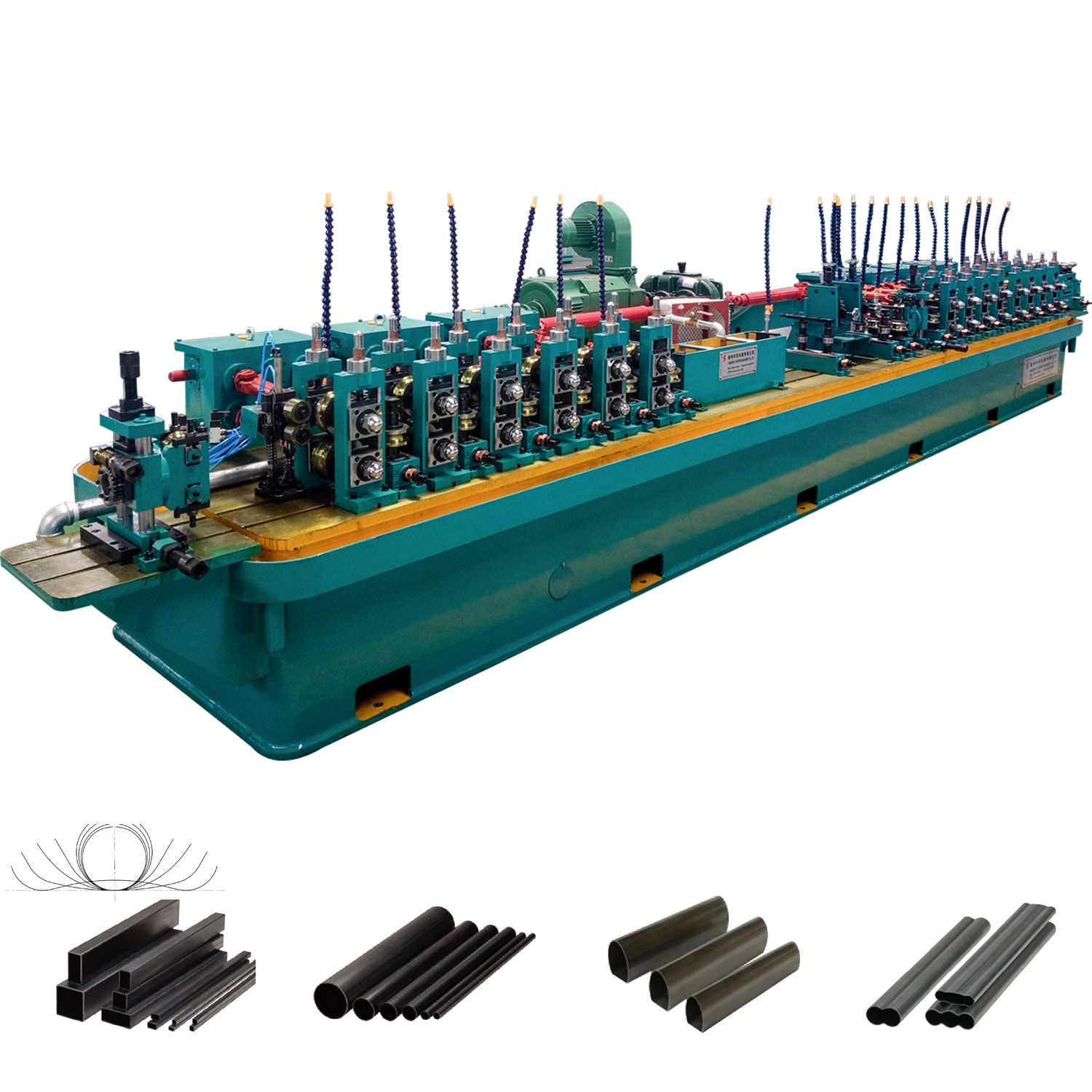 High Precision High-Frequency ERW Tube Mill line
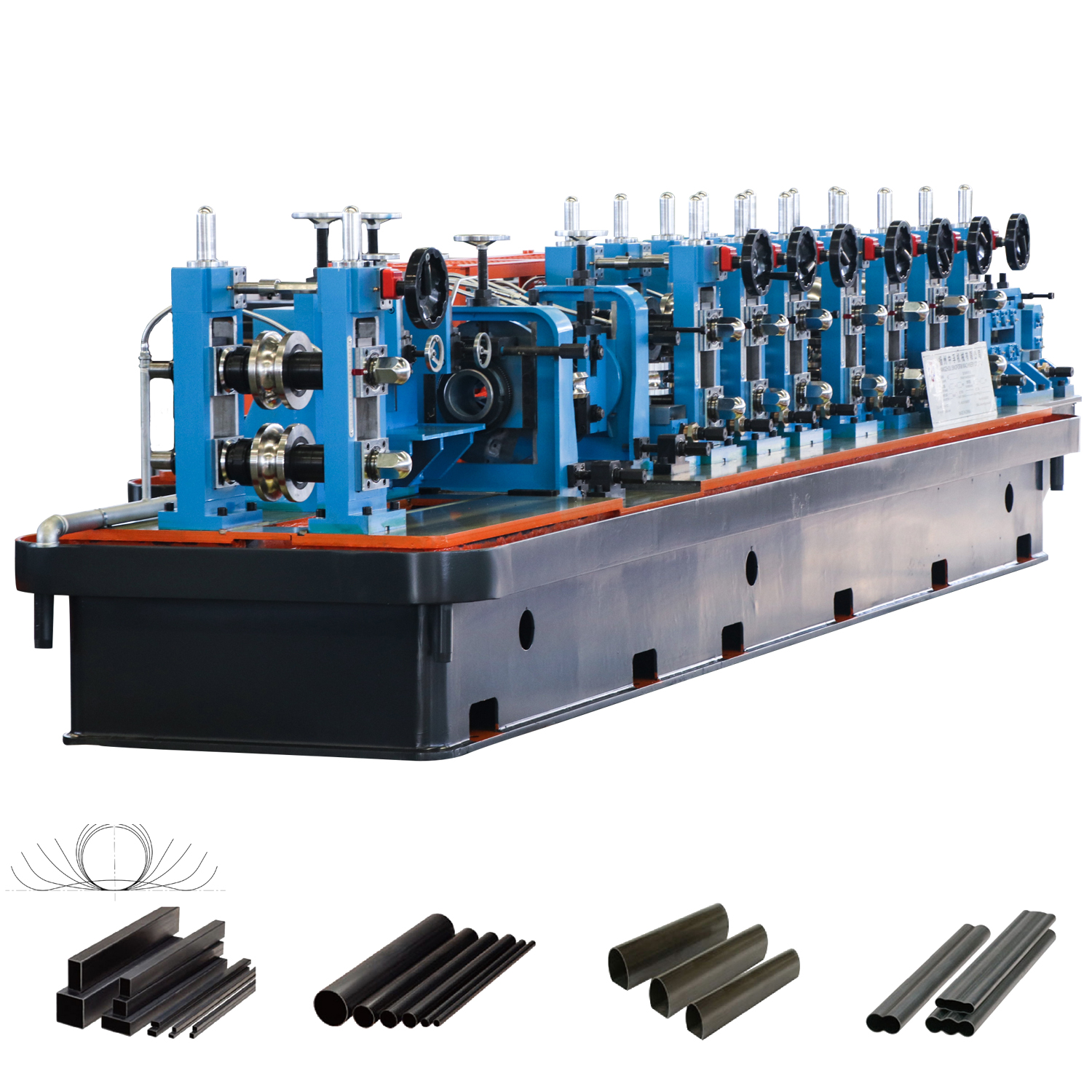 High Precision High-Frequency ERW Tube Mill line
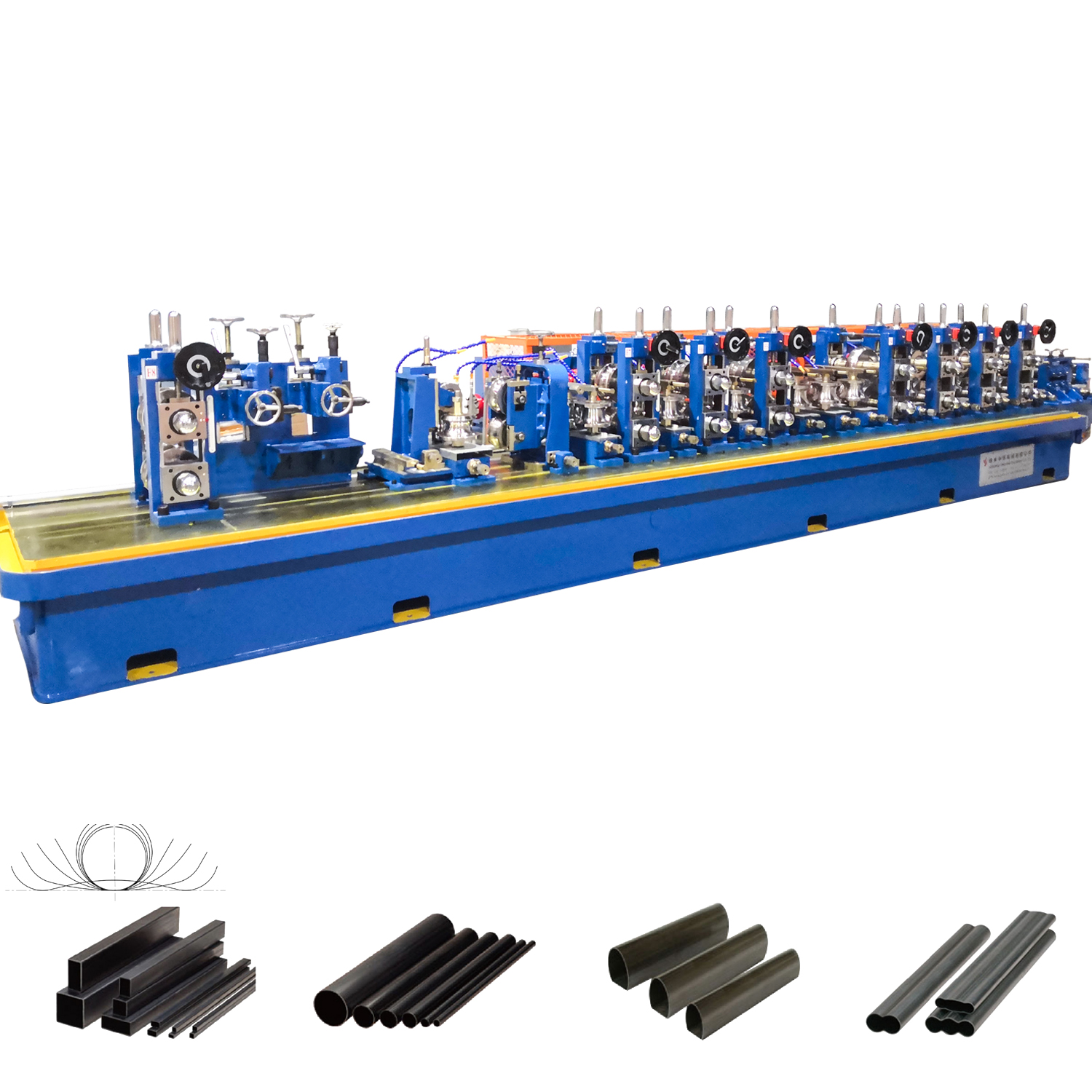 High Precision High-Frequency ERW Tube Mill line
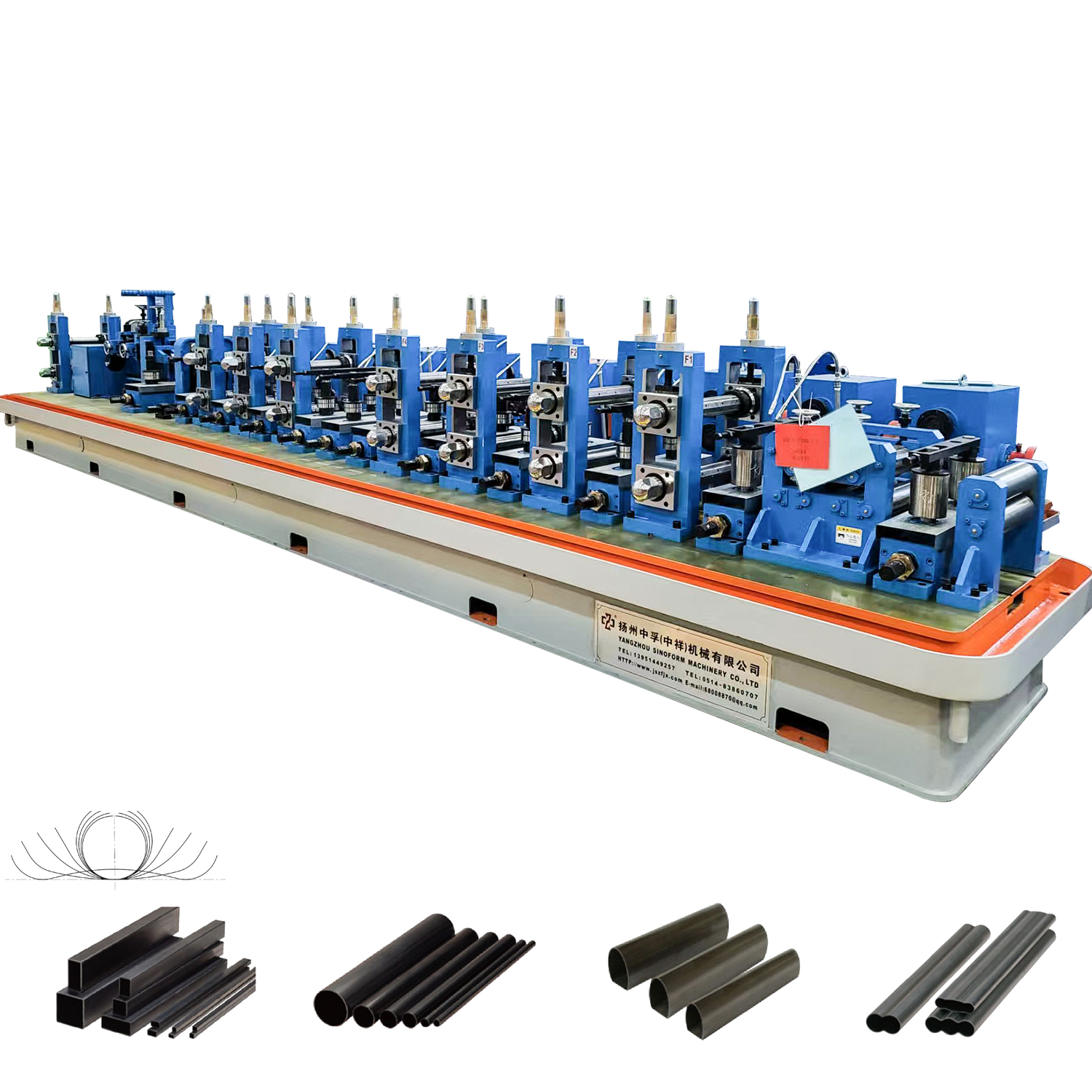 High Precision High-Frequency ERW Tube Mill line
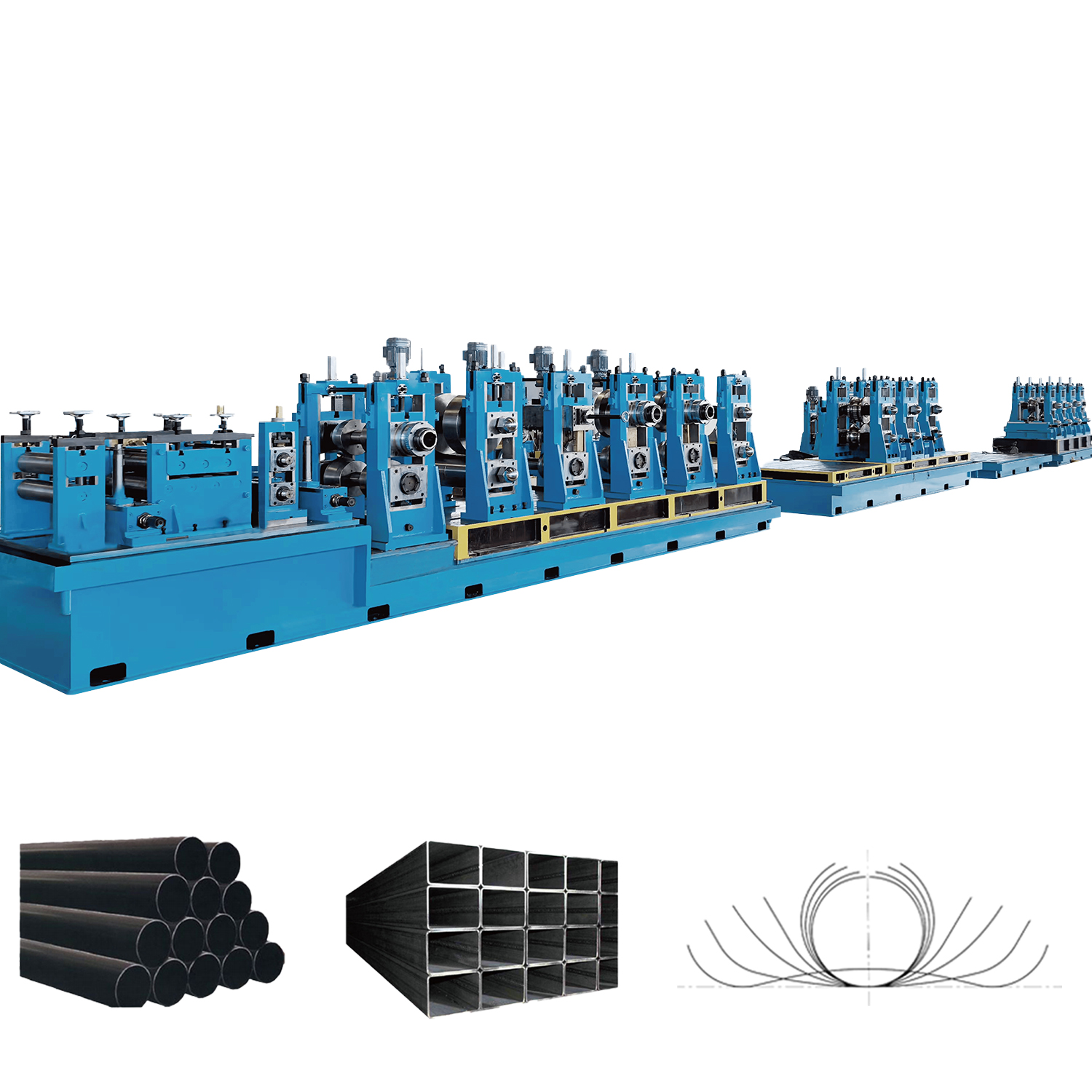 Large ERW tube mill line
Large ERW tube mill line
Large ERW tube mill line
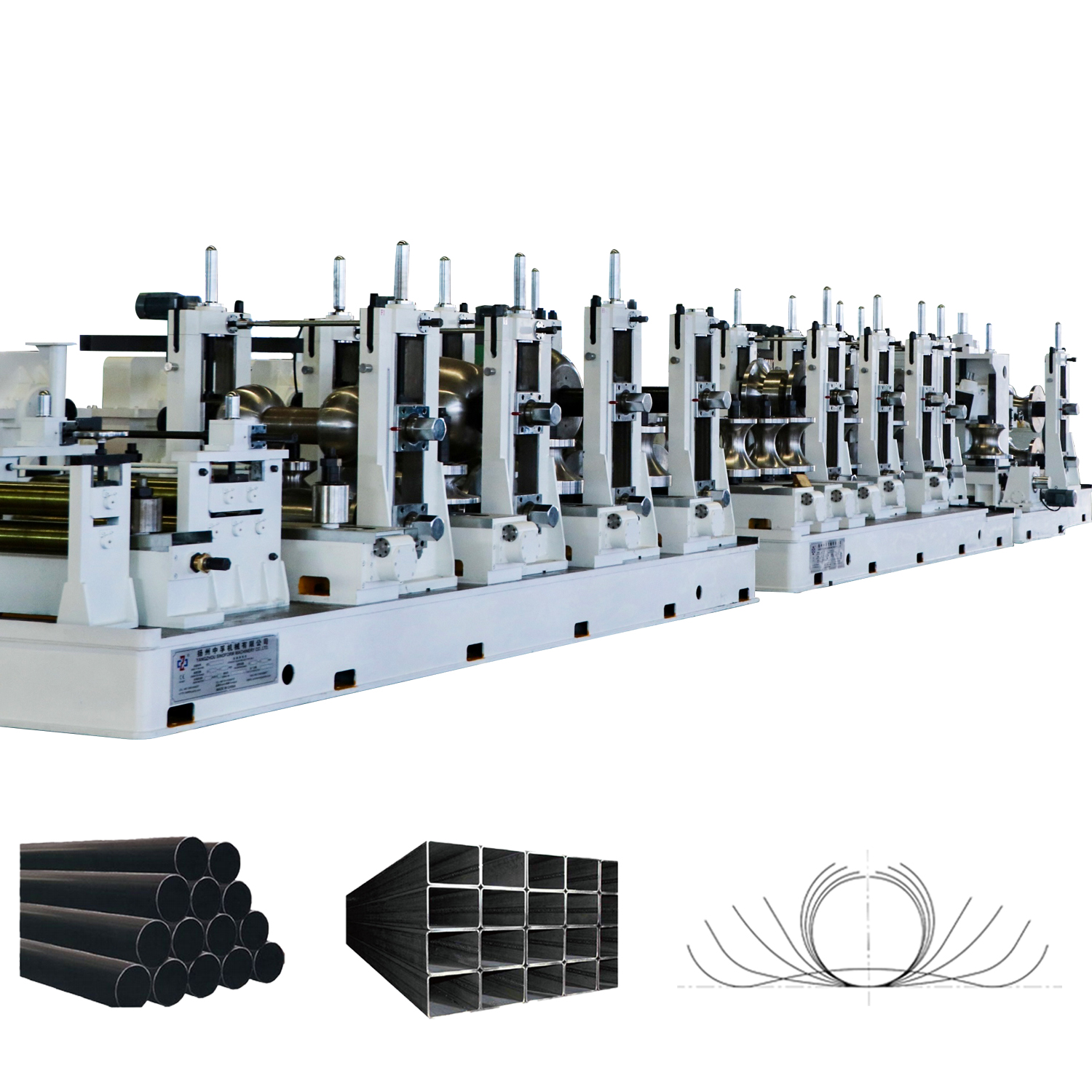 Large ERW tube mill line
Large ERW tube mill line
Large ERW tube mill line
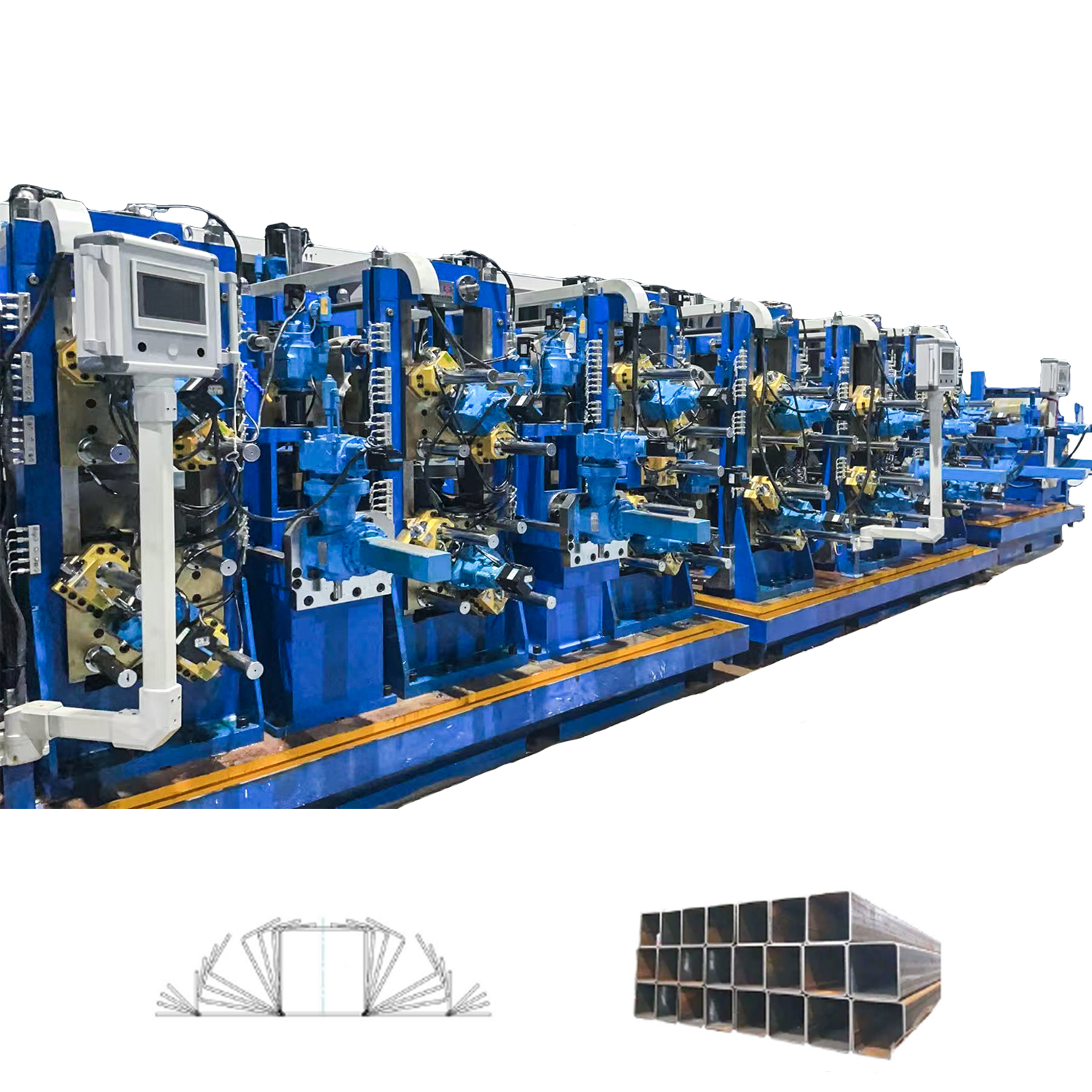 Direct To Square Welded Pipe Production Line
Direct To Square Welded Pipe Production Line
Direct To Square Welded Pipe Production Line
Direct To Square Welded Pipe Production Line
Direct To Square Welded Pipe Production Line

 No.1 Xiangjian Road, Northern
Suburbs Of Yangzhou City,
Jiangsu Province,China
No.1 Xiangjian Road, Northern
Suburbs Of Yangzhou City,
Jiangsu Province,China
 Phone: +86-0514-8363 8877
 E-mail: [email protected]
© Yangzhou SINOFORM Machinery Co., Ltd. Tube Mill Line Manufacturers
Pipe Making Machine Custom
Tube Making Machine Suppliers



 English
 Español
 عربى
عربى русский
 中文简体
中文简体