What Core Differences in HDPE vs. PVC Processing Demand Different Machine Durability?
To understand why HDPE pipe making machines are more durable, we first need to clarify how the material properties of HDPE (High-Density Polyethylene) and PVC (Polyvinyl Chloride) impact the stress they impose on pipe making machine components. The two plastics have fundamentally different melting behaviors, chemical compositions, and processing requirements—these differences force HDPE machines to be built with more robust designs, which in turn enhance durability:
- Melting Point and Processing Temperature:
-
- HDPE has a higher melting point (130–140°C) and requires longer residence time in the machine’s extruder to achieve uniform melting. This means HDPE machines operate at sustained high temperatures, demanding components that resist thermal fatigue (e.g., heat-resistant alloys for screws and barrels).
-
- PVC melts at a lower temperature (160–180°C, but decomposes above 180°C), so its processing window is narrower. However, PVC’s low thermal stability means it requires frequent temperature adjustments—this cyclic heating/cooling puts more stress on heating elements and temperature sensors, accelerating wear compared to HDPE machines’ steady-state operation.
- Material Viscosity and Extrusion Force:
-
- HDPE is a low-viscosity material that flows smoothly but requires high extrusion pressure (20–30 MPa) to form dense, uniform pipes. This constant high pressure places greater mechanical stress on the extruder’s screw and barrel, so HDPE machines use thicker, hardened screw shafts and reinforced barrel walls.
-
- PVC has higher viscosity and is more prone to shear heating (heat generated by friction during extrusion). While it requires lower extrusion pressure (15–20 MPa), its sticky, non-Newtonian flow can cause uneven pressure spikes—these spikes damage weaker components (e.g., plastic gears in drive systems) over time, whereas HDPE’s consistent flow reduces such stress.
- Chemical Corrosiveness:
-
- PVC contains chlorine, which decomposes during processing to release hydrochloric acid (HCl)—a highly corrosive gas. This acid attacks metal components (e.g., screw surfaces, die molds) and rubber seals, leading to pitting, rust, and seal degradation. PVC machines require frequent replacement of corrosion-prone parts.
-
- HDPE is chemically inert during processing, producing no corrosive byproducts. Its neutral flow means HDPE machine components (even standard steel alloys) remain free of chemical damage, extending their service life.
These material-driven differences mean HDPE machines must be engineered to withstand higher temperatures, pressures, and mechanical stress—design choices that inherently make them more durable than PVC machines, which face corrosion and cyclic stress but not the same level of sustained mechanical load.
How Do HDPE Pipe Making Machine Components (Screw, Barrel, Die) Enhance Durability?
The durability of HDPE pipe making machines stems from the robust design and material selection of their core components—each optimized to handle HDPE’s processing demands while resisting wear, heat, and pressure. These components are built to outlast their PVC machine counterparts:
1. Extruder Screw: Hardened Alloys and Reinforced Design
The extruder screw is the most critical component (it melts and pushes material through the machine), and HDPE machines’ screws are engineered for maximum durability:
- Material: HDPE screws are made from nitrided steel (38CrMoAlA) or tungsten carbide-coated steel—materials with surface hardness up to 900 HV (Vickers hardness), compared to PVC screws’ standard carbon steel (500–600 HV). This extra hardness resists abrasion from HDPE’s high-pressure flow, preventing the screw flights (the spiral ridges) from wearing down.
- Design: HDPE screws have a deep-flighted, gradual compression ratio (3:1 to 4:1) to ensure uniform melting. The screw shaft is 20–30% thicker than PVC screws, with reinforced bearings at both ends to handle high extrusion pressure. PVC screws, by contrast, have shallower flights and thinner shafts—they prioritize quick melting (to avoid PVC decomposition) over mechanical strength.
- Service Life: A HDPE screw typically lasts 8,000–12,000 operating hours, while a PVC screw (damaged by corrosion and shear stress) lasts only 4,000–6,000 hours.
2. Extruder Barrel: Heat-Resistant and Pressure-Tight
The barrel houses the screw and maintains processing temperatures—HDPE barrels are built to withstand sustained high heat and pressure:
- Material: HDPE barrels use bimetallic liners (steel outer layer + wear-resistant inner layer of CrNiMo alloy). This liner resists thermal fatigue (from HDPE’s 130–140°C processing temperature) and prevents the barrel from deforming under high pressure. PVC barrels often use a single-layer carbon steel liner, which is prone to warping from cyclic heating/cooling.
- Heating System: HDPE barrels have cast aluminum heating rings (even heat distribution) with ceramic insulation to maintain steady temperatures. PVC barrels use smaller, less insulated heating elements that cycle on/off frequently to avoid overheating—this frequent cycling shortens the heating elements’ life (HDPE heating elements last 3–5 years vs. PVC’s 1–2 years).
- Sealing: HDPE barrels use metal-to-metal seals (copper gaskets) that withstand high pressure, while PVC barrels use rubber seals that degrade quickly from HCl corrosion.
3. Die Mold: Precision and Wear Resistance
The die mold shapes the molten plastic into pipes—HDPE dies are designed for durability and long-term precision:
- Material: HDPE dies are machined from stainless steel (316L) or H13 hot-work die steel, which resist both heat and pressure. The die’s inner surface is polished to a mirror finish (Ra < 0.2 μm) to ensure smooth pipe surfaces, and it’s coated with PTFE (Teflon) to reduce material adhesion. PVC dies use standard steel with no PTFE coating—HCl corrosion and PVC’s stickiness cause the die opening to wear irregularly, leading to uneven pipe walls.
- Cooling System: HDPE dies have a double-layer water cooling jacket that provides gradual, uniform cooling (critical for HDPE’s crystallinity). The jacket is made from thick-walled steel to prevent leaks under pressure. PVC dies use a single-layer cooling system that often develops leaks due to corrosion, requiring frequent repairs.
- Maintenance: HDPE dies need cleaning only every 2,000–3,000 hours, while PVC dies (clogged by degraded PVC) need cleaning every 500–1,000 hours—each cleaning cycle risks scratching the die surface, reducing its lifespan.
How Does HDPE’s Processing Stability Reduce Machine Wear Compared to PVC?
HDPE’s consistent processing behavior (stable melting, uniform flow) reduces the “operational stress” on machines, while PVC’s unpredictable properties (thermal instability, corrosiveness) accelerate wear. This stability gap is a key reason HDPE machines last longer:
1. Steady-State Operation vs. Cyclic Stress
- HDPE Processing: HDPE has a wide processing window (130–140°C) and melts uniformly, so HDPE machines run in steady state—temperatures, pressure, and screw speed remain constant for hours. This stability means components (screw, heating elements, bearings) are not subjected to sudden changes in load or temperature, reducing fatigue damage.
- PVC Processing: PVC’s narrow processing window (160–180°C) requires constant adjustments—if the temperature rises 5°C above 180°C, PVC decomposes (releasing more HCl); if it drops below 160°C, PVC doesn’t melt fully. This forces operators to tweak temperature and screw speed frequently, creating cyclic stress on the machine. For example, the drive motor (which powers the screw) accelerates and decelerates repeatedly, wearing down its gears faster than HDPE machines’ motors (which run at constant speed).
2. Reduced Contamination and Clogging
- HDPE’s Inertness: HDPE is free of additives that can degrade and clog the machine. Even if small contaminants (e.g., dust) enter the extruder, HDPE’s smooth flow pushes them through the die, causing no damage.
- PVC’s Additive Degradation: PVC requires plasticizers and stabilizers to prevent decomposition—these additives can separate from the plastic during processing, forming sticky deposits on the screw and die. These deposits build up over time, causing blockages that force the machine to shut down for cleaning. Each blockage risks damaging the screw (from forced rotation against a clogged die) and the die (from scraping during cleaning).
3. Corrosion-Free Operation
As mentioned earlier, PVC’s chlorine content releases HCl gas during processing—this gas attacks every metal component in the machine:
- Screw and Barrel: HCl causes pitting on the screw’s surface, reducing its ability to push material and requiring replacement.
- Electrical Components: HCl corrodes wiring and sensors (e.g., temperature probes), leading to electrical failures. HDPE machines have no such corrosion, so their electrical systems last 2–3x longer than PVC machines’.
- Seals and Gaskets: HCl degrades rubber seals, causing leaks in the cooling system or barrel. HDPE machines’ metal seals remain intact, eliminating leak-related downtime.
What Maintenance and Operational Factors Contribute to HDPE Machine Durability?
Durability isn’t just about design—it also depends on how machines are maintained and operated. HDPE machines require less frequent maintenance and are less sensitive to operational errors, further extending their lifespan compared to PVC machines:
1. Lower Maintenance Frequency and Cost
-
- Screw and barrel: Inspected every 4,000 hours (vs. PVC’s 2,000 hours) and replaced every 8,000–12,000 hours.
-
- Heating elements: Replaced every 3–5 years (vs. PVC’s 1–2 years).
-
- Seals and gaskets: Replaced annually (vs. PVC’s quarterly, due to corrosion).
-
- Total annual maintenance cost: ~5,000–8,000 per HDPE machine, vs. 10,000–15,000 for PVC machines.
- Why the Gap?: HDPE’s inertness means no corrosive byproducts to damage parts, and its steady processing reduces wear. PVC machines require frequent part replacements (screws, seals, sensors) due to corrosion and cyclic stress.
2. Operational Tolerance: Less Sensitivity to Error
- HDPE’s Forgiveness: HDPE’s wide processing window means small operational errors (e.g., a 5°C temperature spike) have little impact. The machine can continue running without damaging parts or producing defective pipes.
- PVC’s Sensitivity: A 5°C temperature spike in PVC processing causes decomposition, which clogs the die and damages the screw. Even minor errors (e.g., uneven cooling) lead to defective pipes and machine wear. Operators must monitor PVC machines constantly, and any mistake shortens the machine’s life.
3. Longer Continuous Run Times
- HDPE Machines: Can run continuously for 24–48 hours without shutdown, as HDPE’s stable flow and inertness prevent clogging or component damage. This long run time reduces the number of start-stop cycles (each cycle puts stress on motors and gears).
- PVC Machines: Need to shut down every 8–12 hours for cleaning (to remove additive deposits and HCl residues). Each start-stop cycle accelerates wear—for example, the motor’s startup current is 3x higher than its operating current, putting extra stress on windings.
How Do HDPE and PVC Pipe Making Machines Compare in Lifespan and Total Cost of Ownership?
The ultimate measure of durability is lifespan and total cost of ownership (TCO)—HDPE machines outperform PVC machines in both metrics, making them a more cost-effective long-term investment:
1. Lifespan: HDPE Machines Last 2–3x Longer
- HDPE Machines: A well-maintained HDPE pipe making machine has a lifespan of 10–15 years, with major components (screw, barrel, die) replaced only 1–2 times during its life.
- PVC Machines: Most PVC machines last 5–7 years, with major components replaced 3–4 times. Many PVC machines are retired early due to irreparable corrosion (e.g., a rusted barrel or damaged electrical system) that makes replacement cheaper than repair.
2. Total Cost of Ownership (TCO): HDPE Machines Are More Economical
TCO includes initial purchase cost, maintenance, part replacements, and downtime. While HDPE machines have a higher initial cost 200,000–300,000 vs. PVC’s 150,000–200,000), their lower long-term costs make them cheaper overall:
|
Cost Factor
|
HDPE Machine (10-Year TCO)
|
PVC Machine (7-Year TCO)
|
|
Initial Purchase Cost
|
$250,000
|
$175,000
|
|
Maintenance Cost
|
60,000 (6,000/year)
|
87,500 (12,500/year)
|
|
Part Replacement Cost
|
$40,000 (1 screw, 1 barrel)
|
$70,000 (3 screws, 2 barrels)
|
|
Downtime Cost (Lost Production)
|
$20,000 (200 hours/year)
|
$56,000 (400 hours/year)
|
|
Total TCO
|
$370,000
|
$388,500
|
- Key Takeaway: Over its 10-year lifespan, a HDPE machine costs ~$18,500 less than a PVC machine. Additionally, HDPE machines produce more pipes (due to longer run times), increasing revenue potential.
3. Resale Value: HDPE Machines Hold Value Better
Due to their durable components and lack of corrosion, used HDPE machines retain 30–40% of their initial value after 10 years. Used PVC machines, damaged by corrosion, retain only 10–15% of their value after 7 years. This makes HDPE machines a better asset for manufacturers looking to upgrade later.
In summary, HDPE pipe making machines are more durable than PVC machines due to three core reasons: (1) their components are built with harder, heat-resistant materials to handle HDPE’s high-pressure, high-temperature processing; (2) HDPE’s inert, stable processing reduces corrosion and cyclic stress; and (3) they require less maintenance and have a longer lifespan, lowering total cost of ownership. For manufacturers prioritizing long-term reliability and cost-effectiveness, HDPE machines are the superior choice—even with their higher initial price tag.
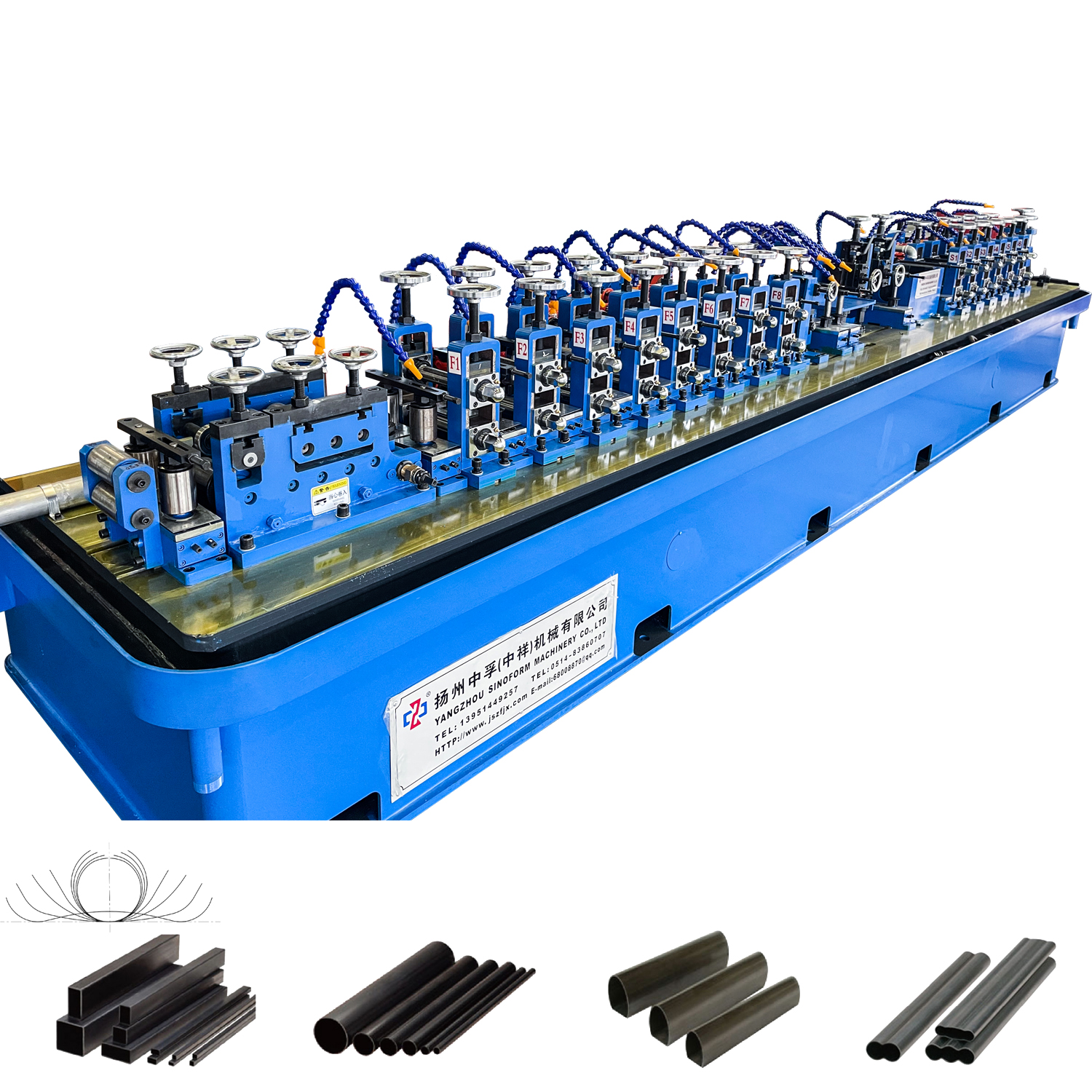 High Precision High-Frequency ERW Tube Mill line
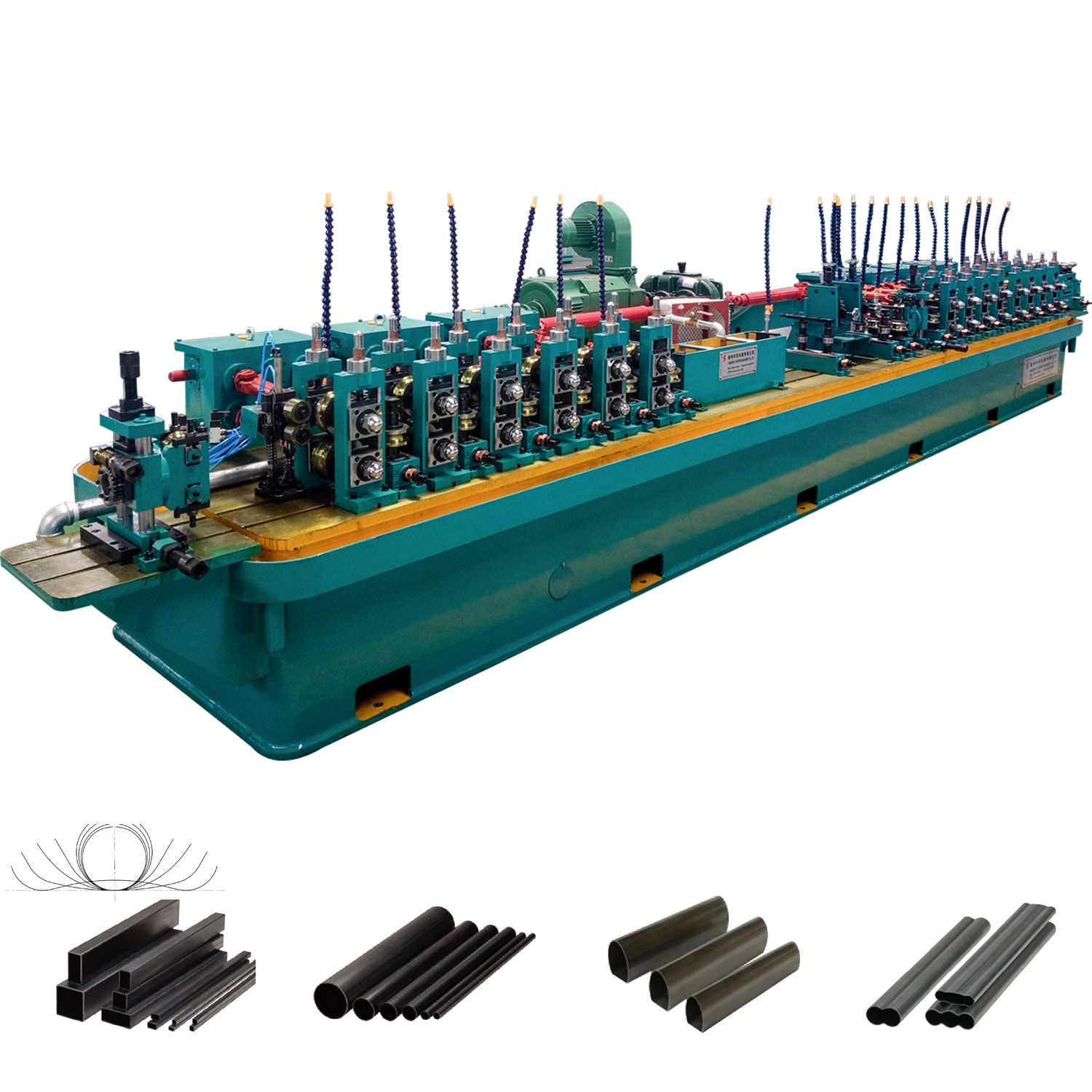 High Precision High-Frequency ERW Tube Mill line
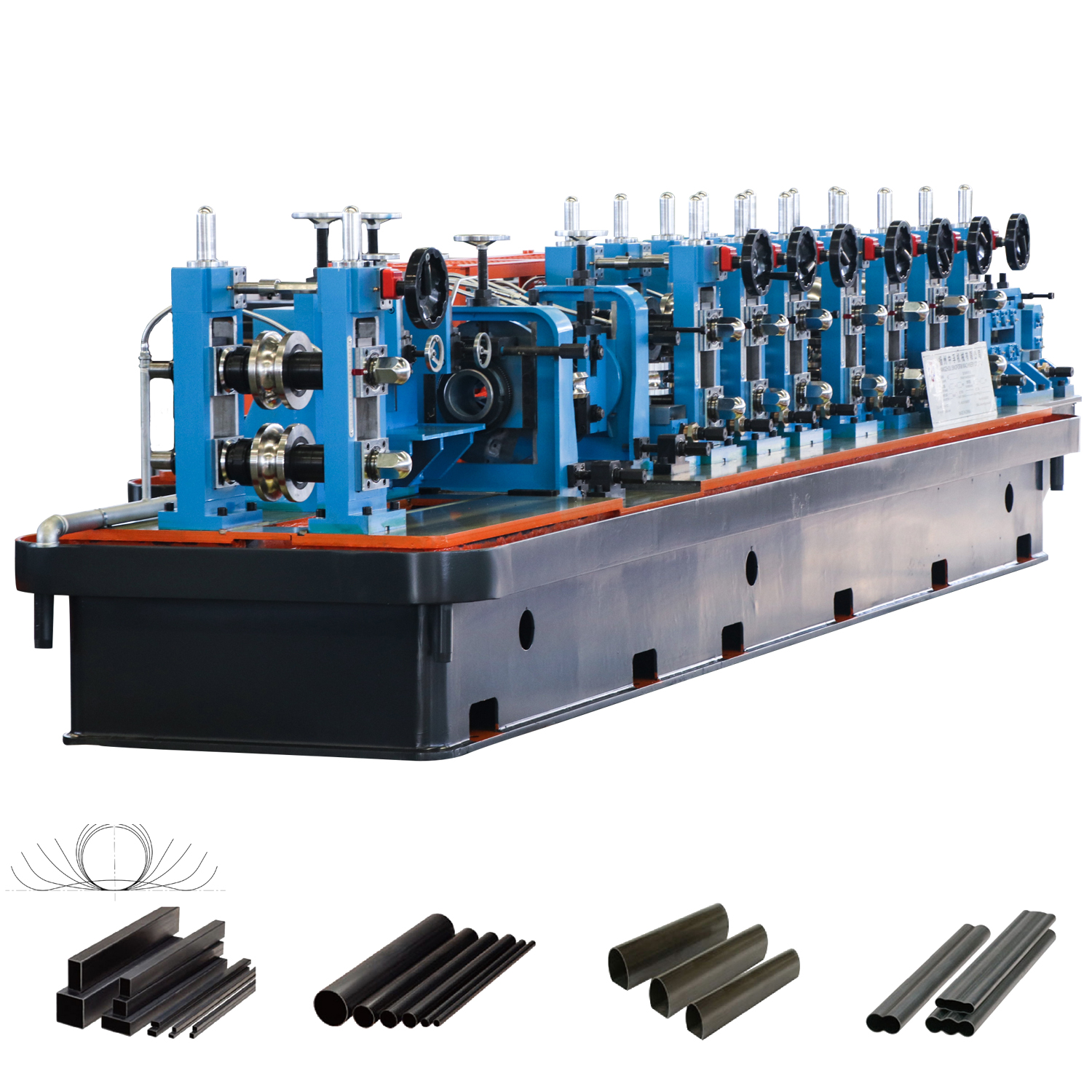 High Precision High-Frequency ERW Tube Mill line
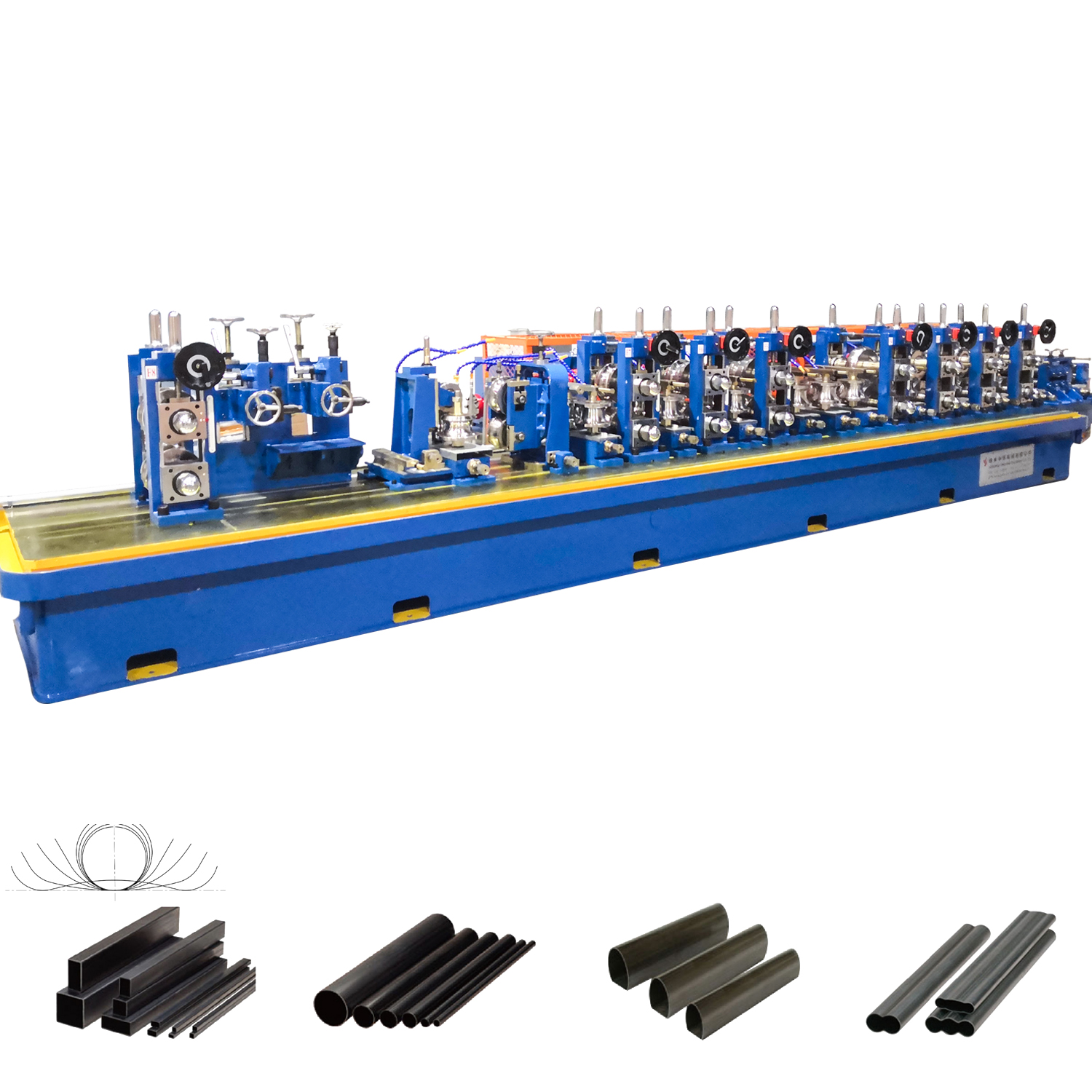 High Precision High-Frequency ERW Tube Mill line
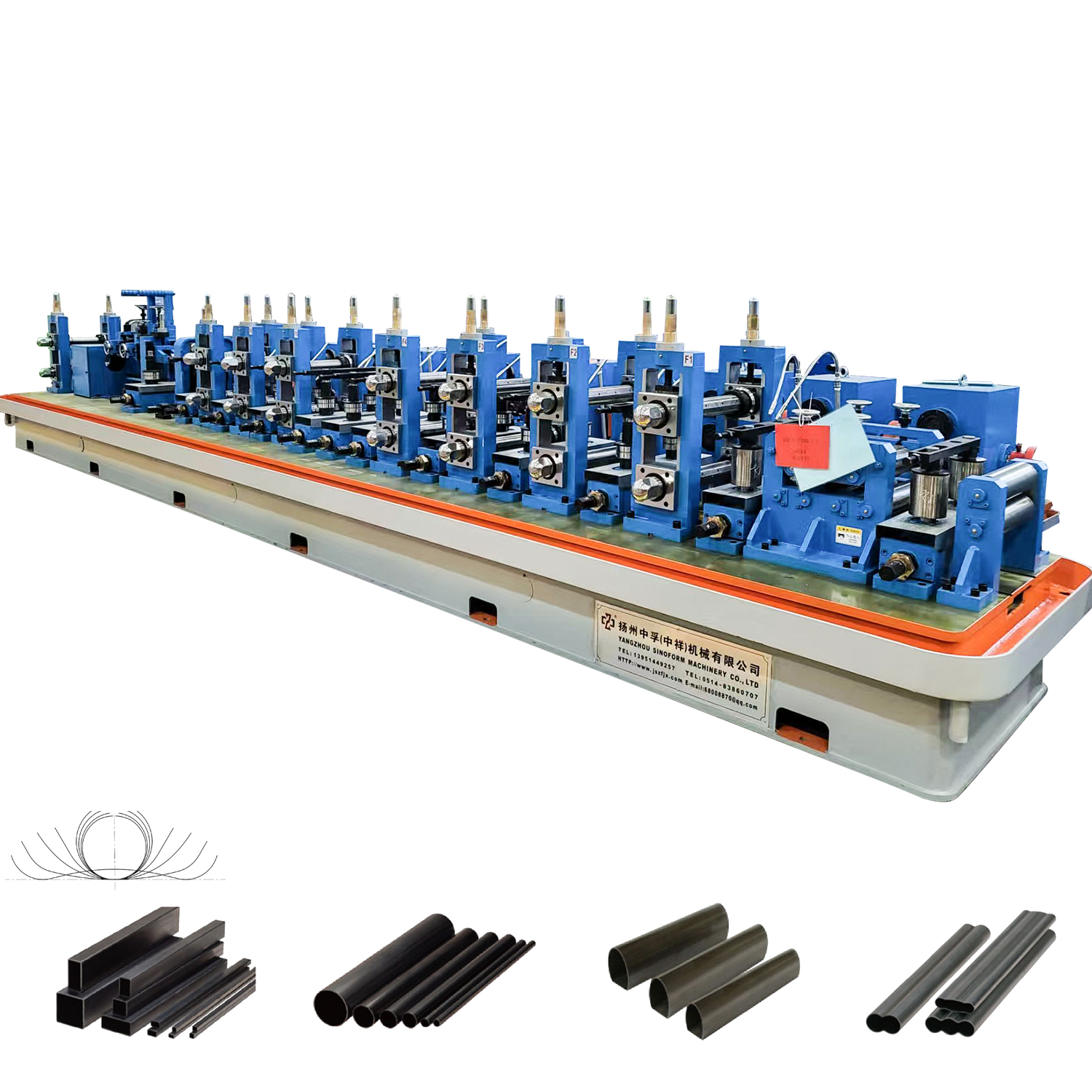 High Precision High-Frequency ERW Tube Mill line
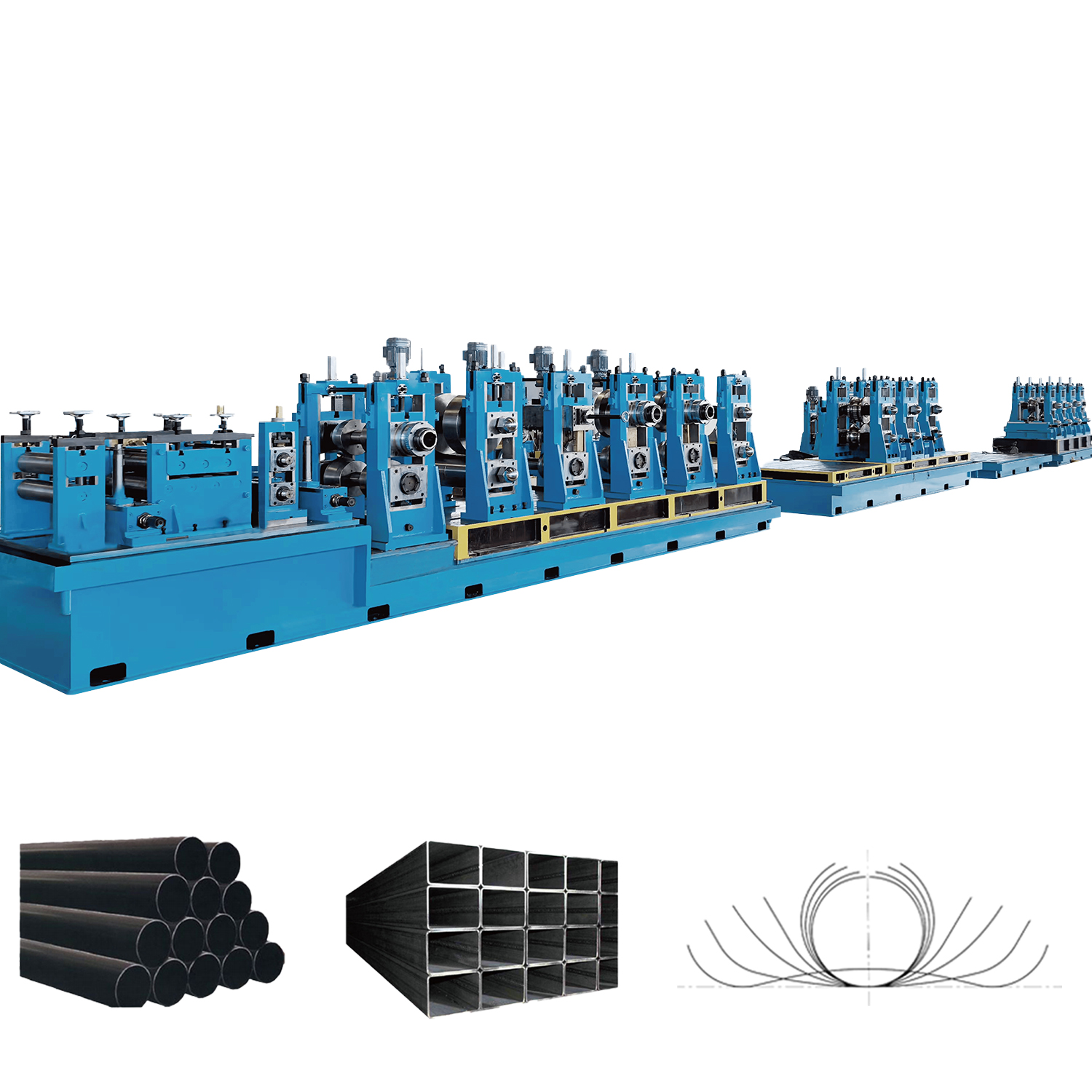 Large ERW tube mill line
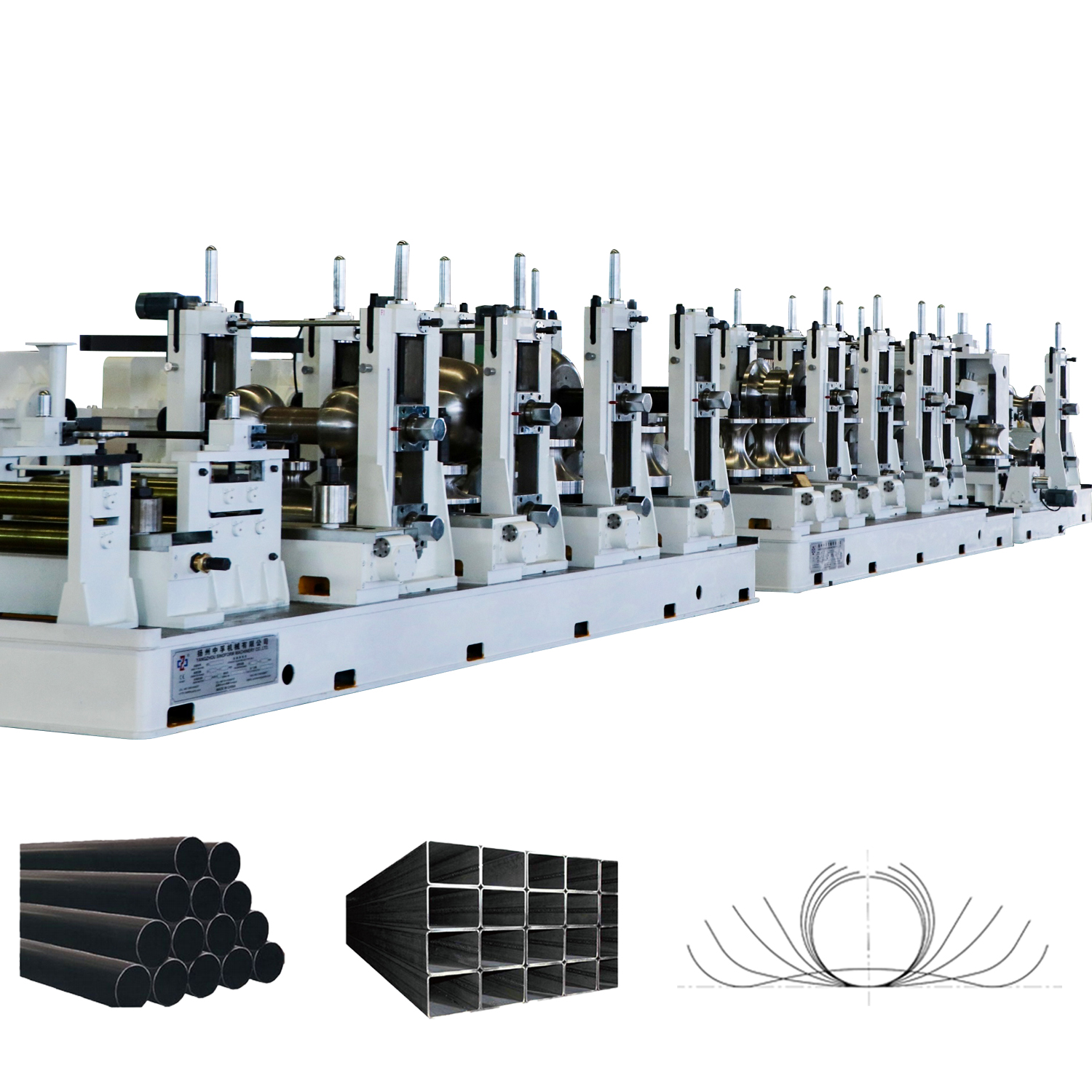 Large ERW tube mill line
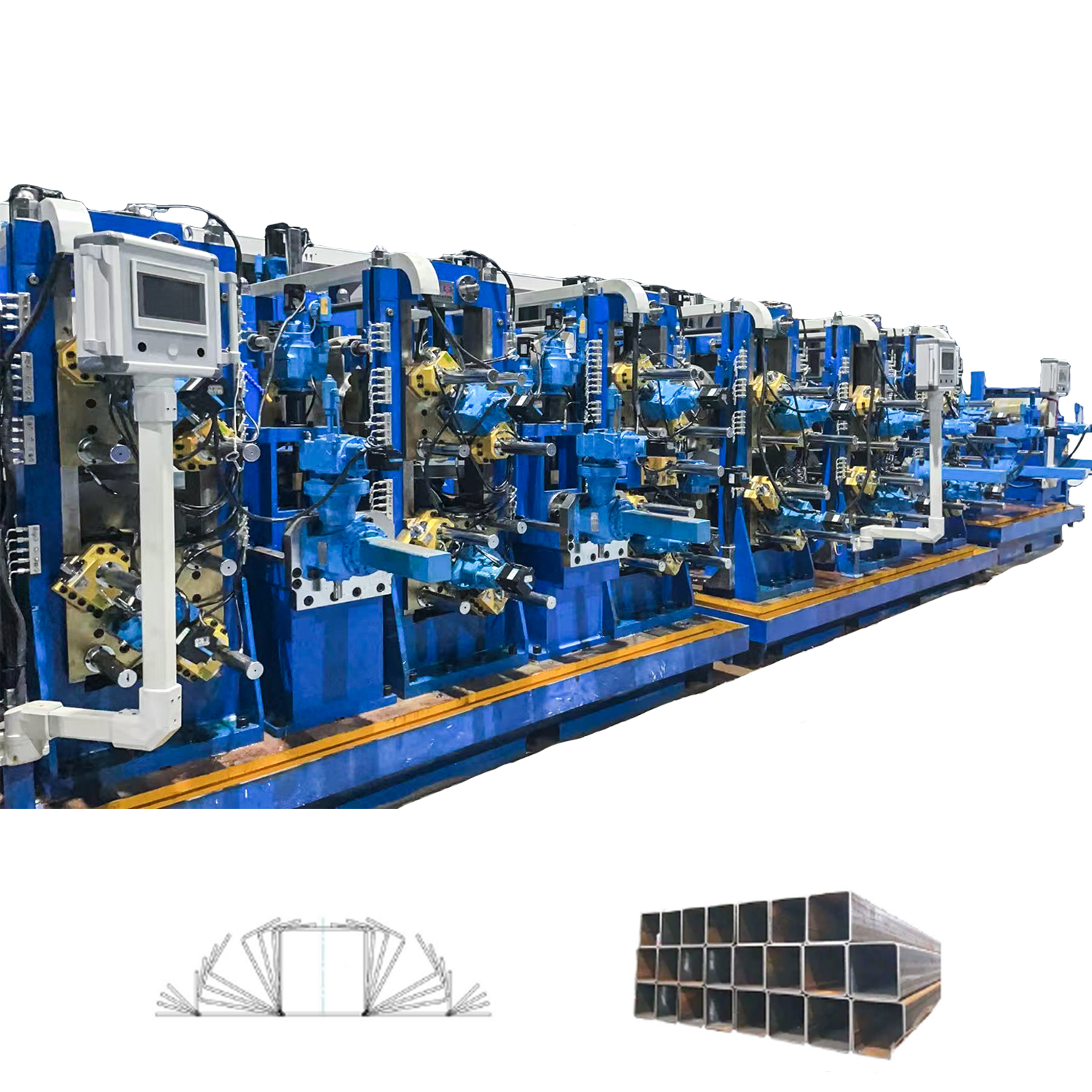 Direct To Square Welded Pipe Production Line

 No.1 Xiangjian Road, Northern
Suburbs Of Yangzhou City,
Jiangsu Province,China
No.1 Xiangjian Road, Northern
Suburbs Of Yangzhou City,
Jiangsu Province,China
 Phone: +86-0514-8363 8877
 E-mail: [email protected]


 English
 Español
 عربى
عربى русский
 中文简体
中文简体