Content
The quality and performance of raw materials (mainly steel coils) directly determine the smoothness of the ERW (Electric Resistance Welded) pipe production process, and thus significantly impact production efficiency. The first key characteristic is "steel coil flatness". If the steel coil has uneven edges or wave-like deformation (common in low-quality coils), it will cause misalignment during the uncoiling and leveling process—workers need to repeatedly adjust the coil position, which increases downtime. For example, a steel coil with edge deviation exceeding 3mm may require 5-10 minutes of adjustment per coil, reducing the overall production efficiency by 15%-20%.
The second characteristic is "steel hardness and ductility". ERW pipe production requires the steel to have moderate hardness (Brinell hardness 130-180HB is ideal) and good ductility. If the steel is too hard (over 200HB), it will increase the load on the forming rollers during the pipe forming process, leading to slower forming speed and faster roller wear—needing to replace rollers every 8-10 hours instead of the usual 24-30 hours. If the steel is too soft (below 110HB), it is prone to wrinkling during forming, requiring frequent shutdowns to trim the wrinkles, which can reduce the production line speed by 30% or more.
The third characteristic is "steel coil width uniformity". The width of the steel coil must match the designed pipe diameter (the width is calculated based on the pipe circumference plus welding allowance). If the width deviation exceeds ±0.5mm, the formed pipe will have uneven wall thickness or incomplete welding—requiring post-processing (such as grinding the uneven parts) or even scrapping. For example, producing a 50mm-diameter ERW pipe requires a steel coil width of about 159mm (π×50 + 4mm welding allowance); if the actual width is 160mm, the excess 1mm will form a burr at the weld, needing 2-3 minutes of grinding per pipe, which seriously affects the production rhythm.
Reasonable setting of process parameters is the core to maximizing the production efficiency of ERW pipe machine, and improper parameters can lead to both low efficiency and poor product quality. The first critical parameter is "forming speed". The forming speed directly determines the output per unit time—for example, a medium-sized ERW pipe machine can achieve a forming speed of 10-15m/min when producing 20-50mm-diameter pipes. However, the speed cannot be increased arbitrarily: if the speed is too high (exceeding the machine's rated speed), the steel strip may not be fully formed, resulting in uneven pipe roundness; if the speed is too low (below 5m/min), the production efficiency will be drastically reduced, and the welding temperature may be too high (due to prolonged heating), leading to weld oxidation.
The second key parameter is "welding current and voltage". ERW pipe relies on high-frequency current to heat the edge of the steel strip to a molten state for welding. If the current is too low or the voltage is insufficient, the weld cannot be fully fused, leading to "cold welds" (weld strength is only 60%-70% of the base metal), which require re-welding—each re-weld takes 5-10 minutes and wastes raw materials. If the current is too high or the voltage is too high, the weld will overheat, forming "burn-through" (holes in the weld), which results in pipe scrapping. The optimal welding parameters depend on the steel thickness: for 2-3mm-thick steel strips, the current is usually 800-1000A and the voltage is 15-20V; for 4-5mm-thick steel strips, the current needs to be increased to 1200-1500A and the voltage to 22-25V.
The third important parameter is "cooling water flow and temperature". After welding, the ERW pipe needs to be cooled quickly to ensure the weld strength and prevent deformation. The cooling water flow should match the forming speed and welding temperature—for example, when the forming speed is 12m/min, the cooling water flow should be 50-60L/min. If the flow is too low, the cooling is insufficient, and the pipe will bend due to thermal stress, requiring straightening (each straightening takes 1-2 minutes per pipe); if the flow is too high, the water will splash into the welding area, affecting the welding stability. In addition, the cooling water temperature should be controlled below 30℃—if the temperature exceeds 35℃, the cooling effect will decrease by 40%, leading to prolonged cooling time and reduced production speed.
The performance and maintenance status of key components of ERW pipe machine directly determine whether the equipment can run stably for a long time, and component failures are one of the main causes of production downtime. The first critical component is "forming rollers". The forming rollers are responsible for shaping the steel strip into a circular pipe, and their surface smoothness and wear status are crucial. If the roller surface is worn (with scratches deeper than 0.2mm) or has accumulated metal chips, the steel strip will be scratched during forming, requiring replacement of the rollers and cleaning of the forming channel—each roller replacement takes 1-2 hours, and the cleaning takes 30-40 minutes, resulting in significant downtime. High-quality forming rollers (made of Cr12MoV alloy steel) have a service life of 200-300 hours, while low-quality rollers (made of ordinary carbon steel) need to be replaced every 50-80 hours.
The second key component is "high-frequency welding oscillator". The oscillator generates the high-frequency current required for welding, and its stability directly affects the welding quality and efficiency. If the oscillator has poor contact (such as loose cables) or internal component aging (such as damaged capacitors), it will cause the current to fluctuate, leading to unstable welding—needing to shut down for inspection and repair. The inspection and repair of the oscillator usually take 2-4 hours, and if key components need to be replaced, the downtime can be as long as 8-12 hours. Regular maintenance (such as cleaning the oscillator's cooling system every 100 hours) can extend the oscillator's stable operation time by 30%-50%.
The third important component is "cutting machine". After the ERW pipe is formed and welded, it needs to be cut into fixed-length sections (usually 6-12 meters) by the cutting machine. The cutting speed and accuracy of the cutting machine affect the final production efficiency. If the cutting blade is dull (with a blade edge wear of more than 0.5mm), the cutting speed will decrease from the normal 2-3 cuts per minute to 1 cut per minute, and the cut surface will be uneven (with burrs exceeding 0.3mm), requiring post-grinding. If the cutting machine's positioning system is inaccurate (positioning deviation exceeding ±1mm), the pipe length will be inconsistent, leading to scrapping or re-cutting. The replacement of the cutting blade takes 20-30 minutes, and the calibration of the positioning system takes 1-1.5 hours.
Pipe diameter range is not only a basic parameter of ERW pipe machine but also a core factor that determines whether the equipment can meet production needs and avoid resource waste. The first reason is "equipment specialization and efficiency matching". ERW pipe machines are usually designed for specific diameter ranges—for example, small-diameter ERW pipe machines (suitable for 10-50mm diameters) have smaller forming rollers and higher forming speeds (15-20m/min), while large-diameter ERW pipe machines (suitable for 100-300mm diameters) have larger forming rollers and lower forming speeds (5-8m/min). If a small-diameter machine is used to produce large-diameter pipes, the forming rollers cannot provide sufficient forming force, leading to incomplete forming and low production speed (only 2-3m/min); if a large-diameter machine is used to produce small-diameter pipes, the equipment's power and roller size are overkill, resulting in high energy consumption (energy consumption per ton of pipe increases by 40%-60%) and low production efficiency.
The second reason is "investment cost and return balance". ERW pipe machines with different diameter ranges have very different prices—small-diameter machines (10-50mm) usually cost 100,000-300,000, medium-diameter machines (50-100mm) cost 300,000-800,000, and large-diameter machines (100-300mm) cost 800,000-2,000,000. If a factory mainly produces 20-30mm-diameter ERW pipes but purchases a large-diameter machine (100-300mm) to "cover more ranges", the excess investment will not bring corresponding returns, and the equipment's utilization rate will be less than 30% (only running 8-10 hours a day instead of 20-22 hours), resulting in serious resource waste.
The third reason is "production quality stability". ERW pipe machines designed for specific diameter ranges have optimized forming processes and component configurations—for example, small-diameter machines use 4-6 groups of forming rollers to ensure the pipe's roundness, while large-diameter machines need 8-12 groups of forming rollers to prevent the steel strip from wrinkling. If a machine is used to produce pipes beyond its designed diameter range, the forming process cannot be optimized, leading to unstable product quality. For example, using a 50-100mm medium-diameter machine to produce 20mm small-diameter pipes will result in uneven wall thickness (deviation exceeding ±0.1mm) and poor roundness (ovality exceeding 0.5mm), which fails to meet the industry standards (such as ASTM A53 in the US or GB/T 3091 in China).
While pipe diameter range is a core factor, other factors also need to be comprehensively considered to ensure that the selected ERW pipe machine meets long-term production needs. The first factor is "production capacity demand". The production capacity of the machine (usually expressed in tons per year or meters per day) must match the factory's order volume. For example, if the factory receives 500 tons of ERW pipe orders per month (about 20 tons per day), it should select a machine with a daily production capacity of 25-30 tons (to leave a buffer for maintenance and peak orders). If the selected machine's daily capacity is only 15 tons, it will face delivery delays; if the capacity is 50 tons, the equipment will be underutilized, increasing the unit production cost.
The second factor is "automation level". The automation level of ERW pipe machine affects labor cost and production stability. Fully automated machines (equipped with automatic uncoiling, automatic welding parameter adjustment, and automatic cutting length control) only require 2-3 operators per production line, and the production error rate is less than 1%. Semi-automated machines require 5-6 operators (needing manual adjustment of welding parameters and cutting length), and the error rate is 3%-5%. Although fully automated machines are more expensive (20%-30% higher than semi-automated ones), they can save 50,000-100,000 in annual labor costs and reduce scrap loss by 2%-3%, which is more cost-effective in the long run.
The third factor is "after-sales service and spare parts supply". ERW pipe machine is a complex equipment, and timely after-sales service is crucial to reduce downtime. When selecting a machine, it is necessary to check whether the manufacturer provides timely on-site maintenance (response time within 24-48 hours), whether there is a local spare parts warehouse (to avoid long waiting times for spare parts), and whether the manufacturer provides operator training. For example, if a machine's forming roller is damaged and the manufacturer's local warehouse has a replacement, the downtime can be controlled within 2 hours; if the spare part needs to be imported from abroad, the downtime may be 7-15 days, resulting in a loss of 10,000-20,000 in production.
For factories that already have ERW pipe machines, reasonable adjustments and maintenance can effectively improve production efficiency without large-scale equipment replacement. The first measure is "regular preventive maintenance". Formulating a maintenance plan (such as cleaning the forming rollers every 8 hours, inspecting the welding oscillator every 24 hours, and replacing the cutting blade every 100 hours) can reduce unexpected failures by 40%-50%. For example, cleaning the forming rollers every 8 hours can prevent metal chip accumulation, avoiding 1-2 hours of unplanned downtime per day.
The second measure is "optimizing operator training". Well-trained operators can quickly identify and solve small problems (such as adjusting the cooling water flow when the weld temperature is too high) without shutting down the entire production line. Factories should conduct quarterly training for operators, including welding parameter adjustment, common fault diagnosis, and emergency handling. According to industry data, factories with well-trained operators have 20%-30% less downtime than those without.
The third measure is "raw material pre-inspection". Before putting the steel coil into production, inspecting its flatness, width, and hardness (using a flatness tester, caliper, and hardness tester) can avoid putting unqualified raw materials into the production line, reducing rework and scrap. For example, rejecting a steel coil with width deviation exceeding ±0.5mm can avoid 2-3 hours of post-processing and 5%-10% of scrap loss. In addition, pre-straightening the steel coil (using a leveling machine) before uncoiling can reduce the adjustment time during forming by 15%-20%.
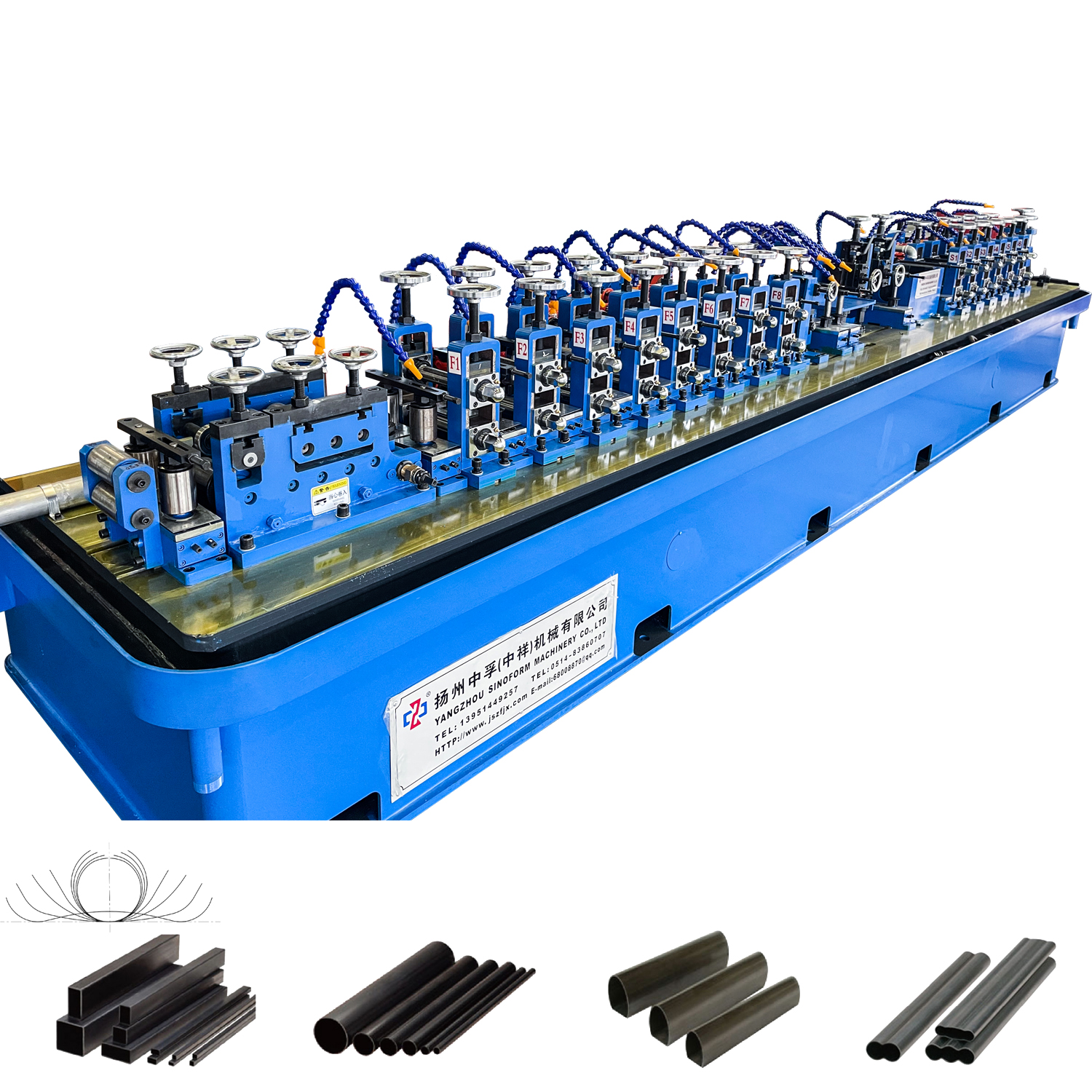 High Precision High-Frequency ERW Tube Mill line
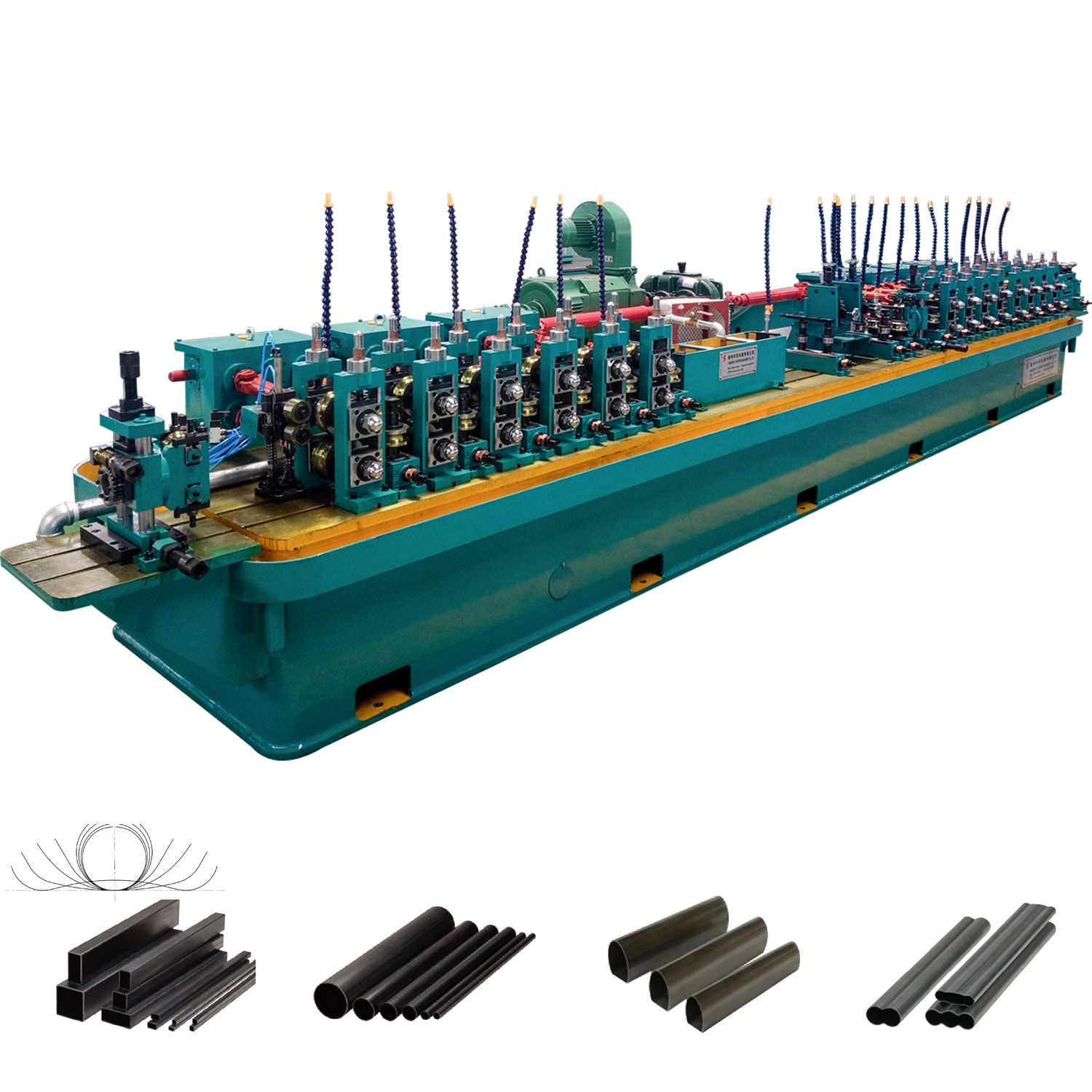 High Precision High-Frequency ERW Tube Mill line
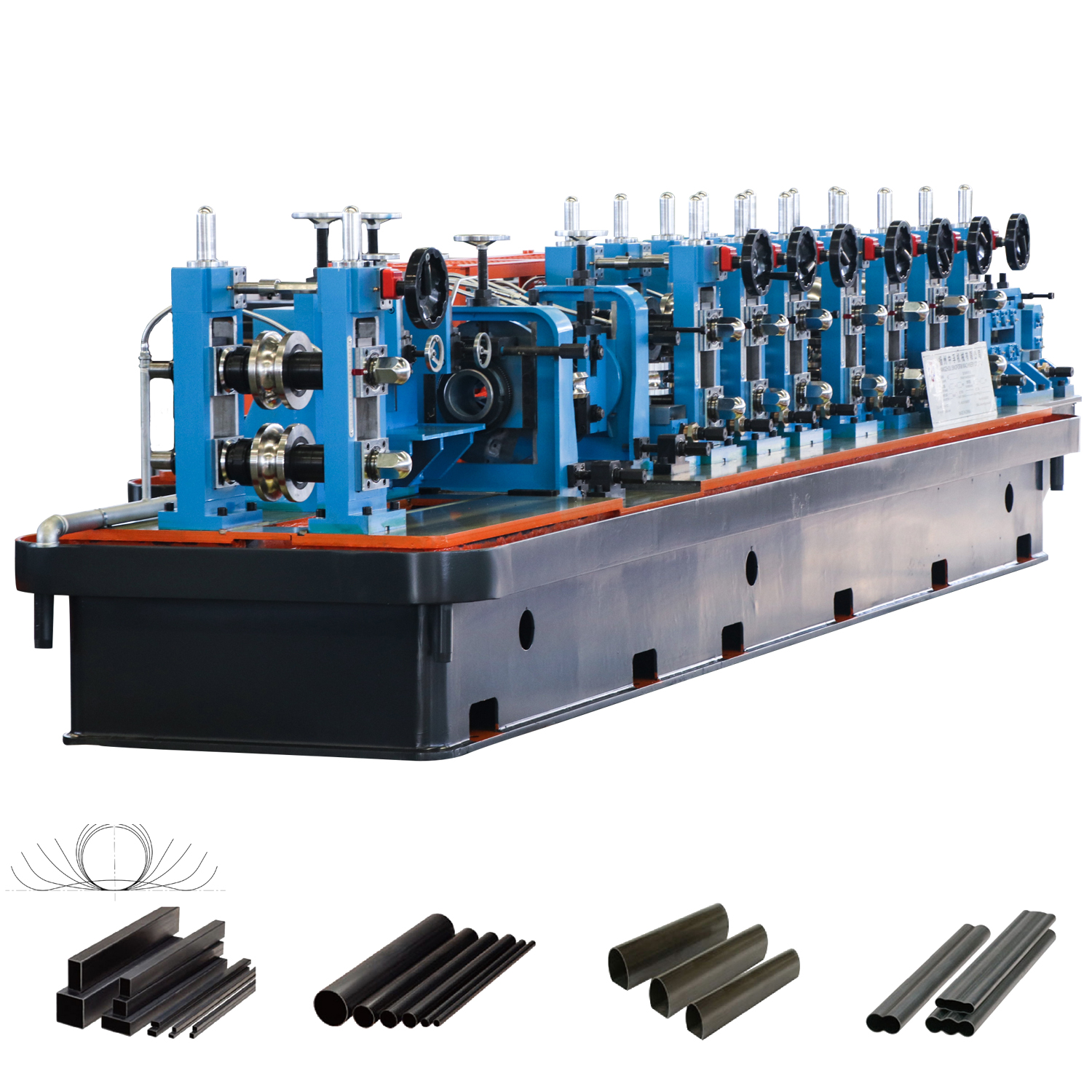 High Precision High-Frequency ERW Tube Mill line
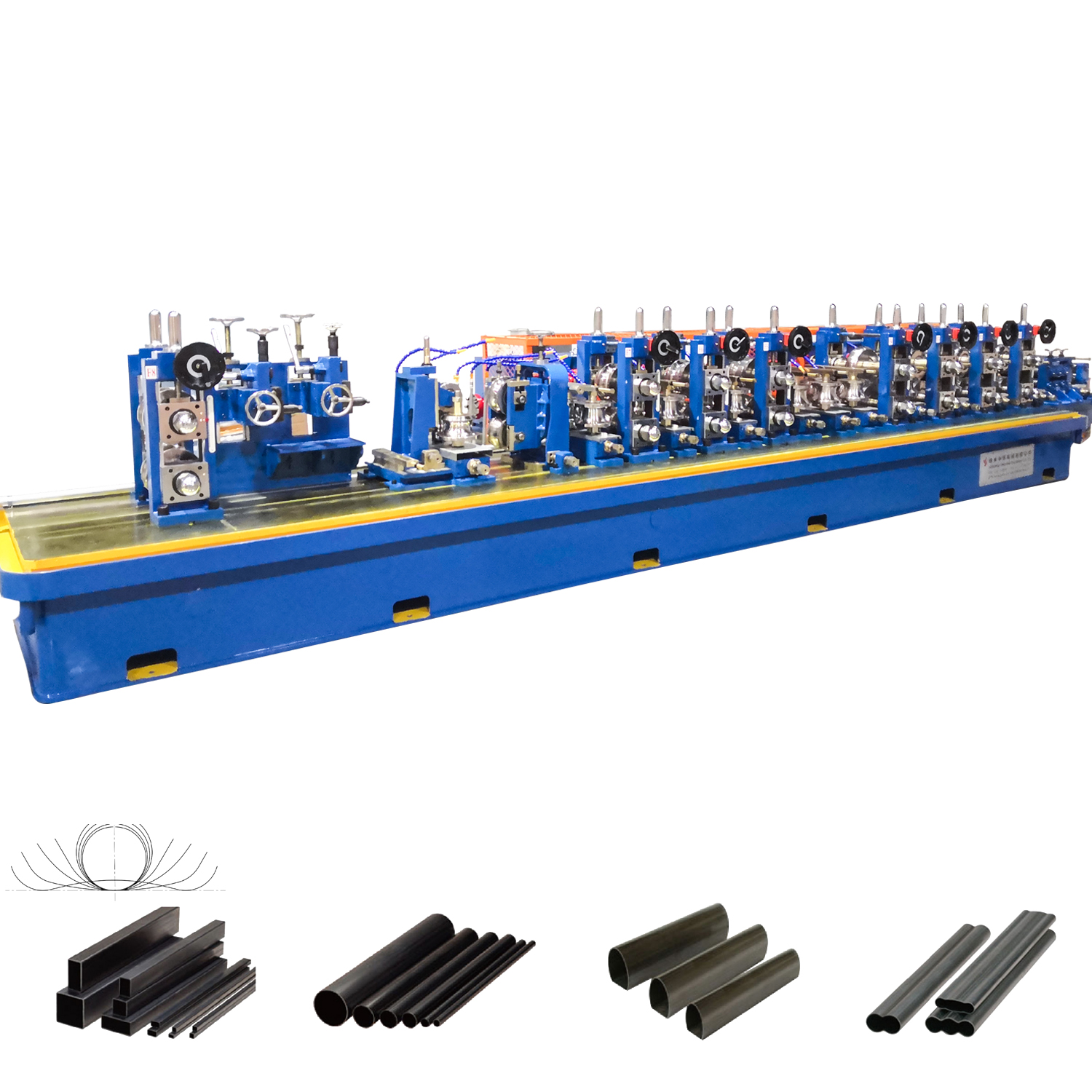 High Precision High-Frequency ERW Tube Mill line
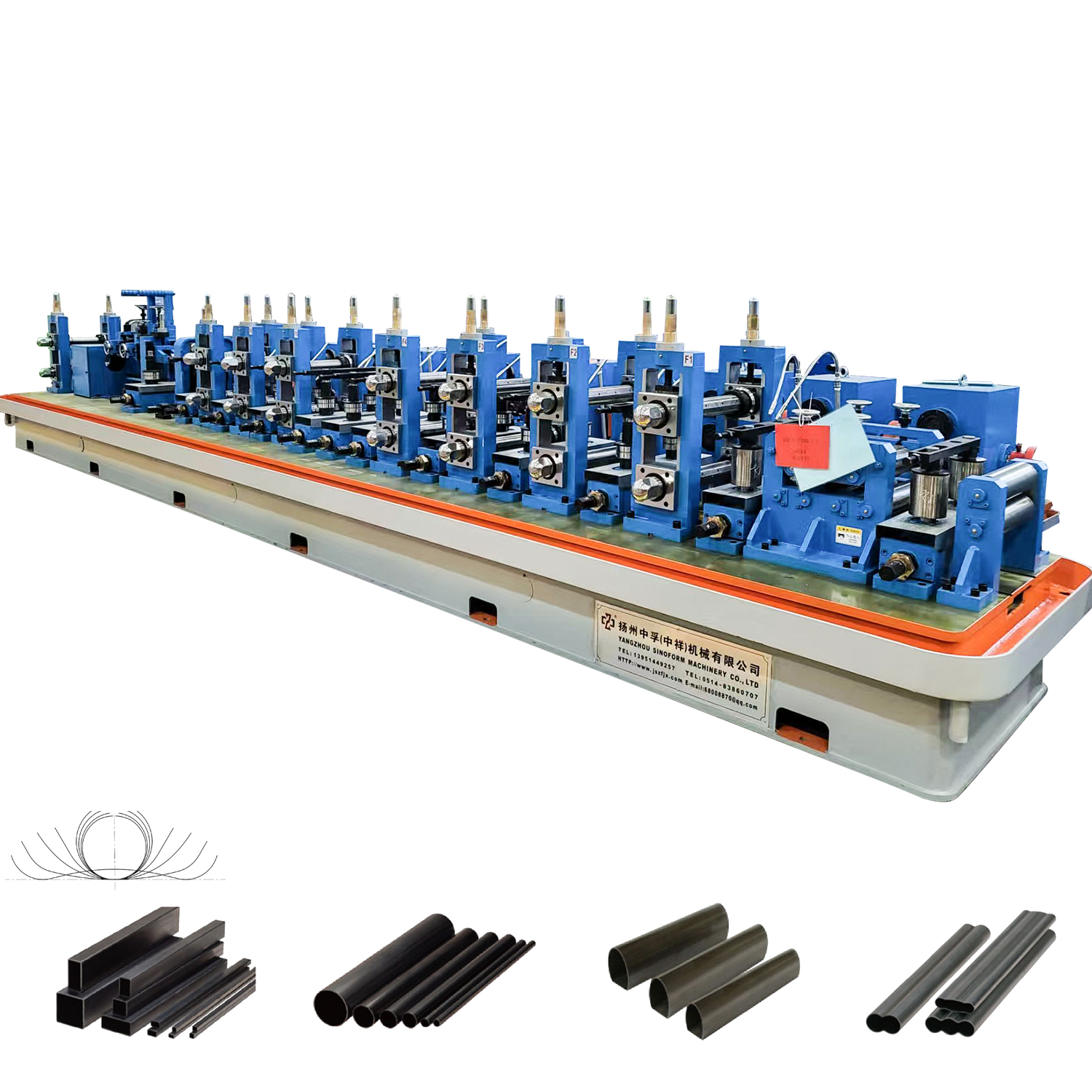 High Precision High-Frequency ERW Tube Mill line
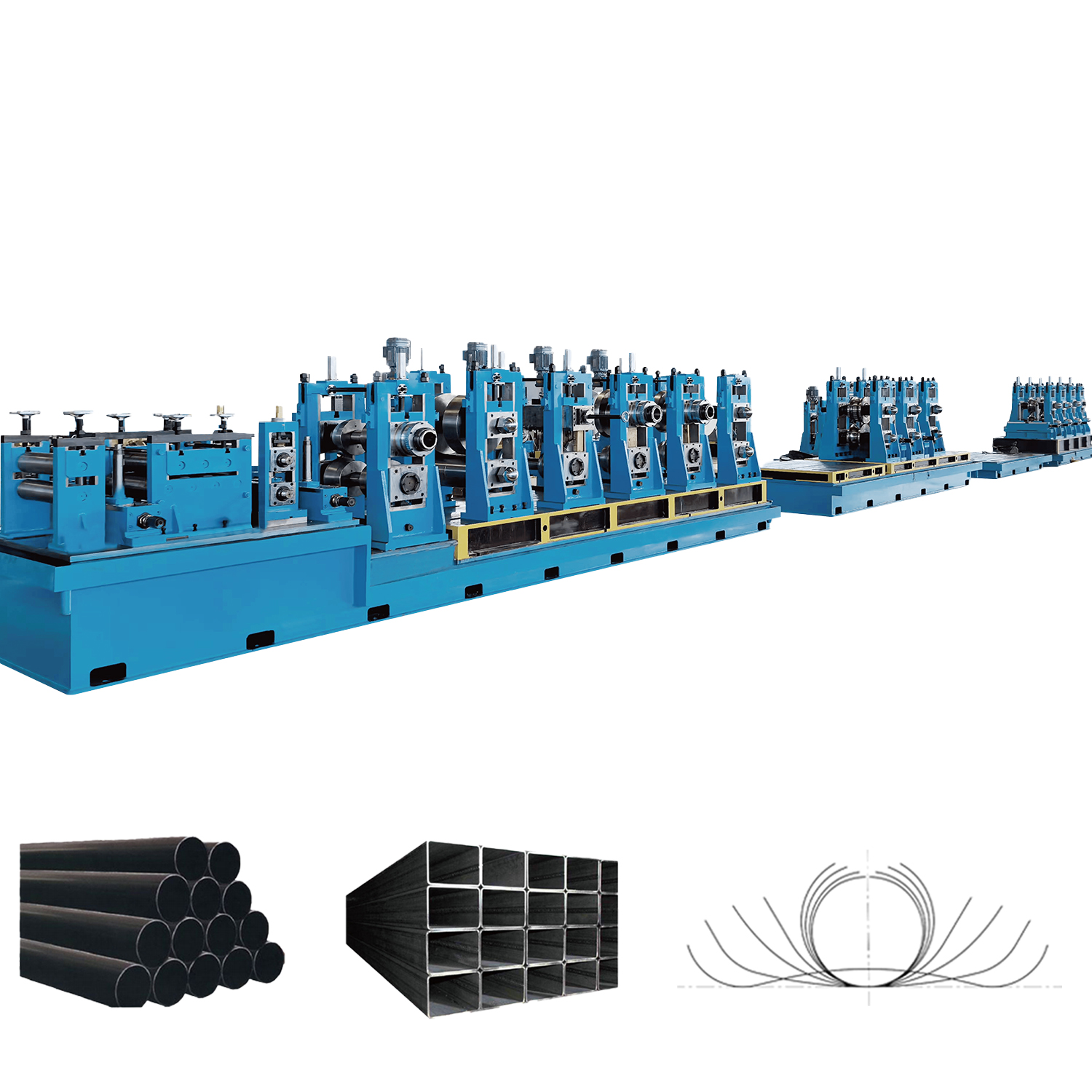 Large ERW tube mill line
Large ERW tube mill line
Large ERW tube mill line
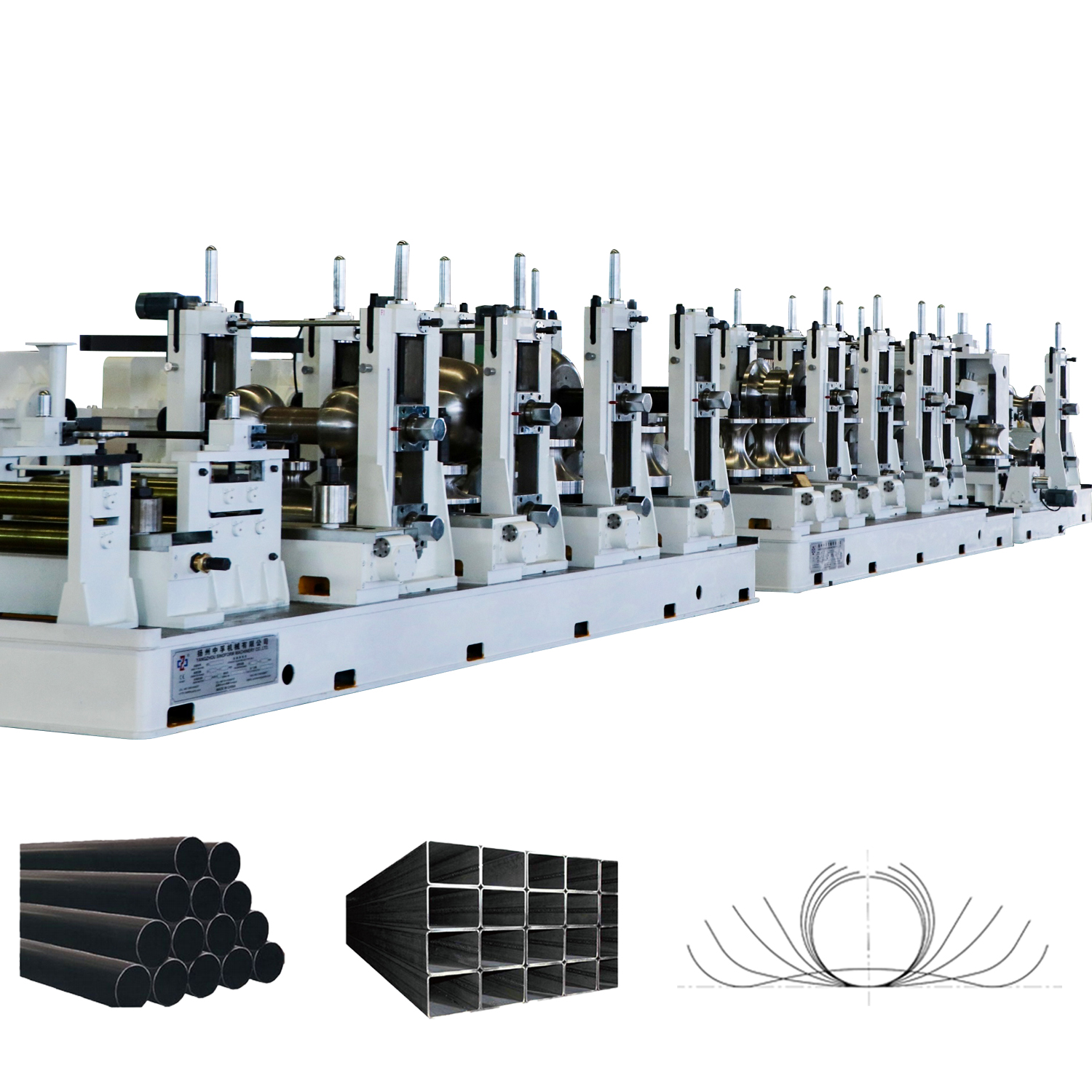 Large ERW tube mill line
Large ERW tube mill line
Large ERW tube mill line
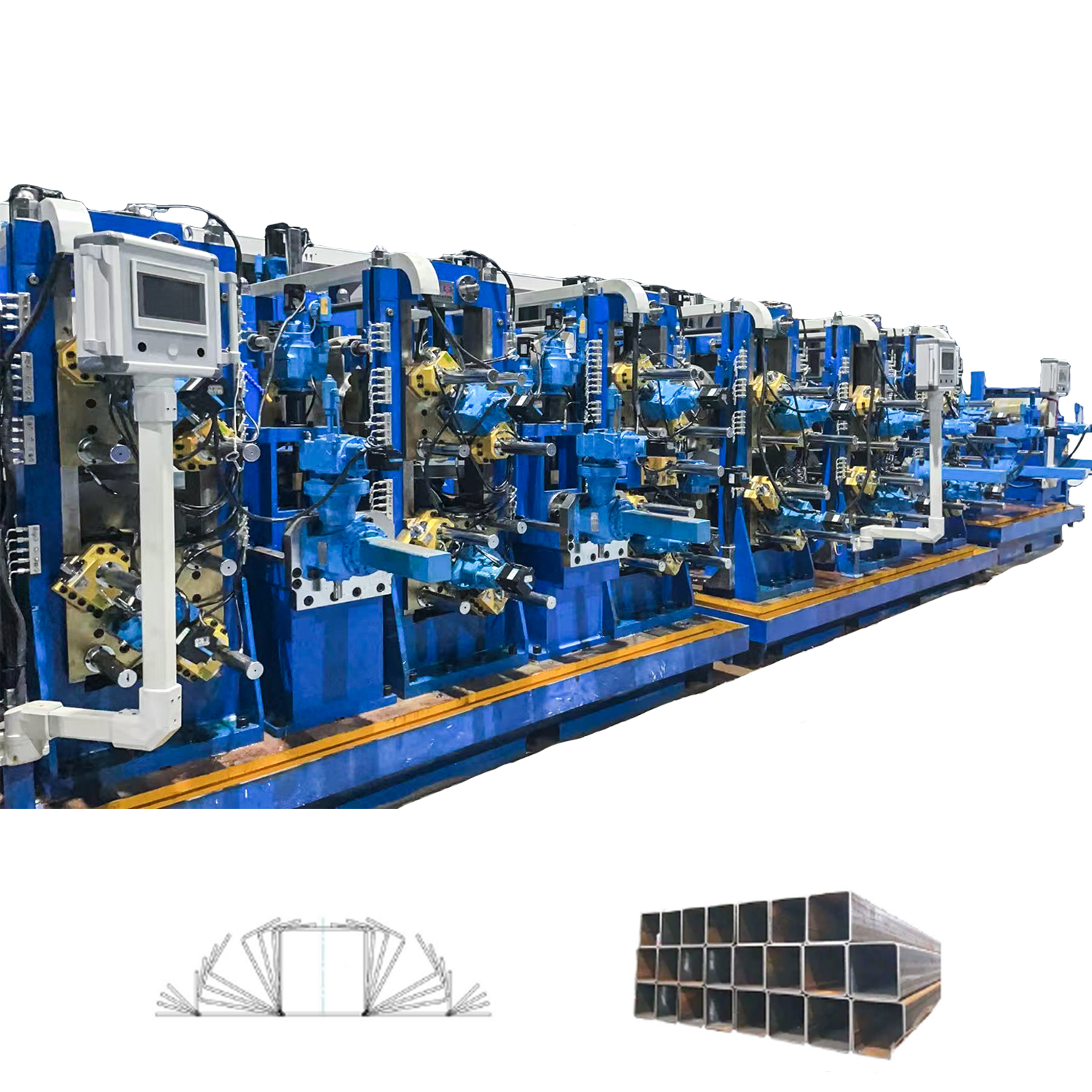 Direct To Square Welded Pipe Production Line
Direct To Square Welded Pipe Production Line
Direct To Square Welded Pipe Production Line
Direct To Square Welded Pipe Production Line
Direct To Square Welded Pipe Production Line

 No.1 Xiangjian Road, Northern
Suburbs Of Yangzhou City,
Jiangsu Province,China
No.1 Xiangjian Road, Northern
Suburbs Of Yangzhou City,
Jiangsu Province,China
 Phone: +86-0514-8363 8877
 E-mail: [email protected]
© Yangzhou SINOFORM Machinery Co., Ltd. Tube Mill Line Manufacturers
Pipe Making Machine Custom
Tube Making Machine Suppliers



 English
 Español
 عربى
عربى русский
 中文简体
中文简体