ERW (Electric Resistance Welding) tube mills are critical equipment in the steel pipe manufacturing industry, responsible for producing high-quality welded pipes used in construction, oil and gas, and automotive sectors. As market demand for ERW tubes grows—along with higher standards for precision and speed—manufacturers are increasingly investing in technical upgrades to boost production efficiency. But with a range of potential improvements available, which specific technical upgrades truly drive efficiency gains? This article will explore key questions about ERW tube mill upgrades, uncovering how advancements in machinery and processes reduce downtime, enhance output, and improve product consistency.
1. How Do Roll Forming Precision Upgrades Reduce Material Waste and Speed Up Production?
Roll forming is the core process of ERW tube mills, where metal coils are gradually shaped into cylindrical tubes through a series of rolling stands. Upgrading roll forming precision directly impacts both material utilization and production speed—two key drivers of efficiency.
- Precision Roll Design and Manufacturing: Traditional roll forming often suffers from inconsistent tube dimensions (e.g., uneven wall thickness or ovality), leading to material waste as off-spec tubes are discarded. Upgraded roll sets, crafted with computer-aided design (CAD) and high-precision machining, ensure the metal is shaped uniformly at every rolling stage. This reduces dimensional errors, cutting material waste by minimizing off-spec products. Additionally, precise roll profiles reduce friction between the metal and rolls, allowing the mill to operate at higher line speeds without compromising tube quality—speeding up production while maintaining consistency.
- Adjustable Roll Stands with Real-Time Monitoring: Older ERW mills require manual adjustment of roll stands to switch between tube sizes, a time-consuming process that halts production. Upgraded mills feature motorized, adjustable roll stands equipped with sensors that monitor tube shape in real time. Operators can now switch between tube diameters or wall thicknesses in minutes (instead of hours) by adjusting rolls via a control panel, reducing changeover downtime. Real-time monitoring also allows for immediate corrections if dimensional deviations occur, preventing the production of defective tubes and avoiding costly rework.
By improving roll forming precision, ERW mills not only produce more qualified tubes per hour but also reduce material waste—directly boosting overall efficiency.
2. What Welding Process Upgrades Enhance Weld Quality While Increasing Line Speed?
Welding is another critical step in ERW tube production: the edges of the formed metal tube are heated and pressed together to create a seamless joint. Upgrading welding processes addresses a common trade-off—between weld quality (which requires careful heat control) and line speed (which demands faster processing).
- High-Frequency Induction Heating (HFI) Upgrades: Traditional ERW welding uses low-frequency current, which can cause uneven heating of the tube edges—leading to weak welds or the need for slower line speeds to ensure proper fusion. Upgrading to advanced HFI systems delivers more concentrated, uniform heat to the weld zone. This allows the mill to run at higher line speeds (up to 50% faster in some cases) while ensuring the weld joint is strong and free of defects like cracks or porosity. HFI upgrades also reduce energy consumption compared to older systems, lowering operational costs alongside boosting speed.
- Post-Weld Heat Treatment (PWHT) Automation: After welding, ERW tubes require heat treatment to relieve internal stresses and improve weld ductility. Manual PWHT processes are slow and prone to human error, often creating bottlenecks in production. Upgraded mills integrate automated PWHT systems—such as induction heating coils or controlled cooling chambers—that sync with the mill’s line speed. Tubes are heat-treated immediately after welding, without stopping production, and the process is precisely controlled via temperature sensors to ensure consistent results. This eliminates bottlenecks, speeds up the overall production cycle, and reduces the risk of weld failures due to improper heat treatment.
These welding upgrades let ERW mills produce stronger, higher-quality tubes at faster speeds—addressing both efficiency and quality goals.
3. How Do Automation and Digital Control Upgrades Minimize Downtime and Improve Operational Efficiency?
Downtime is a major enemy of production efficiency in ERW tube mills, caused by equipment breakdowns, manual errors, or slow process adjustments. Upgrading to automated and digital control systems reduces downtime and streamlines operations by minimizing human intervention and enabling proactive maintenance.
- PLC-Based Central Control Systems: Older ERW mills rely on separate controls for each process (roll forming, welding, cutting), requiring operators to monitor and adjust each step individually— increasing the risk of misalignment and slowdowns. Upgraded mills use programmable logic controller (PLC) central control systems that integrate all processes into a single interface. Operators can monitor the entire production line in real time, from coil feeding to tube cutting, and automate sequential steps (e.g., triggering welding once the tube is properly formed). This reduces human error, speeds up process coordination, and allows a single operator to manage more of the mill—lowering labor costs while improving efficiency.
- Predictive Maintenance via IoT Sensors: Unplanned equipment failures (e.g., worn roll bearings or faulty welding electrodes) can halt production for hours or days. Upgraded ERW mills are equipped with IoT (Internet of Things) sensors attached to critical components—roll stands, welding heads, and drive motors—that track vibration, temperature, and wear in real time. These sensors send data to a cloud-based platform that uses algorithms to predict when parts will need replacement. Maintenance teams can now perform repairs during scheduled downtime (e.g., between shifts) instead of reacting to breakdowns, cutting unplanned downtime by 30-40% in many cases.
Automation and digital controls turn reactive, manual operations into proactive, streamlined processes—significantly boosting ERW mill efficiency.
4. What Coil Handling and Feeding Upgrades Reduce Material Loading Time and Prevent Production Interruptions?
Coil handling and feeding are often overlooked but critical steps in ERW tube production: delays in loading new metal coils or feeding them into the mill can cause costly production interruptions. Upgrading coil handling systems addresses these bottlenecks.
- Automated Coil De-coilers with Tension Control: Traditional de-coilers require manual positioning of metal coils and often struggle with maintaining consistent tension as the coil unwinds—leading to material snags or uneven feeding. Upgraded automated de-coilers use robotic arms to lift and position coils onto the de-coiler, eliminating manual labor and reducing loading time from 30 minutes to 5-10 minutes per coil. Built-in tension control systems also adjust the unwinding speed to match the mill’s line speed, preventing material slack or stretching. This ensures a continuous feed of metal into the roll forming process, avoiding production stops due to coil changes.
- Coil Joining Systems for Continuous Production: Even with fast coil loading, switching between coils still creates a brief production gap. Advanced ERW mills now include coil joining systems that weld the end of one metal coil to the start of the next while the mill is running. This creates a “continuous coil” feed, eliminating the need to stop production for coil changes. The welded joint is later cut from the finished tubes, ensuring no impact on product quality. For high-volume production, this upgrade can increase annual output by 5-10% by eliminating coil change downtime.
By streamlining coil handling and feeding, ERW mills maintain a steady production flow—maximizing the time the mill is operational and boosting overall efficiency.
5. How Do Cutting and Finishing Process Upgrades Reduce Post-Production Work and Speed Up Output?
After welding, ERW tubes are cut to specified lengths and undergo finishing (e.g., deburring or end-facing) to meet customer requirements. Outdated cutting and finishing processes are often slow and require extensive post-production rework, reducing overall efficiency. Upgrading these steps cuts rework and speeds up the final stages of production.
- High-Speed Circular Saw or Plasma Cutting Systems: Traditional hacksaws or abrasive cutters are slow and produce rough tube ends that require time-consuming deburring. Upgraded cutting systems—such as high-speed circular saws or plasma cutters—slice through tubes at 2-3 times the speed of older tools while leaving clean, smooth ends. Plasma cutters are especially effective for thick-walled tubes, where traditional tools struggle with speed and precision. Clean cuts reduce the need for deburring, trimming post-production time by up to 40%.
- Integrated Finishing Lines: Older mills often perform cutting and finishing as separate steps, with tubes moved between stations—adding time and increasing the risk of damage. Upgraded ERW mills integrate cutting and finishing into a single line: after cutting, tubes are automatically fed into deburring machines, end-facing tools, or length-measuring systems. This “one-pass” process eliminates the need to handle tubes multiple times, speeds up the final production stage, and ensures consistent finishing quality. For example, integrated lines can process up to 100 tubes per hour, compared to 60-70 with separate stations.
By upgrading cutting and finishing processes, ERW mills reduce the time needed to turn welded tubes into ready-to-ship products—closing the loop on efficient production.
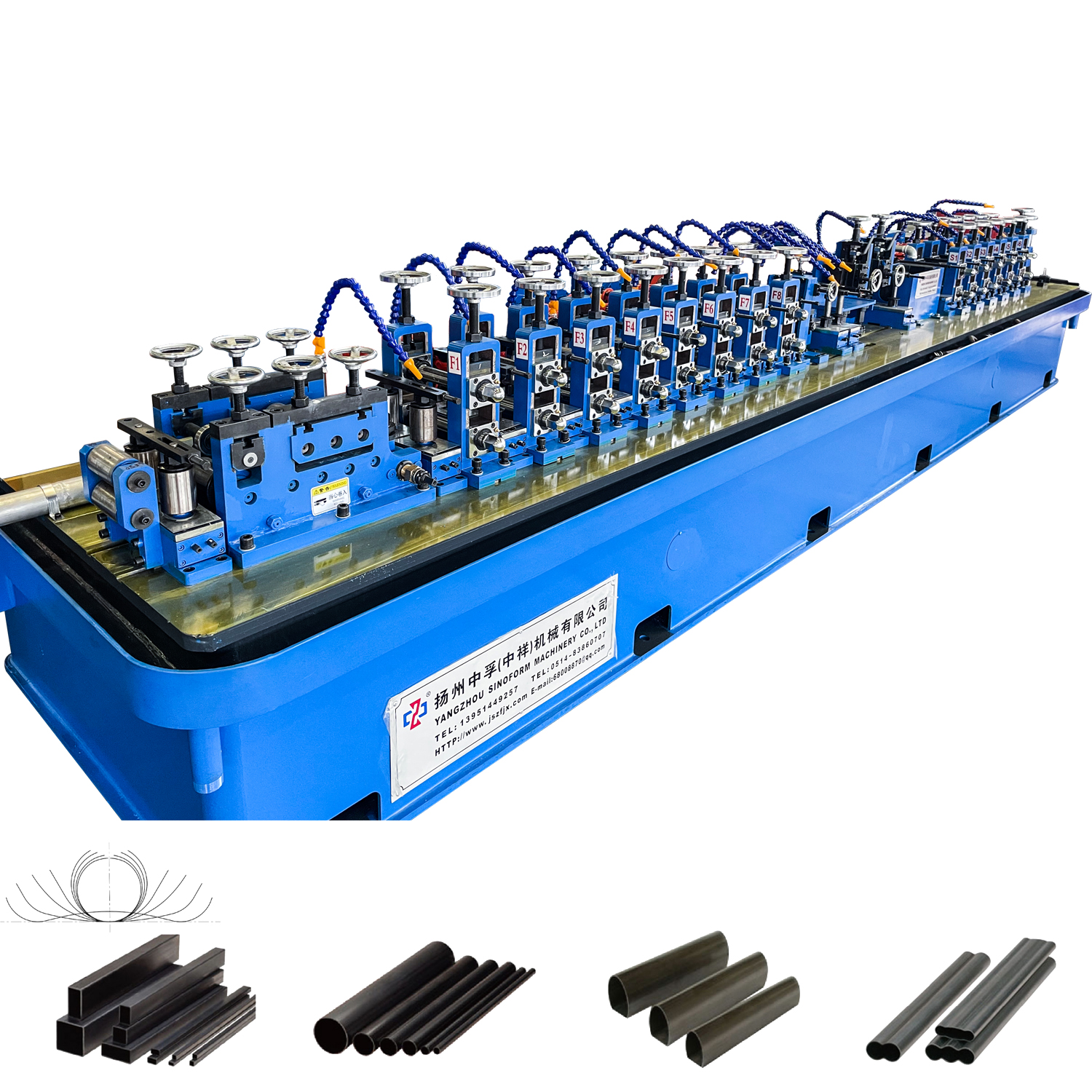 High Precision High-Frequency ERW Tube Mill line
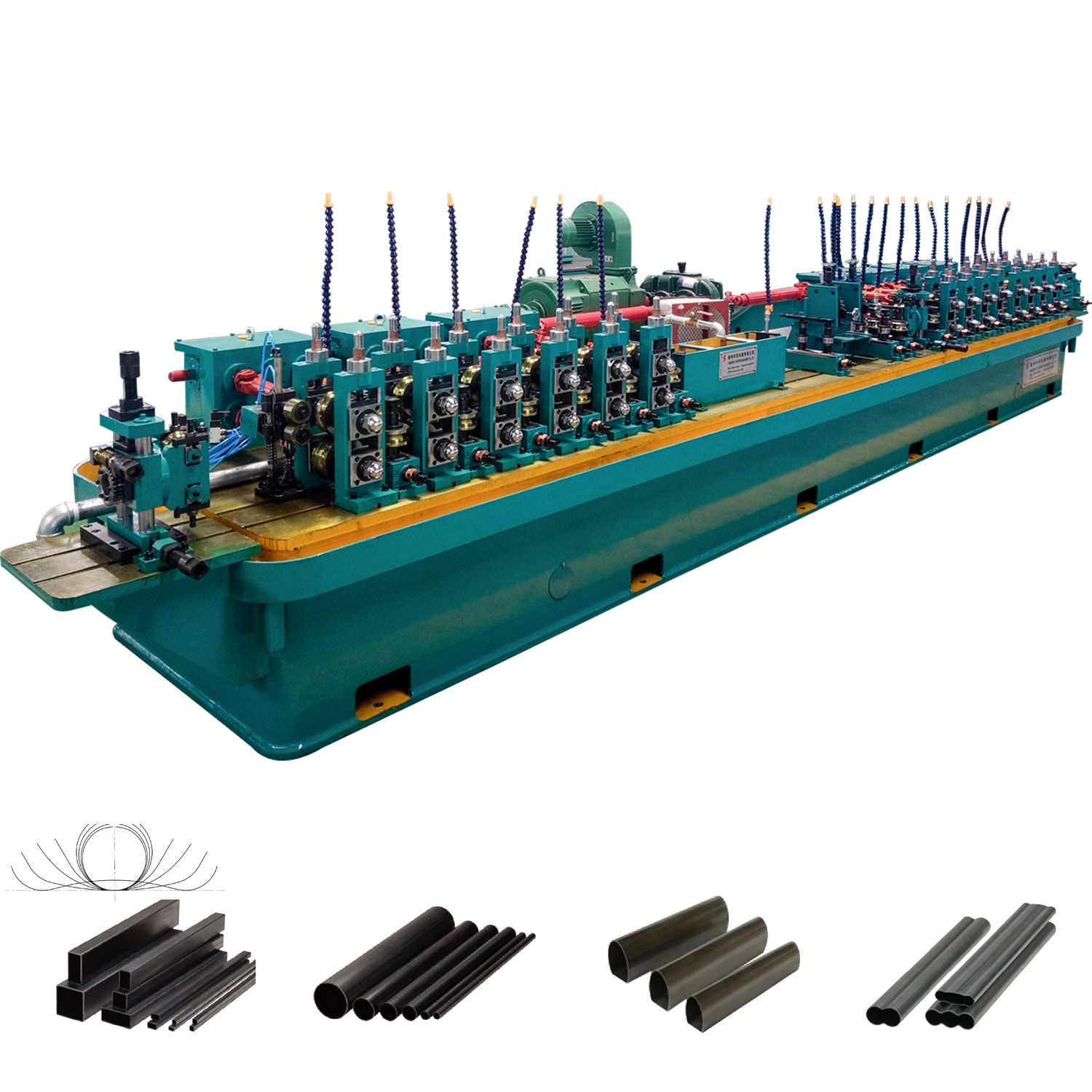 High Precision High-Frequency ERW Tube Mill line
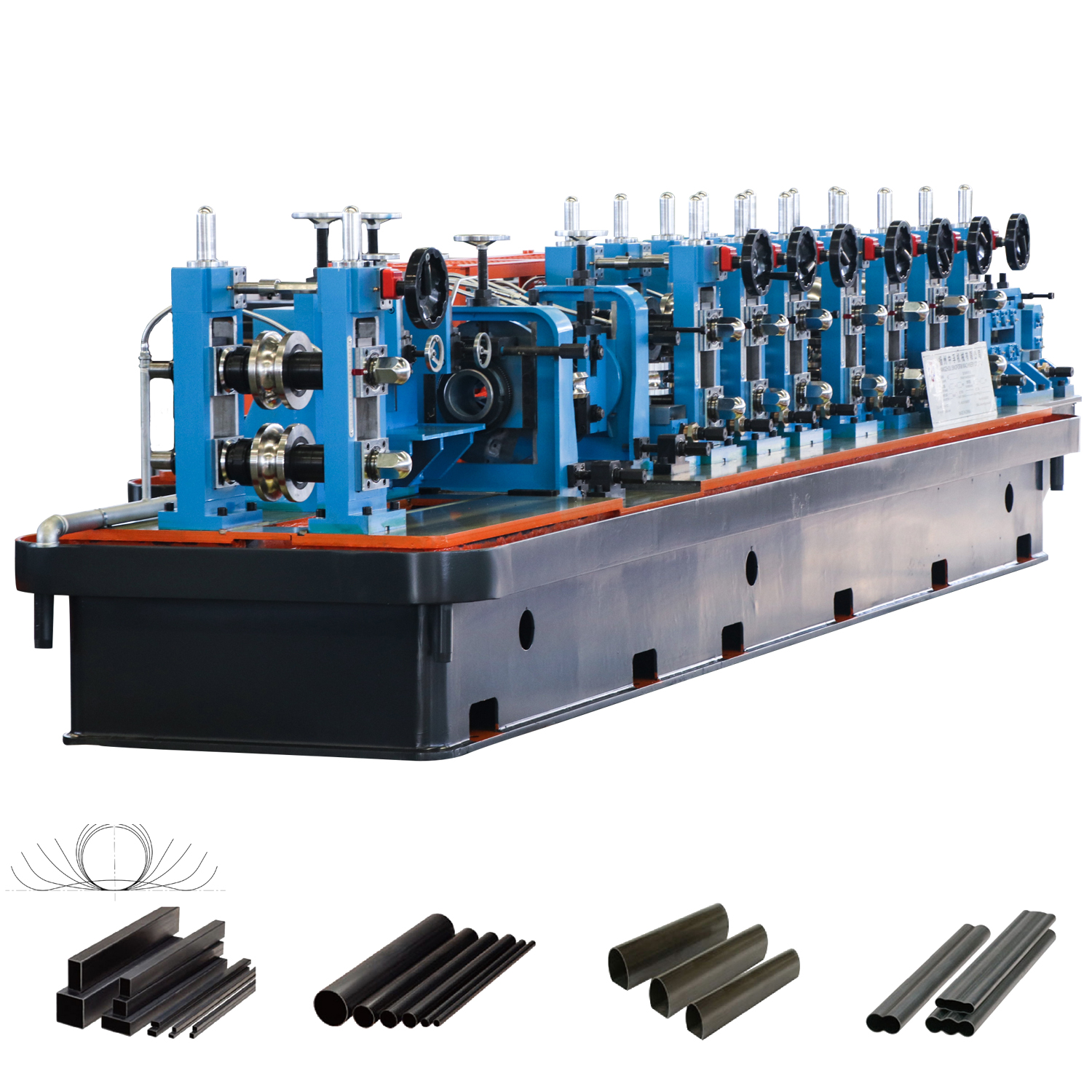 High Precision High-Frequency ERW Tube Mill line
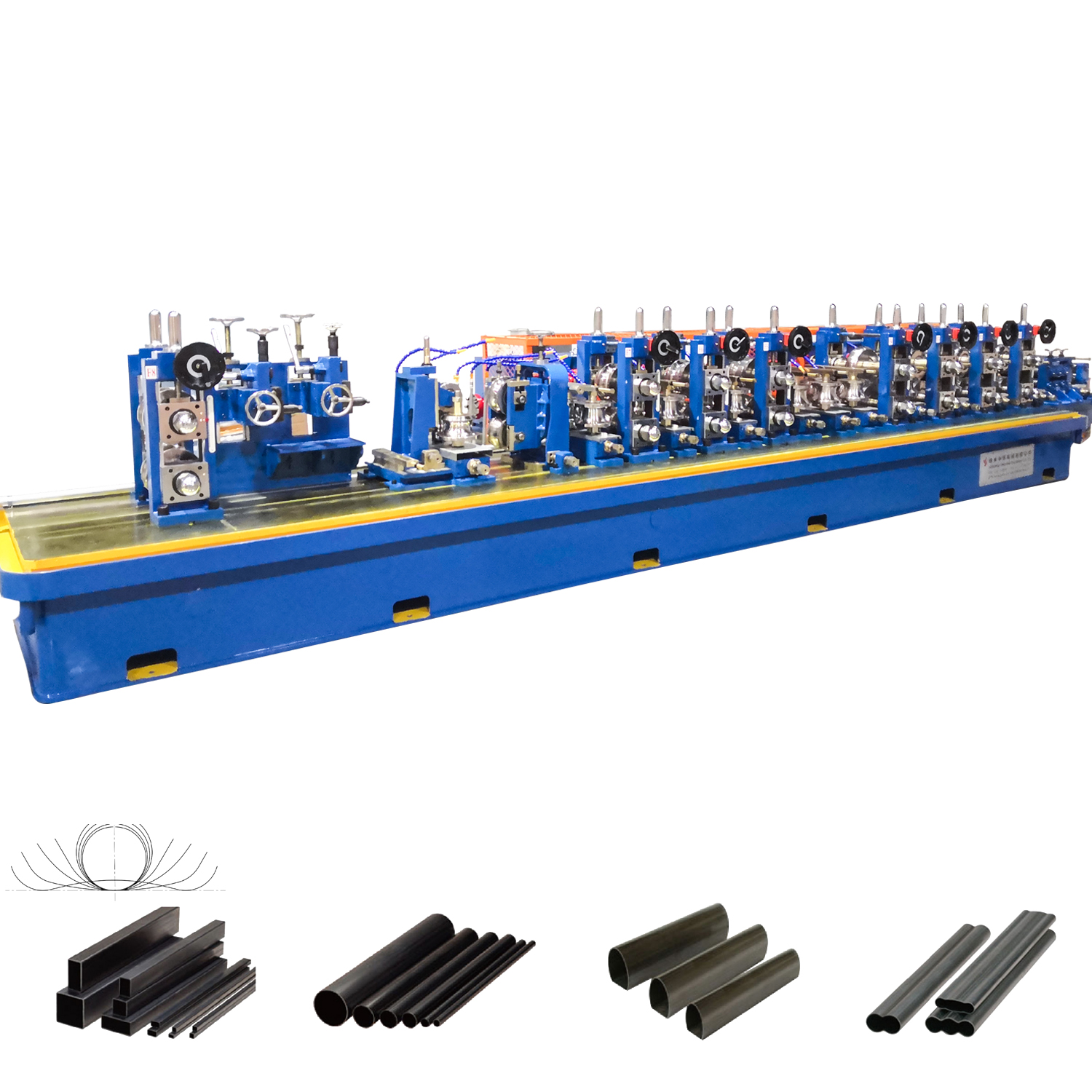 High Precision High-Frequency ERW Tube Mill line
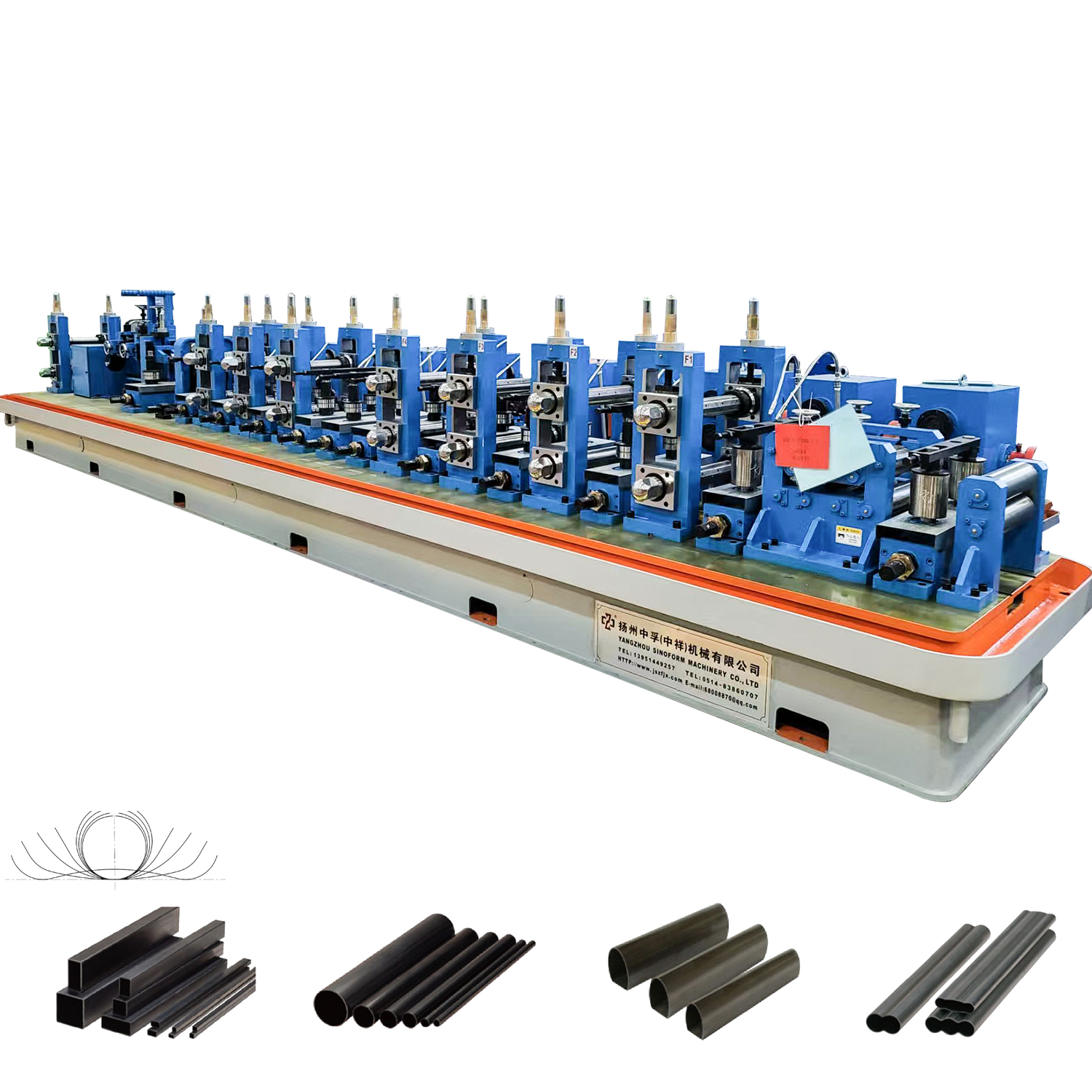 High Precision High-Frequency ERW Tube Mill line
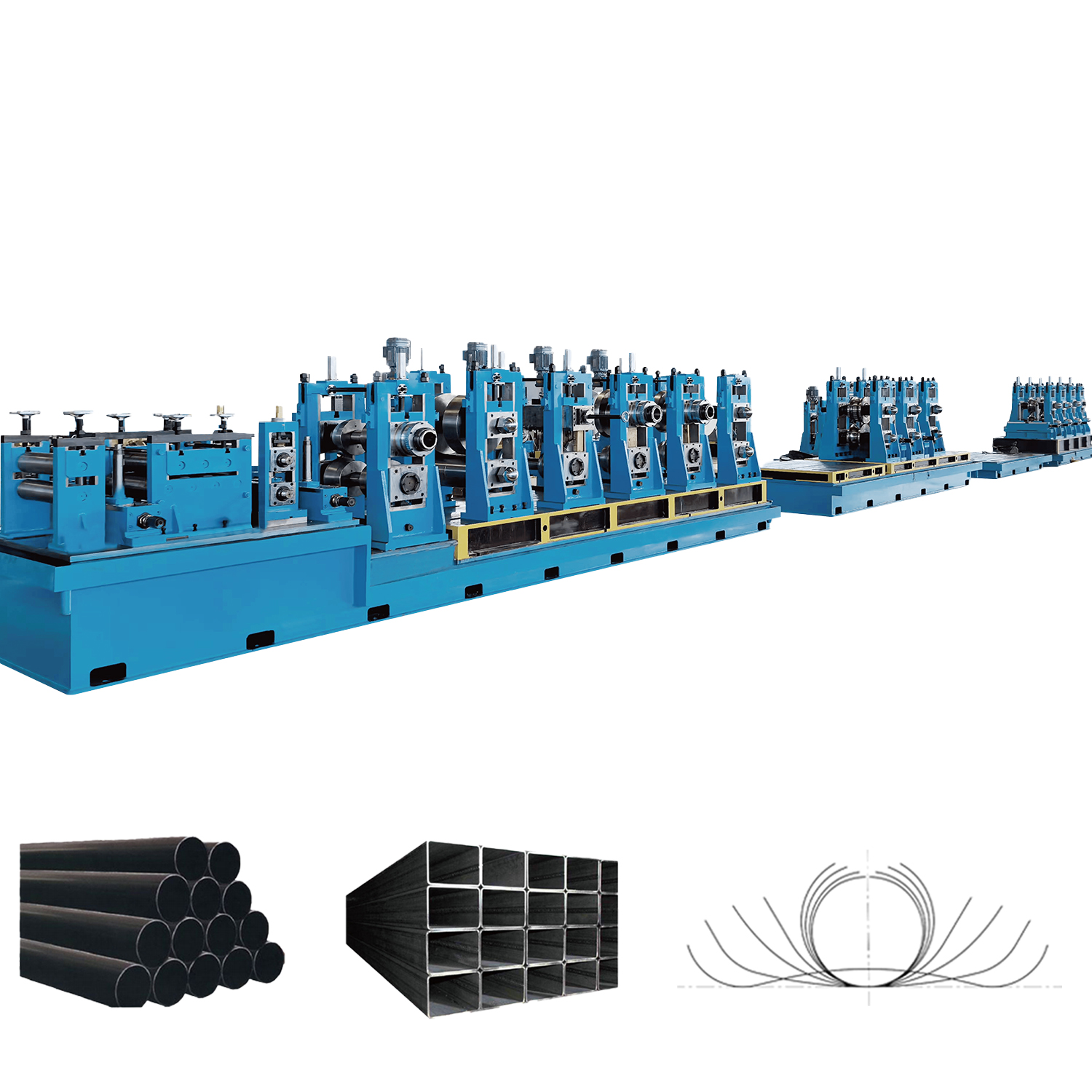 Large ERW tube mill line
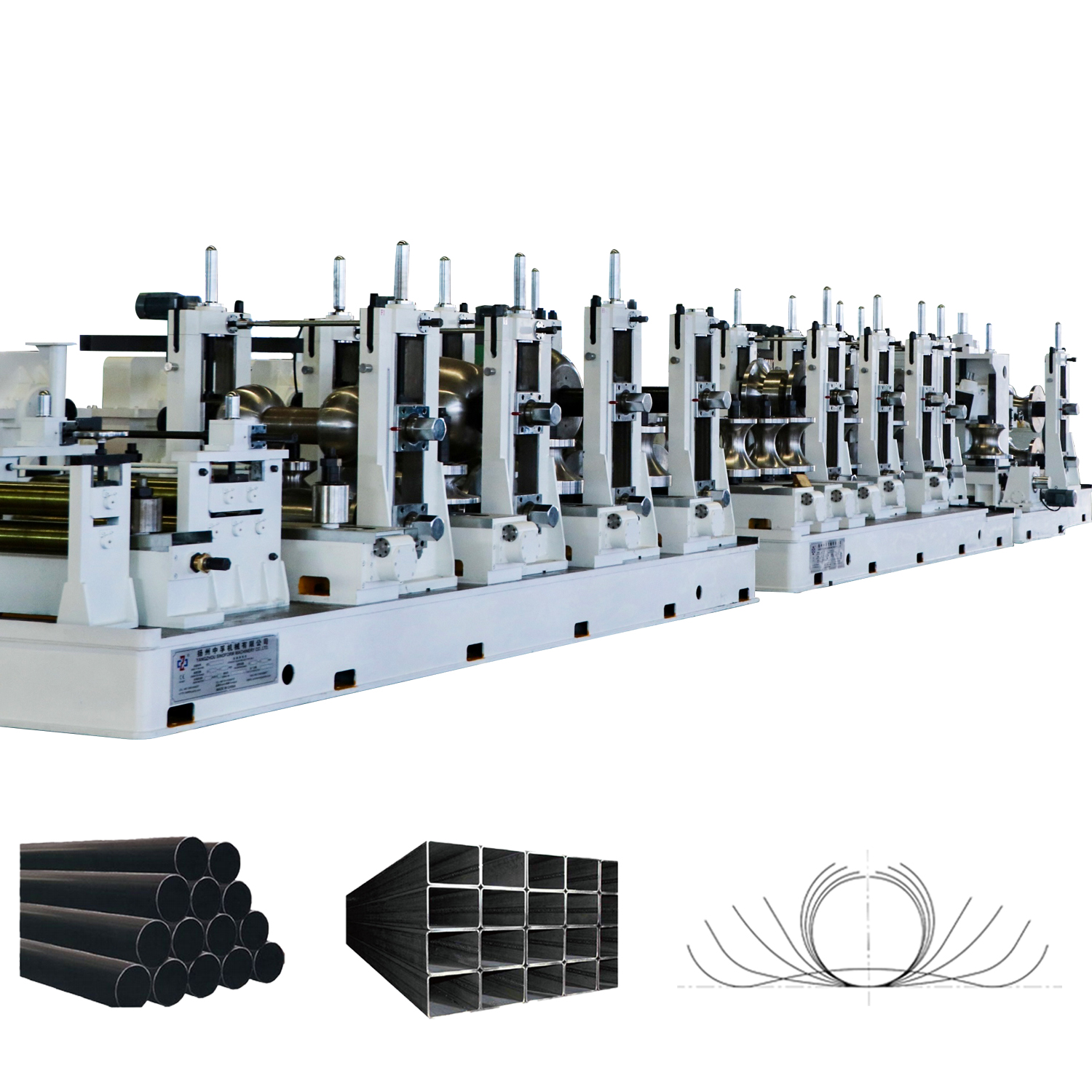 Large ERW tube mill line
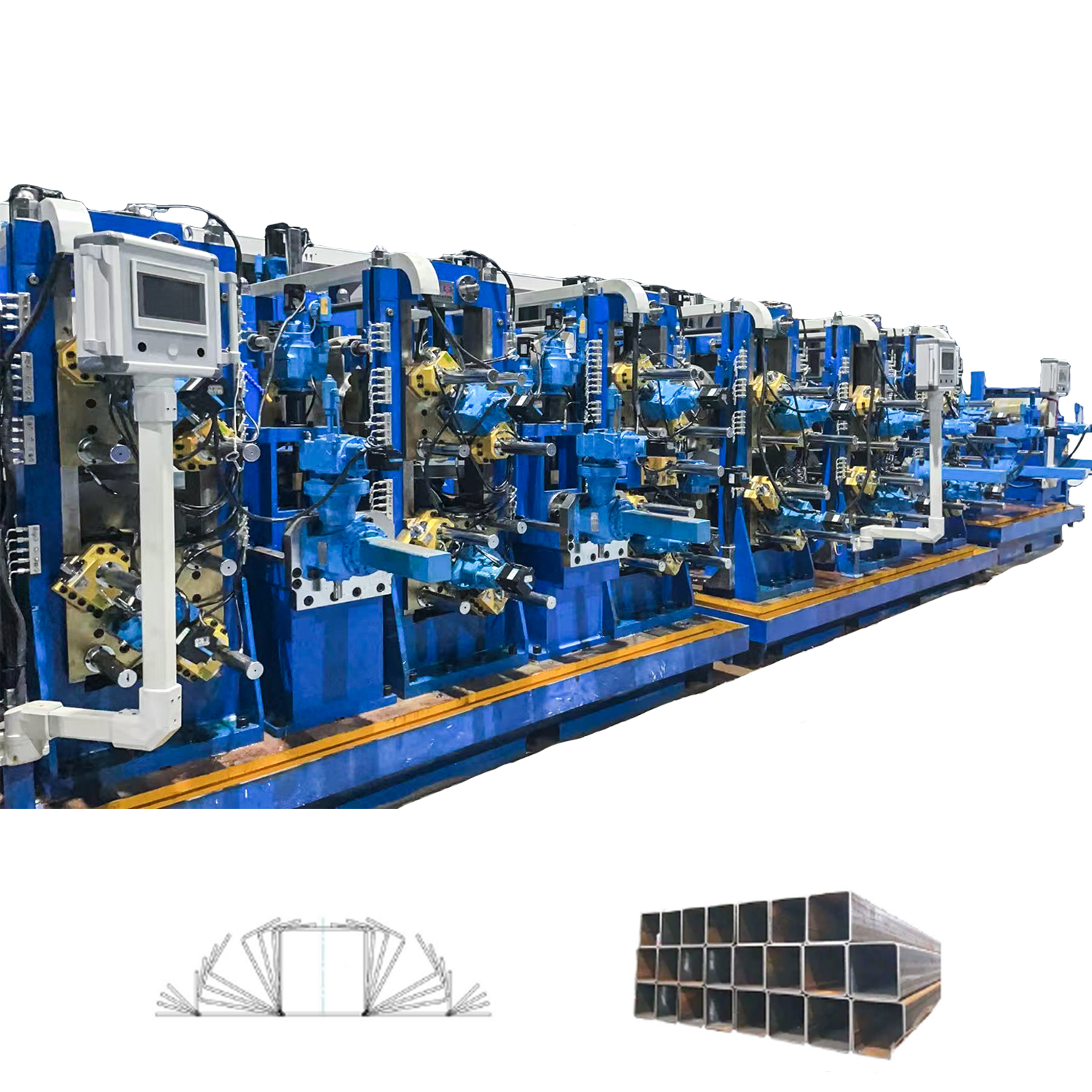 Direct To Square Welded Pipe Production Line

 No.1 Xiangjian Road, Northern
Suburbs Of Yangzhou City,
Jiangsu Province,China
No.1 Xiangjian Road, Northern
Suburbs Of Yangzhou City,
Jiangsu Province,China
 Phone: +86-0514-8363 8877
 E-mail: [email protected]


 English
 Español
 عربى
عربى русский
 中文简体
中文简体