Content
Process parameter tuning is foundational to enhancing production efficiency, as precise settings reduce waste and minimize downtime. For the forming stage, adjusting roll pass design to match stainless steel grades (e.g., austenitic vs. ferritic) ensures uniform material flow, reducing edge cracking and the need for rework . Optimizing strip feeding speed—balancing it with the weld cycle—prevents bottlenecks; for example, matching the speed to the weld heat input avoids under-welding or overheating. Welding parameters (e.g., current, voltage, shielding gas flow) must be calibrated to the tube wall thickness and stainless steel type: higher current densities work for thinner walls but risk burn-through on thicker materials, while argon-helium shielding gas mixtures improve weld penetration and reduce post-weld cleaning . Additionally, pre-weld strip edge conditioning (e.g., precise trimming, deburring) eliminates gaps that cause weld defects, reducing the frequency of production stops for repairs.
Unplanned downtime is a major efficiency drain, so proactive equipment maintenance and upgrades are critical. Regular inspection of key components—such as forming rolls, weld electrodes, and guide rails—identifies wear early; replacing worn rolls prevents material misalignment, while maintaining electrode tip cleanliness ensures consistent weld quality . Lubrication systems should be optimized with high-temperature, corrosion-resistant lubricants (suitable for stainless steel’s friction properties) to reduce component wear and extend service intervals . Upgrading critical parts to more durable materials (e.g., ceramic guides for strip feeding, hardened steel rolls) minimizes replacement frequency. Implementing condition monitoring tools (e.g., vibration sensors, temperature gauges) allows real-time tracking of equipment health, enabling predictive maintenance instead of reactive repairs .
Automation and digitalization eliminate manual errors and speed up production cycles. Integrating CNC (Computer Numerical Control) systems for roll positioning and strip feeding ensures precise, repeatable settings, reducing setup time when switching between tube sizes . Automated quality inspection tools—such as ultrasonic testing (UT) for weld integrity or laser diameter measurement—provide real-time feedback, allowing immediate adjustments without stopping production . Digital process control systems centralize data on speed, temperature, and weld parameters, enabling operators to identify inefficiencies (e.g., inconsistent feeding speeds) and optimize workflows . Robotics can be deployed for tasks like tube cutting, deburring, and stacking, reducing manual labor time and minimizing human error-related delays .
Efficient material handling prevents bottlenecks between production stages, ensuring a continuous workflow. Implementing automated strip feeding systems with coil decoilers and straighteners eliminates manual lifting and alignment, reducing feeding time and material waste from misalignment . Using buffer storage systems (e.g., accumulators) between forming, welding, and cutting stages allows each process to operate at its optimal speed, preventing downtime if one stage requires adjustment . Streamlining the movement of finished tubes—with conveyor systems or automated guided vehicles (AGVs)—reduces handling time and the risk of damage, which would require rework. Additionally, optimizing coil storage to minimize changeover time (e.g., arranging coils by tube size or material grade) reduces downtime when switching production runs .
Post-weld processes often lengthen production cycles, so optimizing these steps directly boosts efficiency. For stainless steel pipes, implementing in-line heat treatment (e.g., continuous annealing) eliminates the need for off-site processing, reducing transportation time and handling . Using high-efficiency cooling systems (e.g., water quenching with precise temperature control) accelerates the cooling process without compromising material properties, allowing faster progression to subsequent stages . Minimizing post-weld cleaning—by optimizing weld parameters to reduce spatter and oxidation—cuts down on grinding, pickling, or passivation time . Additionally, integrating deburring and end-finishing into the main production line (instead of separate workstations) eliminates the need to move tubes between processes, streamlining the overall cycle.
Operator expertise and standardized processes ensure consistent efficiency and reduce errors. Comprehensive training programs should cover equipment operation, parameter adjustment, and troubleshooting—empowering operators to identify and resolve minor issues without halting production . Developing standard operating procedures (SOPs) for each production stage (e.g., setup, welding, inspection) eliminates variability in practices, which can lead to inconsistent quality and delays . Cross-training operators to handle multiple tasks (e.g., both forming and welding) increases workforce flexibility, preventing bottlenecks if a team member is absent . Regular performance reviews and feedback sessions help refine processes and address inefficiencies, fostering a culture of continuous improvement that sustains high production efficiency.
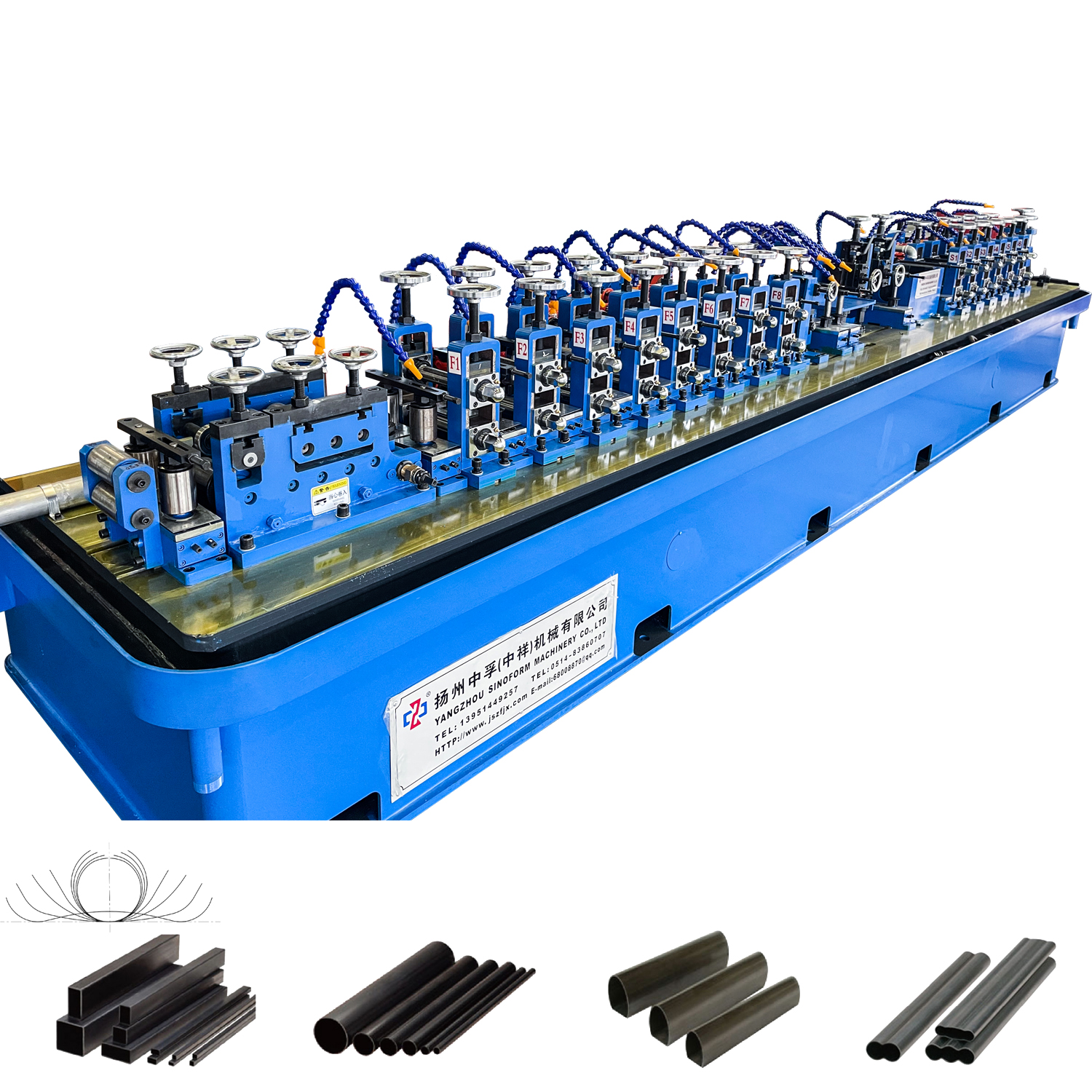 High Precision High-Frequency ERW Tube Mill line
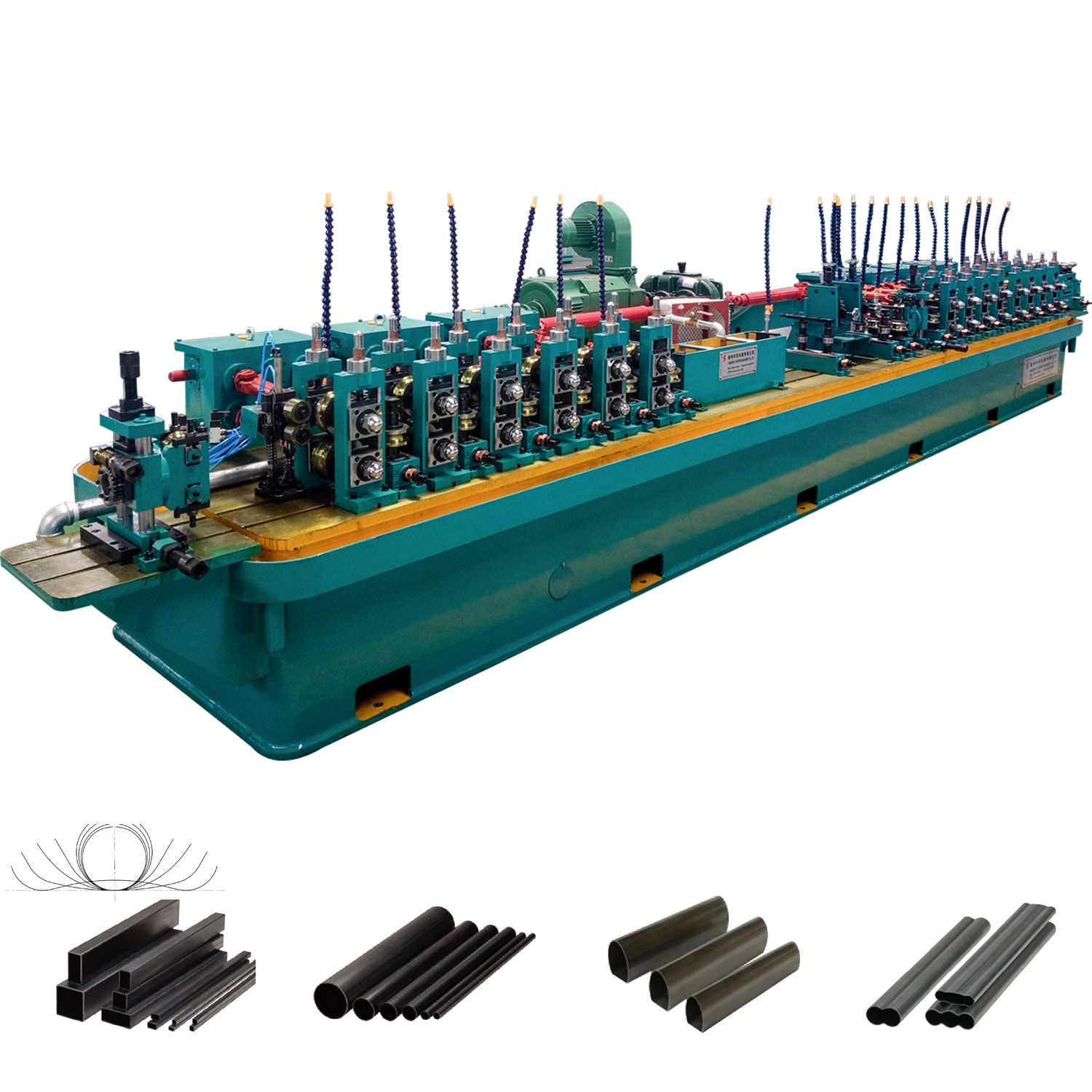 High Precision High-Frequency ERW Tube Mill line
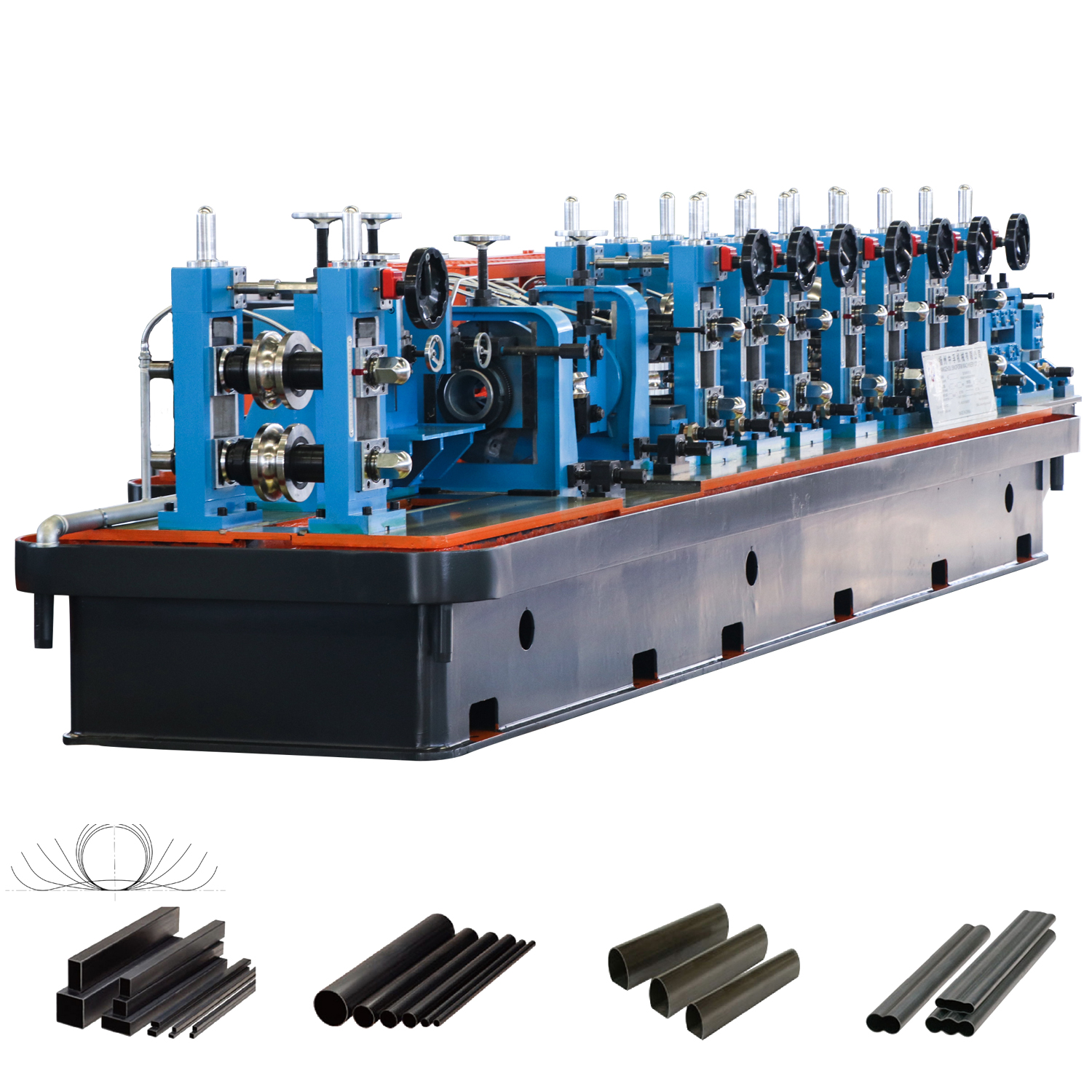 High Precision High-Frequency ERW Tube Mill line
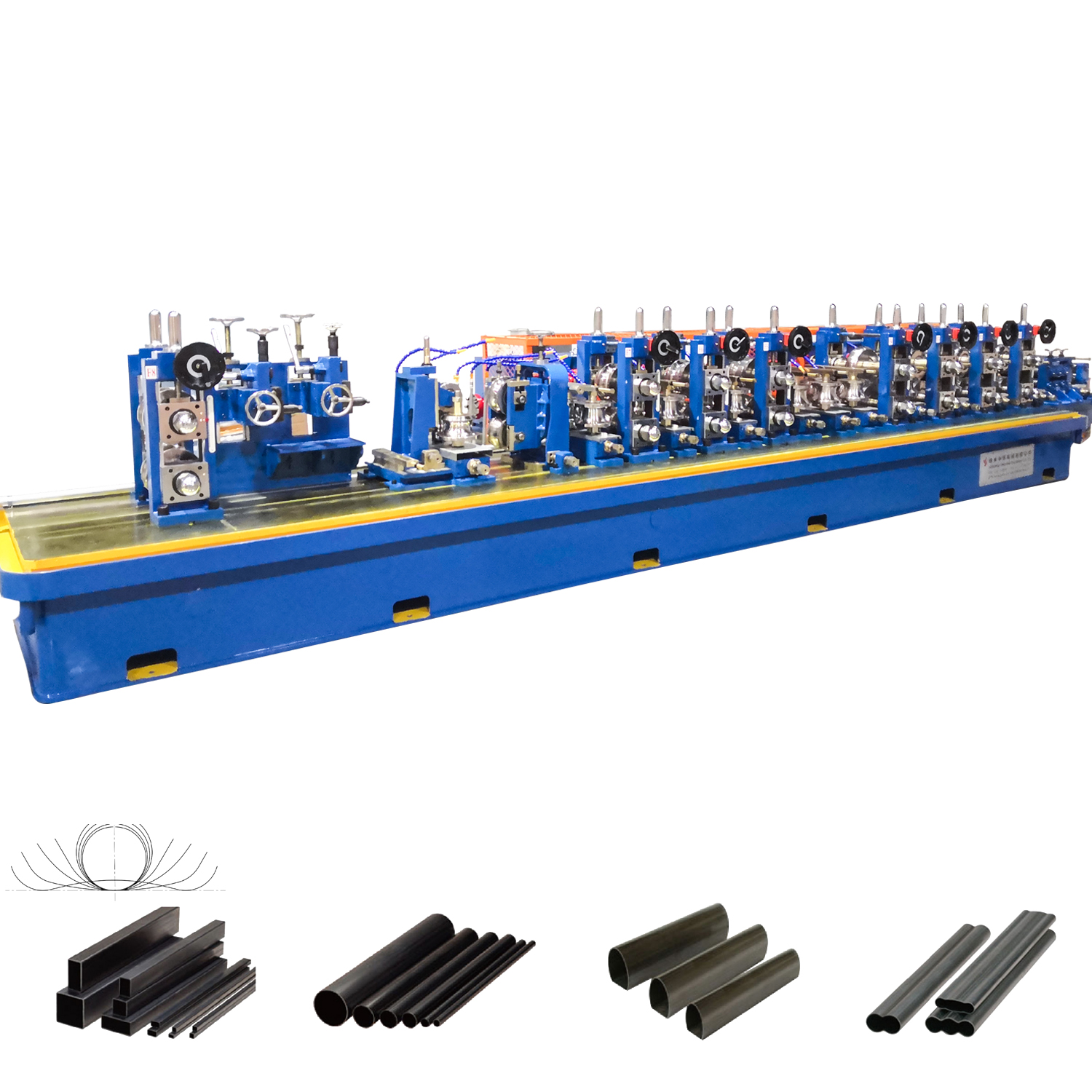 High Precision High-Frequency ERW Tube Mill line
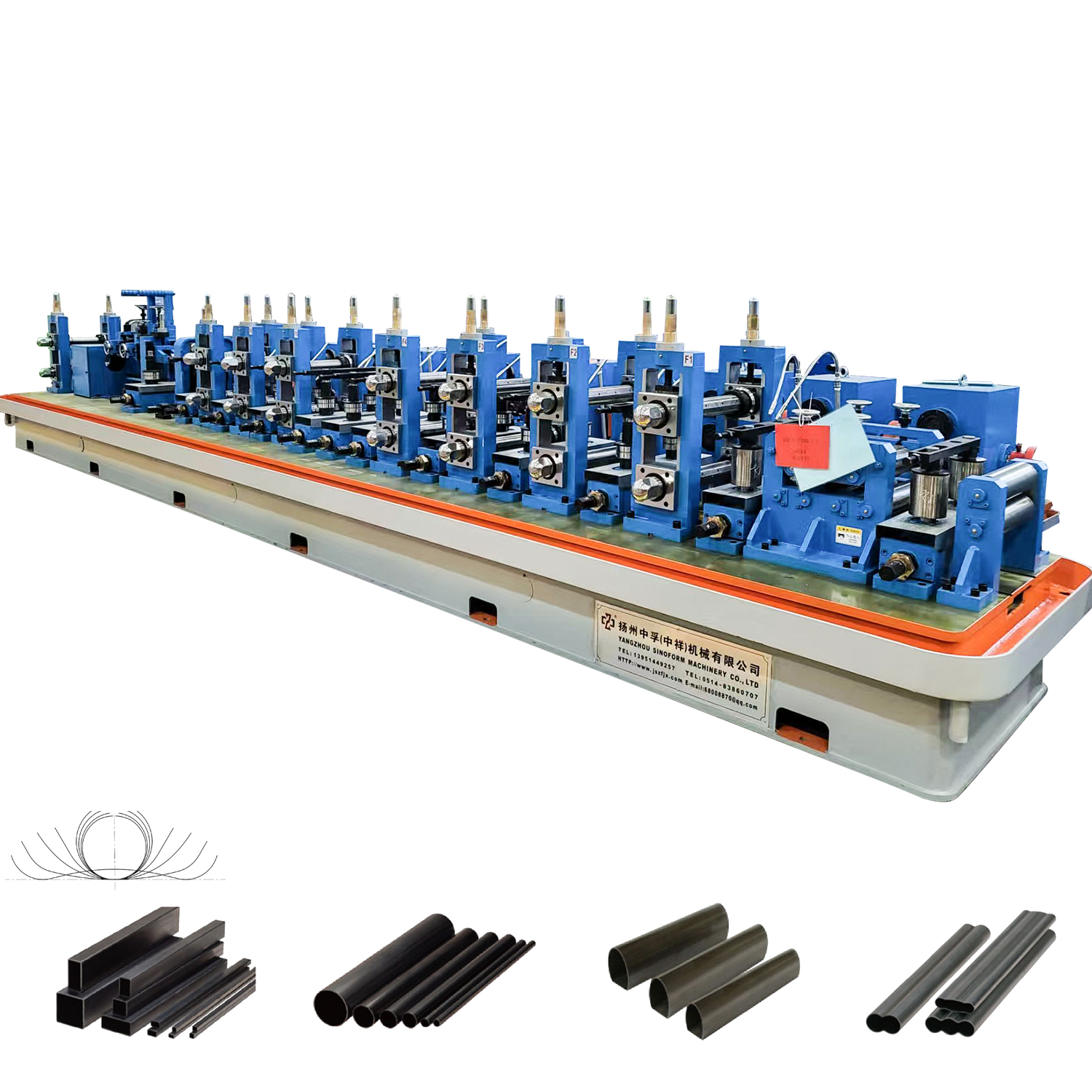 High Precision High-Frequency ERW Tube Mill line
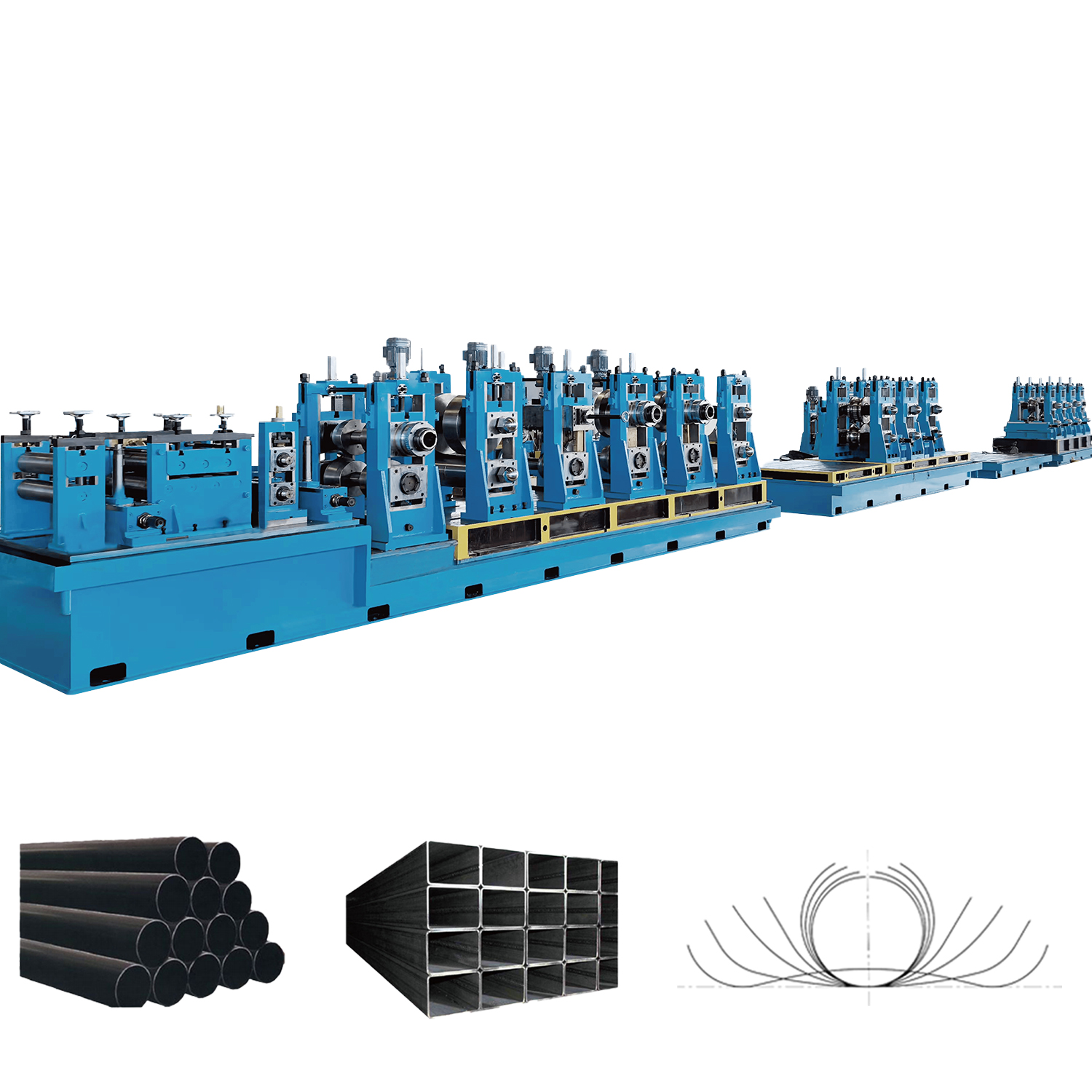 Large ERW tube mill line
Large ERW tube mill line
Large ERW tube mill line
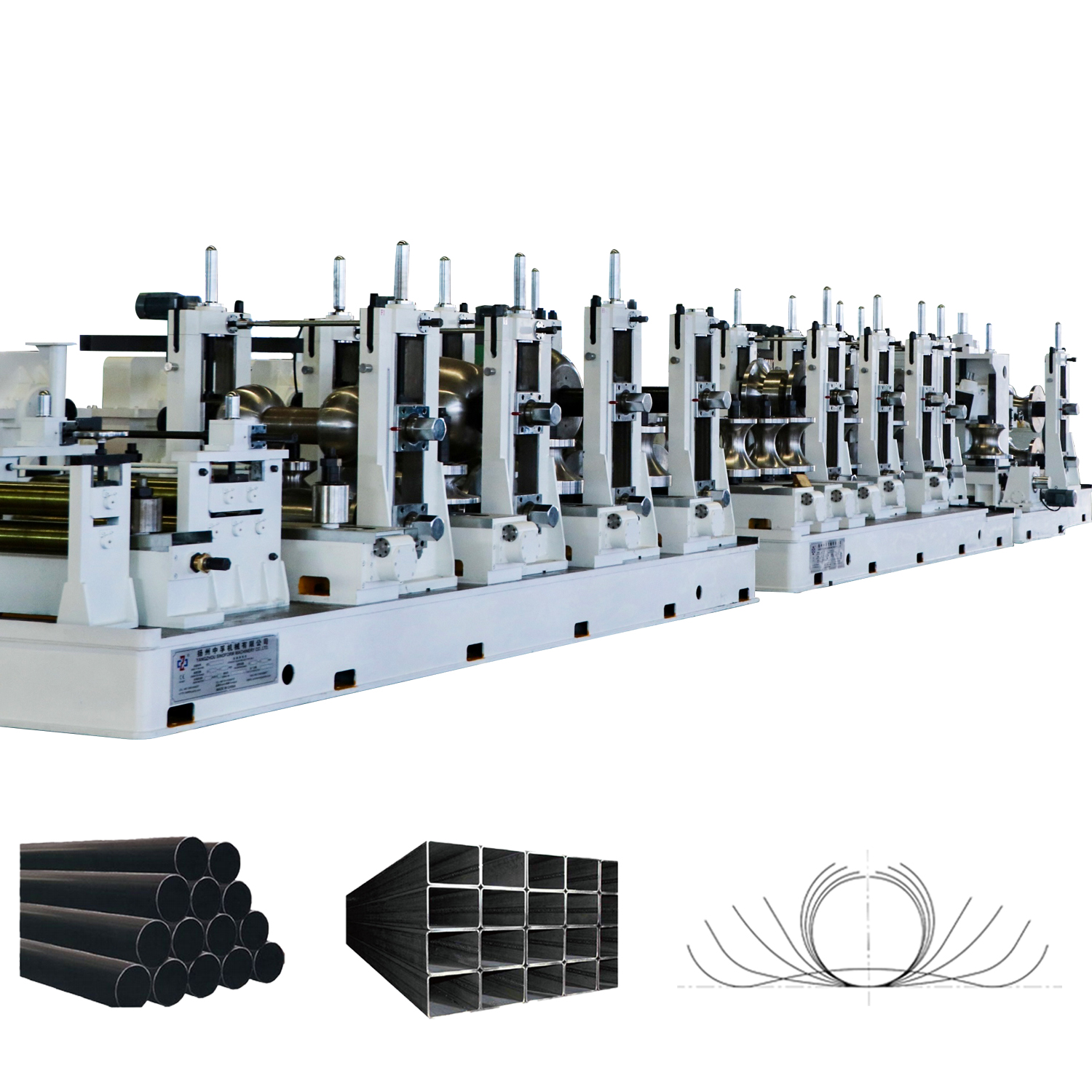 Large ERW tube mill line
Large ERW tube mill line
Large ERW tube mill line
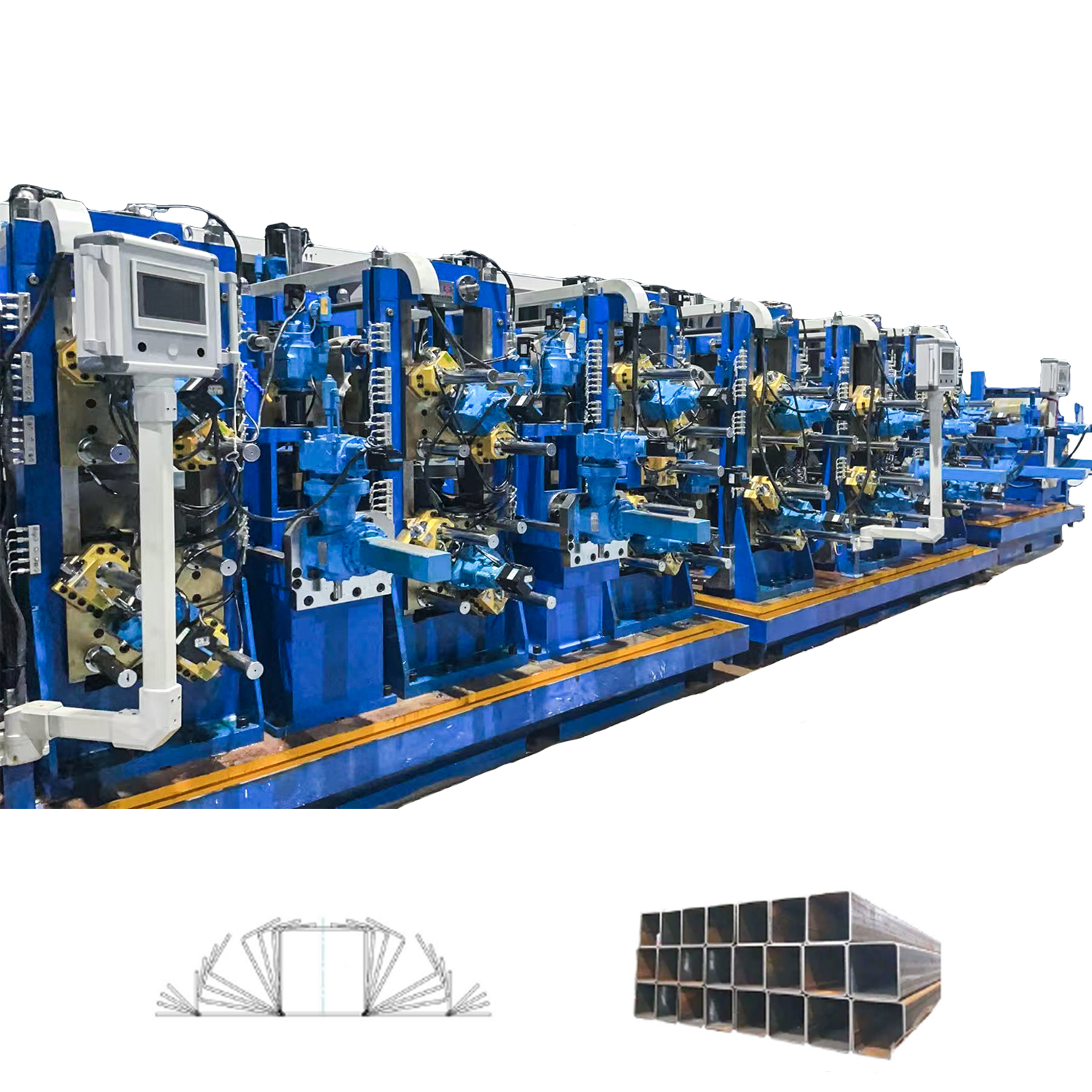 Direct To Square Welded Pipe Production Line
Direct To Square Welded Pipe Production Line
Direct To Square Welded Pipe Production Line
Direct To Square Welded Pipe Production Line
Direct To Square Welded Pipe Production Line

 No.1 Xiangjian Road, Northern
Suburbs Of Yangzhou City,
Jiangsu Province,China
No.1 Xiangjian Road, Northern
Suburbs Of Yangzhou City,
Jiangsu Province,China
 Phone: +86-0514-8363 8877
 E-mail: [email protected]
© Yangzhou SINOFORM Machinery Co., Ltd. Tube Mill Line Manufacturers
Pipe Making Machine Custom
Tube Making Machine Suppliers



 English
 Español
 عربى
عربى русский
 中文简体
中文简体