Content
In high-precision demand sectors such as aerospace and medical devices, pipes must meet stringent standards: diameter tolerance of ±0.01mm, wall thickness deviation ≤5%, and surface roughness Ra ≤0.8μm. The parameter setting and dynamic regulation of automated pipe-making machines have become the key to breaking through quality bottlenecks. From equipment pre-adjustment to process control, which core parameters directly affect product qualification rates?
The precise alignment of rollers and mandrels is the first quality line of automated pipe manufacturing. The dimensional error of roller grooves calibrated by coordinate measuring machines must be ≤0.005mm, and the deviation of mandrel extension length should be controlled within ±0.1mm to avoid defects such as uneven wall thickness. How does the strict requirement of roller system operation concentricity ≤0.003mm achieve real-time monitoring through automated calibration systems? How does the mechanism of timely replacement when mold wear exceeds 0.008mm extend the stable operation cycle of equipment through intelligent detection?
According to pipe material and specifications, automated systems need to preset optimal process parameter combinations. Rolling speed is usually controlled at 20-40m/min, and hard alloy pipes require low speed to reduce deformation; rolling pressure must be accurately calculated based on wall thickness—for example, the pressure for Φ15×2mm pipes is set at 8-10MPa. When excessive rolling speed causes temperature rise, how does the dynamic adjustment of emulsion cooling flow ≥50L/min avoid thermal deformation? The wall thickness deviation can be improved from ±0.15mm to ±0.08mm by adjusting the feed rate from 3mm/stroke to 2.5mm/stroke. How is this parameter optimization automatically achieved through big data models?
Temperature fluctuation is an invisible factor restricting pipe precision. Experiments have proven that for every 10℃ change in ambient temperature, the outer diameter of Φ30mm pipes will drift by 0.02mm. Excessively high temperature during hot rolling can easily lead to surface roughness and bubble defects, while excessively low temperature can cause cracks. How do automated systems establish temperature-dimension compensation coefficient tables to realize the linkage regulation of rolling temperature and cooling speed? In PVC pipe production, how does the precise matching of die and screw temperatures avoid material decomposition or poor plasticization?
Real-time detection and parameter feedback constitute the core of automated quality control. Laser diameter gauges need to be calibrated with standard gauge blocks to ensure an outer diameter detection error ≤0.005mm; ultrasonic detectors adjust probe coupling to achieve a wall thickness detection accuracy of 0.003mm. When pressure fluctuation exceeds ±0.3MPa or wall thickness deviation reaches 6%, how does the system automatically trigger an alarm and fine-tune parameters? How does the mechanism of full-item sampling inspection every 50 rolled pipes link with PLC control systems to achieve error prediction?
The material uniformity, surface quality, and initial dimensional accuracy of pipe blanks directly determine the quality upper limit of automated production. Excessive fluctuations in elements such as carbon, silicon, and manganese in raw materials can cause uneven deformation, and defects such as surface scratches and oxide scales will further expand during rolling. How do automated systems automatically adjust process parameters through raw material detection data? The stability of pressure valves in the equipment's hydraulic system is controlled within ±0.1MPa—how does this precision requirement ensure the continuous stability of rolling pressure?
Modern automated pipe manufacturing has entered the stage of intelligent optimization. Adaptive control systems based on machine learning can automatically optimize rolling curves according to material hardness, reducing the oversize length of pipe heads and tails by 60%. When a set of process parameters predicts a qualification rate below 92%, how does the system's mechanism of automatically locking this setting reduce the non-conforming product rate? How does the real-time collaboration between operators and inspectors improve response speed through the "yellow-orange-red" three-level early warning system?
Quality control in automated pipe manufacturing is essentially a systematic project of collaborative parameter optimization. From mold calibration to dynamic process parameter adjustment, from temperature compensation to intelligent feedback closed-loop, the precise control of each parameter directly affects the dimensional accuracy, surface quality, and mechanical properties of pipes. With the development of intelligent manufacturing technology, equipment parameters will realize the leap from "passive adjustment" to "active prediction," providing more reliable guarantees for high-precision pipe production and driving quality upgrading in the high-end manufacturing field.
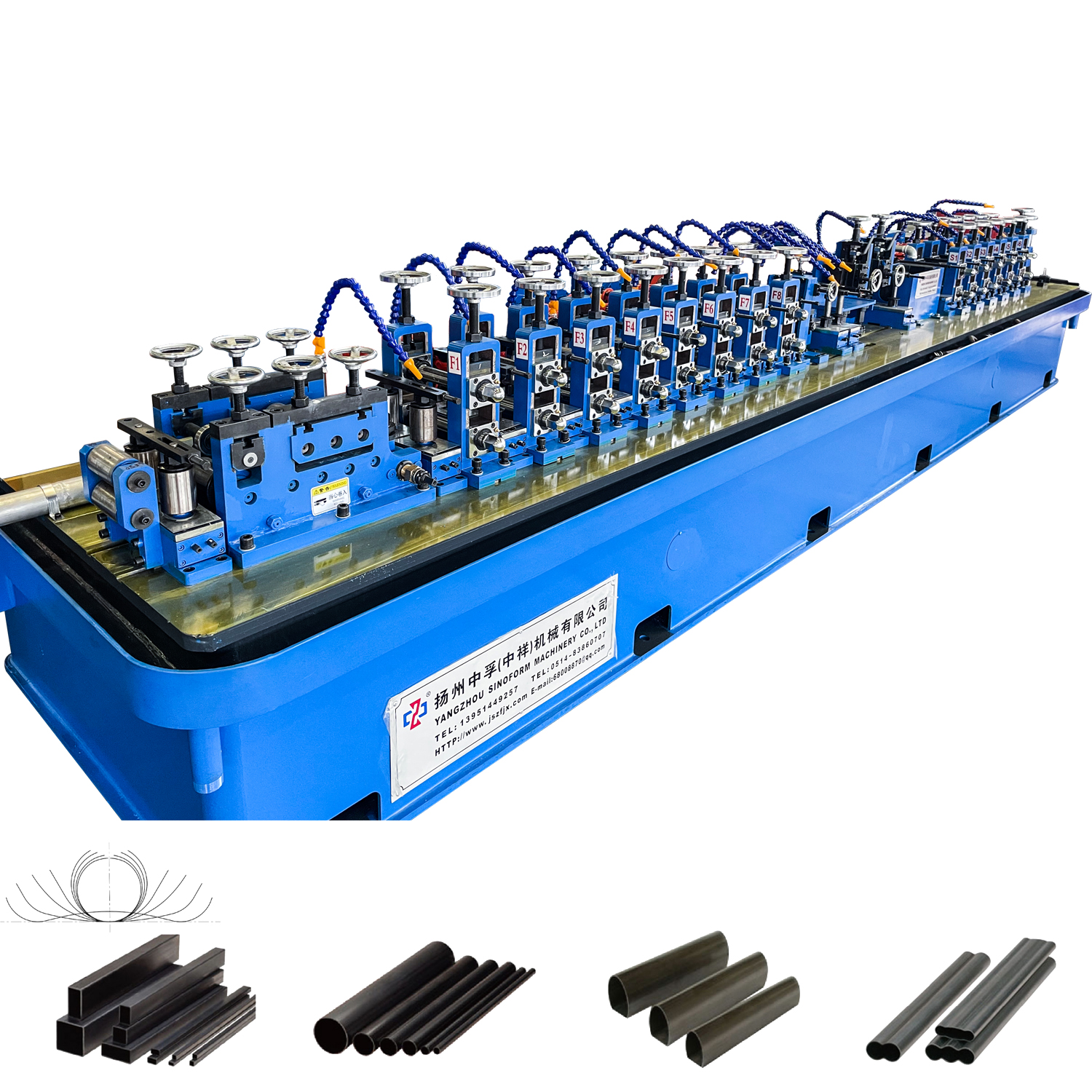 High Precision High-Frequency ERW Tube Mill line
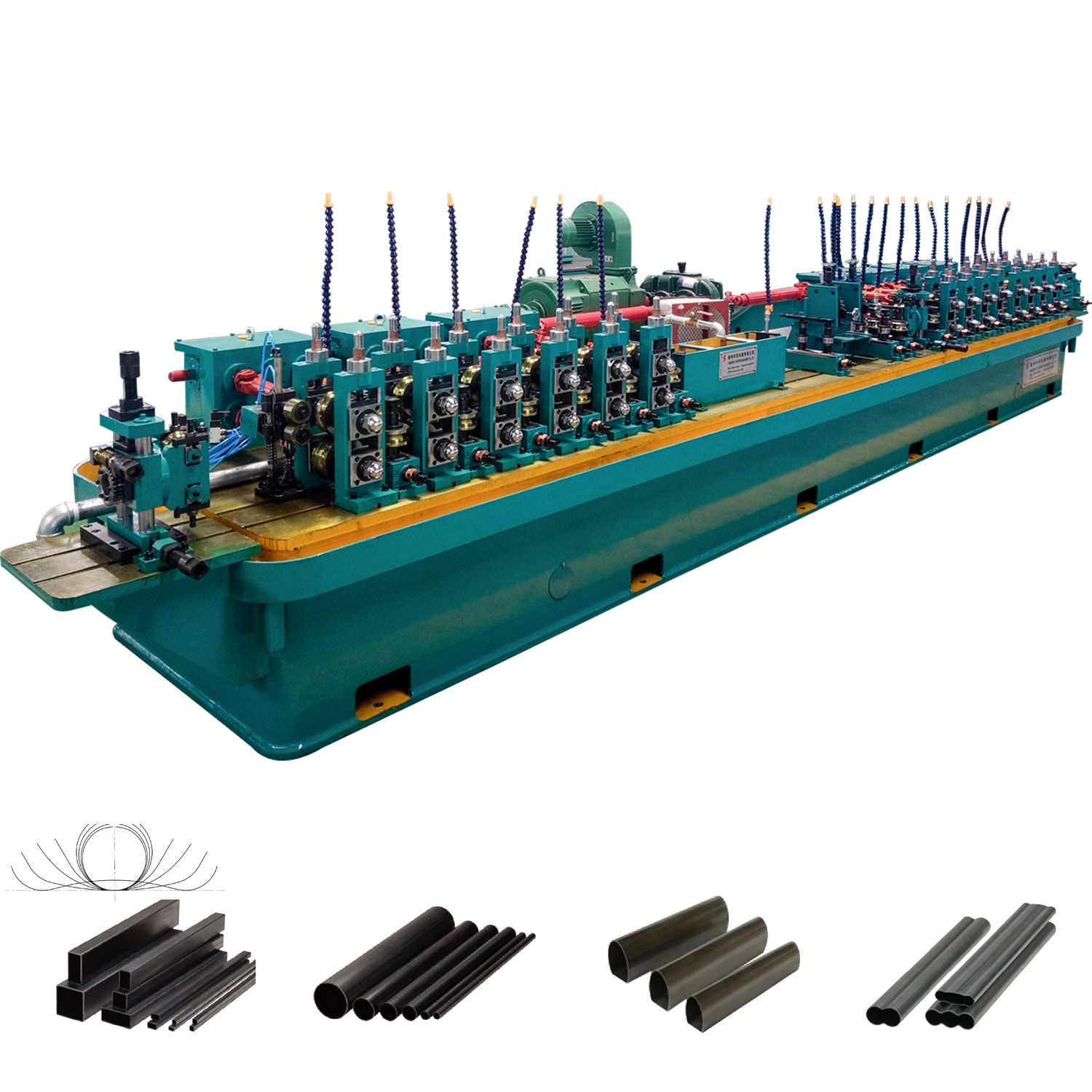 High Precision High-Frequency ERW Tube Mill line
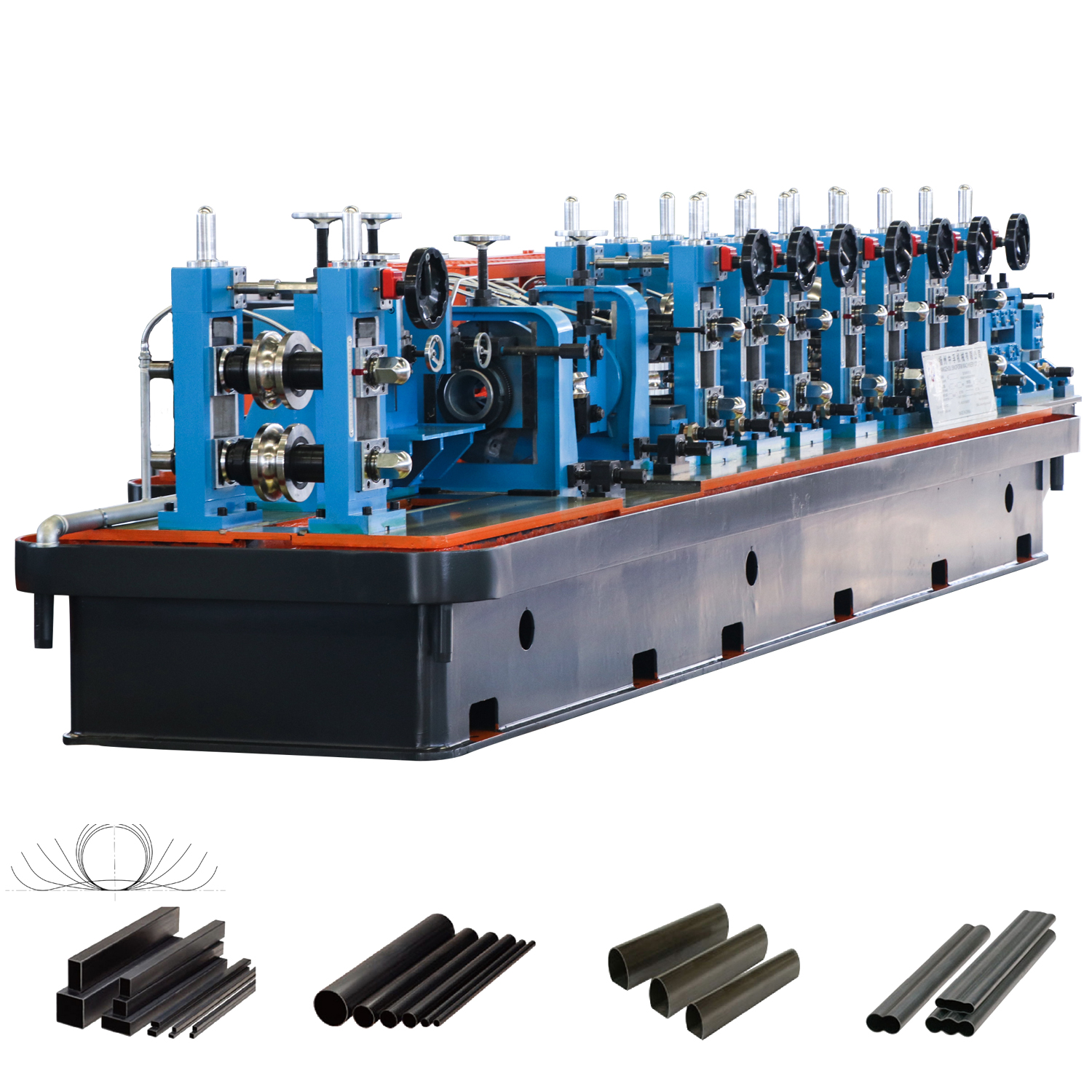 High Precision High-Frequency ERW Tube Mill line
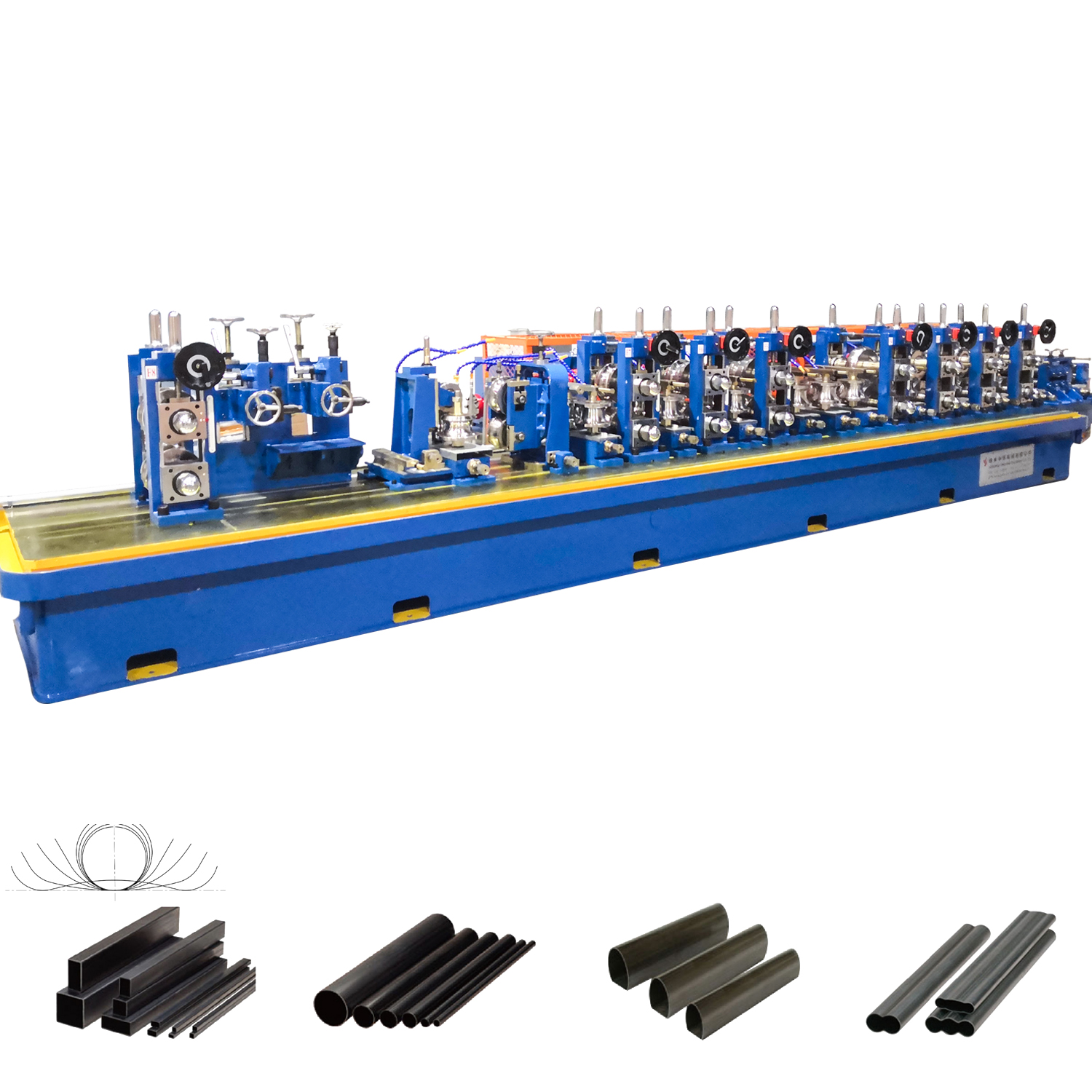 High Precision High-Frequency ERW Tube Mill line
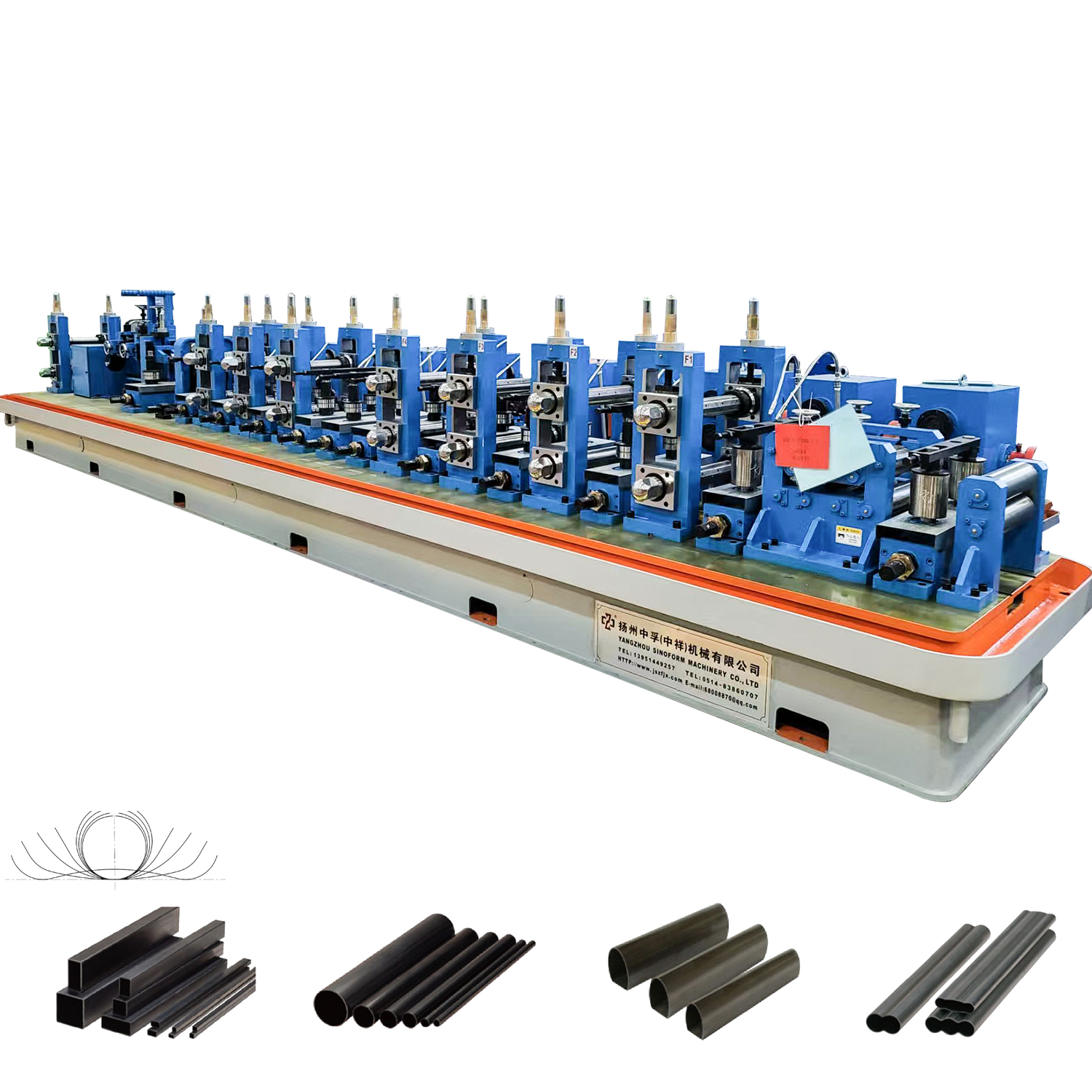 High Precision High-Frequency ERW Tube Mill line
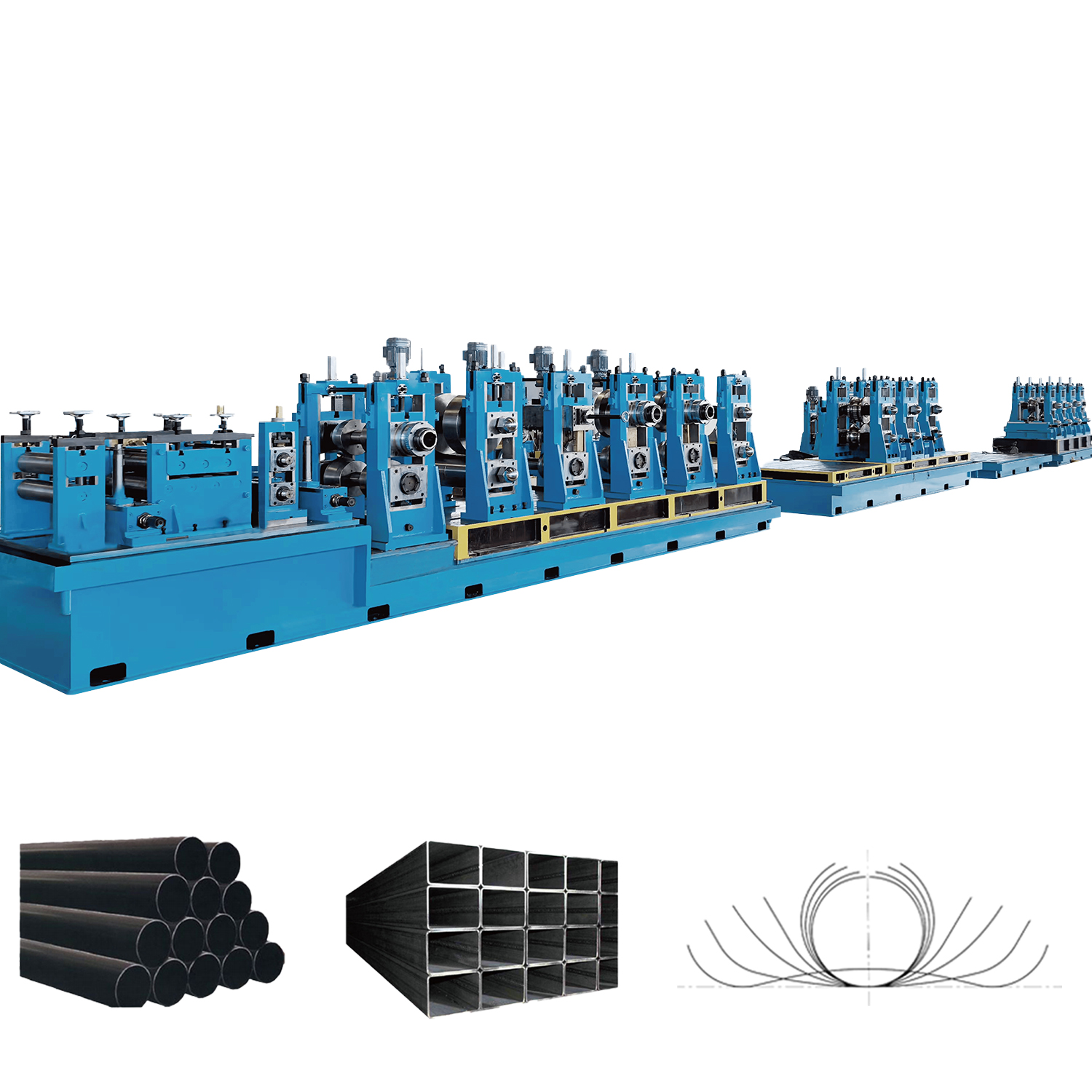 Large ERW tube mill line
Large ERW tube mill line
Large ERW tube mill line
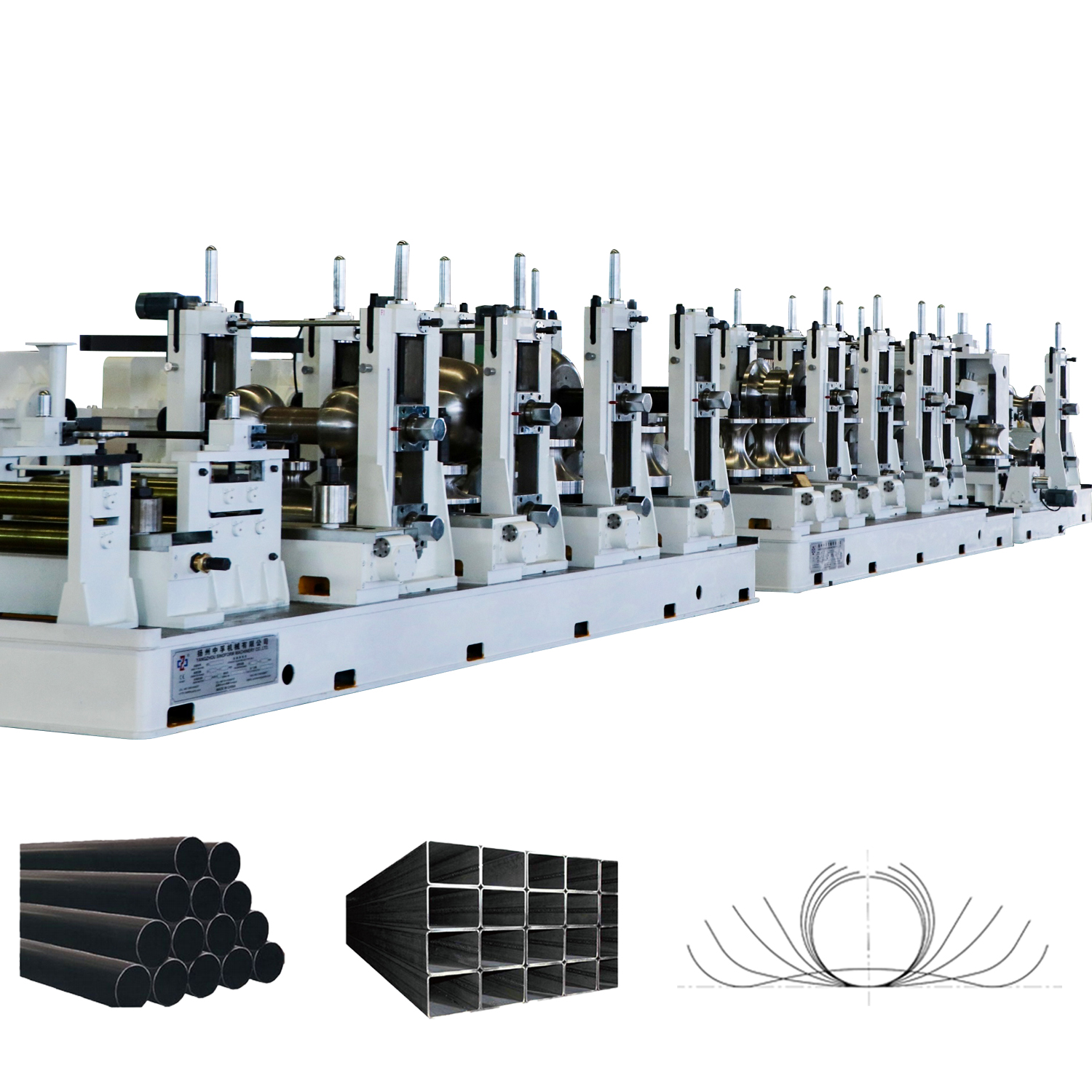 Large ERW tube mill line
Large ERW tube mill line
Large ERW tube mill line
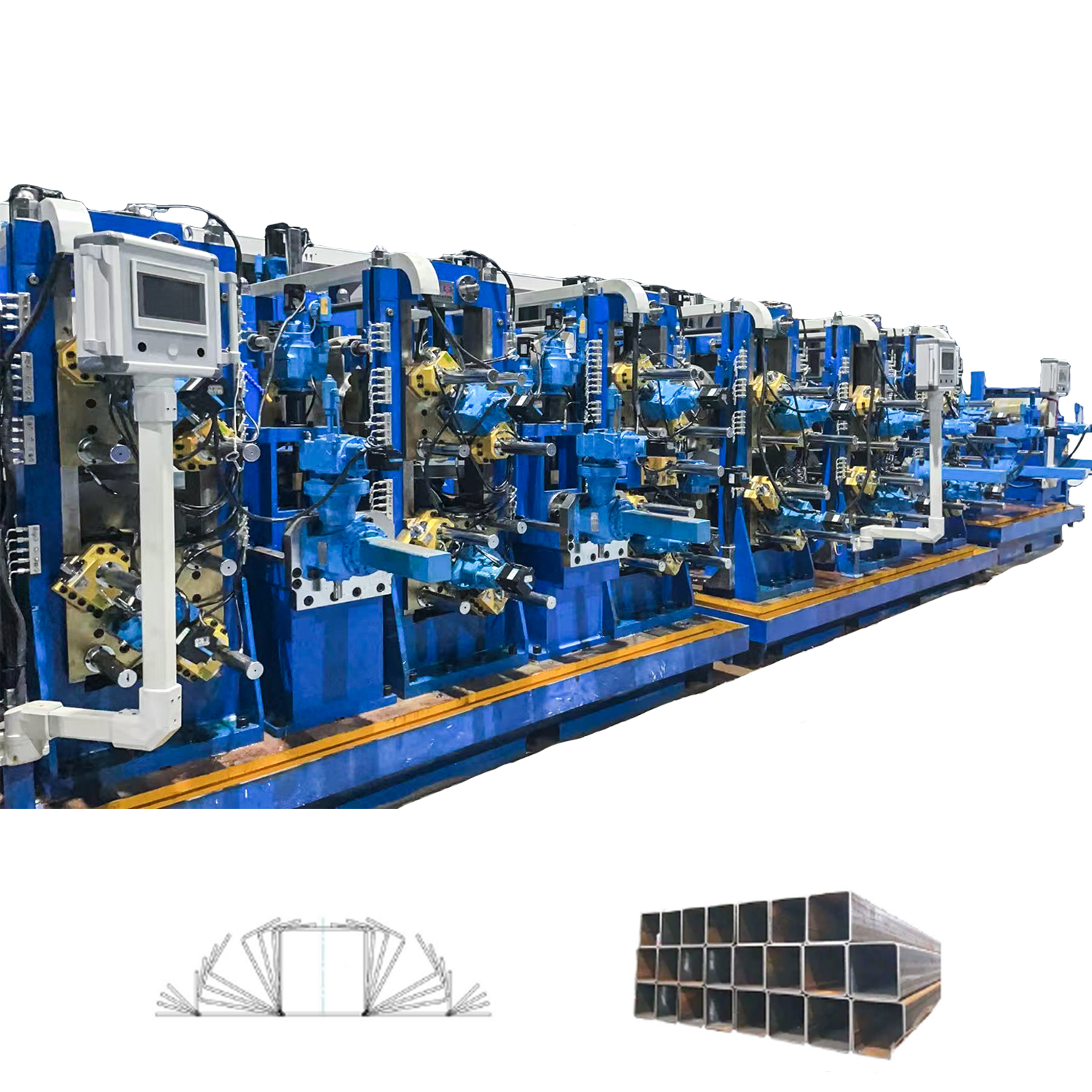 Direct To Square Welded Pipe Production Line
Direct To Square Welded Pipe Production Line
Direct To Square Welded Pipe Production Line
Direct To Square Welded Pipe Production Line
Direct To Square Welded Pipe Production Line

 No.1 Xiangjian Road, Northern
Suburbs Of Yangzhou City,
Jiangsu Province,China
No.1 Xiangjian Road, Northern
Suburbs Of Yangzhou City,
Jiangsu Province,China
 Phone: +86-0514-8363 8877
 E-mail: [email protected]
© Yangzhou SINOFORM Machinery Co., Ltd. Tube Mill Line Manufacturers
Pipe Making Machine Custom
Tube Making Machine Suppliers



 English
 Español
 عربى
عربى русский
 中文简体
中文简体