Content
High-quality API welded pipe production starts with strict adherence to industry-specific standards that define material, dimensional, and performance requirements. API 5L (Specification for Line Pipe) is the foundational standard, covering seamless and welded steel line pipes for oil, gas, and water transmission—units must produce pipes meeting grade requirements (e.g., X42-X100) with precise chemical composition (carbon content ≤0.28%, sulfur and phosphorus ≤0.030%) and mechanical properties (tensile strength ≥415 MPa for X42). API 5CT (Specification for Casing and Tubing) applies to pipes used in well construction, requiring compliance with dimensional tolerances (outer diameter deviation ±0.5% for pipes ≥114.3 mm) and threading standards. Additionally, API 939 (Recommended Practice for Welding of Line Pipe) dictates welding procedure qualifications, including preheat temperatures (≥80°C for high-carbon steels) and post-weld heat treatment (PWHT) parameters to eliminate residual stresses. Compliance with these standards ensures pipes meet the pressure resistance, corrosion resistance, and structural integrity demands of energy industry applications.
The mechanical and technical configurations of API welded pipe units directly influence pipe quality consistency and performance. The forming section—typically using UOE (U-forming, O-forming, Expansion) or ERW (Electric Resistance Welding) technology—must feature precision roll stands with computer numerical control (CNC) adjustment to ensure uniform wall thickness (tolerance ±10% of nominal thickness) and roundness (ovality ≤1.5% of outer diameter). Welding systems are critical: submerged arc welding (SAW) units for longitudinal and spiral welds require multi-pass welding capabilities with automated wire feeding (speed accuracy ±0.5 m/min) to ensure weld penetration (≥100% of wall thickness) and freedom from defects. The expansion section, equipped with hydraulic or mechanical expanders, improves dimensional accuracy and reduces residual stresses by expanding the pipe to 1.02-1.05 times its original diameter. Additionally, inline inspection systems—including ultrasonic thickness gauges and laser profilometers—provide real-time monitoring of key dimensions, allowing for immediate adjustments to prevent non-conforming production.
Precise control of welding parameters is essential to producing high-quality API welded pipes with defect-free welds. For SAW processes, voltage (28-34 V), current (300-600 A), and travel speed (300-600 mm/min) are calibrated to match pipe wall thickness—thicker walls (≥12.7 mm) require lower travel speeds and higher heat input to ensure full penetration. Shielding gas selection (e.g., 80% argon + 20% carbon dioxide for gas metal arc welding, GMAW) protects the weld pool from atmospheric contamination, reducing porosity and oxidation. Pre-weld surface preparation is critical: pipe edges must be beveled at 30-35° angles with a root face of 1-3 mm, and cleaned to remove rust, oil, and mill scale (surface roughness Ra ≤6.3 μm) to ensure proper weld fusion. Post-weld heat treatment (PWHT) at 600-650°C for 1-2 hours relieves residual stresses and improves weld ductility, while ultrasonic testing (UT) and radiography testing (RT) of every weld detect internal defects (e.g., cracks, inclusions) with sensitivity ≥95% as required by API standards.
Comprehensive inspection systems integrated into API welded pipe units are vital to verifying product quality and meeting API certification demands. Dimensional inspection includes outer diameter measurement (using laser scanners with accuracy ±0.05 mm), wall thickness testing (ultrasonic transducers with ±0.1 mm precision), and length measurement (optical encoders with ±1 mm tolerance). Weld quality inspection combines non-destructive testing (NDT) methods: UT for internal and external weld defects, RT for volumetric defects, magnetic particle testing (MPT) for surface cracks on ferromagnetic materials, and liquid penetrant testing (LPT) for surface defects on non-ferromagnetic materials. Mechanical property testing—including tensile tests (per ASTM A370), impact tests (Charpy V-notch at -20°C for X65 grade), and hardness tests (Brinell hardness ≤241 HB)—verifies material performance. Additionally, corrosion resistance testing (e.g., NACE TM0177 for sulfide stress cracking resistance) ensures pipes withstand harsh downhole or pipeline environments, with test results documented to meet API traceability requirements.
Selecting the right API welded pipe unit depends on aligning its capabilities with production volume, pipe specifications, and end-use applications. For high-volume line pipe production (≥100,000 tons/year), continuous ERW units with high-speed forming (up to 15 m/min) and automated welding systems offer efficiency and consistency. For heavy-wall casing and tubing (wall thickness ≥19.1 mm), UOE units with hydraulic expansion provide superior dimensional accuracy and pressure resistance. For offshore or corrosive environments, units equipped with corrosion-resistant alloy (CRA) welding capabilities (e.g., Inconel or duplex stainless steel) produce pipes meeting API 5LD standards. Small-batch specialty pipe production (e.g., seamless-welded hybrid pipes) benefits from flexible units with quick tooling changeovers (≤2 hours) and customizable welding procedures. Additionally, units with energy-efficient designs (e.g., variable frequency drives for motors) reduce operating costs while maintaining quality, making them suitable for long-term, high-demand production scenarios.
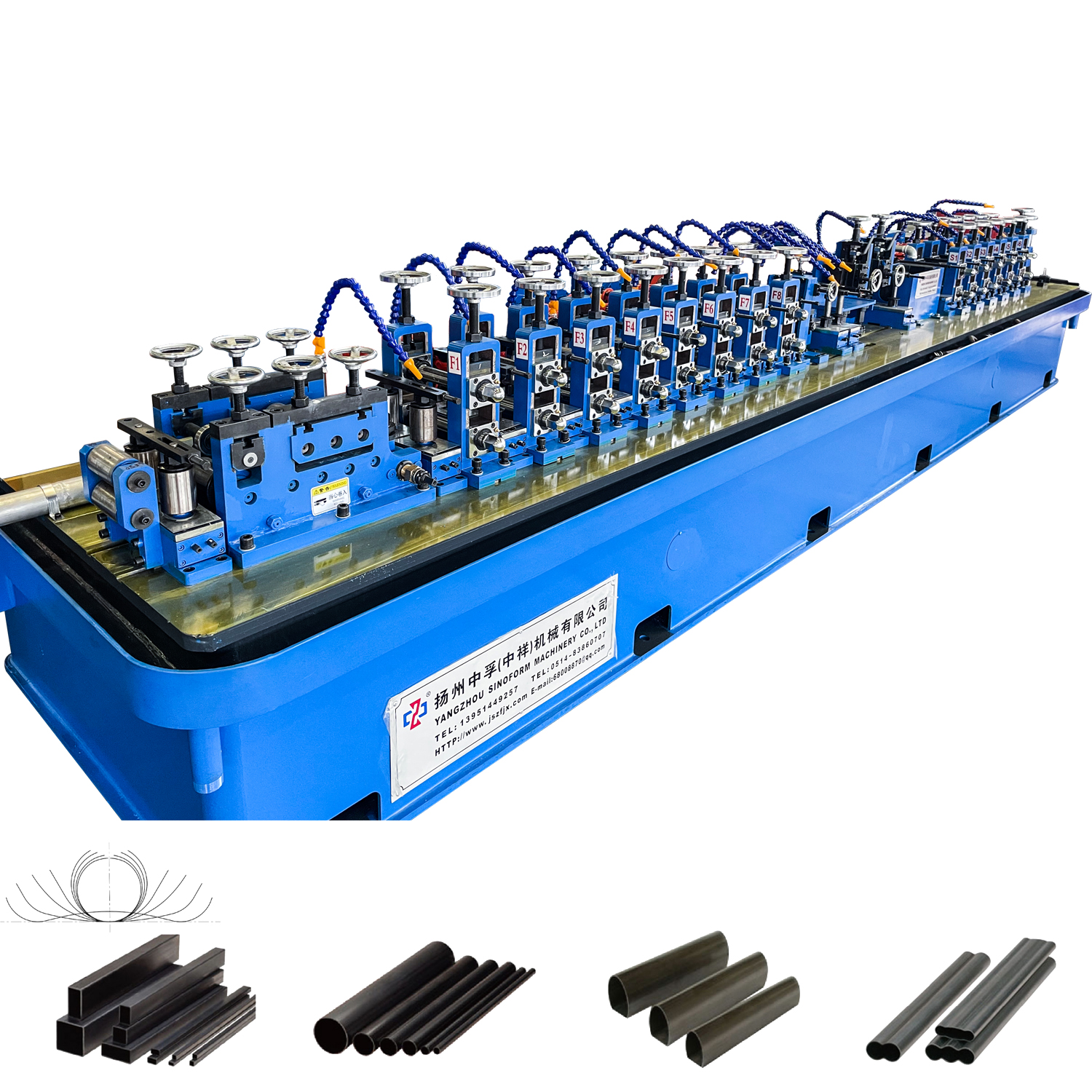 High Precision High-Frequency ERW Tube Mill line
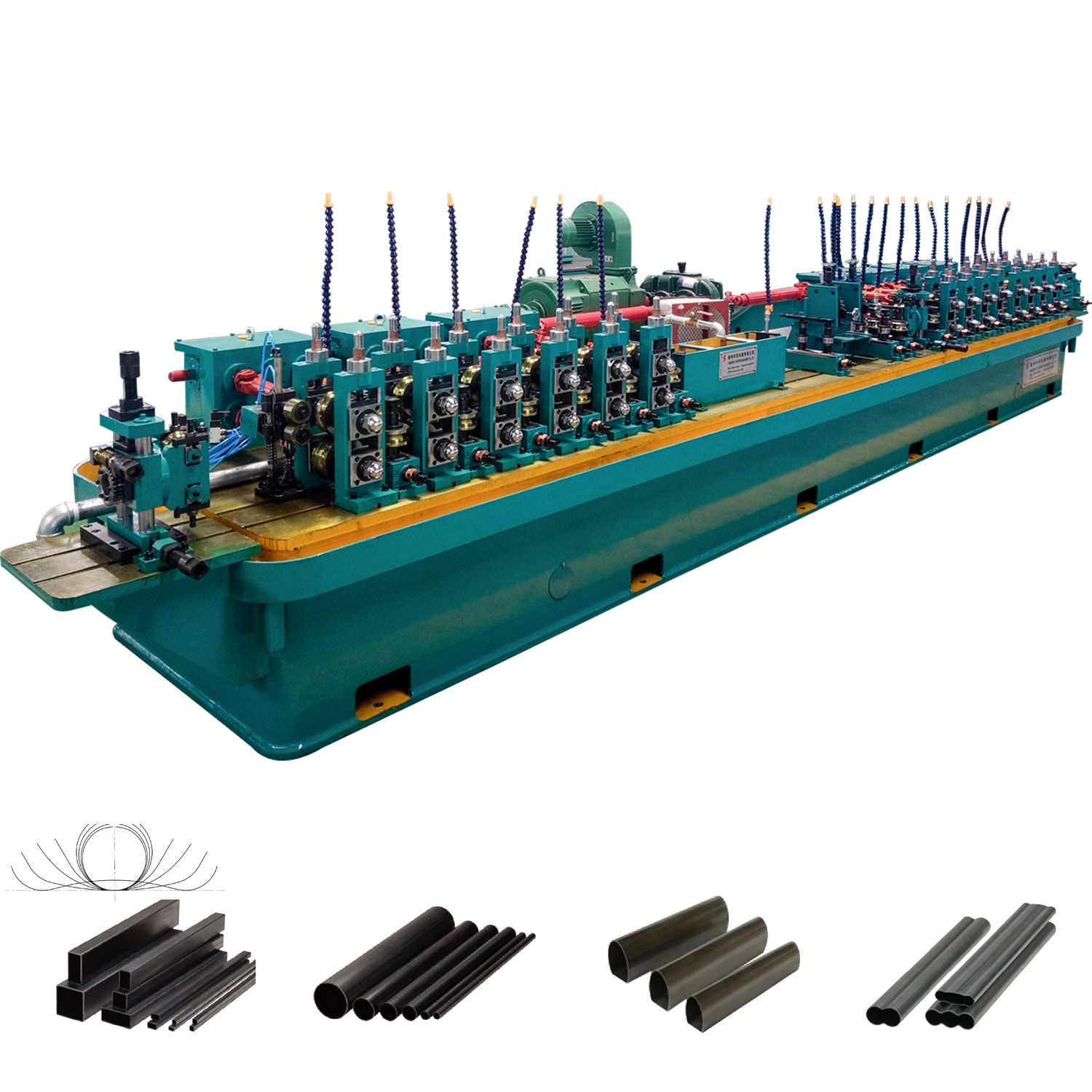 High Precision High-Frequency ERW Tube Mill line
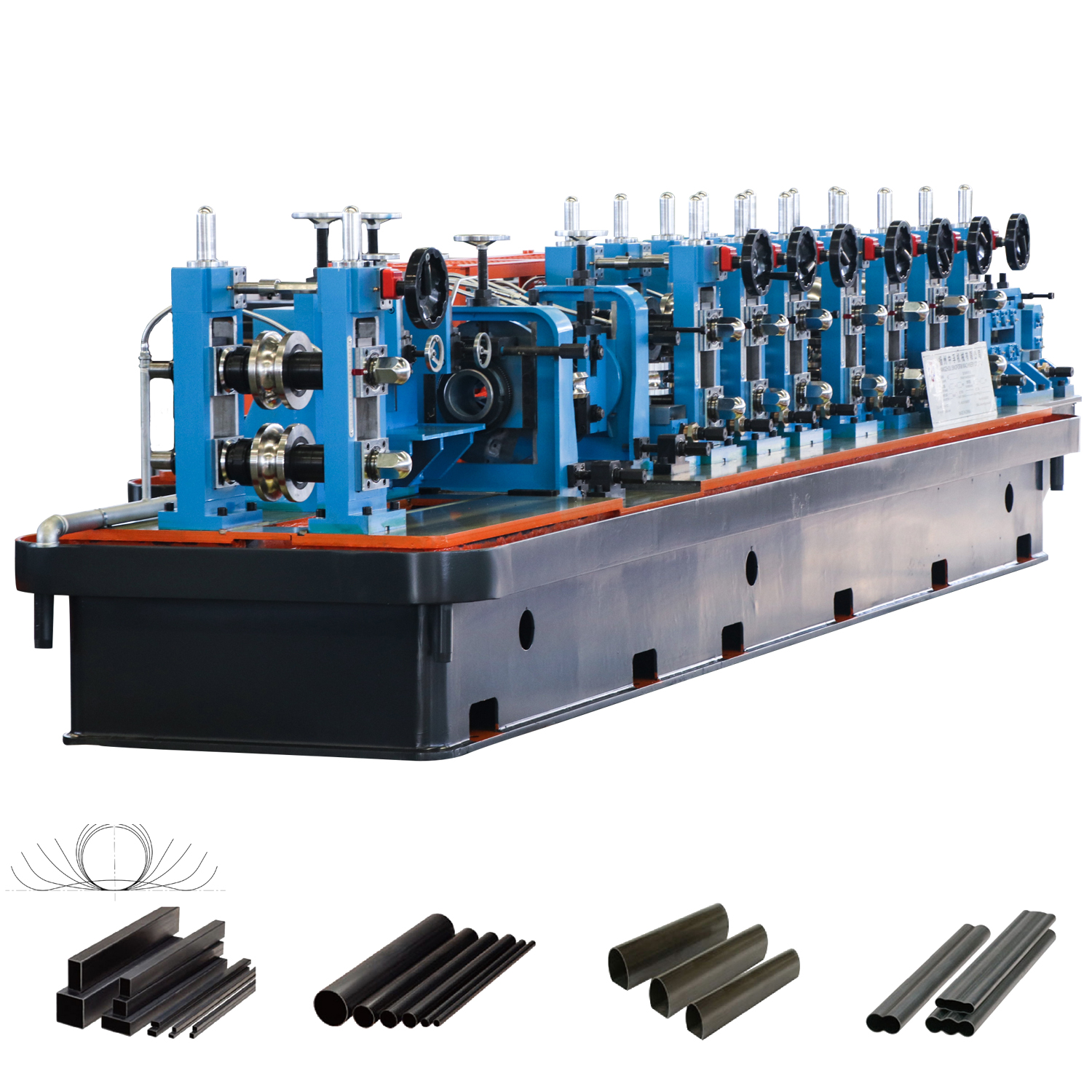 High Precision High-Frequency ERW Tube Mill line
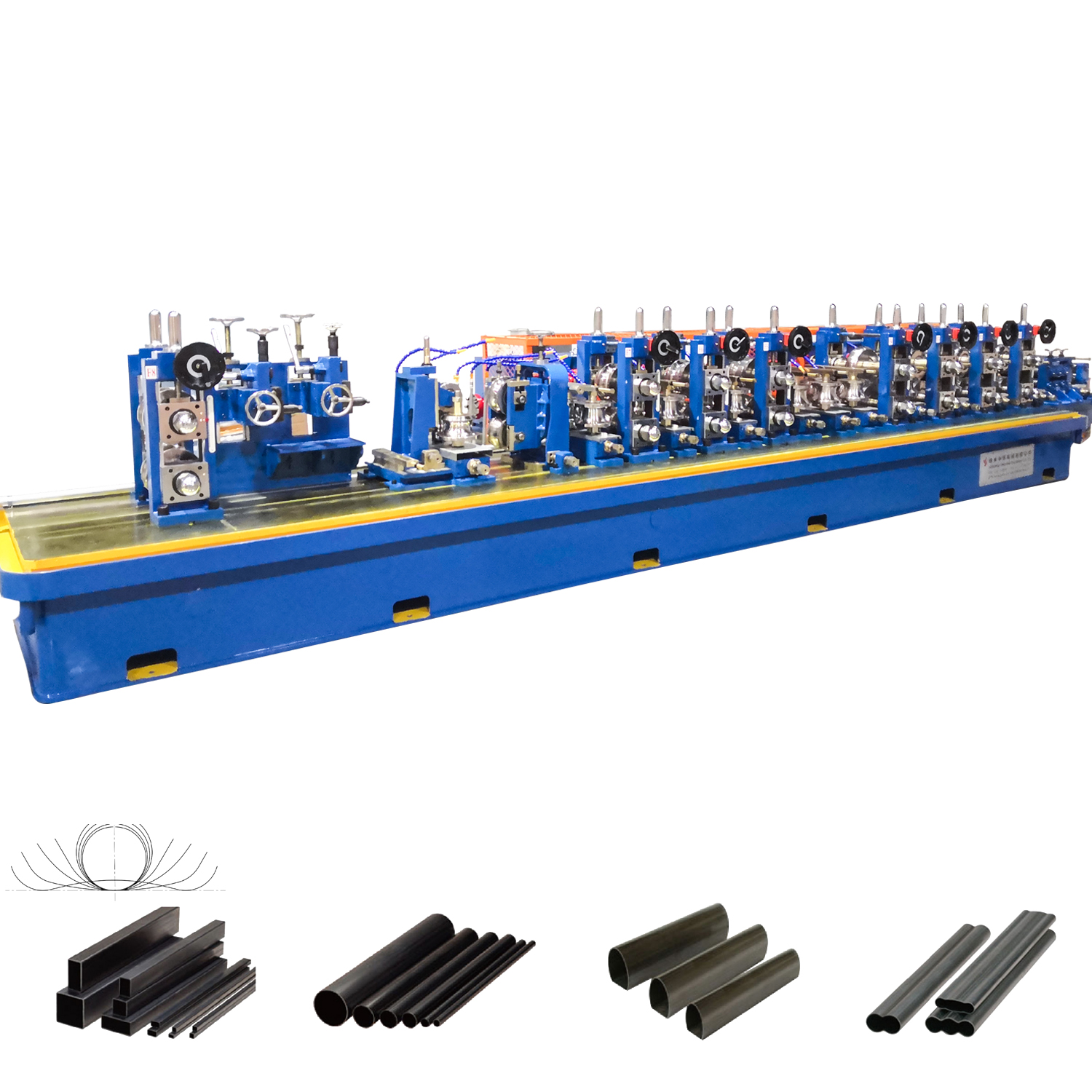 High Precision High-Frequency ERW Tube Mill line
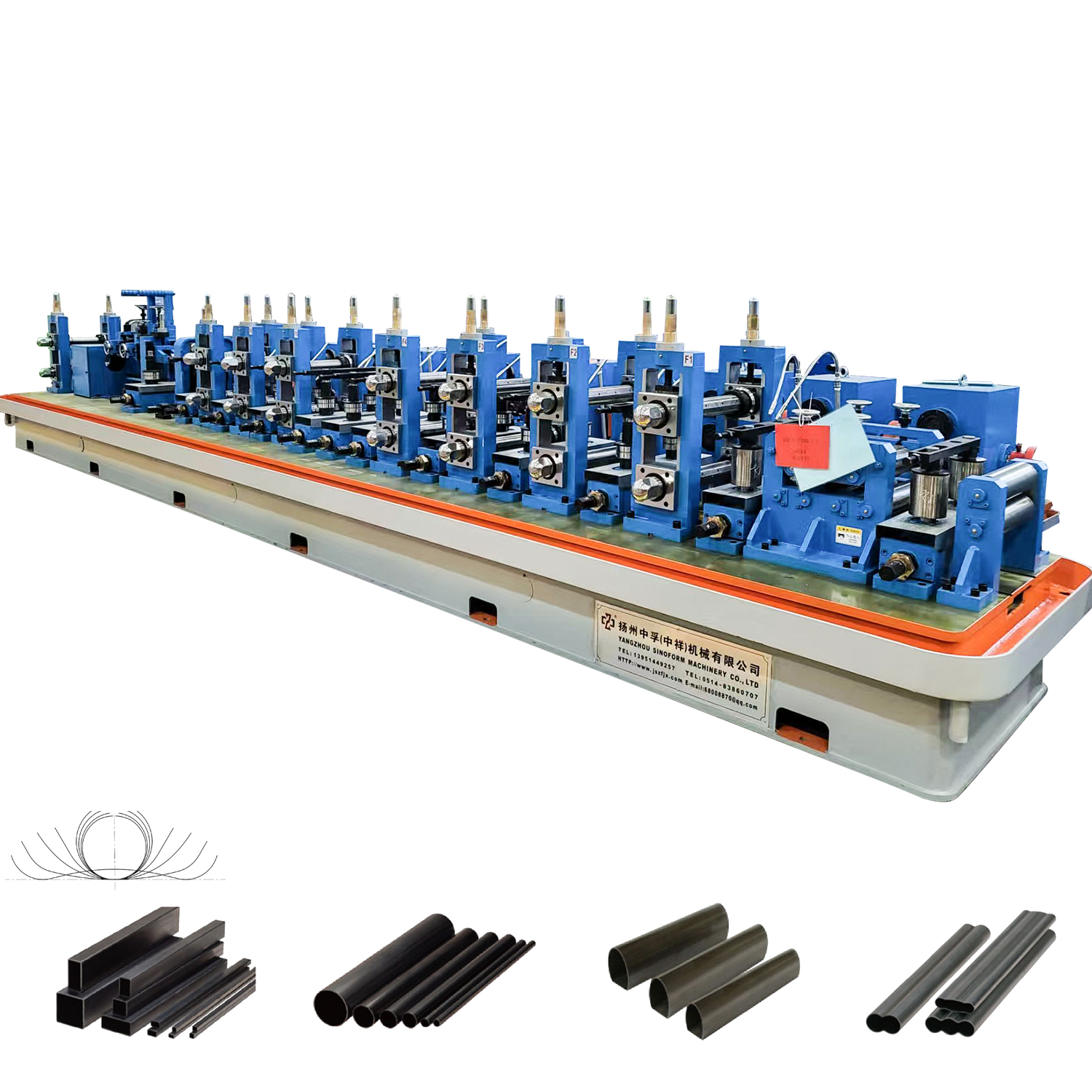 High Precision High-Frequency ERW Tube Mill line
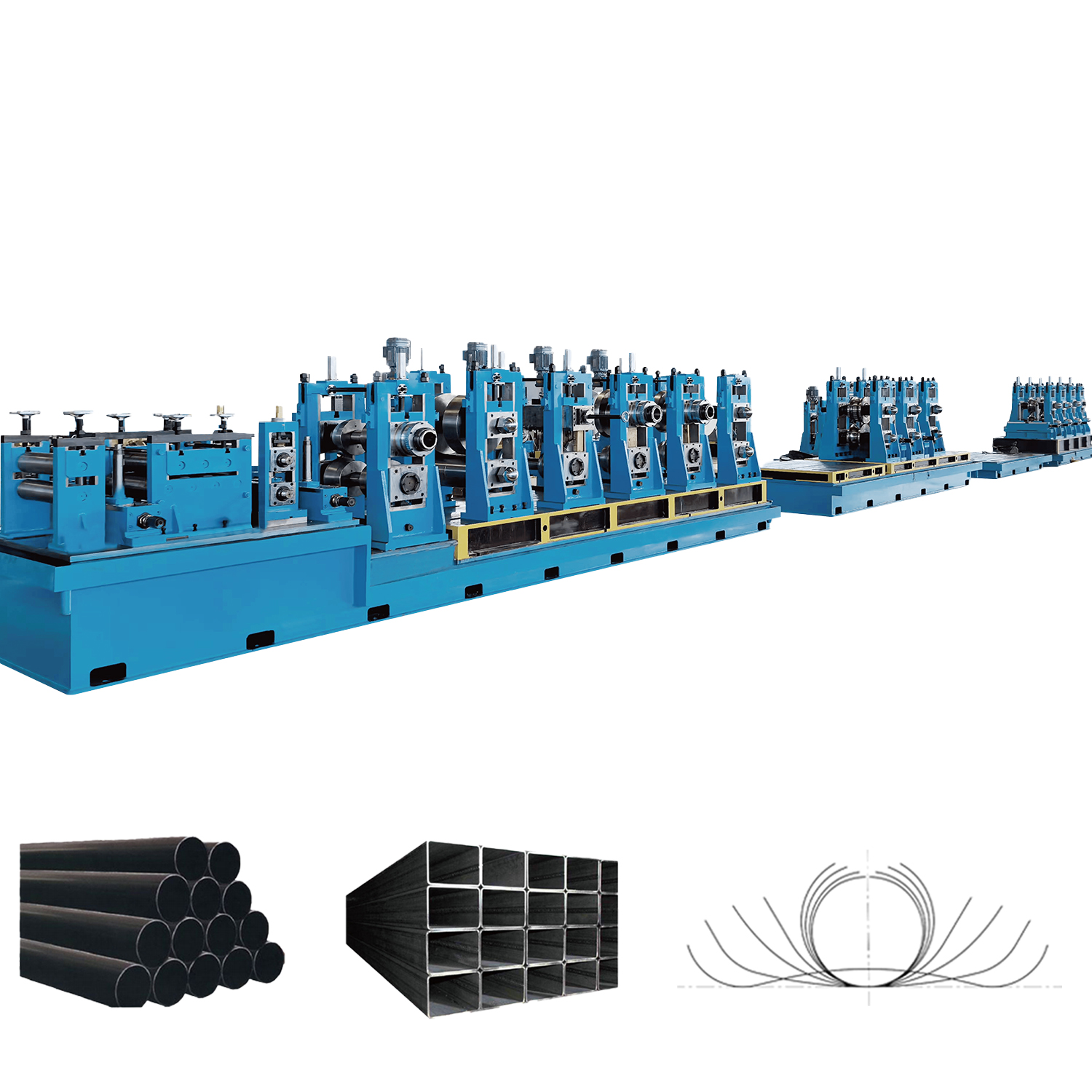 Large ERW tube mill line
Large ERW tube mill line
Large ERW tube mill line
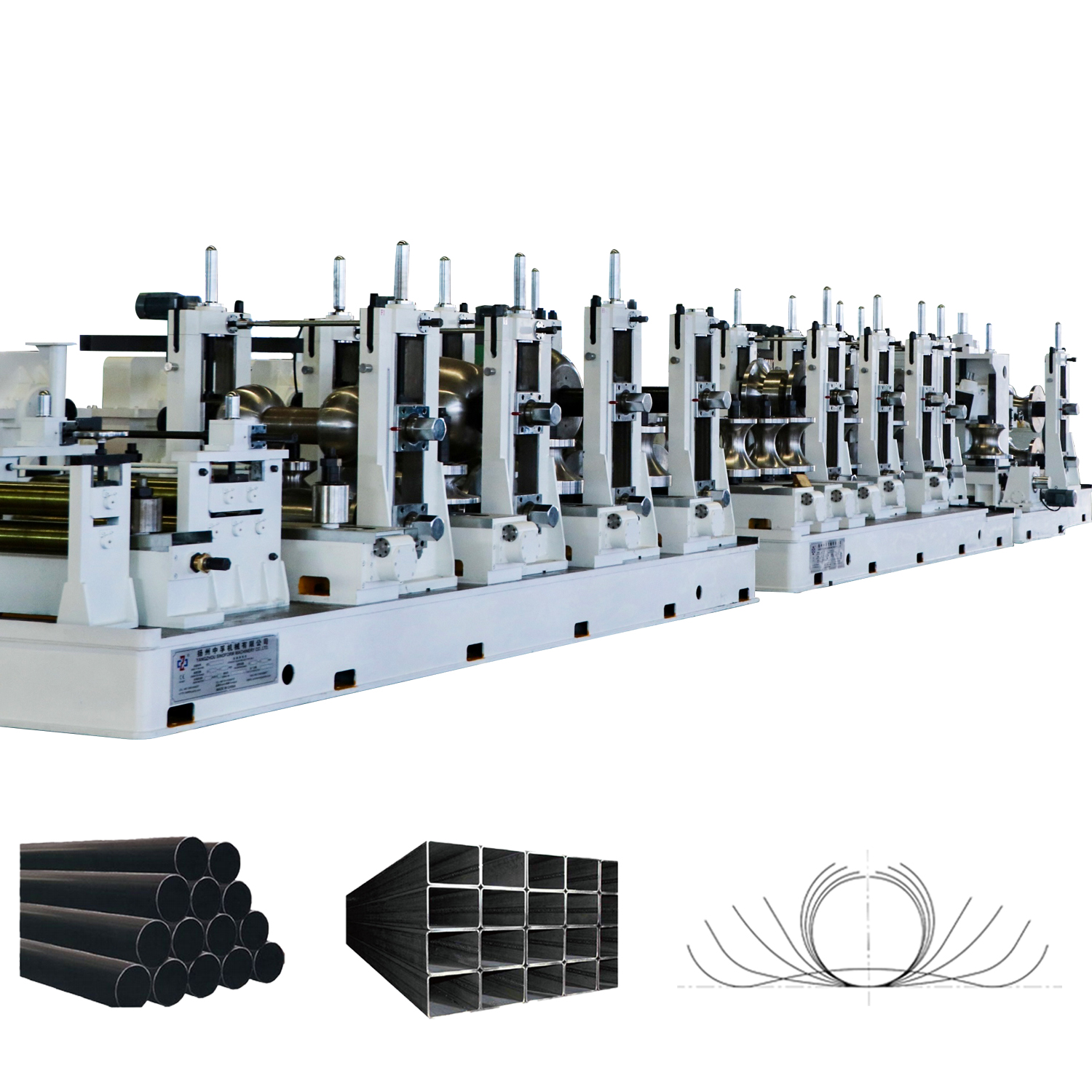 Large ERW tube mill line
Large ERW tube mill line
Large ERW tube mill line
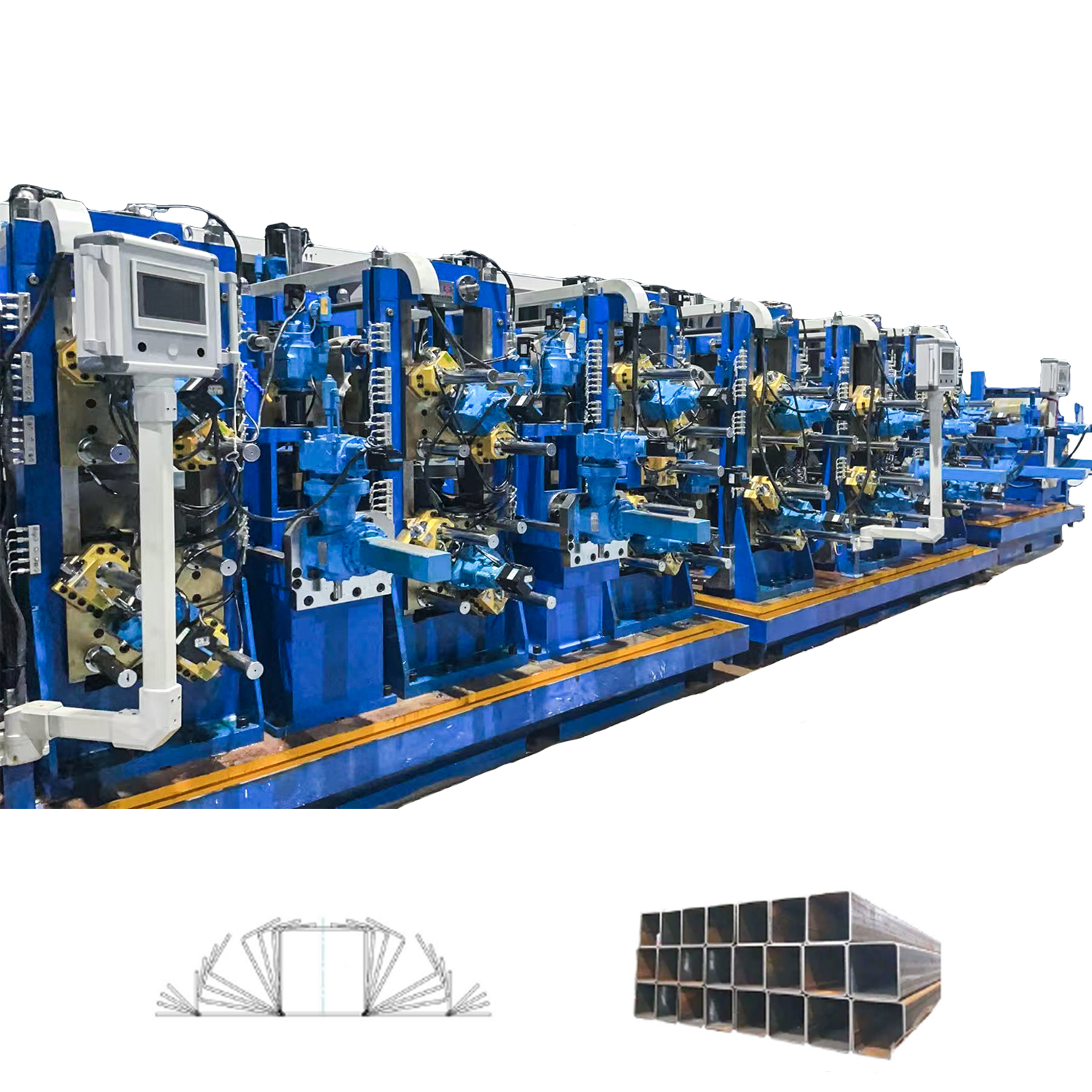 Direct To Square Welded Pipe Production Line
Direct To Square Welded Pipe Production Line
Direct To Square Welded Pipe Production Line
Direct To Square Welded Pipe Production Line
Direct To Square Welded Pipe Production Line

 No.1 Xiangjian Road, Northern
Suburbs Of Yangzhou City,
Jiangsu Province,China
No.1 Xiangjian Road, Northern
Suburbs Of Yangzhou City,
Jiangsu Province,China
 Phone: +86-0514-8363 8877
 E-mail: [email protected]
© Yangzhou SINOFORM Machinery Co., Ltd. Tube Mill Line Manufacturers
Pipe Making Machine Custom
Tube Making Machine Suppliers



 English
 Español
 عربى
عربى русский
 中文简体
中文简体