With the rapid development of global manufacturing and infrastructure construction, steel pipe production has become a critical link in many industrial supply chains. Among all pipe manufacturing solutions, the Tube Mill Line stands out as one of the most efficient, automated, and scalable production systems available today.
From construction and automotive to energy, furniture, and agriculture, tube processing equipment plays a central role in shaping modern industrial output. Understanding how a Tube Mill Line works, what components it includes, and how it contributes to industrial productivity is essential for manufacturers, investors, and engineers alike.
Content
A Tube Mill Line is a complete production system used to manufacture welded steel tubes and pipes from steel coils. The process involves uncoiling, forming, welding, sizing, straightening, cutting, and stacking—integrated into a continuous automated workflow.
Unlike batch processing methods, a Tube Mill Line operates in a high-speed, high-efficiency continuous mode, ensuring consistent quality and high output.
The decoiler feeds steel strip smoothly into the production line. It ensures stable tension and continuous operation for the Tube Mill Line.
Multiple forming stands gradually shape flat steel strip into a round tube profile without stressing the material excessively.
The welding unit applies high-frequency current to heat and fuse the tube edges together, producing strong and uniform weld seams.
This section ensures the pipe meets exact diameter, roundness, and straightness requirements.
Flying saws or cold saws cut pipes to programmable lengths while the line is running at full speed.
Finished tubes are sorted, stacked, bundled, and prepared for logistics automatically.
Electric Resistance Welded tube lines dominate global production, suitable for structural, mechanical, and fluid pipes.
High-frequency systems allow ultra-fast welding speeds with excellent seam quality.
Used for precision stainless pipes in food, medical, and decorative industries.
Round tubes can be reshaped into square and rectangular profiles inline.
Modern Tube Mill Line systems often integrate PLC controls, servo motors, and intelligent monitoring to improve reliability and reduce human labor dependence.
Used for scaffolding, structural frames, handrails, and building supports.
Applied in exhaust systems, chassis reinforcement, and seat frames.
Transporting water, oil, gas, steam, and chemical fluids.
Used in steel furniture, office chairs, shelves, and display racks.
Greenhouse frames, irrigation pipelines, and farming machinery support.
Advanced quality control systems ensure that each Tube Mill Line output meets international standards such as ASTM, EN, and ISO.
Modern Tube Mill Line systems are designed to reduce energy consumption through high-efficiency motors, optimized welding systems, and heat recovery technology.
Industry 4.0 has transformed traditional pipe manufacturing. A modern Tube Mill Line can now integrate:
The global demand for Tube Mill Line systems continues to grow due to:
Asia-Pacific remains the fastest-growing region, while Europe and North America focus on fully automated high-end production lines.
Confirm the outer diameter and wall thickness range needed.
Match the line speed with your target output.
Choose between standard ERW and high-frequency welding systems.
Determine whether semi-automatic or fully automatic is suitable.
Technical support, spare parts, and training are essential.
For manufacturers entering the steel pipe industry, a Tube Mill Line represents a powerful and sustainable production asset.
Carbon steel, stainless steel, aluminum alloys, and galvanized steel coils.
Depending on size, speeds range from 30 to 150 meters per minute.
From small precision tubes of 10 mm to large structural pipes over 500 mm in diameter.
Yes, round tubes can be reshaped inline into square or rectangular profiles.
Typically 30 to 90 days depending on line complexity.
With proper maintenance, service life can exceed 15–20 years.
As steel tube demand continues to expand across global industries, the Tube Mill Line remains one of the most critical production systems in modern manufacturing. With continuous advancements in automation, welding precision, quality control, and energy efficiency, the technology continues to reshape the future of pipe production.
From infrastructure megaprojects to lightweight automotive engineering, the role of the Tube Mill Line grows stronger each year—making it a core asset in the evolution of advanced industrial manufacturing.
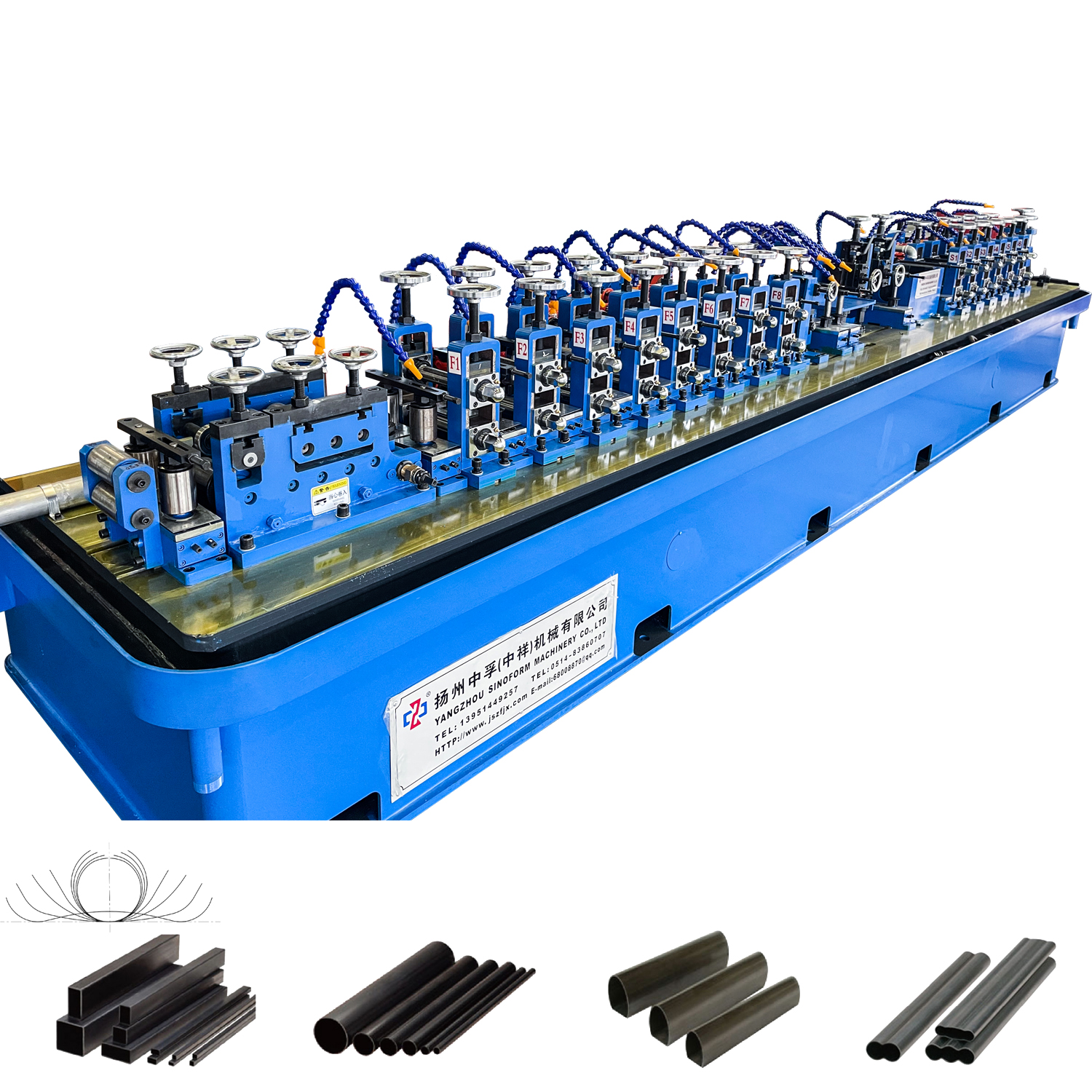 High Precision High-Frequency ERW Tube Mill line
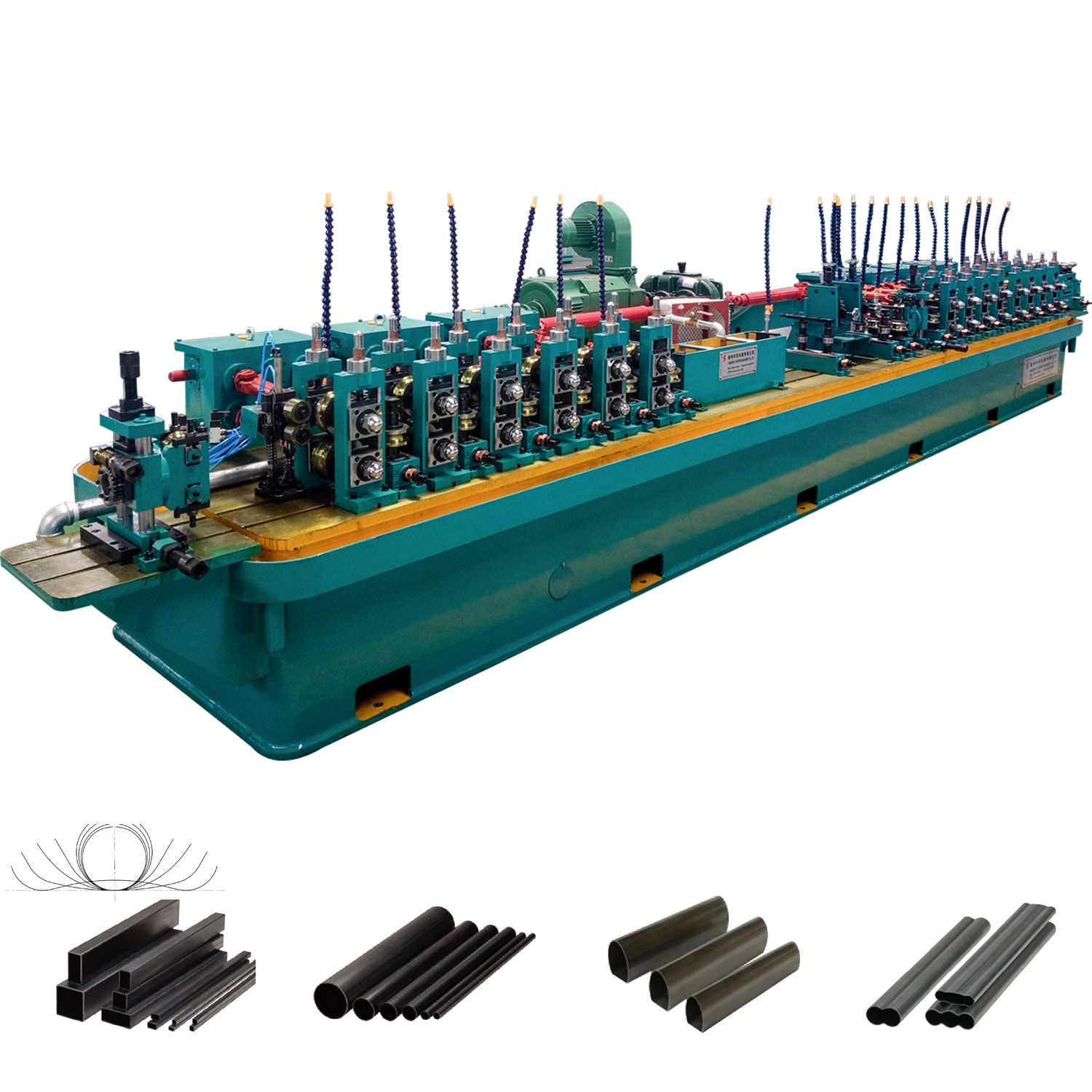 High Precision High-Frequency ERW Tube Mill line
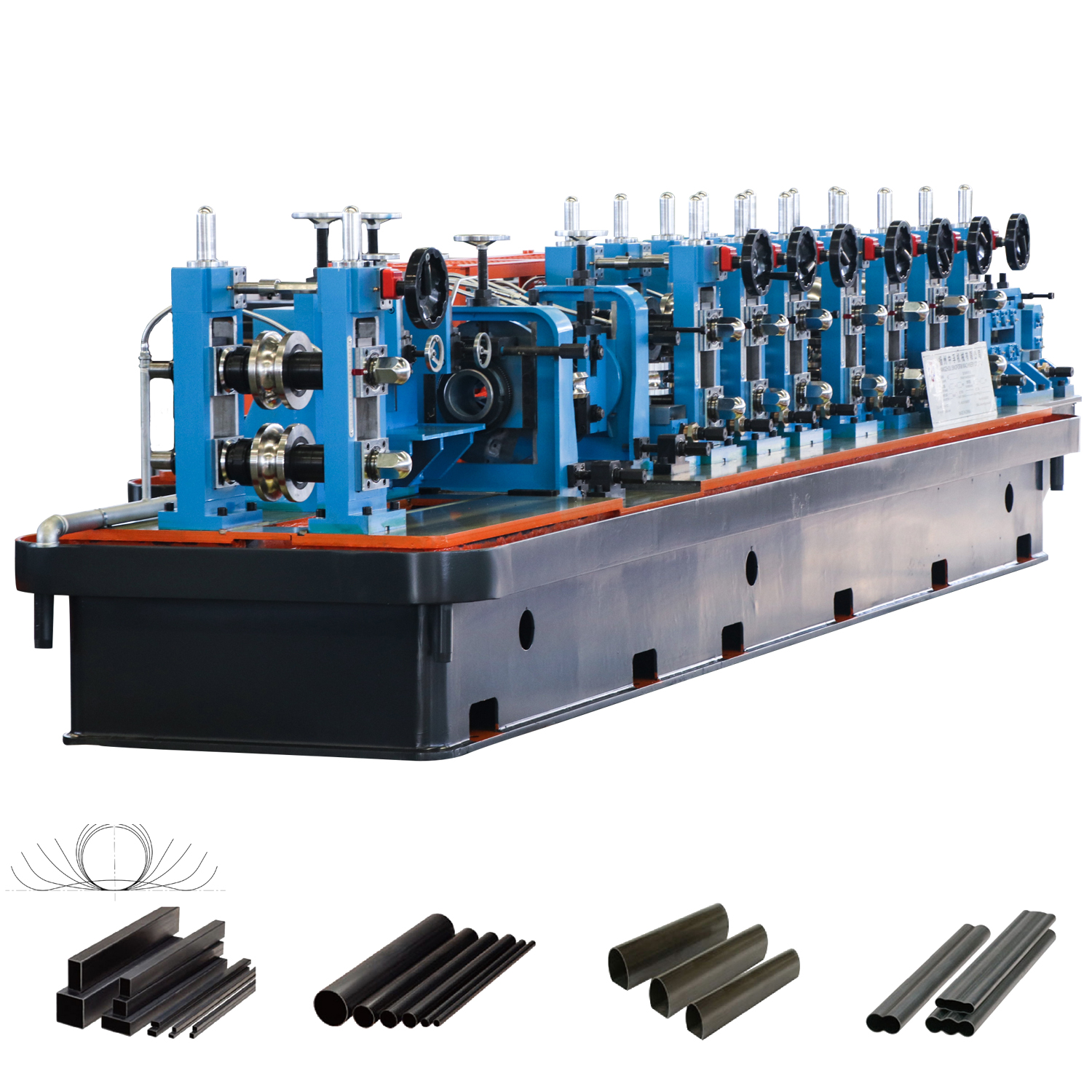 High Precision High-Frequency ERW Tube Mill line
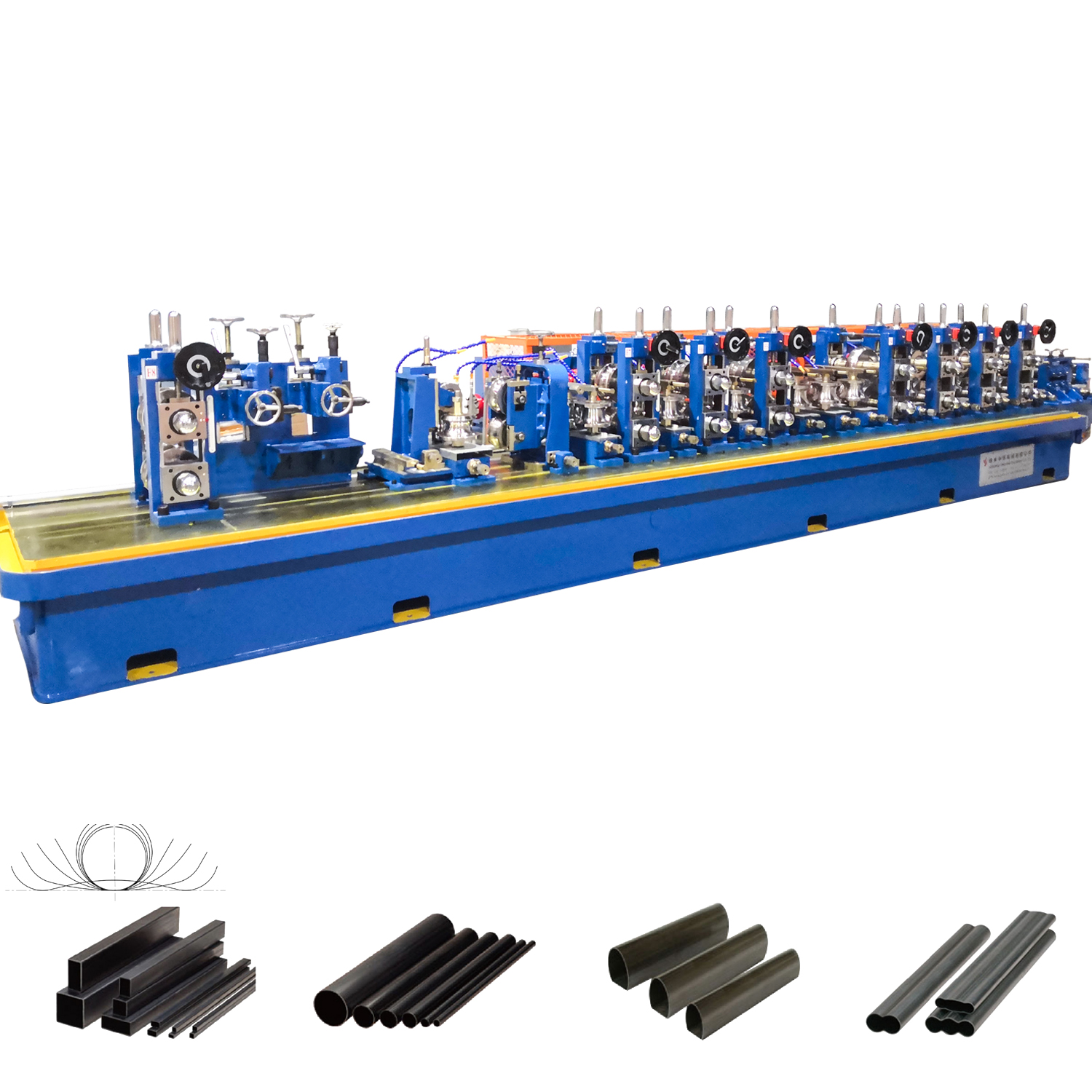 High Precision High-Frequency ERW Tube Mill line
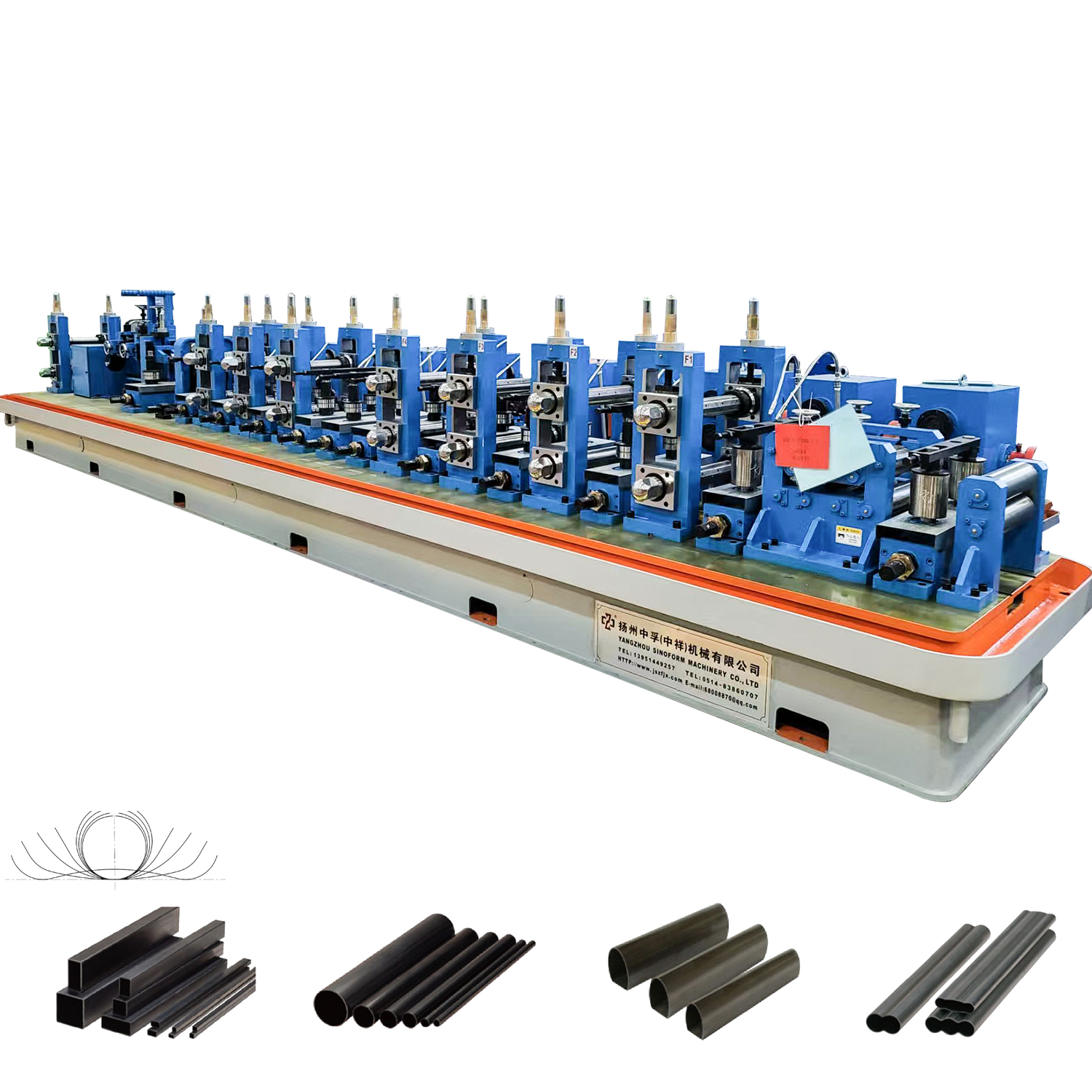 High Precision High-Frequency ERW Tube Mill line
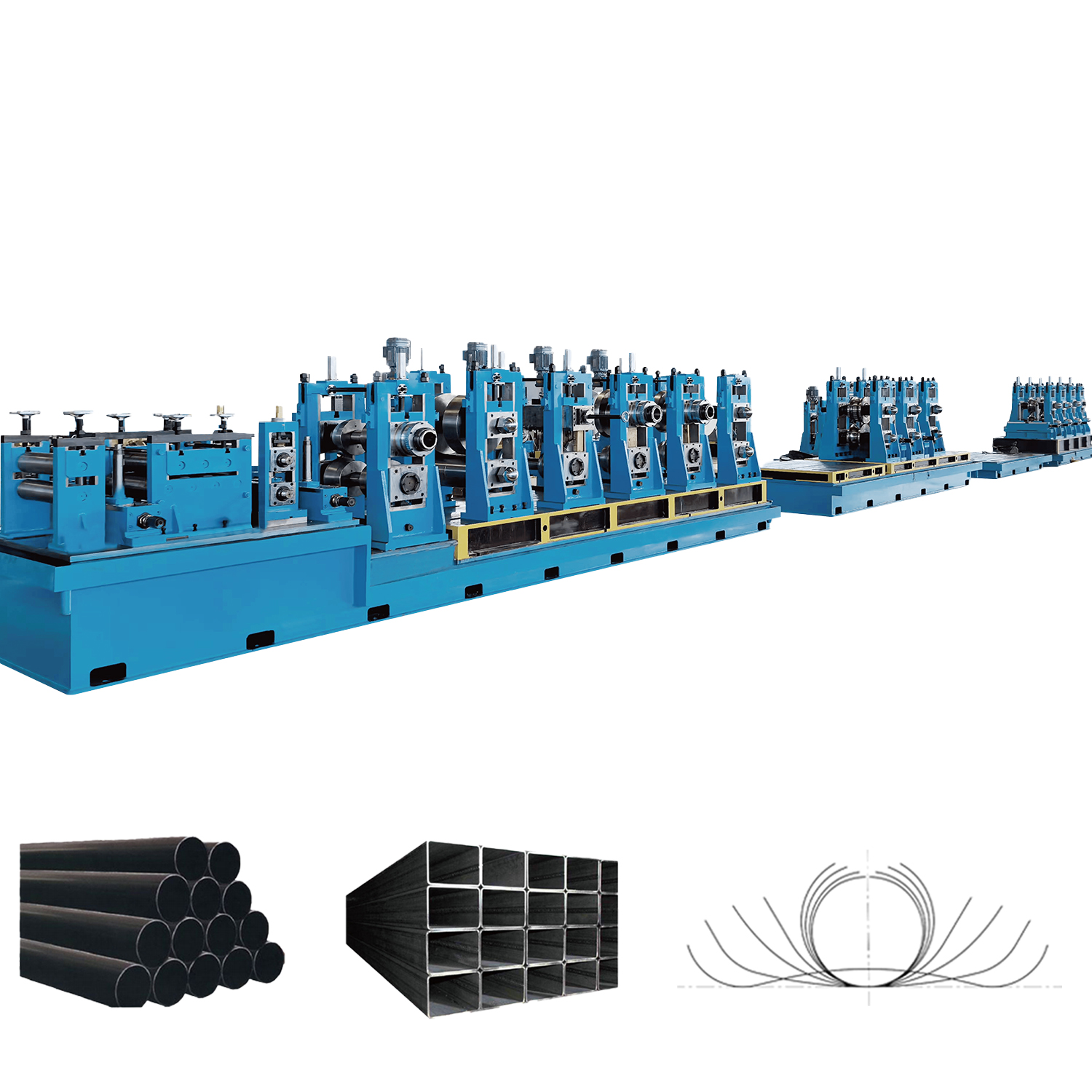 Large ERW tube mill line
Large ERW tube mill line
Large ERW tube mill line
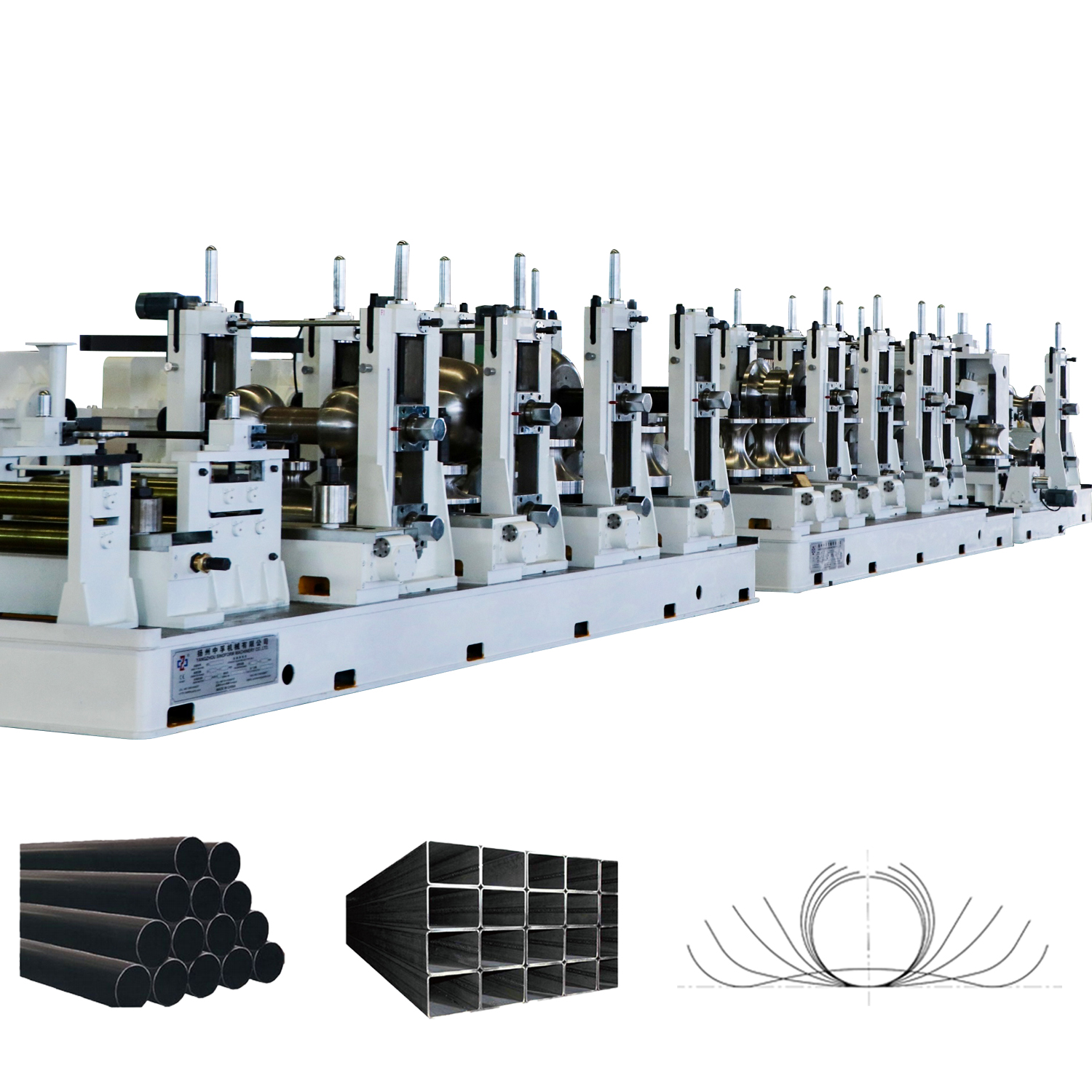 Large ERW tube mill line
Large ERW tube mill line
Large ERW tube mill line
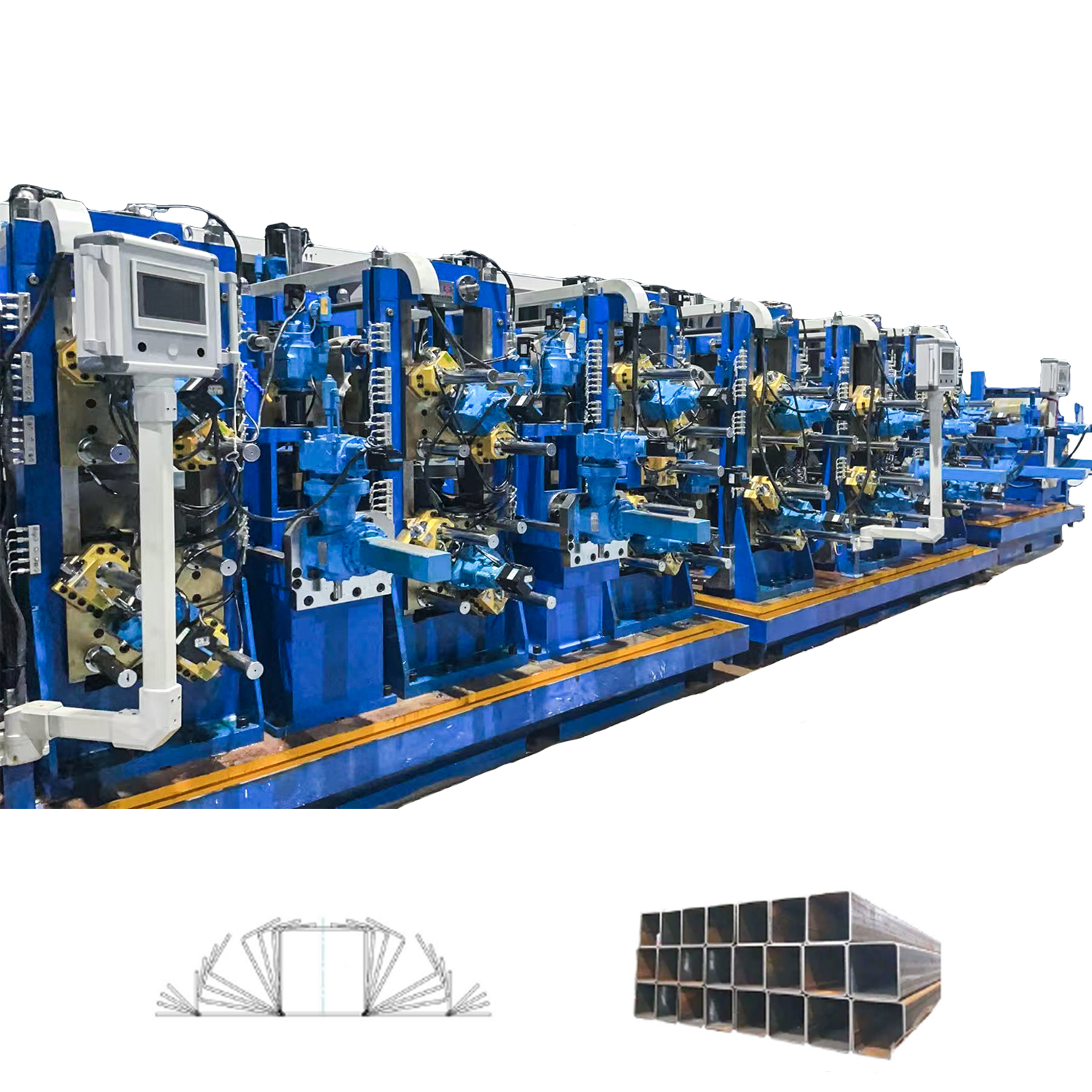 Direct To Square Welded Pipe Production Line
Direct To Square Welded Pipe Production Line
Direct To Square Welded Pipe Production Line
Direct To Square Welded Pipe Production Line
Direct To Square Welded Pipe Production Line

 No.1 Xiangjian Road, Northern
Suburbs Of Yangzhou City,
Jiangsu Province,China
No.1 Xiangjian Road, Northern
Suburbs Of Yangzhou City,
Jiangsu Province,China
 Phone: +86-0514-8363 8877
 E-mail: [email protected]
© Yangzhou SINOFORM Machinery Co., Ltd. Tube Mill Line Manufacturers
Pipe Making Machine Custom
Tube Making Machine Suppliers



 English
 Español
 عربى
عربى русский
 中文简体
中文简体