The Tube Mill Line is a critical piece of industrial equipment used in the production of tubes and pipes for a wide range of applications, from construction to automotive manufacturing. Achieving optimal operating speed in a Tube Mill Line is essential for maintaining high productivity, product quality, and cost efficiency. Several factors influence the running speed of a Tube Mill Line, each with unique implications on performance and operational stability.
Content
The type and quality of the raw material significantly affect the speed of a Tube Mill Line. Key factors include:
For example, carbon steel tubes typically allow higher speeds compared to stainless steel tubes, due to differences in hardness and formability.
The mechanical design and maintenance status of the Tube Mill Line directly affect its maximum operating speed:
Comparing older Tube Mill Lines to modern designs, modern lines often achieve 20-30% higher speeds due to advances in material handling and automation technologies.
The size and shape of the tube also determine the optimal running speed:
High-speed lines are often optimized for standard-sized tubes, while custom sizes may require speed adjustments.
Operators can adjust several parameters that directly impact the Tube Mill Line speed:
Modern Tube Mill Lines equipped with automation technology can run at higher speeds more consistently. Features include:
Compared to manual control, automated Tube Mill Lines typically achieve better speed stability and higher throughput.
External conditions can also affect the operating speed of a Tube Mill Line:
High-speed Tube Mill Lines are designed for rapid production of standardized tubes with minimal downtime. Advantages include:
However, high-speed lines require premium equipment, precise maintenance, and controlled environmental conditions. Standard Tube Mill Lines are more flexible with material types and sizes but operate at slower speeds and may experience more manual adjustments.
Yes, optimizing operational parameters such as lubrication, roll pressure, and temperature can enhance speed, but the increase is limited by the mechanical capacity of the existing equipment.
Materials with lower hardness and uniform thickness allow faster operation. Hard or irregular materials require slower speeds to maintain quality and prevent wear on the equipment.
Automation is highly beneficial. PLCs, sensors, and VFDs enable precise speed control, reduce errors, and increase throughput, making high-speed operation feasible and safe.
Regular lubrication, timely replacement of worn components, alignment checks, and monitoring of motor and roller conditions are essential for sustaining high-speed operation.
The running speed of a Tube Mill Line depends on a combination of material characteristics, equipment design, tube geometry, operational parameters, automation, and environmental conditions. Understanding and optimizing these factors can significantly improve production efficiency, reduce downtime, and ensure consistent product quality. Manufacturers must balance speed with precision to achieve optimal performance while avoiding equipment damage and material defects.
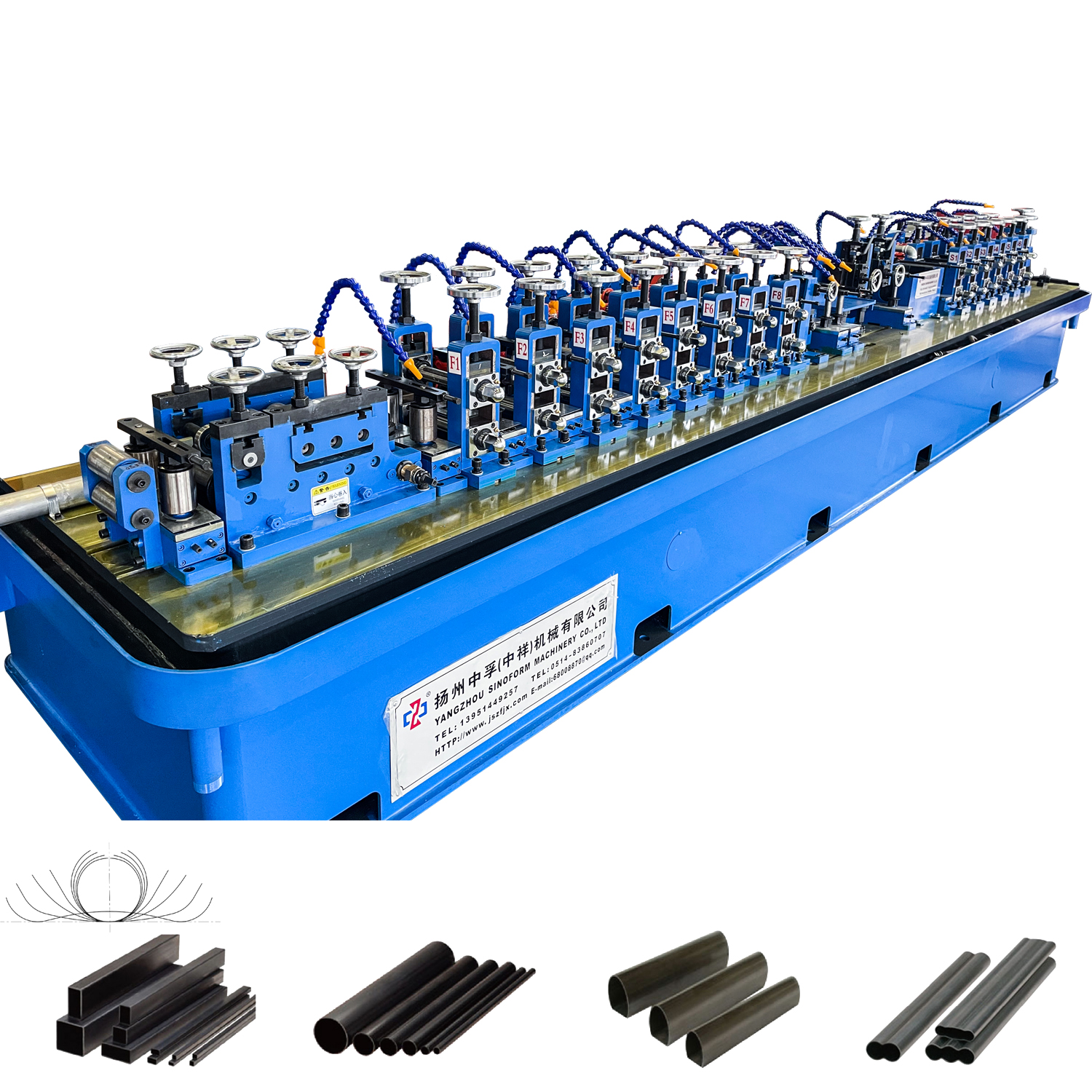 High Precision High-Frequency ERW Tube Mill line
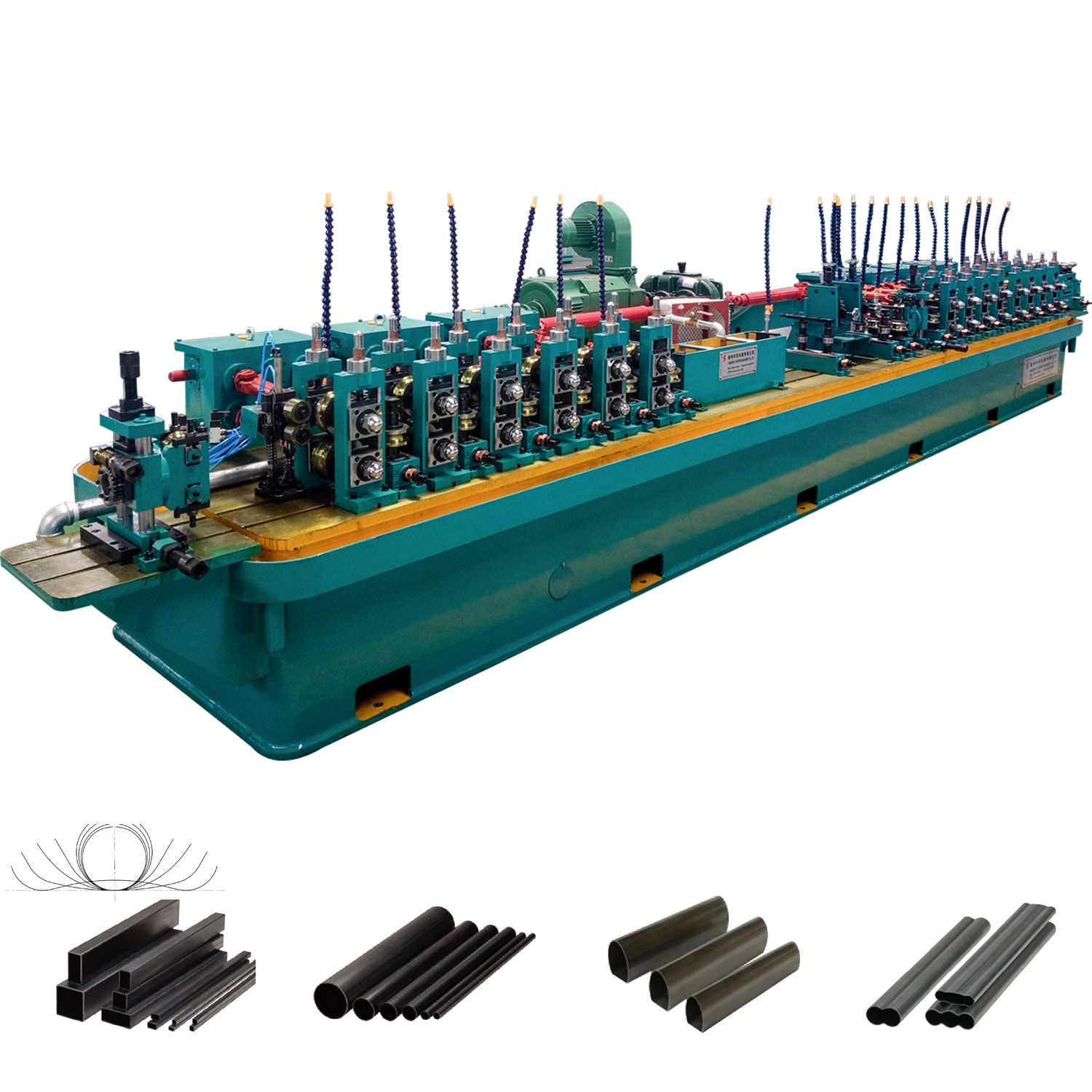 High Precision High-Frequency ERW Tube Mill line
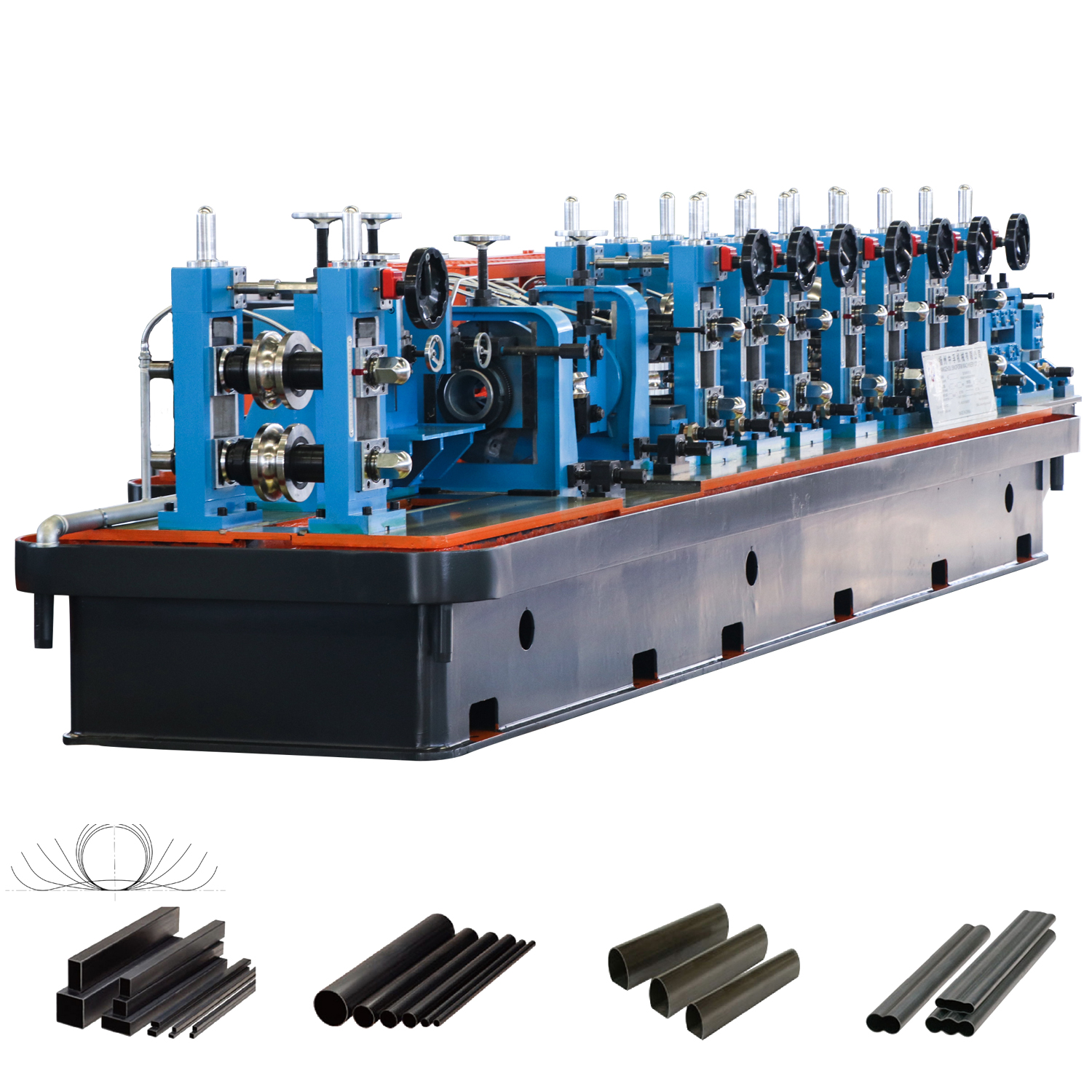 High Precision High-Frequency ERW Tube Mill line
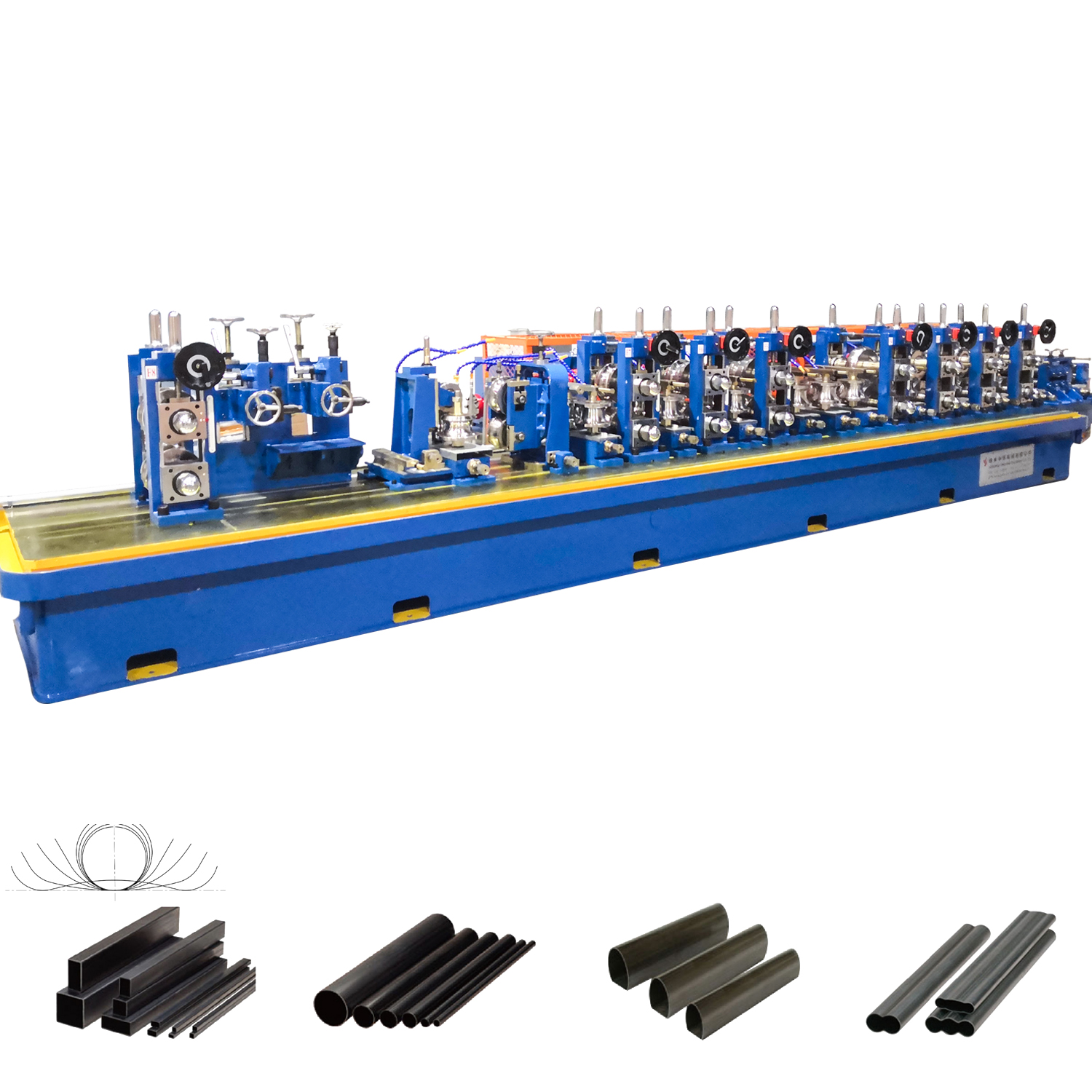 High Precision High-Frequency ERW Tube Mill line
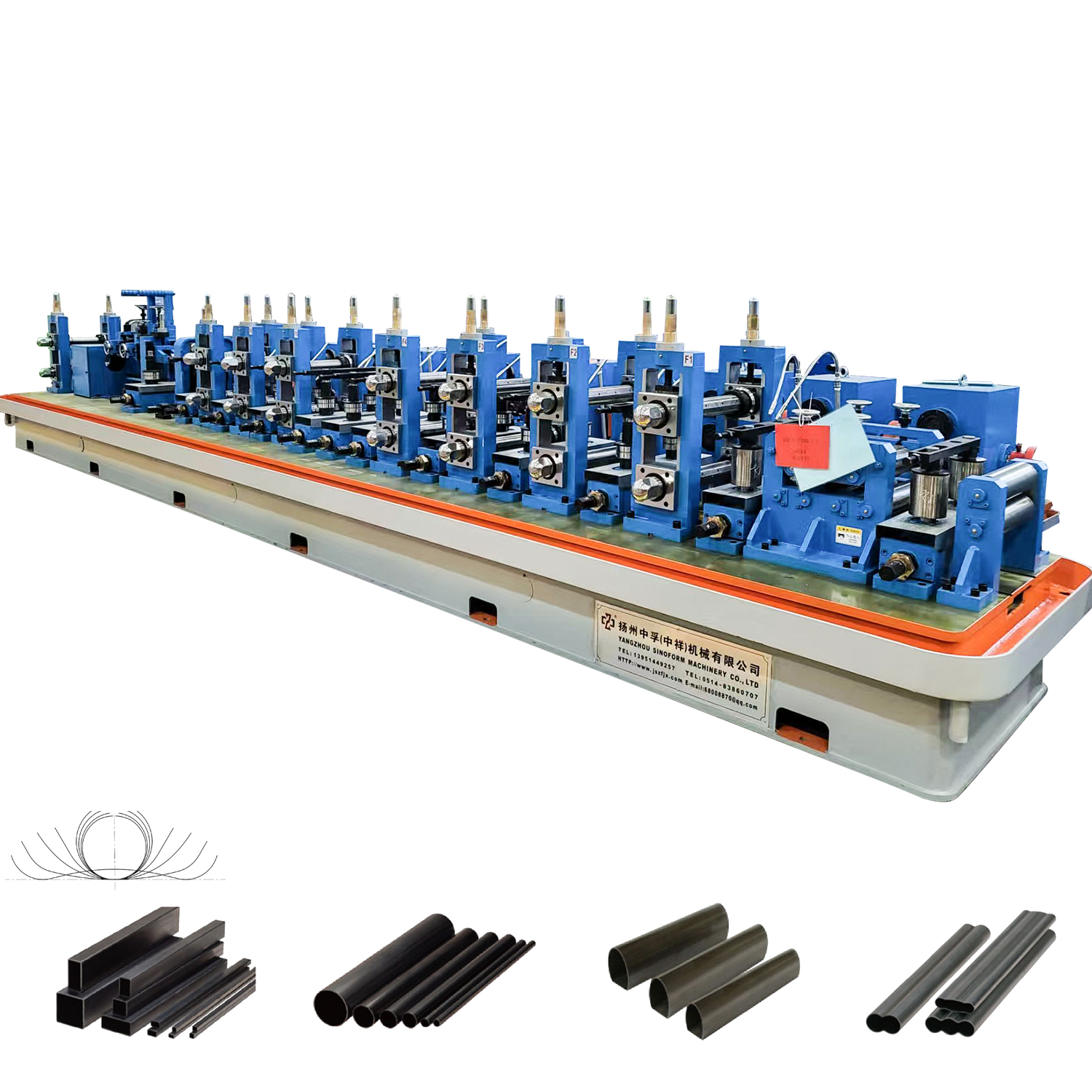 High Precision High-Frequency ERW Tube Mill line
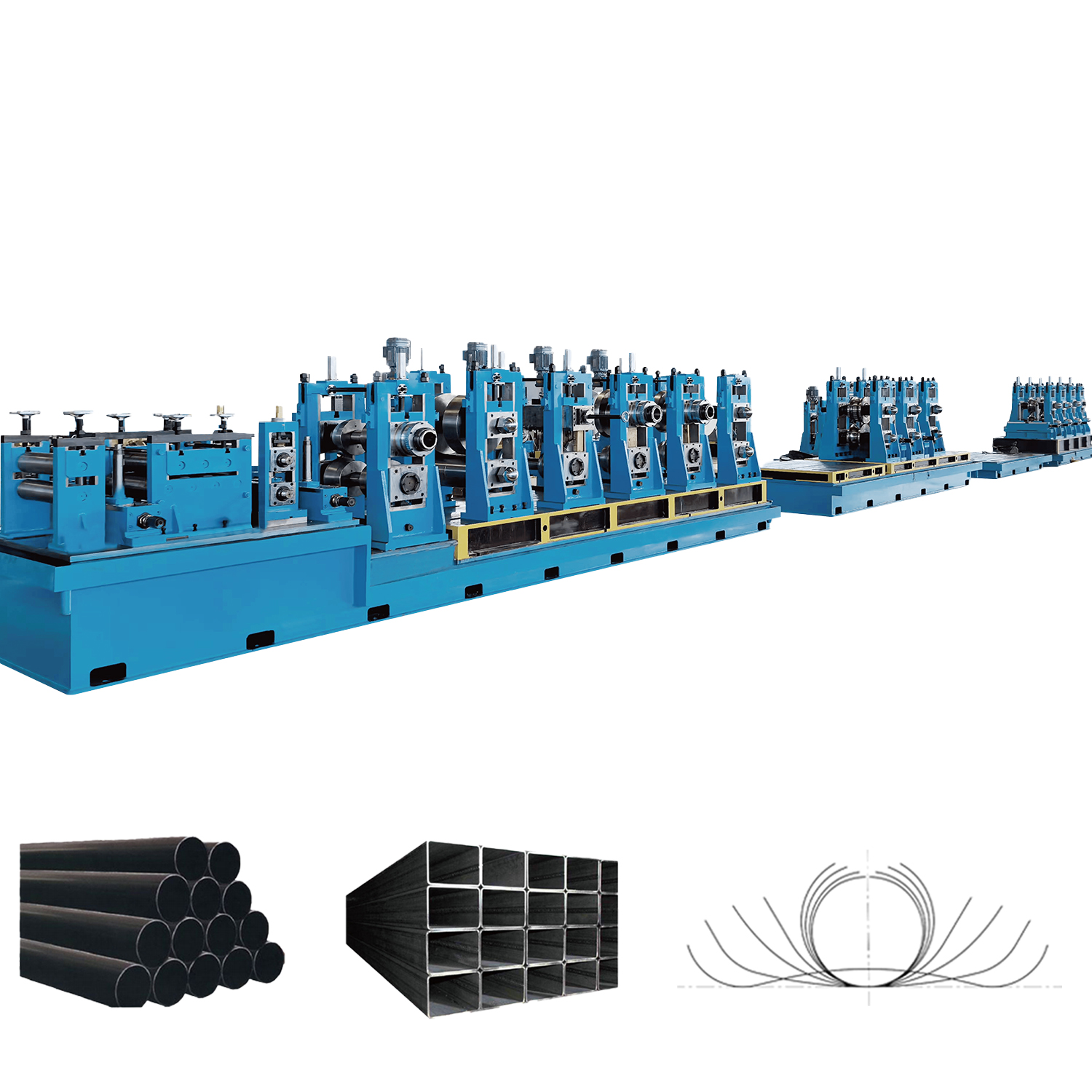 Large ERW tube mill line
Large ERW tube mill line
Large ERW tube mill line
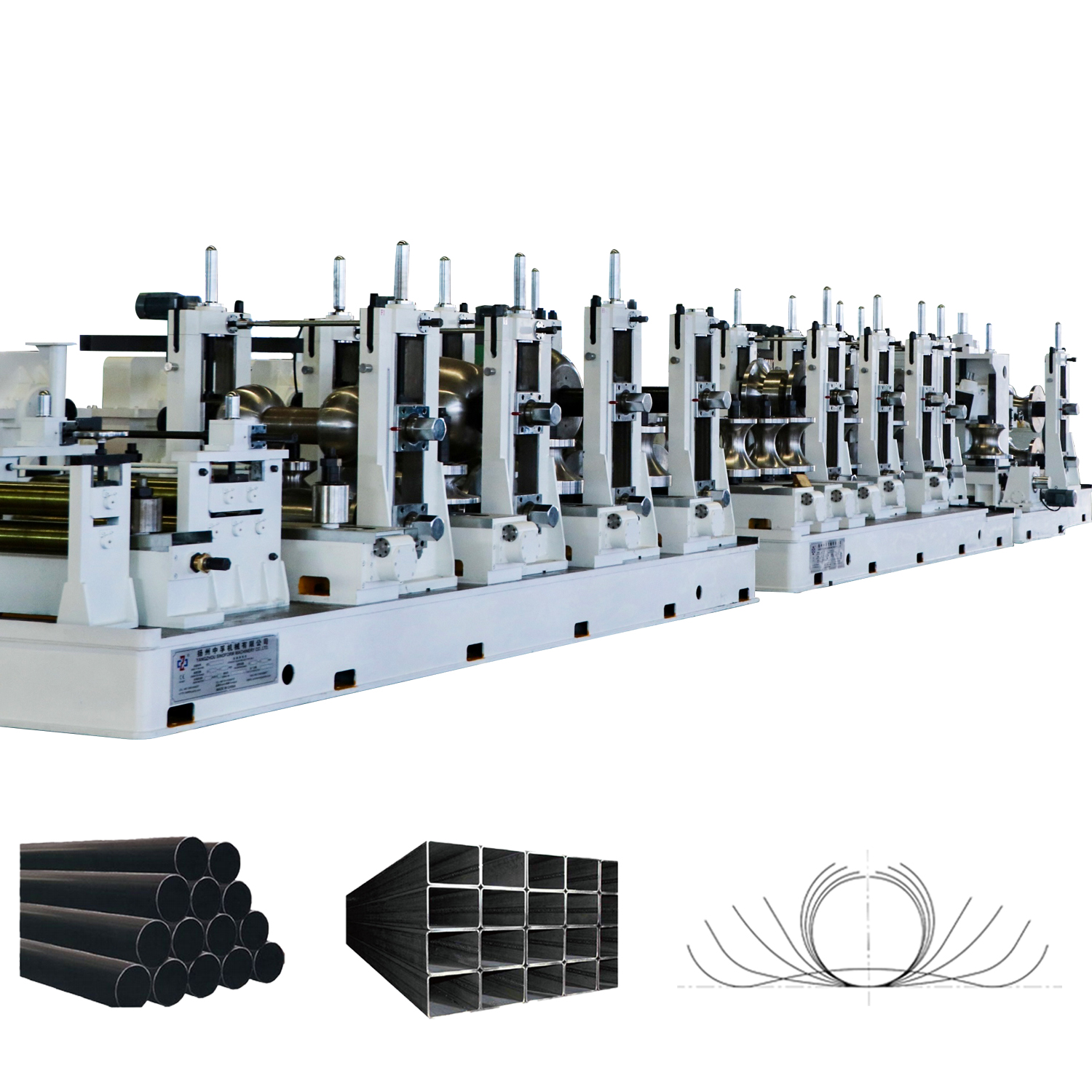 Large ERW tube mill line
Large ERW tube mill line
Large ERW tube mill line
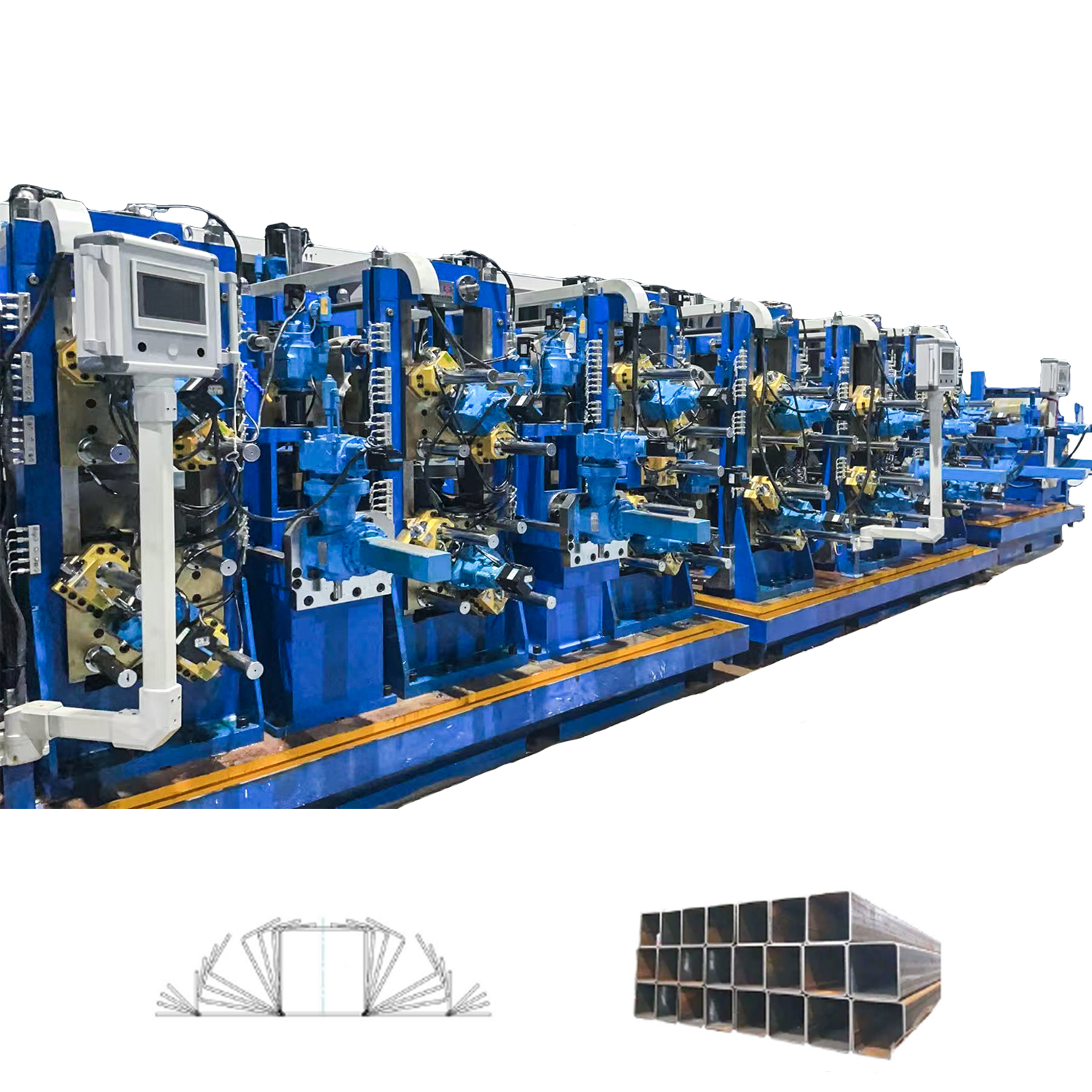 Direct To Square Welded Pipe Production Line
Direct To Square Welded Pipe Production Line
Direct To Square Welded Pipe Production Line
Direct To Square Welded Pipe Production Line
Direct To Square Welded Pipe Production Line

 No.1 Xiangjian Road, Northern
Suburbs Of Yangzhou City,
Jiangsu Province,China
No.1 Xiangjian Road, Northern
Suburbs Of Yangzhou City,
Jiangsu Province,China
 Phone: +86-0514-8363 8877
 E-mail: [email protected]
© Yangzhou SINOFORM Machinery Co., Ltd. Tube Mill Line Manufacturers
Pipe Making Machine Custom
Tube Making Machine Suppliers



 English
 Español
 عربى
عربى русский
 中文简体
中文简体