In modern steel manufacturing, efficiency, precision, and consistency are critical. One of the most important systems enabling large-scale production of welded steel pipes is the Tube Mill Line. From construction scaffolding and automotive components to oil, gas, and water transportation, welded pipes produced by tube mill lines play a vital role across multiple industries.
A Tube Mill Line is a complete production system designed to convert flat steel strips or coils into round, square, rectangular, or special-shaped welded pipes. By combining forming, welding, sizing, and cutting processes into a continuous line, this technology allows manufacturers to achieve high output with stable quality.
Content
A Tube Mill Line is an integrated production line that takes steel strip as raw material and processes it into welded steel pipes through a series of mechanical and thermal steps. Unlike seamless pipe production, tube mill lines rely on welding technology to join the edges of the formed strip.
The transformation from steel strip to finished welded pipe involves multiple precisely controlled stages within the Tube Mill Line.
The process begins with steel coils, typically made from carbon steel, stainless steel, or alloy steel. These coils are mounted on an uncoiler that feeds the strip into the production line.
Steel strips often have residual stress or curvature from coiling. Leveling machines within the Tube Mill Line remove these imperfections to ensure smooth forming.
This step improves:
For high-quality welded pipes, strip edges must be clean and uniform. Edge trimming units remove irregularities and prepare the edges for reliable welding.
Roll forming is a key stage where flat steel strip is gradually bent into a tubular shape. Multiple forming stands are arranged sequentially, each applying controlled pressure.
Common forming methods include:
The precision of roll design directly affects the dimensional accuracy of the final pipe.
Once the strip edges meet, welding takes place. Most modern Tube Mill Line systems use high-frequency (HF) welding, which rapidly heats the edges before forging them together under pressure.
This process creates a continuous longitudinal weld along the pipe.
After welding, excess weld material forms both inside and outside the pipe. Scraping tools remove this weld bead to improve surface quality and flow characteristics.
This step is especially important for pipes used in fluid transportation.
The welded pipe passes through sizing stands that refine its diameter and shape. This ensures compliance with dimensional tolerances.
Straightening machines correct any residual bending or twisting, producing pipes that meet straightness standards required by international specifications.
Finished pipes are cut into required lengths using flying saws or cold cutting systems synchronized with line speed.
Quality inspection is the final stage of the Tube Mill Line. Pipes may undergo visual inspection, dimensional checks, ultrasonic testing, or hydrostatic testing before packaging.
| Aspect | Tube Mill Line (Welded Pipe) | Seamless Pipe |
|---|---|---|
| Raw Material | Steel strip or coil | Solid billet |
| Manufacturing Speed | High, continuous production | Relatively slower |
| Cost Efficiency | Lower production cost | Higher cost |
| Pipe Size Range | Wide range, easy adjustment | Limited by billet size |
| Typical Applications | Construction, furniture, automotive | High-pressure, critical pipelines |
This comparison highlights why the Tube Mill Line is widely adopted for mass-market pipe production.
Continuous operation enables large output volumes with minimal downtime.
Automated control systems ensure stable forming and welding parameters.
Efficient use of steel strip reduces waste compared to billet-based processes.
Quick roll changes and parameter adjustments allow multiple pipe sizes to be produced on the same Tube Mill Line.
Suitable for both medium-scale and large industrial production.
Electric Resistance Welding lines are widely used for carbon steel and mild steel pipes.
Designed with corrosion-resistant materials and precision welding systems.
Directly forms square or rectangular pipes without first making round tubes.
Most tube mill lines can process carbon steel, galvanized steel, stainless steel, and certain alloy steels, depending on design and welding system.
Modern Tube Mill Line systems achieve tight tolerances, often meeting ASTM, EN, or ISO standards.
With proper high-frequency welding and quality control, the weld seam strength can match or exceed the base material.
Yes, by changing roll sets and adjusting parameters, a single line can produce round, square, rectangular, and oval pipes.
Key factors include strip quality, roll design, welding power stability, operator experience, and maintenance routines.
As industries demand higher efficiency and smarter manufacturing, Tube Mill Line technology continues to evolve. Trends include intelligent automation, real-time monitoring, energy-efficient welding systems, and improved forming methods to reduce material stress.
These innovations further strengthen the role of the Tube Mill Line as a core solution for welded pipe production in global manufacturing.
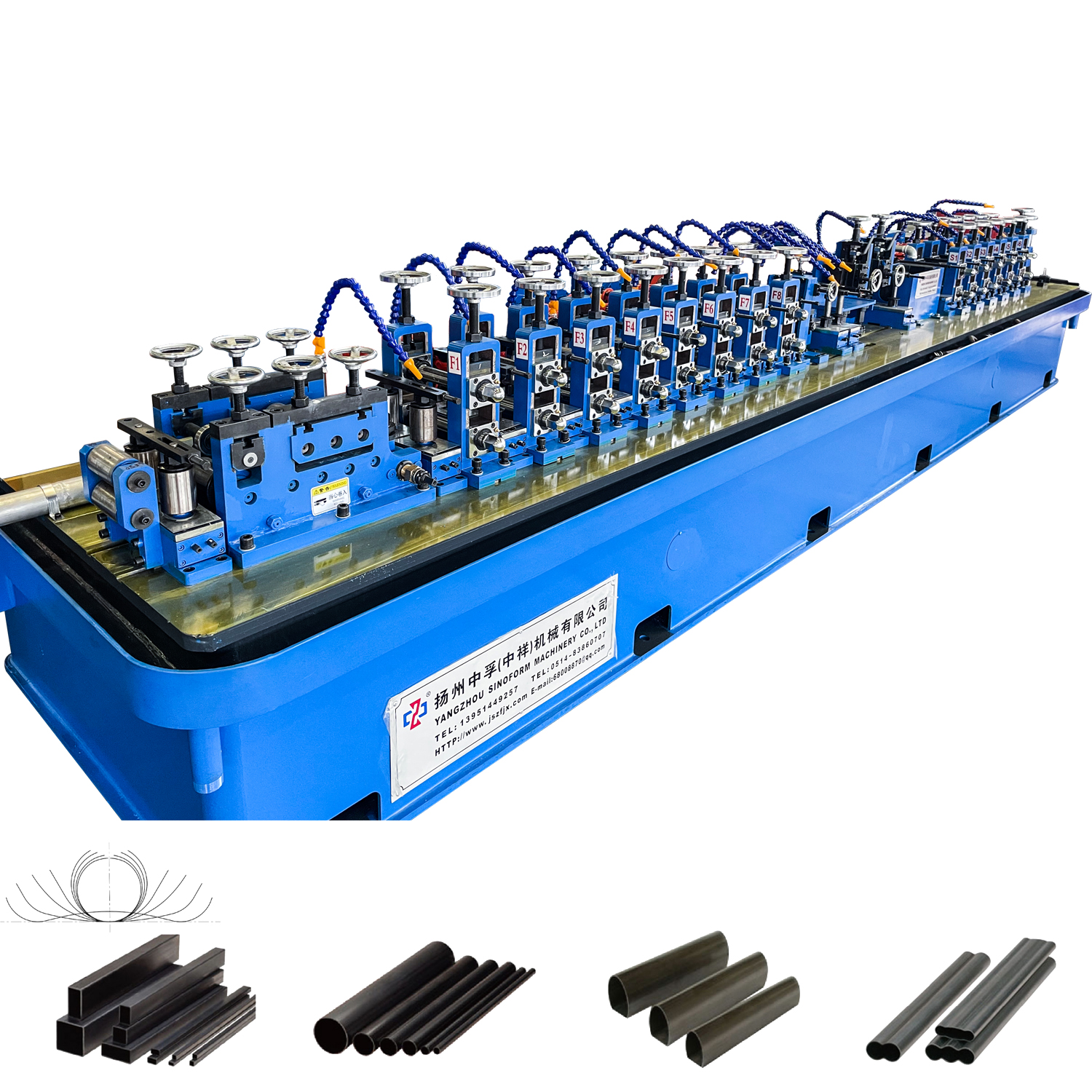 High Precision High-Frequency ERW Tube Mill line
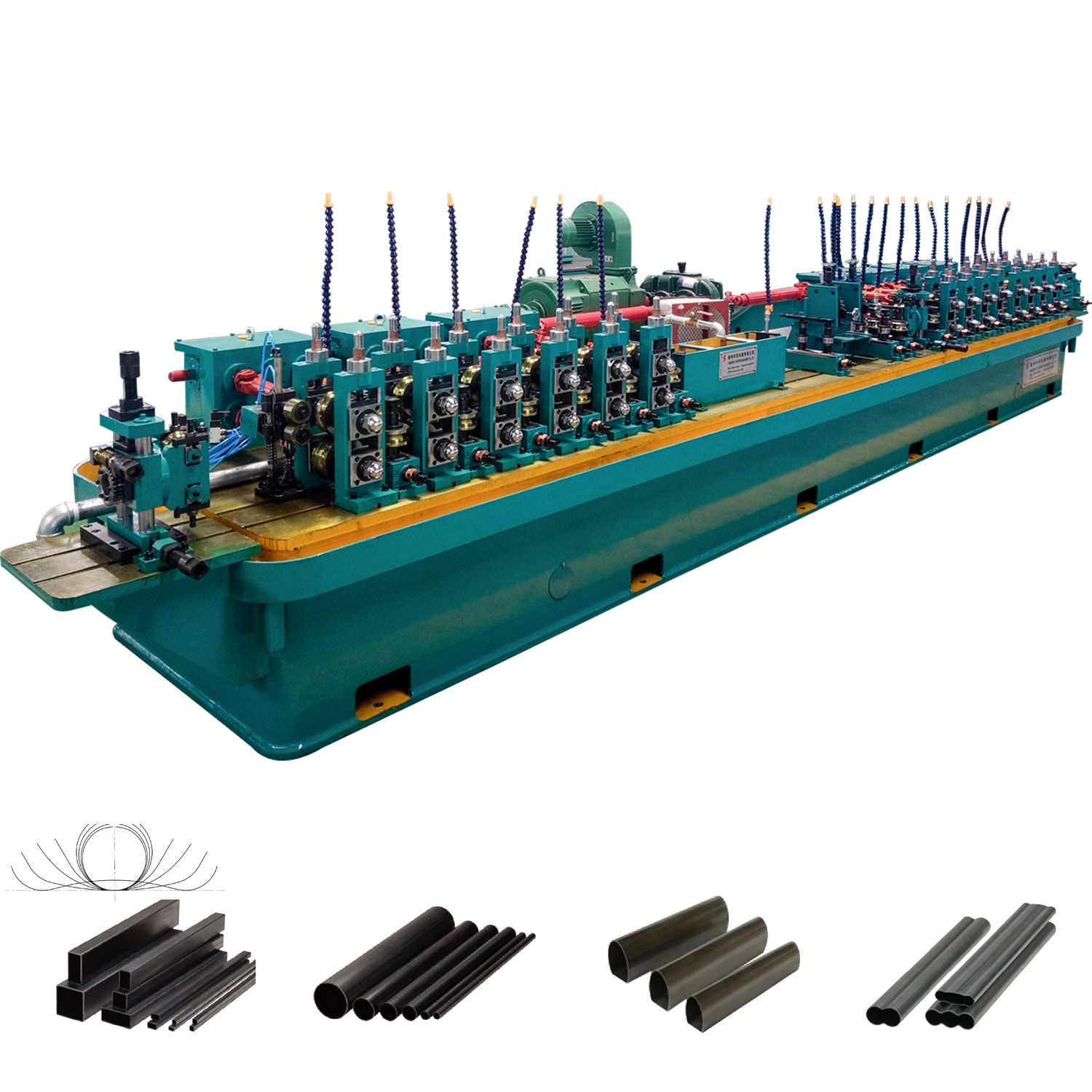 High Precision High-Frequency ERW Tube Mill line
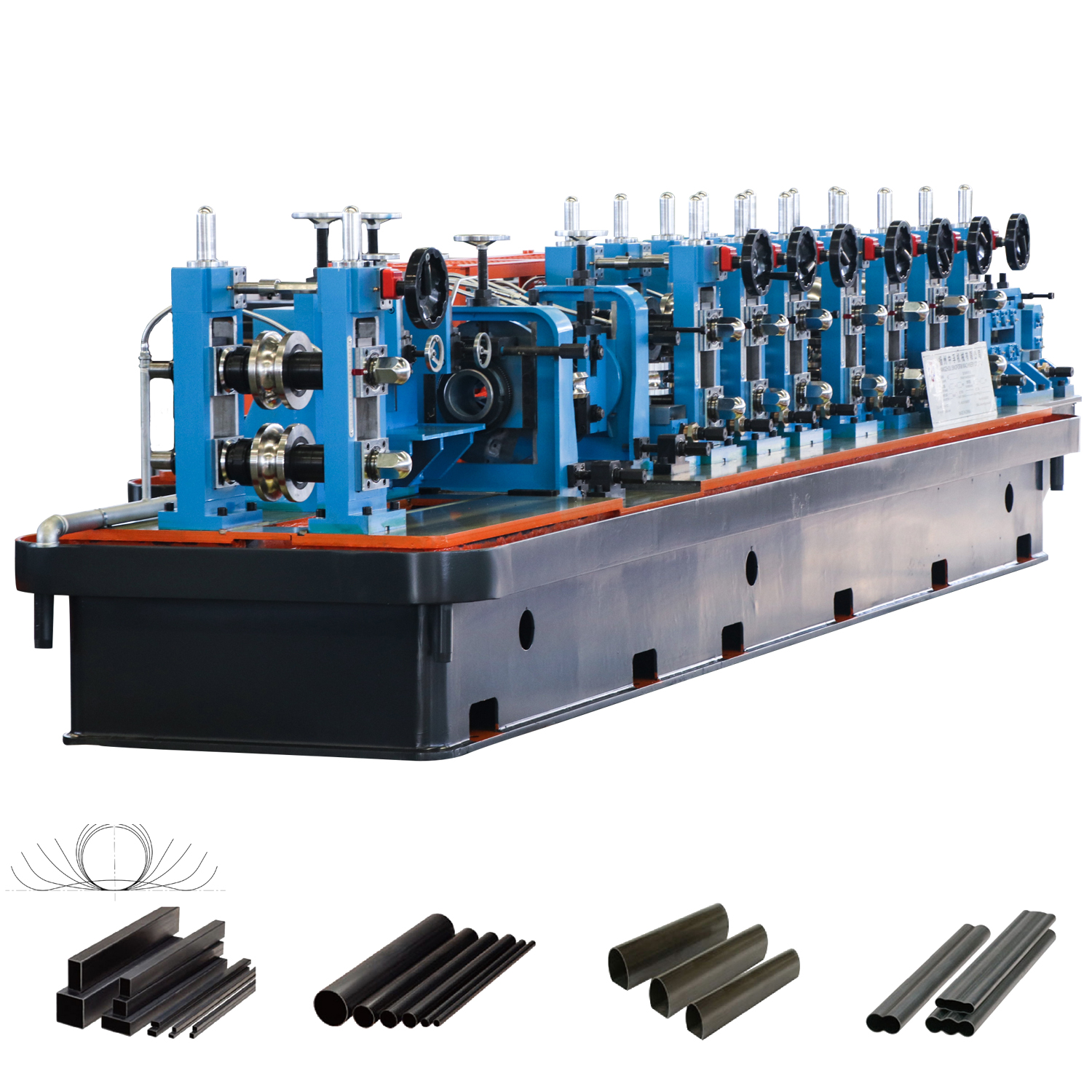 High Precision High-Frequency ERW Tube Mill line
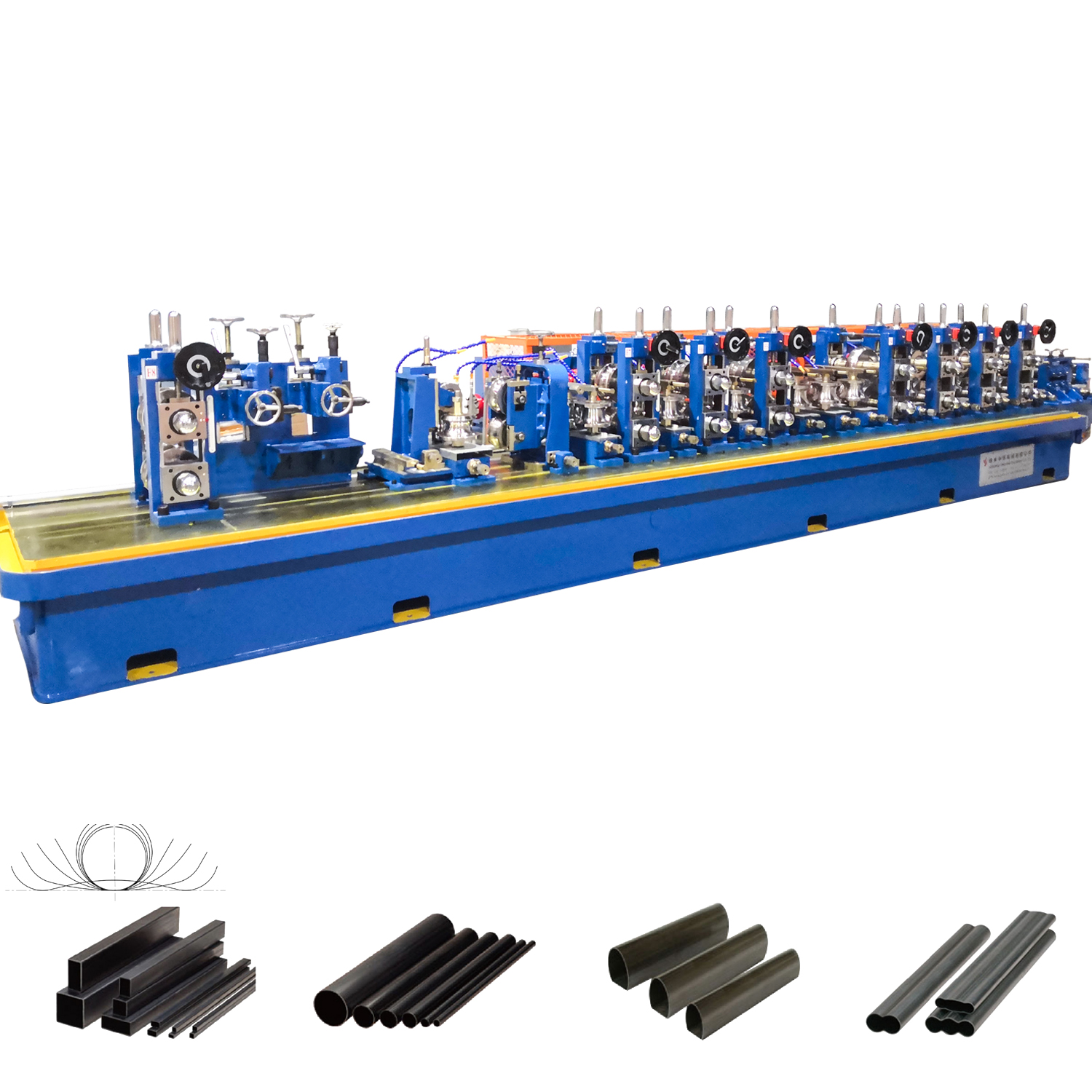 High Precision High-Frequency ERW Tube Mill line
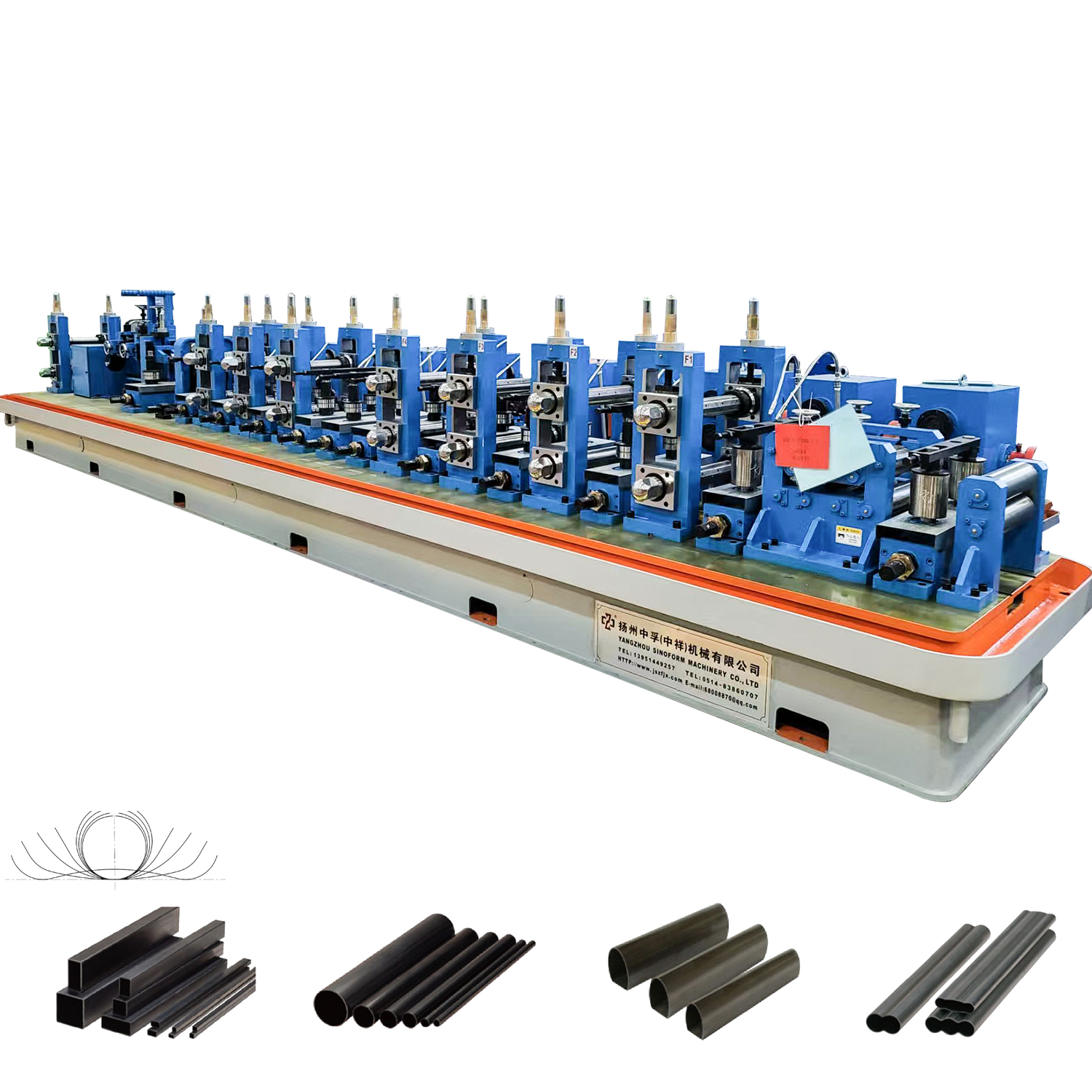 High Precision High-Frequency ERW Tube Mill line
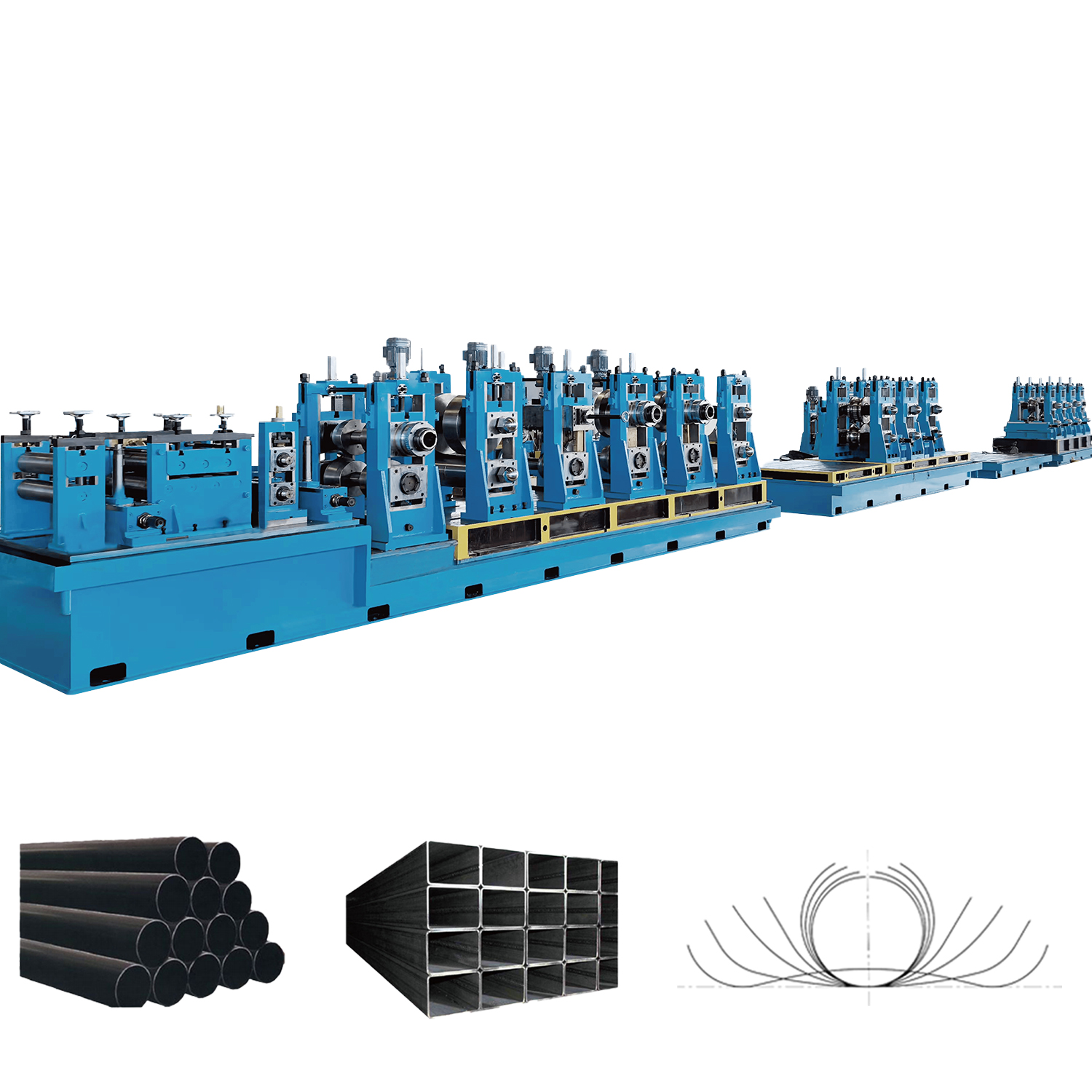 Large ERW tube mill line
Large ERW tube mill line
Large ERW tube mill line
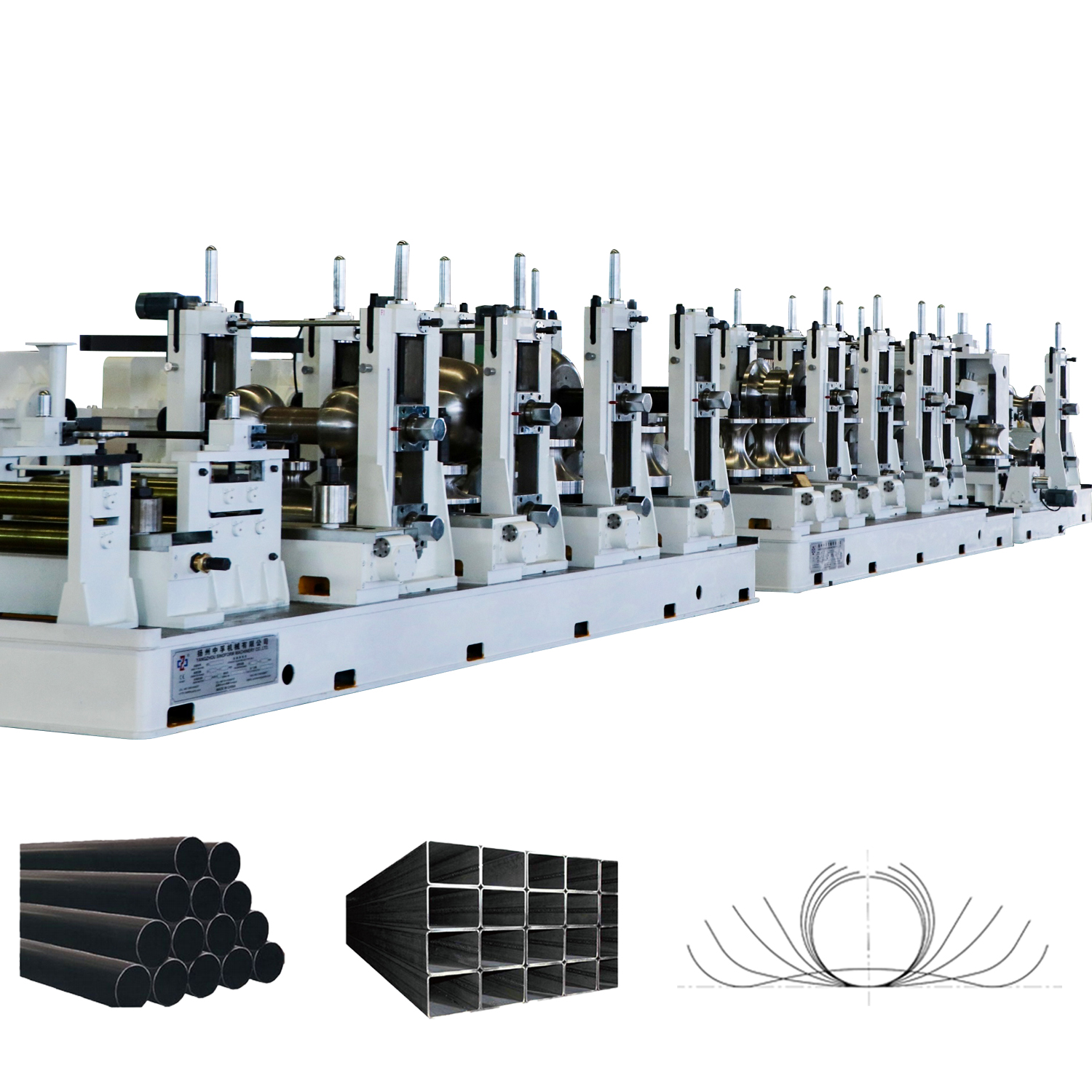 Large ERW tube mill line
Large ERW tube mill line
Large ERW tube mill line
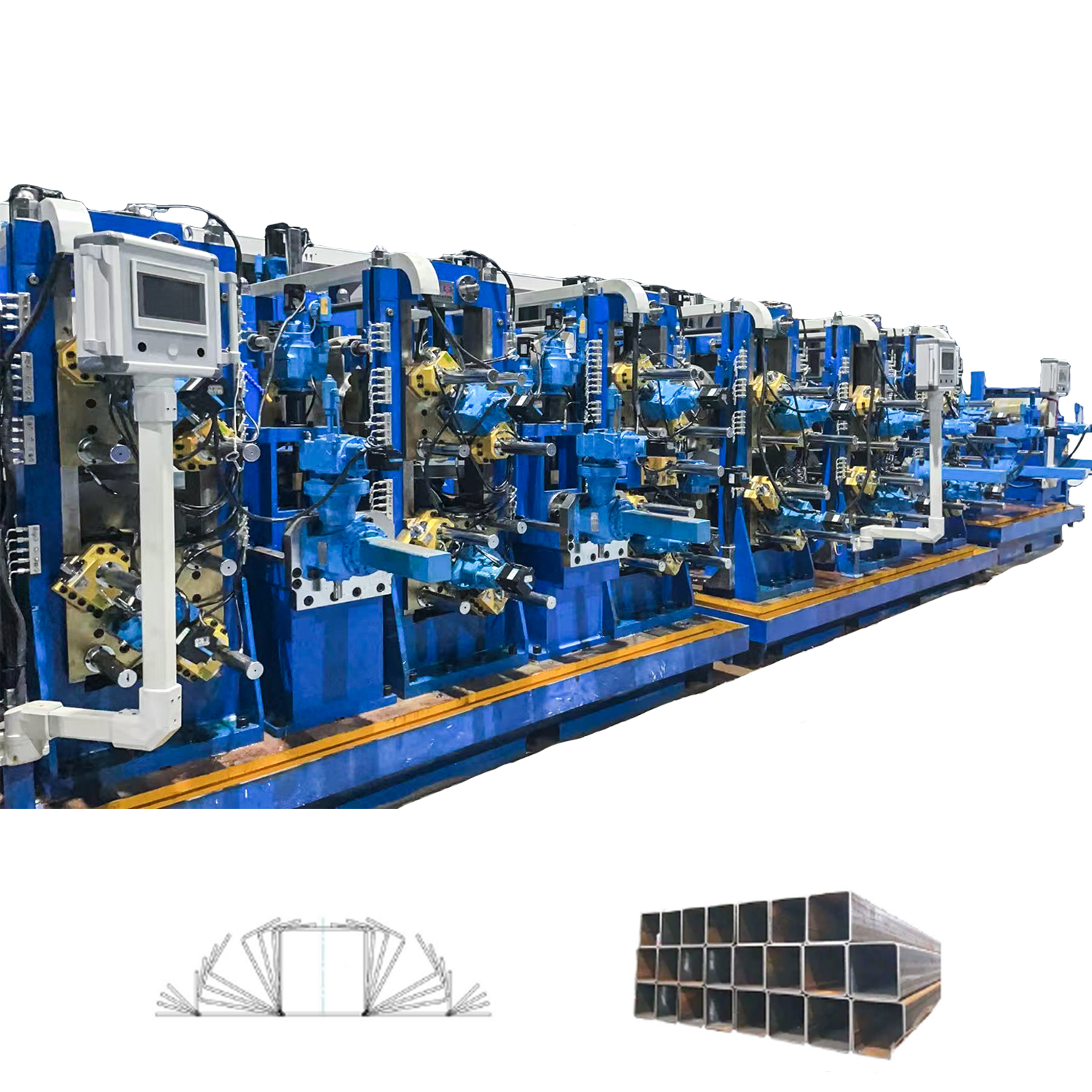 Direct To Square Welded Pipe Production Line
Direct To Square Welded Pipe Production Line
Direct To Square Welded Pipe Production Line
Direct To Square Welded Pipe Production Line
Direct To Square Welded Pipe Production Line

 No.1 Xiangjian Road, Northern
Suburbs Of Yangzhou City,
Jiangsu Province,China
No.1 Xiangjian Road, Northern
Suburbs Of Yangzhou City,
Jiangsu Province,China
 Phone: +86-0514-8363 8877
 E-mail: [email protected]
© Yangzhou SINOFORM Machinery Co., Ltd. Tube Mill Line Manufacturers
Pipe Making Machine Custom
Tube Making Machine Suppliers



 English
 Español
 عربى
عربى русский
 中文简体
中文简体