A Tube Mill Line is a highly efficient production system designed for manufacturing various types of tubes and pipes. With advanced automation, precision engineering, and flexible configuration, it has become a critical solution for industries requiring high-quality tubular products. The system combines forming, welding, sizing, and cutting operations into a seamless production flow, ensuring consistency and reducing production time.
Content
The versatility of a Tube Mill Line allows it to produce a wide range of tubular products. Common types include:
Steel pipes produced by Tube Mill Line are widely used in construction and manufacturing. The system ensures high dimensional accuracy and weld quality, which is critical for pipelines, scaffolding, and automotive exhaust systems. Compared with traditional methods, a modern Tube Mill Line can handle larger diameters and thicker walls while maintaining a consistent finish.
Square and rectangular tubes are essential in modern construction. A Tube Mill Line can easily switch between different cross-sections, providing flexibility for structural designs. In comparison to manual fabrication, tube mills offer faster production rates and reduced material waste, which improves cost-efficiency for large-scale projects.
High-precision tubes are necessary for hydraulic cylinders, automotive axles, and machinery components. Tube mill lines equipped with advanced forming and sizing units ensure tight tolerances and superior surface finish. This precision cannot be easily achieved with conventional pipe-making techniques, highlighting the industrial advantage of using a dedicated Tube Mill Line.
Comparing a Tube Mill Line with conventional pipe-making methods highlights significant industrial advantages:
| Feature | Tube Mill Line | Traditional Methods |
|---|---|---|
| Production Speed | High, continuous operation | Lower, batch-based |
| Dimensional Accuracy | ±0.05 mm tolerance | ±0.5 mm or higher |
| Automation | Fully automated with PLC control | Manual or semi-automatic |
| Flexibility | Can produce multiple tube types and sizes | Limited to specific sizes or shapes |
| Material Utilization | High efficiency, less scrap | Higher material loss |
The diverse output of a Tube Mill Line makes it suitable for multiple industrial sectors:
Several factors must be considered when selecting a Tube Mill Line for production:
Maintaining a Tube Mill Line ensures long-term performance and consistent quality:
A modern Tube Mill Line can handle carbon steel, stainless steel, alloy steel, and sometimes non-ferrous metals like aluminum, depending on the configuration.
Yes, most Tube Mill Lines are highly versatile and can switch between round, square, rectangular, and custom-shaped tubes with minimal setup changes.
The integration of forming, welding, sizing, and cutting into a single automated process significantly reduces production time, material handling, and labor requirements.
With proper maintenance, a Tube Mill Line can operate efficiently for 15–20 years, depending on usage, material types, and production volume.
Yes, manufacturers can offer lines tailored to specific tube sizes, materials, production speeds, and automation levels, making it suitable for specialized industrial applications.
The Tube Mill Line is an essential solution for modern tube and pipe production, offering flexibility, efficiency, and consistent quality. Its ability to manufacture a wide range of tubes—from structural to high-precision mechanical tubes—makes it indispensable across construction, automotive, oil & gas, and industrial machinery sectors. Compared to traditional manufacturing methods, Tube Mill Lines provide higher speed, reduced waste, and superior dimensional accuracy, ensuring long-term cost-effectiveness and industrial competitiveness.
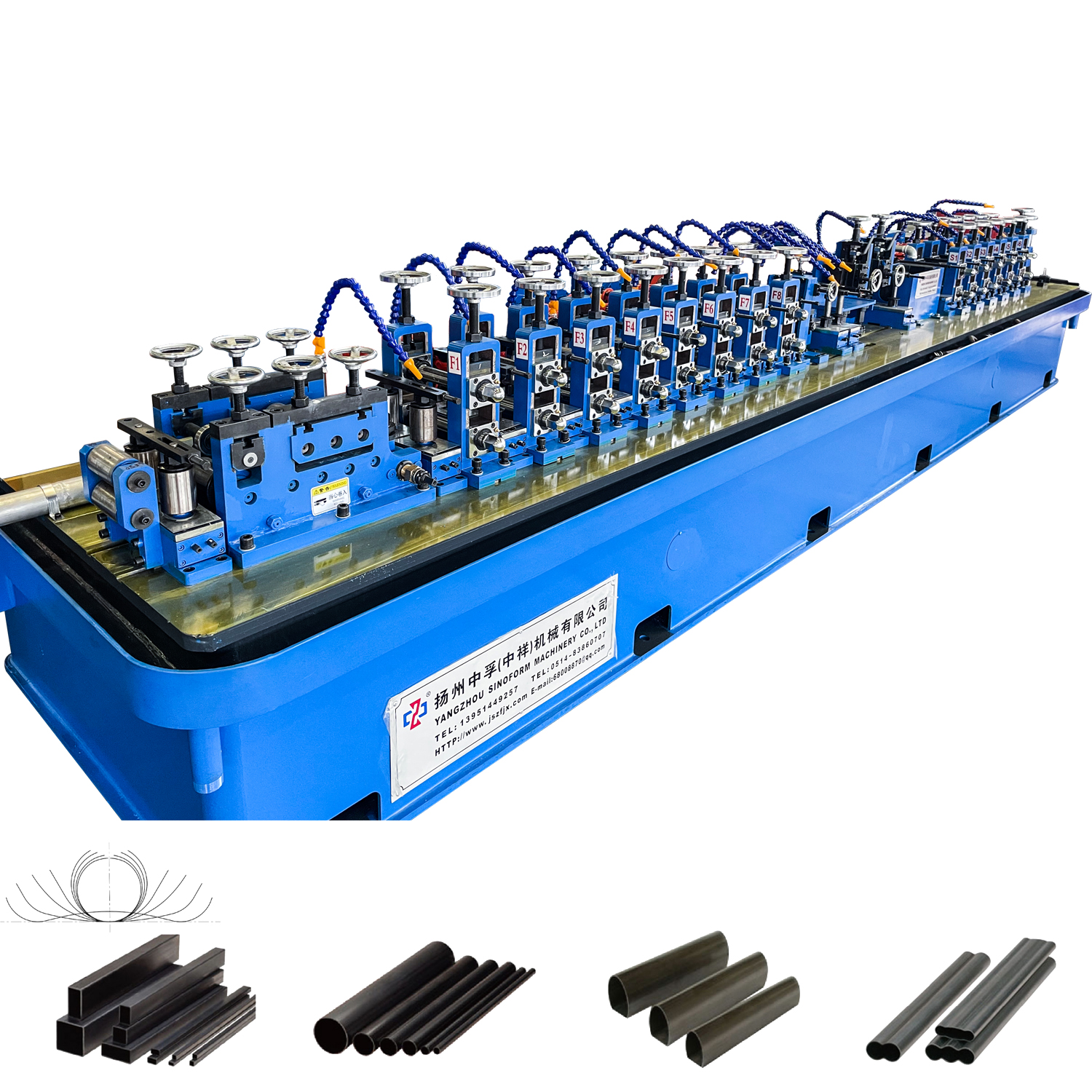 High Precision High-Frequency ERW Tube Mill line
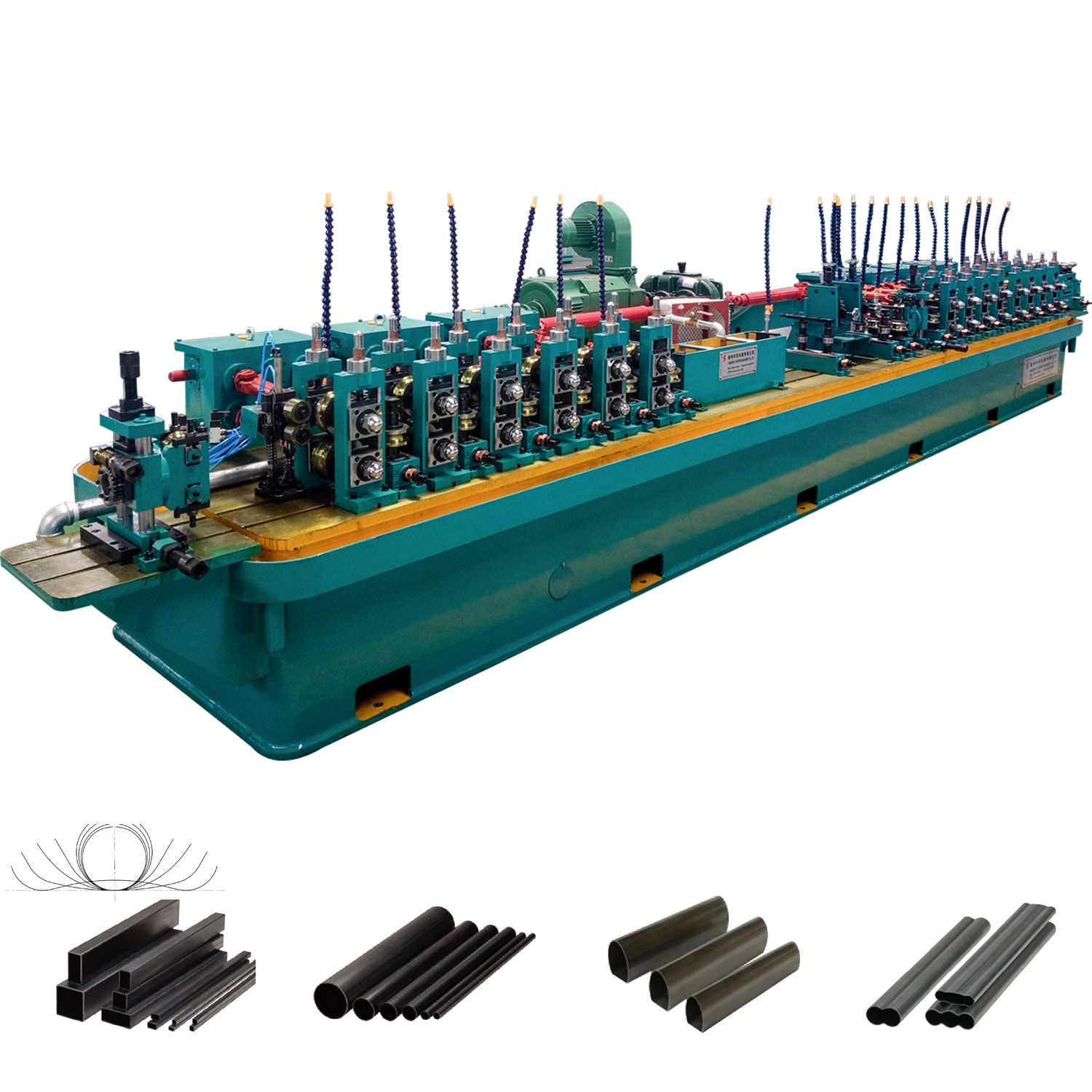 High Precision High-Frequency ERW Tube Mill line
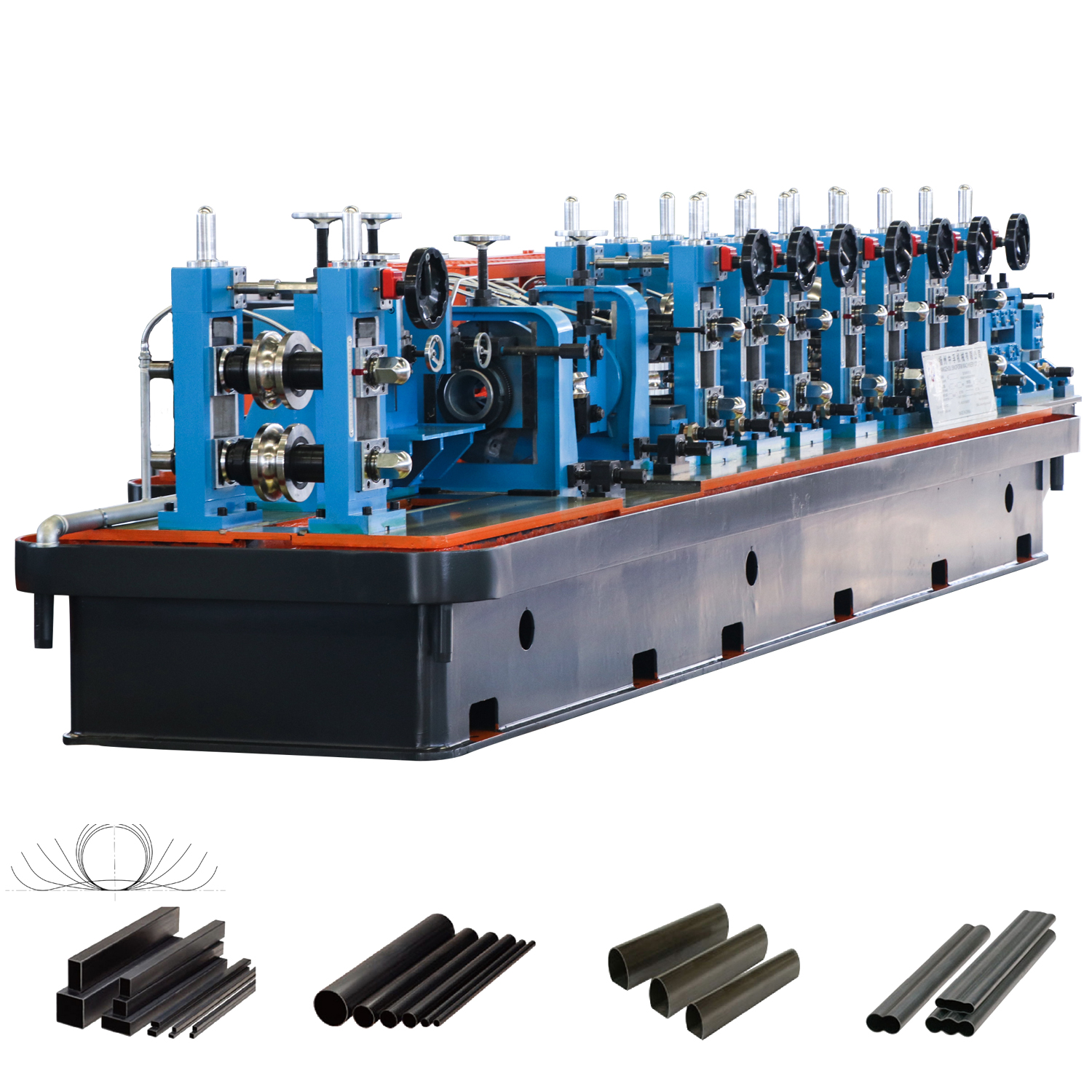 High Precision High-Frequency ERW Tube Mill line
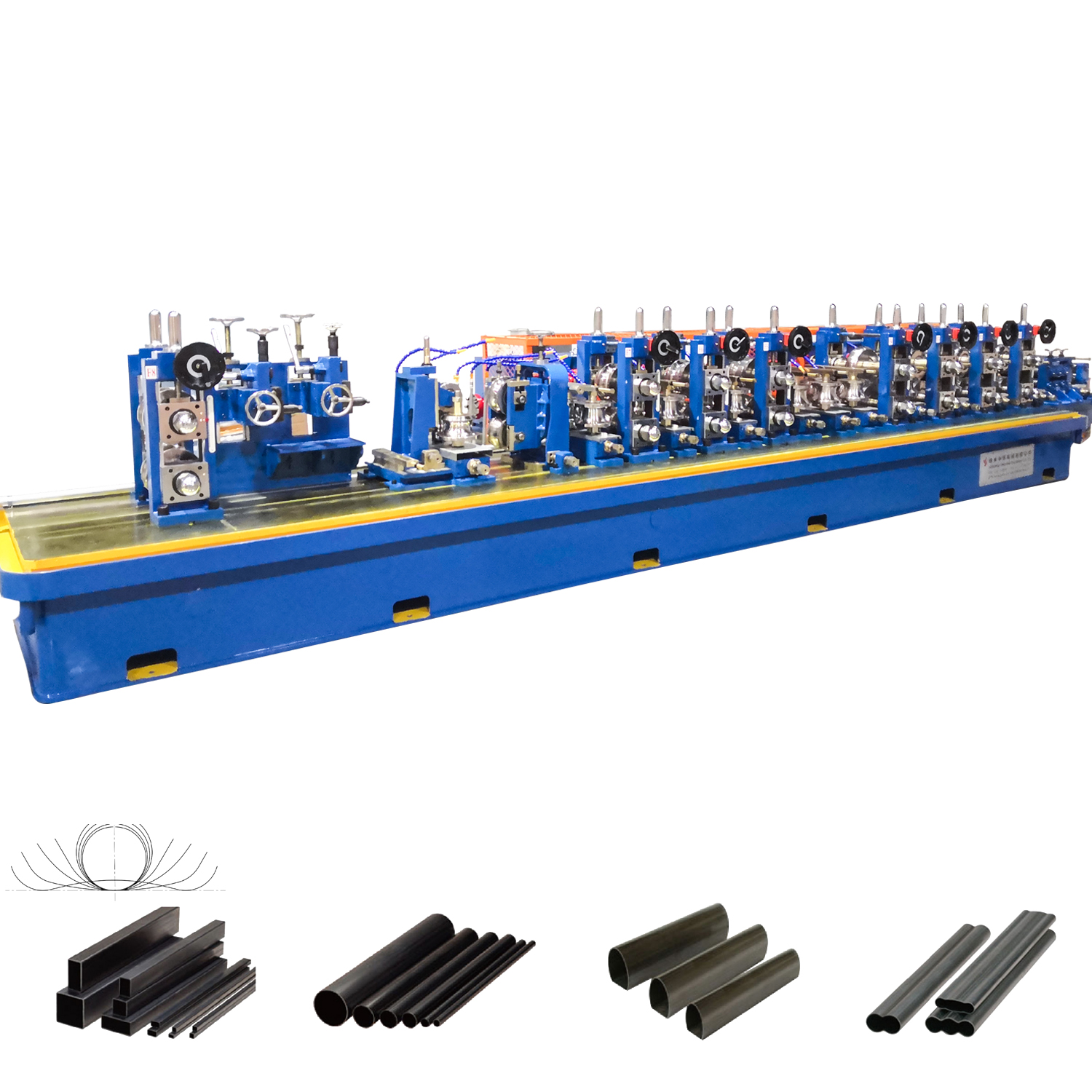 High Precision High-Frequency ERW Tube Mill line
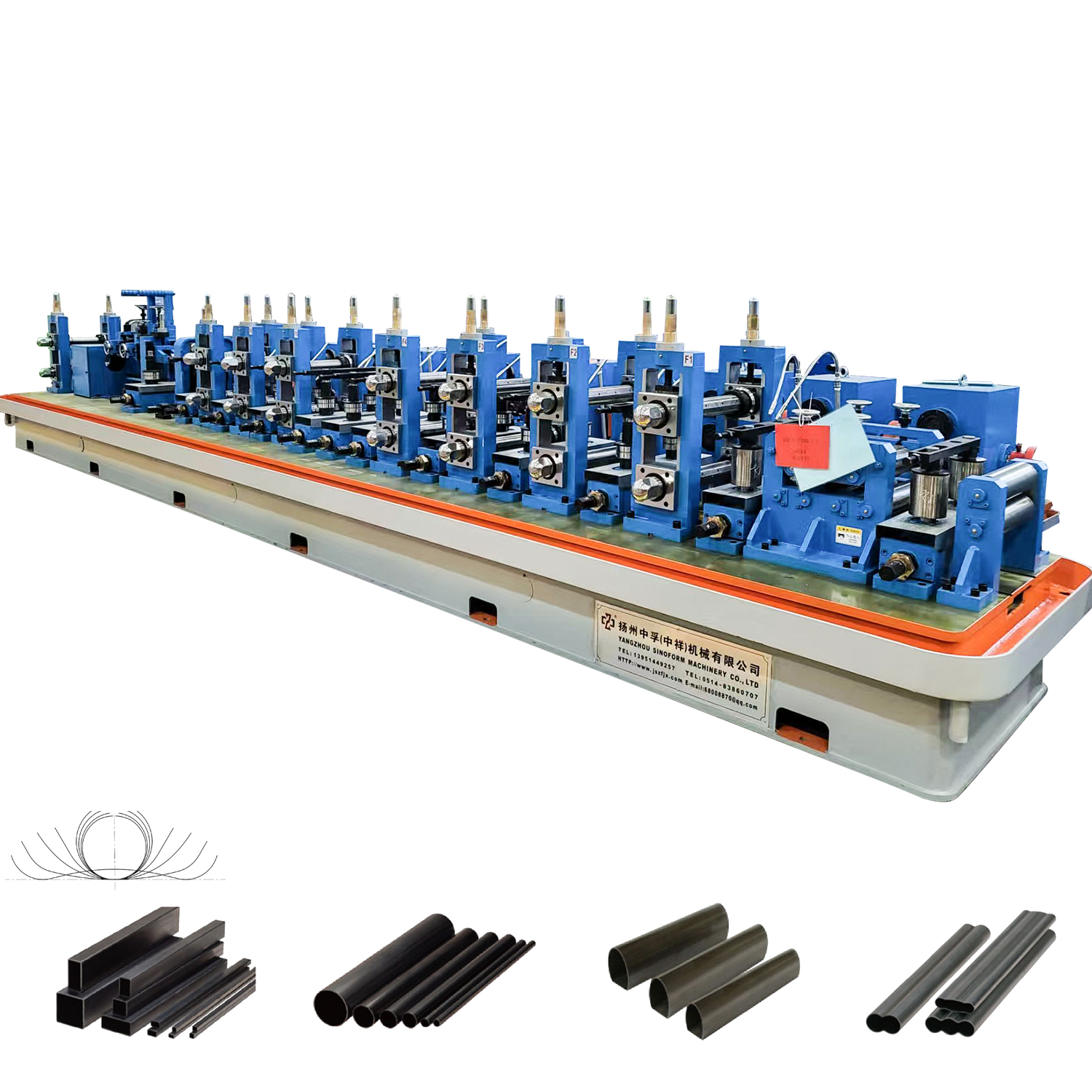 High Precision High-Frequency ERW Tube Mill line
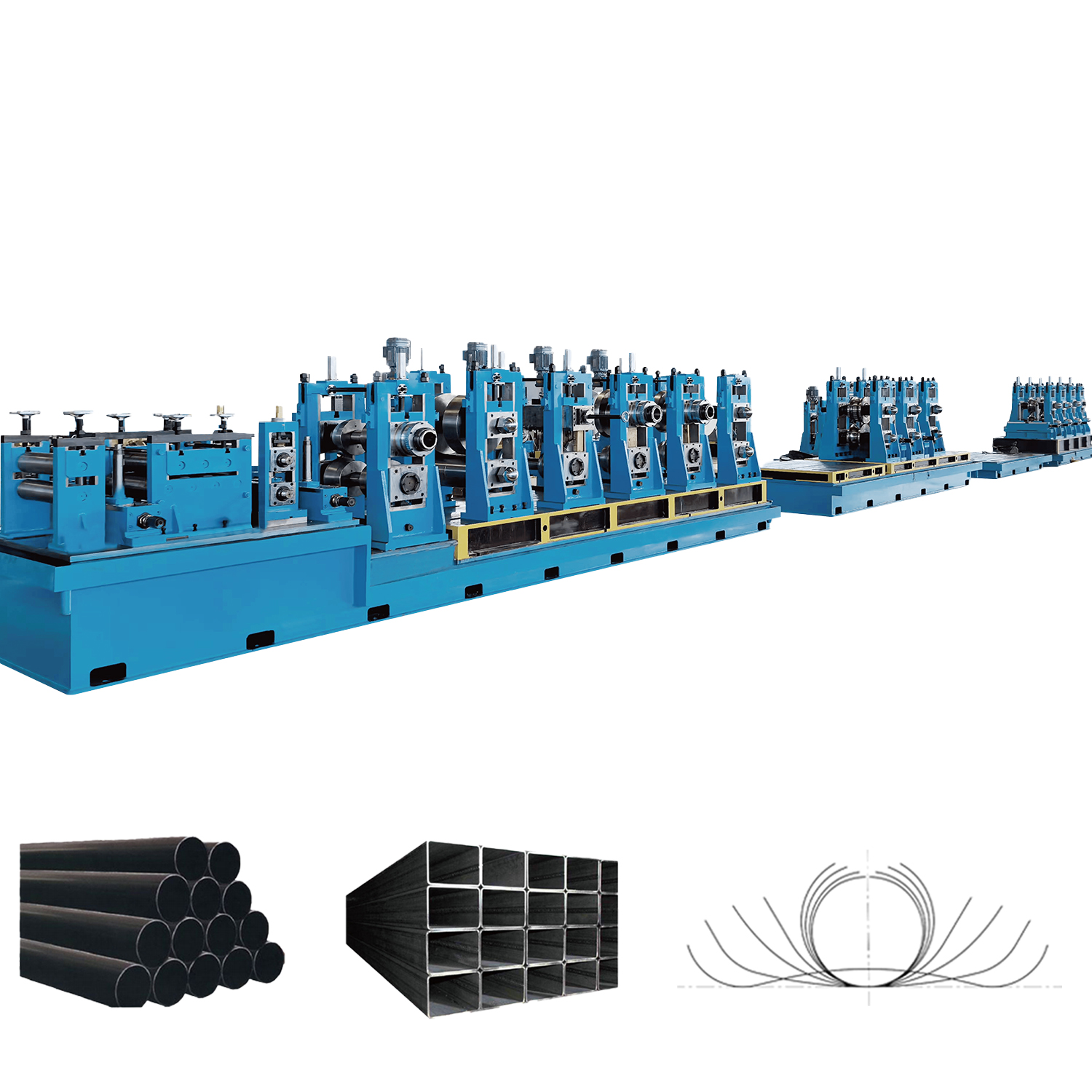 Large ERW tube mill line
Large ERW tube mill line
Large ERW tube mill line
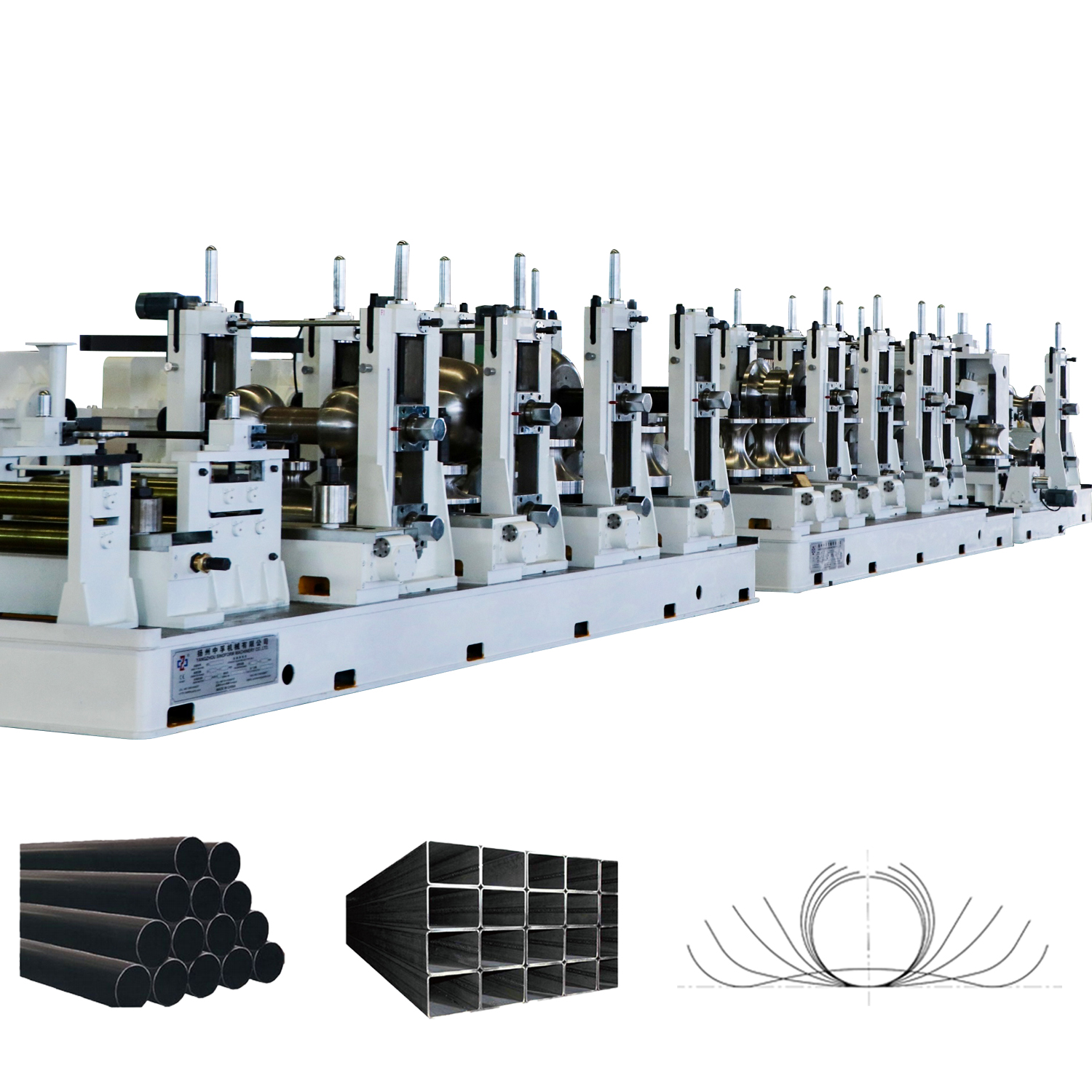 Large ERW tube mill line
Large ERW tube mill line
Large ERW tube mill line
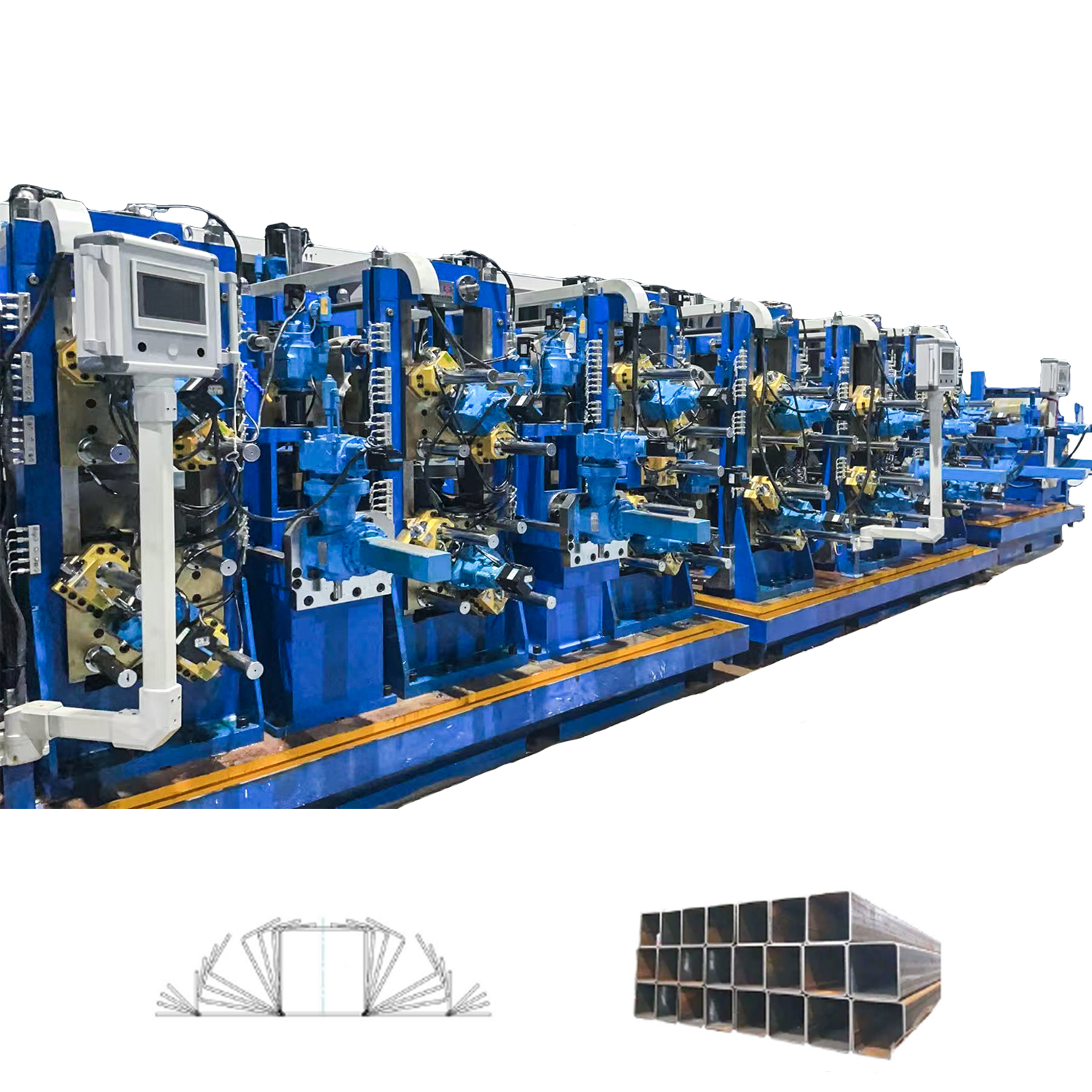 Direct To Square Welded Pipe Production Line
Direct To Square Welded Pipe Production Line
Direct To Square Welded Pipe Production Line
Direct To Square Welded Pipe Production Line
Direct To Square Welded Pipe Production Line

 No.1 Xiangjian Road, Northern
Suburbs Of Yangzhou City,
Jiangsu Province,China
No.1 Xiangjian Road, Northern
Suburbs Of Yangzhou City,
Jiangsu Province,China
 Phone: +86-0514-8363 8877
 E-mail: [email protected]
© Yangzhou SINOFORM Machinery Co., Ltd. Tube Mill Line Manufacturers
Pipe Making Machine Custom
Tube Making Machine Suppliers



 English
 Español
 عربى
عربى русский
 中文简体
中文简体