The Tube Mill Line has become a cornerstone of modern steel pipe production, offering manufacturers the flexibility to produce pipes with various diameters and wall thicknesses. This advanced machinery combines precision engineering with automation technology, enabling steel manufacturers to meet diverse market demands efficiently.
Content
One of the standout features of a Tube Mill Line is its ability to handle a wide range of steel pipe specifications. Depending on the configuration, a tube mill line can produce pipes with diameters ranging from a few millimeters to several hundred millimeters. Wall thicknesses can also vary significantly, from thin-walled pipes used in fluid transport to thick-walled pipes designed for structural applications.
The tube mill line achieves diameter flexibility through adjustable forming rolls and mandrel systems. By changing the roll sets and fine-tuning the machine settings, operators can switch between different pipe diameters without extensive downtime. This is especially useful for manufacturers who need to produce both small-diameter precision tubes and larger structural pipes on the same production line.
Adjusting wall thickness is equally straightforward. The Tube Mill Line uses controlled welding and forming processes to achieve consistent thickness throughout the pipe length. Advanced control systems monitor and adjust the welding speed, roll pressure, and material feed in real-time, ensuring uniform wall thickness even for pipes with unusual specifications.
Traditional pipe production often involves separate machines for different diameters and thicknesses, making transitions time-consuming and costly. In contrast, a modern Tube Mill Line offers several advantages:
These advantages make tube mill lines particularly suitable for industries that require frequent changes in pipe dimensions, such as oil and gas, construction, and mechanical engineering.
The ability of a Tube Mill Line to handle diverse pipe specifications is rooted in its technical features. Key elements include:
Pipes manufactured using a Tube Mill Line find applications across multiple industries:
Investing in a modern Tube Mill Line provides several advantages over traditional pipe manufacturing methods:
While Tube Mill Lines are versatile, certain challenges must be addressed:
Yes, modern tube mill lines are designed to accommodate a wide range of diameters by adjusting forming rolls and mandrels. However, extremely large differences in size may require specialized roll sets or line configurations.
Wall thickness is controlled through a combination of roll pressure, welding speed, and material feed. Advanced control systems allow for real-time monitoring and adjustment, ensuring uniform thickness along the entire pipe length.
Yes, the flexibility of a Tube Mill Line allows operators to switch between different diameters and wall thicknesses with minimal downtime, provided the necessary tooling and roll sets are prepared.
Industries such as oil and gas, construction, mechanical engineering, and water management benefit significantly from the ability to produce pipes of varying sizes and thicknesses efficiently.
Yes, with appropriate welding units and forming technology, tube mill lines can manufacture high-strength steel pipes suitable for demanding industrial applications.
The Tube Mill Line stands out for its versatility in producing steel pipes of different diameters and wall thicknesses. By combining advanced automation, precision forming, and high-quality welding, it enables manufacturers to meet diverse market needs efficiently. Compared to traditional methods, tube mill lines offer superior flexibility, cost-effectiveness, and product quality, making them indispensable for modern steel pipe production.
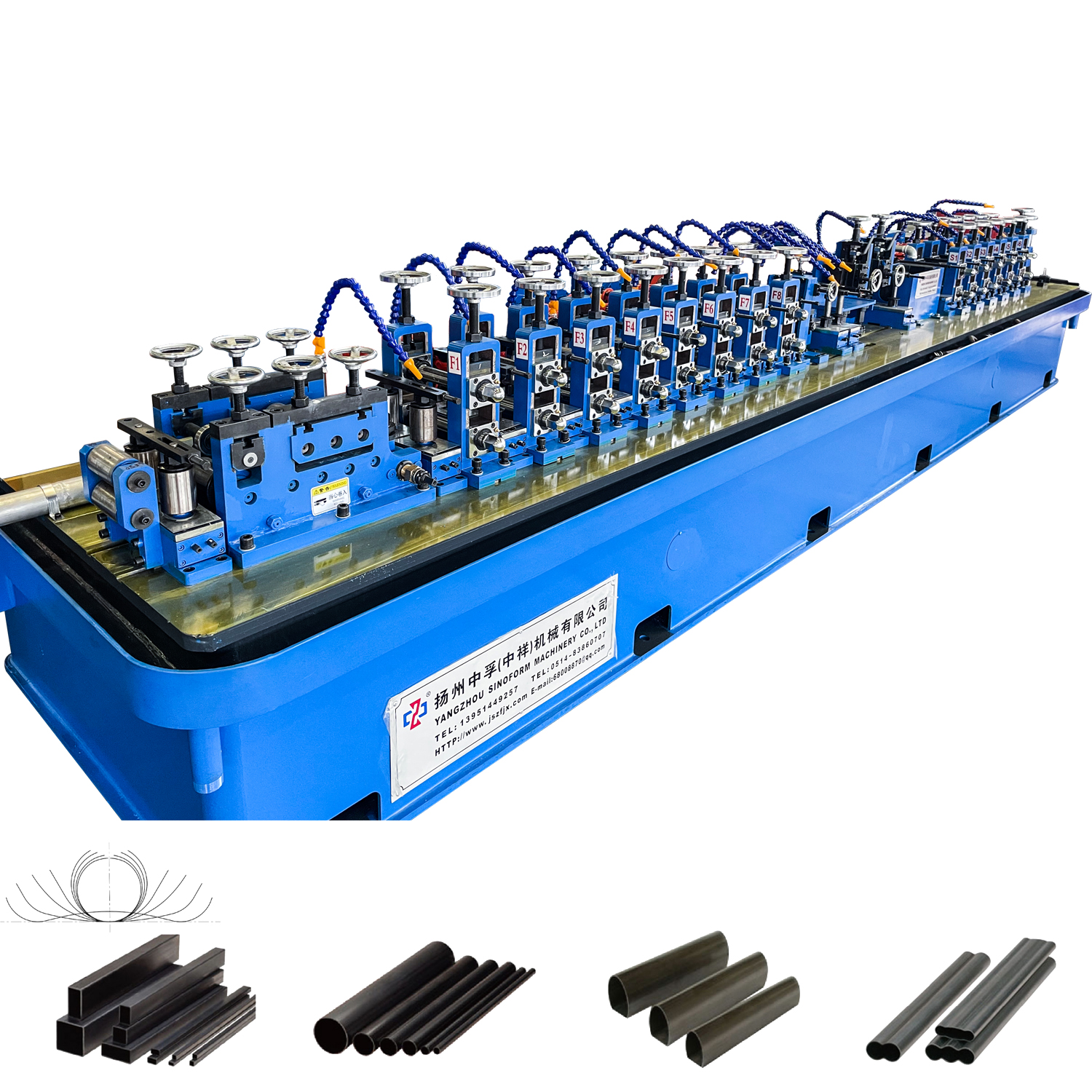 High Precision High-Frequency ERW Tube Mill line
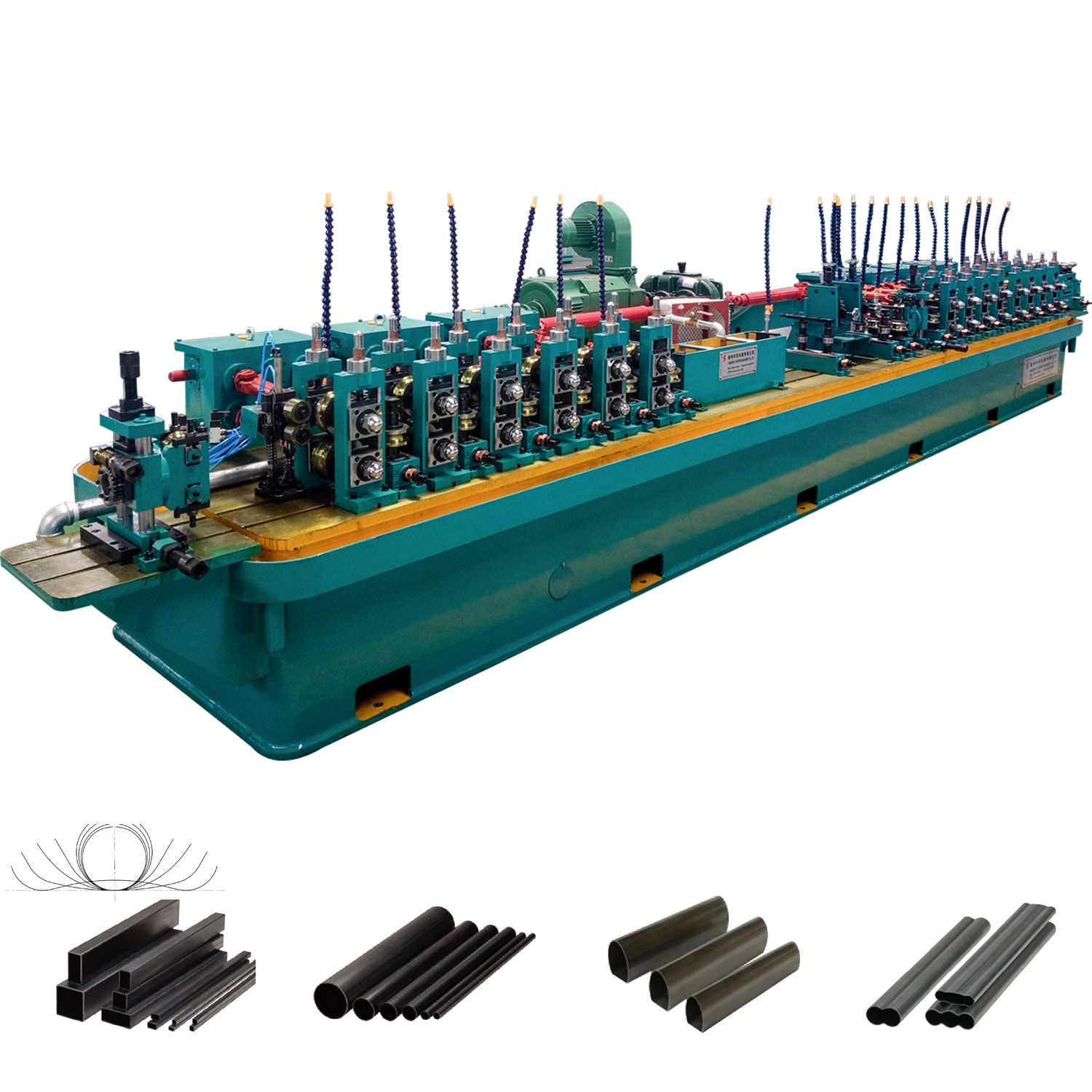 High Precision High-Frequency ERW Tube Mill line
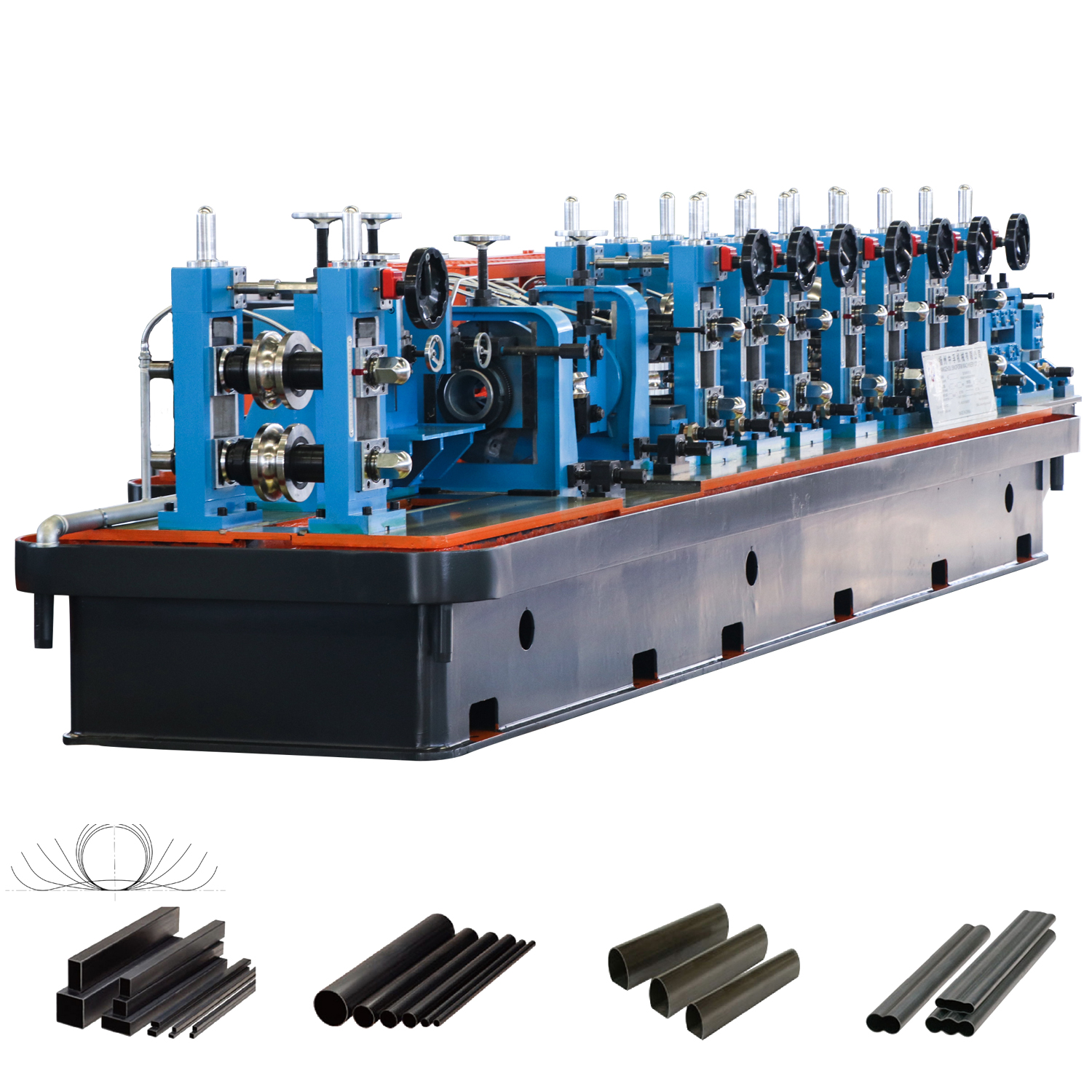 High Precision High-Frequency ERW Tube Mill line
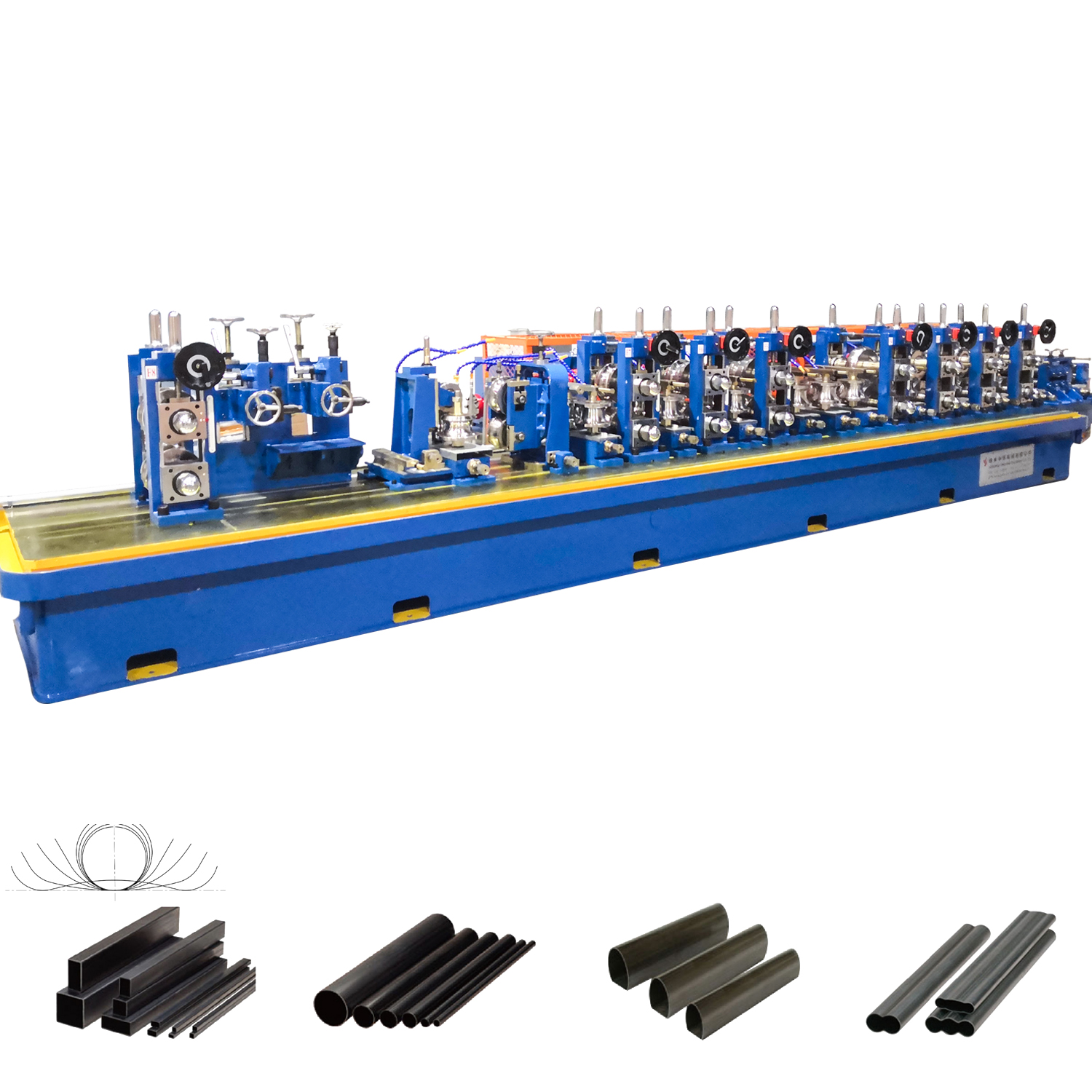 High Precision High-Frequency ERW Tube Mill line
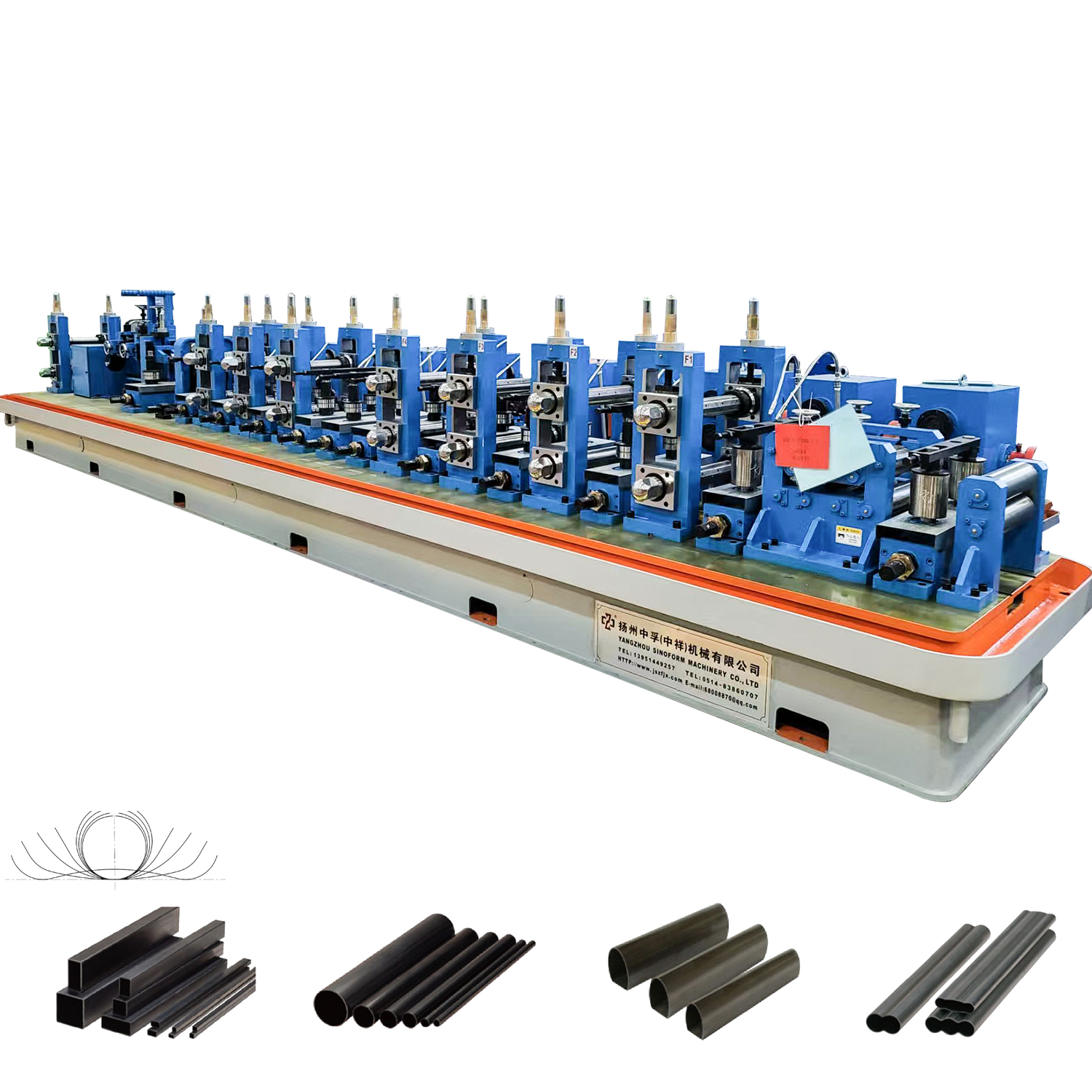 High Precision High-Frequency ERW Tube Mill line
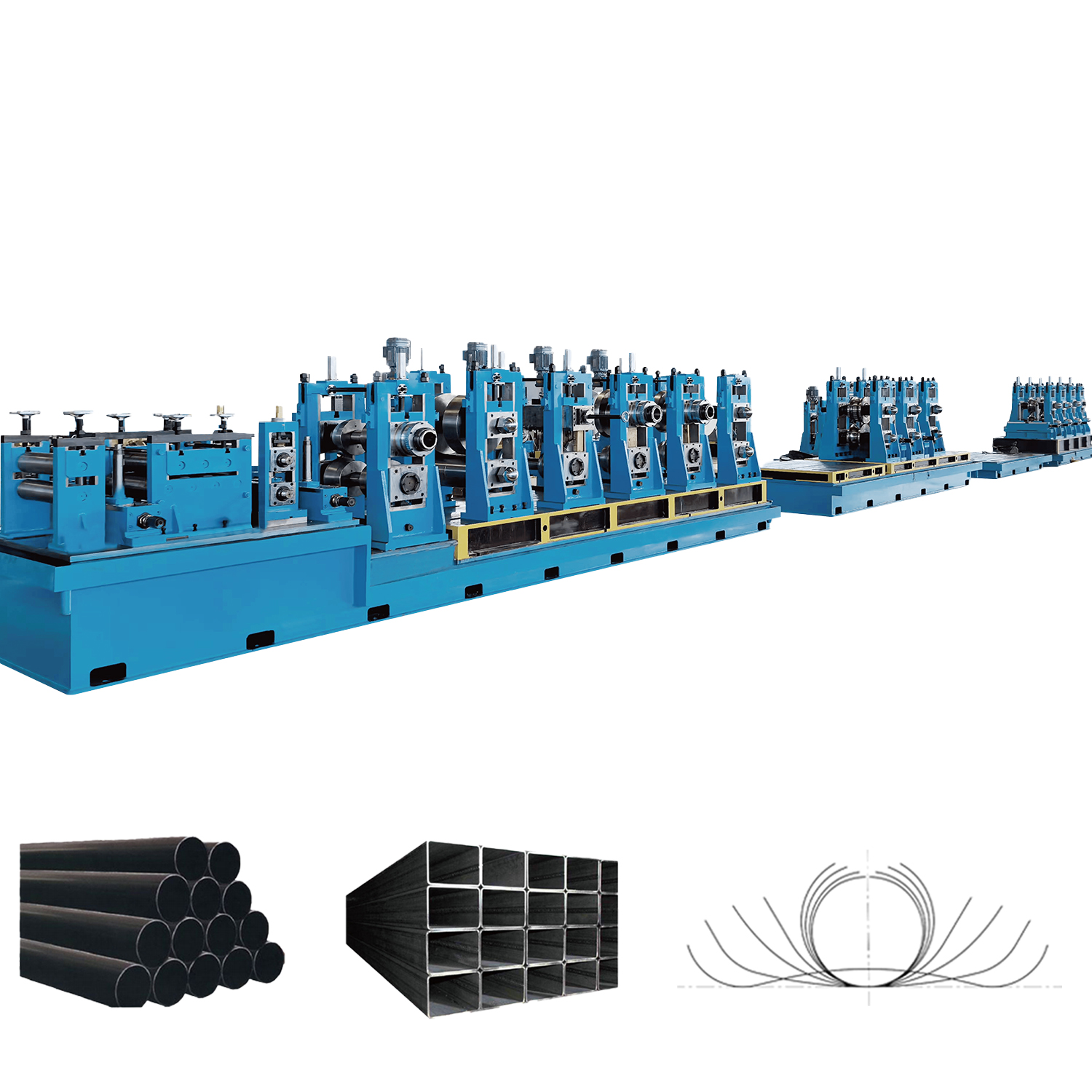 Large ERW tube mill line
Large ERW tube mill line
Large ERW tube mill line
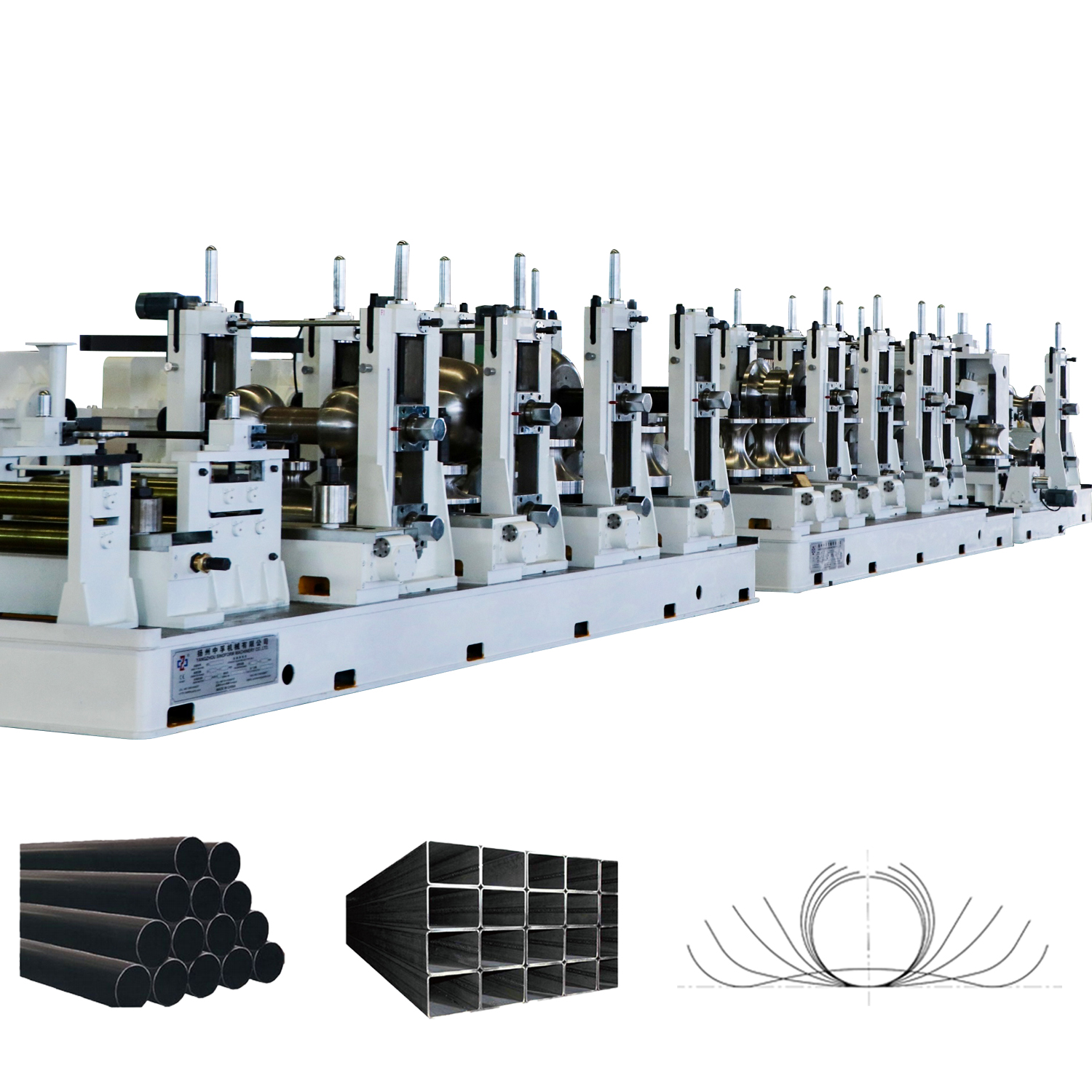 Large ERW tube mill line
Large ERW tube mill line
Large ERW tube mill line
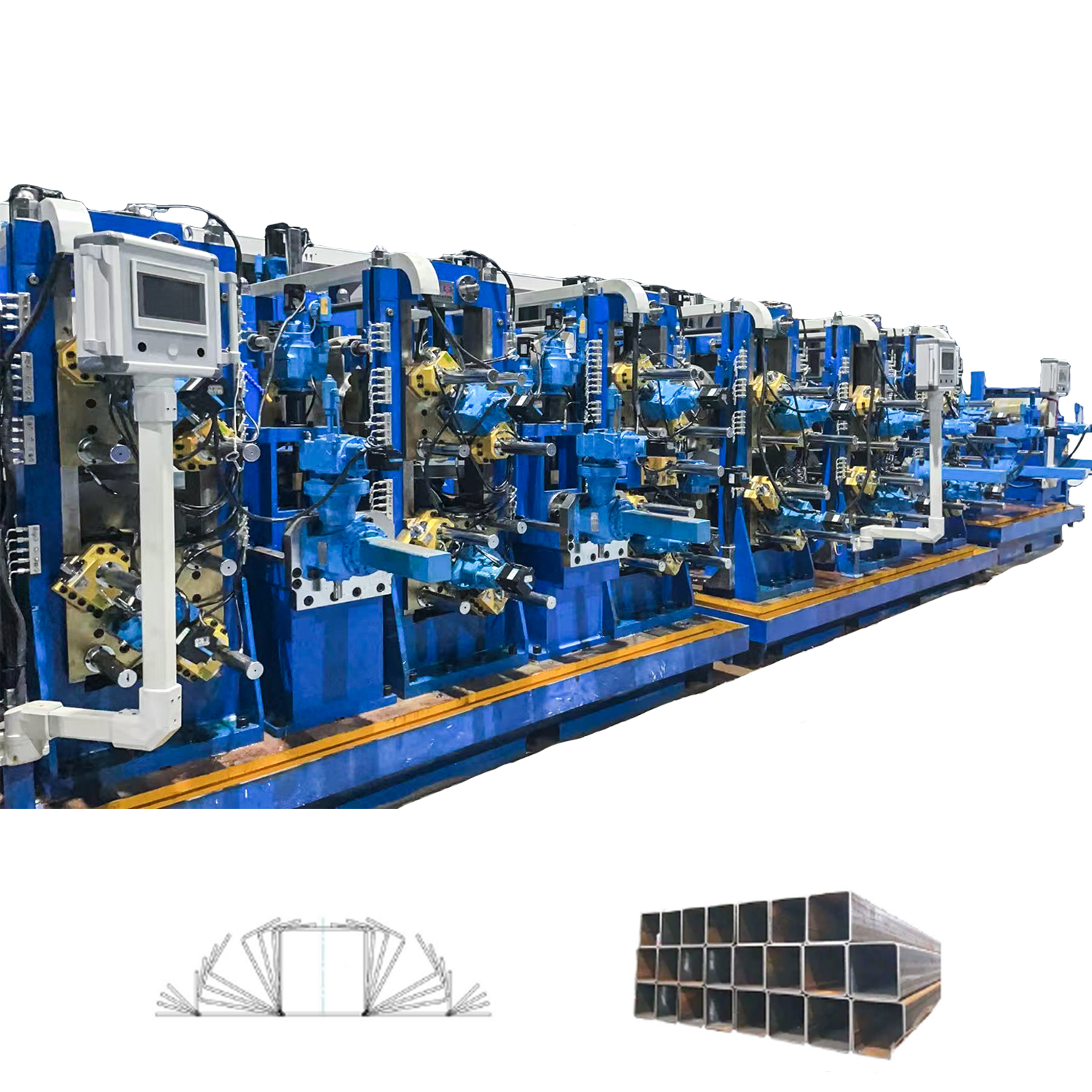 Direct To Square Welded Pipe Production Line
Direct To Square Welded Pipe Production Line
Direct To Square Welded Pipe Production Line
Direct To Square Welded Pipe Production Line
Direct To Square Welded Pipe Production Line

 No.1 Xiangjian Road, Northern
Suburbs Of Yangzhou City,
Jiangsu Province,China
No.1 Xiangjian Road, Northern
Suburbs Of Yangzhou City,
Jiangsu Province,China
 Phone: +86-0514-8363 8877
 E-mail: [email protected]
© Yangzhou SINOFORM Machinery Co., Ltd. Tube Mill Line Manufacturers
Pipe Making Machine Custom
Tube Making Machine Suppliers



 English
 Español
 عربى
عربى русский
 中文简体
中文简体