A Tube Mill Line is a critical production setup in the manufacturing of metal tubes and pipes. It combines advanced machinery and precise processes to convert raw materials such as steel strips into high-quality tubes. Understanding the main components of a Tube Mill Line can help manufacturers optimize efficiency, improve product quality, and reduce downtime.
Content
The uncoiler is the starting point of a Tube Mill Line. It is designed to hold and feed the steel coils into the production line. Key features include:
Compared to older manual feeding systems, modern uncoilers increase line speed and reduce labor costs.
A Tube Mill Line often includes a strip accumulator to balance the difference between uncoiling speed and line processing speed. This component provides temporary storage and ensures a continuous material flow, preventing interruptions in the tube forming process.
The tube forming mill is the core of a Tube Mill Line. It shapes the flat steel strip into a tubular form using a series of rolls. Features include:
Modern forming mills are more flexible compared to older models, allowing manufacturers to produce multiple tube sizes on a single line with minimal downtime.
The welding section is essential for creating a strong seam along the tube. Typically, a Tube Mill Line uses High-Frequency (HF) welding, which provides high-strength and precise welds. Components include:
Compared to older resistance welding methods, HF welding offers faster speeds and superior seam quality, reducing the risk of leaks and failures.
After welding, tubes pass through the sizing mill to achieve precise dimensions. This stage ensures the tubes meet industry standards for diameter, roundness, and wall thickness. Key advantages include:
The cut-to-length system allows the tubes to be cut into desired lengths without stopping the line. A flying cut-off saw synchronizes with tube speed for continuous operation. Features include:
Tubes exiting the mill often require straightening. A straightening unit applies controlled force to correct bending or distortion, ensuring the tubes are ready for storage or shipment.
After welding and sizing, tubes may reach high temperatures. Cooling systems, such as water or air cooling, bring the tubes to manageable temperatures. Conveying systems then transport the finished tubes to the packing or storage area efficiently, minimizing manual handling.
Quality assurance is critical for any Tube Mill Line. Inspection equipment includes:
Advanced systems now offer real-time monitoring, allowing operators to make immediate adjustments and maintain high product quality.
Traditional tube mill lines rely on more manual operations and simpler equipment, often leading to lower speeds and higher labor costs. Modern Tube Mill Lines integrate automation, precise forming rolls, and high-frequency welding, offering several advantages:
The investment in modern equipment pays off through improved throughput, reduced waste, and higher product reliability.
Most commonly, steel strips are used, including carbon steel, stainless steel, and alloy steel. Aluminum and copper strips are also used for specialized applications.
Through the combination of precision forming rolls, sizing mills, and real-time inspection systems, each tube is controlled for diameter, roundness, and wall thickness.
Yes. Modern lines are highly adjustable, allowing operators to change roll configurations, welding settings, and cutting lengths to produce a variety of tube sizes efficiently.
Issues may include seam defects, dimensional inaccuracies, and coil feeding problems. Proper maintenance, real-time monitoring, and operator training help prevent these problems.
Automation ensures continuous operation, precise control of forming and welding, and real-time quality monitoring. This reduces human error, increases production speed, and enhances product consistency.
A Tube Mill Line consists of several interconnected components that work together to transform raw metal strips into finished tubes efficiently. From the uncoiler and forming mill to welding, sizing, cutting, and inspection, each part plays a critical role in ensuring the line operates smoothly and produces high-quality tubes. Investing in modern, automated systems enhances productivity, flexibility, and quality assurance, making it a valuable asset in the tube manufacturing industry.
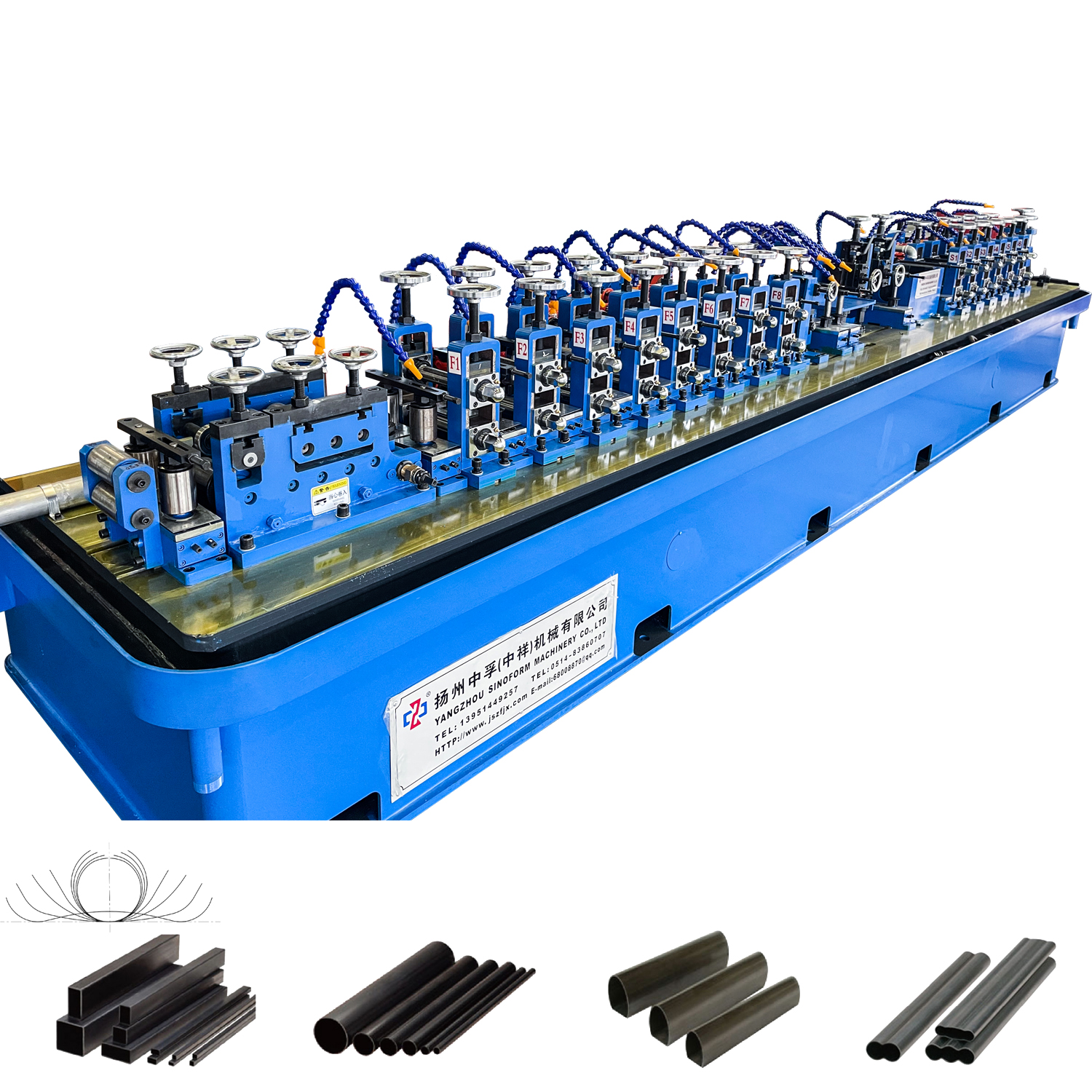 High Precision High-Frequency ERW Tube Mill line
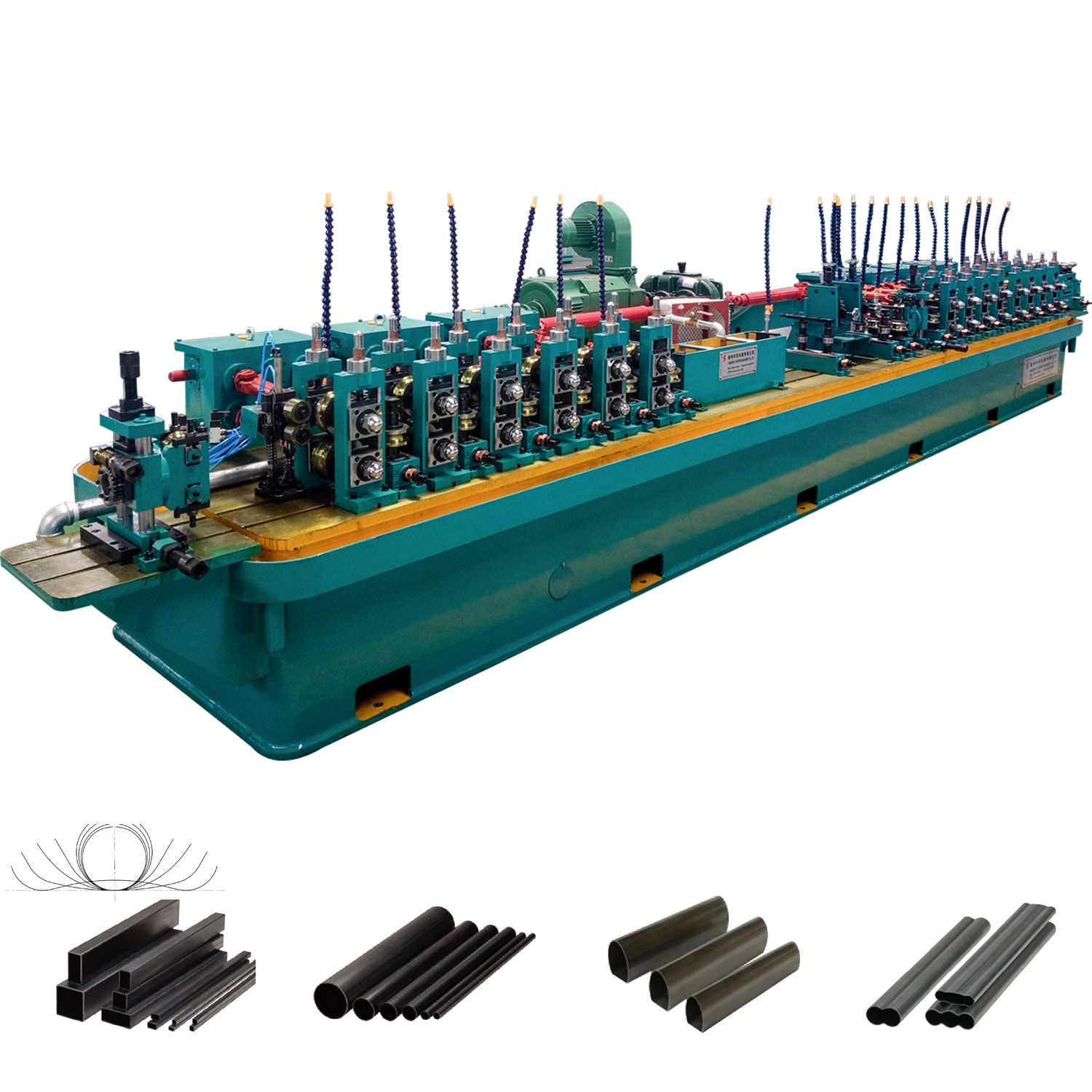 High Precision High-Frequency ERW Tube Mill line
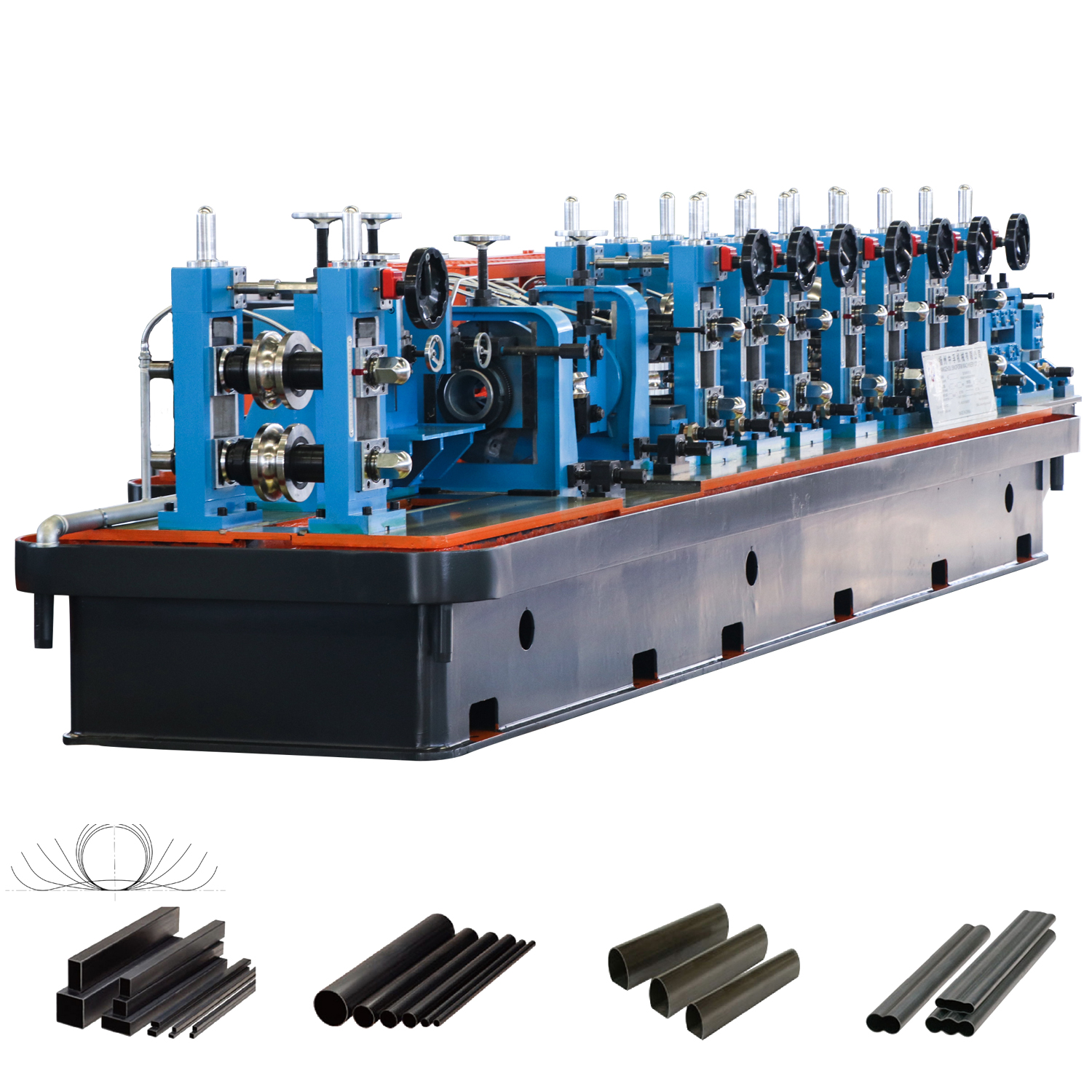 High Precision High-Frequency ERW Tube Mill line
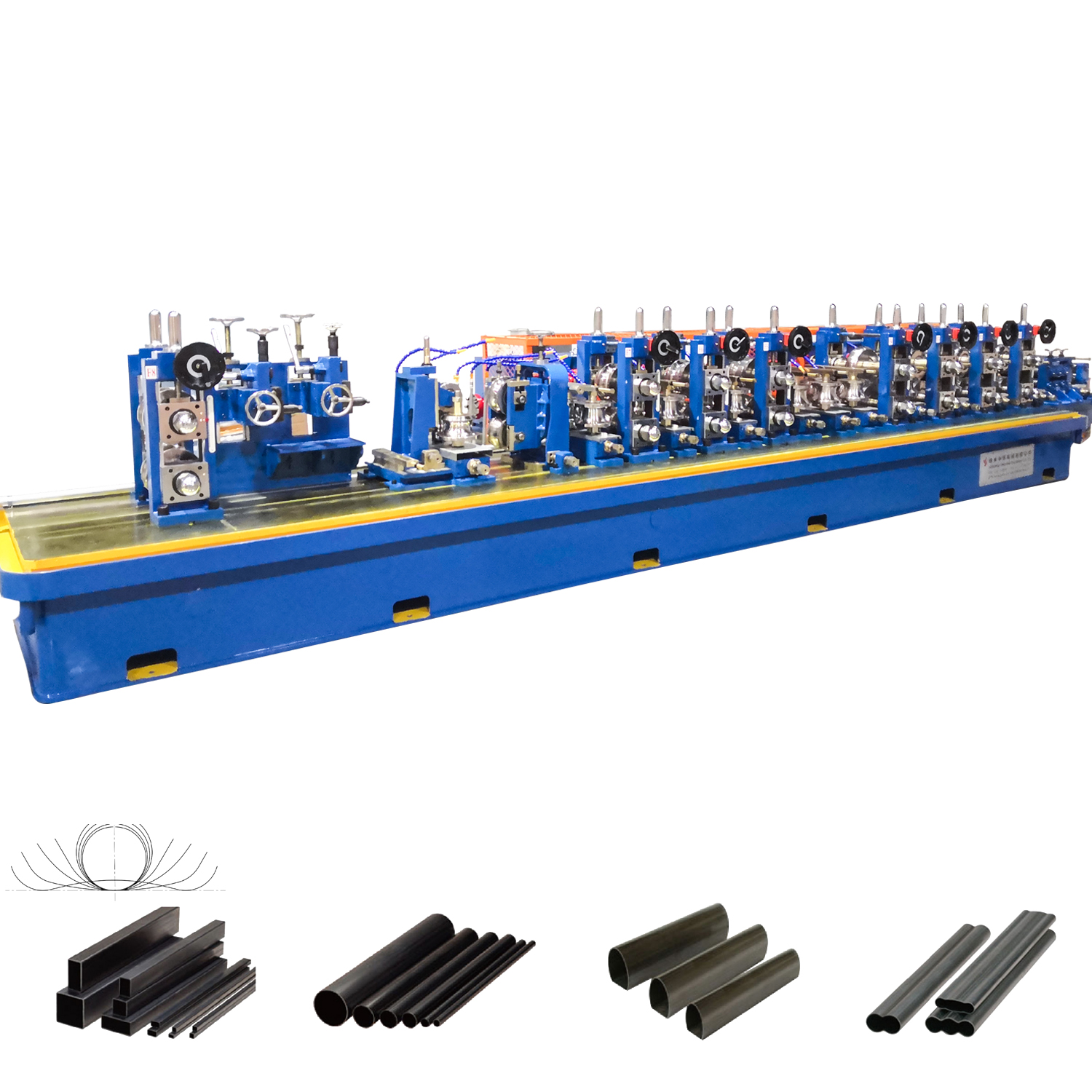 High Precision High-Frequency ERW Tube Mill line
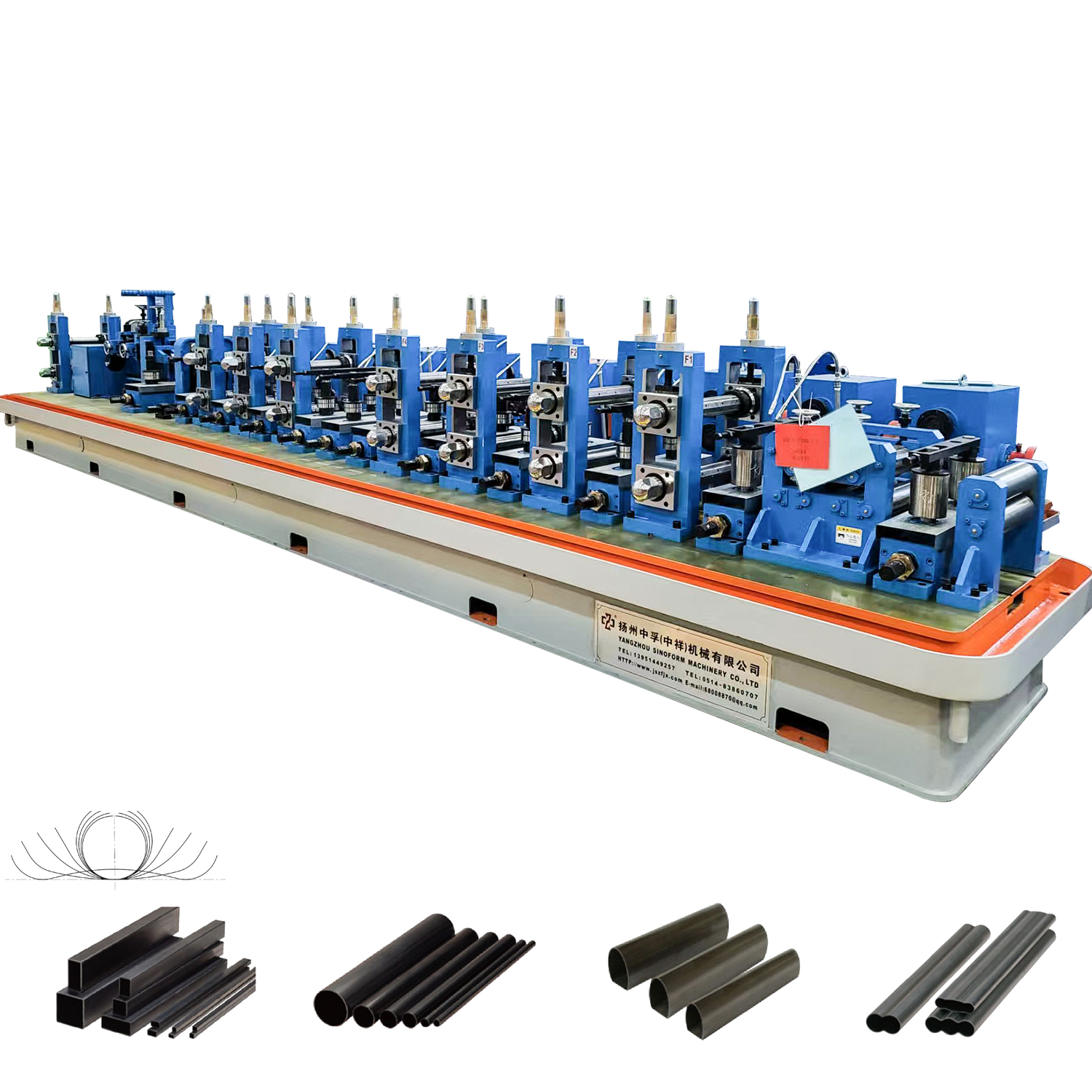 High Precision High-Frequency ERW Tube Mill line
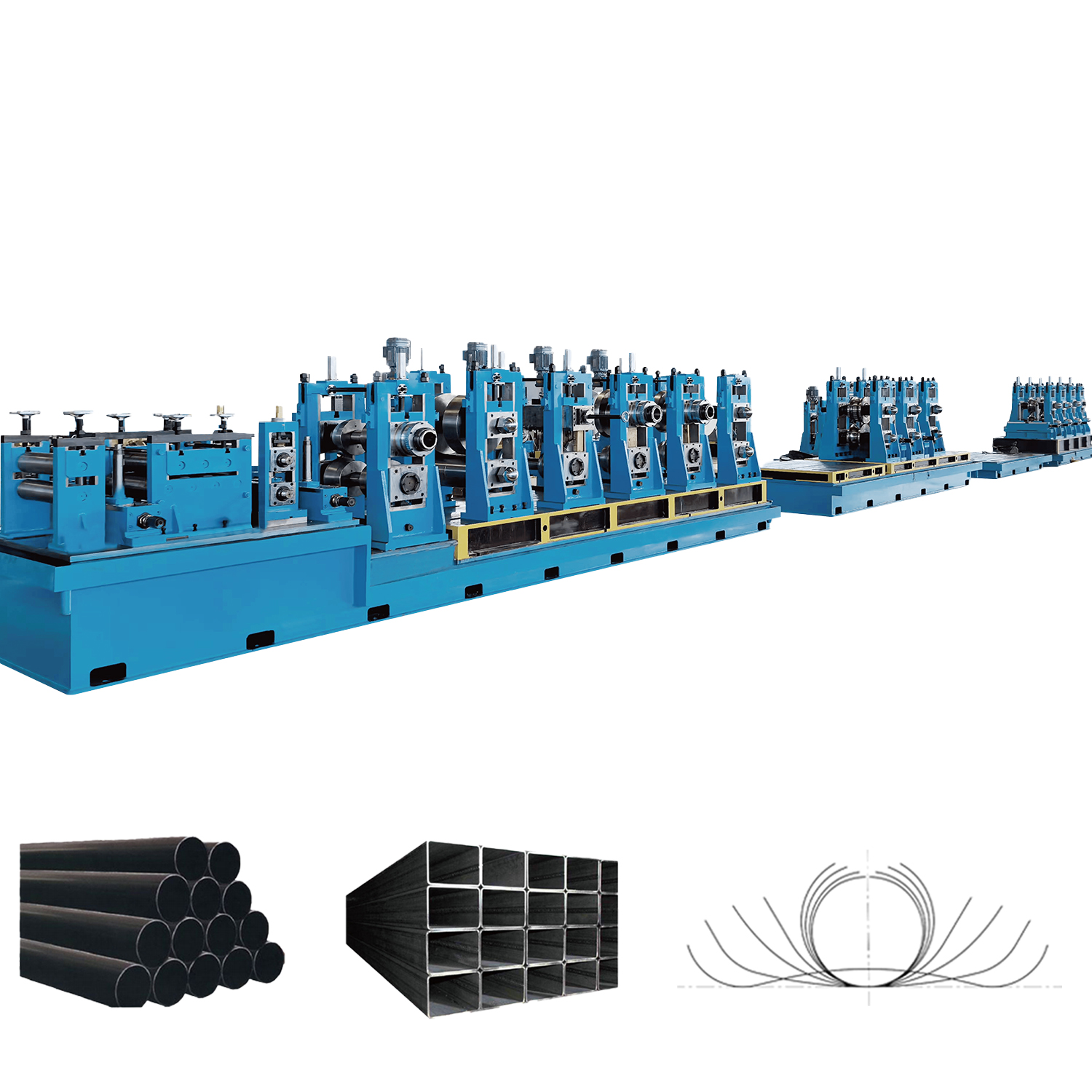 Large ERW tube mill line
Large ERW tube mill line
Large ERW tube mill line
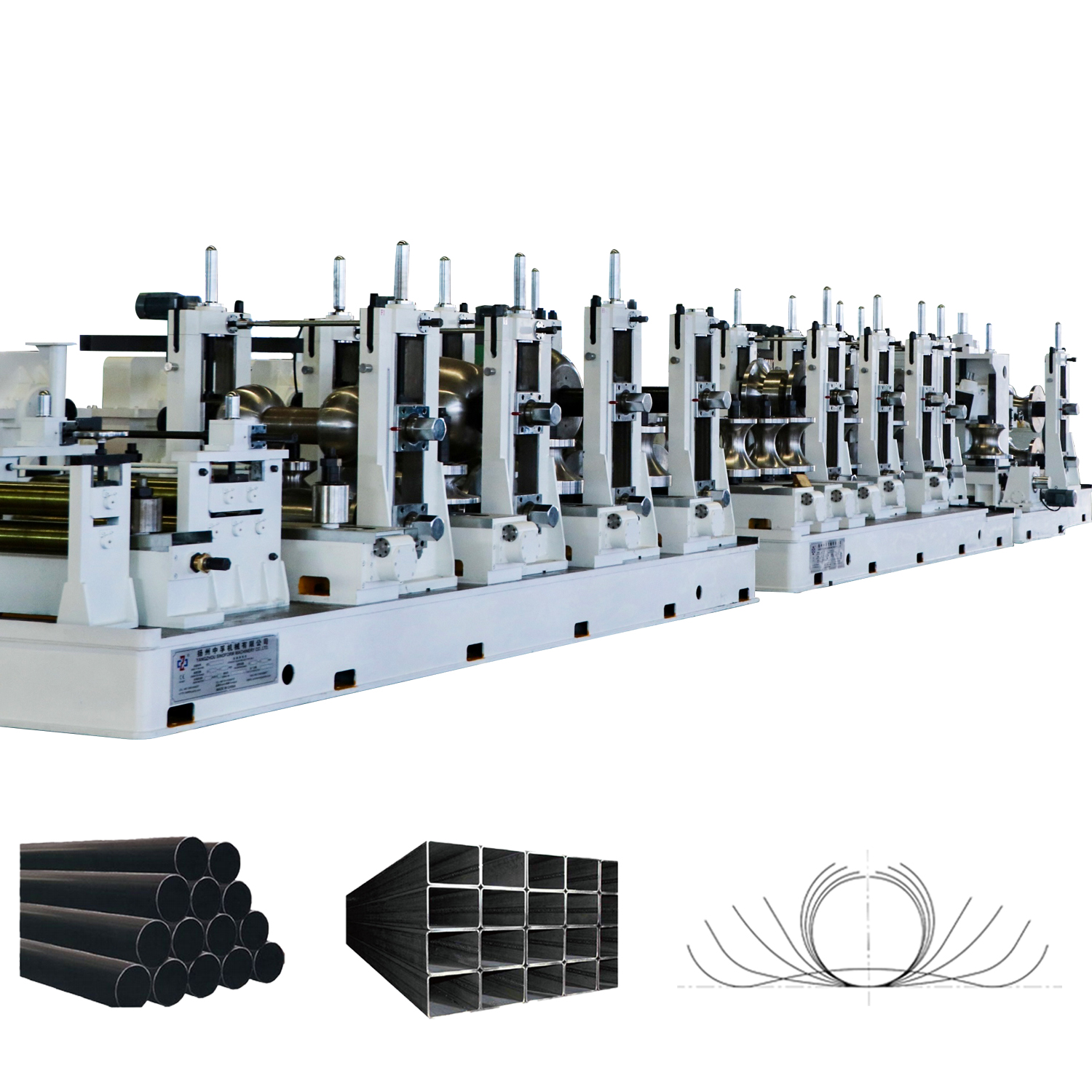 Large ERW tube mill line
Large ERW tube mill line
Large ERW tube mill line
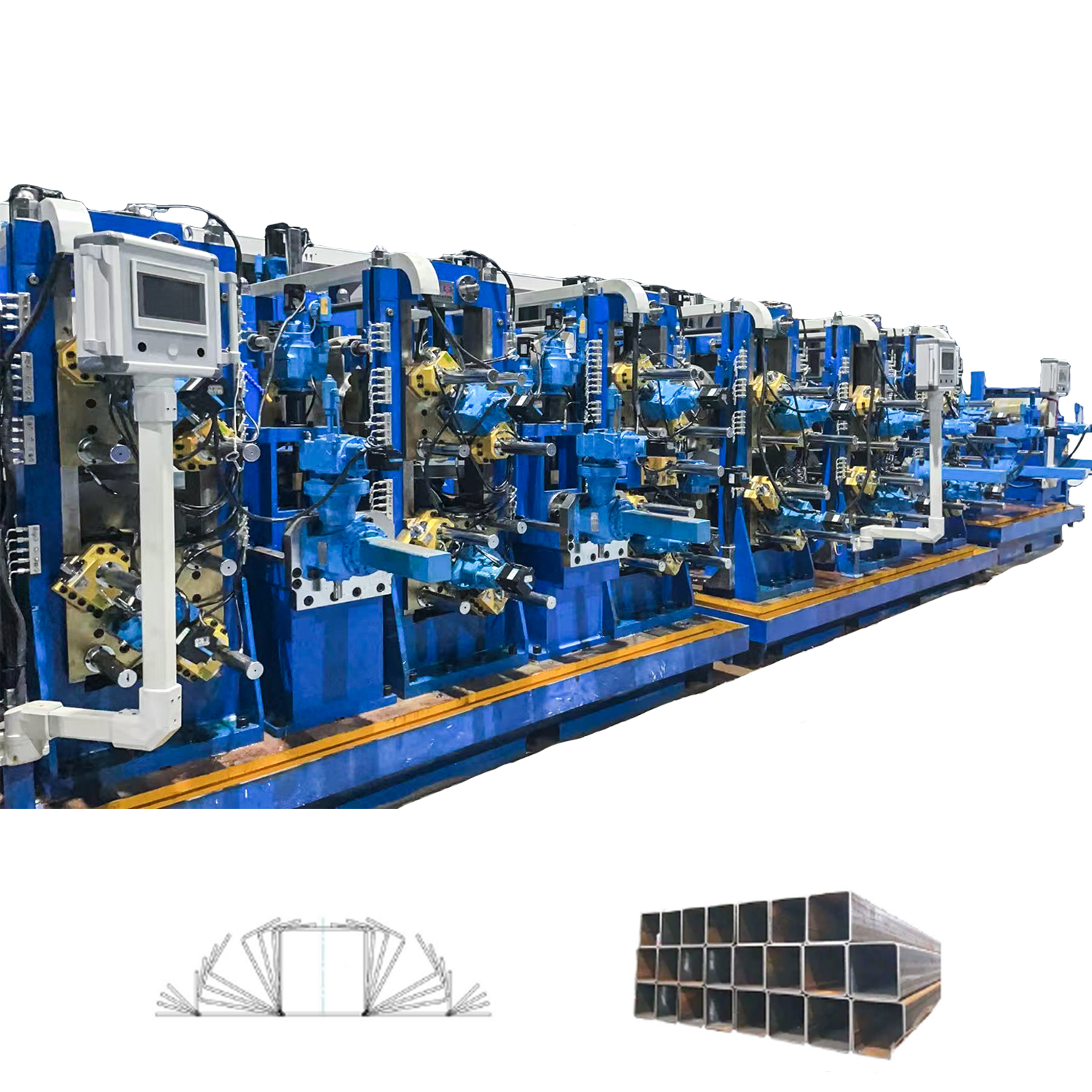 Direct To Square Welded Pipe Production Line
Direct To Square Welded Pipe Production Line
Direct To Square Welded Pipe Production Line
Direct To Square Welded Pipe Production Line
Direct To Square Welded Pipe Production Line

 No.1 Xiangjian Road, Northern
Suburbs Of Yangzhou City,
Jiangsu Province,China
No.1 Xiangjian Road, Northern
Suburbs Of Yangzhou City,
Jiangsu Province,China
 Phone: +86-0514-8363 8877
 E-mail: [email protected]
© Yangzhou SINOFORM Machinery Co., Ltd. Tube Mill Line Manufacturers
Pipe Making Machine Custom
Tube Making Machine Suppliers



 English
 Español
 عربى
عربى русский
 中文简体
中文简体