Welded pipe lines are a critical component in modern industries, playing a crucial role in the transportation of liquids, gases, and solids. With a variety of types available, each suited to specific applications, welded pipes are indispensable in sectors such as oil and gas, construction, water supply, and more.
Content
A welded pipe line is a type of pipe that is manufactured by welding together two metal pieces. The process involves joining the edges of the metal sheets through heat or pressure to form a continuous tube. Welded pipe lines are commonly used in various industries for transporting fluids, gases, and chemicals over long distances or for other purposes like structural support.
The primary benefit of welded pipe lines is their ability to be produced in large diameters, making them suitable for high-volume transportation. The manufacturing process also allows for versatility in terms of material selection, including steel, stainless steel, and carbon steel.
Electric Resistance Welded (ERW) pipes are one of the most common types of welded pipes. They are manufactured by passing a strip of steel through a series of rollers and then applying an electrical current to the edges to join them. The heat generated by the current causes the metal to bond, forming a strong, continuous pipe.
Applications of ERW Pipes:
Submerged Arc Welded (SAW) pipes are produced by the submerged arc welding process, where a consumable electrode is used to melt the metal along the joint, creating a deep and strong weld. The process involves a continuous arc between the electrode and the pipe, which is submerged in a layer of flux to protect the weld from contamination.
Applications of SAW Pipes:
Spiral welded pipes are manufactured by wrapping a steel strip around a mandrel and welding it in a spiral pattern. This type of pipe is particularly useful for producing large-diameter pipes, as the spiral method allows for easy control over the pipe's dimensions.
Applications of Spiral Welded Pipes:
Longitudinally welded pipes are made by welding the edges of a steel strip along its length, creating a straight seam. This method produces pipes with a consistent diameter and strength. The process is highly efficient, making it suitable for mass production.
Applications of Longitudinally Welded Pipes:
High-Frequency Induction Welded (HFIW) pipes are made using a process that involves high-frequency electric current to heat the edges of the pipe. The edges are then pressed together, creating a strong bond. HFIW pipes are known for their superior strength and are commonly used in heavy-duty applications.
Applications of HFIW Pipes:
Each type of welded pipe line has distinct advantages, depending on the specific needs of the application. Here's a quick comparison of the main types:
| Type | Manufacturing Process | Applications | Advantages |
|---|---|---|---|
| ERW Pipes | Electric resistance welding | Oil, gas, water, construction | Cost-effective, suitable for medium pressure |
| SAW Pipes | Submerged arc welding | Heavy-duty transport, petrochemicals | High strength, ideal for high-pressure systems |
| Spiral Welded Pipes | Spiral welding | Large diameter transport, offshore pipelines | Flexibility, suitable for large-diameter pipes |
| Longitudinally Welded Pipes | Longitudinal welding | Automotive, water systems | Consistent dimensions, efficient production |
| HFIW Pipes | High-frequency induction welding | Oil, gas, structural supports | High strength, suitable for heavy-duty applications |
The most common type of welded pipe line is the Electric Resistance Welded (ERW) pipe. This type is widely used in various industries for transporting oil, gas, water, and chemicals.
While both ERW and SAW pipes are welded, the primary difference lies in the manufacturing process. ERW pipes are made by applying an electric current to the edges of the metal strip, whereas SAW pipes are created by submerged arc welding, offering a deeper and stronger weld. SAW pipes are generally used for higher-pressure applications.
Yes, spiral welded pipes are commonly used in high-pressure applications, especially in offshore pipelines, where flexibility and resistance to environmental conditions are essential. However, they are typically used for large-diameter transport rather than for extremely high-pressure systems.
The choice of welded pipe line depends on several factors, including the type of fluid being transported, the required pressure, the pipe diameter, and environmental conditions. Consulting with a piping engineer or manufacturer is crucial to ensure that the appropriate type is selected for your specific needs.
Welded pipe lines are essential in a wide range of industries due to their strength, durability, and versatility. Understanding the different types of welded pipe lines—such as ERW, SAW, spiral welded, longitudinally welded, and HFIW—can help businesses select the right material for their piping
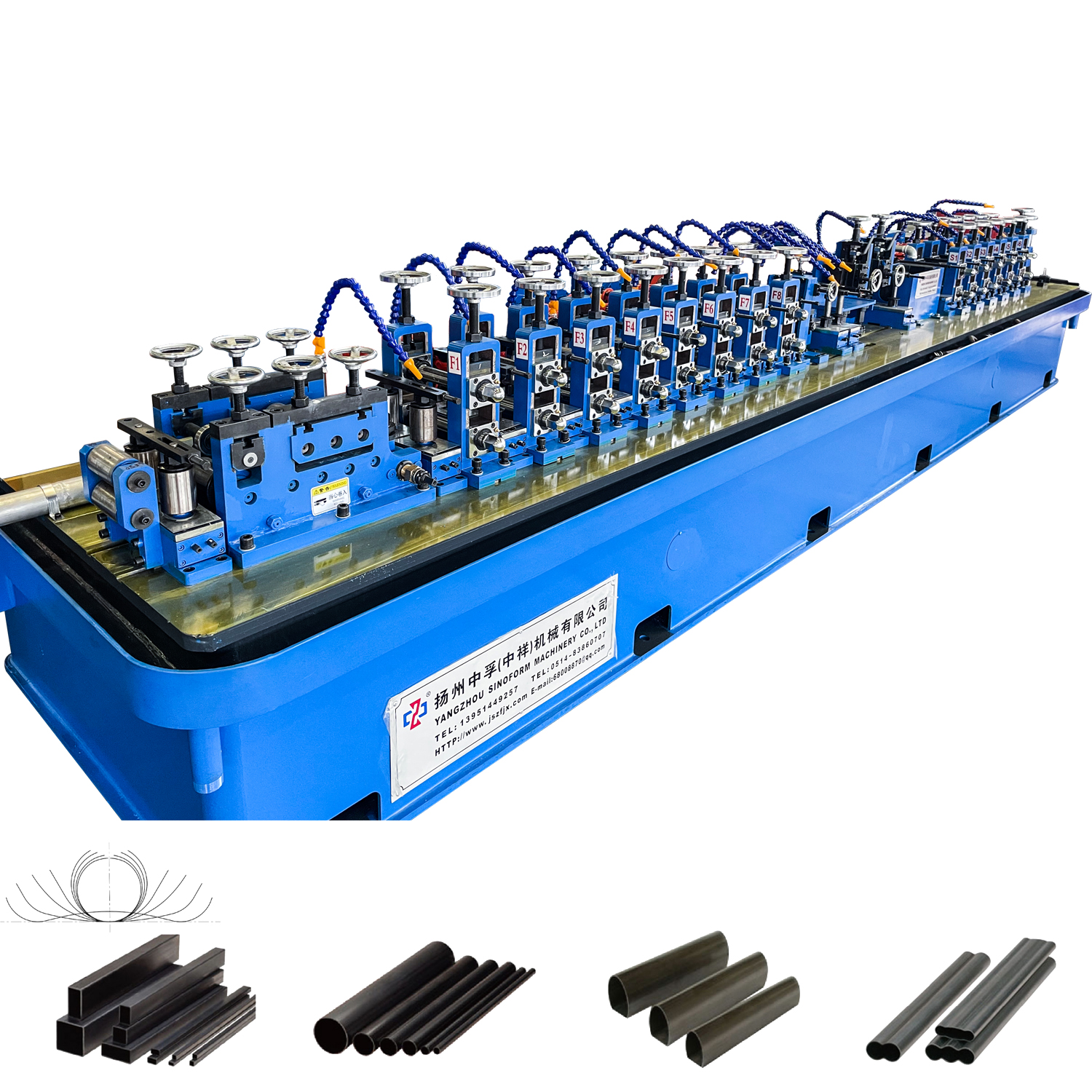 High Precision High-Frequency ERW Tube Mill line
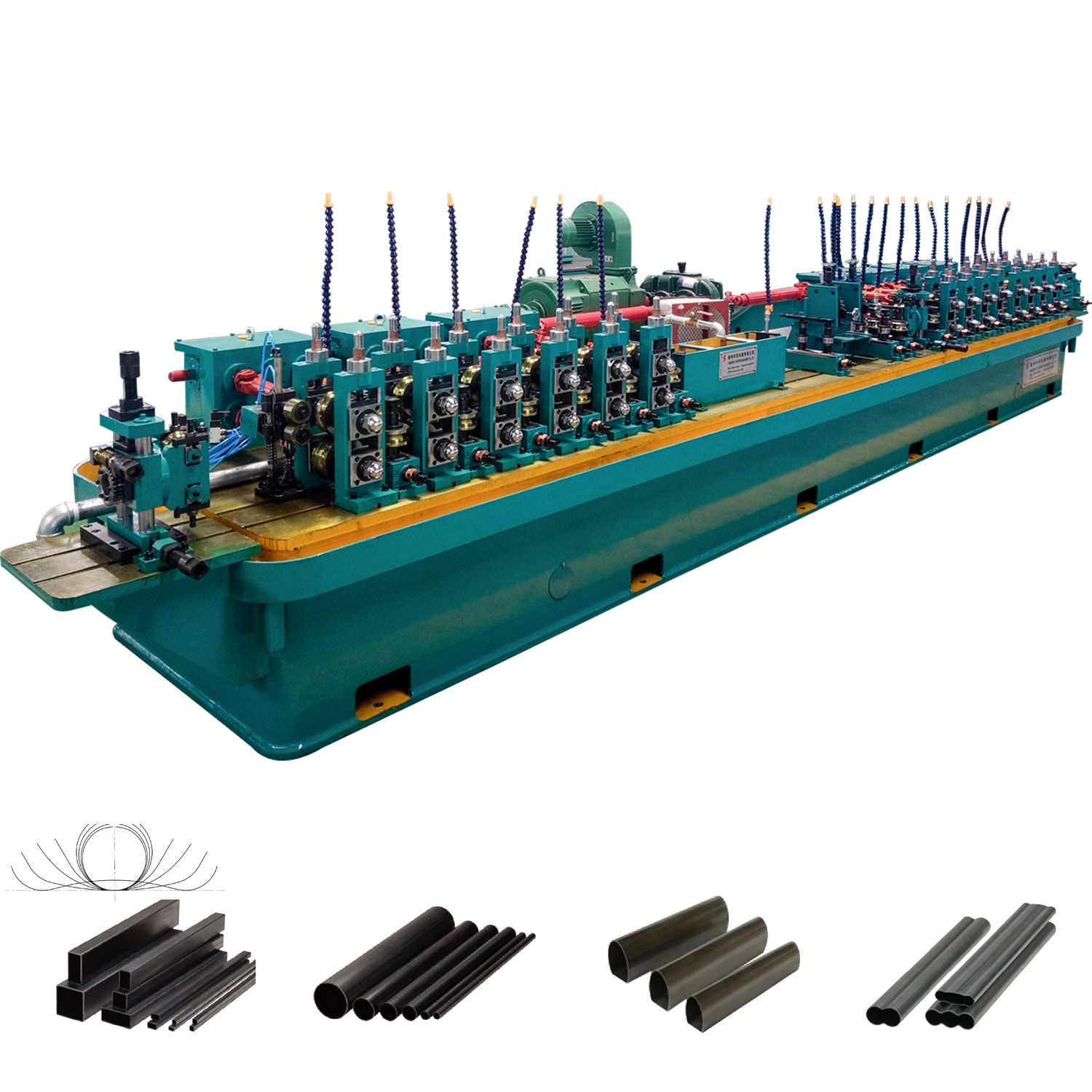 High Precision High-Frequency ERW Tube Mill line
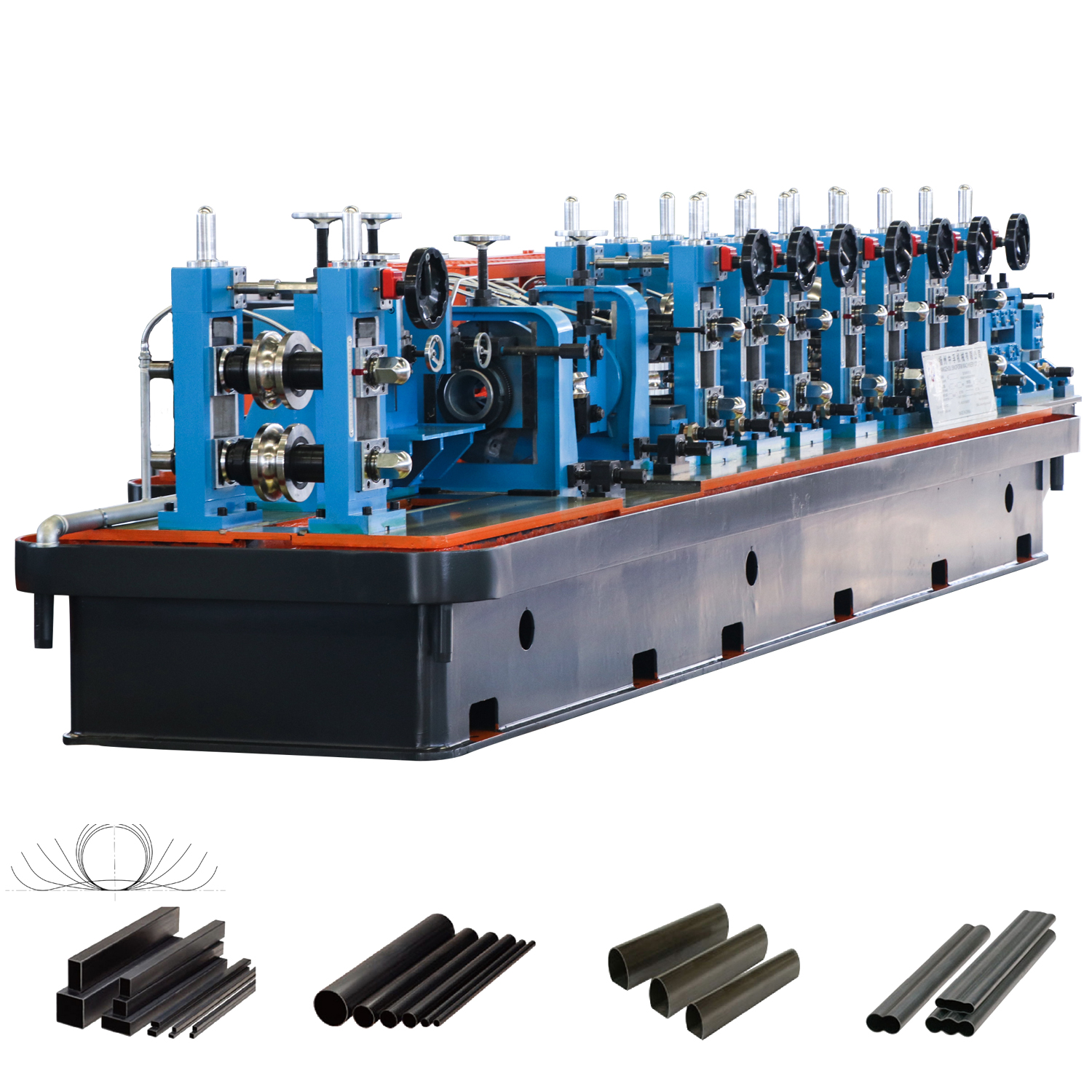 High Precision High-Frequency ERW Tube Mill line
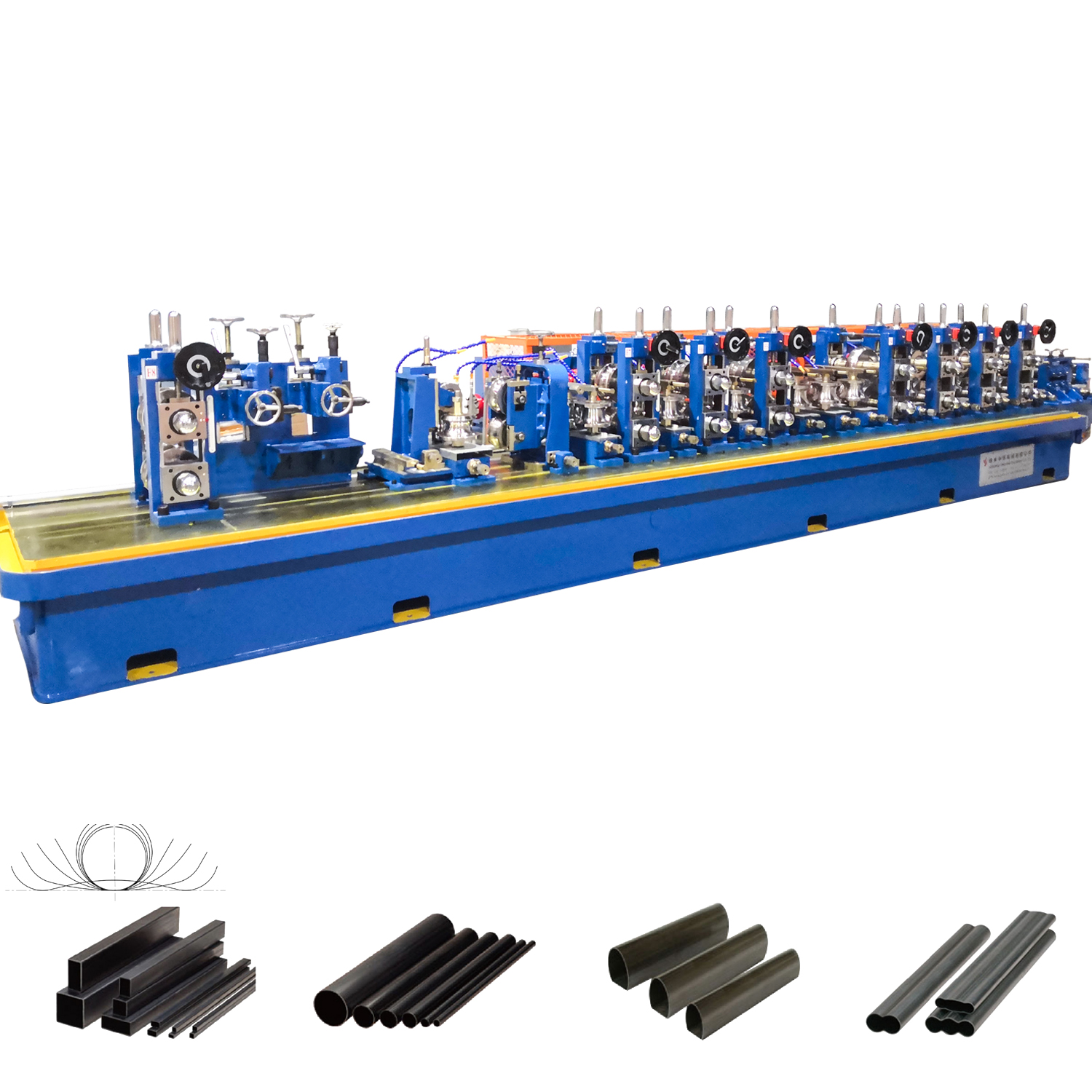 High Precision High-Frequency ERW Tube Mill line
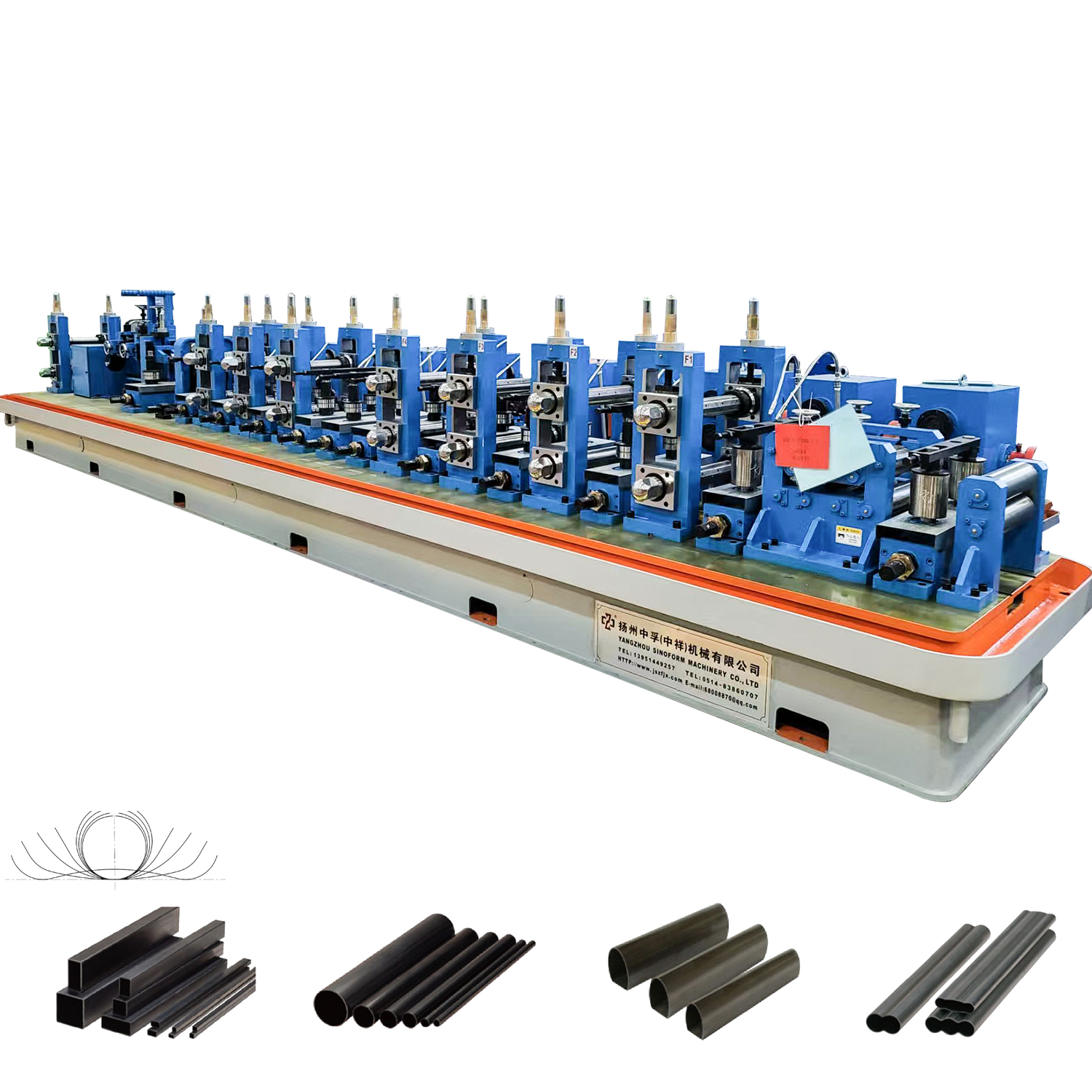 High Precision High-Frequency ERW Tube Mill line
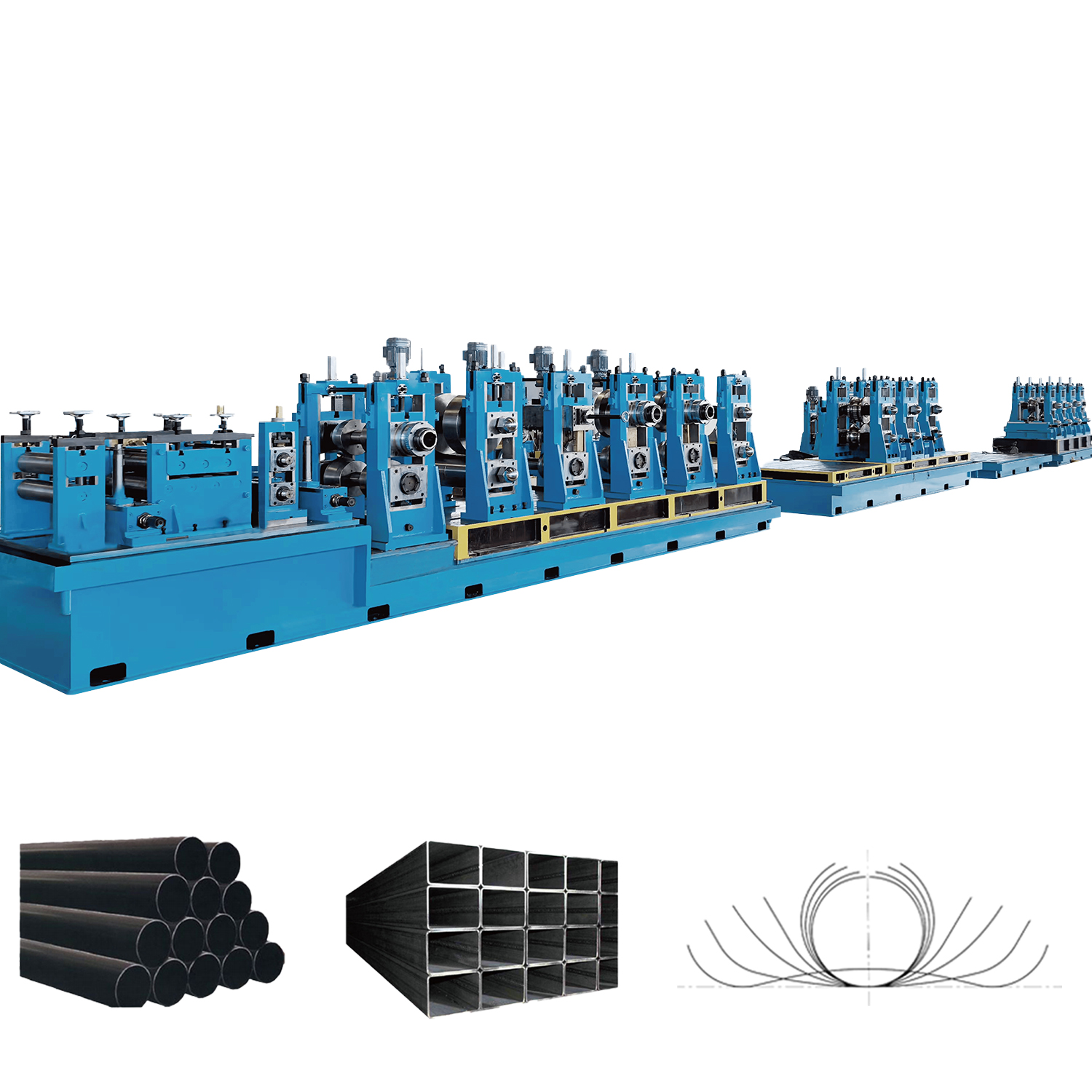 Large ERW tube mill line
Large ERW tube mill line
Large ERW tube mill line
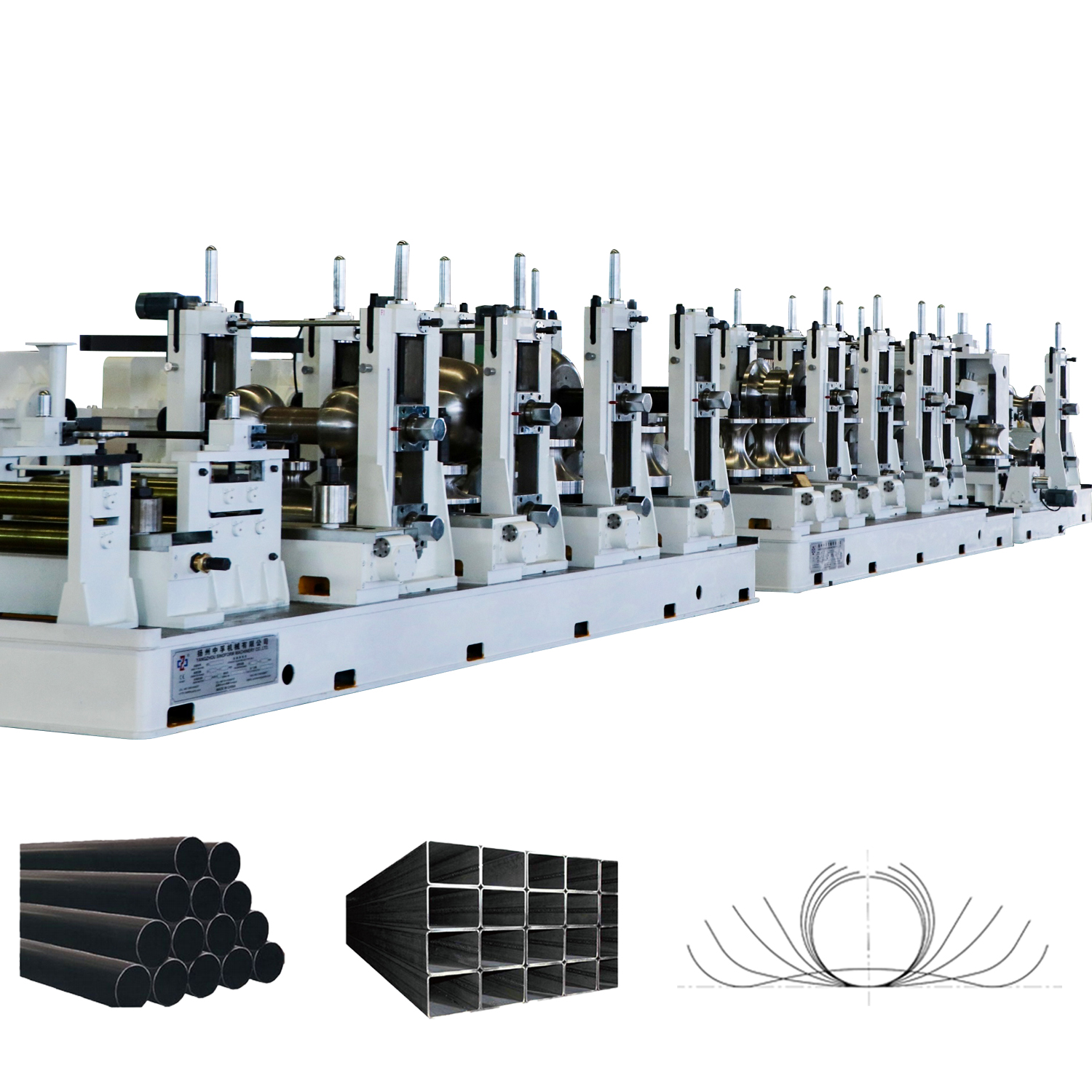 Large ERW tube mill line
Large ERW tube mill line
Large ERW tube mill line
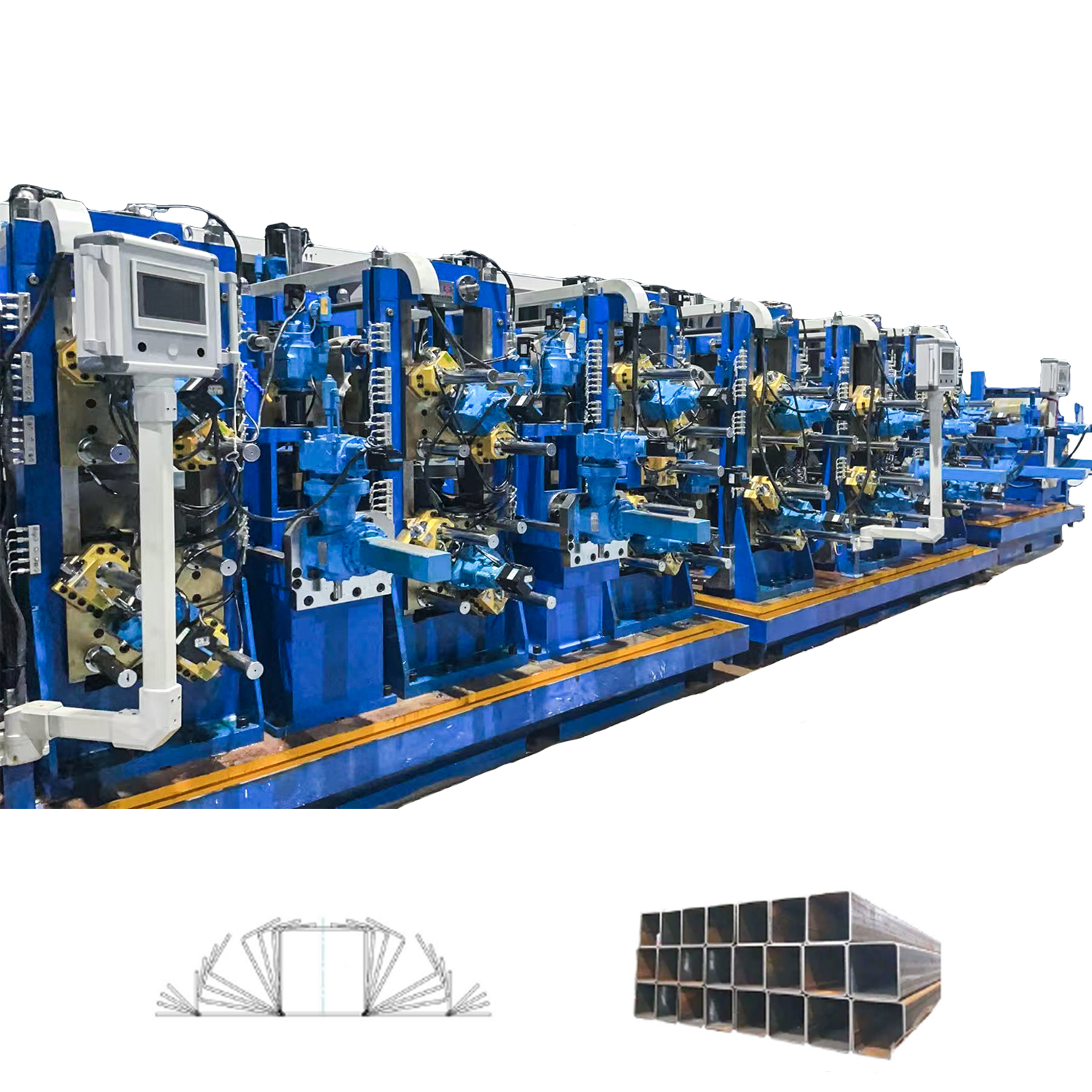 Direct To Square Welded Pipe Production Line
Direct To Square Welded Pipe Production Line
Direct To Square Welded Pipe Production Line
Direct To Square Welded Pipe Production Line
Direct To Square Welded Pipe Production Line

 No.1 Xiangjian Road, Northern
Suburbs Of Yangzhou City,
Jiangsu Province,China
No.1 Xiangjian Road, Northern
Suburbs Of Yangzhou City,
Jiangsu Province,China
 Phone: +86-0514-8363 8877
 E-mail: [email protected]
© Yangzhou SINOFORM Machinery Co., Ltd. Tube Mill Line Manufacturers
Pipe Making Machine Custom
Tube Making Machine Suppliers



 English
 Español
 عربى
عربى русский
 中文简体
中文简体