The choice between Welded Pipe Line and seamless pipes is critical in industries ranging from oil and gas to construction and water supply. Each type of pipe has unique characteristics, but welded pipes have emerged as a preferred solution in many applications due to their versatility, cost-effectiveness, and structural advantages.
Content
A welded pipe line is produced by rolling metal sheets or plates into a cylindrical shape and then welding the seam longitudinally or spirally. In contrast, seamless pipes are manufactured by extruding a solid billet over a mandrel to create a hollow tube without any joints.
The manufacturing difference is crucial because it directly impacts cost, size flexibility, mechanical properties, and installation requirements.
One of the primary advantages of a welded pipe line is its affordability. Welded pipes require less raw material than seamless pipes and are easier to produce in large diameters. The reduced production cost makes them suitable for large-scale infrastructure projects such as pipelines and water transmission systems.
Welded pipes can be manufactured in diameters exceeding 1000 mm, which is challenging for seamless pipes due to limitations in extrusion technology. This advantage makes welded pipes ideal for high-capacity oil, gas, and water pipelines.
Modern welding technology allows precise control over wall thickness in welded pipe lines. This ensures consistent strength throughout the pipe length, which is critical in high-pressure applications.
Welded pipes offer greater flexibility in length and can be produced in custom sizes to match specific project requirements. Seamless pipes are generally limited in length due to production constraints.
Contrary to old misconceptions, high-quality welded pipes with advanced welding techniques are comparable in strength to seamless pipes. They are highly durable and can handle high-pressure applications, particularly when the welding process includes heat treatment and stress relieving.
| Feature | Welded Pipe Line | Seamless Pipes |
| Production Cost | Lower, more cost-effective | Higher due to complex extrusion |
| Size Availability | Customizable, larger diameters possible | Limited by billet size |
| Wall Thickness Consistency | Highly uniform due to controlled welding | Consistent but limited by extrusion precision |
| Strength | Comparable with proper welding and treatment | Inherent strength, no seam |
| Applications | Pipelines, water transmission, structural projects | High-pressure systems, boilers, critical engineering |
Welded Pipe Line is widely used across multiple industries:
Welded pipes offer additional benefits during installation and maintenance:
Producing welded pipe line generally requires less energy and raw material than seamless pipes, making it a more environmentally sustainable choice. The cost savings in production and installation also contribute to reduced overall project expenditure, making welded pipes an economically attractive option.
Yes, when produced with modern welding technologies and proper heat treatment, welded pipes can achieve mechanical strength comparable to seamless pipes.
The manufacturing process for welded pipes is simpler and requires less raw material, especially for large-diameter pipes, reducing overall production costs.
Absolutely. Advanced welded pipes, especially those using submerged arc welding (SAW), are suitable for high-pressure and critical applications.
Industries such as oil and gas, water supply, construction, and chemical processing often choose welded pipes for their cost-effectiveness, size flexibility, and ease of installation.
Welded pipes are easier to repair on-site since damaged sections can be replaced with minimal disruption. Seamless pipes may require more specialized handling for repairs.
Welded Pipe Line offers a practical, cost-effective, and versatile alternative to seamless pipes for many industrial applications. Its advantages include affordability, large size availability, wall thickness uniformity, installation flexibility, and comparable strength. With modern manufacturing techniques, welded pipes can reliably handle high-pressure applications while offering environmental and economic benefits. The choice of welded versus seamless pipes ultimately depends on the specific requirements of a project, but welded pipes provide a robust, adaptable, and efficient solution for most large-scale industrial needs.
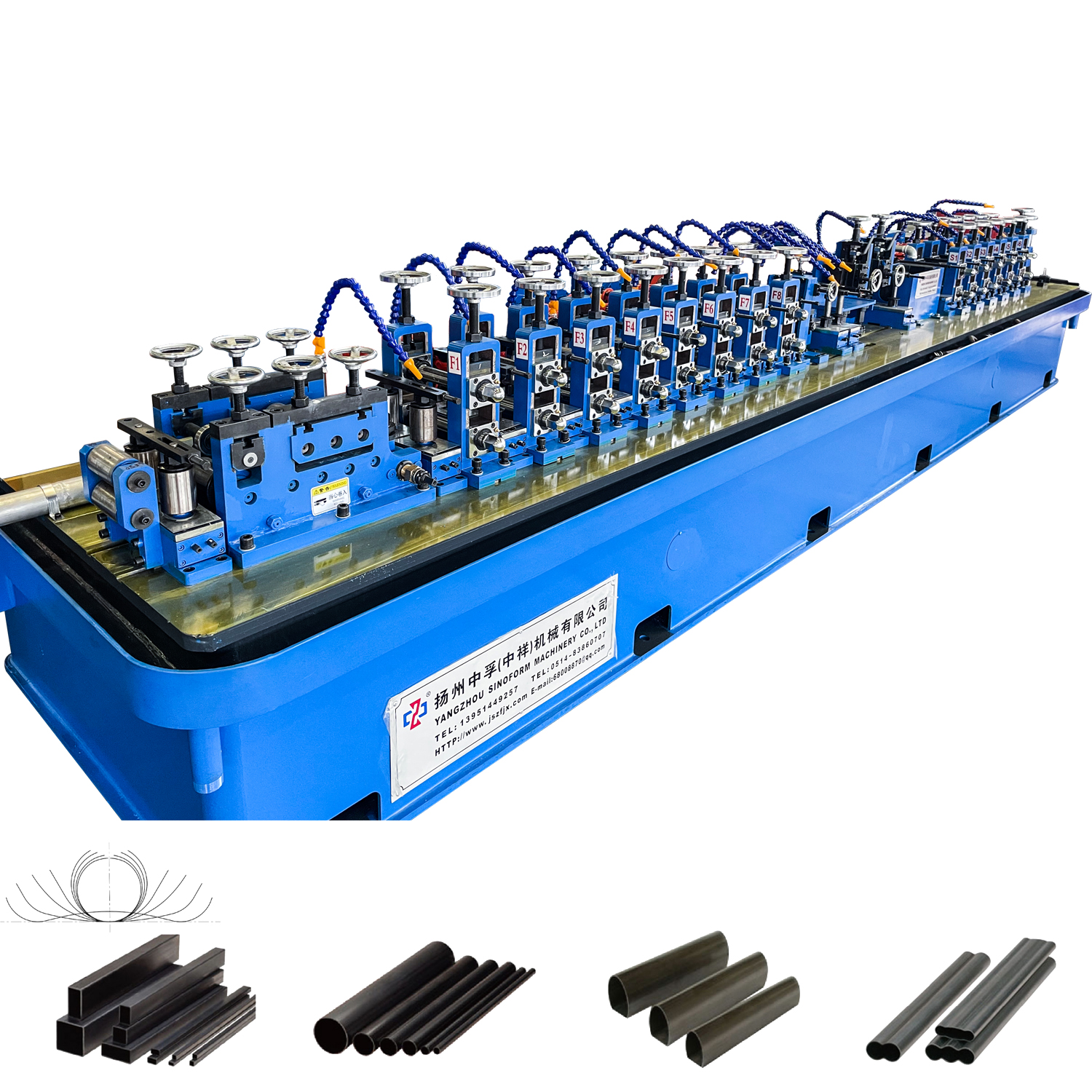 High Precision High-Frequency ERW Tube Mill line
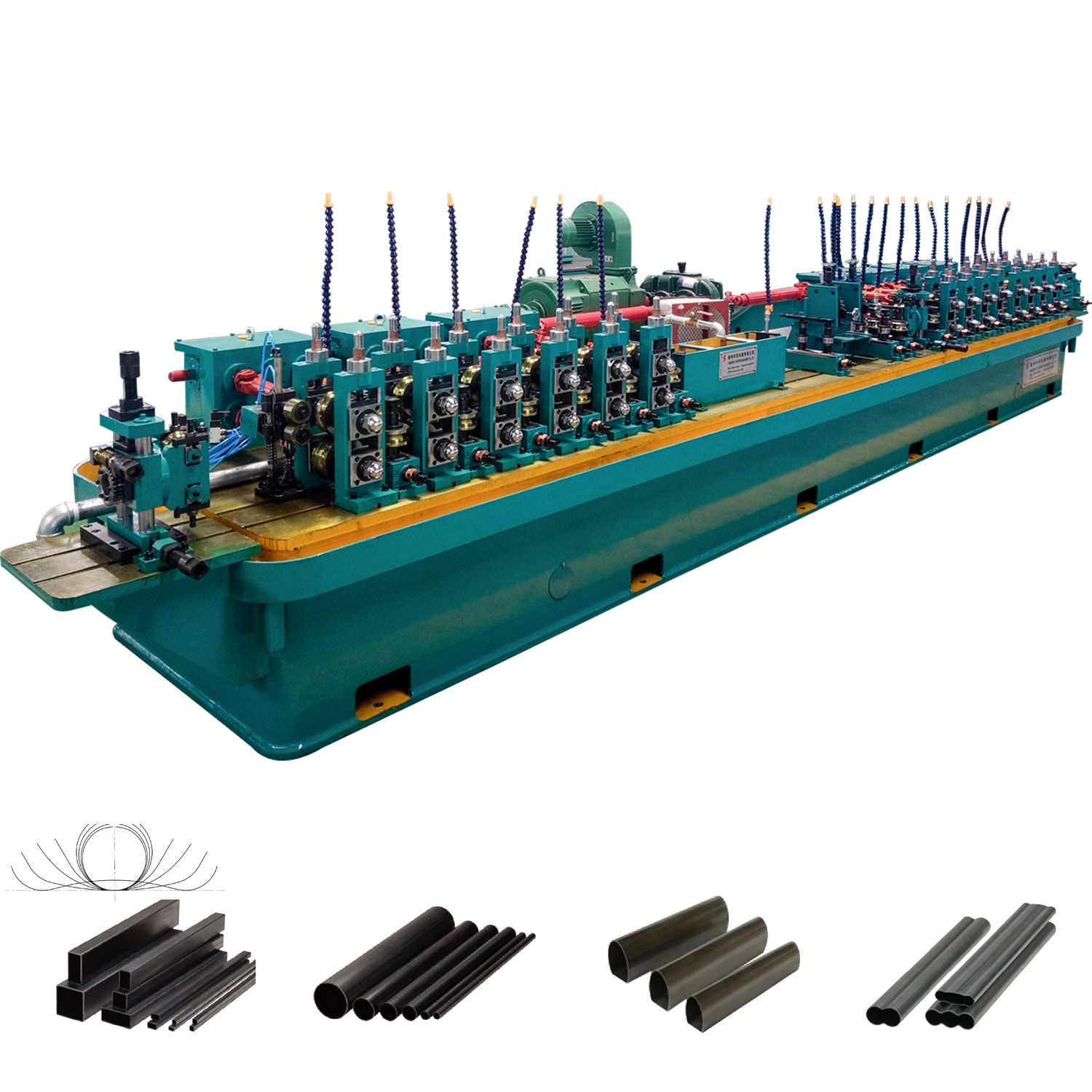 High Precision High-Frequency ERW Tube Mill line
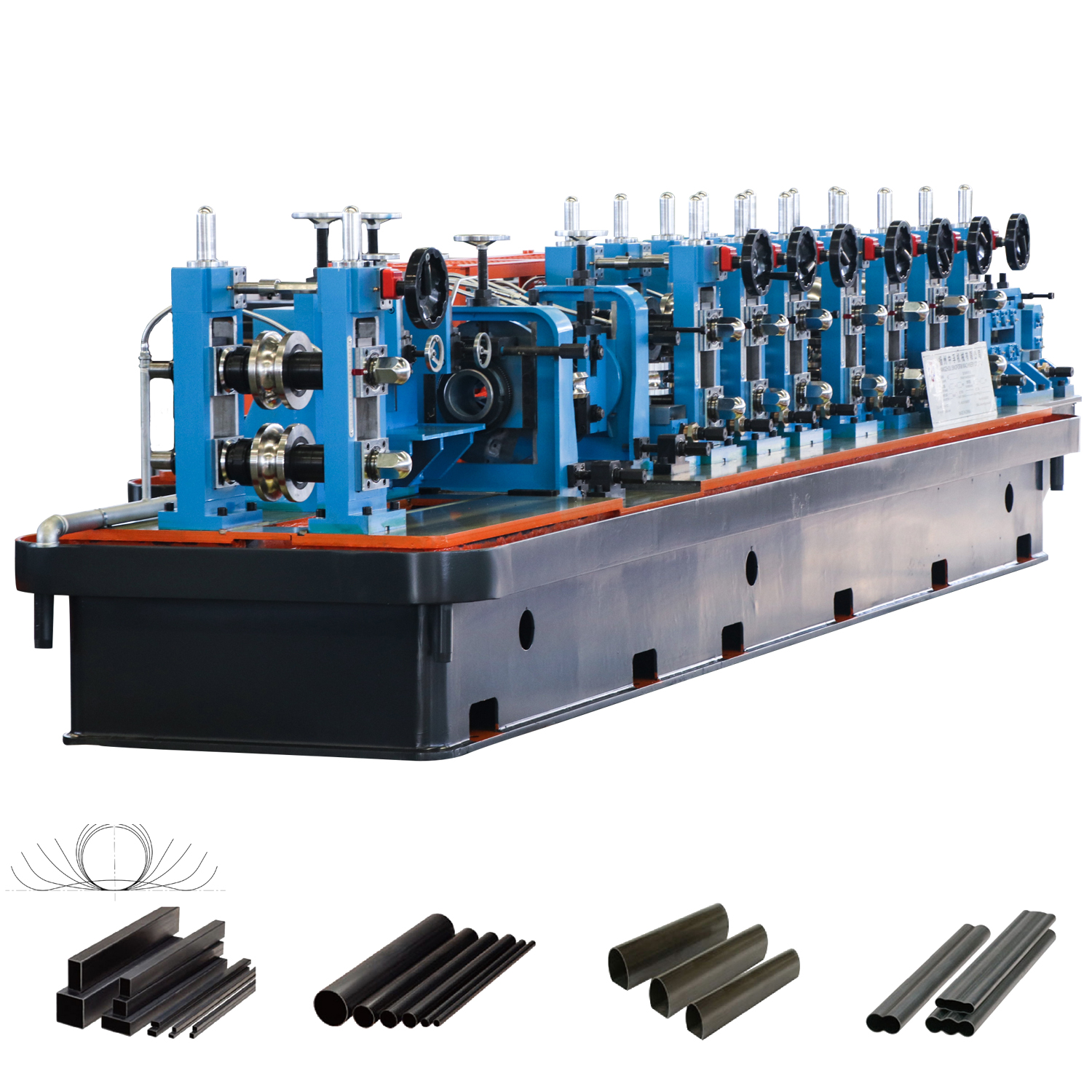 High Precision High-Frequency ERW Tube Mill line
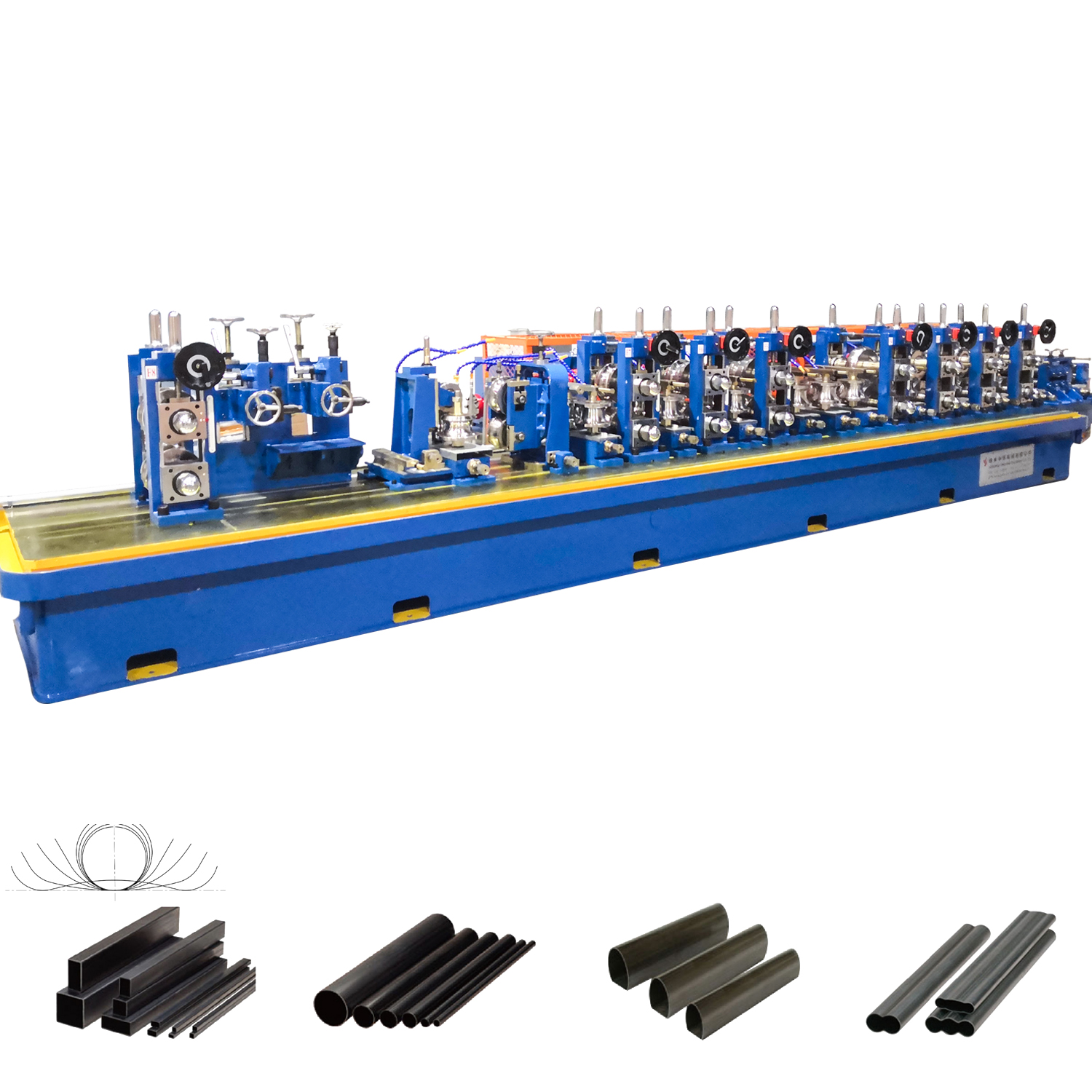 High Precision High-Frequency ERW Tube Mill line
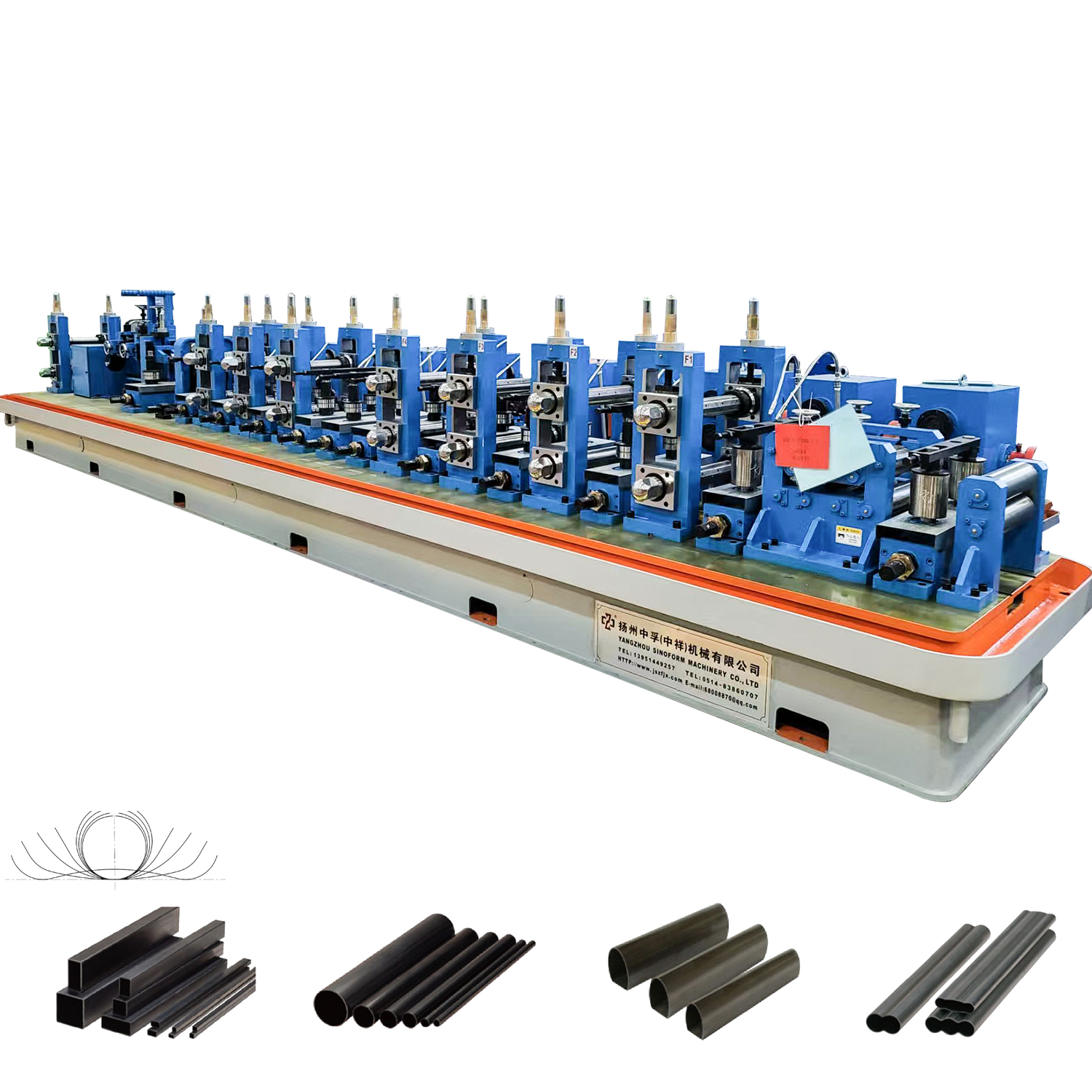 High Precision High-Frequency ERW Tube Mill line
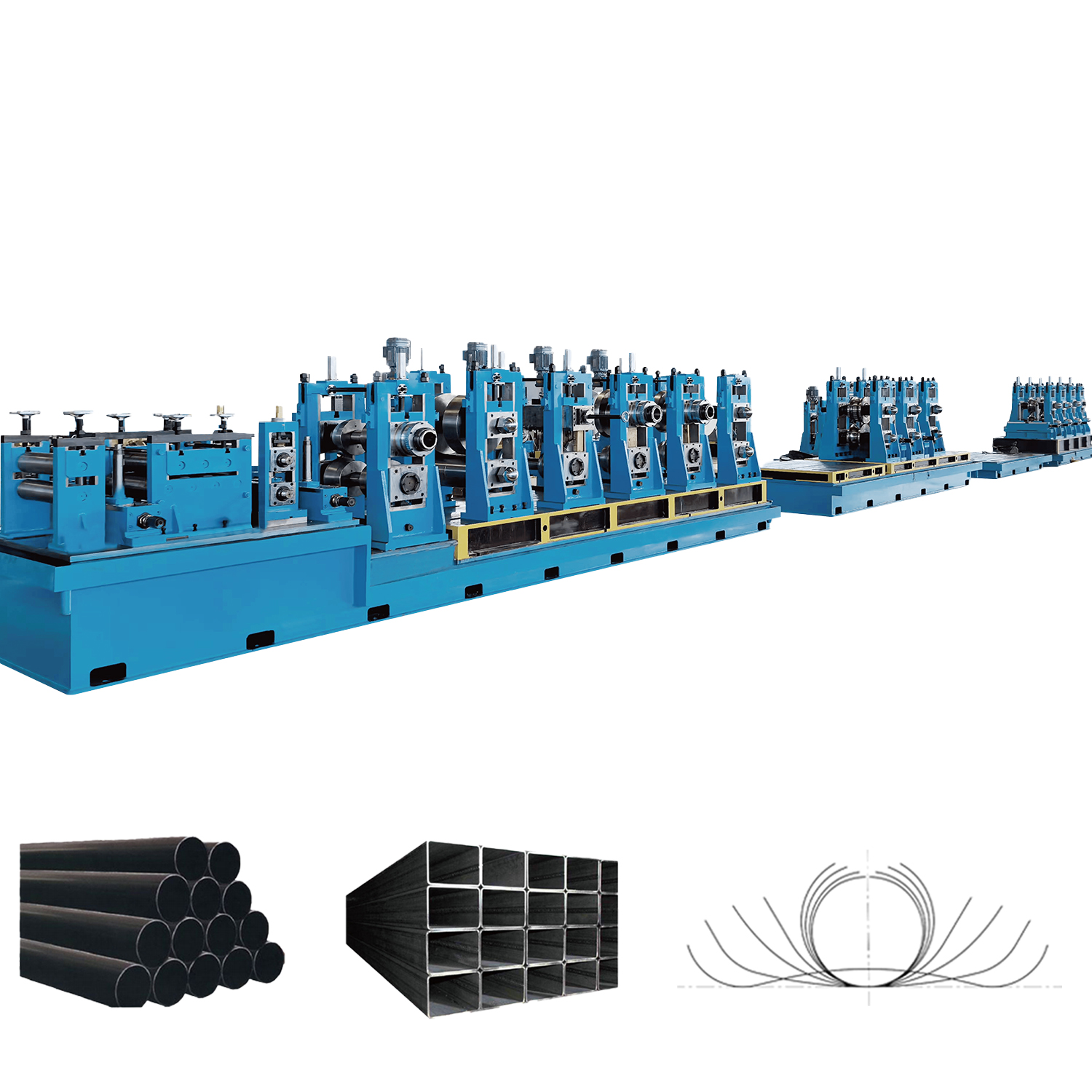 Large ERW tube mill line
Large ERW tube mill line
Large ERW tube mill line
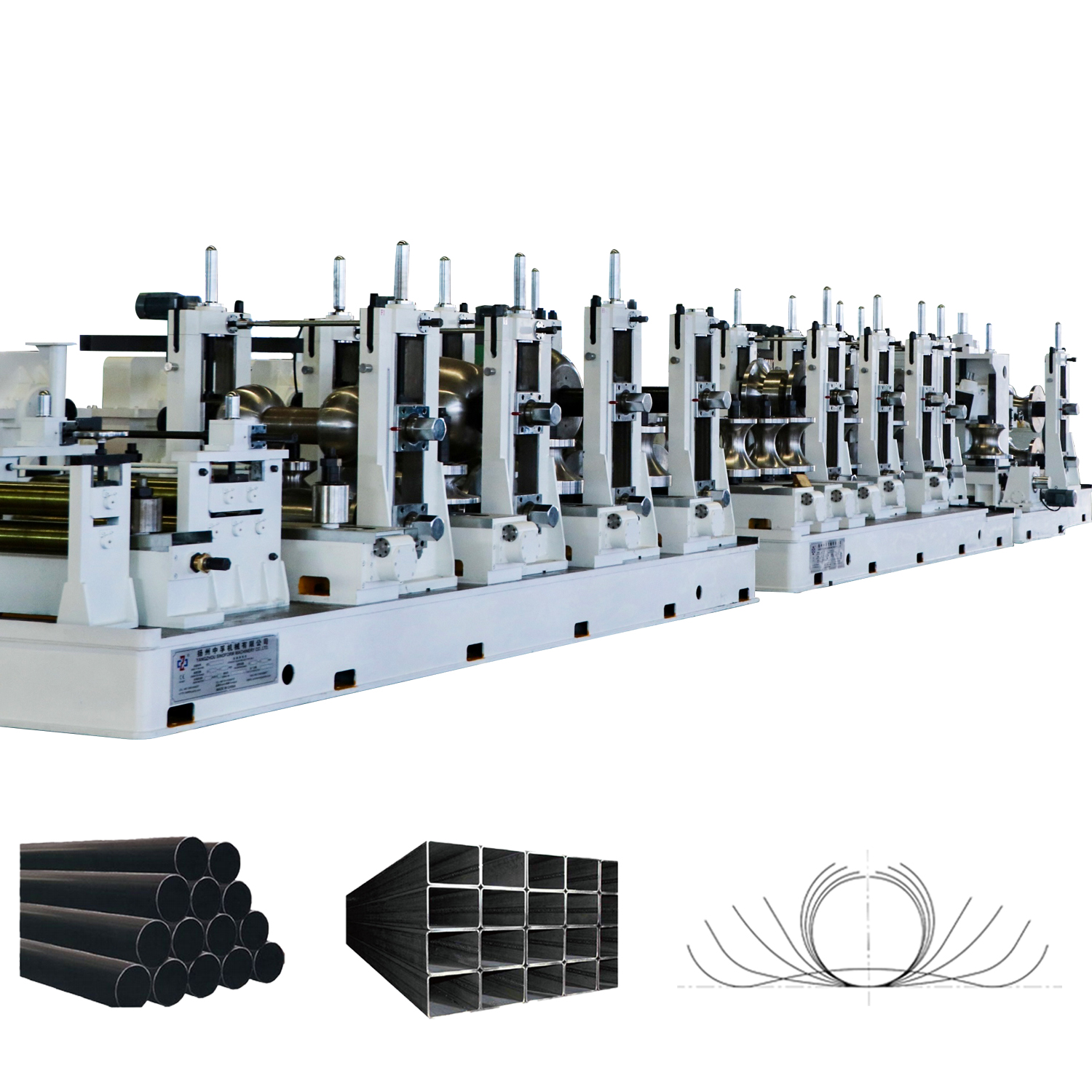 Large ERW tube mill line
Large ERW tube mill line
Large ERW tube mill line
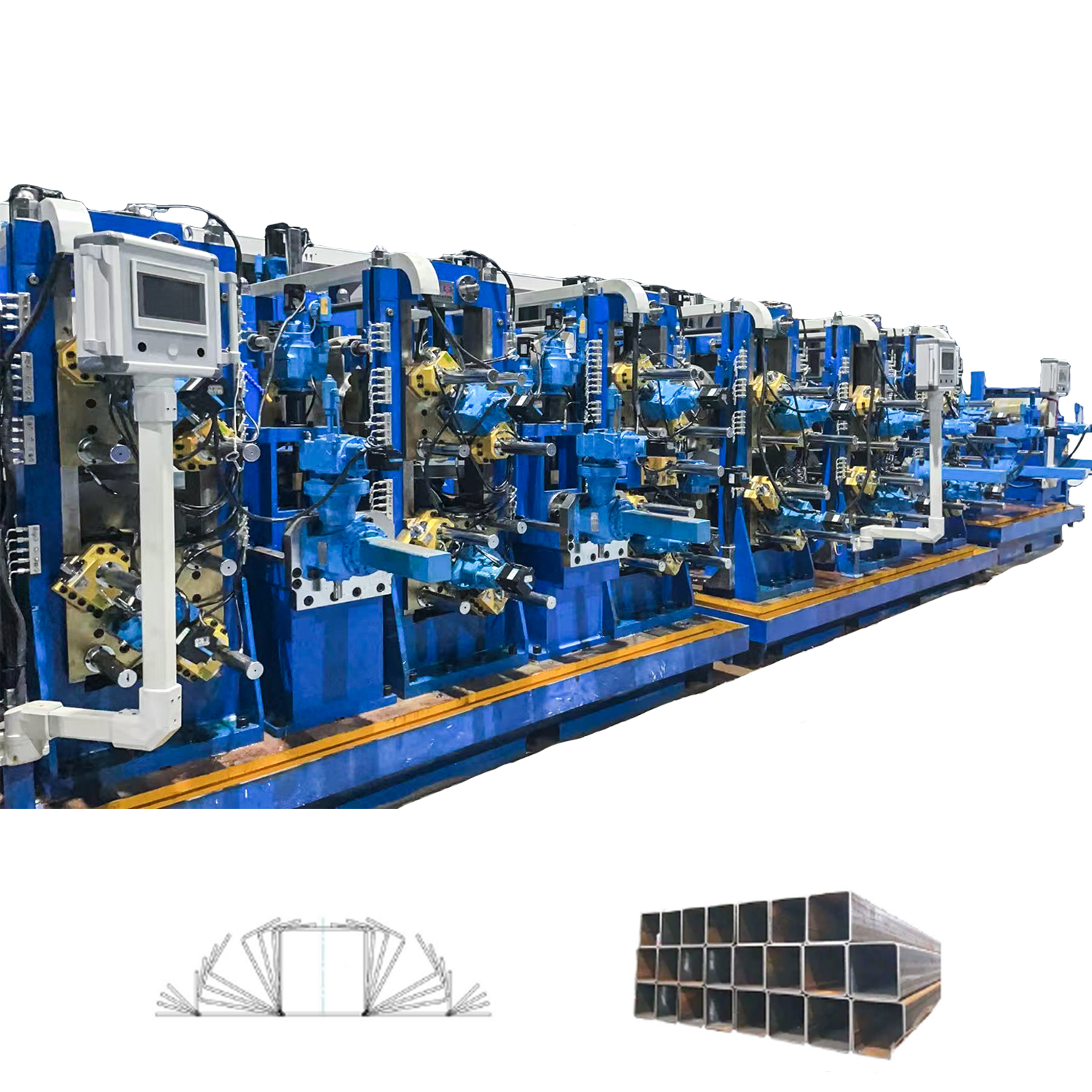 Direct To Square Welded Pipe Production Line
Direct To Square Welded Pipe Production Line
Direct To Square Welded Pipe Production Line
Direct To Square Welded Pipe Production Line
Direct To Square Welded Pipe Production Line

 No.1 Xiangjian Road, Northern
Suburbs Of Yangzhou City,
Jiangsu Province,China
No.1 Xiangjian Road, Northern
Suburbs Of Yangzhou City,
Jiangsu Province,China
 Phone: +86-0514-8363 8877
 E-mail: [email protected]
© Yangzhou SINOFORM Machinery Co., Ltd. Tube Mill Line Manufacturers
Pipe Making Machine Custom
Tube Making Machine Suppliers



 English
 Español
 عربى
عربى русский
 中文简体
中文简体