The transportation of oil and gas through pipelines is crucial for the global energy industry. Among the various types of pipelines used, welded pipe lines have become an essential solution due to their durability, efficiency, and cost-effectiveness. This article explores how welded pipe lines improve the efficiency of oil and gas transport, discussing their advantages, comparing them with other pipe materials, and providing insights into common challenges and solutions.
Content
Welded pipe lines are a type of pipeline formed by welding individual steel pipes together. These pipes are often made from carbon steel, stainless steel, or other alloys, depending on the specific requirements of the oil and gas transportation system. The welding process ensures a seamless connection, making these pipes resistant to leaks and external pressures.
Efficient transportation of oil and gas is paramount to ensure a reliable energy supply and reduce operational costs. Welded pipe lines improve efficiency in several ways:
Welded pipes are durable and long-lasting, requiring less frequent maintenance compared to other pipe systems. The continuous weld eliminates joints where leaks can occur, reducing the need for repairs and inspections. This translates into lower maintenance costs, increased system reliability, and less downtime.
Welded pipe lines have smooth inner surfaces that minimize friction and increase flow efficiency. This feature allows for the transportation of oil and gas at higher flow rates, which can significantly reduce the time and energy required to move large quantities of fluid through the pipeline. The reduced friction leads to improved fluid flow and overall efficiency.
The risk of leaks and spills is a major concern in oil and gas transport. Welded pipes, due to their continuous construction, provide better sealing, which minimizes the risk of hazardous leaks. This leads to a safer transportation system and reduces the environmental impact associated with oil and gas spills.
Welded pipe lines are resistant to a variety of external factors, including corrosion, extreme temperatures, and pressure changes. This resistance ensures that the pipeline maintains its structural integrity even under challenging environmental conditions, such as underwater or in harsh weather conditions. The ability to withstand these factors increases the overall efficiency and longevity of the pipeline.
Welded pipes offer flexibility in terms of design, allowing for complex and custom configurations. This flexibility is essential for optimizing the pipeline layout and reducing transportation costs. Additionally, welded pipes can be installed more easily in remote or challenging locations, improving the overall efficiency of the transportation process.
To better understand the advantages of welded pipe lines, it's important to compare them with other types of pipes, such as seamless pipe lines.
| Feature | Welded Pipe Line | Seamless Pipe Line |
|---|---|---|
| Manufacturing Cost | Lower cost due to the welding process | Higher cost due to the seamless production method |
| Strength | Good strength, suitable for many applications | Higher strength, especially in high-pressure conditions |
| Leak Resistance | Excellent resistance to leaks | Generally good, but more prone to defects in high-pressure situations |
| Customization | Highly customizable in terms of size and thickness | Limited customization options |
| Maintenance | Requires less frequent maintenance | May require more frequent maintenance due to potential defects in the seams |
While welded pipe lines offer many benefits, there are also challenges that need to be addressed:
The quality of the welds is critical to the overall performance of the pipeline. Poor welding can lead to weak points in the pipe that could fail under pressure. To overcome this challenge, manufacturers employ advanced welding techniques and thorough quality control measures to ensure the integrity of the pipe.
Welded pipe lines can still be susceptible to corrosion and wear over time. To combat this, anti-corrosion coatings and regular inspections should be used to maintain the pipe's structural integrity.
While welded pipes are generally more cost-effective, the installation process can be expensive, especially in challenging environments. However, the long-term savings in maintenance and increased efficiency often offset these initial costs.
Welded pipe lines are typically made from carbon steel, stainless steel, or other alloys that provide the necessary strength and resistance to corrosion. The material choice depends on the specific needs of the oil and gas transport system.
Yes, welded pipe lines are often used in offshore oil and gas transport due to their ability to withstand harsh environmental conditions such as saltwater and extreme temperatures.
Welded pipes' smooth internal surfaces reduce friction, which means that less energy is required to pump the oil or gas through the pipeline. This results in lower energy consumption and a more efficient transport system.
Welded pipe lines have a long service life, often lasting 20 to 50 years or more, depending on the material used and the maintenance practices followed. Regular inspections and maintenance can further extend their lifespan.
Yes, welded pipes can be repaired if damaged. The process involves welding a new section of pipe or patching up the damaged area. However, it's essential to conduct repairs immediately to prevent leaks and ensure the continued safety of the pipeline.
Welded pipe lines have become an essential component in the efficient transport of oil and gas. They offer numerous advantages, including lower costs, improved safety, and better flow efficiency. By understanding the benefits and addressing potential challenges, the oil and gas industry can continue to rely on welded pipe lines as a solution for safe, efficient, and cost-effective transportation of energy resources.
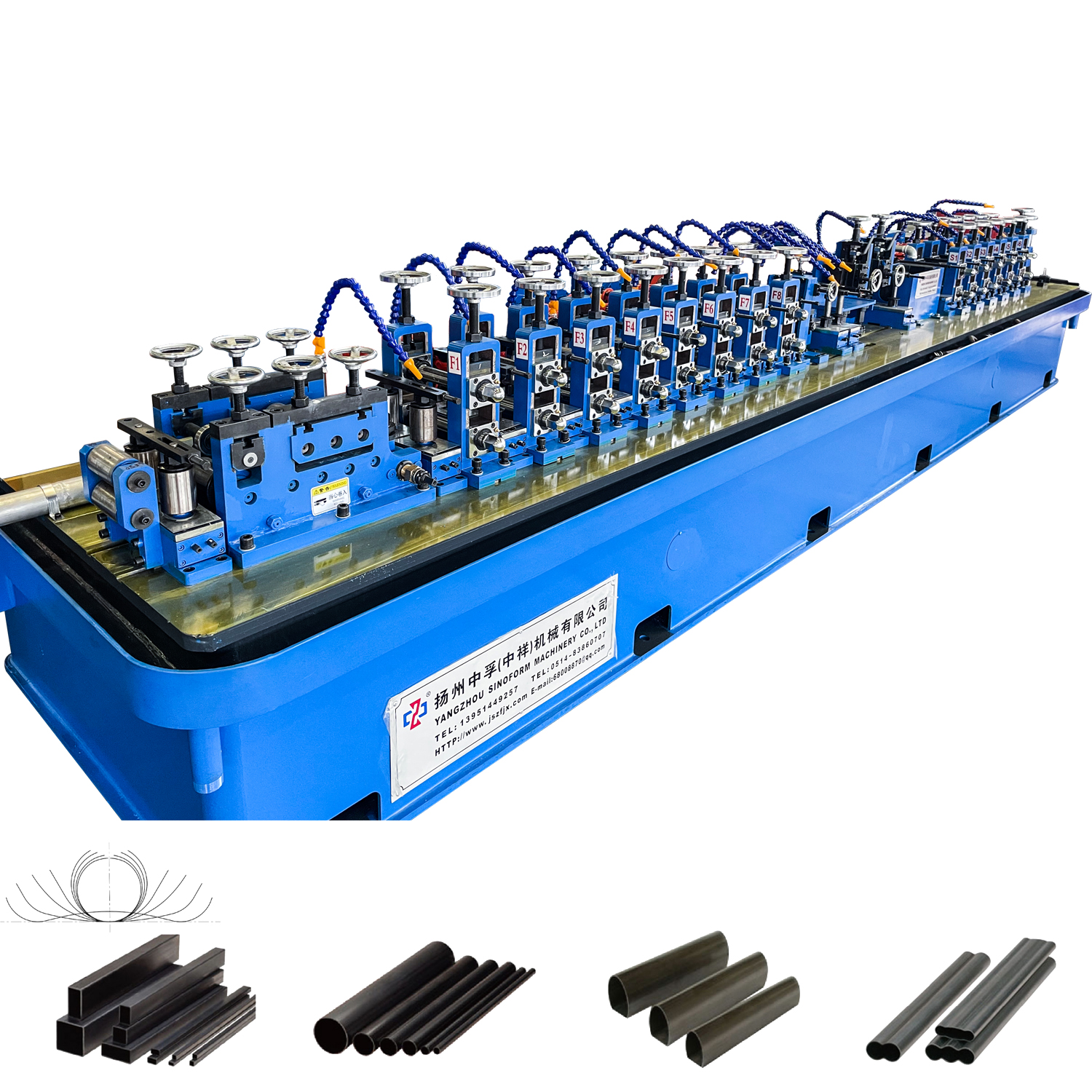 High Precision High-Frequency ERW Tube Mill line
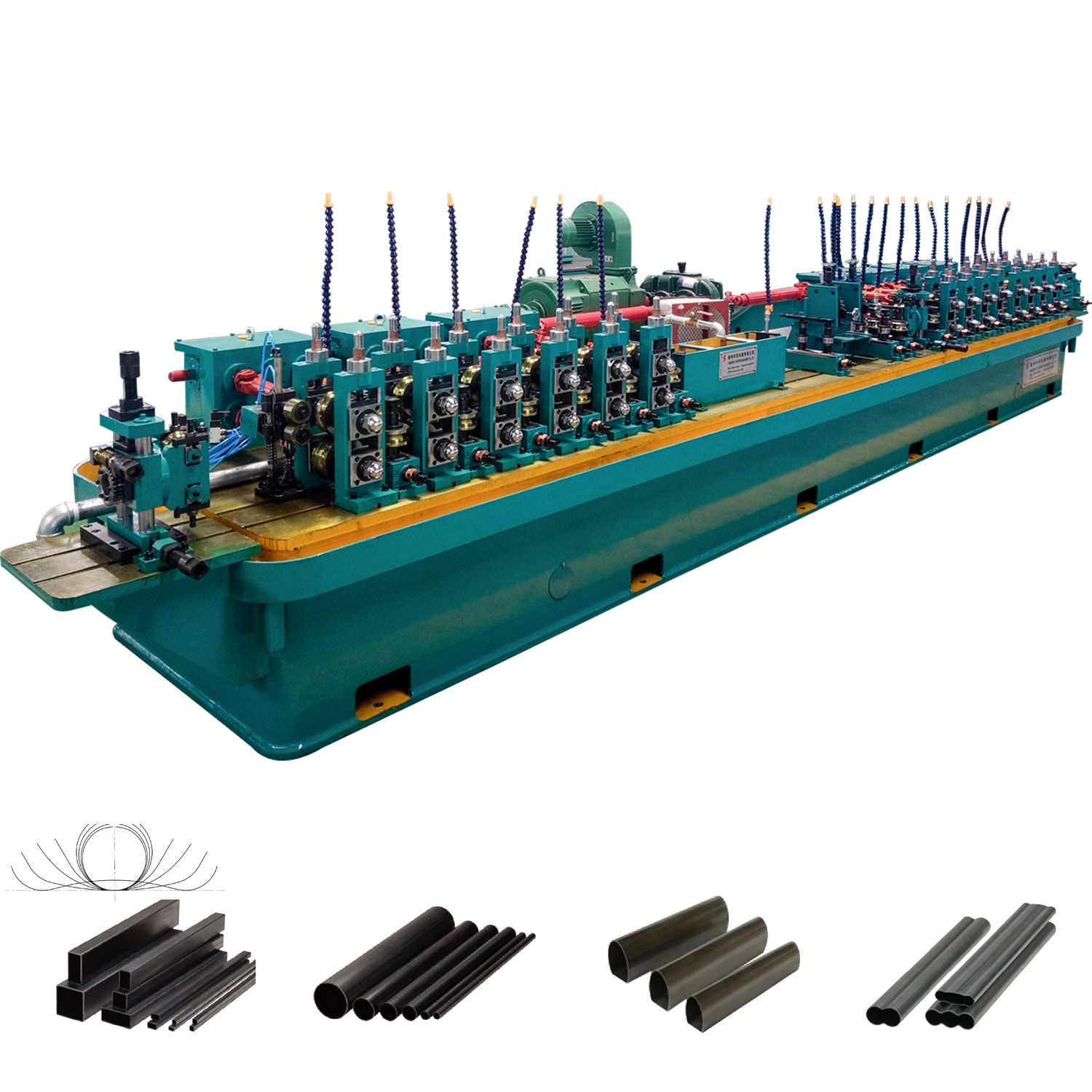 High Precision High-Frequency ERW Tube Mill line
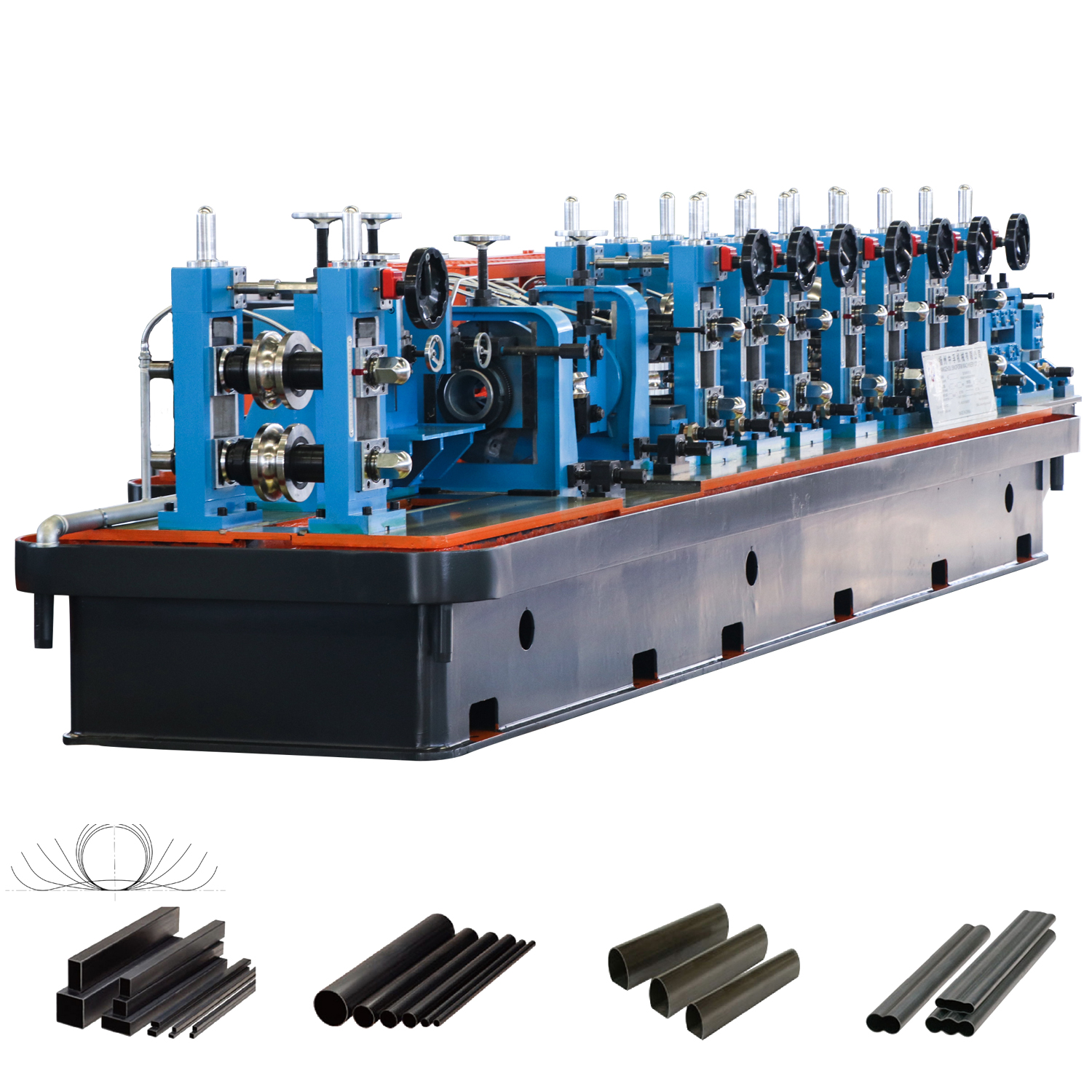 High Precision High-Frequency ERW Tube Mill line
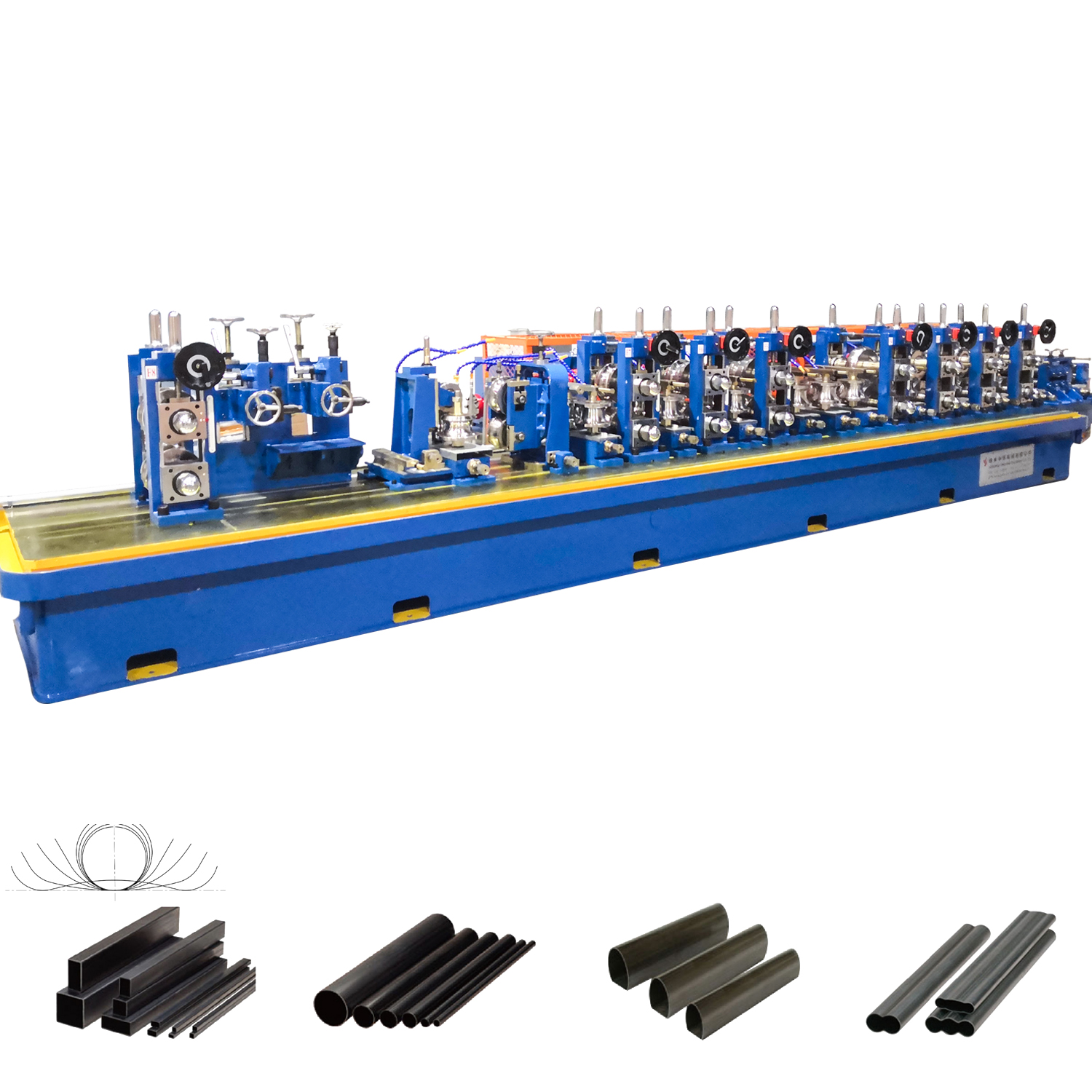 High Precision High-Frequency ERW Tube Mill line
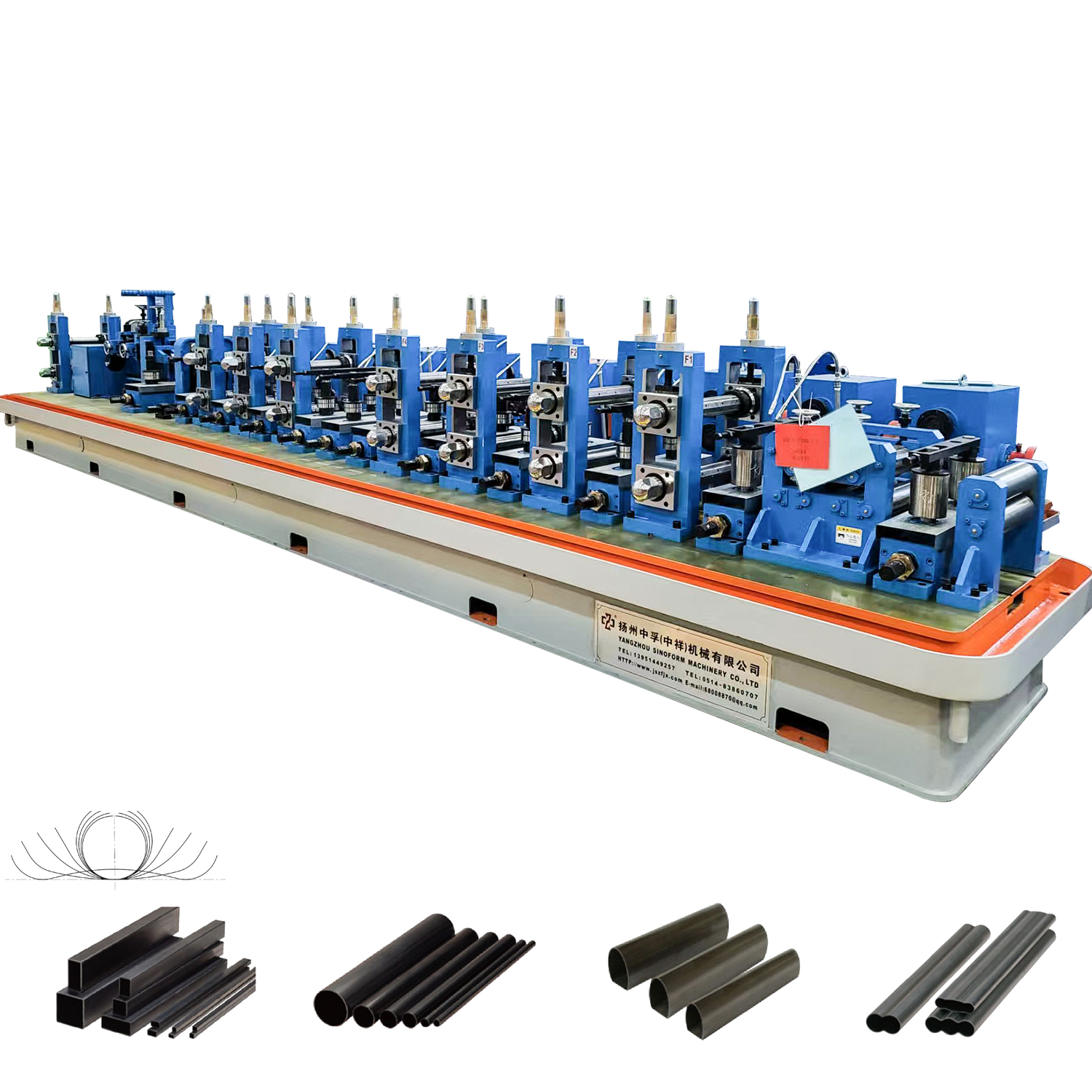 High Precision High-Frequency ERW Tube Mill line
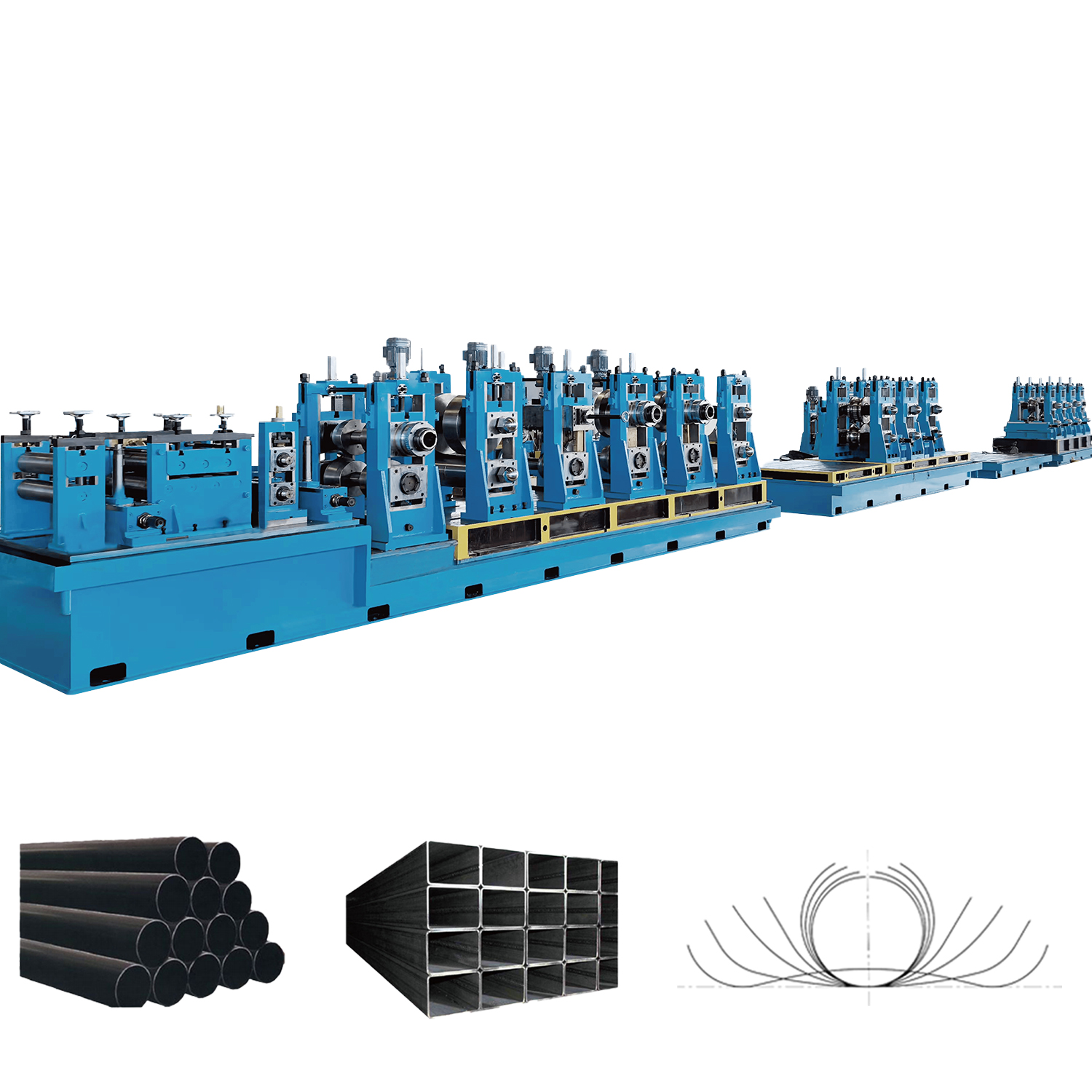 Large ERW tube mill line
Large ERW tube mill line
Large ERW tube mill line
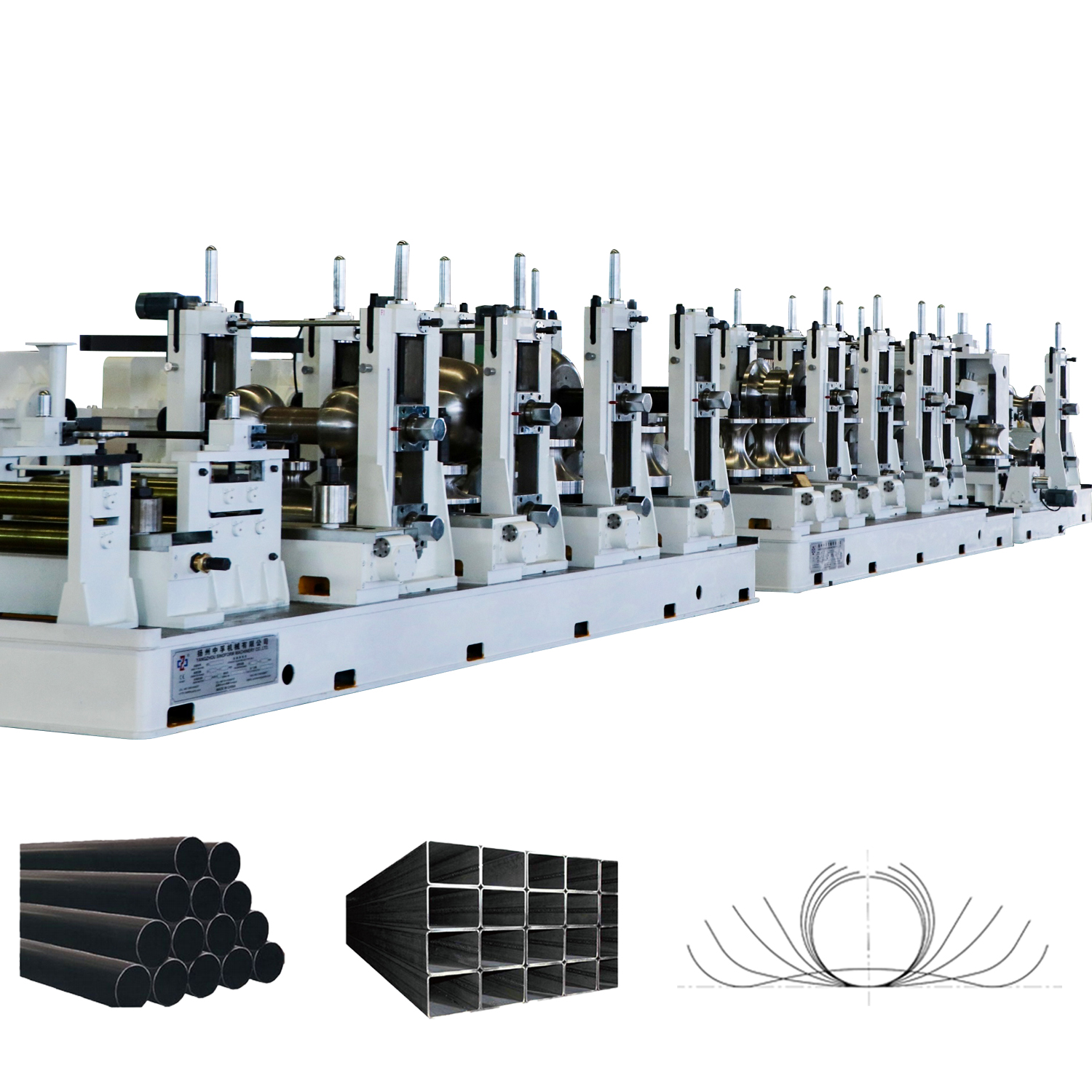 Large ERW tube mill line
Large ERW tube mill line
Large ERW tube mill line
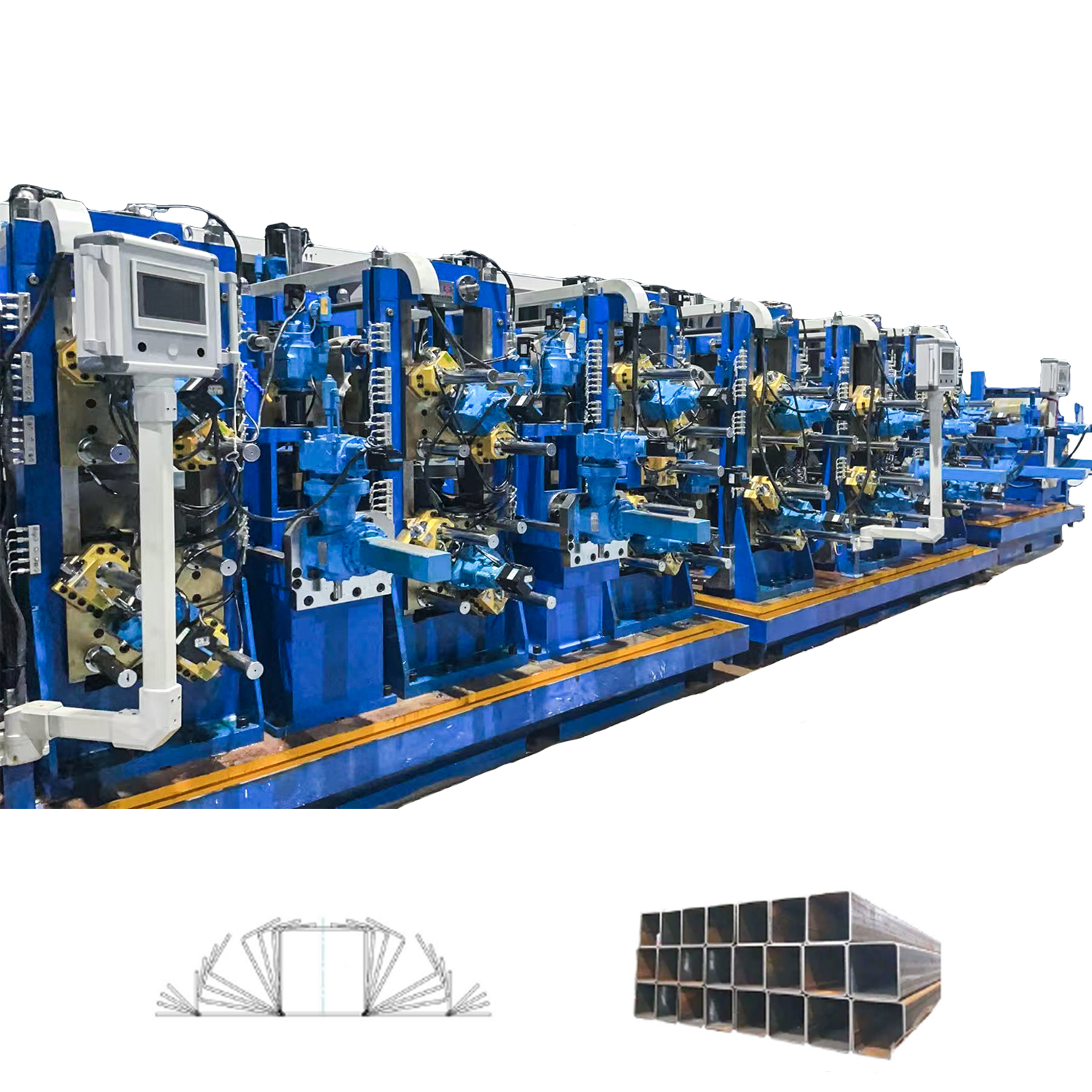 Direct To Square Welded Pipe Production Line
Direct To Square Welded Pipe Production Line
Direct To Square Welded Pipe Production Line
Direct To Square Welded Pipe Production Line
Direct To Square Welded Pipe Production Line

 No.1 Xiangjian Road, Northern
Suburbs Of Yangzhou City,
Jiangsu Province,China
No.1 Xiangjian Road, Northern
Suburbs Of Yangzhou City,
Jiangsu Province,China
 Phone: +86-0514-8363 8877
 E-mail: [email protected]
© Yangzhou SINOFORM Machinery Co., Ltd. Tube Mill Line Manufacturers
Pipe Making Machine Custom
Tube Making Machine Suppliers



 English
 Español
 عربى
عربى русский
 中文简体
中文简体