Welded pipe lines are crucial in various industries such as oil and gas, construction, and water treatment. They are used to transport liquids, gases, and other materials efficiently. However, like any industrial system, welded pipe lines are susceptible to a range of problems that can compromise their performance and durability.
Content
Welding defects are among the most frequent problems encountered in welded pipe lines. These defects can be caused by improper welding techniques, poor material quality, or lack of proper training. Common welding defects include:
Corrosion is a significant concern for welded pipe lines, especially those exposed to harsh environments such as moisture, chemicals, or extreme temperatures. Types of corrosion in welded pipes include:
Improper installation can result in a range of issues, including misalignment, leakage, and poor system performance. These issues are often the result of insufficient planning, lack of expertise, or using incorrect materials for the environment.
Leaks are a major issue that can lead to significant loss of materials, energy, or fluids. Leaks are often caused by:
To prevent and solve welding defects, the following measures should be taken:
To reduce the risk of corrosion in welded pipe lines:
Proper installation can be ensured by:
Prevent leaks by:
| Problem | Solution | Prevention |
|---|---|---|
| Welding Defects | Proper training, quality control, and correct techniques. | Regular inspection, skilled labor, and standard operating procedures. |
| Corrosion | Use corrosion-resistant materials and apply coatings. | Routine inspections and the use of protective measures. |
| Leaks | Regular maintenance, proper installation, and timely replacement of damaged parts. | Prevention through proper installation, alignment, and using quality materials. |
Welding defects can be prevented by ensuring that welding personnel are trained, using high-quality materials, and adhering to proper welding techniques. Additionally, regular inspection and quality control checks can help identify defects early.
The best materials for corrosion prevention include stainless steel, galvanized steel, and other alloys specifically designed for corrosion resistance. These materials help ensure the longevity and performance of welded pipe lines in corrosive environments.
Welded pipe lines should be inspected at regular intervals based on their application and the environment in which they operate. For critical systems, monthly or quarterly inspections may be necessary, while less critical systems may be inspected annually.
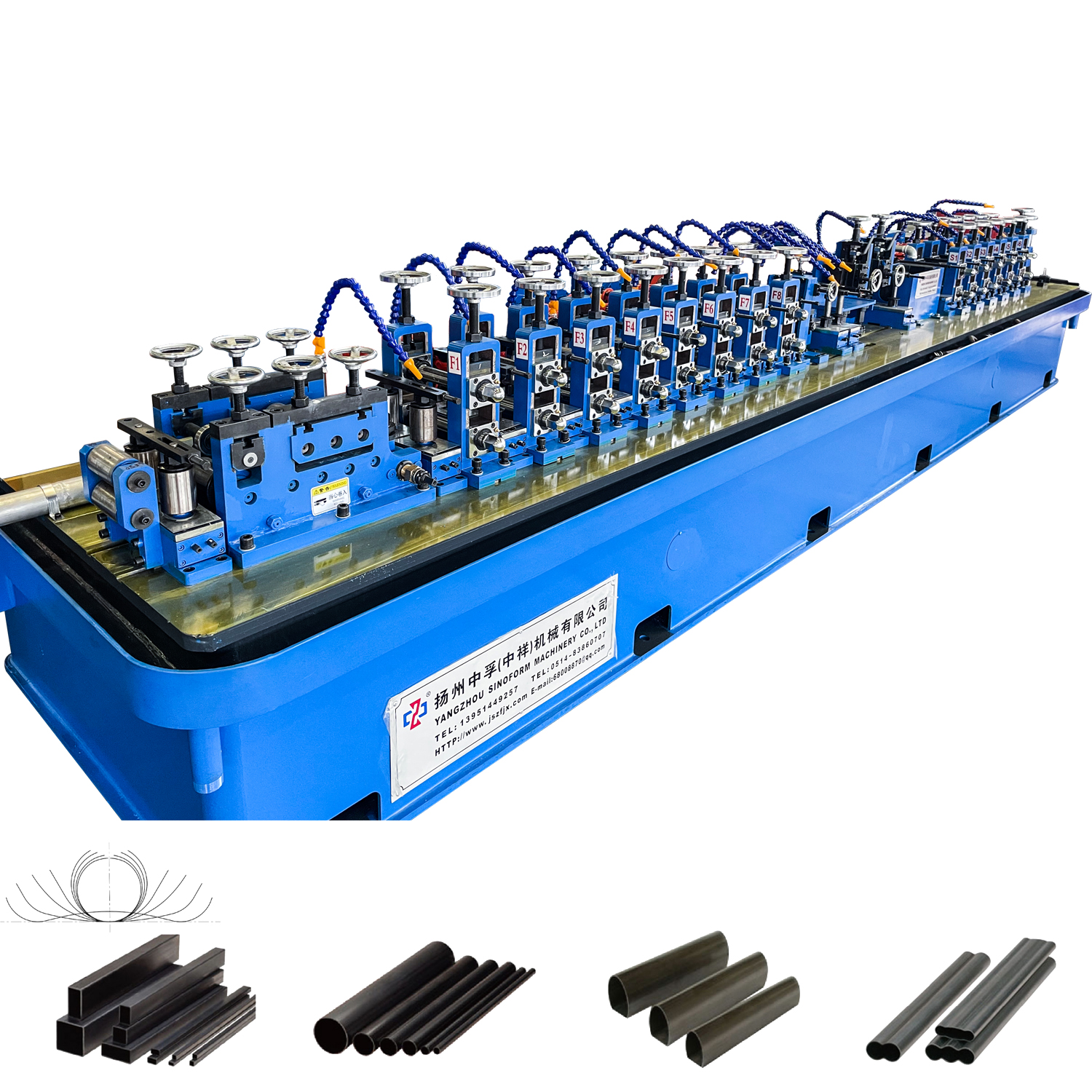 High Precision High-Frequency ERW Tube Mill line
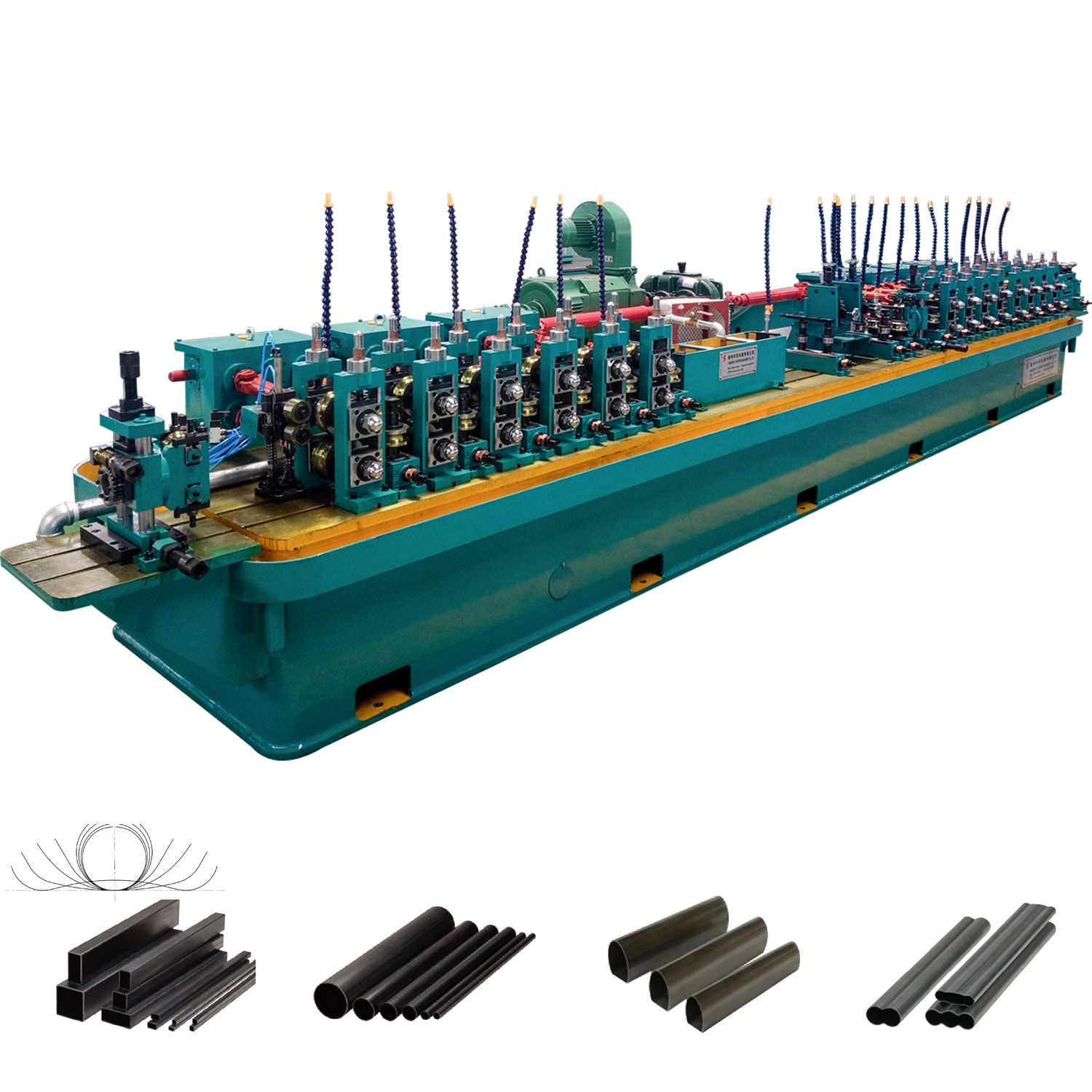 High Precision High-Frequency ERW Tube Mill line
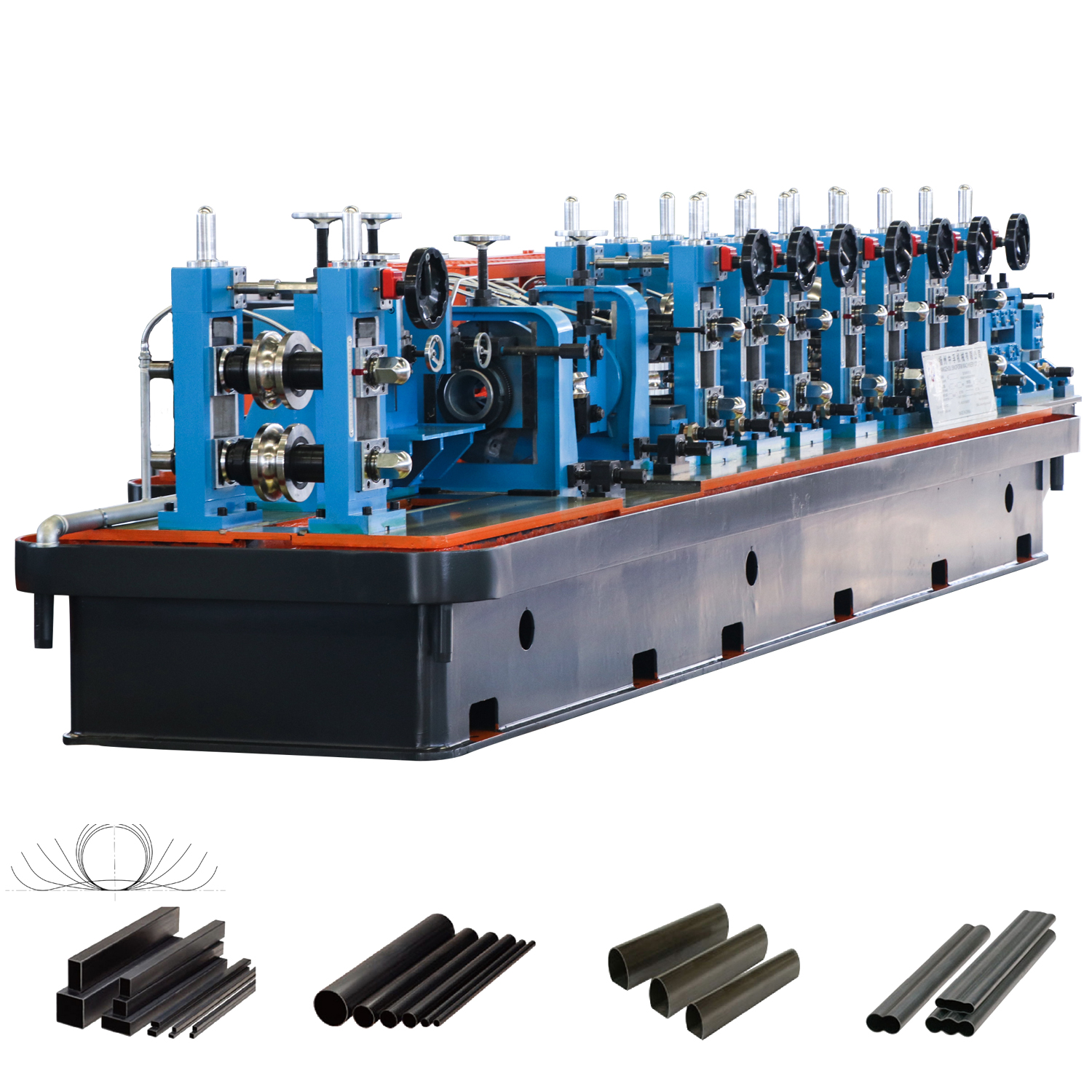 High Precision High-Frequency ERW Tube Mill line
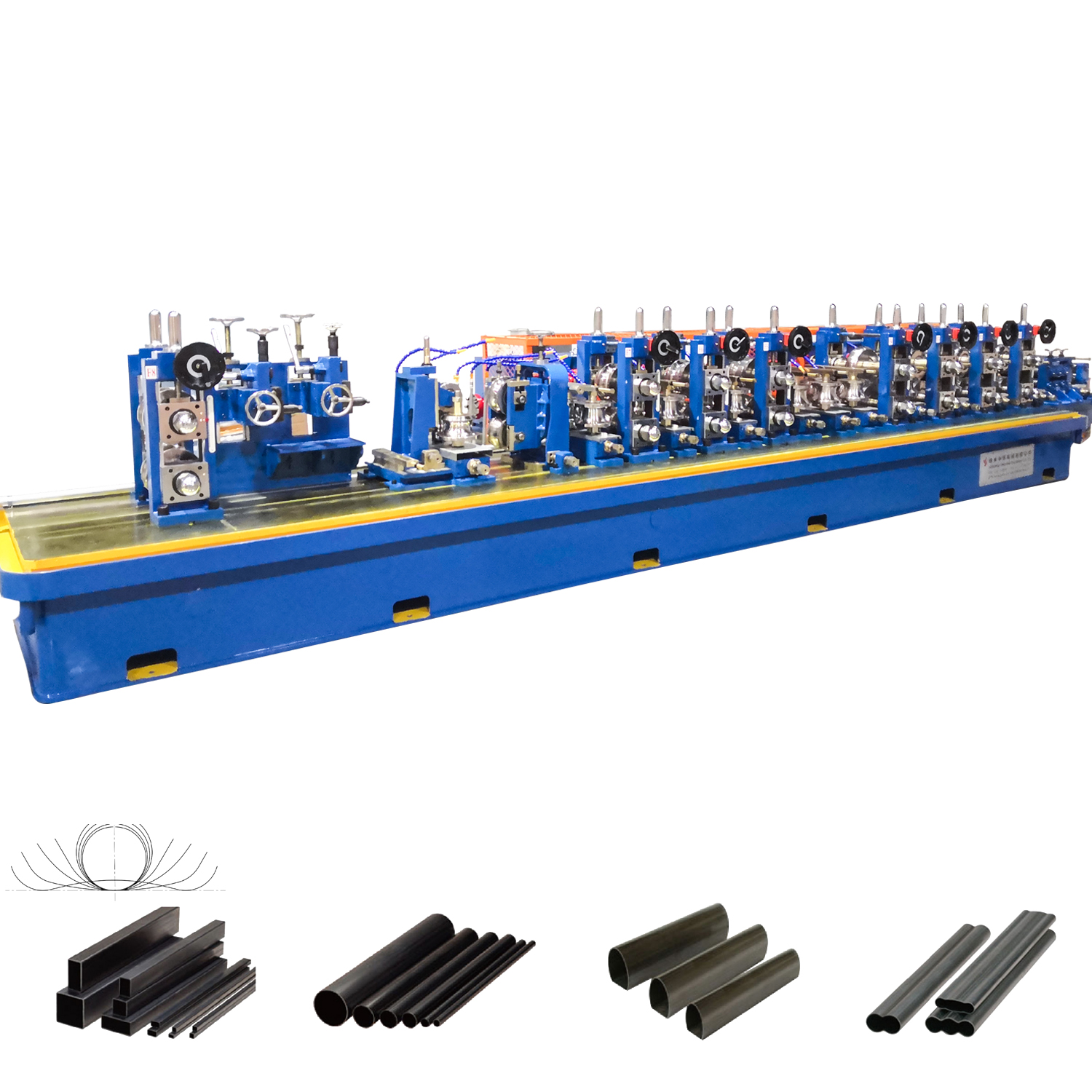 High Precision High-Frequency ERW Tube Mill line
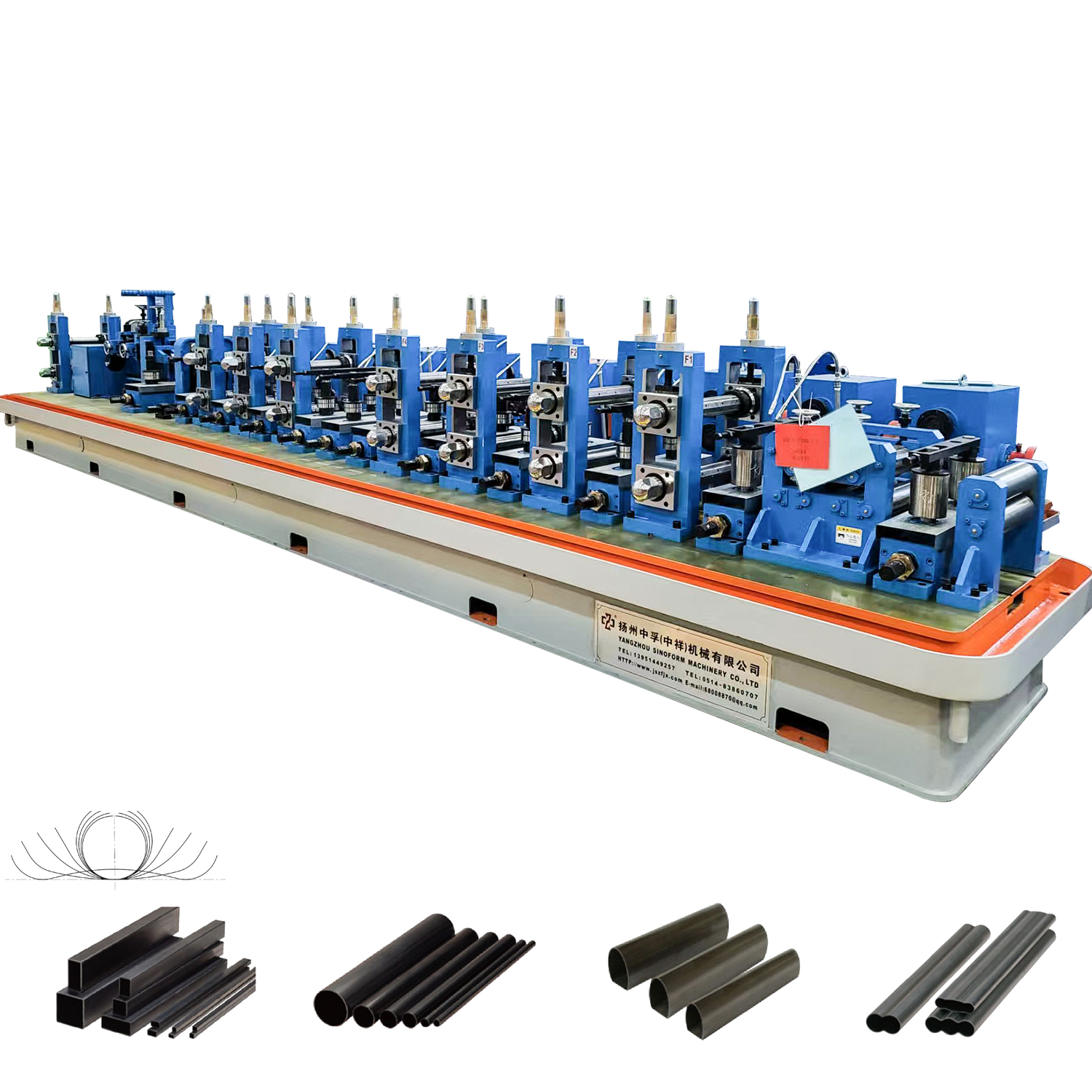 High Precision High-Frequency ERW Tube Mill line
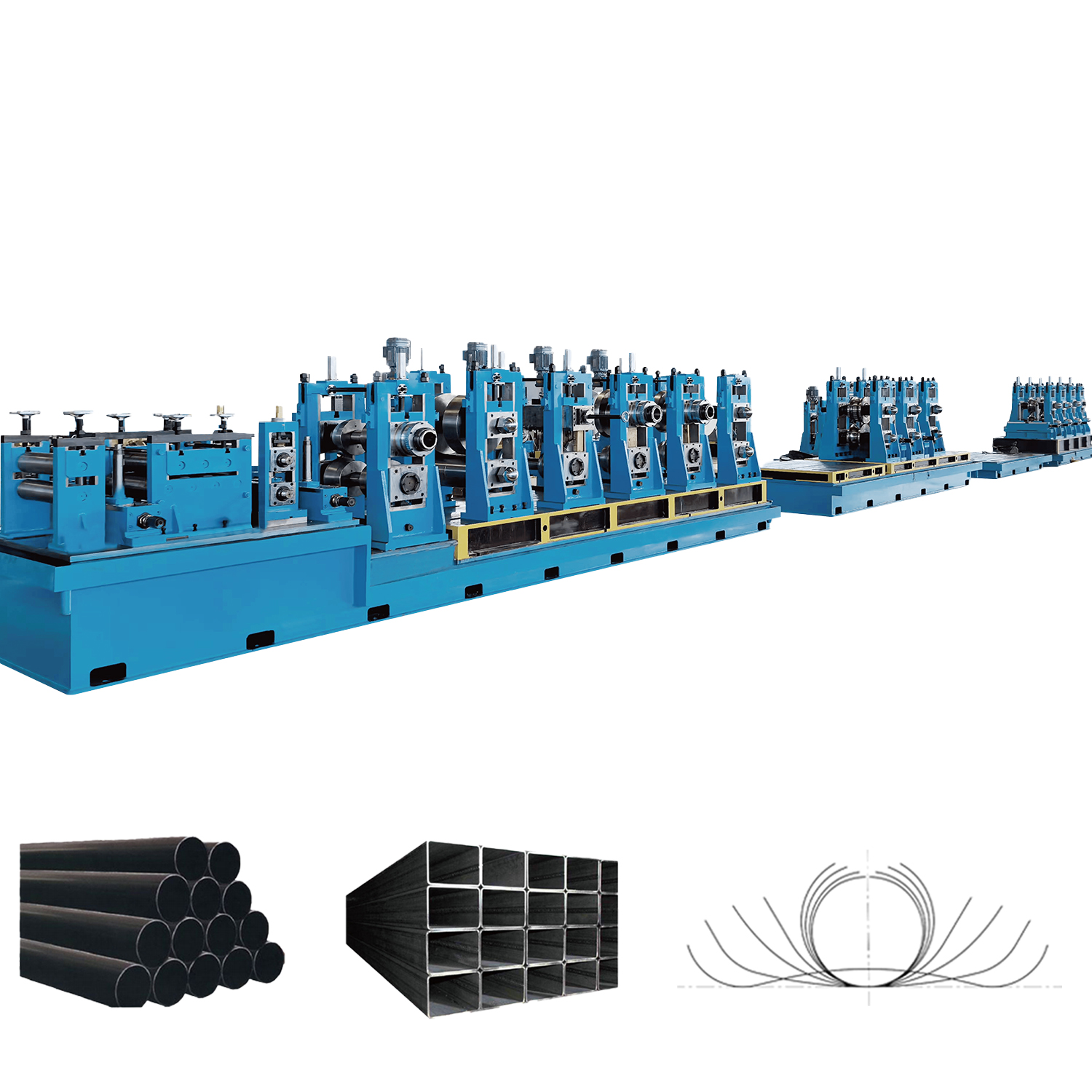 Large ERW tube mill line
Large ERW tube mill line
Large ERW tube mill line
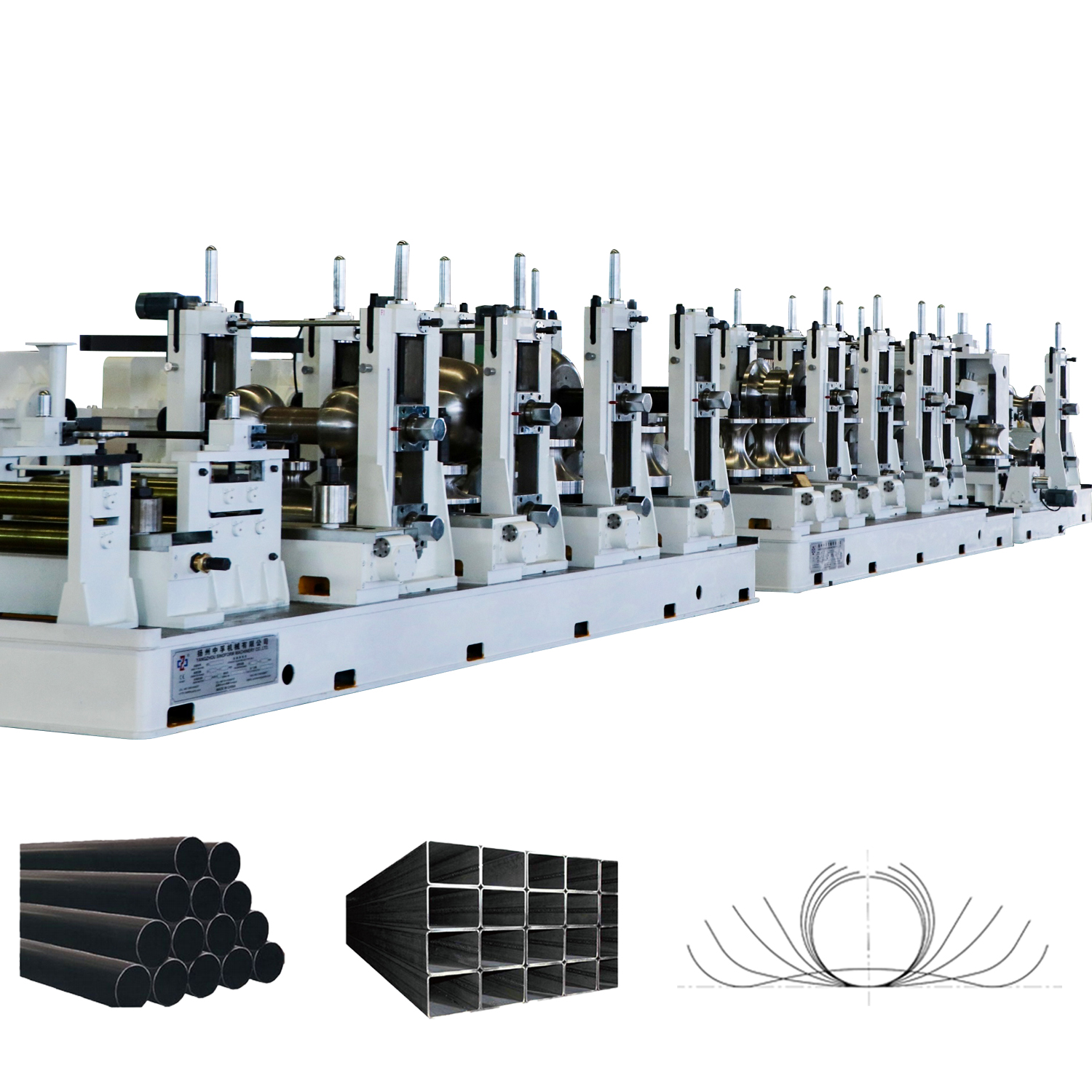 Large ERW tube mill line
Large ERW tube mill line
Large ERW tube mill line
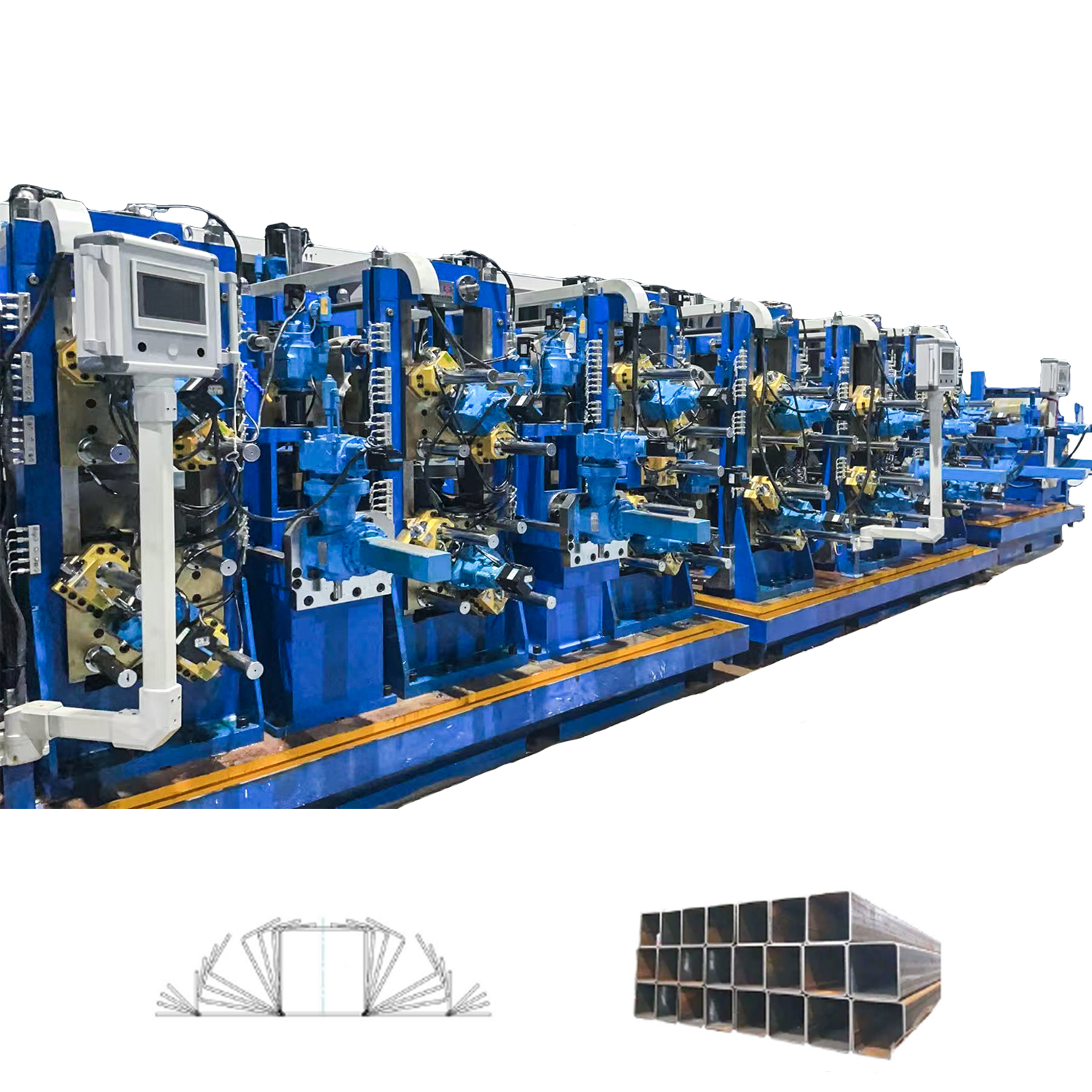 Direct To Square Welded Pipe Production Line
Direct To Square Welded Pipe Production Line
Direct To Square Welded Pipe Production Line
Direct To Square Welded Pipe Production Line
Direct To Square Welded Pipe Production Line

 No.1 Xiangjian Road, Northern
Suburbs Of Yangzhou City,
Jiangsu Province,China
No.1 Xiangjian Road, Northern
Suburbs Of Yangzhou City,
Jiangsu Province,China
 Phone: +86-0514-8363 8877
 E-mail: [email protected]
© Yangzhou SINOFORM Machinery Co., Ltd. Tube Mill Line Manufacturers
Pipe Making Machine Custom
Tube Making Machine Suppliers



 English
 Español
 عربى
عربى русский
 中文简体
中文简体