When it comes to selecting the right piping solution for industrial applications, the cost is often one of the most critical factors to consider. Welded pipe lines, a popular option in many industries, are known for their reliability, strength, and versatility. However, how do they stack up against other piping materials like seamless pipes, plastic piping, or composite solutions?
Content
The cost of welded pipe lines depends on a variety of factors, including:
In order to better understand the cost-effectiveness of welded pipe lines, let's compare them with other popular piping solutions, such as seamless pipes, plastic pipes, and composite pipes.
Seamless pipes are made from a solid billet of metal, which is then stretched to form the pipe. This process results in a pipe that is stronger and more durable than welded pipes. However, the manufacturing process for seamless pipes is more complex and labor-intensive, leading to higher costs. Additionally, seamless pipes are often more expensive due to their ability to withstand high pressures and corrosive environments, making them ideal for specialized applications in the oil and gas, aerospace, and chemical industries.
| Pipe Type | Price Range (per foot) |
|---|---|
| Welded Pipe Line | $5 - $15 |
| Seamless Pipe | $20 - $50 |
As seen in the table above, welded pipe lines are typically much more affordable than seamless pipes, making them a more budget-friendly option for many applications.
Plastic pipes, such as PVC and CPVC, are widely used in plumbing and chemical industries due to their corrosion resistance, low weight, and ease of installation. However, plastic pipes are generally less durable than welded pipes, especially in high-pressure or extreme temperature environments. Additionally, while plastic pipes are often cheaper than welded steel pipes, their limited temperature and pressure resistance can lead to increased costs in the long term due to more frequent replacements and maintenance.
| Pipe Type | Price Range (per foot) |
|---|---|
| Welded Pipe Line | $5 - $15 |
| Plastic Pipe | $1 - $8 |
Plastic pipes have a lower upfront cost compared to welded pipe lines, but the overall long-term costs can be higher depending on the application due to reduced durability.
Composite pipes combine the strengths of various materials, such as fiberglass or carbon fiber, to provide superior strength-to-weight ratios and resistance to corrosion. These pipes are often used in industries like water treatment and oil transportation. While they are more expensive than welded steel pipes, they offer unique advantages in terms of chemical resistance and pressure tolerance, which can justify the higher cost in certain applications.
| Pipe Type | Price Range (per foot) |
|---|---|
| Welded Pipe Line | $5 - $15 |
| Composite Pipe | $25 - $60 |
Composite pipes are significantly more expensive than welded pipes, but their durability and resistance to extreme environments can make them a more suitable choice for certain high-demand applications.
The lifespan of welded pipe lines can vary depending on the material, coating, and environmental conditions. Typically, welded steel pipes can last 25 to 50 years with proper maintenance.
Yes, welded pipe lines are generally more affordable than seamless pipes, especially for applications that do not require the extreme pressure resistance of seamless pipes.
Welded pipe lines can be used in corrosive environments if they are made from corrosion-resistant materials like stainless steel and are properly coated or treated.
Welded pipe lines are commonly used in industries such as construction, oil and gas, water treatment, HVAC, and agriculture.
While welded pipe lines may not be the cheapest option in every case, they offer a strong balance of affordability, strength, and versatility. For many applications, welded pipe lines provide a cost-effective solution without compromising performance. However, in situations that require specialized durability or resistance to extreme conditions, other options like seamless pipes or composite pipes may be more appropriate despite their higher cost.
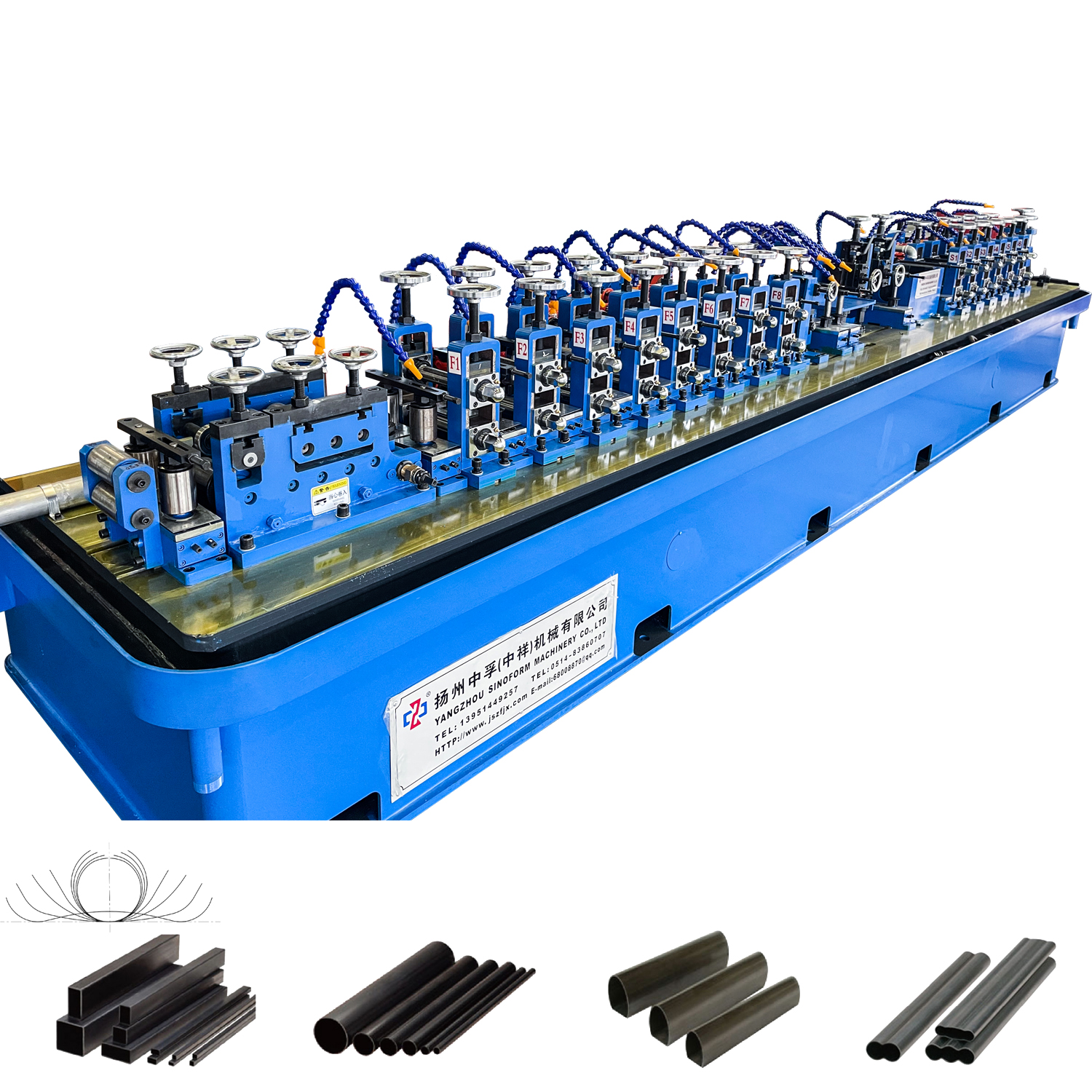 High Precision High-Frequency ERW Tube Mill line
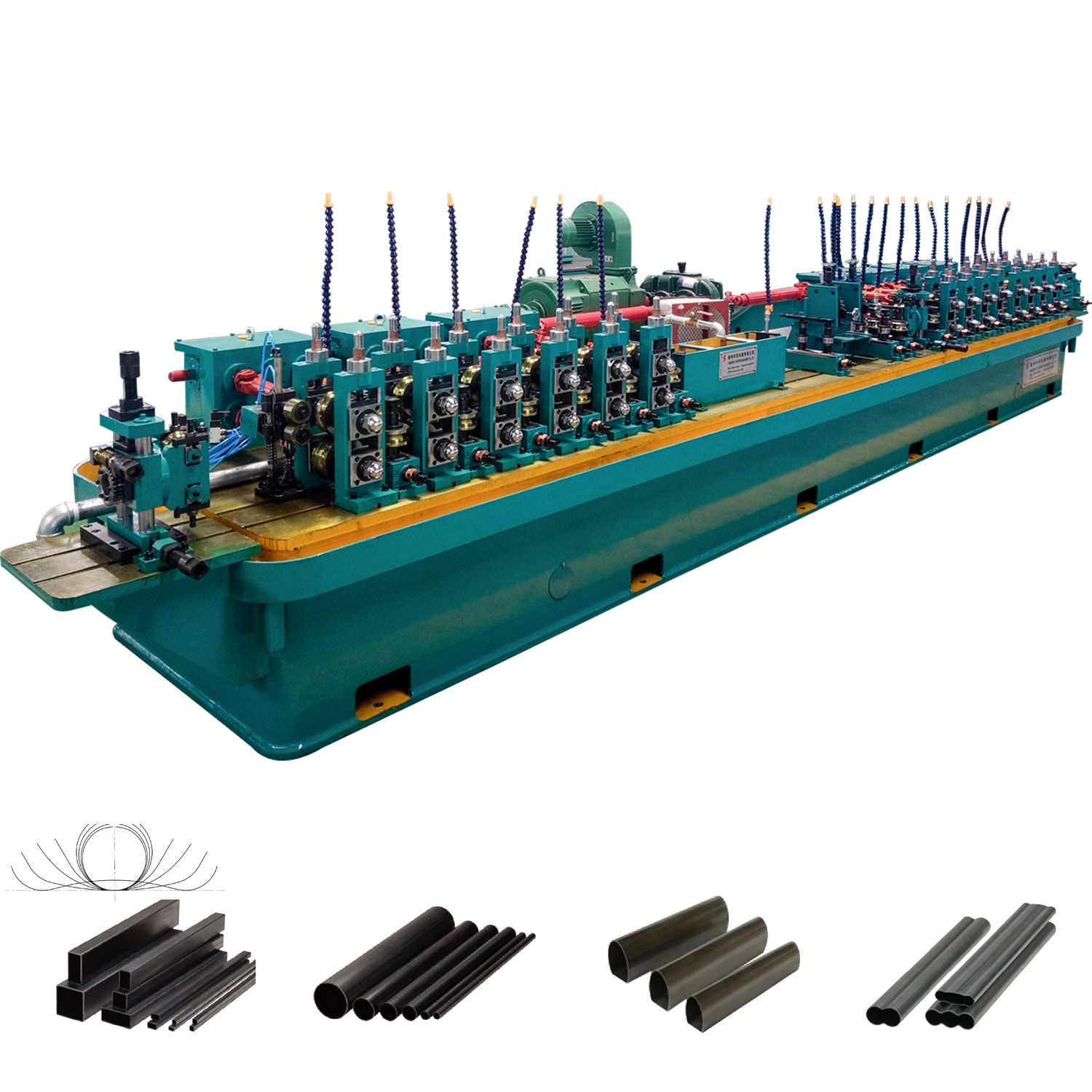 High Precision High-Frequency ERW Tube Mill line
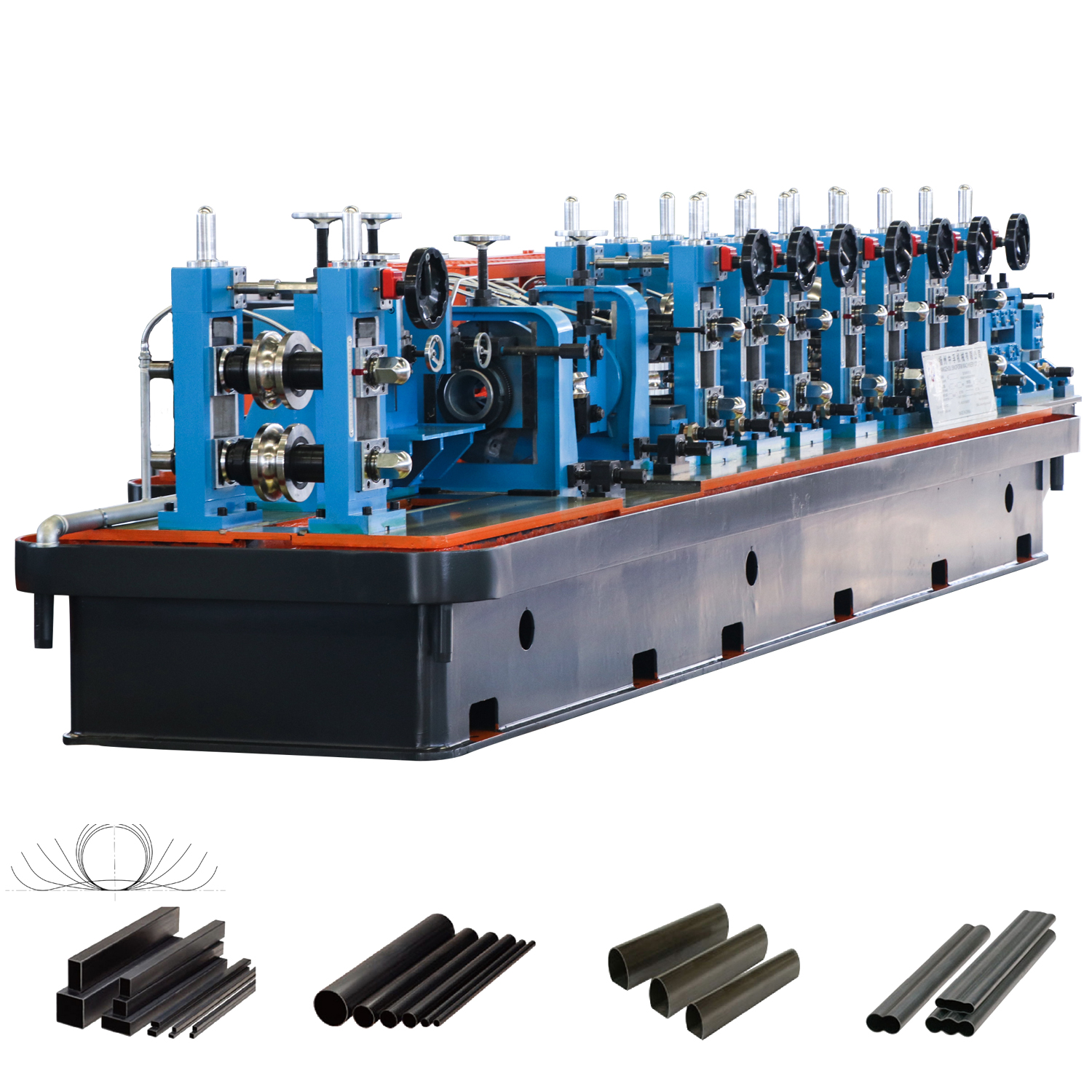 High Precision High-Frequency ERW Tube Mill line
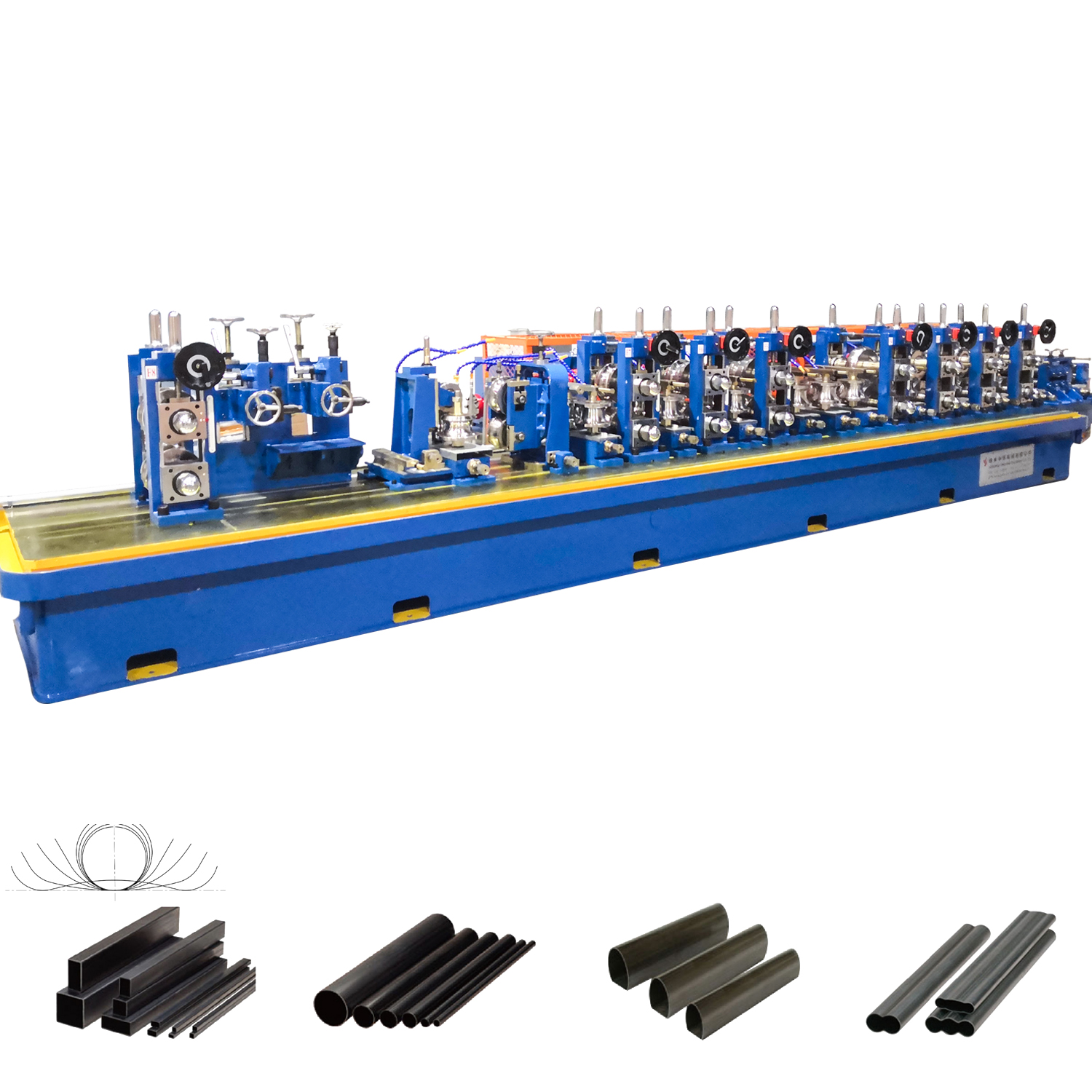 High Precision High-Frequency ERW Tube Mill line
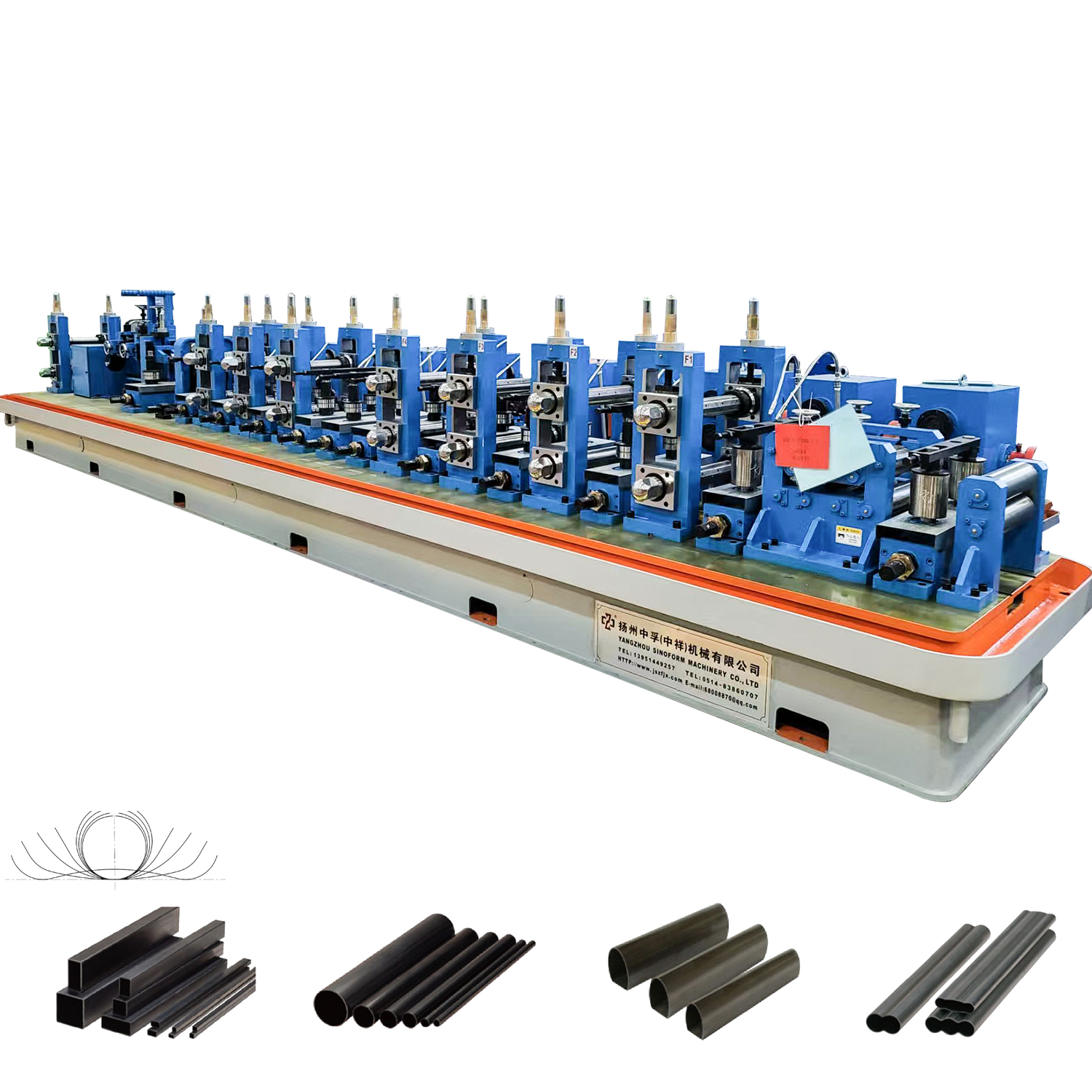 High Precision High-Frequency ERW Tube Mill line
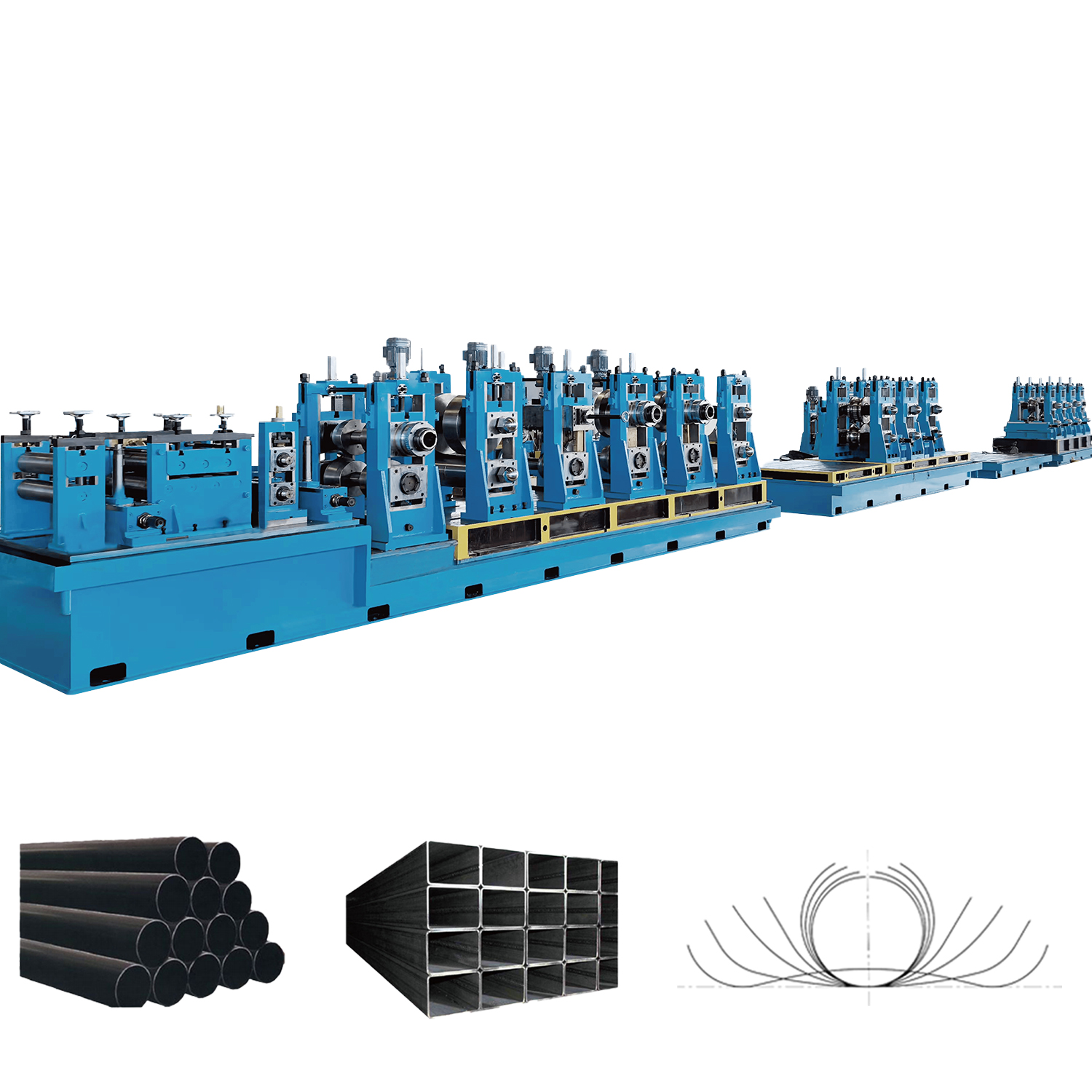 Large ERW tube mill line
Large ERW tube mill line
Large ERW tube mill line
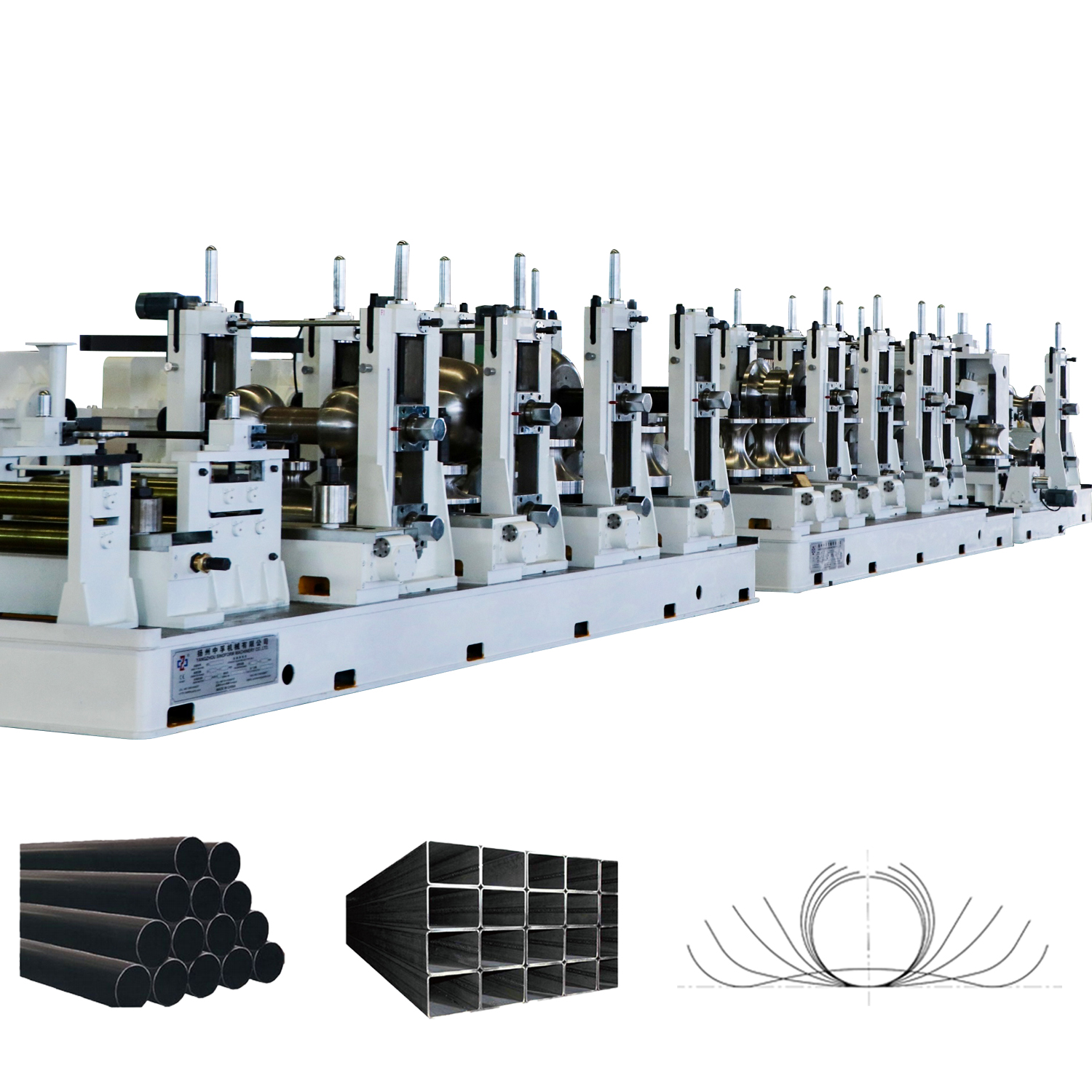 Large ERW tube mill line
Large ERW tube mill line
Large ERW tube mill line
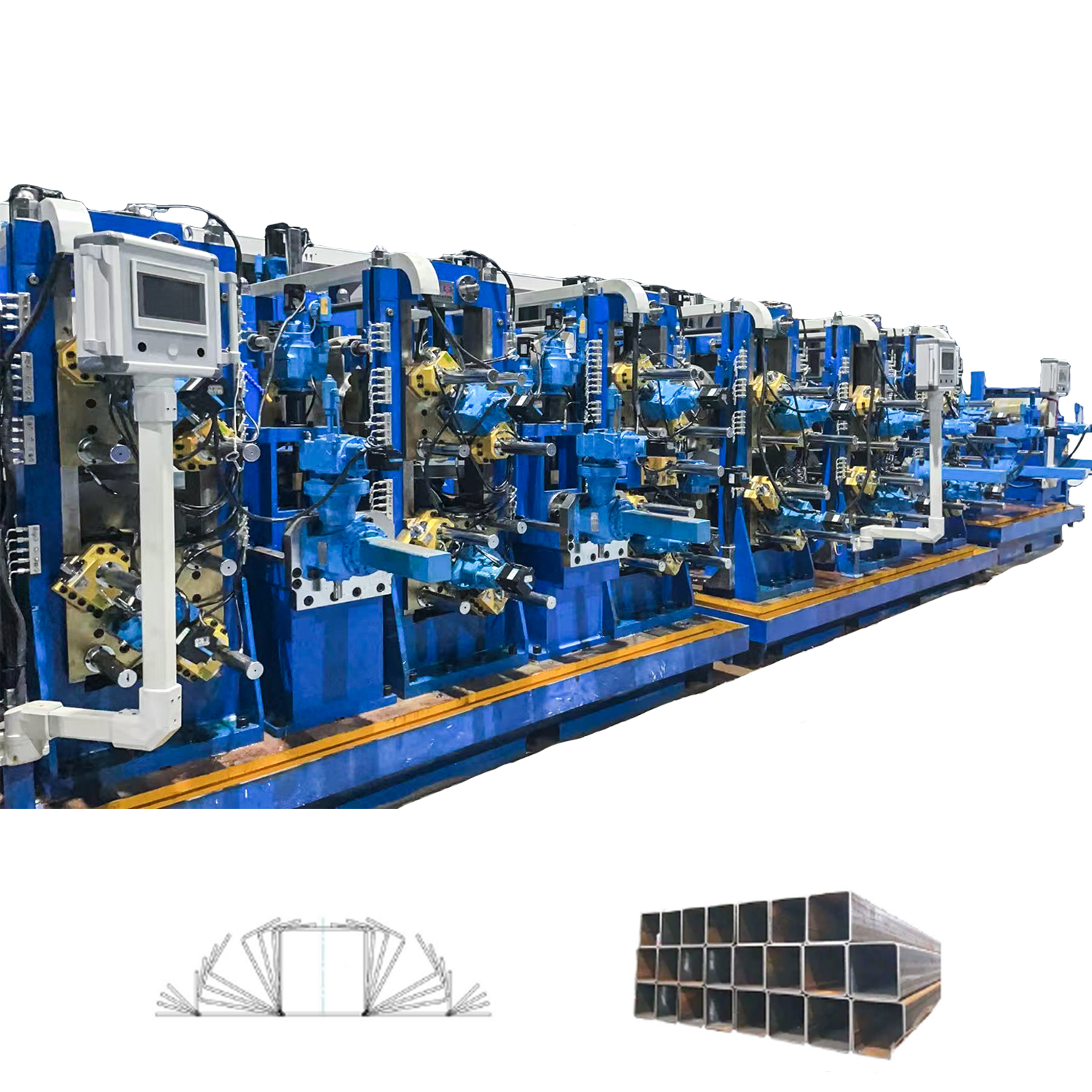 Direct To Square Welded Pipe Production Line
Direct To Square Welded Pipe Production Line
Direct To Square Welded Pipe Production Line
Direct To Square Welded Pipe Production Line
Direct To Square Welded Pipe Production Line

 No.1 Xiangjian Road, Northern
Suburbs Of Yangzhou City,
Jiangsu Province,China
No.1 Xiangjian Road, Northern
Suburbs Of Yangzhou City,
Jiangsu Province,China
 Phone: +86-0514-8363 8877
 E-mail: [email protected]
© Yangzhou SINOFORM Machinery Co., Ltd. Tube Mill Line Manufacturers
Pipe Making Machine Custom
Tube Making Machine Suppliers



 English
 Español
 عربى
عربى русский
 中文简体
中文简体