A Welded Pipe Line is a critical component in various industrial, municipal, and residential applications, responsible for transporting liquids, gases, and other materials. Understanding its typical lifespan under normal operating conditions is essential for planning maintenance, ensuring safety, and optimizing investment costs.
Content
The longevity of a Welded Pipe Line depends on multiple factors, including material type, operating environment, maintenance practices, and the type of fluid transported.
Common materials for welded pipelines include carbon steel, stainless steel, copper, and aluminum. Material choice directly impacts corrosion resistance, strength, and overall durability. For example, stainless steel pipelines can withstand corrosive environments better than carbon steel, extending their lifespan significantly.
Pipelines exposed to extreme temperatures, high pressures, or corrosive fluids will naturally experience more wear. Pipelines in stable environments, such as indoor facilities with controlled conditions, generally last longer than those installed outdoors or in industrial plants with harsh chemicals.
Regular inspection and maintenance, including cleaning, corrosion monitoring, and timely repairs, can significantly extend a Welded Pipe Line's life. Neglecting these practices may result in premature failure due to rust, fatigue, or leaks.
Pipelines carrying water or mild chemicals generally experience less wear compared to those transporting oil, gas, or acidic fluids. Abrasive or corrosive fluids accelerate the degradation of the pipe material and weld joints, shortening the pipeline's lifespan.
The following table provides an estimated lifespan for common pipeline materials under normal operating conditions:
| Material | Average Lifespan (Years) | Key Advantages | Considerations |
| Carbon Steel | 20–30 | High strength, cost-effective | Prone to corrosion without protective coating |
| Stainless Steel | 40–50 | Excellent corrosion resistance | Higher cost |
| Copper | 50–70 | Long-lasting, resistant to biofouling | Sensitive to acidic water and mechanical stress |
| Aluminum | 30–40 | Lightweight, corrosion-resistant | Lower strength compared to steel |
Choosing between a welded and seamless pipeline can influence long-term durability. While both have advantages, understanding their differences helps optimize lifespan.
| Feature | Welded Pipe Line | Seamless Pipe Line |
| Manufacturing | Formed by welding steel sheets or plates | Extruded or drawn without welding |
| Strength | Slightly lower due to welded seam | Higher, seamless structure reduces weak points |
| Cost | More economical for large diameters | More expensive, especially for larger sizes |
| Typical Lifespan | 20–50 years depending on material and environment | 25–60 years under similar conditions |
Under normal conditions with regular maintenance, a carbon steel Welded Pipe Line typically lasts 20–30 years. Corrosion protection can extend its service life.
Yes. Abrasive, acidic, or corrosive fluids accelerate wear and corrosion, reducing the pipeline’s lifespan. Neutral fluids like water generally allow longer service life.
Absolutely. Regular inspections, protective coatings, and timely repairs can extend a Welded Pipe Line’s life by 20–30%, depending on the material and operating conditions.
While seamless pipelines have higher structural integrity due to the absence of welds, modern welding techniques ensure welded pipelines are highly durable and cost-effective for most applications.
Pipelines exposed to moisture, saltwater, extreme temperatures, or chemical environments are prone to corrosion and fatigue. Proper material selection and protective measures can mitigate these effects.
A Welded Pipe Line can provide decades of reliable service under normal conditions when appropriate material, installation, and maintenance practices are followed. Lifespan depends on material type, environmental conditions, fluid characteristics, and proactive maintenance. Understanding these factors ensures safe operation, reduces costly downtime, and optimizes investment in pipeline infrastructure.
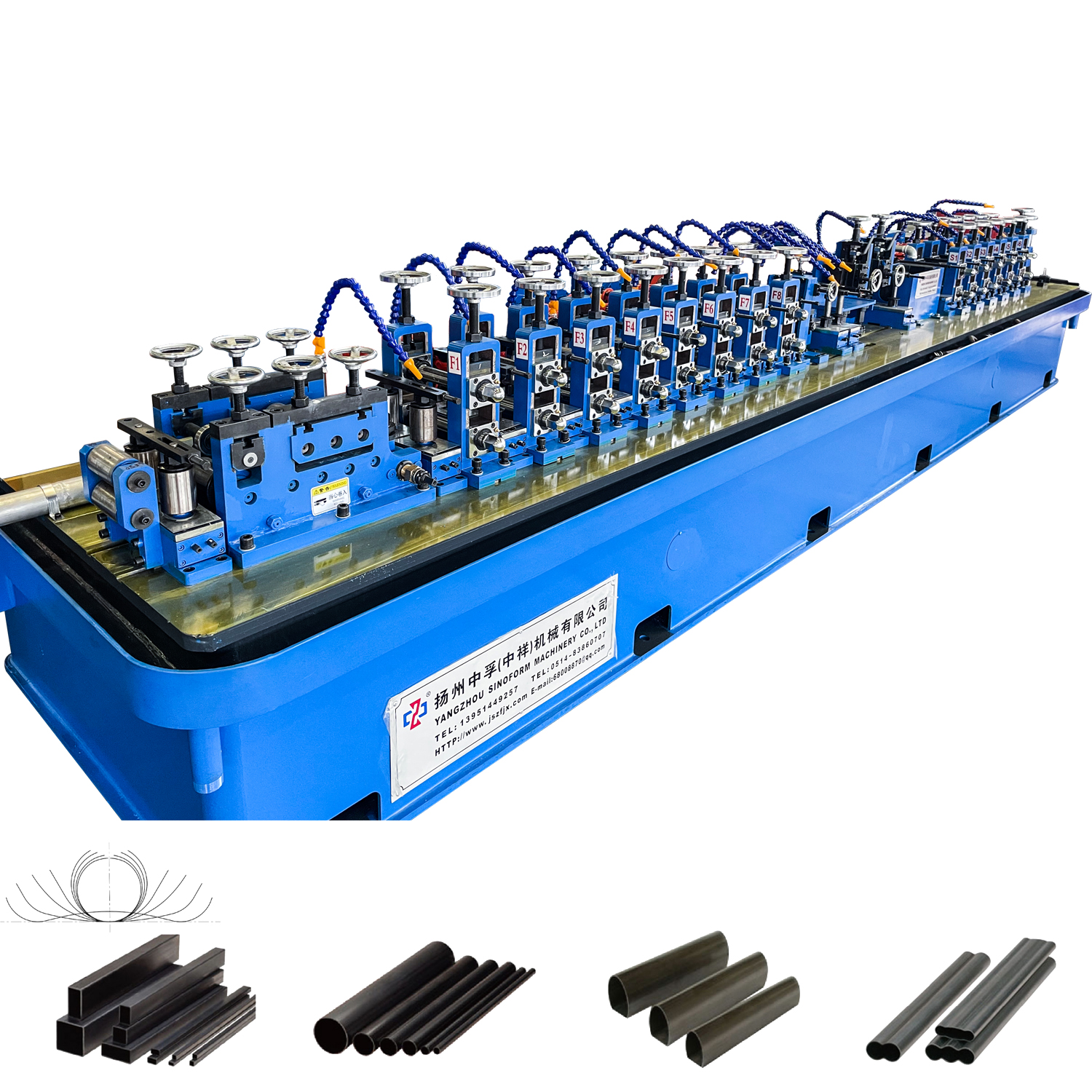 High Precision High-Frequency ERW Tube Mill line
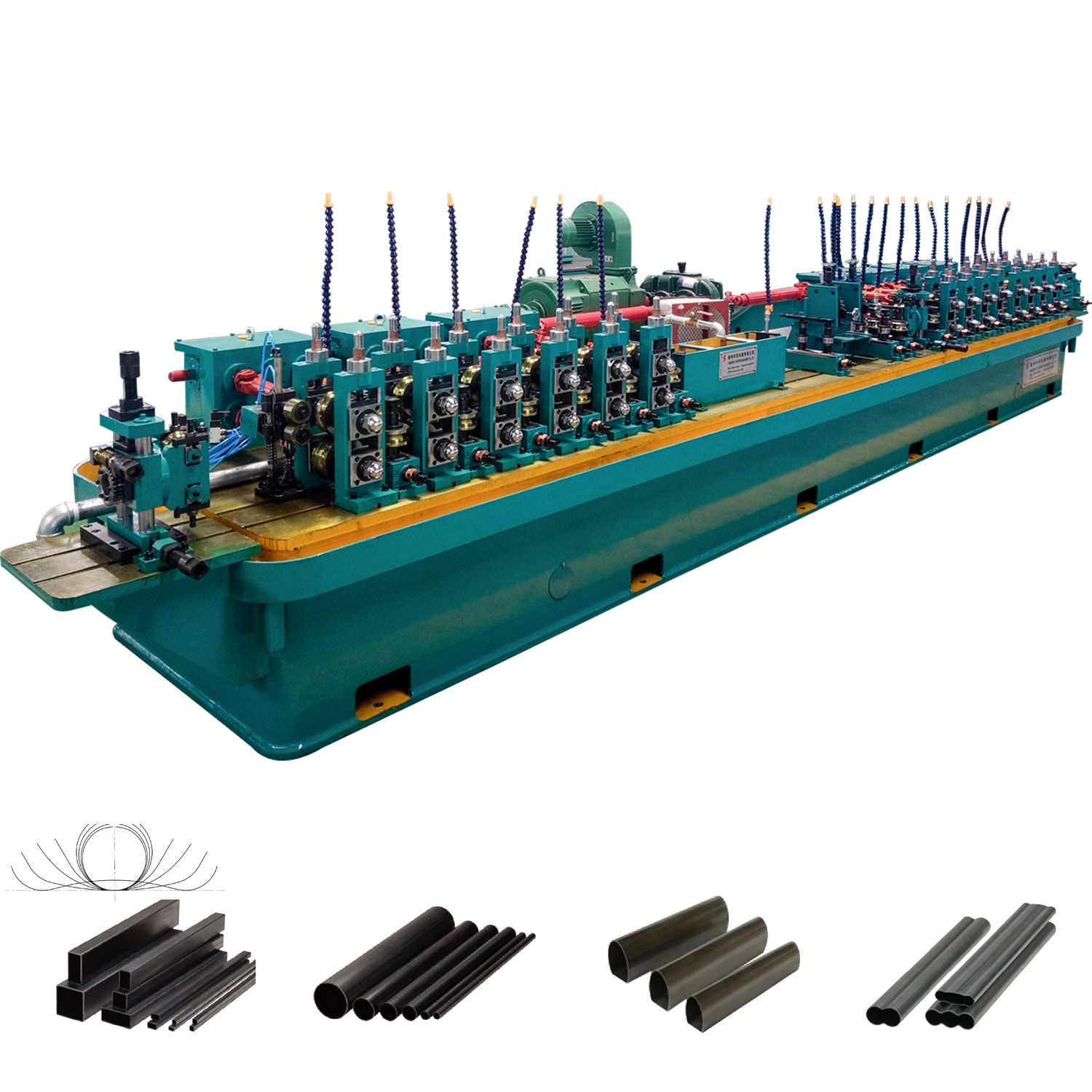 High Precision High-Frequency ERW Tube Mill line
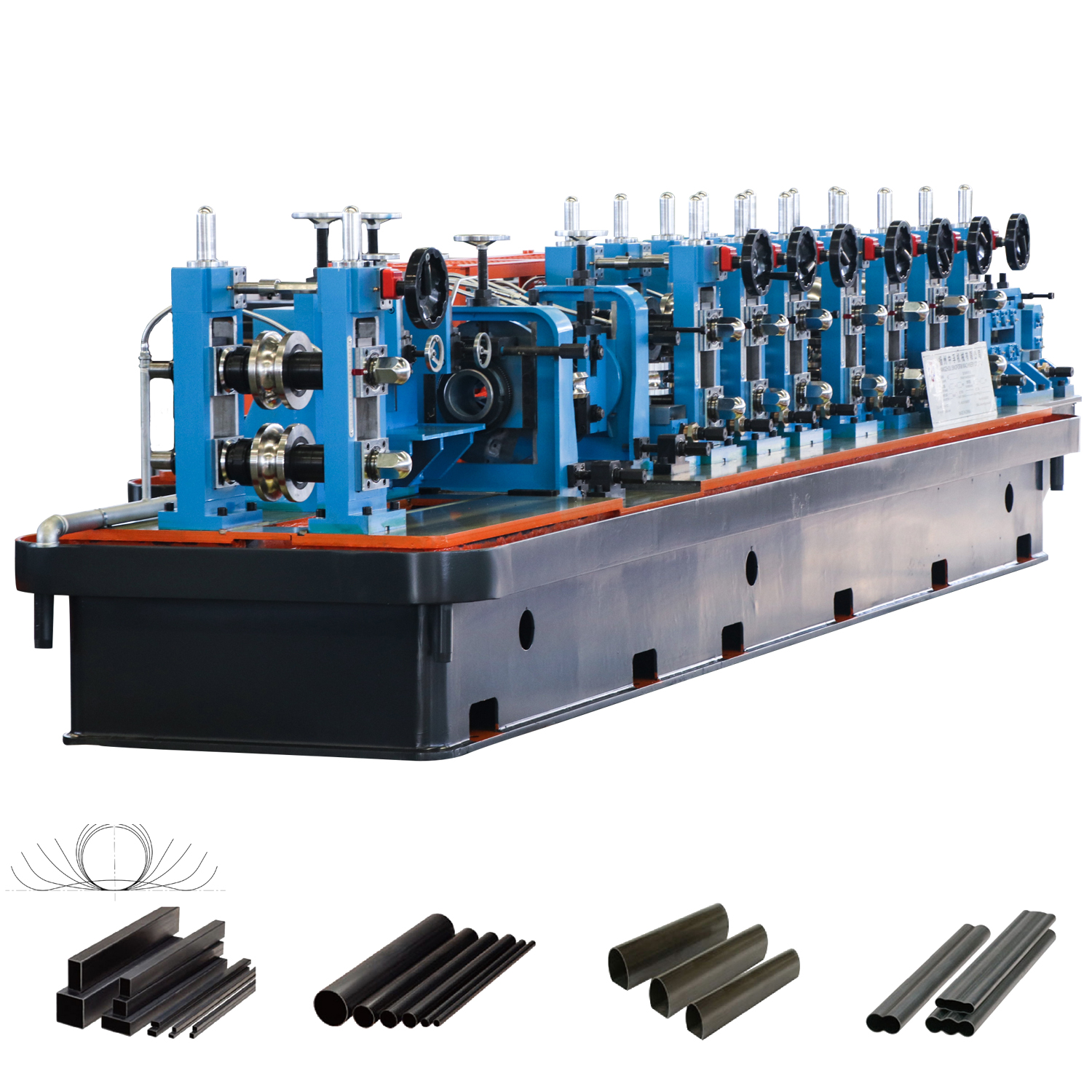 High Precision High-Frequency ERW Tube Mill line
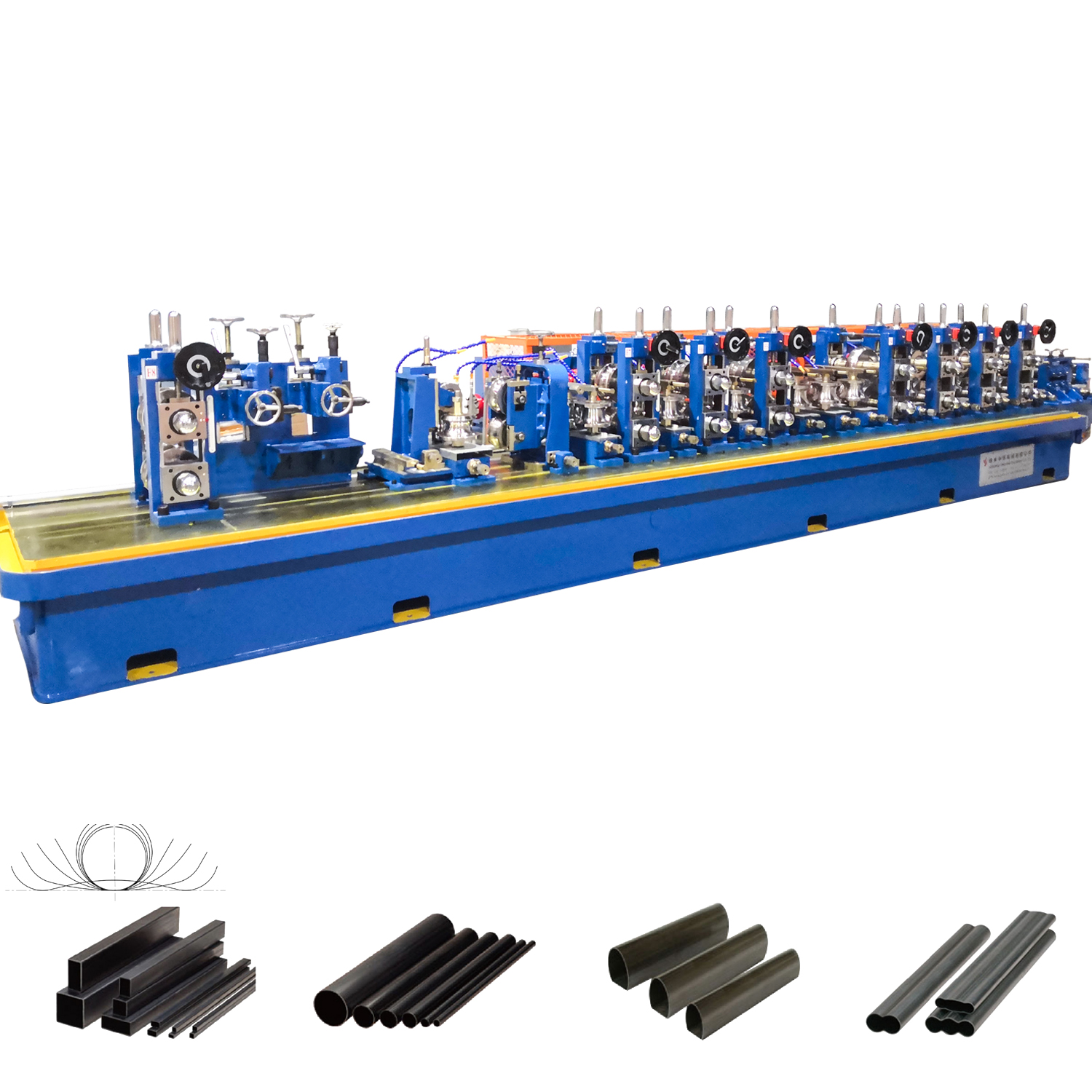 High Precision High-Frequency ERW Tube Mill line
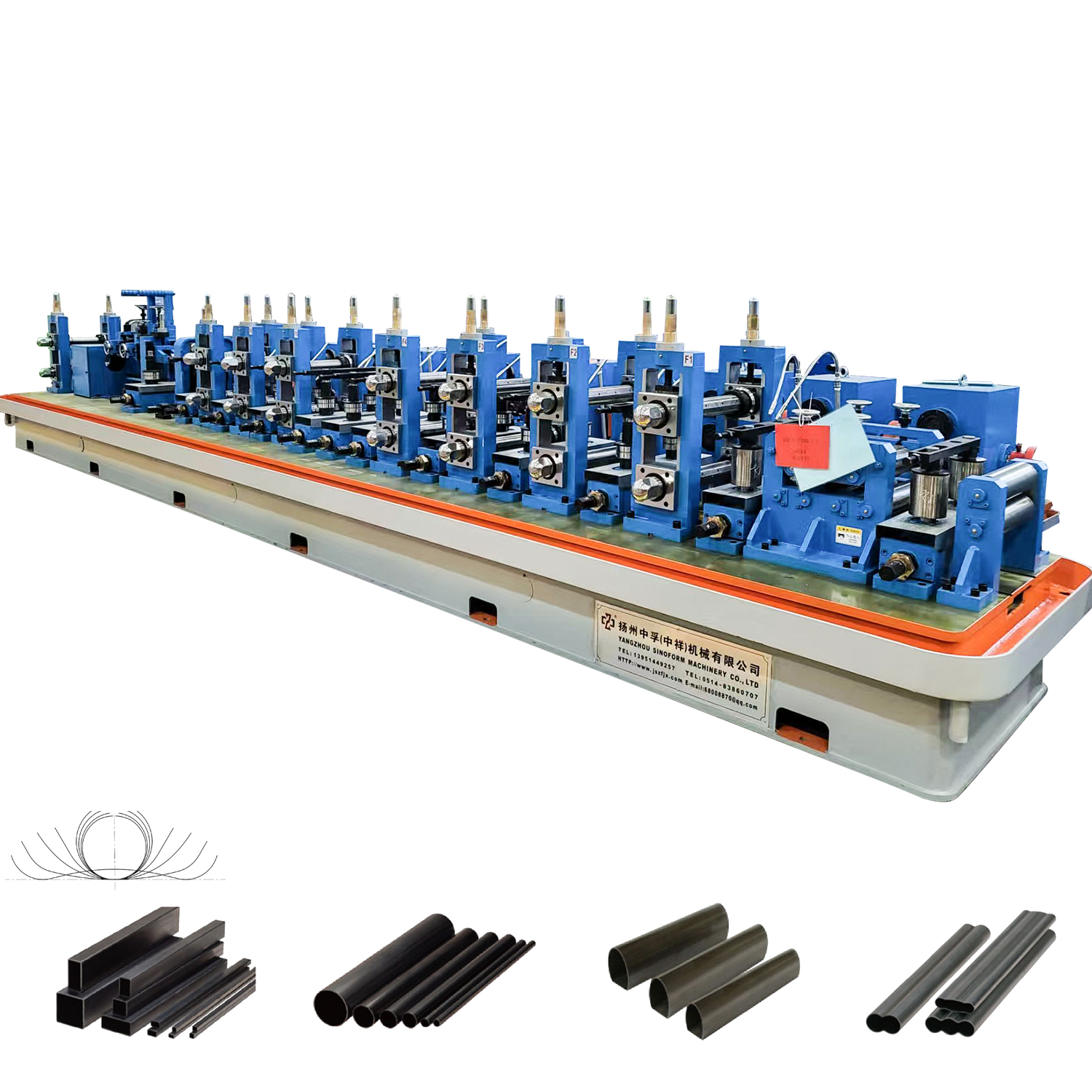 High Precision High-Frequency ERW Tube Mill line
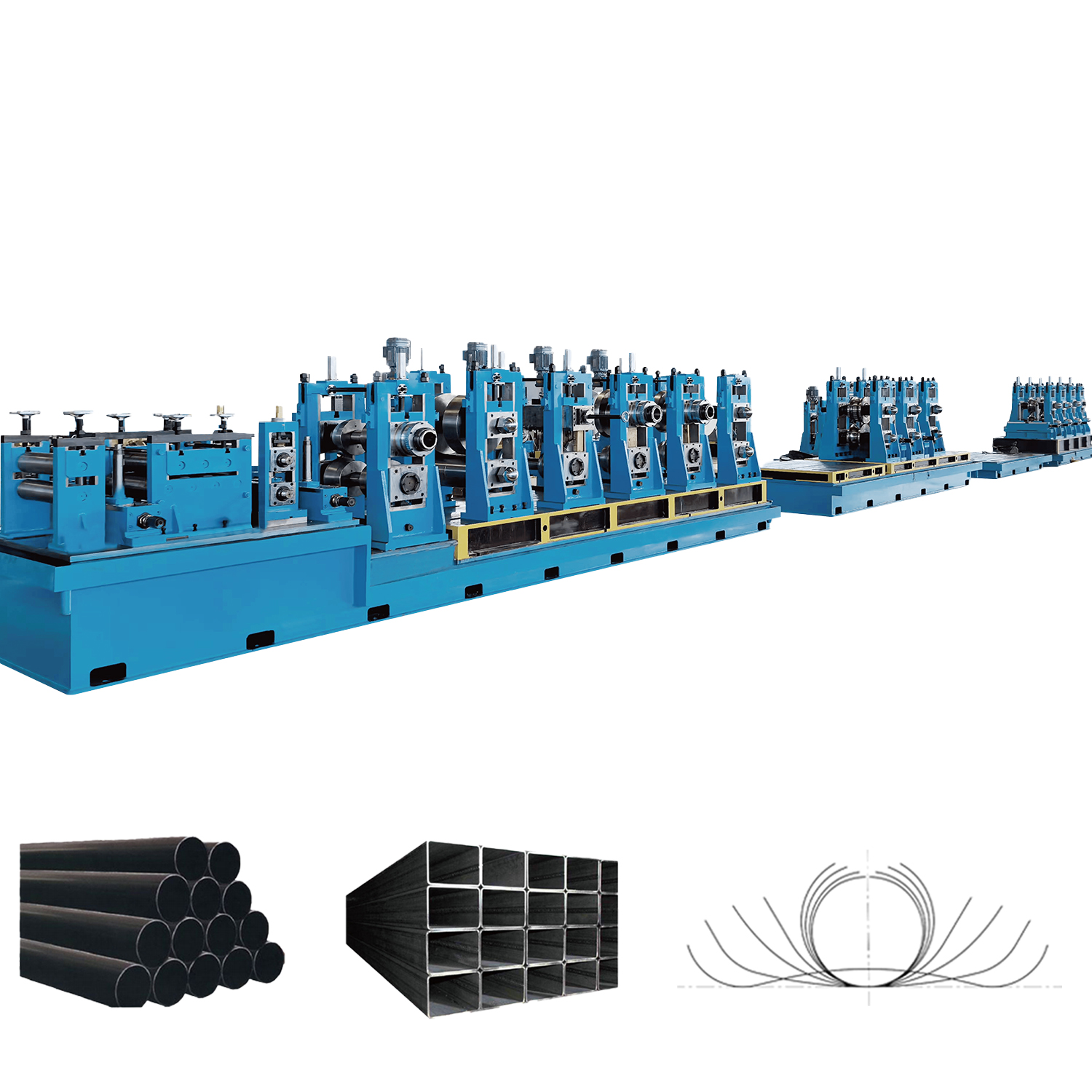 Large ERW tube mill line
Large ERW tube mill line
Large ERW tube mill line
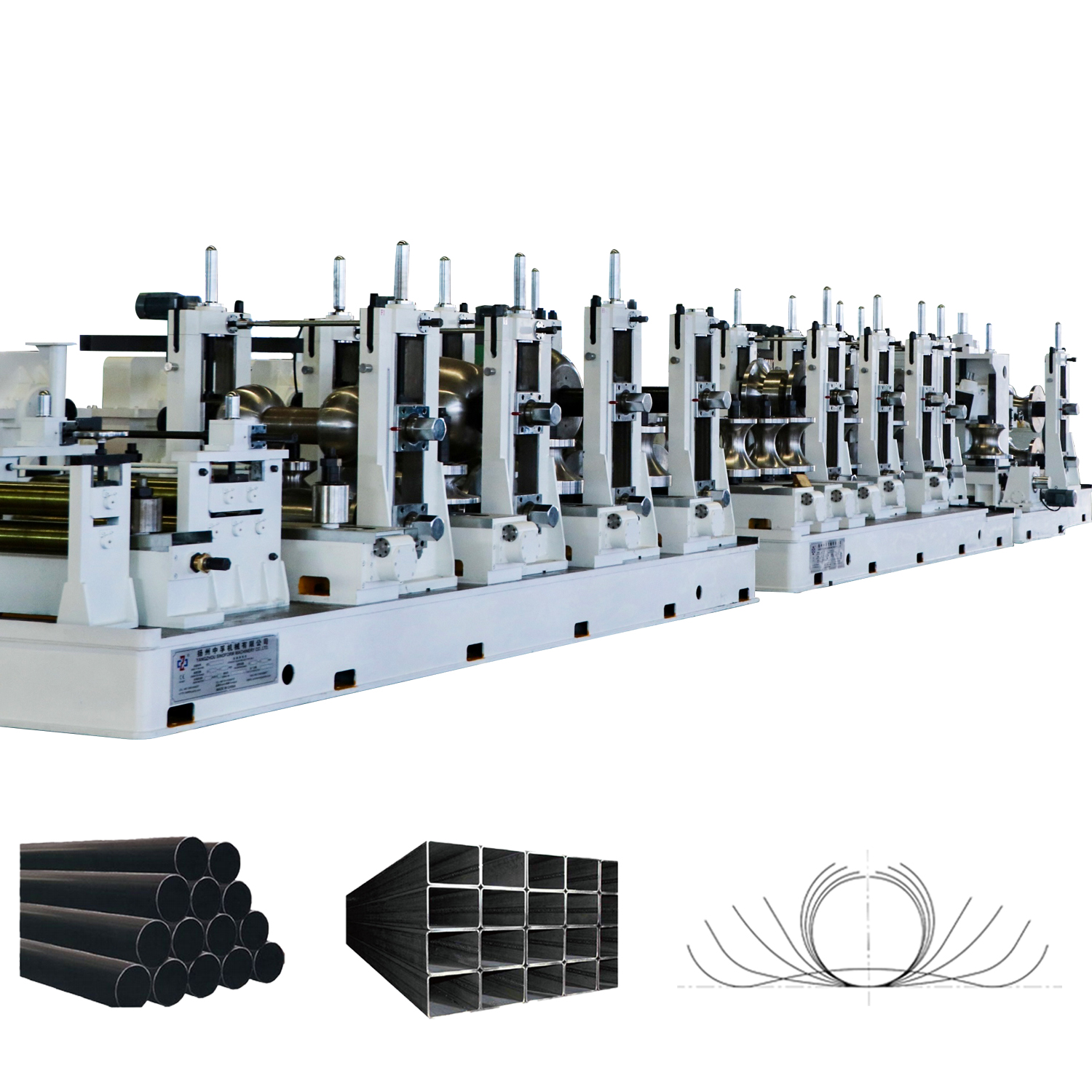 Large ERW tube mill line
Large ERW tube mill line
Large ERW tube mill line
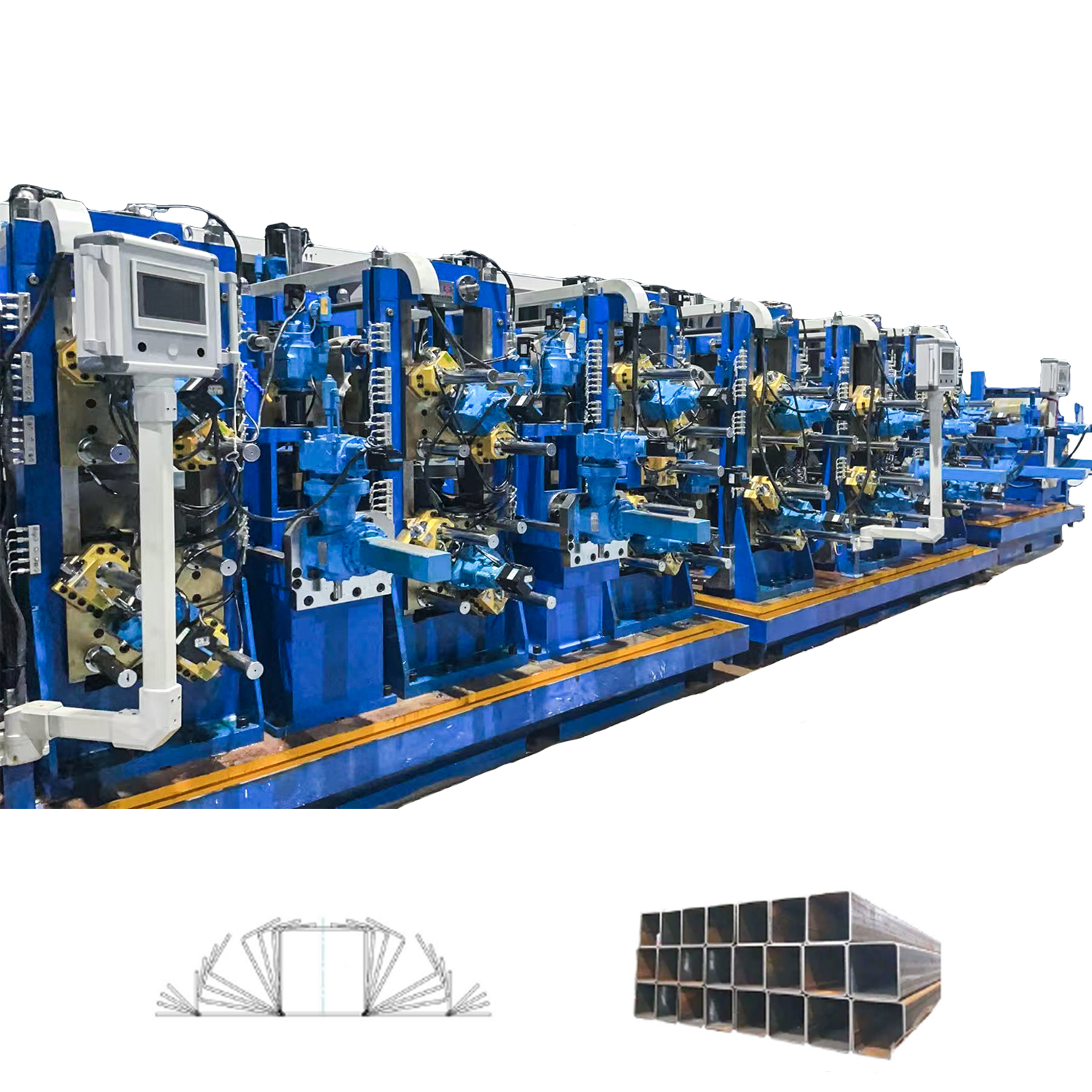 Direct To Square Welded Pipe Production Line
Direct To Square Welded Pipe Production Line
Direct To Square Welded Pipe Production Line
Direct To Square Welded Pipe Production Line
Direct To Square Welded Pipe Production Line

 No.1 Xiangjian Road, Northern
Suburbs Of Yangzhou City,
Jiangsu Province,China
No.1 Xiangjian Road, Northern
Suburbs Of Yangzhou City,
Jiangsu Province,China
 Phone: +86-0514-8363 8877
 E-mail: [email protected]
© Yangzhou SINOFORM Machinery Co., Ltd. Tube Mill Line Manufacturers
Pipe Making Machine Custom
Tube Making Machine Suppliers



 English
 Español
 عربى
عربى русский
 中文简体
中文简体