Across municipal infrastructure, industrial facilities, and residential developments worldwide, welded pipe lines have become the dominant solution for water supply and sewage systems. Their prevalence is no accident — engineering demands, long-term cost efficiency, and structural reliability all point toward welded construction as the superior choice for fluid transport applications.
Content
Welded pipe lines are pipelines constructed by joining steel or alloy pipe sections through various welding techniques — including electric resistance welding (ERW), submerged arc welding (SAW), and spiral welding. Unlike seamless pipes, welded pipes are formed from flat steel plate or coil that is rolled and fused along a longitudinal or helical seam.
These pipelines are widely deployed for:
Modern welded pipe lines achieve exceptional tensile strength through controlled welding processes. For water supply mains operating under high pressure — often between 100 and 300 psi — welded steel pipes maintain consistent wall thickness and resist deformation far better than cast iron or plastic alternatives. The continuous weld seam, when executed to ASTM or ISO standards, provides structural performance nearly equivalent to seamless pipe at a fraction of the cost.
Sewage infrastructure requires the movement of enormous fluid volumes. Welded pipe lines can be manufactured in diameters from 6 inches to over 120 inches — a range that seamless pipe manufacturing simply cannot match economically. Spiral-welded large-diameter pipes are the backbone of trunk sewers, outfall mains, and bulk water transmission lines globally.
Manufacturing welded pipe lines from rolled steel plate is significantly more economical than the extrusion or boring process required for seamless pipe. For large public infrastructure projects involving kilometers of pipeline, the per-meter cost savings are substantial — often 20–40% lower than seamless alternatives of equivalent specification.
When paired with internal cement-mortar lining and external fusion-bonded epoxy (FBE) or polyethylene coatings, welded pipe lines achieve service lives exceeding 50–100 years in water and sewage applications. These protective systems prevent both internal scaling and external soil corrosion, a critical advantage over uncoated ductile iron or bare steel alternatives.
Unlike flanged or mechanical joint systems, welded pipe lines can be field-welded to accommodate complex routing changes, elevation shifts, and tie-in connections. This flexibility significantly reduces the need for prefabricated fittings and shortens project timelines in difficult terrain or congested urban environments.
| Feature | Welded Pipe Lines | Seamless Steel Pipe | Ductile Iron Pipe | PVC/HDPE Pipe |
| Max Diameter | Up to 120"+ | Up to ~26" | Up to ~64" | Up to ~63" |
| Pressure Rating | Very High | Highest | High | Moderate |
| Unit Cost | Low–Medium | High | Medium | Low |
| Corrosion Resistance | Excellent (with coating) | Good (with coating) | Good | Inherent |
| Service Life | 50–100+ years | 50–80 years | 50–100 years | 25–50 years |
| Field Weldability | Excellent | Excellent | Limited | None (fusion only) |
| Best For | Municipal mains, trunk sewers | High-pressure industrial | Distribution networks | Low-pressure laterals |
ERW welded pipe lines are produced by passing high-frequency electrical current through the steel coil edges to generate the heat needed for fusion — no filler metal is used. ERW pipe is ideal for smaller diameter water service lines and distribution mains, typically in the 2"–24" range, where tight dimensional tolerances and smooth internal surfaces are required.
LSAW welded pipe lines are formed from heavy steel plate and welded along a straight seam using submerged arc welding — applied both internally and externally. Their thick walls and precise geometry make them preferred for high-pressure water transmission mains and large-diameter sewer force mains.
SSAW welded pipe lines are manufactured by spirally forming steel strip and welding along the helical seam. They are the most economical solution for very large diameters — from 24" to 120"+ — making them the primary choice for trunk sewers, outfall pipelines, and regional water supply aqueducts.
The longevity and performance of welded pipe lines in water and sewage environments is largely determined by the coating and lining system applied. Common systems include:
Successful installation of welded pipe lines requires careful attention to several critical factors:
Proper bedding material — typically granular aggregate — distributes load evenly around the pipe barrel, preventing point loads that can stress weld seams. Trench width, depth, and backfill compaction must comply with AWWA M11 or equivalent standards.
In electrochemically aggressive soils, welded pipe lines should be paired with impressed current or sacrificial anode cathodic protection systems to neutralize galvanic corrosion. This is particularly important at joint areas where coating holidays may occur.
Field welds on welded pipe lines must be executed by certified welders following qualified procedures per ASME B31.3, AWS D1.1, or project-specific welding procedure specifications (WPS). Non-destructive testing (NDT) — including radiography or ultrasonic inspection — should be specified for high-consequence segments.
Several converging global trends are accelerating adoption of welded pipe lines in water and sanitation infrastructure:
The preference for welded pipe lines in water supply and sewage systems reflects a convergence of structural performance, economic advantage, and engineering versatility that no competing pipe type fully replicates. From small-diameter ERW distribution mains to massive spiral-welded transmission trunks, welded steel pipelines offer the scalability, strength, and adaptability that modern water infrastructure demands.
As municipalities worldwide confront the dual challenges of aging infrastructure and rapid urbanization, welded pipe lines — equipped with advanced coating systems, manufactured to tight standards, and installed by qualified welding professionals — will remain the foundational technology of safe, reliable water and sanitation systems for generations to come.
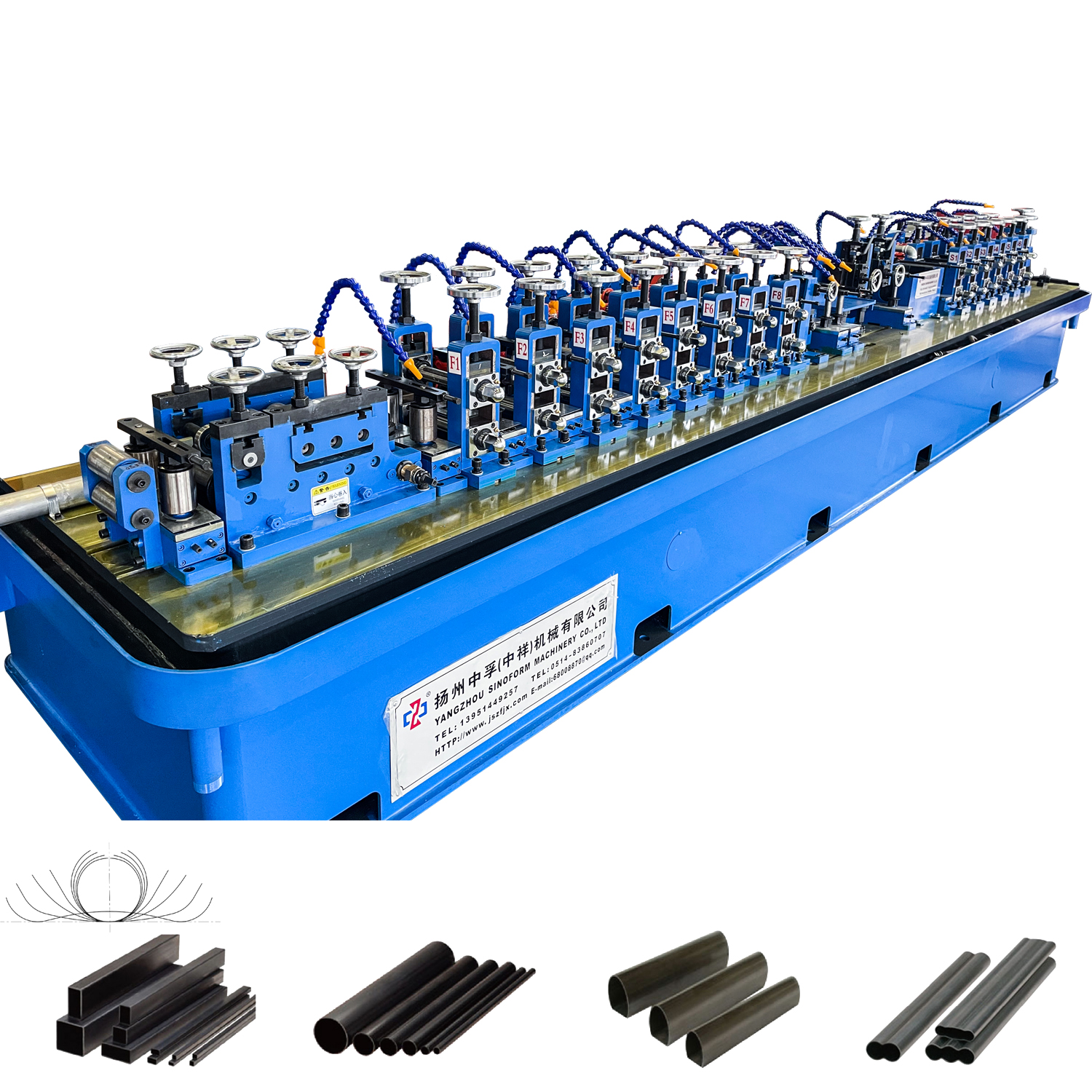 High Precision High-Frequency ERW Tube Mill line
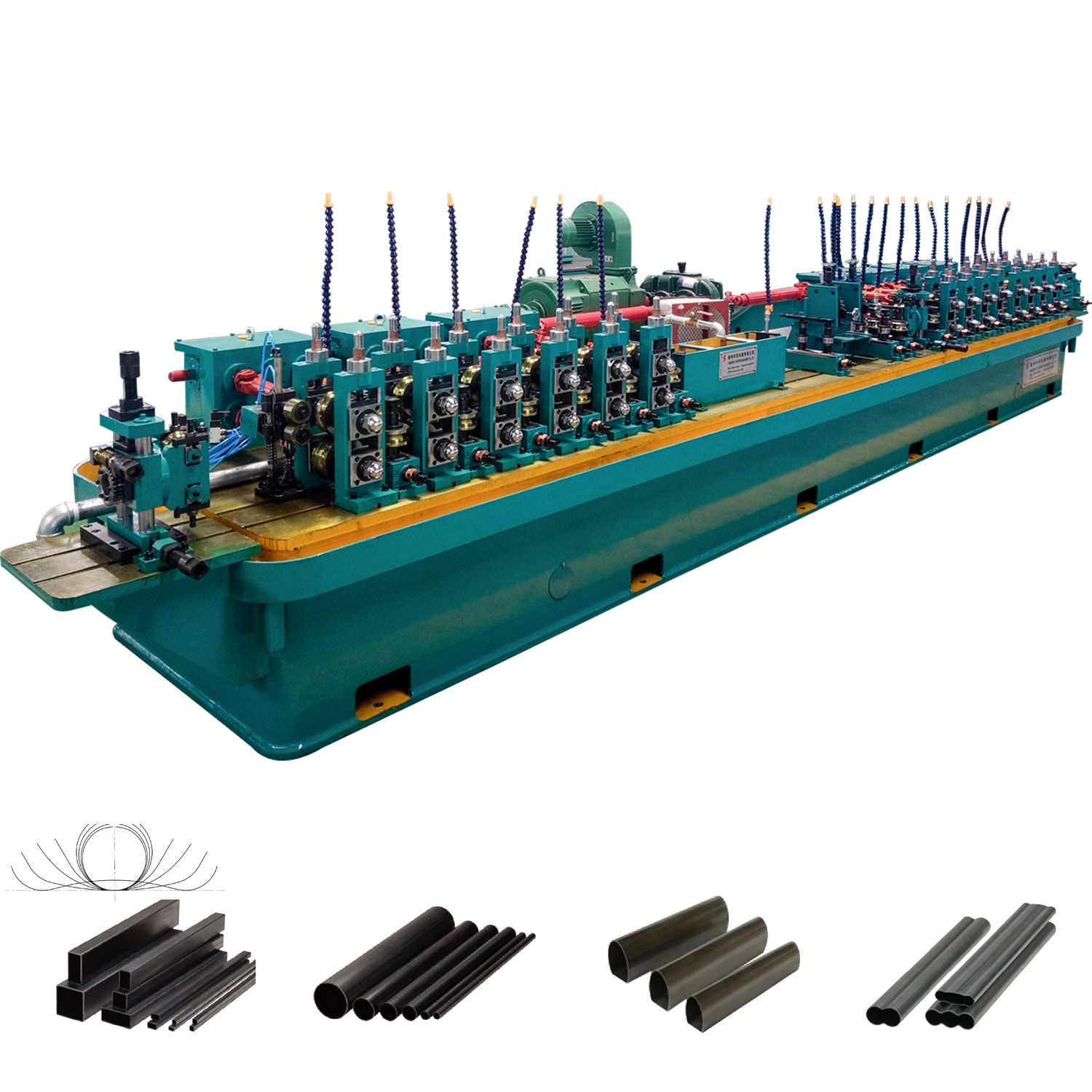 High Precision High-Frequency ERW Tube Mill line
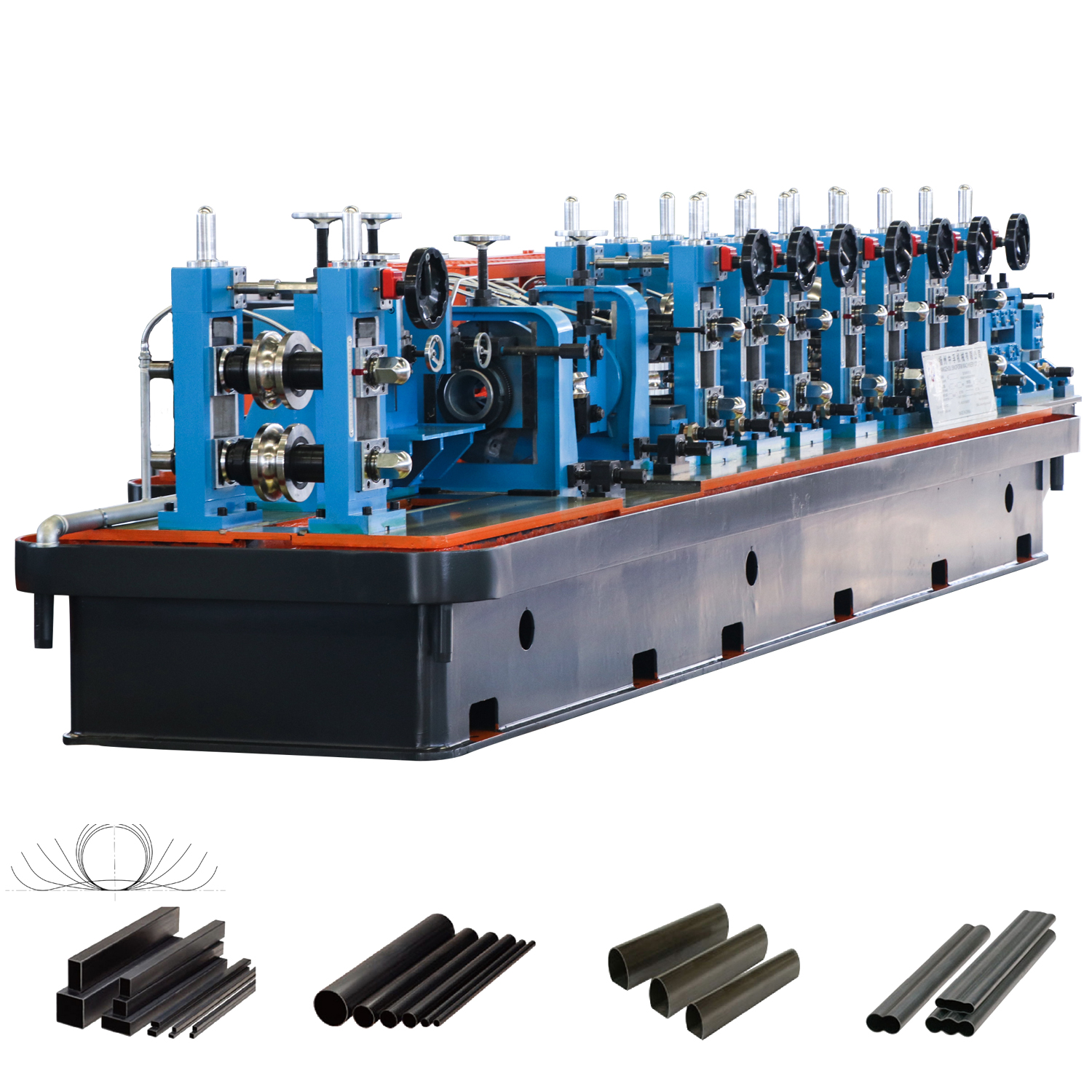 High Precision High-Frequency ERW Tube Mill line
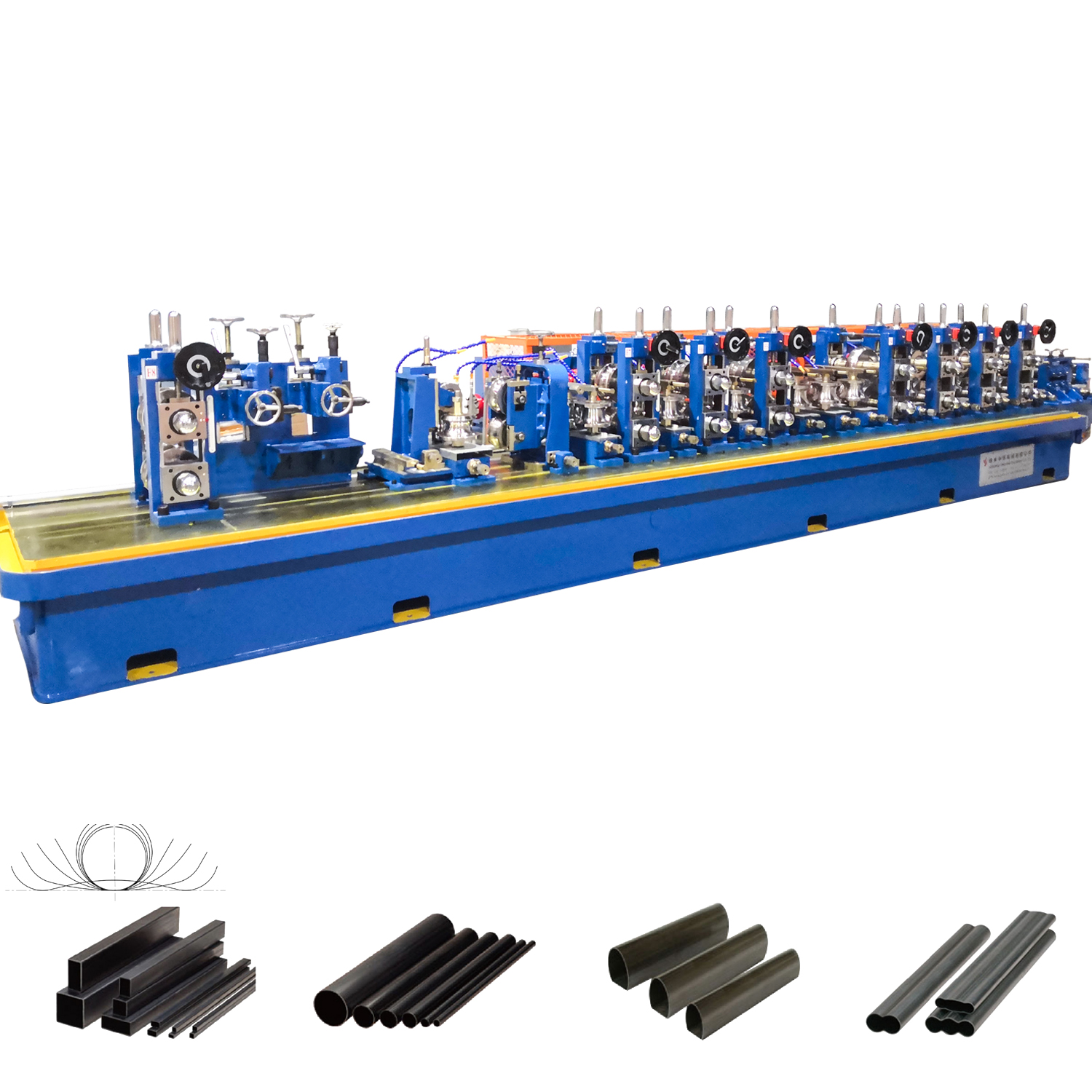 High Precision High-Frequency ERW Tube Mill line
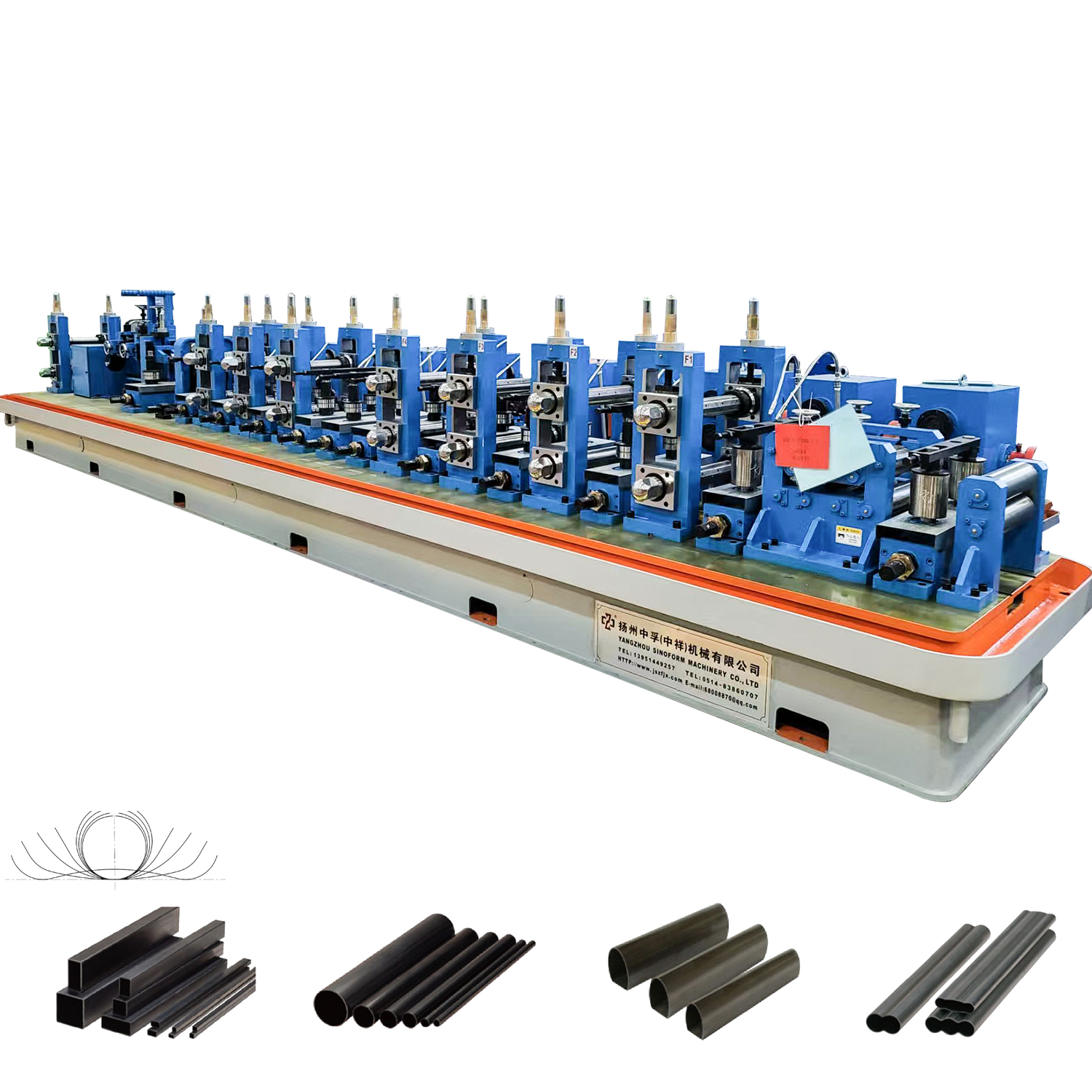 High Precision High-Frequency ERW Tube Mill line
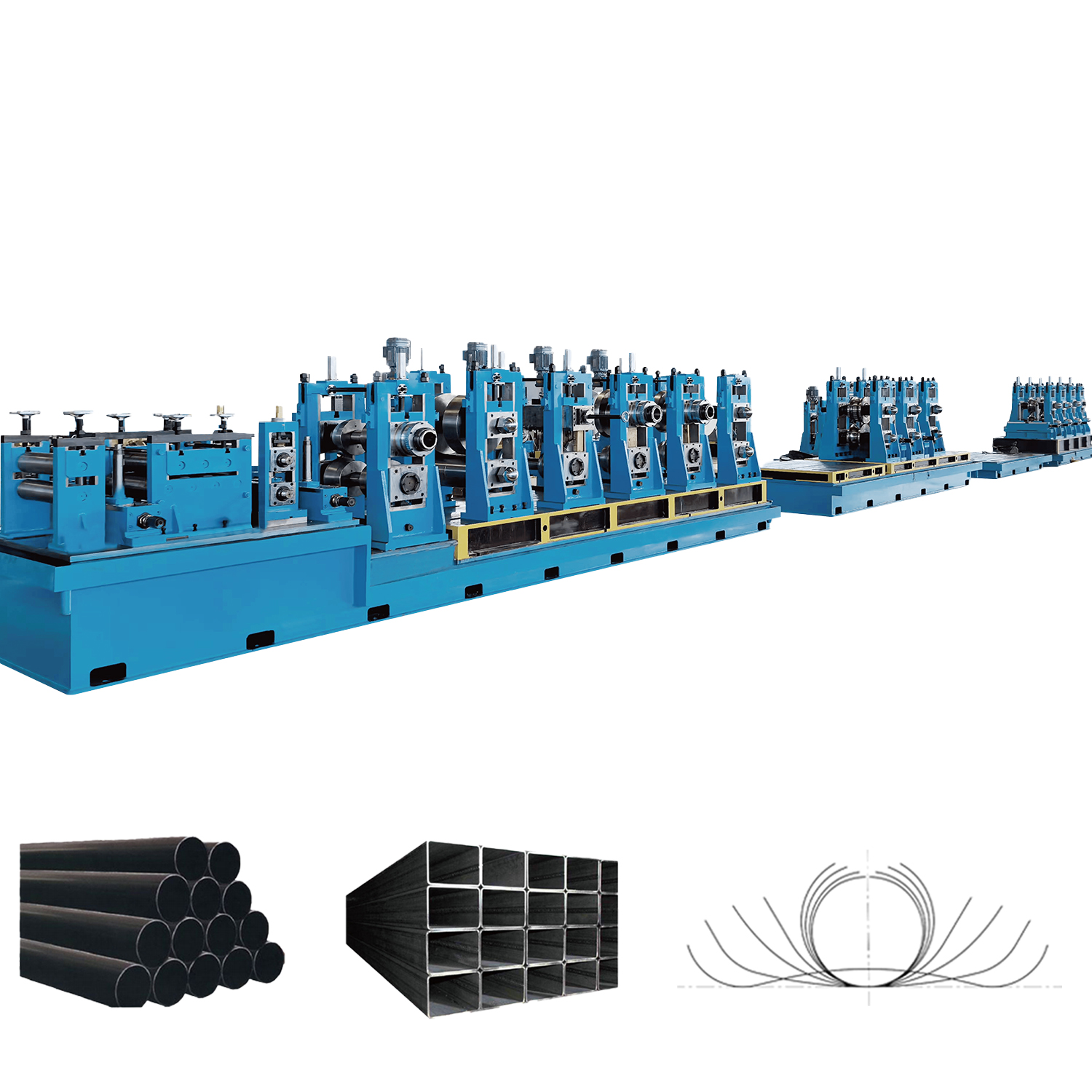 Large ERW tube mill line
Large ERW tube mill line
Large ERW tube mill line
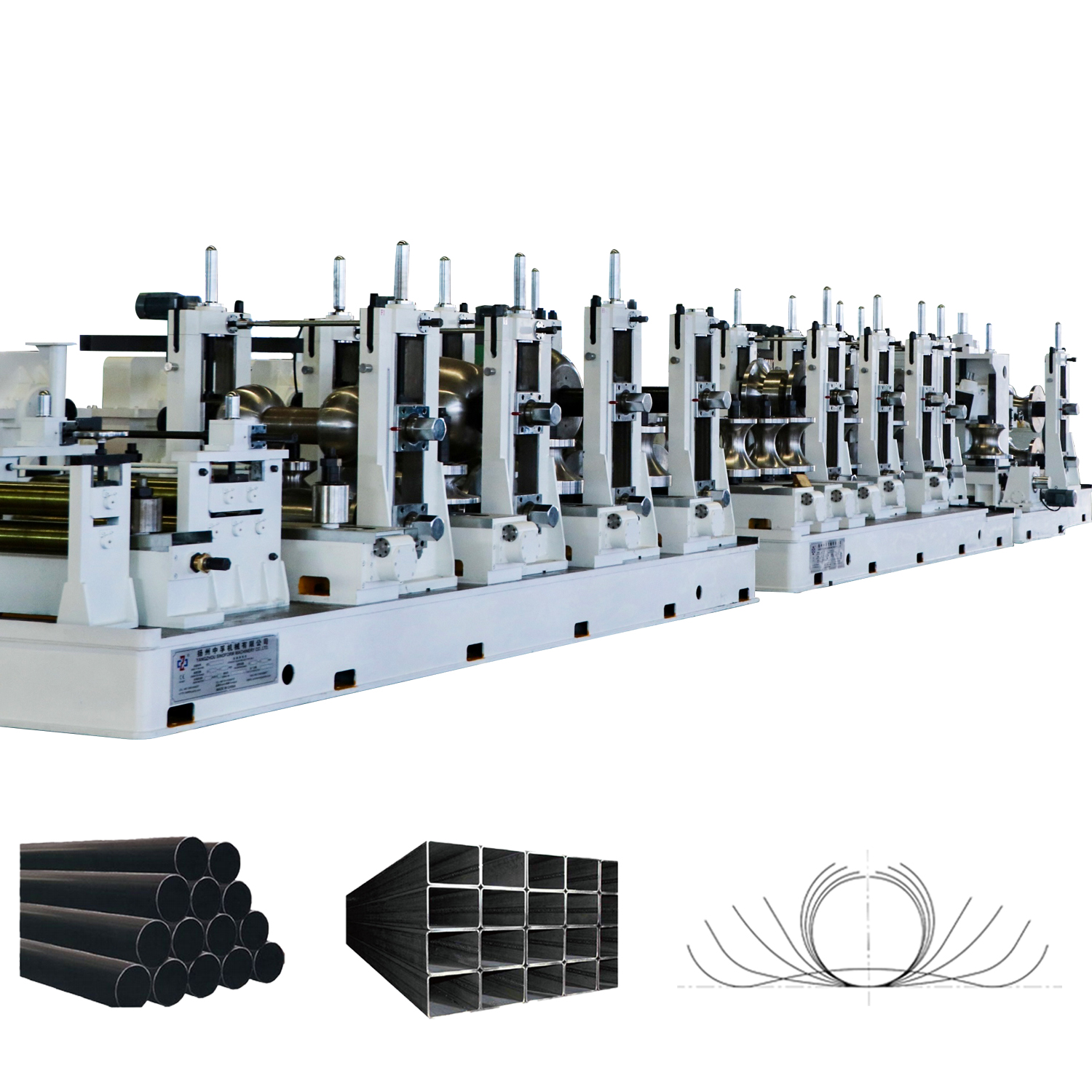 Large ERW tube mill line
Large ERW tube mill line
Large ERW tube mill line
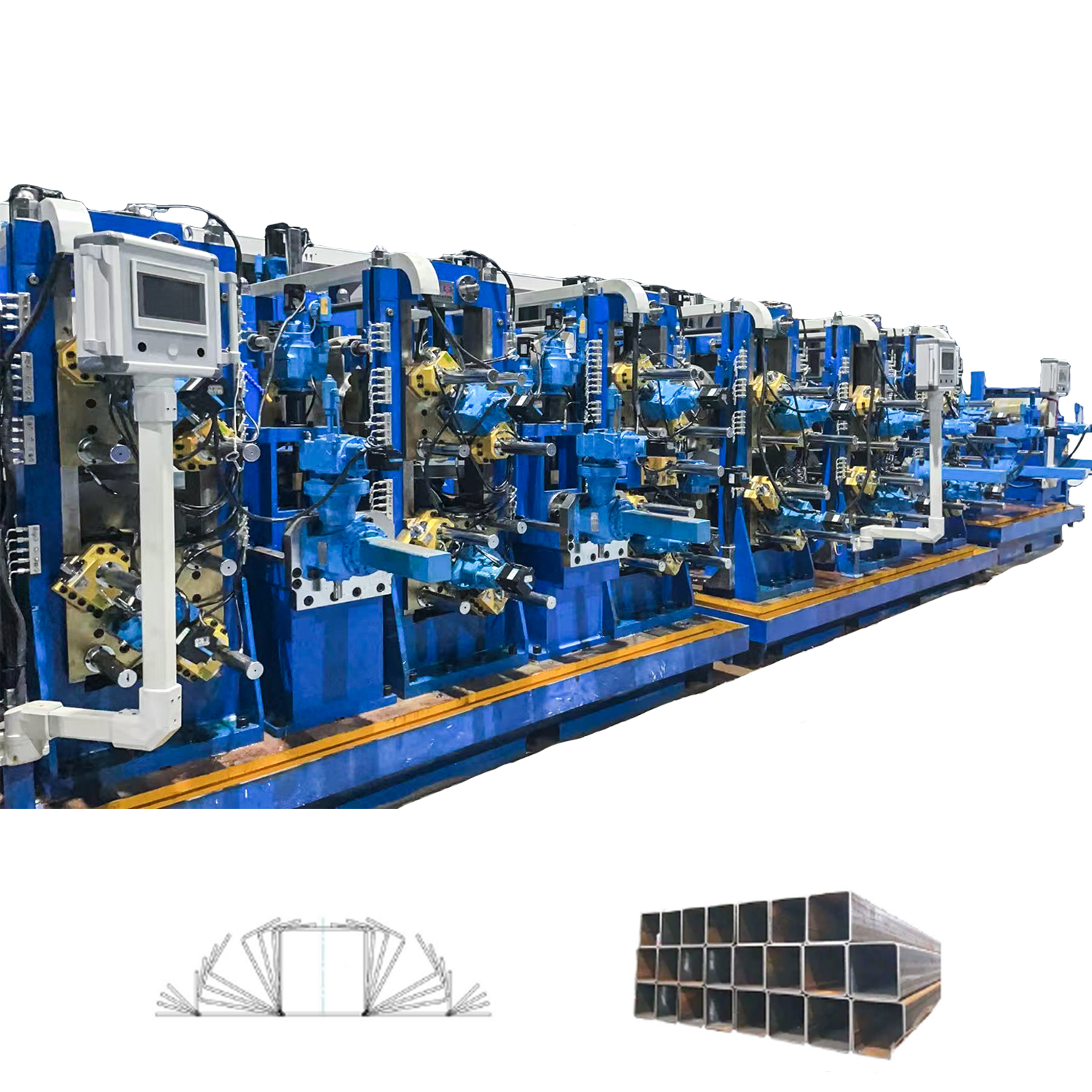 Direct To Square Welded Pipe Production Line
Direct To Square Welded Pipe Production Line
Direct To Square Welded Pipe Production Line
Direct To Square Welded Pipe Production Line
Direct To Square Welded Pipe Production Line

 No.1 Xiangjian Road, Northern
Suburbs Of Yangzhou City,
Jiangsu Province,China
No.1 Xiangjian Road, Northern
Suburbs Of Yangzhou City,
Jiangsu Province,China
 Phone: +86-0514-8363 8877
 E-mail: [email protected]
© Yangzhou SINOFORM Machinery Co., Ltd. Tube Mill Line Manufacturers
Pipe Making Machine Custom
Tube Making Machine Suppliers



 English
 Español
 عربى
عربى русский
 中文简体
中文简体