Quick Answer: A tube making machine is industrial equipment that continuously forms flat metal strips (or other materials) into hollow tubes through a series of rolling, welding, and sizing processes. It is widely used in construction, automotive, furniture, and fluid-transmission industries to produce steel, aluminum, copper, or stainless steel tubes at high speed and precision.
Content
A tube making machine — also called a tube mill or pipe forming machine — is a production system that converts coiled metal strips into finished tubes through a continuous, automated process. The machine precisely bends, welds, and calibrates each tube to meet exact dimensional tolerances, enabling mass production with minimal manual intervention.
Modern tube making machines can produce tubes ranging from a few millimeters in diameter to several hundred millimeters, with wall thicknesses customized to application requirements. Output speeds typically range from 10 m/min for heavy-wall tubes to over 120 m/min for light-gauge sections.
The production process inside a tube making machine is divided into several sequential stages. Understanding each step helps buyers, engineers, and plant managers evaluate machine performance and suitability.
A metal coil (steel, aluminum, stainless, copper, etc.) is loaded onto an uncoiler. The strip is then fed through a straightening unit to remove coil curvature before entering the forming section. Proper tension control at this stage is critical to consistent wall thickness.
The flat strip passes through a series of forming roll stands. Each stand progressively bends the strip closer to the target circular (or square/rectangular) profile. High-quality machines use precision-ground, hardened steel rolls to maintain consistent geometry across millions of meters of production.
Once the strip edges meet, they are fused by one of several welding technologies. The choice of welding method directly impacts weld strength, speed, and cost:
A scarfing tool trims any raised weld bead on the tube's outer (and sometimes inner) surface, producing a smooth, uniform outside diameter — essential for tubes used in mechanical or decorative applications.
The welded tube passes through sizing roll stands that compress the tube to its final exact diameter and roundness. For square or rectangular hollow sections (RHS/SHS), additional shaping stands convert the round profile to the desired cross-section.
A turks-head straightener corrects any residual bow, and a flying cutoff saw (or cold saw) cuts tubes to length without stopping the line — maintaining continuous production. Cut length accuracy is typically ±1 mm.
Different applications demand different machine types. The table below compares the four principal categories:
| Machine Type | Welding Method | Typical OD Range | Best For | Speed |
|---|---|---|---|---|
| HFI Tube Mill | High-Frequency Induction | 6 – 660 mm | Carbon steel, structural tubes | Up to 120 m/min |
| Laser Tube Machine | Laser Beam | 6 – 120 mm | Stainless, thin-wall precision | 20 – 60 m/min |
| TIG / MIG Tube Mill | Gas Shielded Arc | 10 – 200 mm | Alloy, stainless, food-grade | 5 – 30 m/min |
| Spiral / SAW Pipe Mill | Submerged Arc | 300 – 3,000 mm | Large oil/gas pipelines | 1 – 6 m/min |
Tube making machines serve virtually every industry that uses hollow sections:
| Industry | Typical Products | Material |
|---|---|---|
| Construction | Scaffolding, hollow sections, curtain wall frames | Carbon steel |
| Automotive | Exhaust pipes, chassis tubes, roll cages | Stainless, high-strength steel |
| Oil & Gas | Transmission pipelines, casing tubes | API-grade steel |
| Furniture | Chair frames, table legs, display racks | Stainless, aluminum |
| HVAC | Air ducts, heat exchanger tubes | Aluminum, copper |
| Agriculture / Greenhouse | Frame pipes, irrigation conduits | Galvanized steel |
Selecting a tube making machine requires matching machine specifications to your production targets. Key evaluation criteria include:
| Criterion | HFI Welding | Laser Welding | TIG / MIG Welding |
|---|---|---|---|
| Speed | ⭐⭐⭐⭐⭐ Very High | ⭐⭐⭐ Medium-High | ⭐⭐ Moderate |
| Weld Quality | Good | Excellent | Very Good |
| Capital Cost | Medium | High | Low–Medium |
| Material Range | Carbon, alloy steel | Stainless, thin-wall | All metals, wide range |
| Maintenance | Low | Medium (optics care) | Medium (consumables) |
A tube making machine is a sophisticated yet reliable piece of capital equipment that transforms raw metal coil into precise, high-quality tubes through a continuous forming, welding, and sizing process. Whether you need high-speed carbon steel structural tube production or precision stainless tubing for the food and beverage industry, there is a tube mill configuration matched to your requirements.
The most important steps before purchasing are to define your full product range, evaluate welding technology options carefully, and assess after-sales support — these three factors will determine long-term return on investment more than the headline machine price. A well-chosen and properly maintained tube making machine can deliver consistent, profitable output for 15–25 years.
Recommended Meta Title (64 chars):
What Is a Tube Making Machine and How Does It Work?
Recommended Meta Description (148 chars):
A tube making machine forms metal strip into tubes via rolling, welding & sizing. Learn types, components, applications, and expert buying tips.
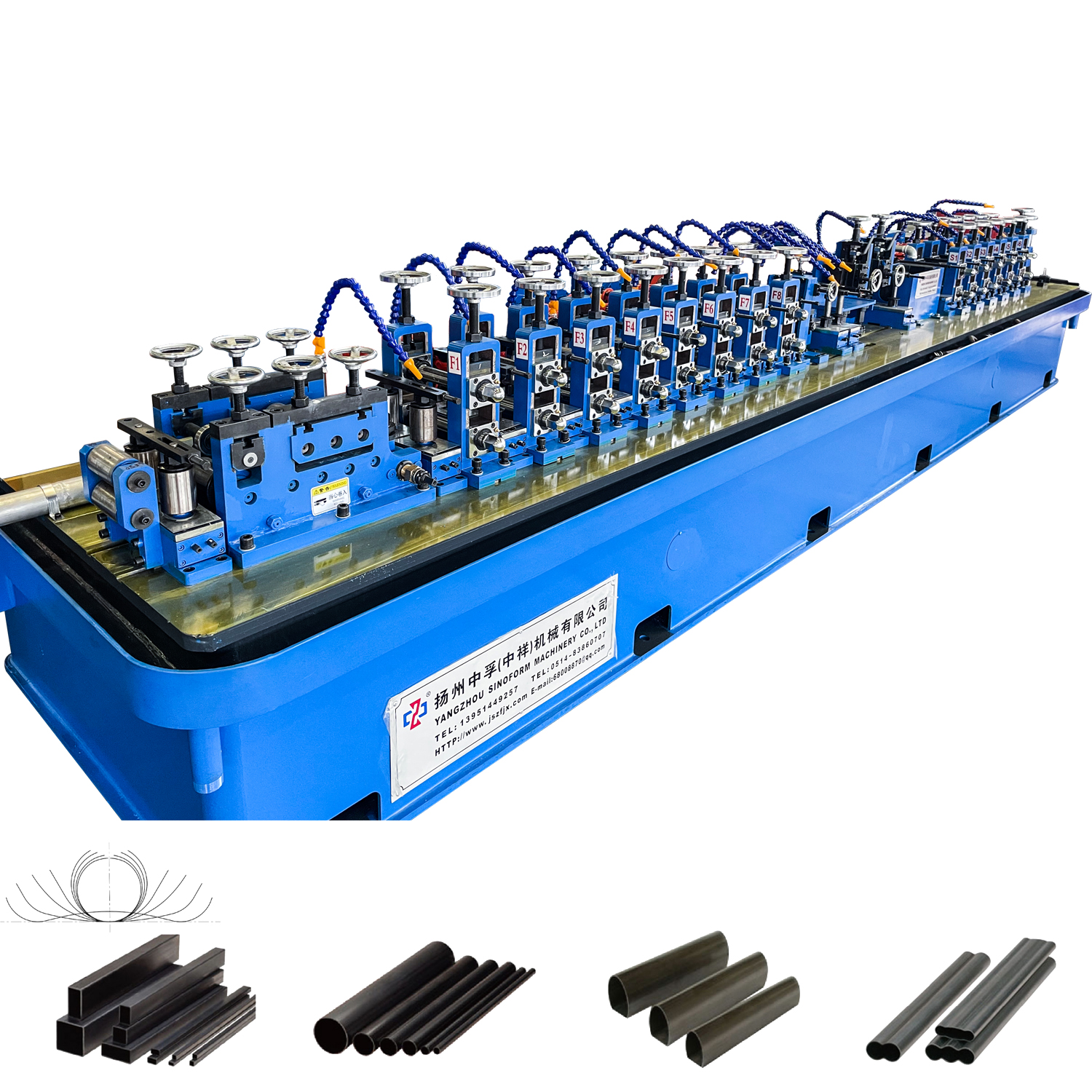 High Precision High-Frequency ERW Tube Mill line
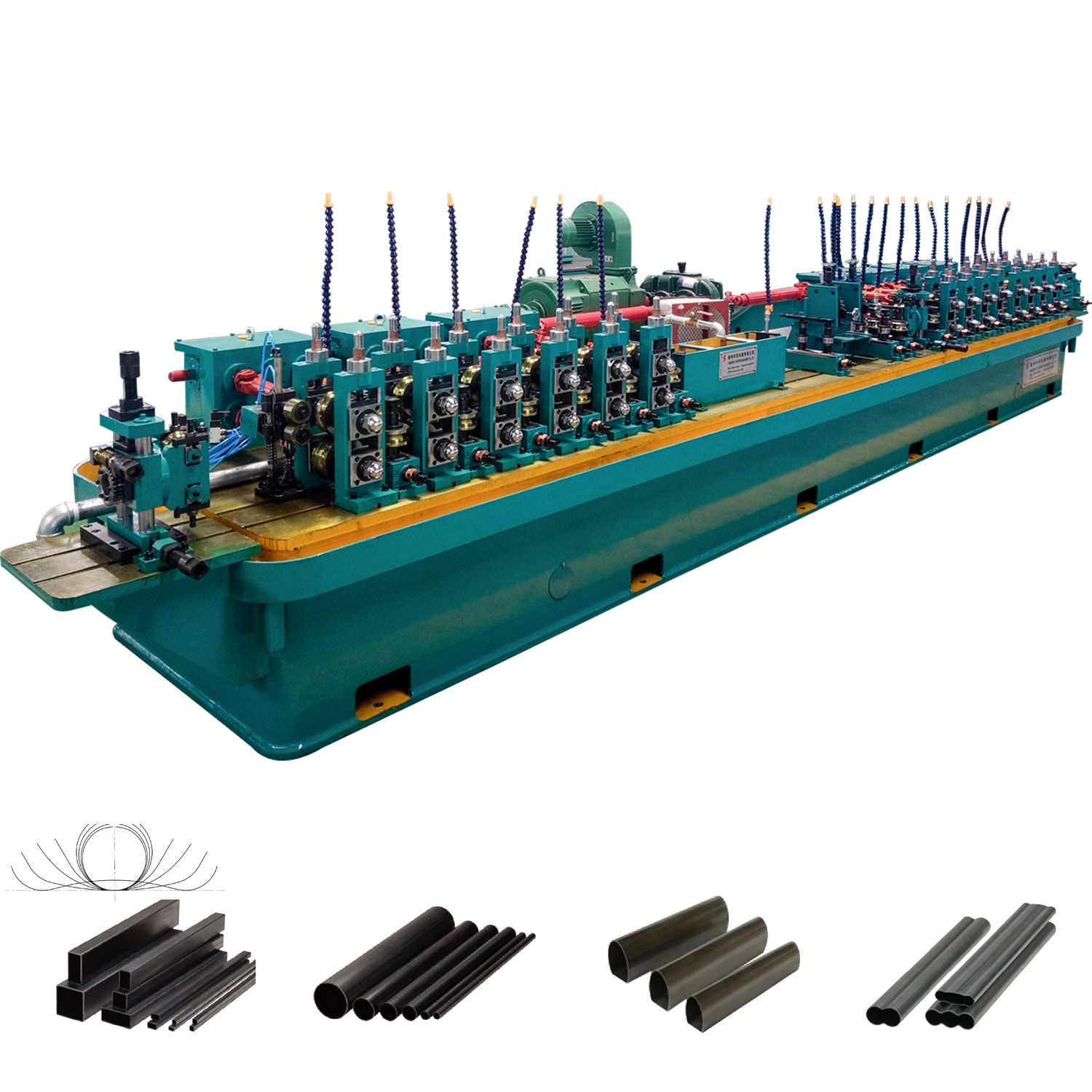 High Precision High-Frequency ERW Tube Mill line
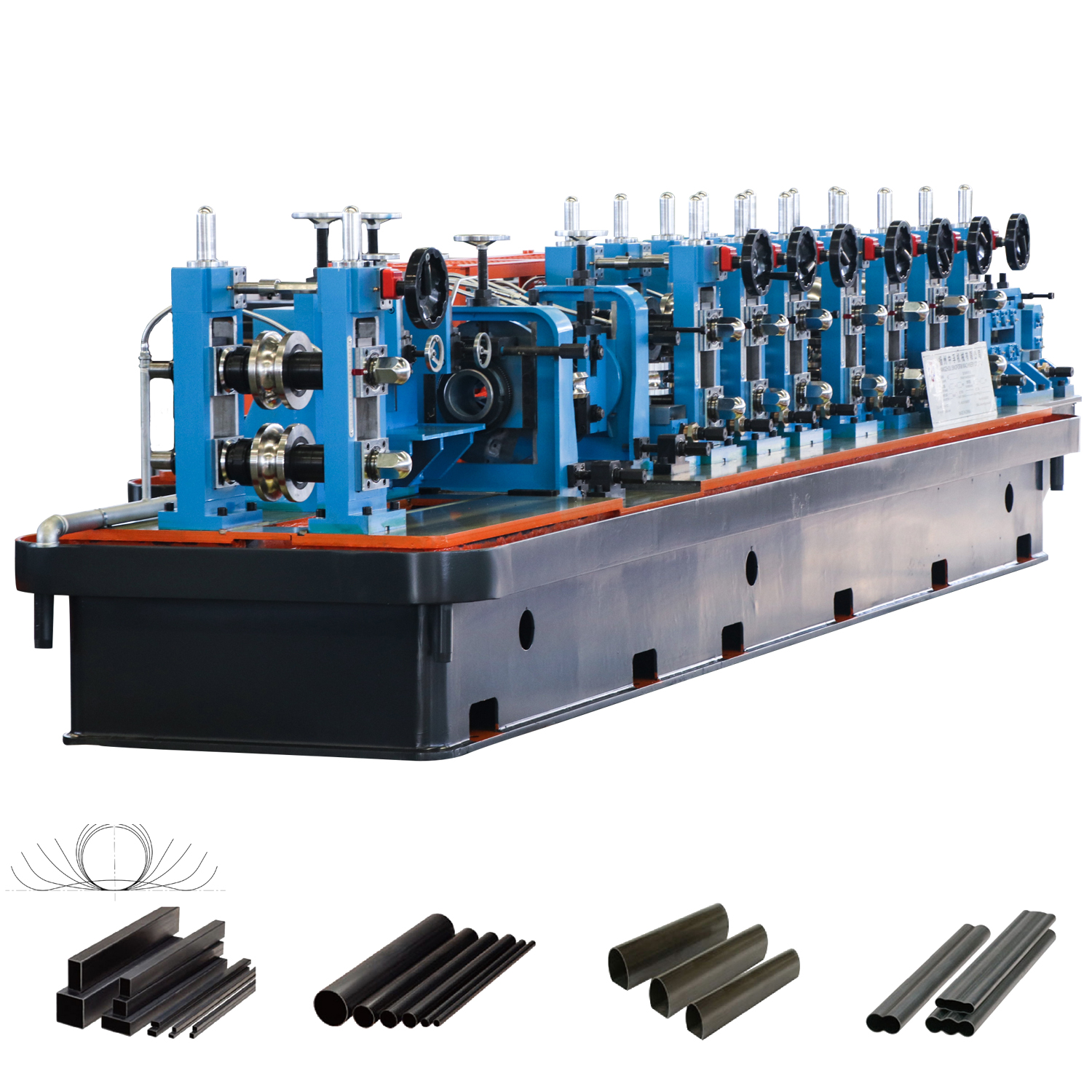 High Precision High-Frequency ERW Tube Mill line
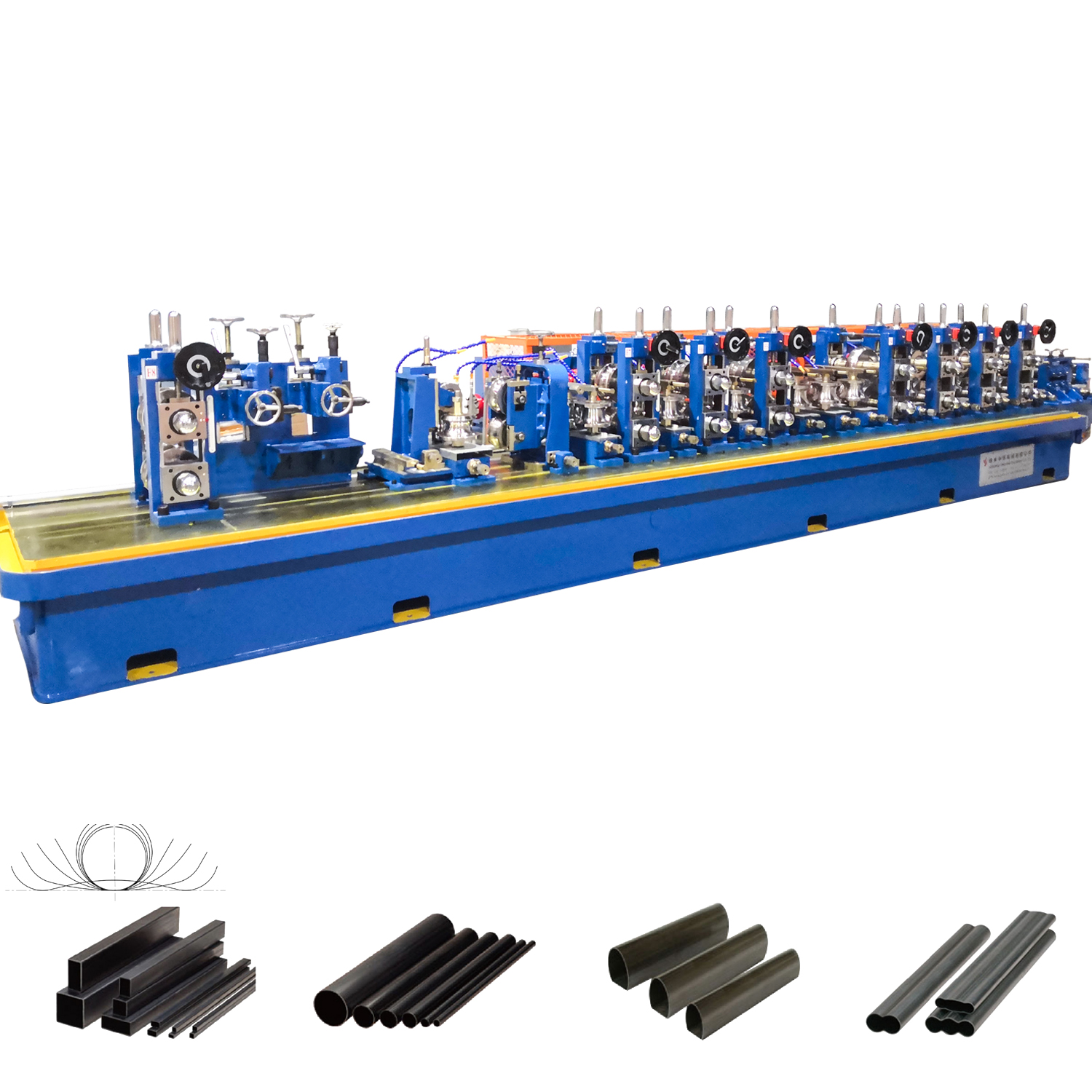 High Precision High-Frequency ERW Tube Mill line
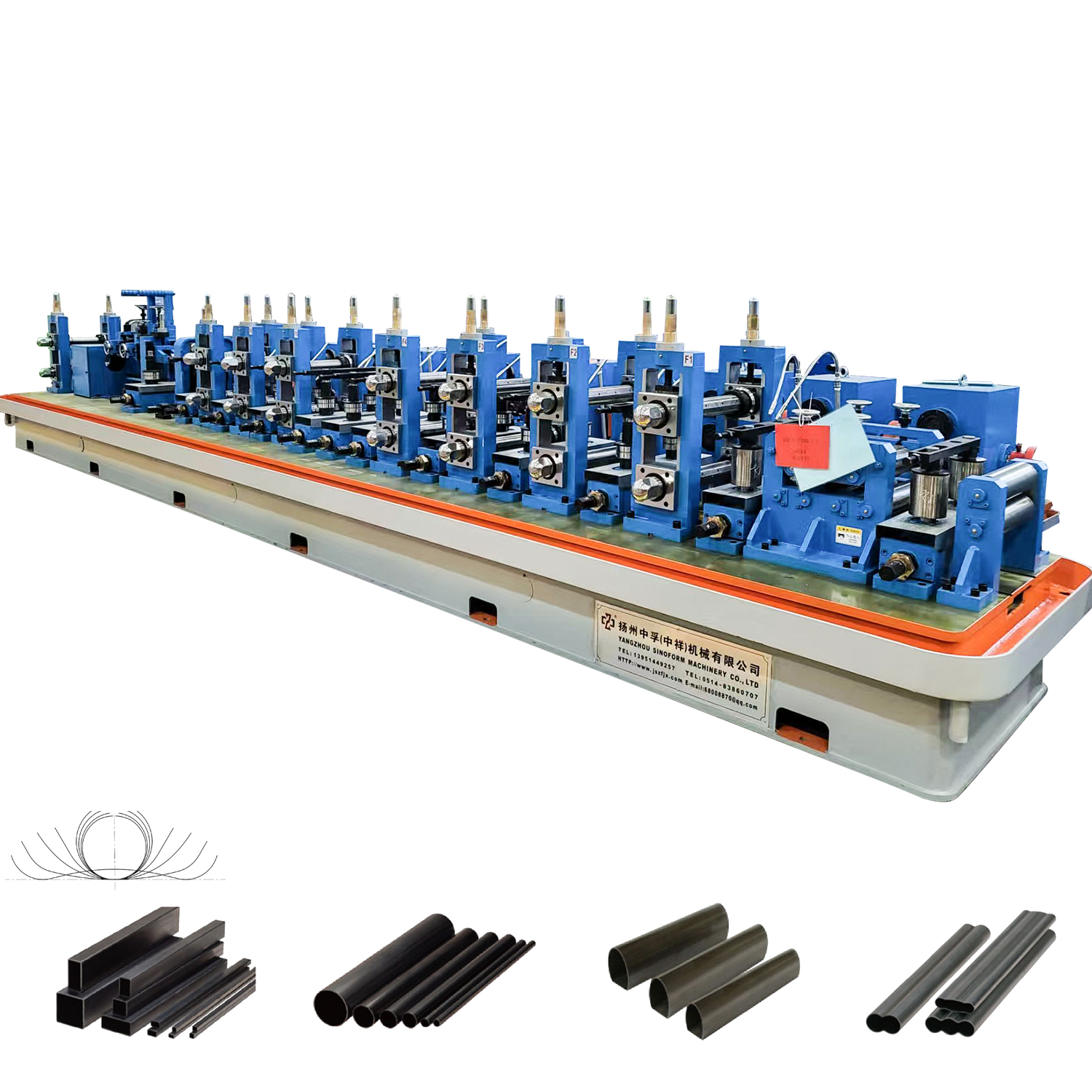 High Precision High-Frequency ERW Tube Mill line
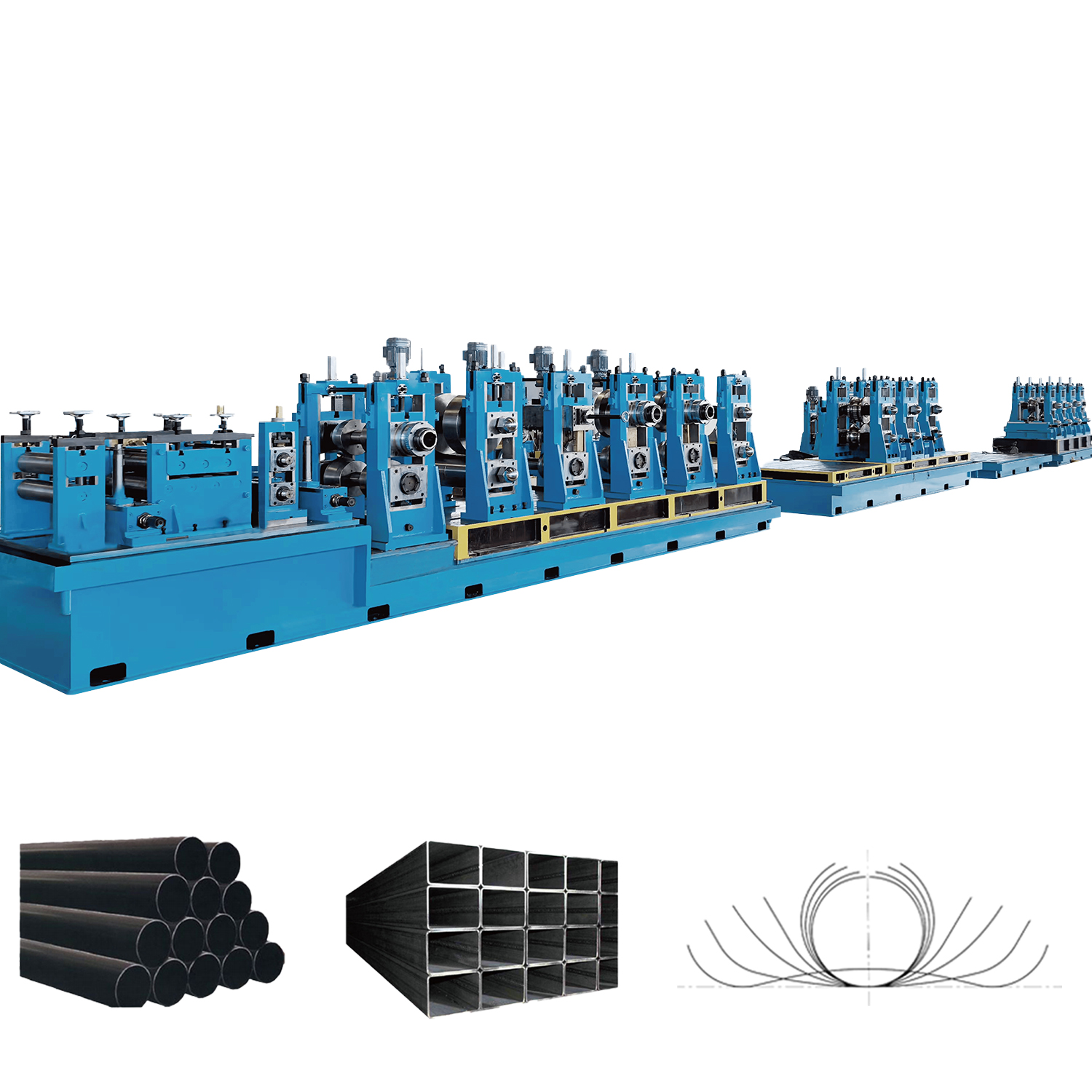 Large ERW tube mill line
Large ERW tube mill line
Large ERW tube mill line
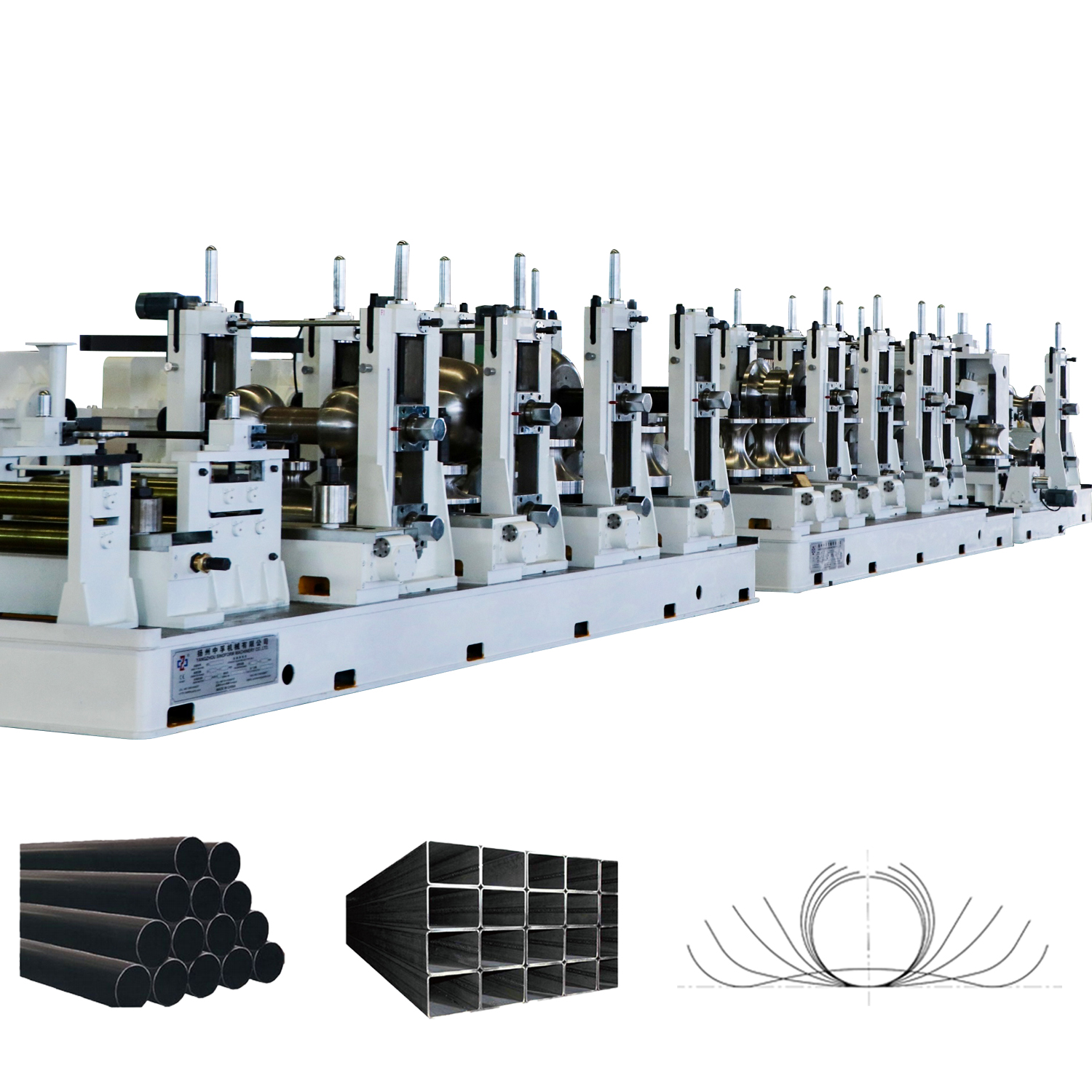 Large ERW tube mill line
Large ERW tube mill line
Large ERW tube mill line
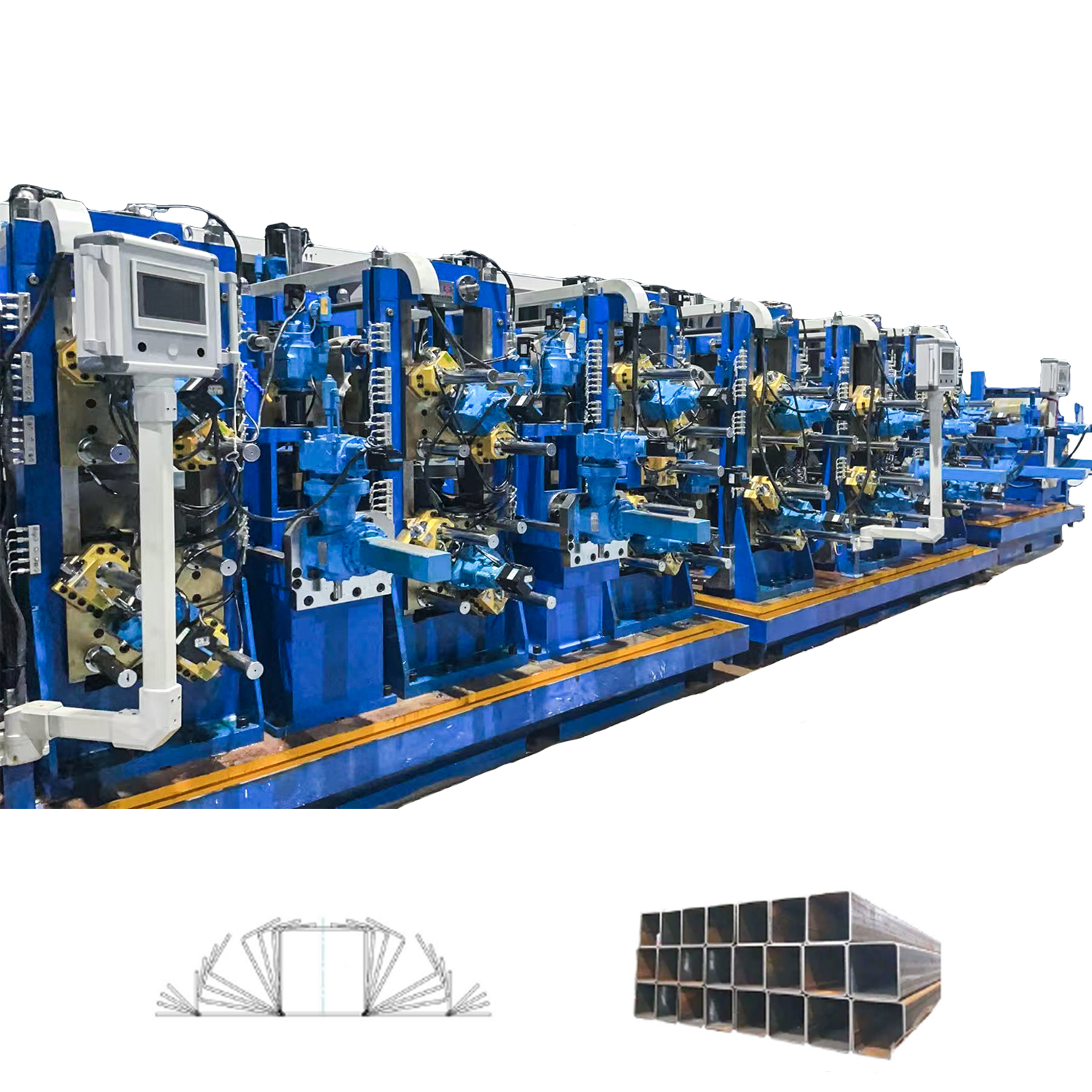 Direct To Square Welded Pipe Production Line
Direct To Square Welded Pipe Production Line
Direct To Square Welded Pipe Production Line
Direct To Square Welded Pipe Production Line
Direct To Square Welded Pipe Production Line

 No.1 Xiangjian Road, Northern
Suburbs Of Yangzhou City,
Jiangsu Province,China
No.1 Xiangjian Road, Northern
Suburbs Of Yangzhou City,
Jiangsu Province,China
 Phone: +86-0514-8363 8877
 E-mail: [email protected]
© Yangzhou SINOFORM Machinery Co., Ltd. Tube Mill Line Manufacturers
Pipe Making Machine Custom
Tube Making Machine Suppliers



 English
 Español
 عربى
عربى русский
 中文简体
中文简体