Tube making machines are relied upon most heavily by the oil & gas, construction, automotive, medical device, HVAC, aerospace, and food processing industries. These sectors depend on precision-formed metal and non-metal tubes to build infrastructure, transport fluids, ensure patient safety, and manufacture high-performance components at scale. As global demand for engineered tubing rises, understanding which industries drive that demand — and why — helps manufacturers and procurement teams make smarter investment decisions.
Content
A tube making machine is industrial equipment that forms flat metal strips or coiled stock into hollow, cylindrical shapes — welded, seamless, or spiral-wound — through a continuous rolling and forming process. The tubes produced serve as the backbone of countless products: pipelines, scaffolding, heat exchangers, catheters, exhaust systems, and more.
Modern tube making machines can handle materials ranging from carbon steel, stainless steel, and aluminum to copper, titanium, and thermoplastics. They vary enormously in size, speed, and precision — from high-volume ERW (Electric Resistance Welding) mills producing structural tubes at hundreds of meters per minute, to micro-tube forming lines that produce medical-grade tubing with wall tolerances measured in micrometers.
The industries below are not simply "users" of tubes. They are industries whose entire operational models would collapse without a reliable, high-quality supply of precision-formed tubing — and therefore, without access to advanced tube making machines.
The oil and gas sector is arguably the single largest consumer of tubing produced by tube making machines worldwide. Drilling, extraction, transportation, and refining all require enormous volumes of pipe in exact specifications.
The oil and gas industry demands tubes with exceptional corrosion resistance, high-pressure ratings, and traceable material certifications. This drives investment in advanced tube making machines capable of producing API 5L, API 5CT, and ASTM-compliant tubing.
Construction is one of the highest-volume markets for tube making machines. Hollow structural sections (HSS), scaffolding tubes, piling tubes, handrails, and mechanical tubing are used at every stage of a building's lifecycle.
Modern vehicles contain dozens of tubes manufactured by precision tube making machines. From the exhaust system to the chassis, the automotive sector demands consistent quality across extremely high production volumes.
Automotive-grade tubing must meet strict dimensional tolerances, surface finish requirements, and material traceability standards — making the calibration and consistency of tube making machines absolutely critical.
Perhaps no industry places higher demands on tube making machines than the medical device sector. The tolerances, material purity, and surface finish required for medical-grade tubing are extraordinary.
Medical tube forming requires ISO 13485-certified processes, full material traceability, and often cleanroom-compatible manufacturing. The tube making machines used in this sector are highly specialized and represent significant capital investment.
Heating, ventilation, air conditioning, and refrigeration (HVAC&R) systems depend on heat exchanger coils, refrigerant lines, and duct components — all produced by tube making machines.
Growing demand for energy-efficient HVAC systems worldwide — particularly in Asia, the Middle East, and developing markets — continues to drive strong growth in demand for specialized copper and aluminum tube making machines.
The aerospace and defense sector uses tubing in environments where failure is simply not an option. The tube making machines that supply this industry must produce to the tightest tolerances in manufacturing.
Food and beverage manufacturers rely on sanitary-grade tubing to transport liquids, gases, and semi-solid products in hygienic, contamination-free environments. Tube making machines producing food-grade stainless steel tubing must meet strict surface finish and dimensional standards.
Food-grade tubing produced by certified tube making machines must meet FDA, EHEDG, and 3-A Sanitary Standards — demanding internal surface roughness below Ra 0.8 µm and no crevices where bacteria can harbor.
Different industries place very different demands on tube making machines. The table below highlights the key differentiators:
| Industry | Primary Material | Tube Type | Key Standard | Production Volume | Precision Level |
| Oil & Gas | Carbon/Alloy Steel | Seamless / ERW | API 5L, API 5CT | Very High | High |
| Construction | Carbon Steel, Galvanized | ERW / Spiral | ASTM A500, EN 10219 | Very High | Medium |
| Automotive | Stainless, HSLA Steel | Welded / Drawn | IATF 16949, SAE | High | High |
| Medical | Titanium, SS 316L, Nitinol | Seamless / Micro | ISO 13485, FDA | Low–Medium | Ultra-High |
| HVAC & Refrigeration | Copper, Aluminum | Welded / Drawn | ASTM B280, EN 12735 | High | Medium–High |
| Aerospace & Defense | Titanium, Inconel, Aluminum | Seamless / Drawn | AMS, MIL-SPEC, AS9100 | Low | Ultra-High |
| Food & Beverage | Stainless Steel 304/316L | Welded / Sanitary | 3-A, EHEDG, FDA | Medium | High |
Not all tube making machines are the same. The following types are matched to specific industrial needs:
ERW tube mills form flat steel strip into a round shape and then weld the seam using electric resistance heat. They are the workhorses of structural tube production and are widely used in construction, automotive, and oil & gas applications. Output speeds can exceed 100 meters per minute, making them highly productive for commodity tube production.
Seamless tubes are produced without a weld seam by piercing a solid billet and rolling it over a mandrel. These tube making machines are essential for oil & gas, aerospace, and pressure vessel applications where weld-free integrity is mandatory at high pressures and temperatures.
Drawing machines reduce pre-formed tubes to final dimensions by pulling them through a die, achieving extremely tight tolerances on outer diameter, wall thickness, and surface finish. They are critical for medical, automotive hydraulic, and instrumentation tube manufacturing.
Spiral welded tube mills continuously wind a coiled strip in a helical pattern to produce large-diameter pipes. Common in water transmission, offshore piling, and wind tower manufacturing.
Laser welded tube making machines use focused laser energy to join the strip edges with minimal heat-affected zone. This produces exceptionally clean welds ideal for stainless steel sanitary tubing, automotive body tubes, and high-frequency applications.
The global shift toward renewable energy is creating entirely new demand streams for tube making machines. Wind turbine towers require large-diameter rolled steel tubes. Solar mounting structures use galvanized square and round tubes. Green hydrogen production facilities rely on high-alloy seamless tubing to handle corrosive process conditions.
As the automotive industry transitions to electric vehicles, the tubing requirements are shifting. While traditional exhaust system tubing demand falls, new requirements emerge: battery cooling circuits, structural roll-formed body sections, and high-pressure brake lines for regenerative braking systems all require specialty tubing produced on advanced tube making machines.
Minimally invasive surgical techniques require smaller, more precisely formed tubes than ever before. This drives investment in micro-tube forming and drawing equipment — highly specialized tube making machines capable of producing tubes as small as 0.5mm OD with sub-micron wall tolerances.
Modern tube making machines increasingly incorporate real-time monitoring, AI-assisted quality control, and automated changeover systems. Inline laser measurement systems, vision inspection cameras, and data analytics platforms allow manufacturers to maintain tighter dimensional control, reduce scrap rates, and document quality data for traceability requirements in aerospace and medical markets.
Selecting the correct tube making machine requires evaluating several factors:
Q: What is the difference between a tube and a pipe?
A tube is generally specified by its outer diameter and wall thickness for structural or mechanical use. A pipe is typically specified by its nominal bore (inside diameter) for fluid conveyance. Both are produced on tube making machines, though the design parameters and standards differ.
Q: Can one tube making machine produce tubes for multiple industries?
Yes, many modern tube making machines are designed with quick-changeover tooling systems that allow production of different tube sizes and shapes from the same mill. However, switching between vastly different material types (e.g., from carbon steel to stainless) or certification levels (standard to medical grade) typically requires dedicated equipment or a thorough cleaning and validation process.
Q: What materials can modern tube making machines process?
Modern tube making machines can process a wide range of materials including carbon steel, low-alloy steel, stainless steel (300 and 400 series), aluminum alloys, copper, brass, titanium, nickel alloys (Inconel, Hastelloy), and thermoplastic polymers (for medical and chemical applications).
Q: How fast do industrial tube making machines operate?
Speed varies enormously by application. High-volume structural steel ERW mills can run at 60–150 meters per minute. Small-diameter precision tube mills typically operate at 5–30 meters per minute. Medical micro-tube drawing machines may run at only 1–5 meters per minute due to the extreme precision requirements.
Q: What quality control systems are integrated into modern tube making machines?
Advanced tube making machines incorporate laser-based dimensional measurement (OD, wall thickness, ovality), eddy current and ultrasonic non-destructive testing for weld seam integrity, vision systems for surface defect detection, and data logging systems that record process parameters for quality traceability. These systems enable real-time process adjustment and automatic rejection of out-of-spec product.
Q: Which industry is the fastest-growing market for tube making machines?
The medical device sector and the renewable energy sector are both experiencing rapid growth in demand for tube making machines. Medical device miniaturization and the global rollout of solar, wind, and hydrogen infrastructure are creating strong new demand for both precision micro-tube equipment and large-format structural tube mills.
Tube making machines are foundational to a remarkably broad range of industries — from the oil fields and construction sites that define global infrastructure, to the operating rooms and aircraft cabins that demand absolute precision. The diversity of applications means that no single tube making machine serves all needs. Rather, a sophisticated ecosystem of ERW mills, seamless rolling lines, precision drawing benches, and laser welding systems serves the world's most demanding manufacturing sectors.
Understanding which industries drive the highest demand — and what specific technical requirements each brings — is the starting point for any manufacturer seeking to invest wisely in tube production capability. As global trends including energy transition, vehicle electrification, aging population demographics, and infrastructure renewal accelerate, the industries relying on advanced tube making machines will only grow in number and in the precision they demand.
For manufacturers supplying any of these sectors, investing in the right tube making machine is not simply a capital expenditure decision — it is a strategic commitment to serving the industries that build, heal, power, and transport our world.
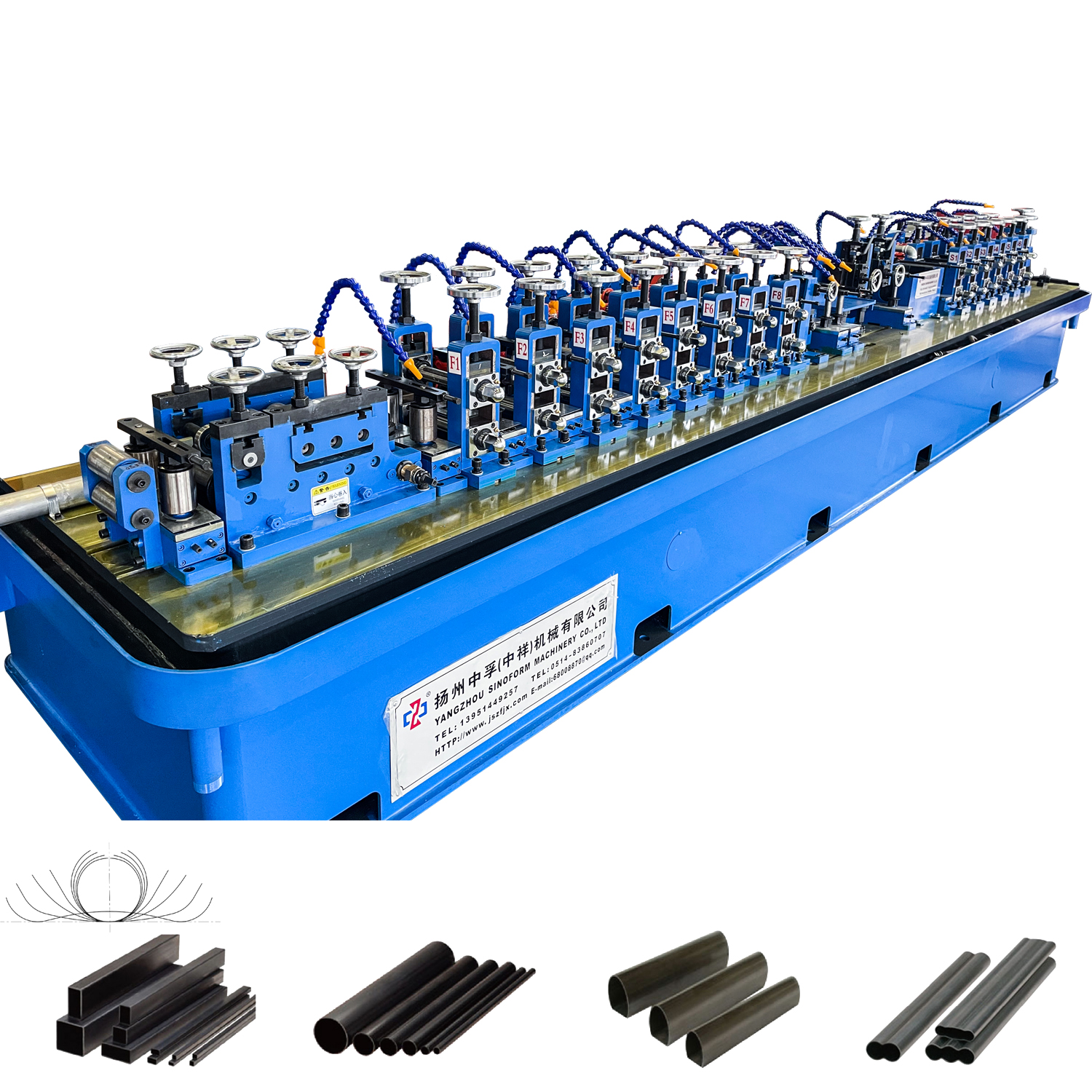 High Precision High-Frequency ERW Tube Mill line
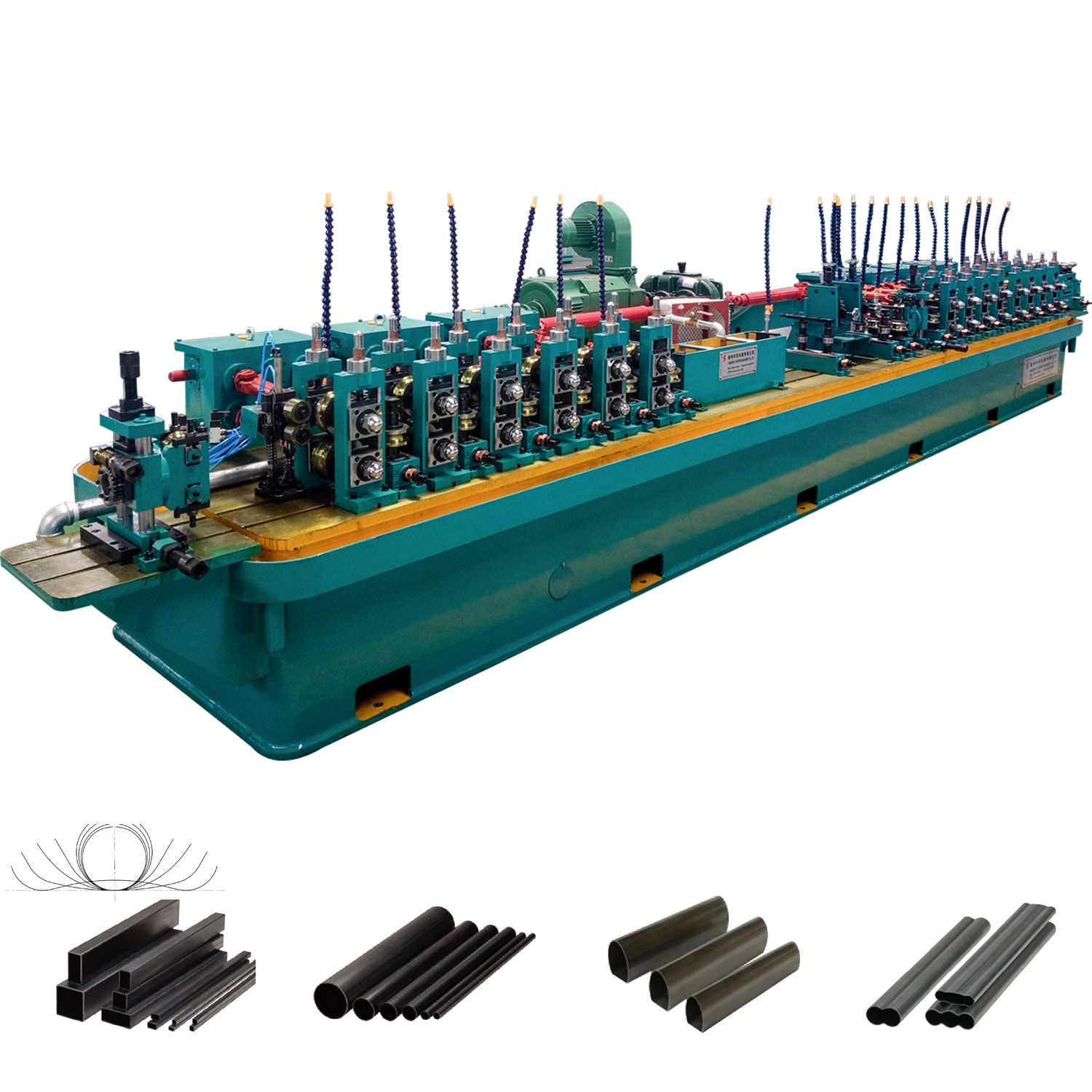 High Precision High-Frequency ERW Tube Mill line
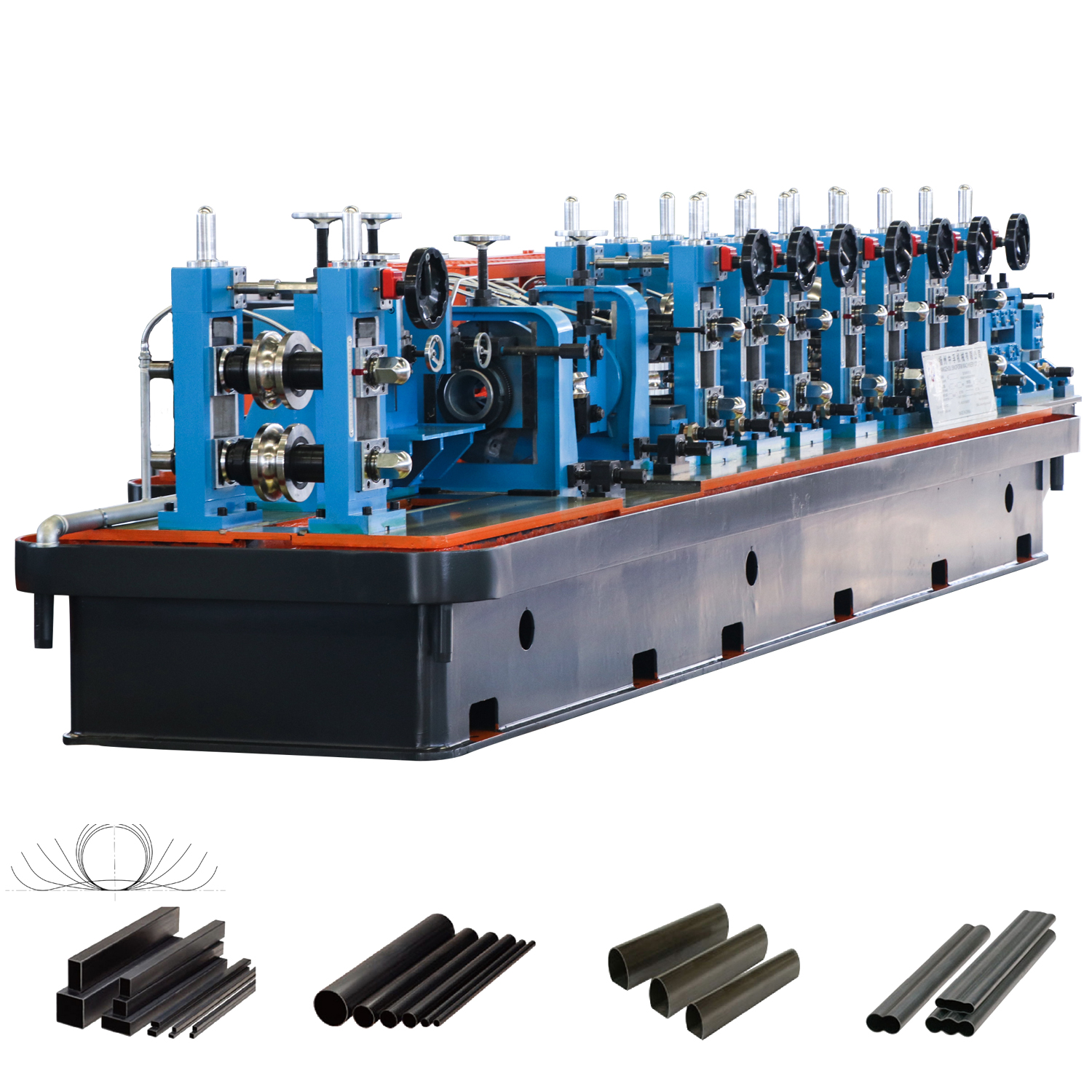 High Precision High-Frequency ERW Tube Mill line
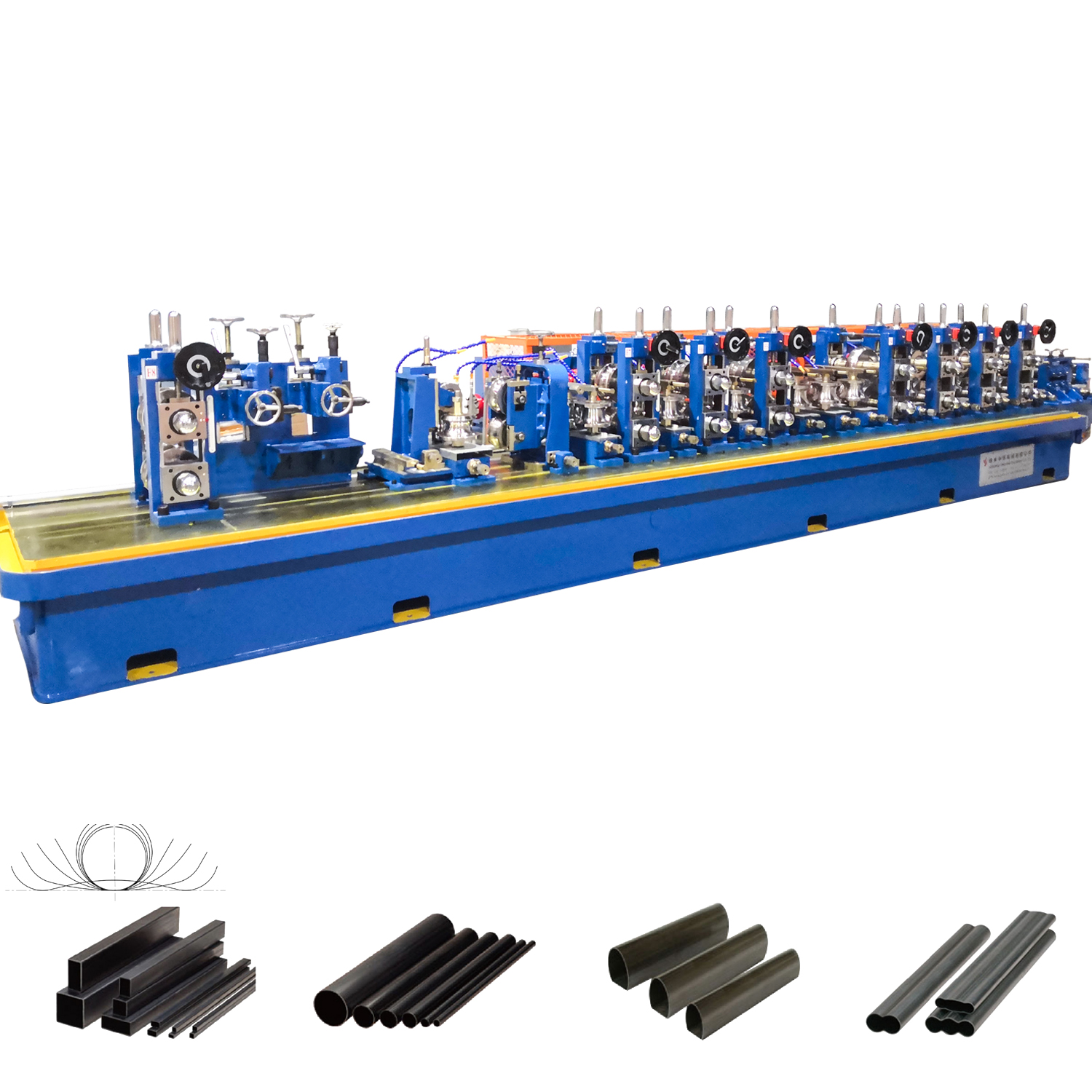 High Precision High-Frequency ERW Tube Mill line
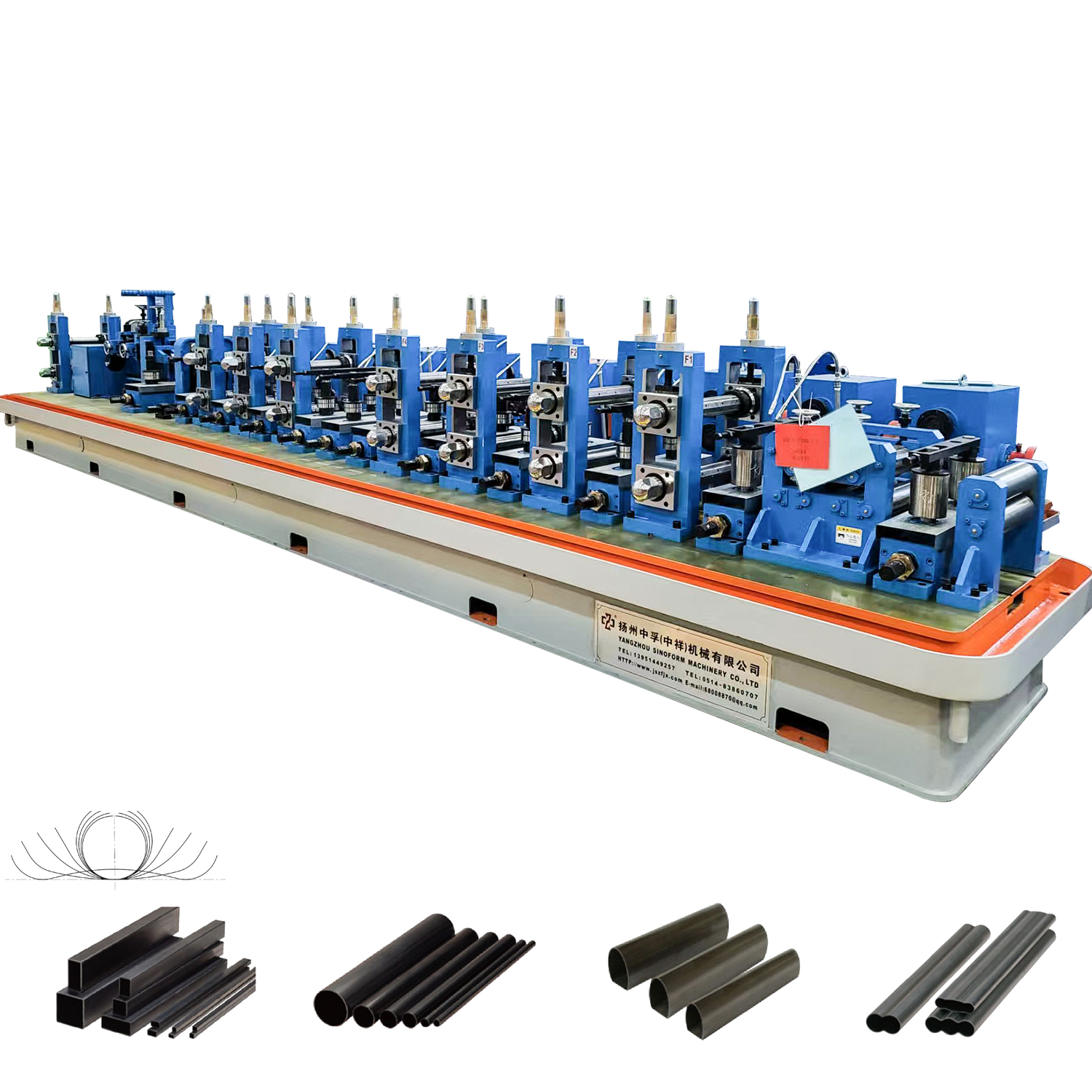 High Precision High-Frequency ERW Tube Mill line
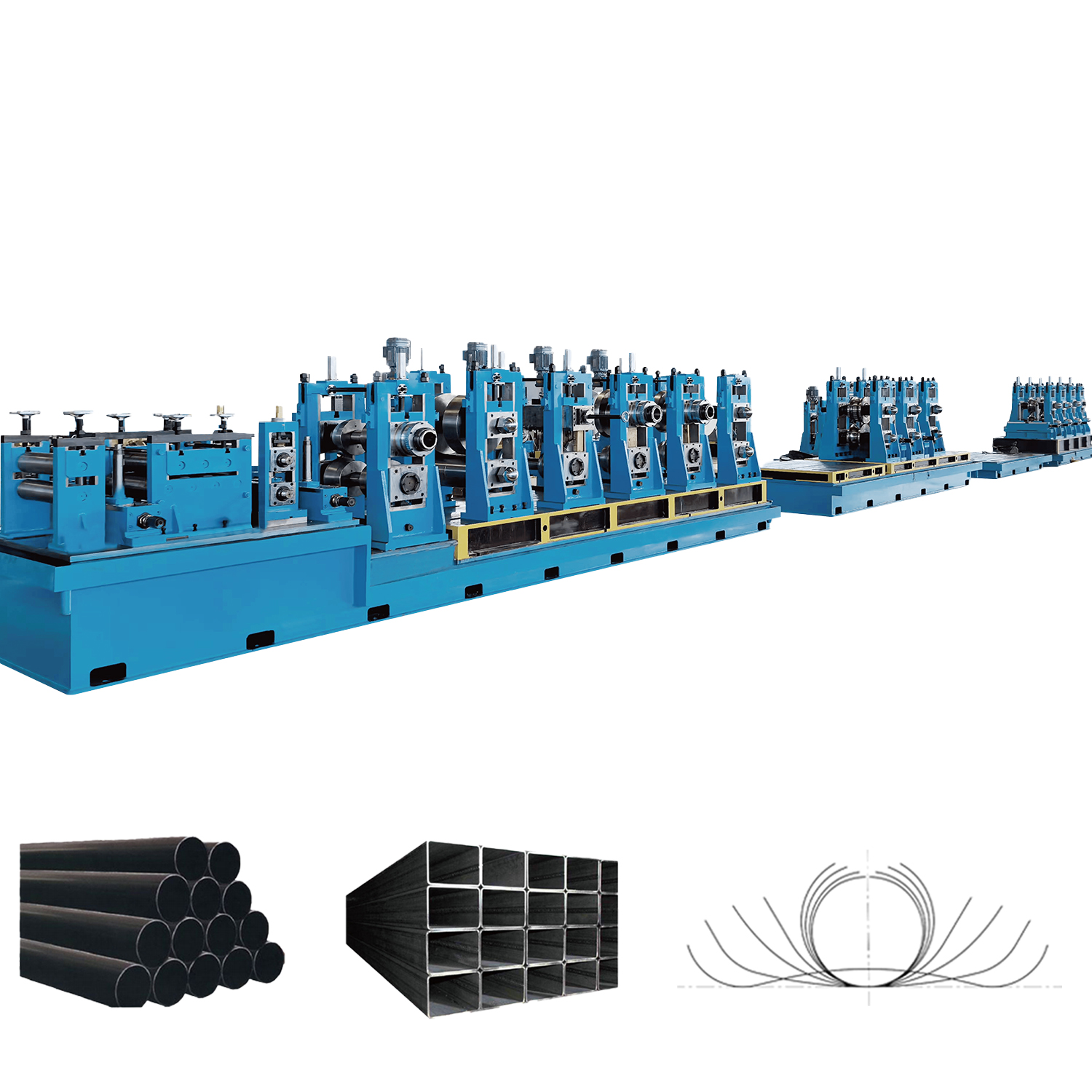 Large ERW tube mill line
Large ERW tube mill line
Large ERW tube mill line
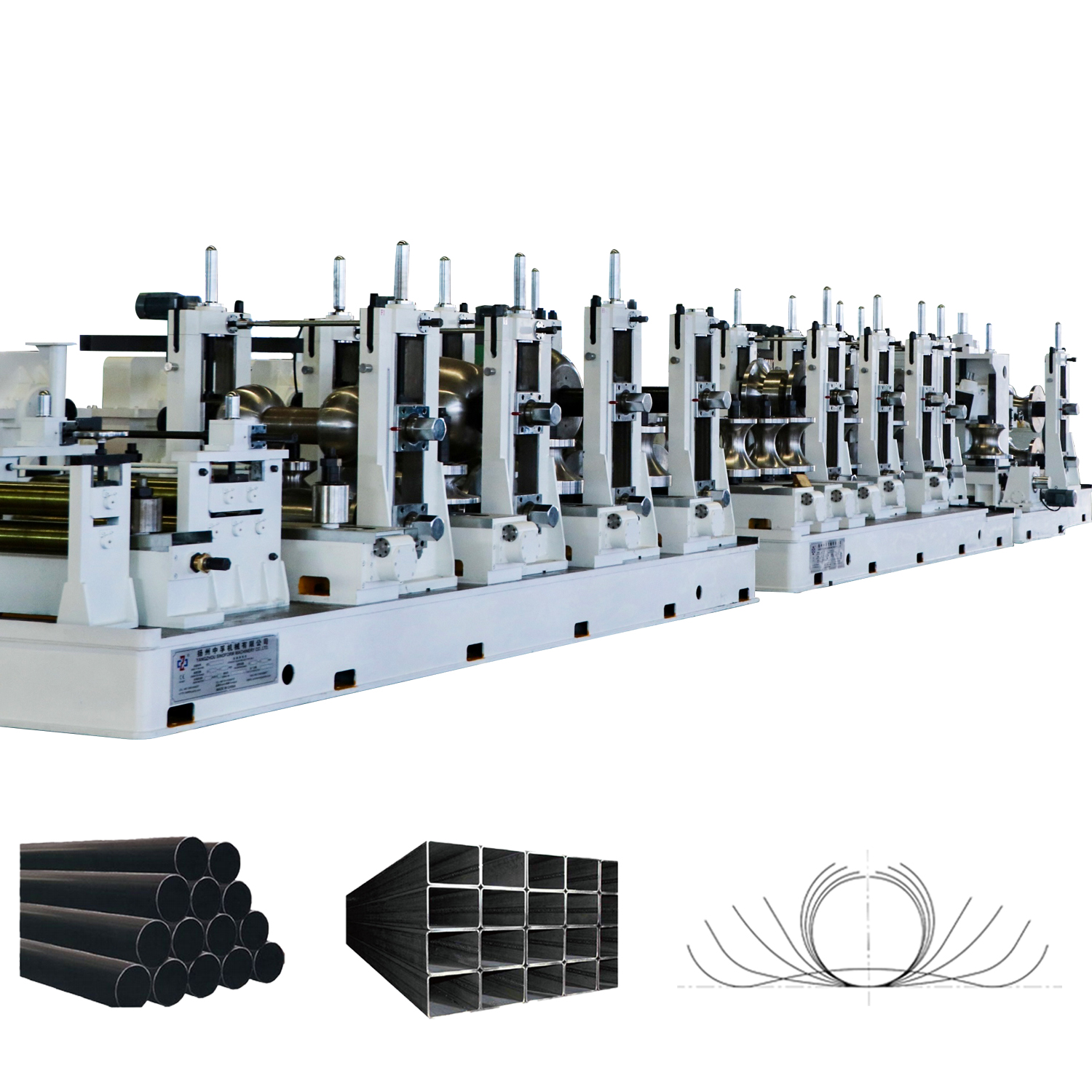 Large ERW tube mill line
Large ERW tube mill line
Large ERW tube mill line
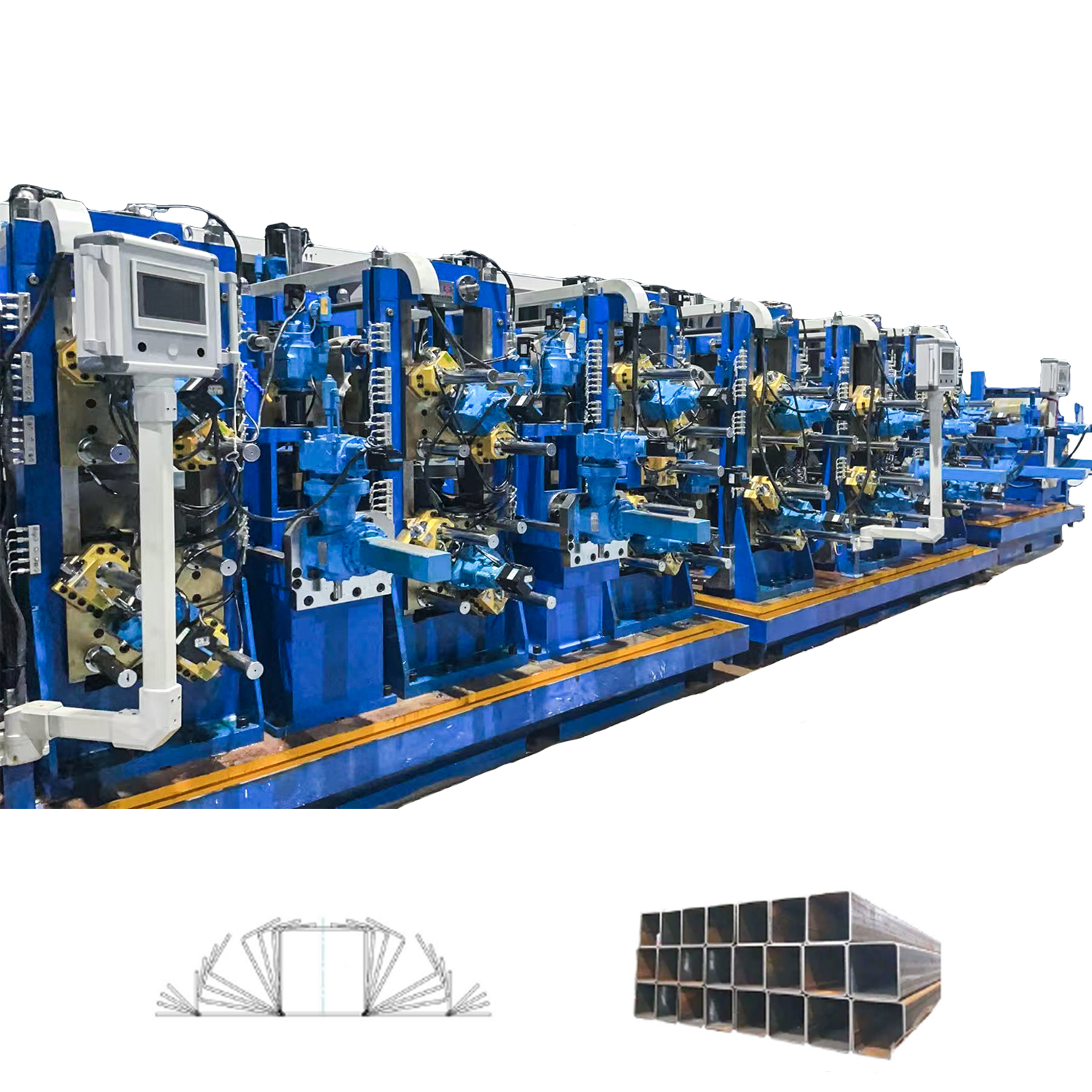 Direct To Square Welded Pipe Production Line
Direct To Square Welded Pipe Production Line
Direct To Square Welded Pipe Production Line
Direct To Square Welded Pipe Production Line
Direct To Square Welded Pipe Production Line

 No.1 Xiangjian Road, Northern
Suburbs Of Yangzhou City,
Jiangsu Province,China
No.1 Xiangjian Road, Northern
Suburbs Of Yangzhou City,
Jiangsu Province,China
 Phone: +86-0514-8363 8877
 E-mail: [email protected]
© Yangzhou SINOFORM Machinery Co., Ltd. Tube Mill Line Manufacturers
Pipe Making Machine Custom
Tube Making Machine Suppliers



 English
 Español
 عربى
عربى русский
 中文简体
中文简体