Modern Tube Making Machines utilize advanced welding technologies to ensure precision, strength, and consistency in metal tube production. The primary welding methods include High-Frequency Welding (HFW), Laser Welding, and Resistance Welding. These technologies have evolved to meet the demands of industries such as automotive, construction, and furniture manufacturing.
Content
High-Frequency Welding is the most widely used method in modern Tube Making Machines. It involves passing a high-frequency electric current through the metal strip, causing localized heating and creating a strong weld along the seam.
Laser Welding offers precise and narrow weld seams, making it ideal for tubes requiring high accuracy and smooth surface finish.
Resistance Welding uses pressure and electric current to form welds. This method is commonly used for small-diameter tubes and specialized applications.
Choosing the right welding technology depends on tube material, production speed, and required weld quality. The table below summarizes the key differences:
| Welding Method | Advantages | Limitations | Typical Applications |
|---|---|---|---|
| High-Frequency Welding | High speed, consistent welds, suitable for mass production | Not suitable for extremely thin or highly reflective metals | Automotive pipes, structural tubes, furniture frames |
| Laser Welding | High precision, narrow weld, minimal deformation | High equipment cost, requires skilled operators | Precision automotive parts, aerospace tubes, medical tubing |
| Resistance Welding | Cost-effective for small-scale production, strong welds | Lower speed, limited tube diameter range | Small-diameter steel tubes, low-volume production |
Recent advancements in Tube Making Machine welding technology include:
The most common method is High-Frequency Welding due to its speed, consistency, and suitability for mass production of steel and aluminum tubes.
While Laser Welding provides higher precision, it is costly and slower for large-scale production. Often, hybrid systems combine both technologies for optimal results.
Resistance welding works best with small-diameter steel and certain alloys. It is less effective for very thin or highly reflective metals.
Thicker walls may require higher energy input and slower welding speed, while very thin walls need precise control to avoid burn-through.
Yes, advanced Tube Making Machines include automated monitoring for seam alignment, welding current, and temperature to ensure consistent quality.
Modern Tube Making Machines have revolutionized metal tube production by integrating advanced welding technologies. From high-frequency welding to laser and resistance methods, manufacturers can choose the ideal process based on material, precision requirements, and production volume. Coupled with innovations like automated monitoring and hybrid welding, these machines deliver efficient, high-quality, and versatile solutions for a wide range of industries.
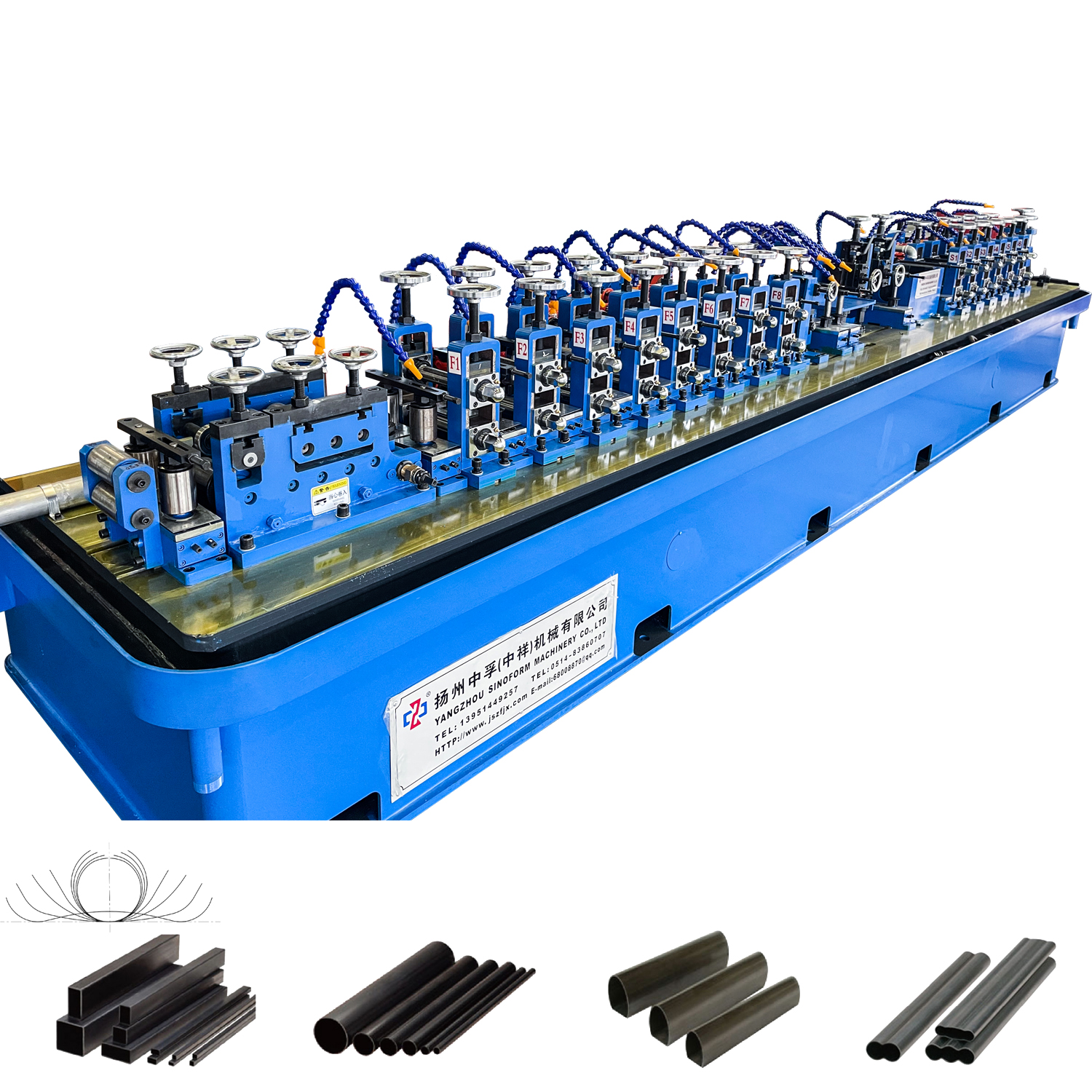 High Precision High-Frequency ERW Tube Mill line
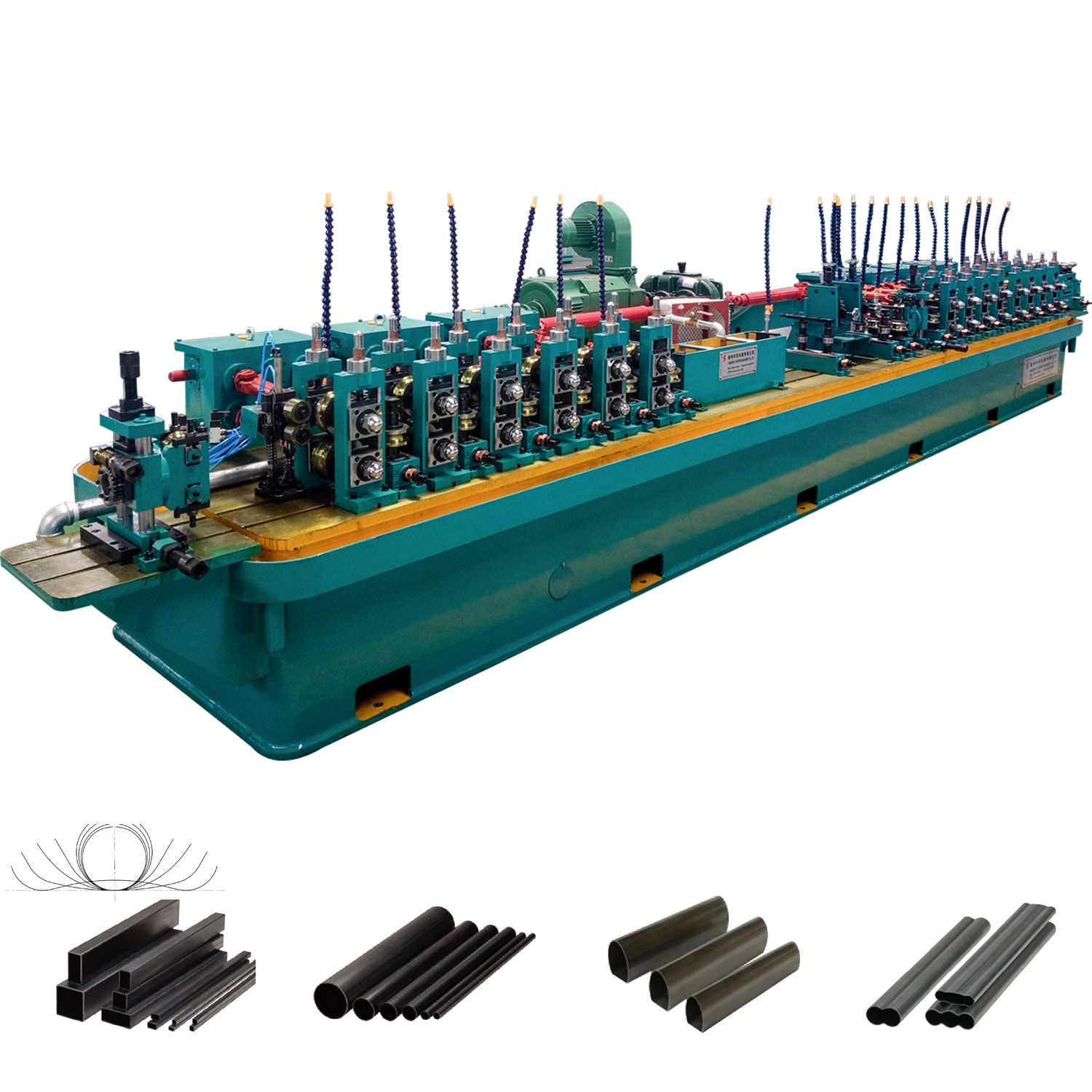 High Precision High-Frequency ERW Tube Mill line
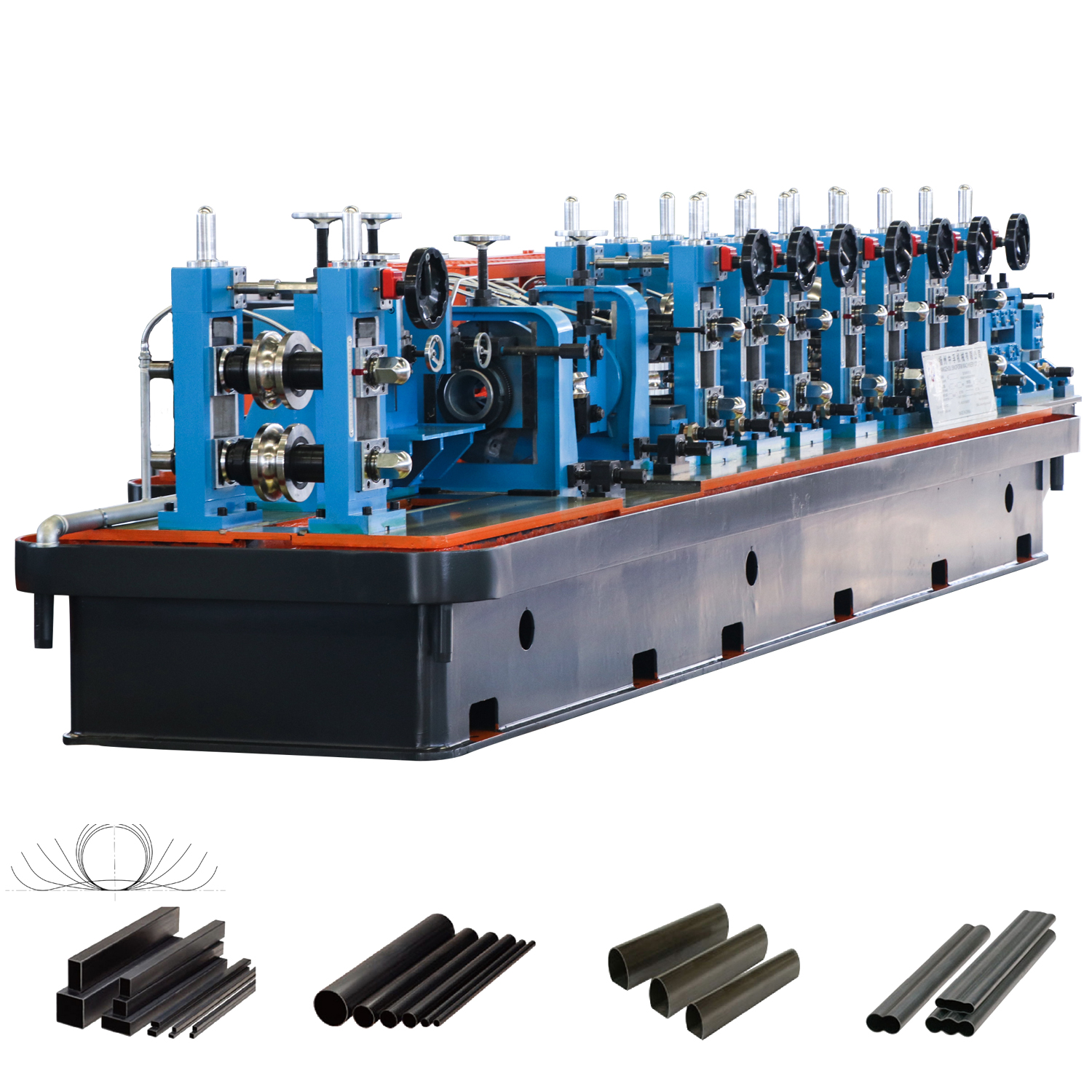 High Precision High-Frequency ERW Tube Mill line
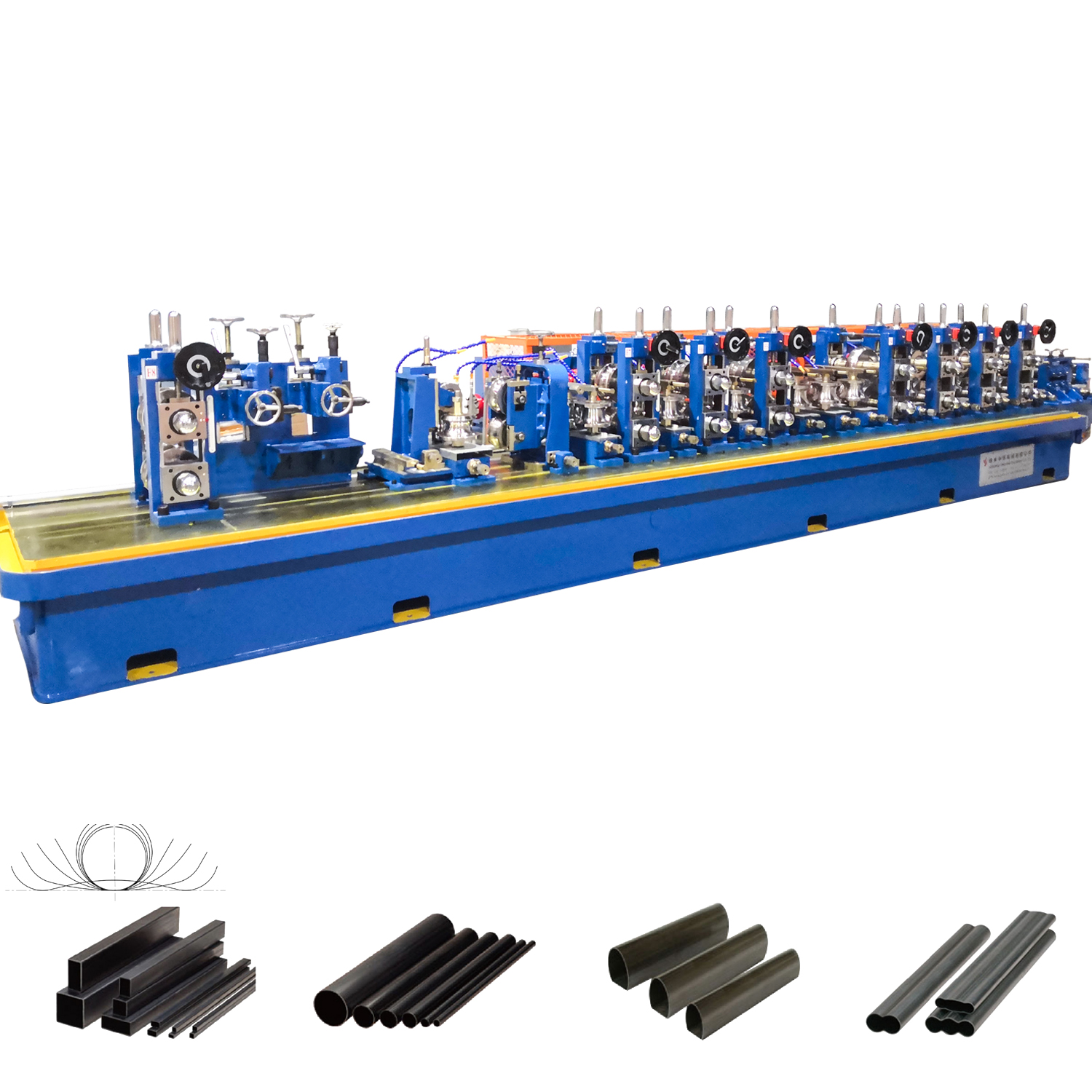 High Precision High-Frequency ERW Tube Mill line
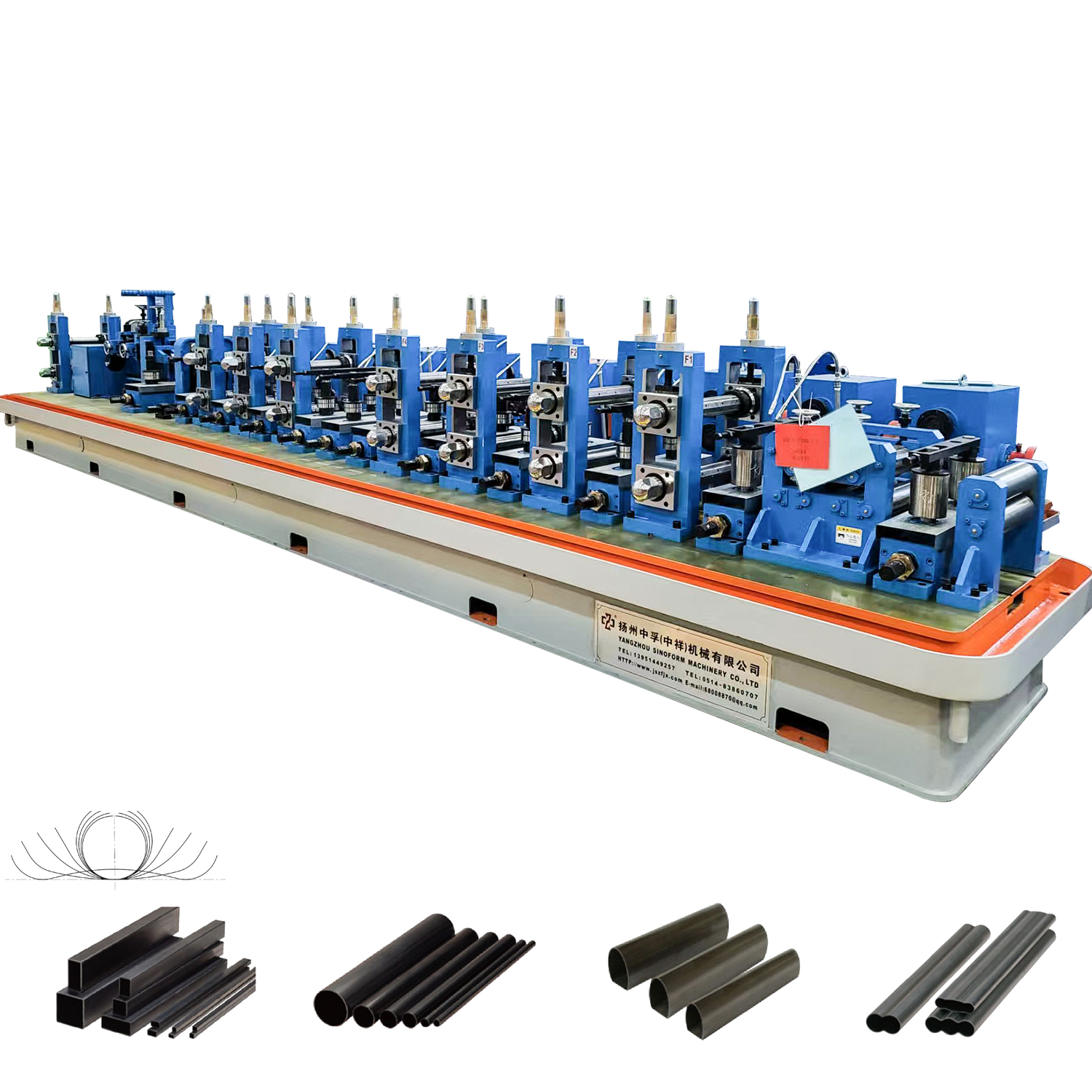 High Precision High-Frequency ERW Tube Mill line
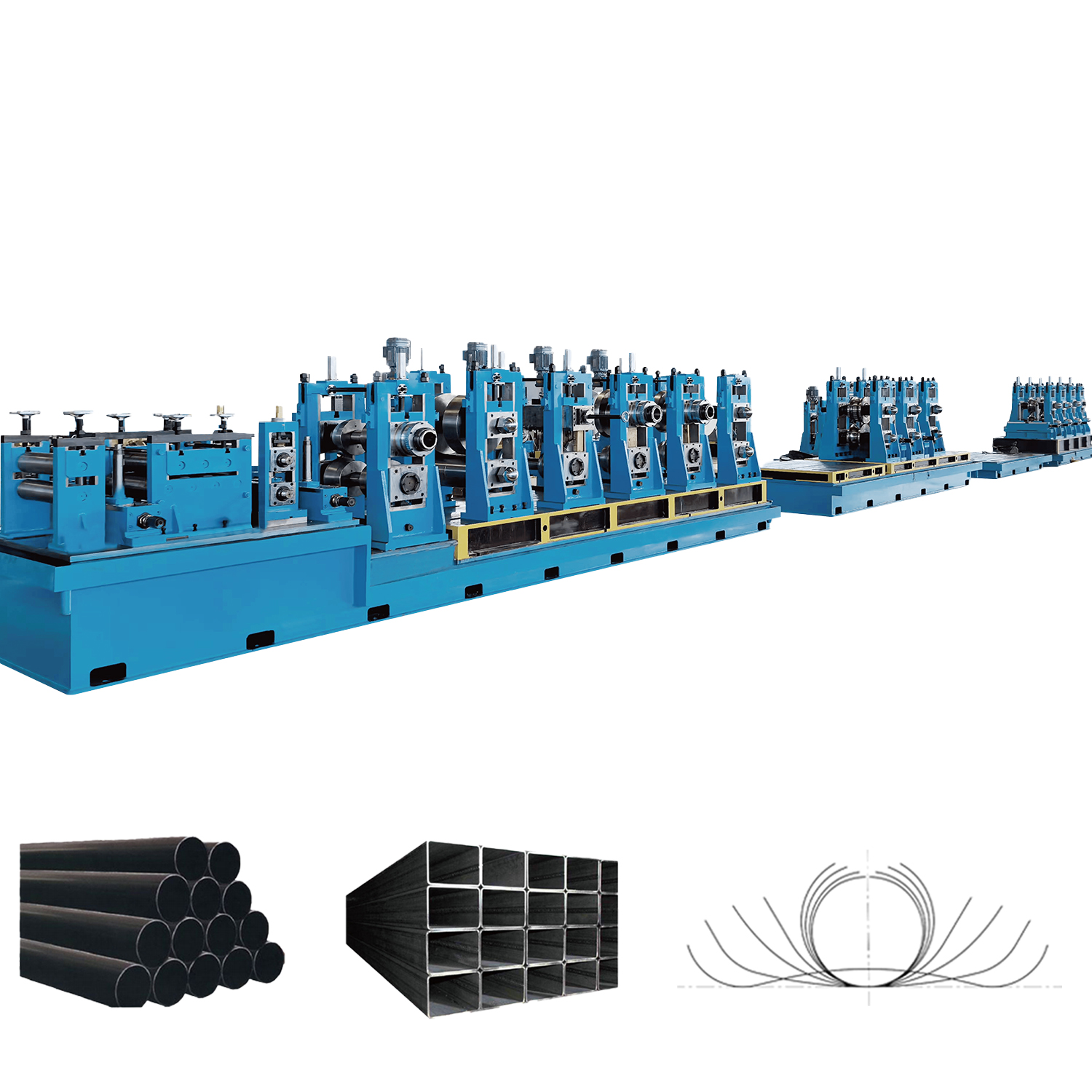 Large ERW tube mill line
Large ERW tube mill line
Large ERW tube mill line
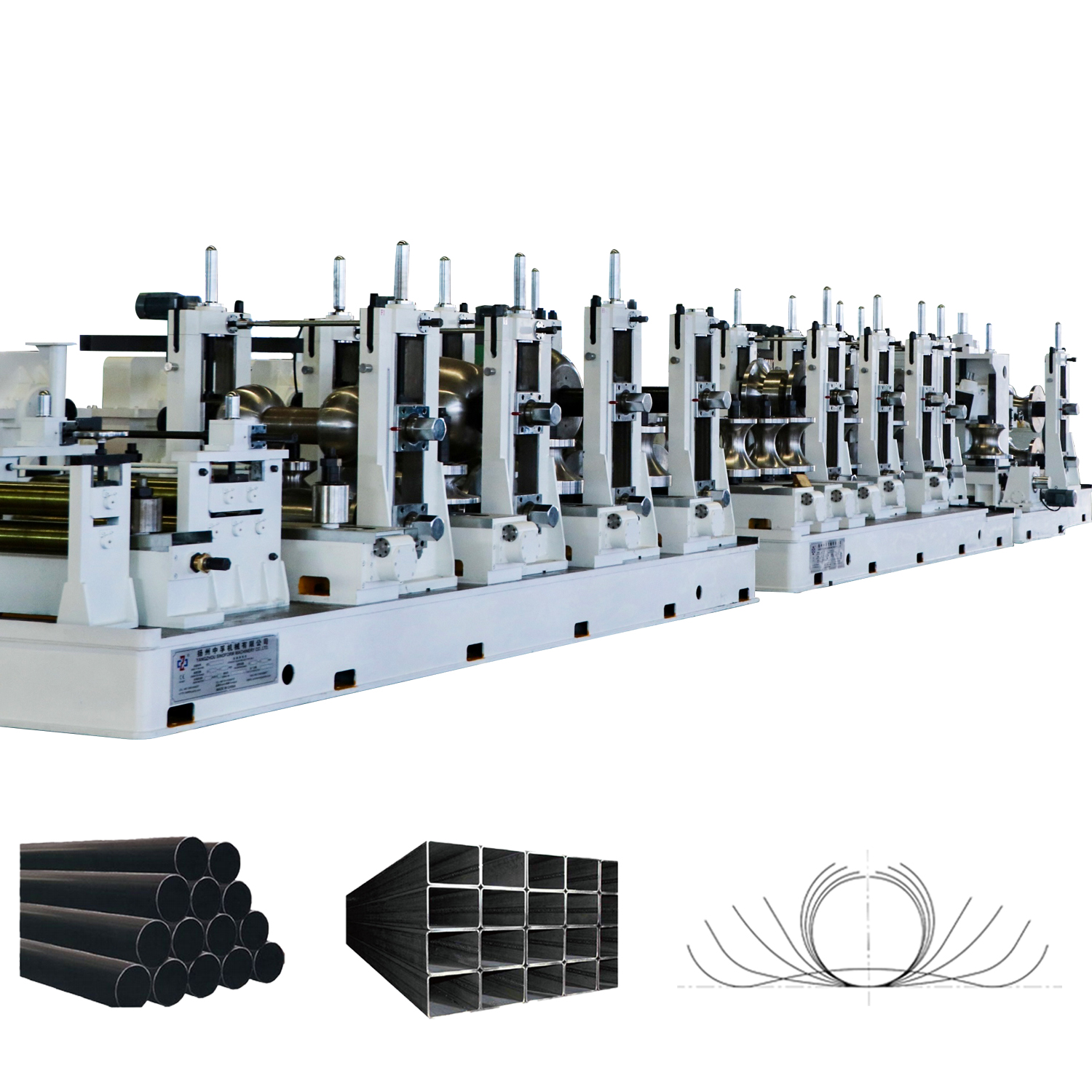 Large ERW tube mill line
Large ERW tube mill line
Large ERW tube mill line
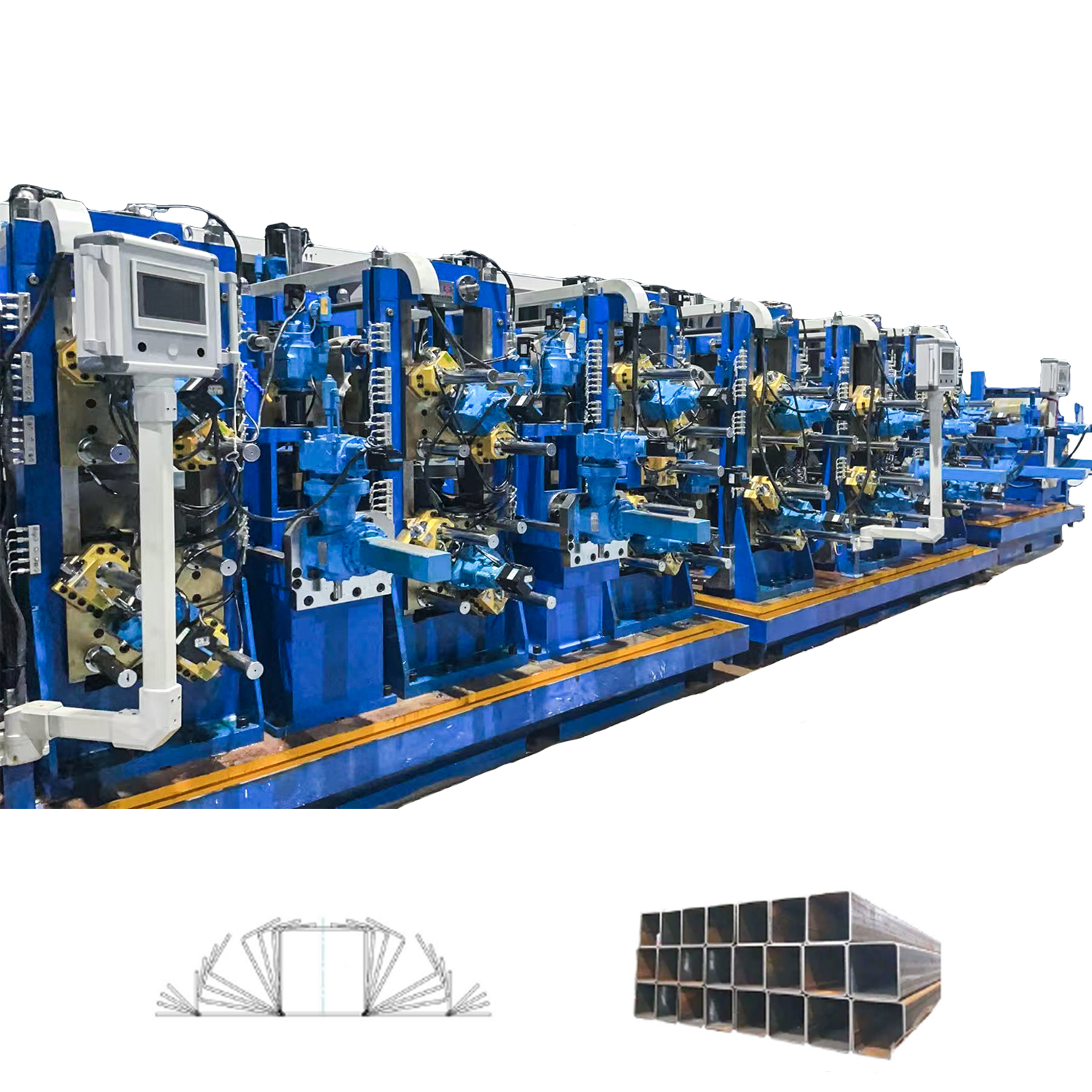 Direct To Square Welded Pipe Production Line
Direct To Square Welded Pipe Production Line
Direct To Square Welded Pipe Production Line
Direct To Square Welded Pipe Production Line
Direct To Square Welded Pipe Production Line

 No.1 Xiangjian Road, Northern
Suburbs Of Yangzhou City,
Jiangsu Province,China
No.1 Xiangjian Road, Northern
Suburbs Of Yangzhou City,
Jiangsu Province,China
 Phone: +86-0514-8363 8877
 E-mail: [email protected]
© Yangzhou SINOFORM Machinery Co., Ltd. Tube Mill Line Manufacturers
Pipe Making Machine Custom
Tube Making Machine Suppliers



 English
 Español
 عربى
عربى русский
 中文简体
中文简体