The short answer is yes—but with specific conditions. A high-quality, precision-engineered tube making machine of a smaller footprint can indeed meet the rigorous demands of a mid-size factory, provided the operational strategy shifts from "bulk processing" to "lean, continuous production." For many growing enterprises, the transition from a small workshop to a mid-size facility brings a common dilemma: should you invest in a massive, high-overhead industrial line, or can multiple, agile tube making machine units deliver the same results with more flexibility?
Content
A mid-size factory typically operates in a "sweet spot" where volume is high enough to require automation, but niche enough to demand frequent product changeovers. This is where the tube making machine plays a pivotal role. Unlike large-scale conglomerates that run the same diameter pipe for months, a mid-size player might switch between stainless steel, carbon steel, or aluminum tubes every few days.
The misconception that "small" equals "weak" is rapidly fading. Modern advancements in servo-motor technology and automated welding systems allow a compact tube making machine to achieve tolerances and speeds that were previously only possible on machines three times their size.
When evaluating a tube making machine for a mid-size factory, one must look beyond the maximum theoretical output per hour. Actual productivity is measured by "uptime." Large machines often require several hours, or even a full shift, for tooling changes. In contrast, a smaller, modular tube making machine is designed for rapid adjustment.
| Feature | Small/Compact Machine | Large Industrial Line |
|---|---|---|
| Floor Space Required | Minimal (Easy to rearrange) | Extensive (Permanent install) |
| Changeover Time | 30–60 Minutes | 4–8 Hours |
| Energy Consumption | Lower (On-demand power) | High (Constant draw) |
| Operator Skill Level | Standard (User-friendly interface) | Specialized Engineering required |
Instead of putting all your capital into one massive tube making machine, mid-size factories can invest in two or three smaller units. This strategy, known as horizontal scaling, provides a safety net. If one tube making machine requires maintenance, the other two continue to generate revenue. This redundancy is vital for mid-size businesses that cannot afford a total factory shutdown.
A smaller tube making machine often features a shorter distance between the forming rollers and the welding station. This tight configuration reduces the chance of the metal strip twisting or misalignment. For a mid-size factory producing medical-grade tubing or high-end furniture frames, the precision of a compact tube making machine often exceeds that of larger, older models.
Start-up waste is a significant cost factor. A large-scale tube making machine might waste 20–30 meters of material just to calibrate the weld during a new run. A smaller tube making machine is engineered for "lean" starts, significantly reducing the scrap rate. In the long run, this material saving can pay for the machine itself.
Before integrating a small-scale tube making machine into your mid-size workflow, you must evaluate three core pillars:
Return on Investment (ROI) is the ultimate metric. A large tube making machine may have a lower "cost per tube" if running 24/7 for a year. However, when you factor in the initial purchase price, the cost of specialized labor, and the energy bills, a compact tube making machine often reaches its break-even point 40% faster.
"For the mid-size manufacturer, the best tube making machine isn't the one that makes the most tubes, but the one that makes the most profit per square foot of factory space."
Smaller tube making machine units are inherently easier to maintain. Parts are generally lighter, meaning they can be replaced by a single technician without the need for heavy overhead cranes. This accessibility ensures that your tube making machine stays in peak condition, preventing the gradual decline in quality often seen in neglected, massive machinery.
Q: Can a small tube making machine handle 24/7 operation?
A: Yes. Many modern compact tube making machine models are built with heavy-duty components designed for continuous industrial use. The key is to follow the recommended cooling and lubrication schedules.
Q: Is the welding quality of a smaller machine inferior?
A: Not at all. In fact, because a small tube making machine is more rigid and has less vibration, the weld seam is often more consistent than that produced on a larger, more cumbersome line.
Q: What is the maximum wall thickness for these machines?
A: While it varies by model, most high-end compact tube making machine units can comfortably handle wall thicknesses up to 3.0mm or 4.0mm, which covers the majority of mid-size factory requirements.
Investing in a tube making machine is a significant step for any mid-size factory. While the allure of "big" is strong, the efficiency, flexibility, and cost-effectiveness of a smaller, high-performance tube making machine often make it the superior choice for sustainable growth. By prioritizing precision over sheer bulk, manufacturers can meet current demands while maintaining the agility to pivot as the market changes.
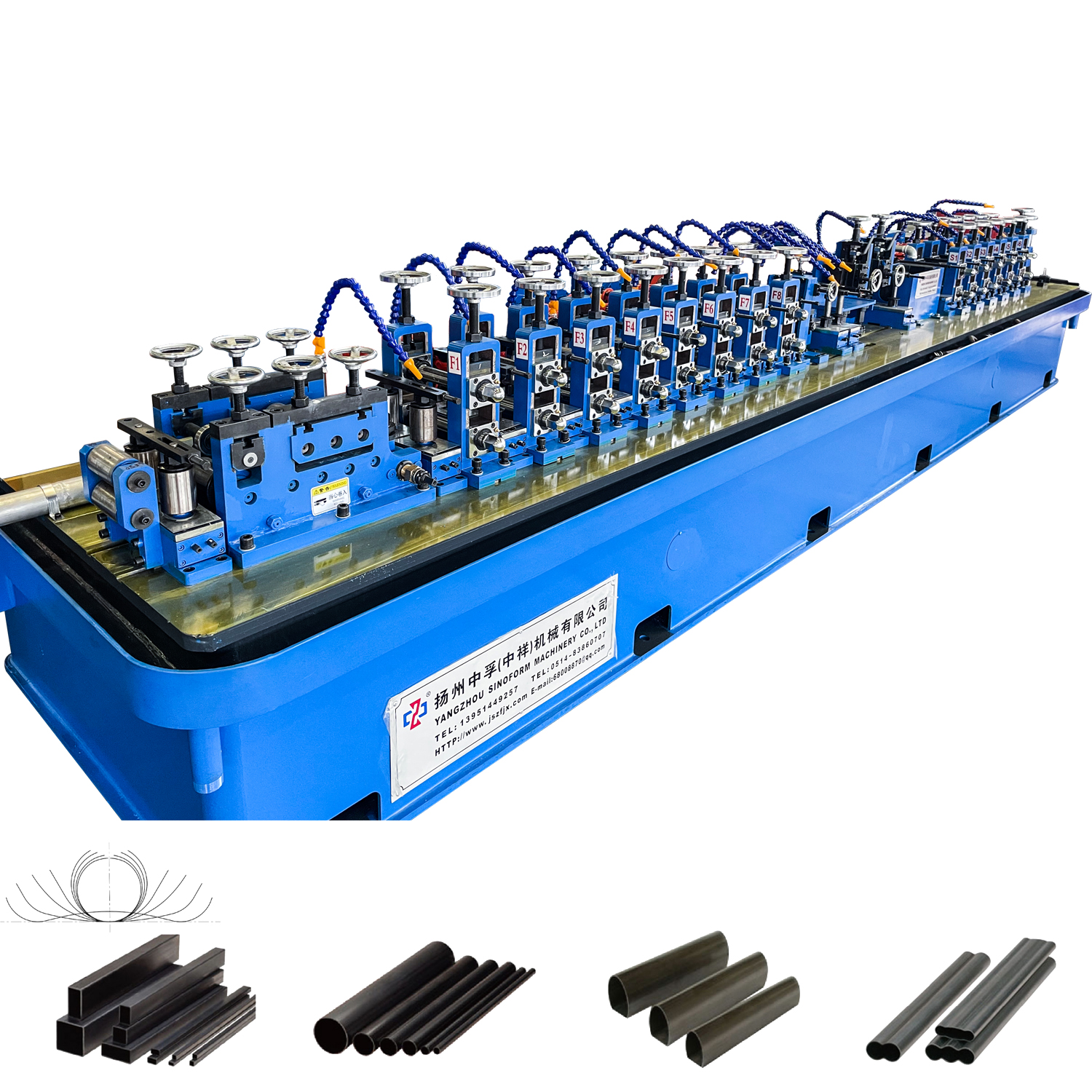 High Precision High-Frequency ERW Tube Mill line
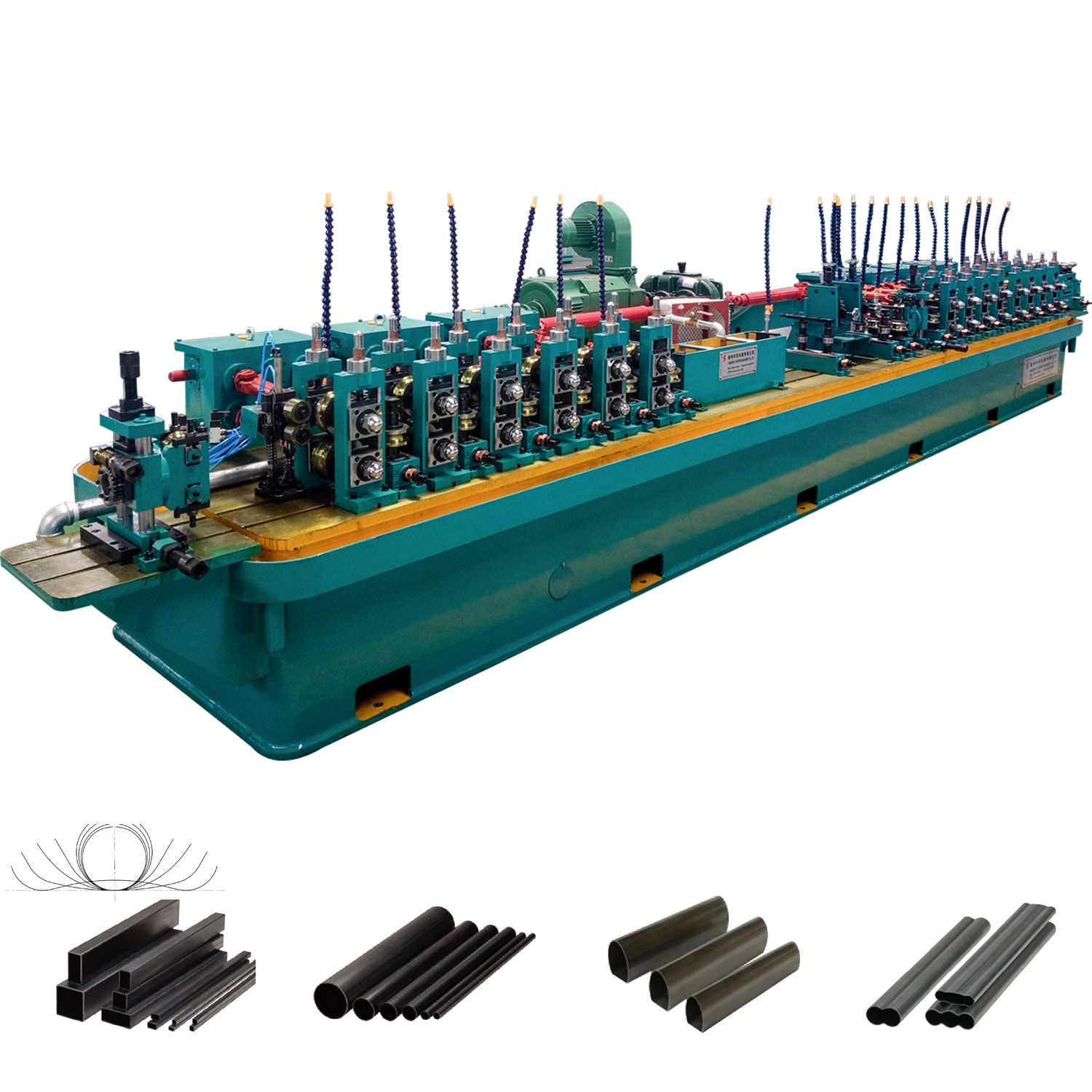 High Precision High-Frequency ERW Tube Mill line
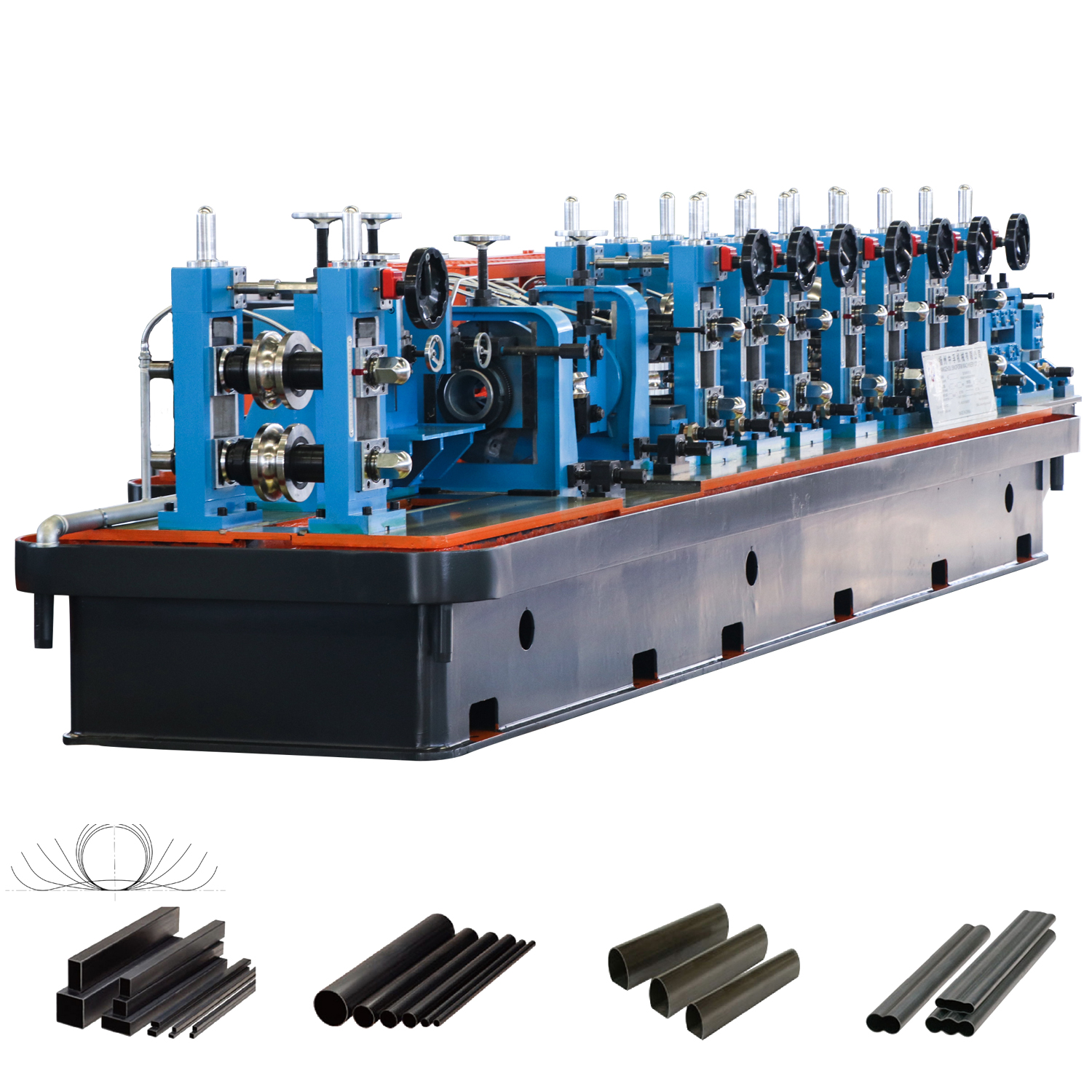 High Precision High-Frequency ERW Tube Mill line
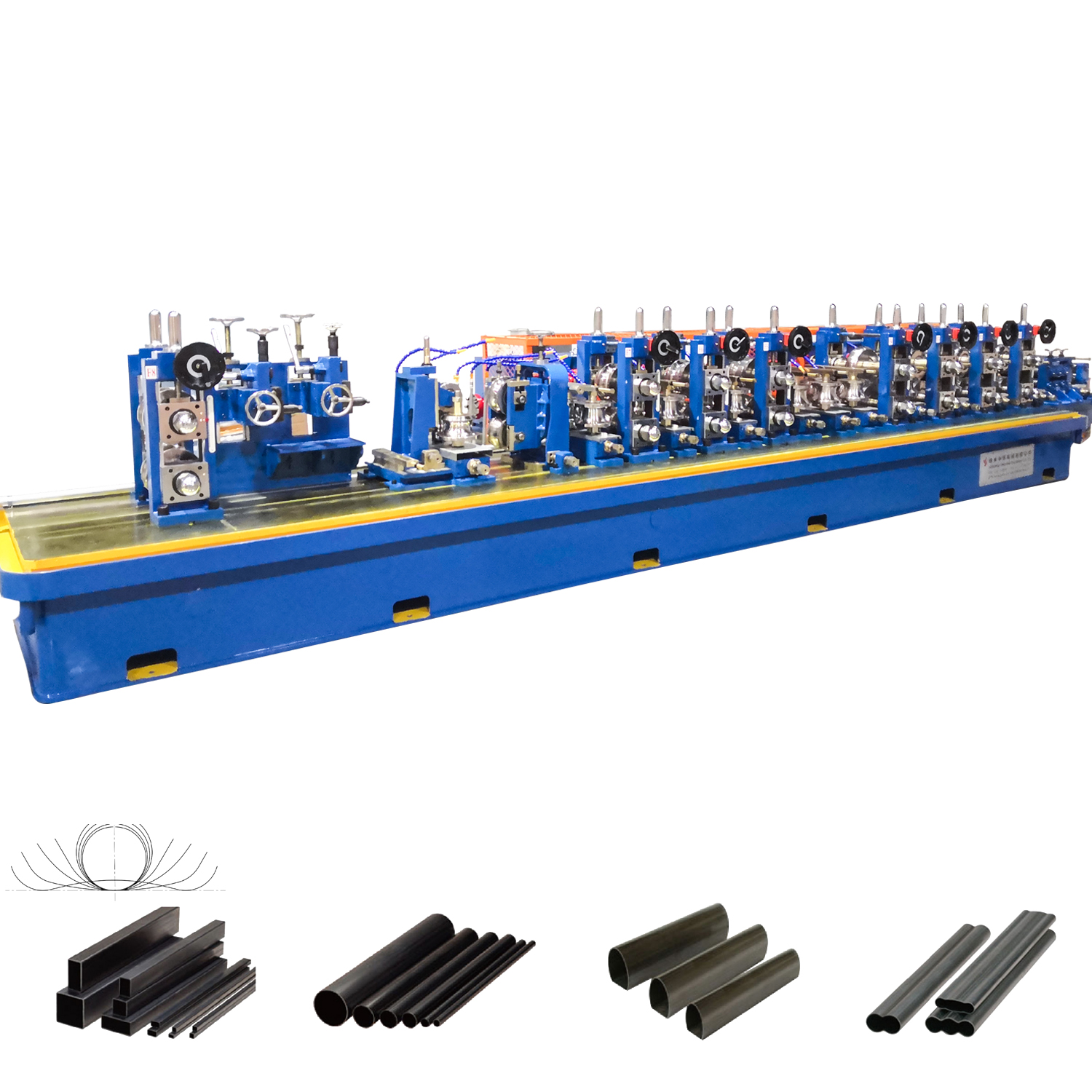 High Precision High-Frequency ERW Tube Mill line
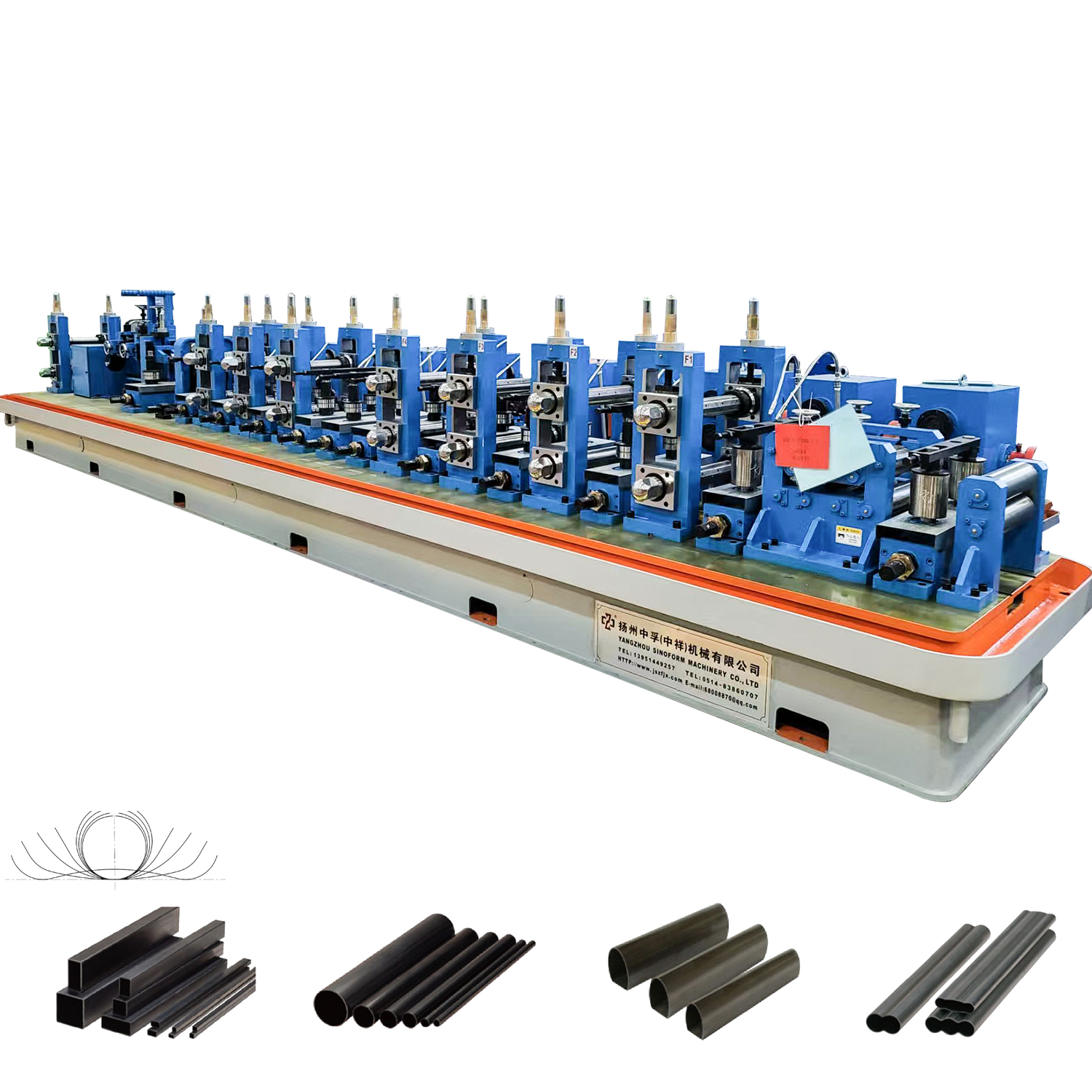 High Precision High-Frequency ERW Tube Mill line
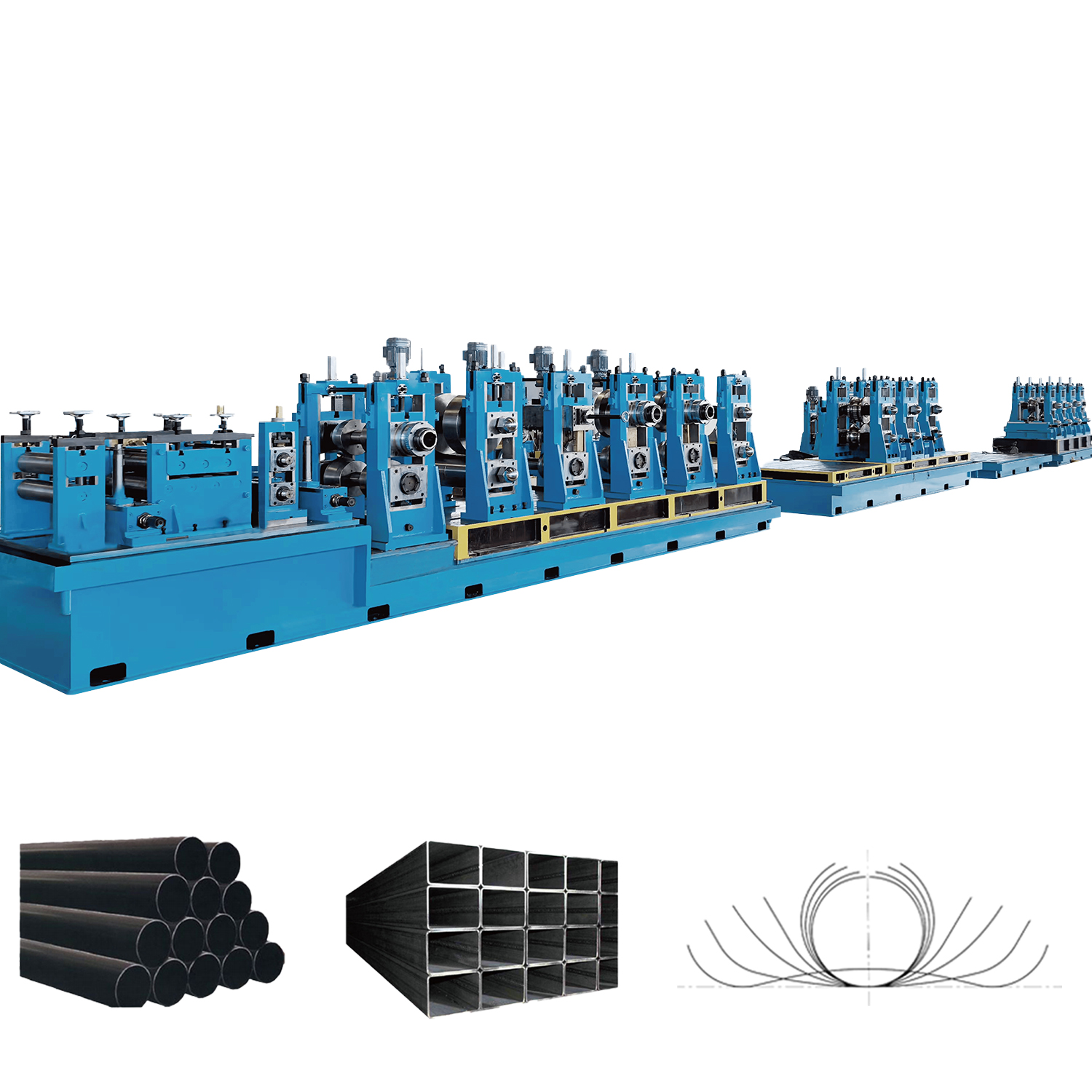 Large ERW tube mill line
Large ERW tube mill line
Large ERW tube mill line
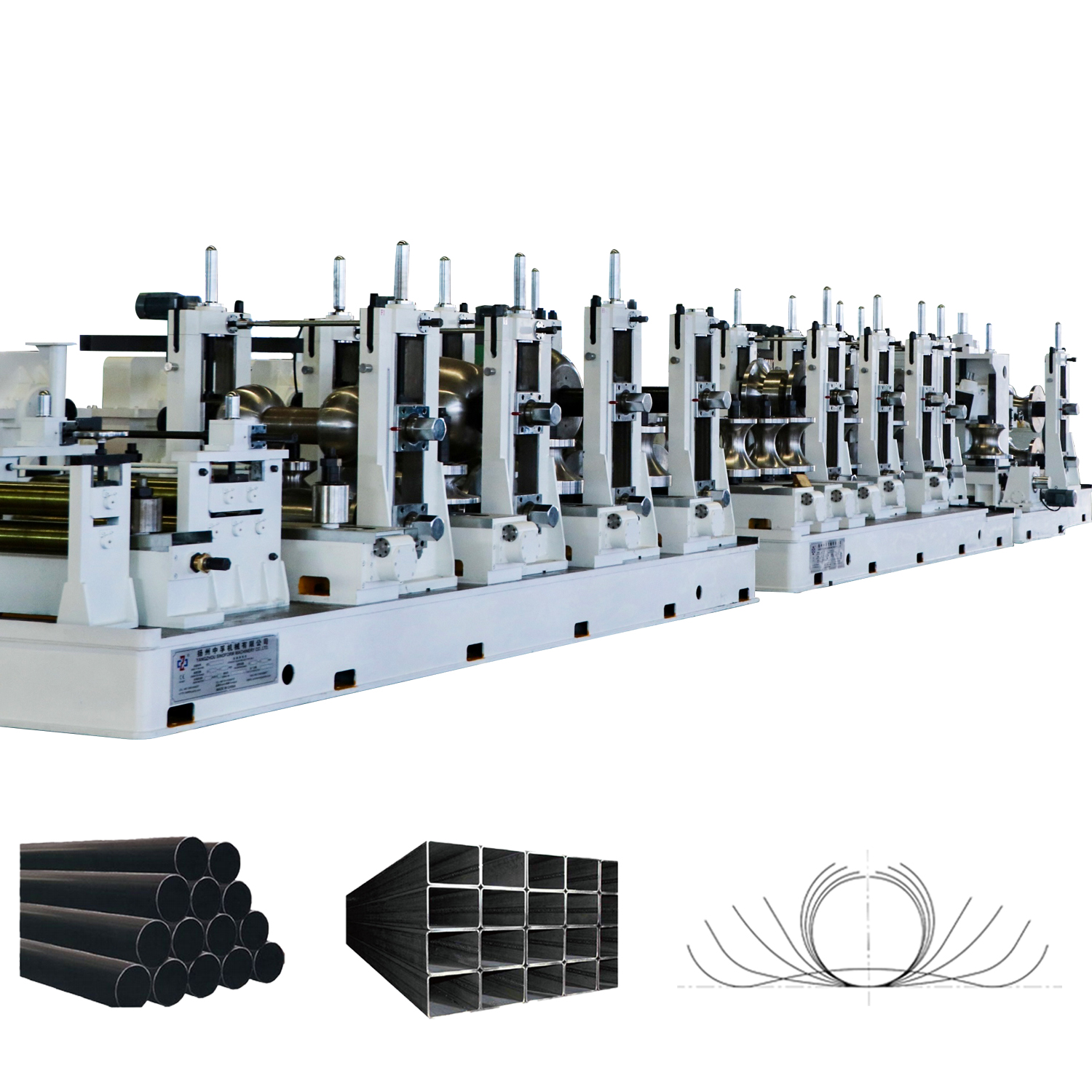 Large ERW tube mill line
Large ERW tube mill line
Large ERW tube mill line
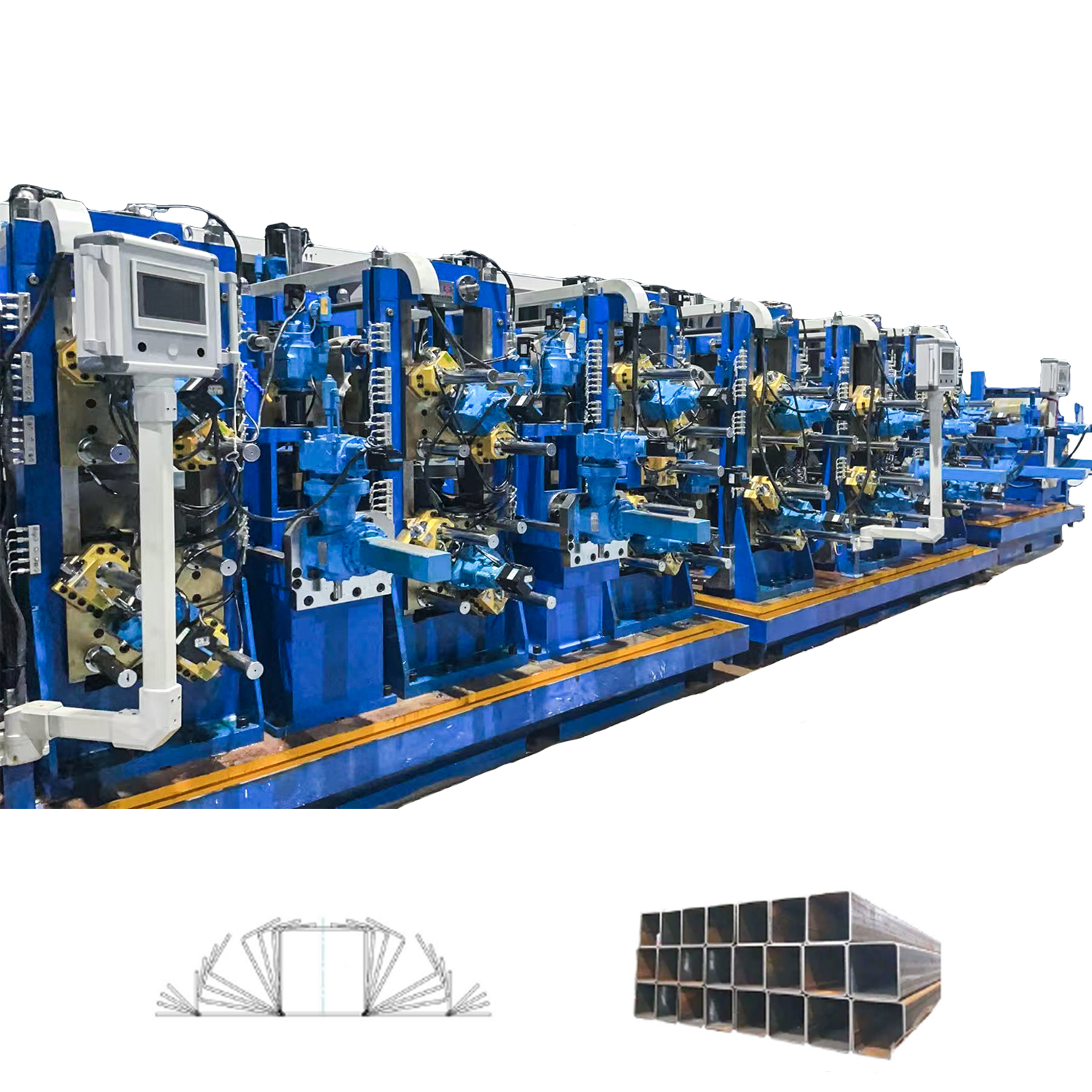 Direct To Square Welded Pipe Production Line
Direct To Square Welded Pipe Production Line
Direct To Square Welded Pipe Production Line
Direct To Square Welded Pipe Production Line
Direct To Square Welded Pipe Production Line

 No.1 Xiangjian Road, Northern
Suburbs Of Yangzhou City,
Jiangsu Province,China
No.1 Xiangjian Road, Northern
Suburbs Of Yangzhou City,
Jiangsu Province,China
 Phone: +86-0514-8363 8877
 E-mail: [email protected]
© Yangzhou SINOFORM Machinery Co., Ltd. Tube Mill Line Manufacturers
Pipe Making Machine Custom
Tube Making Machine Suppliers



 English
 Español
 عربى
عربى русский
 中文简体
中文简体