
 English
 Español
 عربى
عربى русский
 中文简体
中文简体
Quick Answer: To select the right tube mill machine, you must evaluate five critical factors: (1) your target pipe specifications (diameter 10-300mm range), (2) material type (carbon steel vs stainless steel), (3) required production speed (3-150m/min), (4) welding technology (ERW vs FFX vs TIG), and (5) automation level. For high-volume carbon steel production exceeding 200 tons monthly, choose high-frequency ERW tube mills; for stainless steel or small batches under 100 tons, opt for TIG or laser welding systems.
Content
- 1 Understanding Tube Mill Machine Fundamentals
- 2 Key Selection Criteria for Tube Mill Equipment
- 3 Welding Technology Comparison: ERW vs FFX vs TIG
- 4 Critical Technical Parameters Analysis
- 5 Automation and Control Systems
- 6 Cost Analysis and ROI Considerations
- 7 Manufacturer Selection and After-Sales Support
- 8 Step-by-Step Selection Process
- 9 Frequently Asked Questions (FAQ)
- 9.0.1 Q1: What is the difference between ERW and seamless pipe mills?
- 9.0.2 Q2: Can one tube mill machine produce both round and square pipes?
- 9.0.3 Q3: How do I calculate the ROI on a tube mill investment?
- 9.0.4 Q4: What maintenance schedule should I expect for a tube mill?
- 9.0.5 Q5: Is laser welding better than HF welding for tube production?
- 9.0.6 Q6: What floor space is required for a complete tube mill line?
- 9.0.7 Q7: How long does delivery and commissioning take?
- 10 Conclusion: Making the Right Investment Decision
Understanding Tube Mill Machine Fundamentals
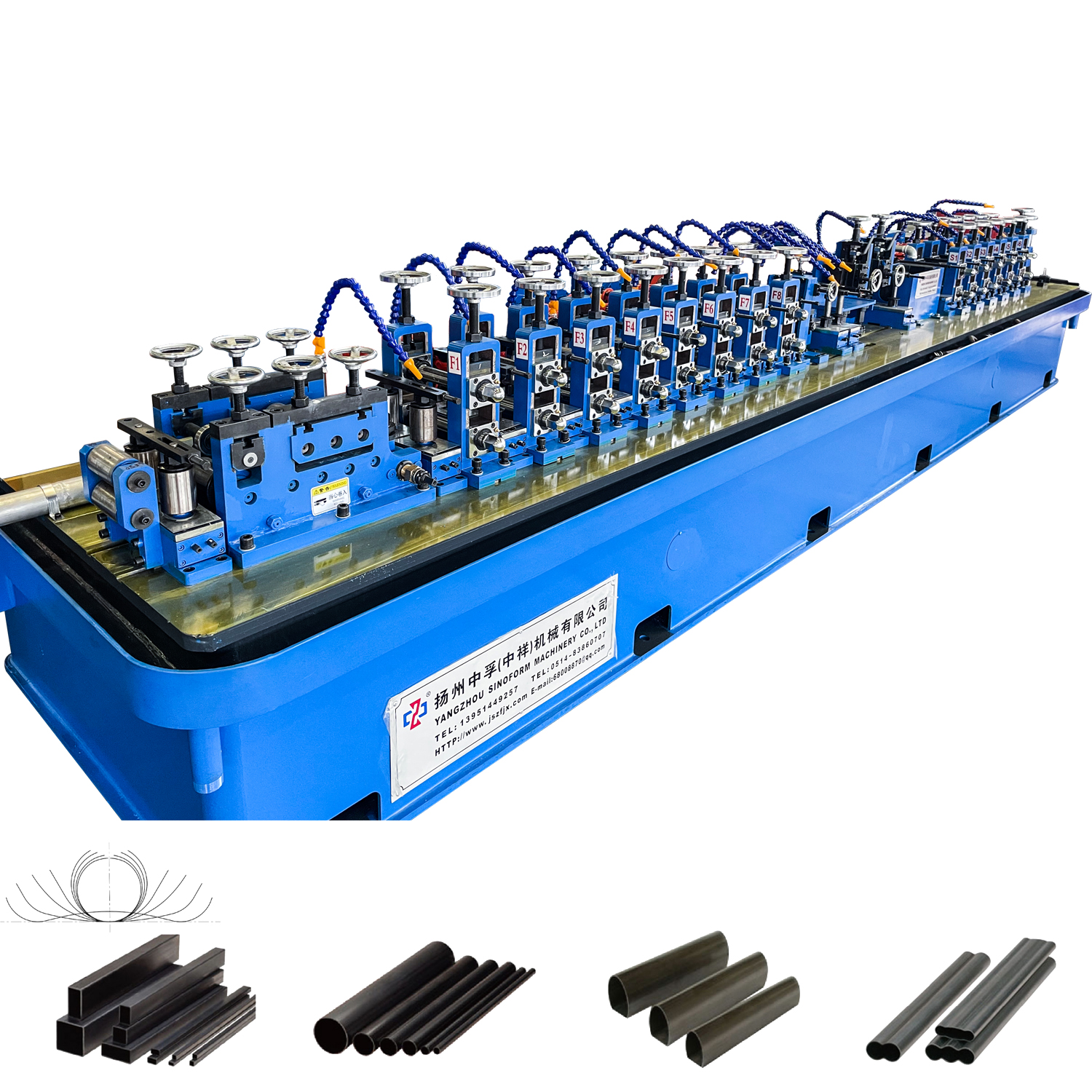
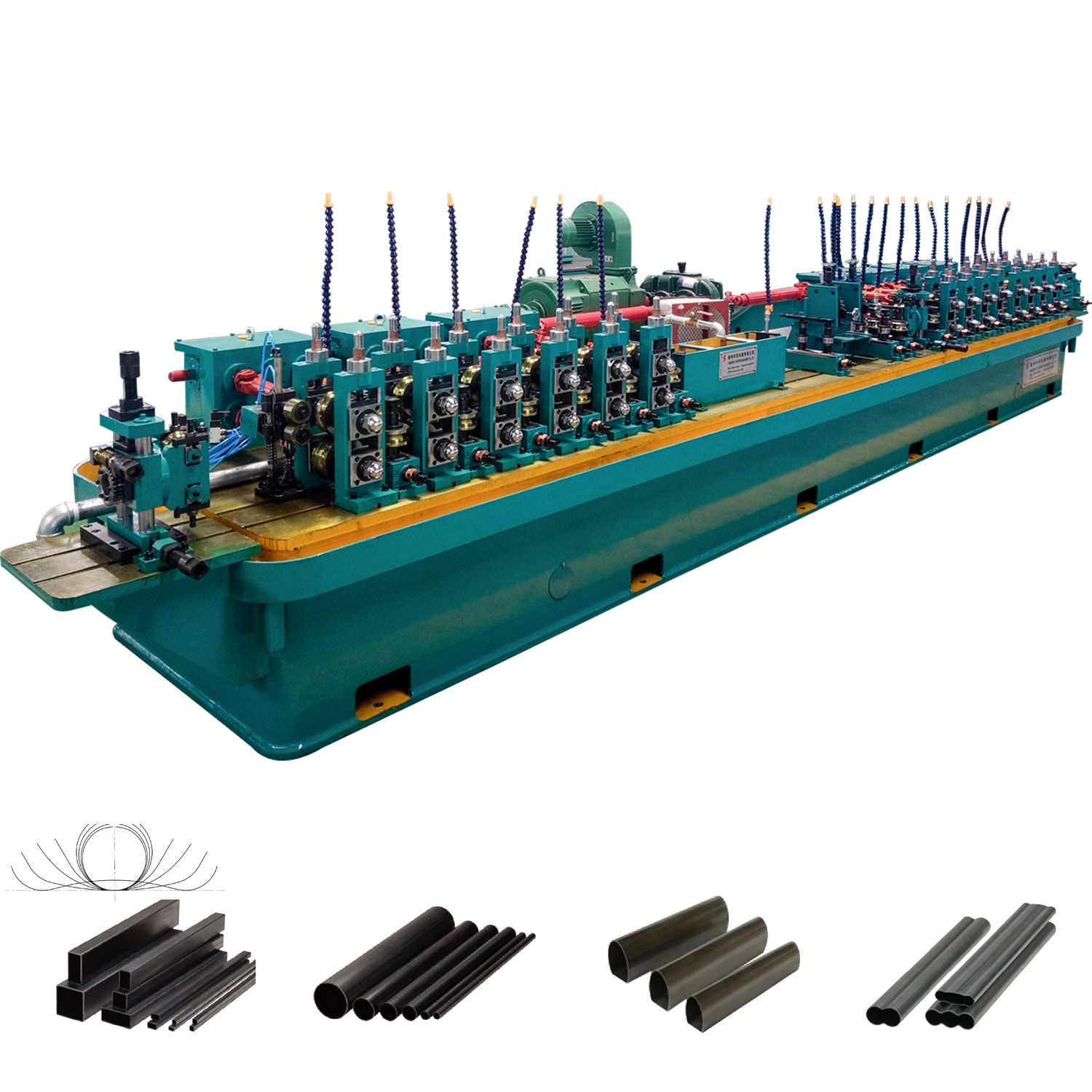
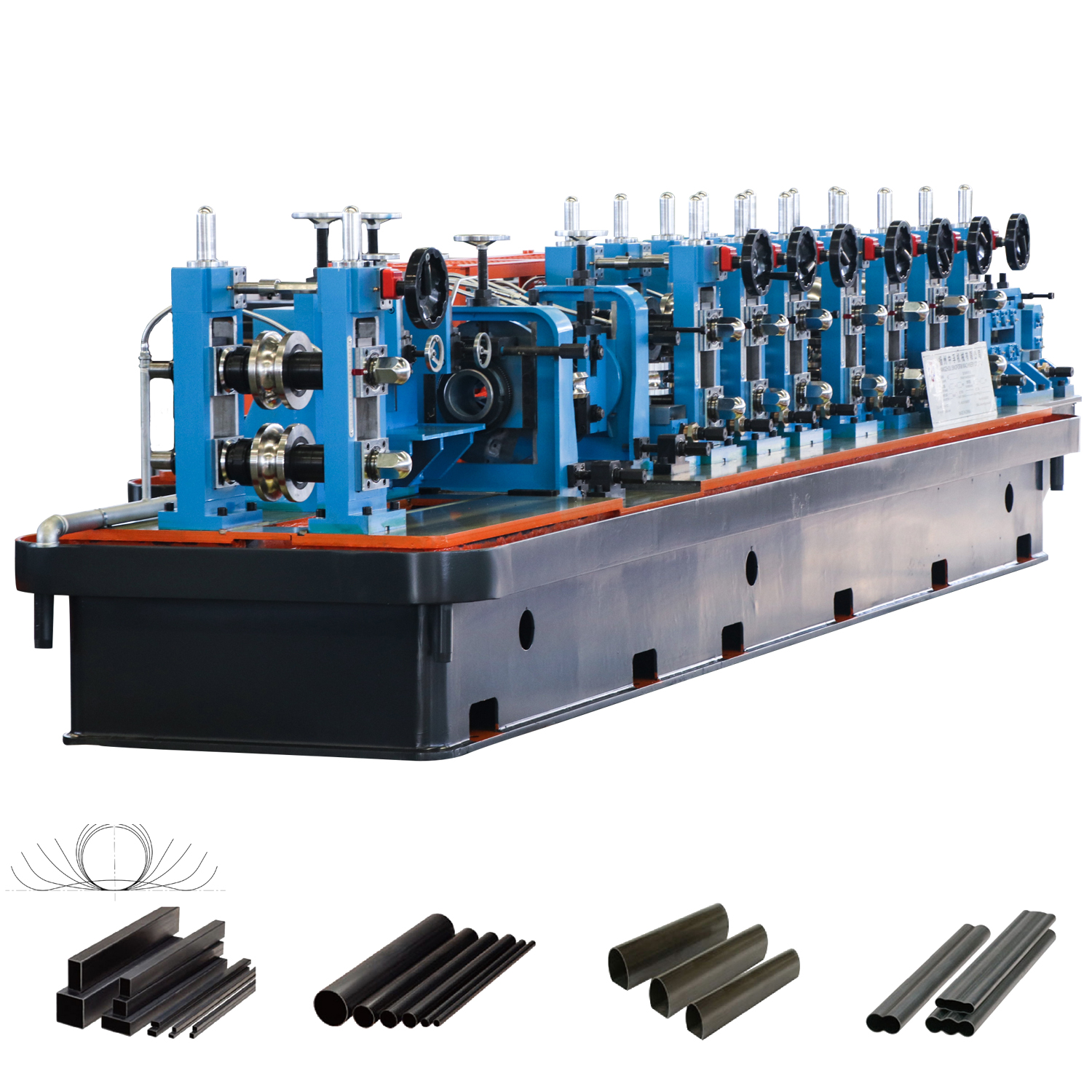
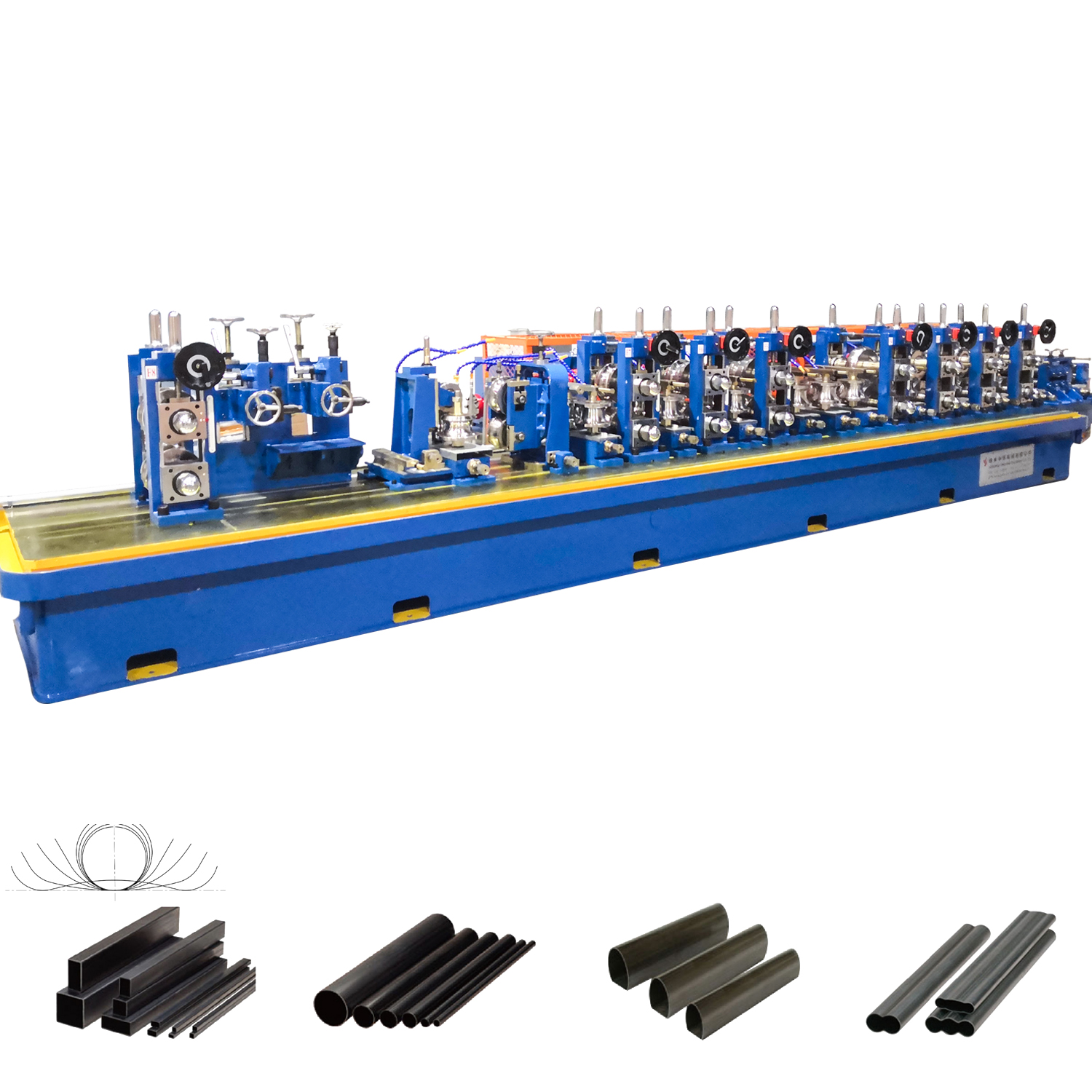
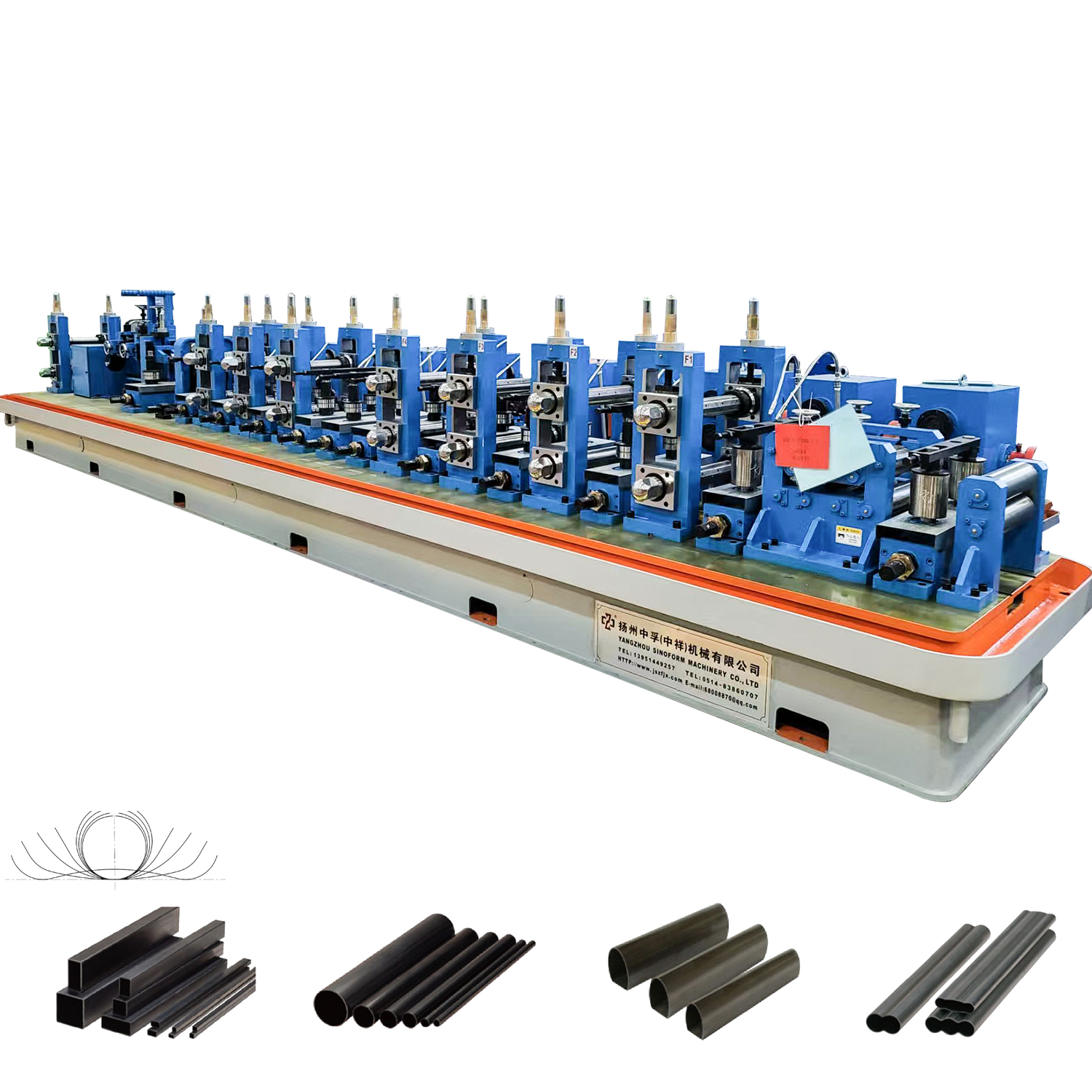
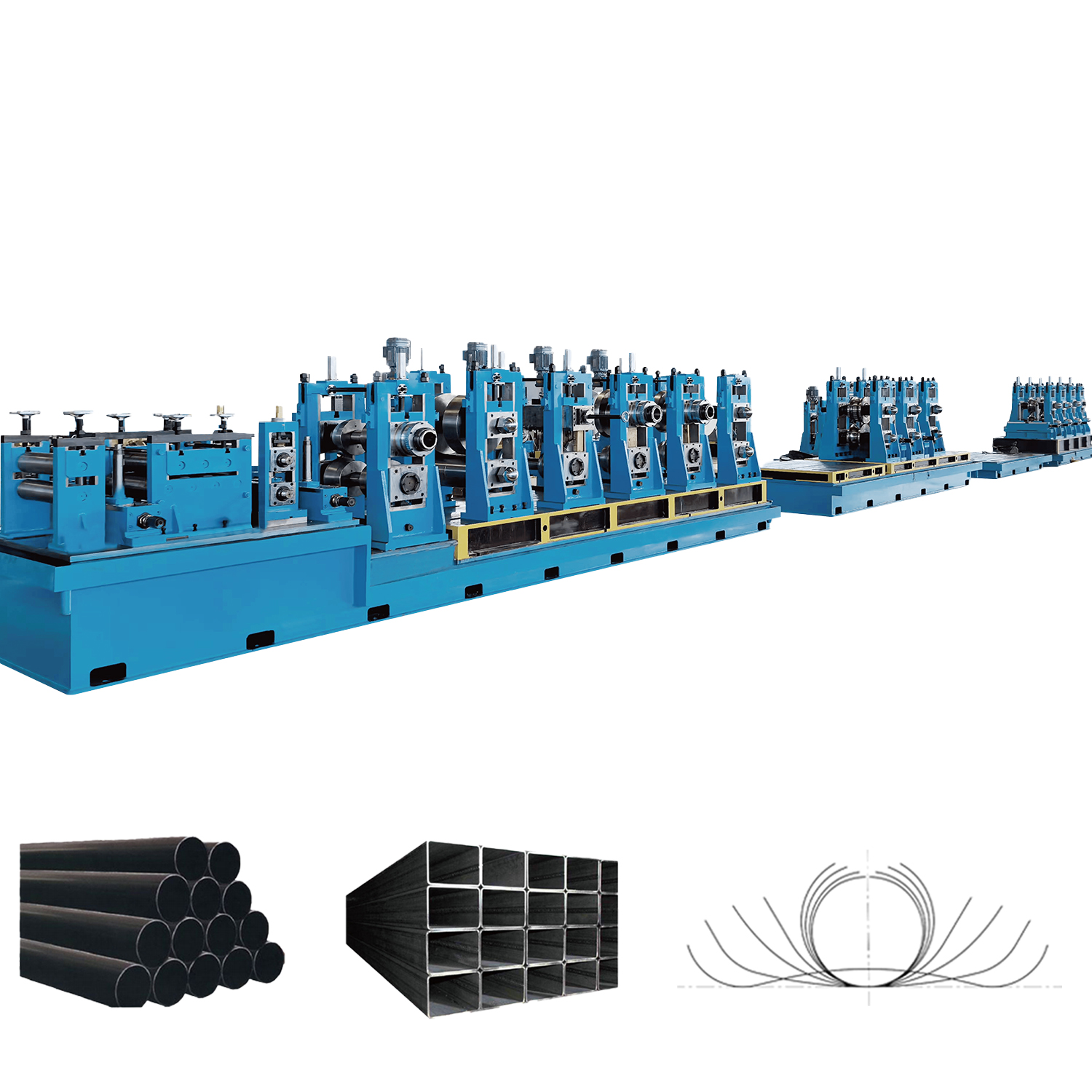
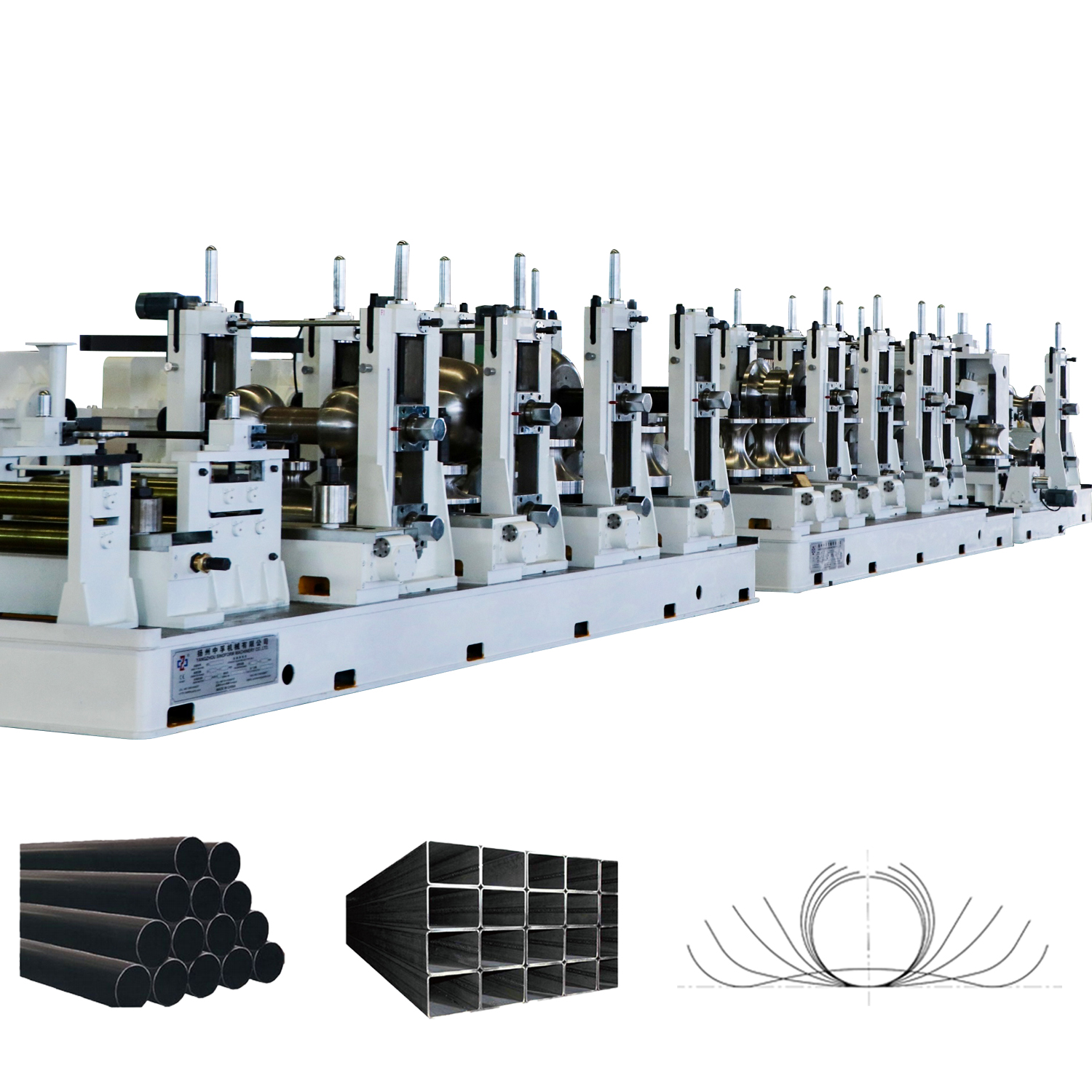
A tube mill machine is specialized equipment designed to transform flat metal strips into cylindrical or shaped tubes through continuous forming and welding processes. The machine operates by feeding coiled steel through a series of forming rollers that gradually shape the material into a tube, followed by welding the longitudinal seam using various technologies. Understanding these fundamentals is essential before making any investment decision.
The core components of a standard pipe production line include: (1) double swivel uncoiler for continuous feeding, (2) coil end joiner and strip accumulator for uninterrupted operation, (3) forming roller stands for precision shaping, (4) welding station for seam joining, and (5) sizing and cutting units for final dimensional accuracy. Each component plays a vital role in determining overall production efficiency and product quality.
Key Selection Criteria for Tube Mill Equipment
1. Material Compatibility Assessment
Material selection directly determines your welding technology choice. Different metals require specific welding parameters and equipment configurations to ensure optimal performance and product integrity.
- Carbon Steel: Ideal for high-frequency ERW tube mills due to excellent weldability and cost-effectiveness. Standard HF welding at 250-300 kHz frequency delivers optimal results for structural applications.
- Stainless Steel: Requires TIG welding tube mills or laser welding systems to prevent oxidation and maintain corrosion resistance. Higher frequency ranges (300-400 kHz) are recommended for superior surface finish.
- Galvanized Steel: Compatible with ERW systems but requires precise temperature control to prevent zinc coating degradation during the welding process.
- Aluminum Alloys: Demands specialized laser welding tube mills with high-frequency control (350-400 kHz) to manage thermal conductivity challenges.
2. Production Volume and Speed Requirements
Your monthly output targets dictate the machine capacity and automation level. Production speed varies significantly based on pipe wall thickness and diameter specifications.
| Production Scale | Monthly Output | Recommended Machine Type | Speed Range |
| Small Batch | Under 100 tons | TIG or Laser Welding Mill | 5-20 m/min |
| Medium Scale | 100-500 tons | Standard ERW Tube Mill | 20-60 m/min |
| High Volume | 500+ tons | High-Speed ERW or FFX Mill | 60-150 m/min |
| Custom/Flexible | Variable batches | FFX Direct Forming Mill | 10-80 m/min |
3. Pipe Specifications and Dimensional Range
Tube diameter and wall thickness determine the machine model and roller configuration. Most tube mill machines are categorized by their maximum pipe diameter capacity, with corresponding limitations on wall thickness.
Standard ERW tube mill classifications include:
- Small Diameter (ERW 32-89): Produces pipes from 10mm to 89mm outer diameter, wall thickness 0.3-4.0mm. Ideal for furniture, automotive, and light structural applications.
- Medium Diameter (ERW 114-219): Handles 89mm to 219mm diameter range, wall thickness 1.5-8.0mm. Suitable for construction, mechanical engineering, and general piping systems.
- Large Diameter (ERW 273-660): Capable of producing 273mm to 660mm pipes with wall thickness up to 22mm. Used for oil and gas transmission, water pipelines, and heavy structural projects.
Welding Technology Comparison: ERW vs FFX vs TIG
Selecting the appropriate welding technology is the most critical decision in tube mill selection. Each method offers distinct advantages regarding production speed, quality, flexibility, and initial investment.
High-Frequency ERW (Electric Resistance Welding)
ERW tube mills utilize high-frequency induction heating (200-400 kHz) to create strong, uniform welds without filler materials. This technology dominates the carbon steel pipe manufacturing industry due to its exceptional production speeds and cost efficiency [^9^].
Advantages:
- Production speeds reaching 120-150 m/min for thin-walled pipes
- Superior dimensional accuracy compared to seamless pipes
- Lower energy consumption per meter of pipe produced
- Consistent weld quality with minimal heat-affected zones
- Ideal for high-volume, standardized production runs
Limitations:
- Requires roll changes (2-3 hours) when switching pipe sizes
- Higher operational costs due to tooling requirements
- Less suitable for frequent specification changes
FFX (Flexible Forming) Direct Tube Mill
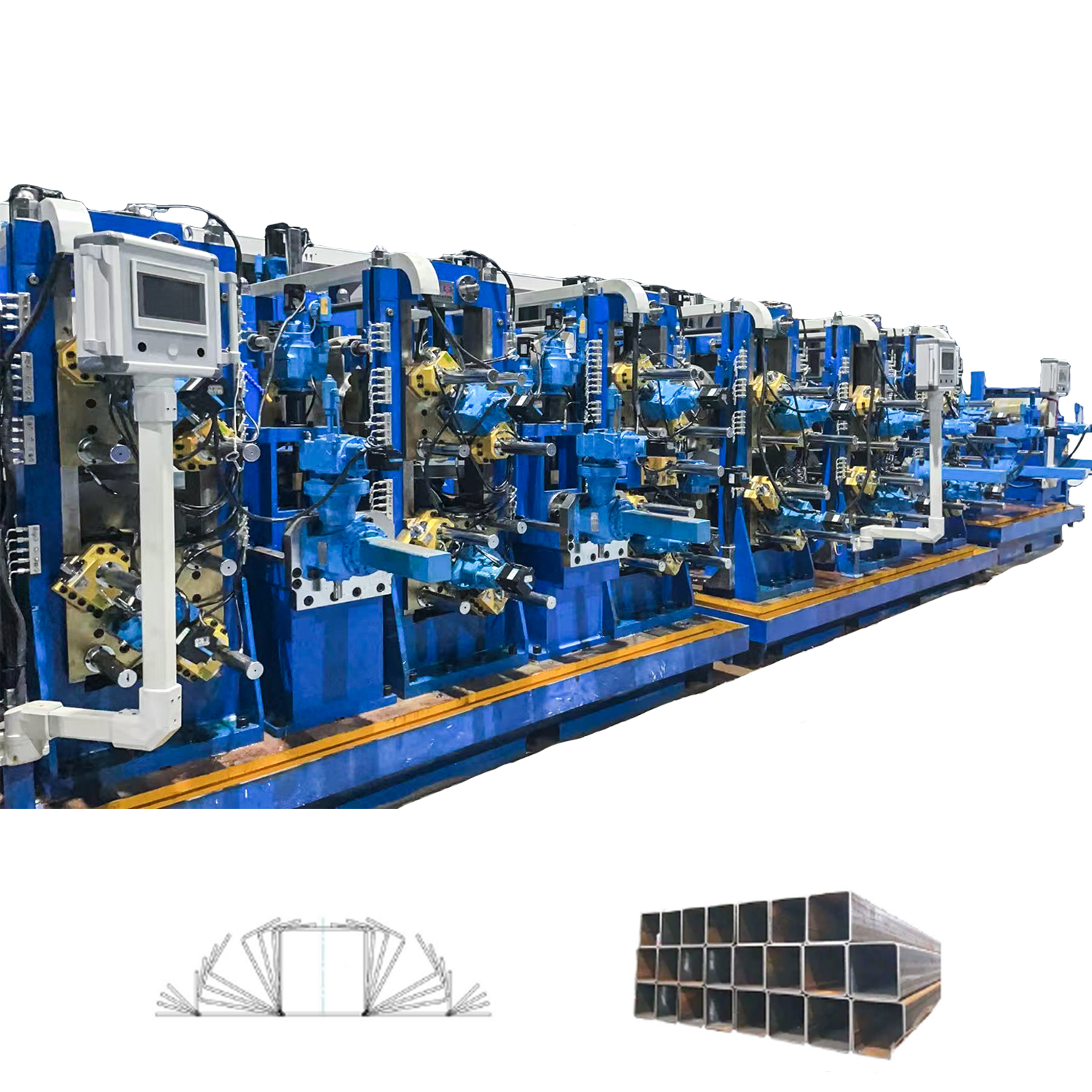
FFX technology represents the evolution of tube forming, featuring automated roll adjustment systems that eliminate manual changeovers. This flexible forming approach enables rapid transitions between different pipe sizes and shapes.
Advantages:
- Rapid size changeover without roll replacement (10-30 minutes vs 2-3 hours)
- Single machine produces round, square, and rectangular profiles
- Reduced tooling inventory requirements
- Optimal for high-mix, low-volume manufacturing environments
- Lower long-term operational costs despite higher initial investment
Limitations:
- Higher initial capital investment (typically 30-50% more than standard ERW)
- More complex maintenance requirements for automated systems
- Requires skilled technicians for programming and optimization
TIG (Tungsten Inert Gas) Welding
TIG welding provides the highest quality welds for stainless steel and specialty alloys. This process uses non-consumable tungsten electrodes with inert gas shielding to create clean, oxidation-free seams.
Advantages:
- Exceptional weld quality for stainless steel tube production
- Precise heat control prevents material distortion
- No spatter or slag formation ensures clean surface finish
- Suitable for thin-walled tubes (0.3-2.0mm) without burn-through
Limitations:
- Slower production speeds (5-20 m/min) compared to ERW
- Higher operational costs due to argon gas consumption
- Skilled operators required for consistent quality
| Comparison Factor | ERW Tube Mill | FFX Direct Mill | TIG Welding Mill |
| Production Speed | 20-150 m/min | 10-80 m/min | 5-20 m/min |
| Setup Time | 2-3 hours | 10-30 minutes | 1-2 hours |
| Best For Materials | Carbon Steel, Galvanized | Carbon Steel, Low Alloy | Stainless Steel, Aluminum |
| Initial Investment | Moderate | High | Moderate to High |
| Operational Cost | Moderate | Low | High |
| Flexibility | Low | Very High | Moderate |
| Weld Quality | Good | Good | Excellent |
Critical Technical Parameters Analysis
Forming Speed and Production Capacity
Forming speed directly impacts your daily output and return on investment timeline. Standard tube mill machines operate between 3-20 m/min, while high-speed lines for thin-walled pipes achieve 120-150 m/min.
When evaluating speed specifications, consider that thick-walled pipes (≥5mm) require slower forming speeds (3-8 m/min) to prevent material stress and ensure dimensional accuracy. Conversely, thin-walled applications (≤1mm) can utilize high-speed production (15-20 m/min) without quality compromise.
Roller Group Configuration
The number of forming roller stands determines pipe quality and material stability during forming. Standard configurations range from 8-20 roller groups, with specific requirements based on wall thickness.
- Thin-walled pipes (≤1.5mm): Require 15-20 roller groups to ensure gradual bending without material cracking or wrinkling
- Thick-walled pipes (≥3mm): Can utilize 8-12 roller groups due to material strength and rigidity
- Precision applications: Benefit from additional roller stands to achieve tighter dimensional tolerances (±0.1mm)
Welding Frequency Selection
Welding frequency affects heat penetration, weld quality, and operational efficiency. High-frequency welding systems typically operate between 200-400 kHz, with material-specific optimal ranges.
Selection Guidelines:
- 250-300 kHz: Optimal for carbon steel and low-alloy materials, providing stable heating and cost efficiency
- 300-400 kHz: Required for stainless steel and aluminum to minimize oxidation and achieve precise temperature control
Automation and Control Systems
Modern tube mill machines incorporate advanced automation to minimize manual intervention and ensure consistent quality. When selecting equipment, evaluate the following automation features:
- Automatic Roll Change Systems: Advanced systems like RQCS (Roll Quick Change System) can reduce changeover time from hours to 10 minutes, significantly increasing productive capacity
- Online Monitoring Technology: Real-time monitoring of welding temperature, pressure, and dimensional accuracy helps identify potential issues before they escalate, reducing unplanned downtime by up to 40%
- CNC Control Systems: Computer numerical control enables precise parameter adjustment and recipe storage for different product specifications
- Automated Material Handling: Integrated uncoilers, accumulators, and stacking systems reduce labor requirements from 5-6 operators to 1-2 technicians
Cost Analysis and ROI Considerations
Initial Investment vs Long-term Value
Tube mill machine prices range from $75,000 for entry-level equipment to over $2 million for high-capacity, fully automated lines. When evaluating costs, consider the total cost of ownership rather than just the purchase price.
| Equipment Class | Price Range (USD) | Capacity | Best Application |
| Entry Level | $75,000 - $150,000 | Small diameter, low volume | Startup operations, specialized products |
| Mid-Range | $150,000 - $500,000 | Medium diameter, moderate speed | Growing manufacturers, diverse portfolios |
| Industrial Grade | $500,000 - $1,200,000 | Large diameter, high speed | High-volume producers, API standards |
| Premium/FFX | $800,000 - $2,000,000+ | Flexible forming, automation | High-mix environments, JIT manufacturing |
Operating Cost Factors
Beyond purchase price, evaluate these ongoing operational expenses:
- Energy Consumption: High-frequency welding is energy-efficient, but large motors (100-500 kW) require substantial power infrastructure
- Tooling and Rollers: Standard ERW mills require separate roll sets for each pipe size ($5,000-$15,000 per set), while FFX systems reduce this inventory by 60-80%
- Labor Costs: Automated lines reduce staffing from 5-6 operators to 1-2 technicians, saving $100,000-$200,000 annually in developed markets
- Maintenance: Budget 3-5% of equipment value annually for preventive maintenance and wear parts replacement
Manufacturer Selection and After-Sales Support
Choosing the right equipment supplier is as critical as selecting the machine itself. A manufacturer's reputation, experience, and support capabilities significantly impact long-term operational success.
Evaluation Criteria for Manufacturers
- Industry Experience: Look for manufacturers with minimum 10-15 years of specialized experience in tube mill production. Established providers typically have served 500+ installations across 50+ countries
- Technical Certifications: Verify ISO 9001 quality management certification and industry-specific standards compliance (API, CE marking, etc.)
- Reference Installations: Request case studies and customer testimonials from operations similar to your intended application
- Spare Parts Availability: Ensure the manufacturer maintains inventory of critical wear parts (rollers, bearings, electrical components) with delivery commitments under 48 hours for emergency situations
Essential After-Sales Services
Comprehensive support packages should include:
- Installation and Commissioning: On-site supervision by experienced engineers to ensure proper setup and initial operation
- Operator Training: Comprehensive programs covering machine operation, maintenance procedures, and troubleshooting protocols
- Technical Documentation: Detailed manuals, electrical schematics, hydraulic diagrams, and spare parts catalogs
- Remote Support: 24/7 access to technical assistance via phone, video conference, or remote diagnostics systems
- Warranty Coverage: Minimum 12-month warranty on mechanical components and 24-month coverage for electrical systems
Step-by-Step Selection Process
Phase 1: Requirements Definition (Weeks 1-2)
- Document target pipe specifications (diameter range, wall thickness, shapes)
- Calculate required monthly/annual production volumes
- Identify material types and grades to be processed
- Establish quality standards and industry certifications required
- Define available floor space and utility capacities
Phase 2: Technology Selection (Weeks 3-4)
- Match material requirements to welding technology (ERW/FFX/TIG)
- Determine automation level based on labor costs and production flexibility needs
- Select machine capacity class based on volume requirements
- Evaluate quick-change requirements for product mix diversity
Phase 3: Supplier Evaluation (Weeks 5-8)
- Request proposals from 3-5 qualified manufacturers
- Conduct technical reviews and reference site visits
- Evaluate total cost of ownership over 5-year period
- Negotiate service level agreements and spare parts pricing
- Finalize warranty terms and training commitments
Phase 4: Implementation Planning (Weeks 9-12)
- Confirm delivery timeline (typically 12-20 weeks for standard equipment)
- Prepare site infrastructure (electrical, compressed air, cooling water)
- Schedule operator training 2 weeks before delivery
- Establish production ramp-up plan from commissioning to full capacity
Frequently Asked Questions (FAQ)
Q1: What is the difference between ERW and seamless pipe mills?
A: ERW (Electric Resistance Welded) pipe mills produce pipes by forming flat strip into a tube and welding the longitudinal seam using high-frequency current. This process offers lower cost, faster production (up to 150 m/min), and consistent wall thickness compared to seamless mills, which extrude pipes from solid billets. ERW is suitable for 80% of structural and transmission applications, while seamless is preferred only for high-pressure (>200 bar) and critical service conditions.
Q2: Can one tube mill machine produce both round and square pipes?
A: Yes, most modern tube mill machines can produce round, square, and rectangular profiles by incorporating sizing sections with appropriate roll sets. However, changing between shapes requires roll changeovers (2-3 hours for standard ERW, 10-30 minutes for FFX systems). Ensure your machine specification includes the necessary tooling for all required profiles.
Q3: How do I calculate the ROI on a tube mill investment?
A: Calculate ROI by comparing total ownership cost (equipment + installation + training + 5 years operating costs) against production value. A typical ERW tube mill producing 500 tons/month of carbon steel pipe generates $1.5-2.5 million annual revenue against $400,000-600,000 operating costs, achieving payback in 18-36 months depending on local market conditions and utilization rates.
Q4: What maintenance schedule should I expect for a tube mill?
A: Daily maintenance includes roller surface inspection, hydraulic system checks (oil level, pressure), and cooling water quality verification. Weekly tasks involve bearing lubrication and electrical connection inspection. Major maintenance (roller replacement, gearbox service) occurs every 6-12 months depending on operating hours. Budget 3-5% of equipment value annually for maintenance and establish preventive maintenance schedules to minimize unplanned downtime.
Q5: Is laser welding better than HF welding for tube production?
A: Laser welding offers superior precision, cleaner seams, and faster welding times for thin materials and stainless steel, but at significantly higher capital cost (2-3x HF systems). High-frequency ERW welding remains the optimal choice for carbon steel and high-volume production due to lower equipment costs, mature technology, and established maintenance procedures. Choose laser only for specialized applications requiring exceptional surface quality or materials difficult to weld with HF.
Q6: What floor space is required for a complete tube mill line?
A: Space requirements vary by capacity: Small diameter mills (ERW 32-60) require 15m x 6m minimum; Medium mills (ERW 89-165) need 25m x 8m; Large diameter lines (ERW 219+) demand 40m x 12m or more. Additional space for raw material storage (coils), finished goods staging, and maintenance access should be factored into facility planning.
Q7: How long does delivery and commissioning take?
A: Standard tube mill machines typically require 12-16 weeks from order to delivery. Custom-engineered lines or specialized configurations may extend to 20-24 weeks. On-site installation and commissioning take 2-4 weeks depending on line complexity and local infrastructure readiness. Plan for additional 1-2 weeks for operator training and production trials before commercial operation.
Conclusion: Making the Right Investment Decision
Selecting the right tube mill machine for your production line requires systematic evaluation of technical requirements, production goals, and financial constraints. By carefully analyzing material compatibility, volume requirements, and flexibility needs, you can identify whether a standard ERW tube mill, flexible FFX direct forming line, or precision TIG welding system best serves your operation.
Remember that the lowest purchase price rarely delivers the best long-term value. Consider total cost of ownership, including operational efficiency, maintenance requirements, and the manufacturer's support capabilities. High-volume carbon steel producers will maximize ROI with high-speed ERW technology, while operations requiring frequent product changes should prioritize FFX flexibility despite higher initial investment.
Finally, partner with established manufacturers who demonstrate technical expertise, comprehensive after-sales support, and proven track records in your target industry. The right tube mill machine is not merely equipment—it's a strategic asset that determines your competitive position in the global pipe manufacturing market for decades to come.