
 English
 Español
 عربى
عربى русский
 中文简体
中文简体
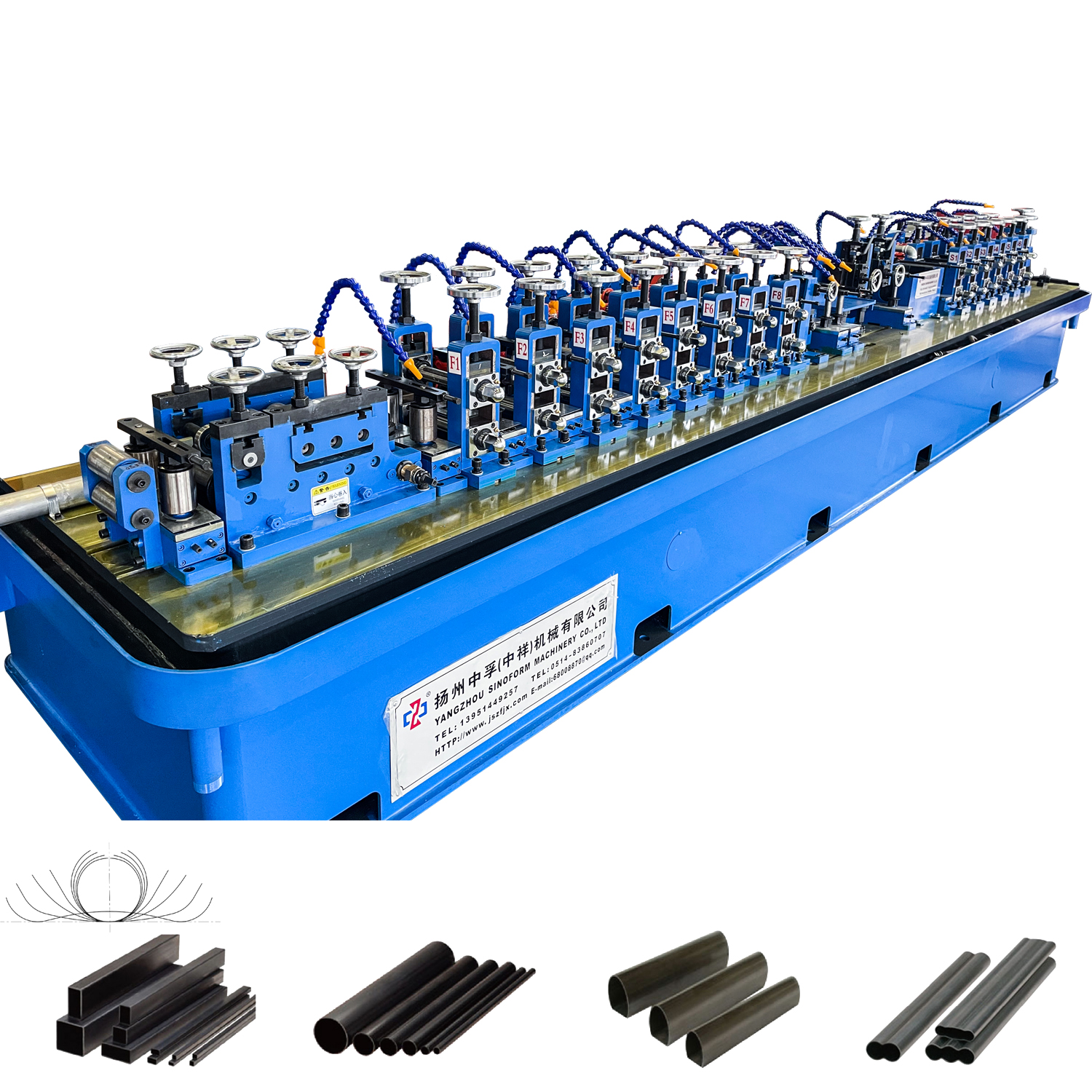
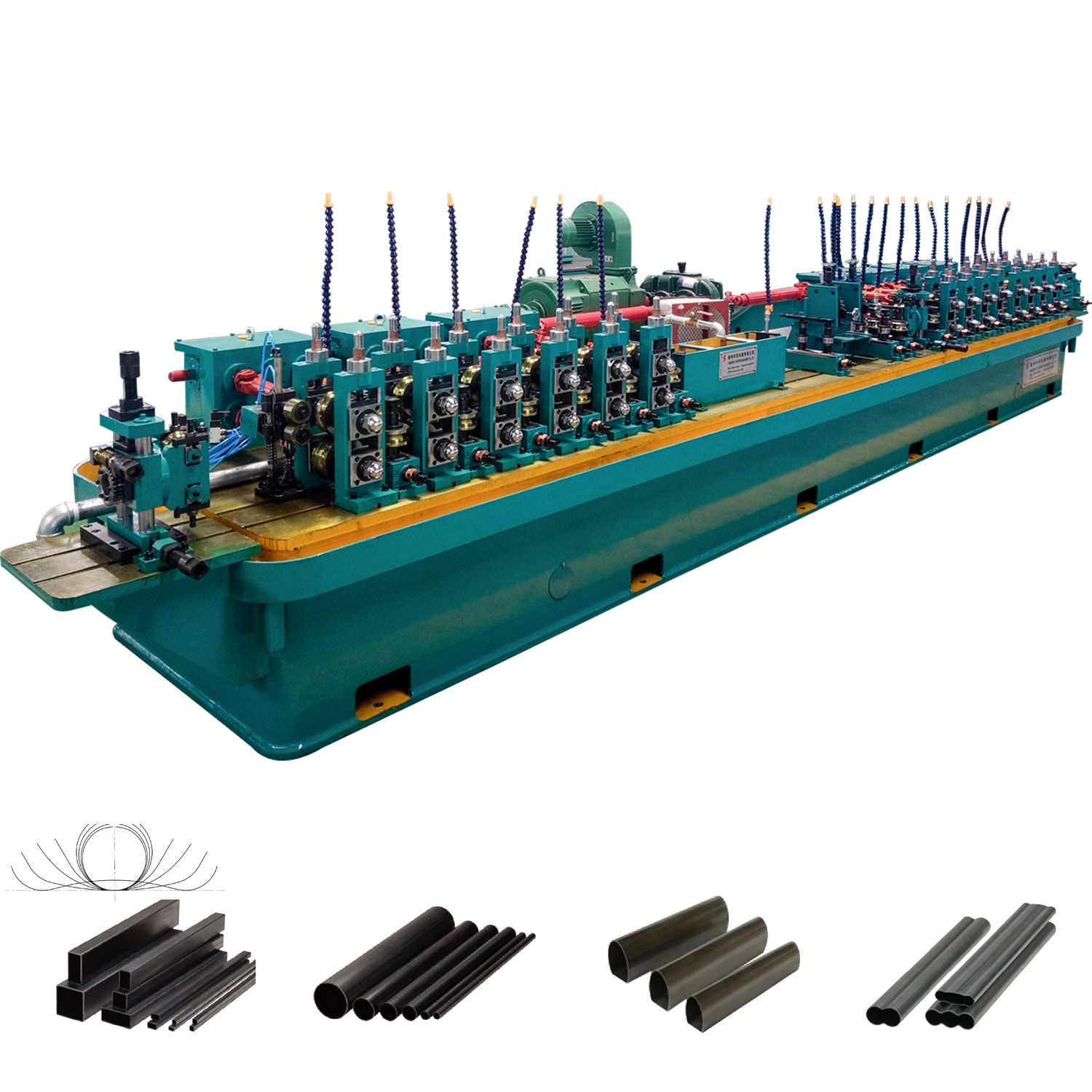
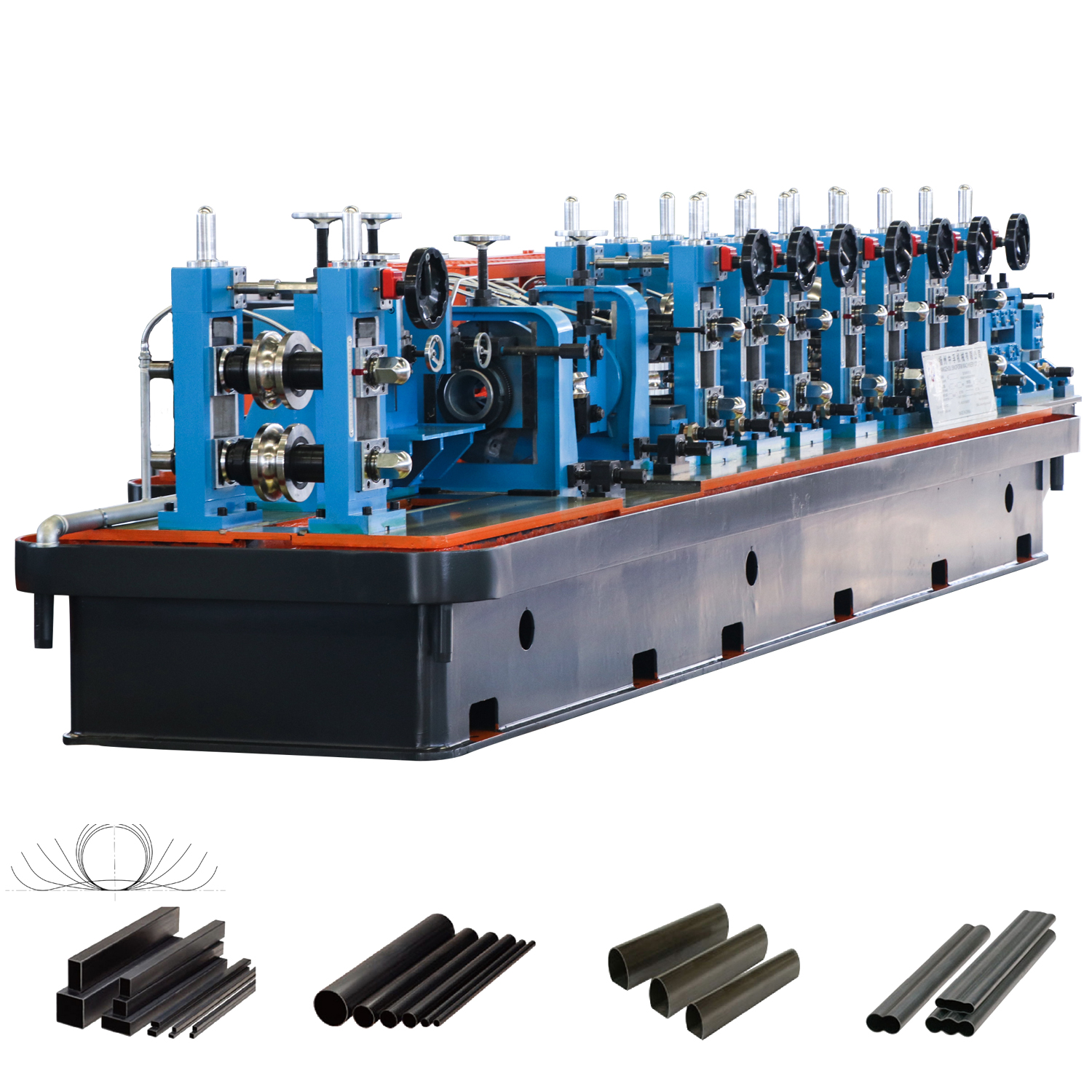
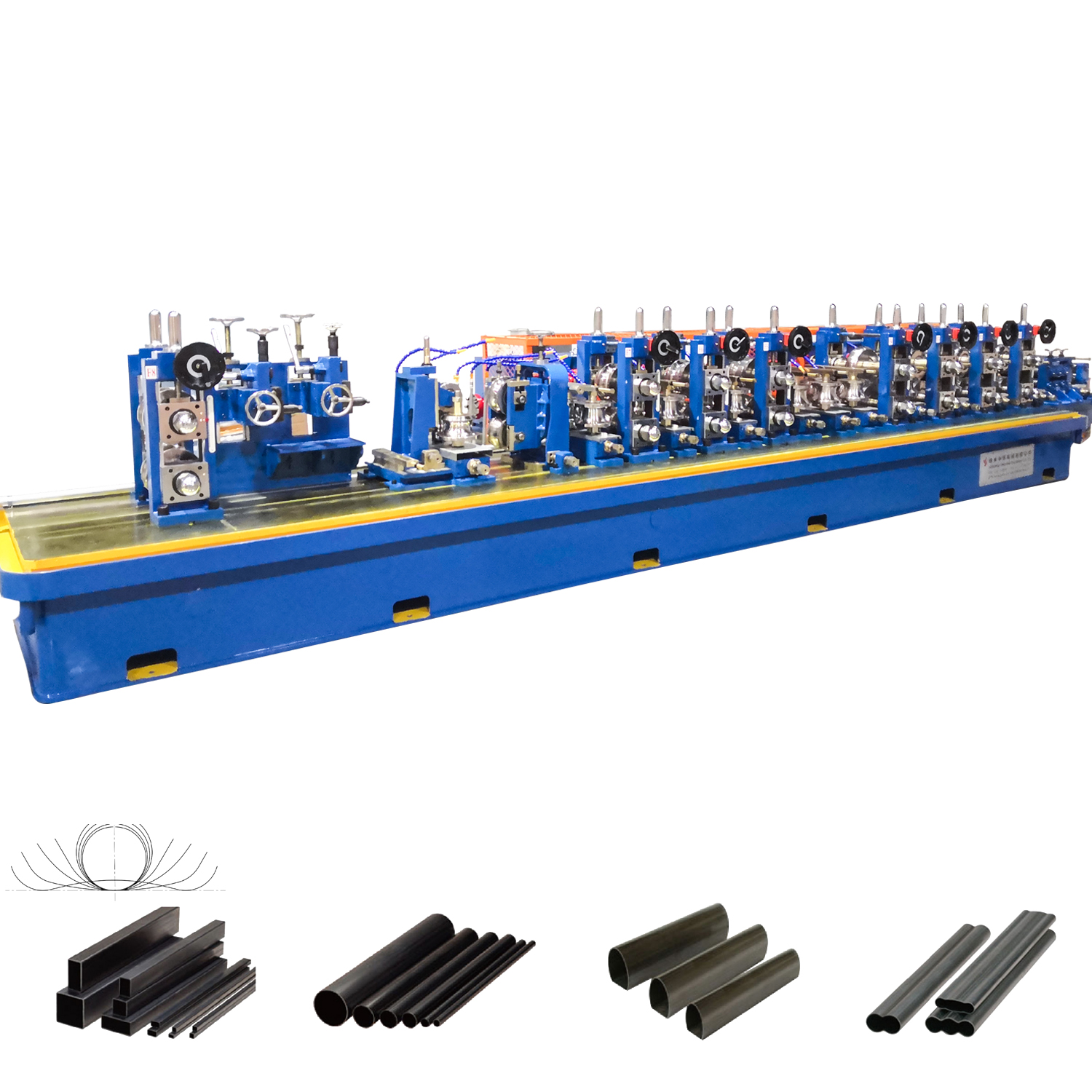
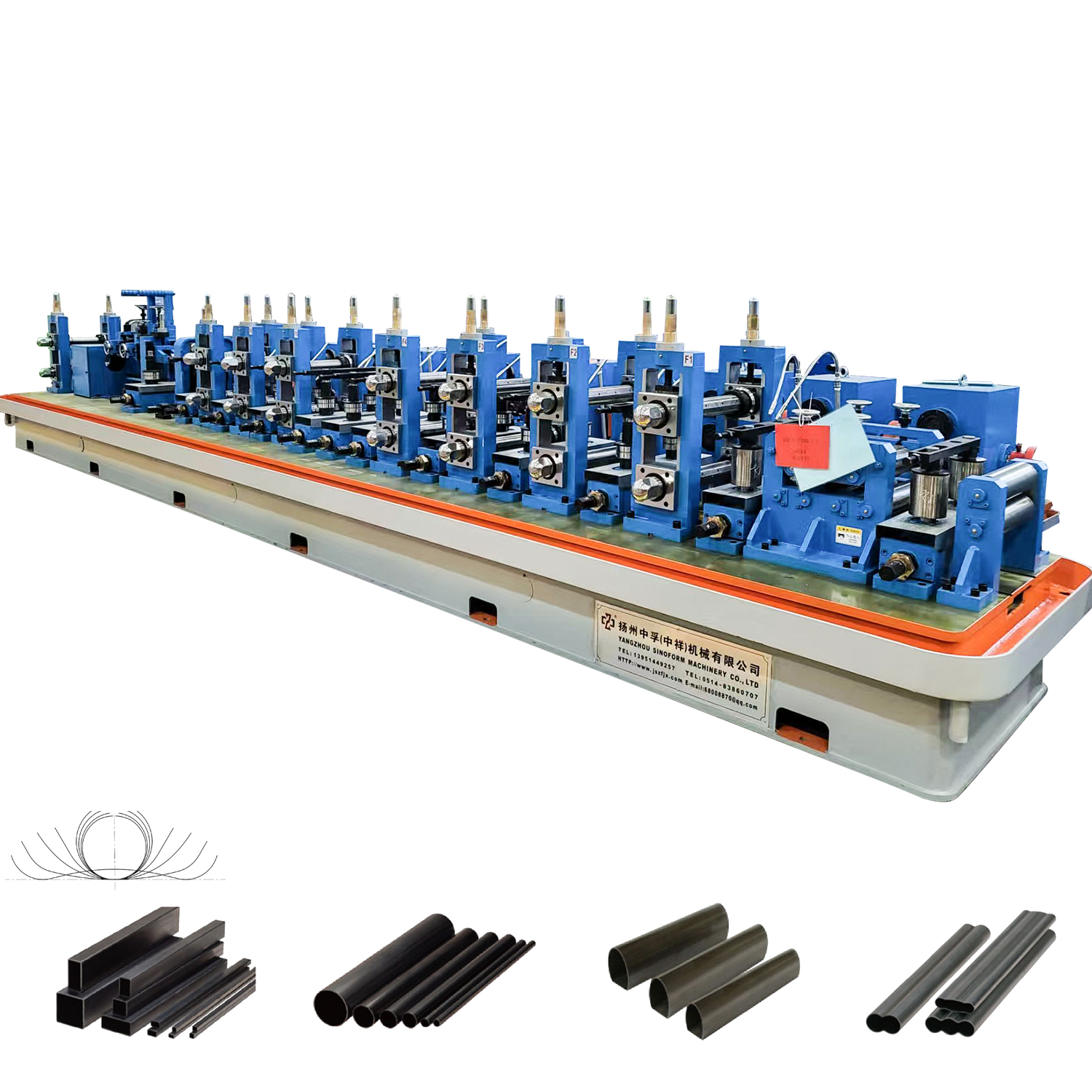
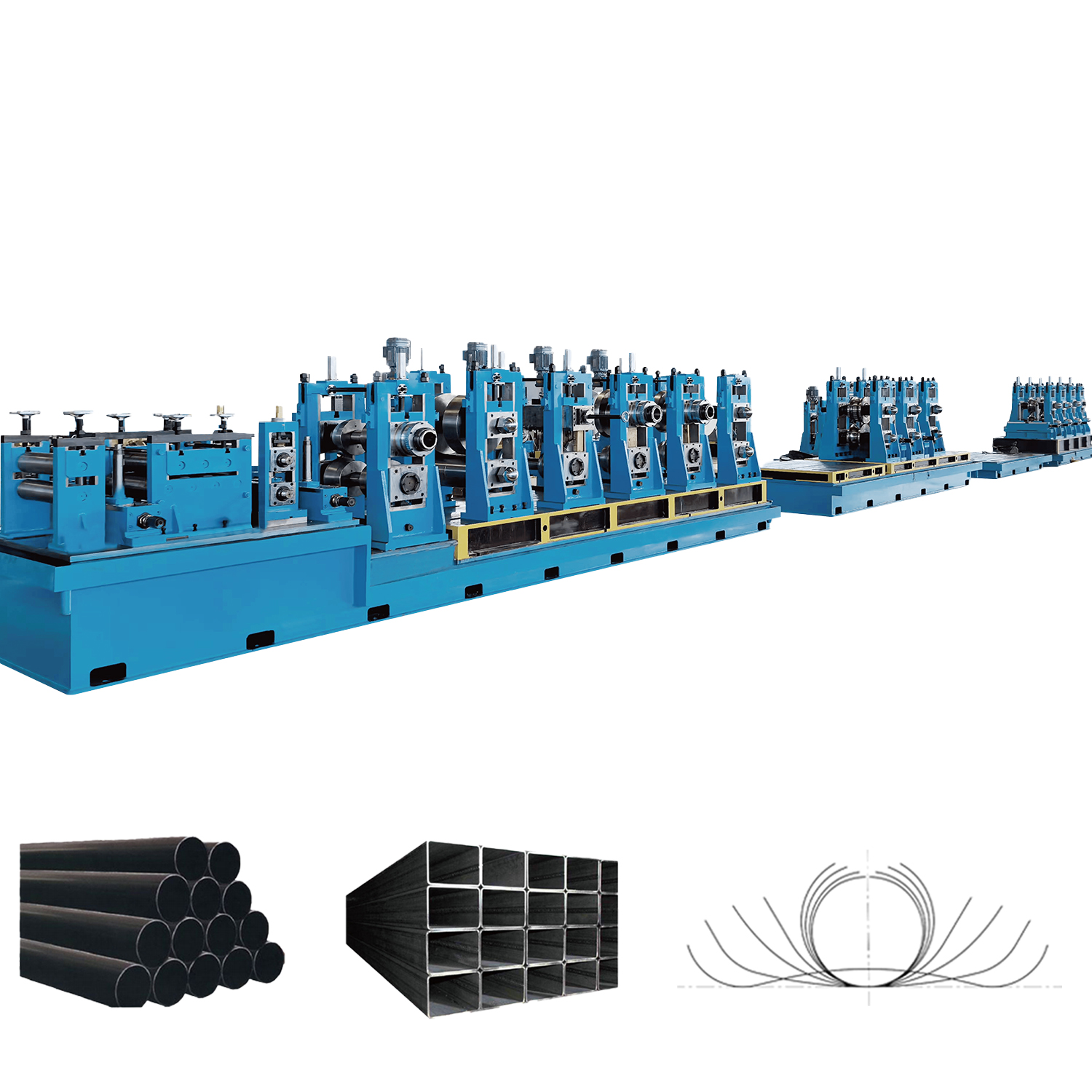
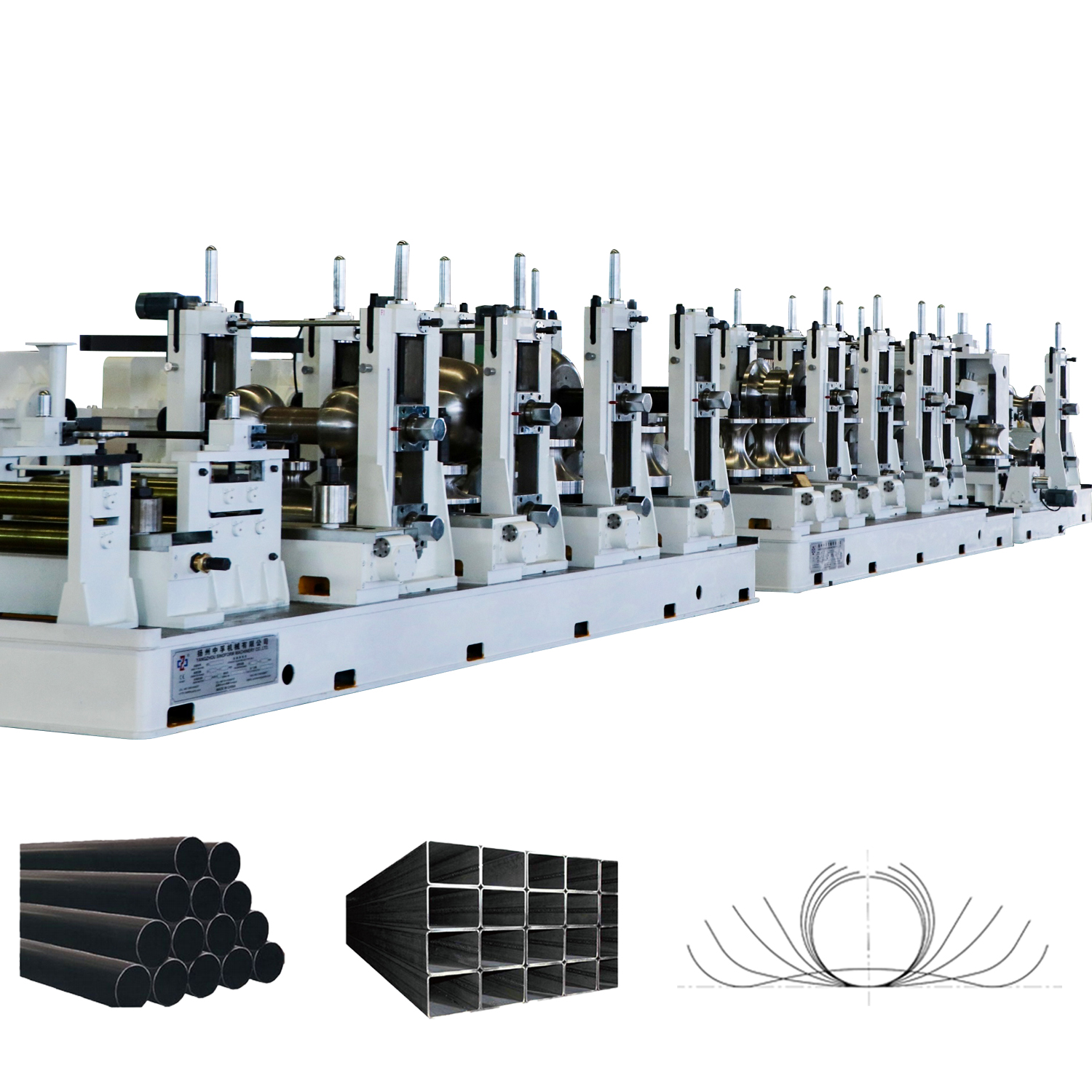
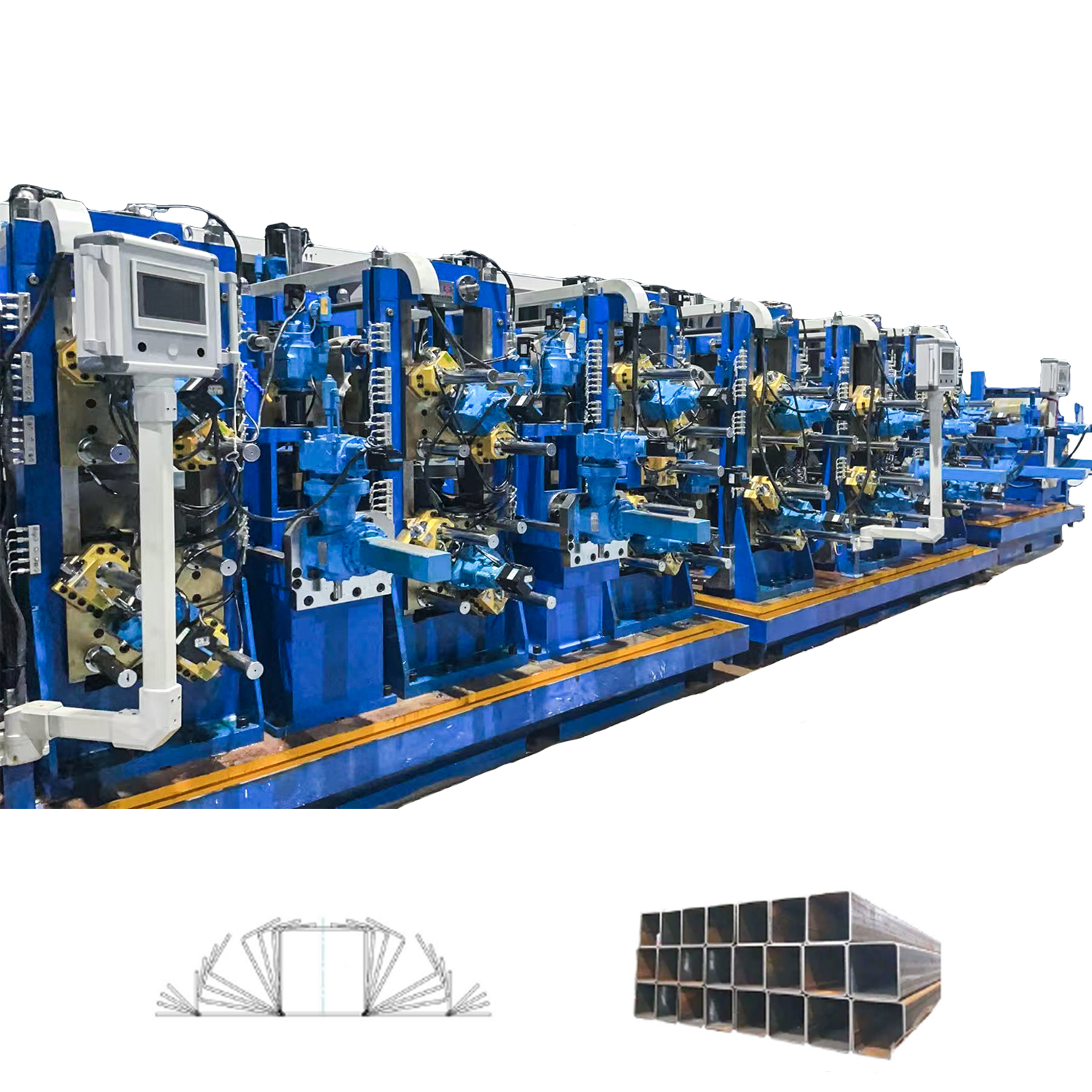
A tube mill machine is a continuous roll-forming and welding system designed to manufacture steel tubes and pipes from flat metal strips. It transforms raw steel coils into finished, round or shaped tubing through a precisely sequenced series of forming rolls, a high-frequency welding station, and downstream finishing equipment — all in a single, automated production line. Tube mills are foundational equipment in industries ranging from construction and automotive to furniture and oil and gas.
This guide covers everything you need to know about tube mill machines: how they work, their core components, the different types available, key performance metrics, and how to choose the right one for your production needs.
Content
- 1 How a Tube Mill Machine Works
- 2 Key Components of a Tube Mill Machine
- 3 Types of Tube Mill Machines
- 4 Materials Processed on Tube Mill Machines
- 5 Key Performance Metrics for Tube Mill Machines
- 6 Applications of Tube Mill Machine Products
- 7 Tube Mill Machine vs. Pipe Mill: What Is the Difference?
- 8 How to Choose a Tube Mill Machine: Key Buying Considerations
- 9 Frequently Asked Questions (FAQ)
- 10 Conclusion
How a Tube Mill Machine Works
A tube mill machine works by continuously feeding a flat steel strip through a series of paired rollers that gradually bend the strip into a cylindrical or shaped profile, then welding the seam and sizing the tube to precise dimensions. The entire process — from raw coil to finished tube — is completed inline at speeds that can exceed 120 meters per minute on modern high-frequency lines.
The production process can be broken into six core stages:
1. Uncoiling and Strip Preparation
The raw material — a cold-rolled or hot-rolled steel coil — is loaded onto a decoiler. A straightener removes residual coil curvature, and a strip accumulator (looping pit or horizontal accumulator) stores enough material to allow continuous production while operators join the tail of one coil to the head of the next. Coil weights typically range from 3 to 25 tonnes depending on line capacity.
2. Forming Section
This is the heart of the tube mill. A sequence of horizontal and vertical roll stands progressively bend the flat strip into an open-seam tube. Early passes make broad curves; later passes refine the profile until the two strip edges meet with a controlled gap — typically 1–3 mm — just before the weld box. The number of forming passes required depends on tube diameter and wall thickness; a line producing 25–76 mm OD round tube may use 8 to 14 roll stands.
3. High-Frequency Welding (HFW)
As the open-seam tube enters the weld box, squeeze rolls press the two edges together while high-frequency electrical current — delivered either by contact or induction — heats the edges to forging temperature (approximately 1,300°C for carbon steel). The current flows along the edges via the skin effect and proximity effect, concentrating energy precisely where it is needed. The molten metal is extruded outward as weld flash, forming a solid-phase pressure weld with virtually no filler material. HFW is the dominant welding method in modern tube mills, replacing older TIG and submerged-arc techniques for seam-welded tubing.
4. Weld Seam Scarfing
The weld produces both internal and external flash. Scarfing tools (hardened carbide or high-speed steel blades) shave the external bead flush with the tube OD. On lines producing structural or pressure-rated tubing, internal scarfing tools also remove the internal bead, which would otherwise impede flow or stress concentrate during bending.
5. Sizing and Straightening
After welding, the tube passes through a sizing section — several stands of precision rolls that bring the OD, wall thickness, and ovality within tolerance. Straightening rolls correct any bow or sweep. For round tube, the sizing section may be relatively short; for square and rectangular hollow sections (SHS/RHS), additional shaping passes reshape the round into the angular profile.
6. Cut-Off and Runout
A flying cut-off saw (cold-saw disc, friction saw, or plasma cutter for heavy wall) severs the continuous tube into cut lengths — typically 6 m, 12 m, or custom lengths — without stopping the mill. A runout table and bundling system collect, count, and stack the finished tubes for downstream processing or shipment.
Key Components of a Tube Mill Machine
Every tube mill machine consists of several integrated subsystems. Understanding each component helps engineers specify the right line and diagnose quality issues in production.
| Component | Function | Key Specification |
| Decoiler / Uncoiler | Holds and feeds the raw steel coil | Load capacity (tonnes), mandrel diameter range |
| Strip Accumulator | Stores strip to enable continuous running during coil joins | Storage length (m), strip width range |
| Forming Roll Stands | Progressively bend strip into open-seam tube | Number of passes, roll material (tool steel / TC-coated) |
| HF Welder (Contact or Induction) | Heats strip edges and forges the longitudinal seam | Power (kW), frequency (200–400 kHz typical) |
| Weld Box / Squeeze Rolls | Applies forge pressure at the weld point | Upset force (kN), roll geometry |
| Scarfing Unit | Removes external (and optionally internal) weld bead | Tool material, bead height tolerance |
| Cooling System | Quenches the weld zone and removes heat from rolls | Flow rate (L/min), coolant type |
| Sizing Section | Brings tube to final OD and straightness tolerances | OD tolerance (mm), roll material |
| Flying Cut-Off Saw | Cuts moving tube to length without stopping the line | Blade type, cut length range, cut accuracy (mm) |
| Drive System and PLC | Synchronizes all stands and controls line speed | Motor power (kW), control system brand |
Table 1: Core components of a tube mill machine and their primary functions and specifications.
Types of Tube Mill Machines
Tube mill machines are classified primarily by tube diameter range, output profile, welding method, and drive configuration. Choosing the wrong type for your product mix is one of the most expensive mistakes a tube producer can make.
By Tube Size Range
| Mill Type | OD Range (Round) | Wall Thickness Range | Typical Application |
| Light / Small Section Mill | 10 – 50 mm | 0.5 – 2.5 mm | Furniture, door frames, bicycle frames |
| Medium Section Mill | 25 – 114 mm | 1.0 – 6.0 mm | Structural hollow sections, mechanical tubing, scaffolding |
| Large Section Mill | 76 – 406 mm | 3.0 – 16.0 mm | Oil country tubular goods (OCTG), piling, large structural |
| Precision / Thin Wall Mill | 6 – 76 mm | 0.3 – 2.0 mm | Automotive components, hydraulic lines, heat exchanger tubes |
Table 2: Classification of tube mill machines by output size range and typical end-use applications.
By Welding Method
High-Frequency Contact Welding (HF-CW): The most widely used method globally. An electrical contact (impeder roller or sliding shoe) delivers high-frequency current directly to the strip edges. Very efficient for carbon steel and low-alloy steel, with power conversion efficiencies above 85%. Contact welding is slightly more sensitive to strip edge quality than induction but offers lower capital cost for the power supply.
High-Frequency Induction Welding (HF-IW): An induction coil surrounding the open-seam tube induces current in the strip edges without physical contact. Preferred for stainless steel, aluminium, and exotic alloys because there is no risk of contact wear contaminating the weld. Also advantageous for very thin wall tubing where contact pressure could deform the profile. Power efficiency is slightly lower than contact welding, and induction coils must be sized for each tube OD range.
Laser Welding: A growing technology for precision tubing, particularly for stainless steel and automotive applications. Laser tube mills typically produce smaller-diameter, thin-wall tubes with very narrow weld zones and minimal heat-affected zones (HAZ), resulting in excellent mechanical properties. Capital cost is significantly higher than HFW, and production speeds are lower, but finished tube quality can be superior for demanding applications.
By Drive Configuration
Group Drive Mills: A single motor drives all roll stands through a common gearbox and line shafts. Simple, robust, and low-maintenance, but inflexible — changing line speed requires adjusting the entire drive train simultaneously. Common on older installations and high-volume single-product lines.
Individual Drive Mills (AC Servo / VFD): Each roll stand has its own AC servo motor or variable-frequency drive (VFD). Speed can be adjusted stand-by-stand in real time, which is essential for multi-product lines, quick size changes, and achieving tight ovality and straightness tolerances. Modern tube mills almost universally use individual drives for flexibility and energy efficiency.
Materials Processed on Tube Mill Machines
Tube mill machines can process a wide range of metallic strip materials. The welding method and roll tooling must be matched to the specific material to achieve sound welds and acceptable surface finish.
| Material | Preferred Weld Method | Typical Applications | Special Considerations |
| Carbon Steel (CR/HR) | HF Contact or Induction | Structural, mechanical, OCTG | Most commonly processed material; wide parameter window |
| Stainless Steel (304, 316, 316L) | HF Induction or Laser | Food & beverage, chemical processing, architectural | Work hardens rapidly; requires inert gas shielding at weld zone |
| Galvanised Steel (GI/GL) | HF Contact or Induction | Outdoor furniture, construction, fencing | Zinc coating burns at weld; weld zone requires post-coat treatment |
| Aluminium (1xxx, 3xxx, 6xxx) | HF Induction or Laser | Automotive, HVAC, heat exchangers | Low melting point; tight power and speed control required |
| High-Strength Low-Alloy (HSLA) | HF Contact or Induction | Automotive structural, oil & gas pipelines | HAZ properties critical; may require post-weld annealing |
Table 3: Common materials processed on tube mill machines, preferred welding methods, and processing considerations.
Key Performance Metrics for Tube Mill Machines
Evaluating a tube mill machine requires understanding the metrics that define its productivity, quality capability, and operating cost. The following are the most important indicators buyers and production managers should assess:
Mill Speed (m/min): The lineal speed of the tube through the mill. Light-section furniture mills may run at 80–150 m/min, while high-productivity medium-section mills can reach 100–200 m/min. Speed is not always the limiting factor — weld quality and roll life often cap practical output below the machine's rated maximum.
Yield (%): The ratio of finished product weight to input coil weight. Well-operated tube mills typically achieve 94–97% yield; losses come from crop ends, off-cut remnants, scarfing, and rejected tube. A 1% improvement in yield on a 30,000 t/year line can represent hundreds of thousands of dollars annually.
Size Change Time (min): The time required to change from one tube size to another, including roll changeover. On a traditional mill with fixed tooling, size changes take 4–8 hours. Quick-change tooling systems and servo-driven adjustment can reduce this to 30–90 minutes on modern mills, dramatically improving scheduling flexibility.
OD Tolerance (mm): The permitted variation in outer diameter from nominal. Precision mills for automotive applications may hold ±0.05 mm; structural mills typically work to ±0.5 mm or to the applicable EN/ASTM standard tolerance.
HF Power Efficiency (%): The ratio of power delivered to the weld zone versus total power drawn by the HF welder. Modern solid-state HF power supplies achieve 85–92% efficiency; older vacuum-tube oscillators may fall below 60%, representing a significant operating cost difference at scale.
Overall Equipment Effectiveness (OEE): The product of Availability × Performance × Quality. World-class tube mill OEE is typically 75–85%. Understanding which of the three factors is dragging performance is the first step to improvement.
Applications of Tube Mill Machine Products
Tubes and pipes produced on tube mill machines are among the most widely used industrial components in the global economy. The following sectors are the largest consumers:
Construction and Infrastructure: Structural hollow sections (SHS, RHS, CHS) for building frames, bridges, columns, and modular construction. Scaffold tubes (EN39, 48.3 mm OD) represent one of the highest-volume single products. Estimates suggest the global structural steel tube market consumes over 80 million tonnes of finished product annually.
Automotive: Precision-drawn and roll-formed tubes for chassis components, exhaust systems, seat frames, fuel lines, and suspension parts. Automotive tubing demands tight dimensional tolerances and consistent mechanical properties, driving adoption of individual-drive servo mills and laser welding on dedicated automotive lines.
Oil and Gas: Line pipe, casing, tubing, and drill pipe for upstream and midstream applications. Oil country tubular goods (OCTG) are subject to API and ISO standards requiring stringent weld integrity testing, including full-body hydrostatic testing and non-destructive examination (NDE) of the weld seam.
Furniture and Consumer Products: Table legs, chair frames, bed frames, fitness equipment racks, and retail display fittings. Light-section mills producing 15–40 mm round and square tube dominate this segment. High surface finish and consistent paint adhesion are the primary quality drivers.
Agriculture and Greenhouse Structures: Galvanised round and oval tubes for greenhouse frames, irrigation pivots, fencing, and animal housing. Corrosion resistance and competitive cost are the key requirements.
Energy and Renewables: Monopile foundations for offshore wind turbines require very large diameter, thick-wall rolled and welded cans; smaller diameter tubes are used for solar panel mounting systems and heat exchanger applications in thermal and nuclear power plants.
Tube Mill Machine vs. Pipe Mill: What Is the Difference?
The terms "tube mill" and "pipe mill" are often used interchangeably, but there are meaningful distinctions in how their products are specified and applied. Understanding the differences helps buyers avoid misspecification.
| Attribute | Tube Mill (Tubing) | Pipe Mill (Piping) |
| Primary Specification | Outer diameter (OD) and wall thickness | Nominal pipe size (NPS) and schedule (wall thickness) |
| OD Accuracy | Critical — tight OD tolerances for fit-up | ID consistency more important for flow calculations |
| Common Standards | EN 10219, EN 10305, ASTM A500, ASTM A513 | API 5L, ASTM A53, EN 10255, ISO 3183 |
| Typical End Use | Structural, mechanical, automotive, furniture | Fluid conveyance, oil & gas, plumbing, fire protection |
| Weld Testing | Varies by grade — flare/flange test, eddy current | Typically hydrostatic test or full NDE required for pressure service |
| Profile Options | Round, square, rectangular, oval, custom sections | Predominantly round (circular cross-section) |
Table 4: Key differences between tube mill machine output (tubing) and pipe mill output (piping) in terms of specifications, standards, and applications.
How to Choose a Tube Mill Machine: Key Buying Considerations
Selecting the right tube mill machine requires balancing target product mix, production volume, capital budget, and available floor space. The following checklist covers the most critical decision points:
Define Your Product Mix First
The OD range and wall thickness range of your target products determine the entire mill configuration — roll tooling, drive power, HF welder capacity, and cut-off specification. A mill optimised for 25–76 mm OD at 1.5–4.0 mm wall will perform poorly if you later try to run 10 mm OD thin-wall. Specify your minimum and maximum product dimensions before approaching suppliers, and include any planned future expansion of the product range.
Match HF Welder Power to Your Wall Thickness and Speed
HF welder power requirements scale with heat input, which is a function of wall thickness, strip width, mill speed, and material. A common rule of thumb for carbon steel is approximately 0.4–0.7 kW per mm² of cross-sectional weld area per unit speed. Undersizing the welder is one of the most common mistakes in tube mill procurement — it limits maximum mill speed and can produce cold welds at the top of the speed range. Suppliers should provide a detailed power calculation for your specific product mix.
Evaluate Tooling Philosophy and Cost
Roll tooling is a significant ongoing cost. A complete set of forming, fin, and sizing rolls for one tube size can cost $8,000–$40,000 depending on diameter and roll material. If your business requires frequent size changes, invest in a mill design that minimises the number of roll sets required (e.g., common tooling across a size family) and consider quick-change roll carriages that reduce changeover time. Tungsten carbide-sleeved rolls last 3–8 times longer than hardened tool steel rolls and are cost-effective for high-volume sizes.
Assess Automation and Controls
Modern tube mills should offer PLC-based recipe management, where operators store and recall all mill parameters (roll positions, HF power, line speed, cut length) by product code. This reduces setup time, minimises scrap during size changes, and enables consistent quality across shifts. Look for integration capability with ERP/MES systems for production tracking, and ask whether the control system supports remote diagnostics — this has significant value for after-sales support, especially when purchasing from overseas suppliers.
Factor in After-Sales Support and Spare Parts
A tube mill is a long-term capital investment — typical economic life is 15–25 years. Evaluate the supplier's spare parts availability, technical support response time, and training programme. Request references from existing customers in your region and ask specifically about parts lead times and support responsiveness. Proximity of service engineers matters: a mill downtime of even one day on a line producing 100 tonnes/day represents tens of thousands of dollars in lost production.
Frequently Asked Questions (FAQ)
Q: What is the difference between a tube mill machine and a cold-drawing bench?
A: A tube mill machine produces welded tube continuously from flat strip using roll-forming and HFW. A cold-drawing bench pulls seamless or welded tube through a die over a mandrel to reduce OD and wall thickness — it is a downstream finishing operation that improves dimensional precision and surface finish, not an alternative to the tube mill. Cold-drawn tubes often start life as tube mill output.
Q: Can a tube mill machine produce seamless tube?
No. Tube mill machines produce welded tube — always from a flat strip, always with a longitudinal weld seam. Seamless tubes are produced by rotary piercing (Mannesmann process) or extrusion of solid billets. In many structural and mechanical applications, high-frequency welded (HFW) tube is a direct substitute for seamless, at significantly lower cost — but not in all cases (e.g., high-pressure OCTG often requires seamless).
Q: How much floor space does a tube mill machine require?
A complete tube mill line occupies approximately 40–120 metres of floor length (depending on accumulator design and runout table length) and 6–15 metres of width. A medium-section mill producing 25–89 mm OD tube with a 12 m runout table typically requires a building footprint of approximately 15 m × 80 m. Overhead crane capacity of 10–20 tonnes is required for coil and roll tooling handling.
Q: How long does it take to install and commission a new tube mill?
Installation and commissioning of a new tube mill typically takes 3–6 months from equipment delivery to the first production-grade tube. This includes civil works preparation (foundations, crane rails, utilities), mechanical installation, electrical and PLC commissioning, weld qualification trials, and operator training. Complex lines with inline annealing, straightening, or testing equipment take longer.
Q: What is the typical production capacity of a tube mill machine?
Capacity varies enormously by tube size and mill speed. A small-section furniture tube mill running 40 mm OD × 1.5 mm wall at 80 m/min can produce approximately 8–12 tonnes per hour of finished tube. A medium-section structural mill running 76 mm OD × 4.0 mm wall at 60 m/min produces 15–22 tonnes per hour. Annualised, a single medium-section line operating three shifts, five days per week, can produce 40,000–80,000 tonnes per year.
Q: What quality tests are performed on tube mill output?
Common inline and offline tests include: eddy current testing (ECT) for weld seam defects, hydrostatic pressure testing for pressure-rated pipe, flare and flange tests for ductility assessment, visual and dimensional inspection (OD, wall thickness, straightness, length), and tensile/hardness testing of sample tubes per heat or production lot. Higher-grade products for oil and gas may also require ultrasonic testing (UT) of the weld zone and electromagnetic inspection (EMI).
Q: What is the energy consumption of a tube mill machine?
Total installed electrical power for a medium-section tube mill is typically 800–2,500 kW, of which the HF welder accounts for 200–800 kW and the drive system for 300–1,000 kW. Specific energy consumption (kWh per tonne of finished tube) typically ranges from 60–150 kWh/t depending on tube size, speed, and efficiency of the HF power supply. Solid-state HF generators reduce energy consumption by 20–35% compared to older vacuum-tube systems.
Conclusion
A tube mill machine is a sophisticated, high-productivity manufacturing system that converts raw steel strip into finished welded tubing through a continuous, inline process of roll forming, high-frequency welding, and precision sizing. It is the foundational technology behind the structural hollow sections, mechanical tubes, precision automotive components, and oil country tubular goods that underpin modern construction, transport, and energy infrastructure.
Choosing the right tube mill requires a clear understanding of your target product mix, volume requirements, material grades, quality standards, and long-term capacity plans. With the right configuration — properly sized HF welder, individual servo drives, quick-change tooling, and modern PLC controls — a well-specified tube mill machine delivers 15–25 years of reliable, profitable production.
Whether you are evaluating your first tube mill investment or upgrading an existing line, the technical parameters and comparisons in this guide provide a structured framework for informed decision-making.