
 English
 Español
 عربى
عربى русский
 中文简体
中文简体
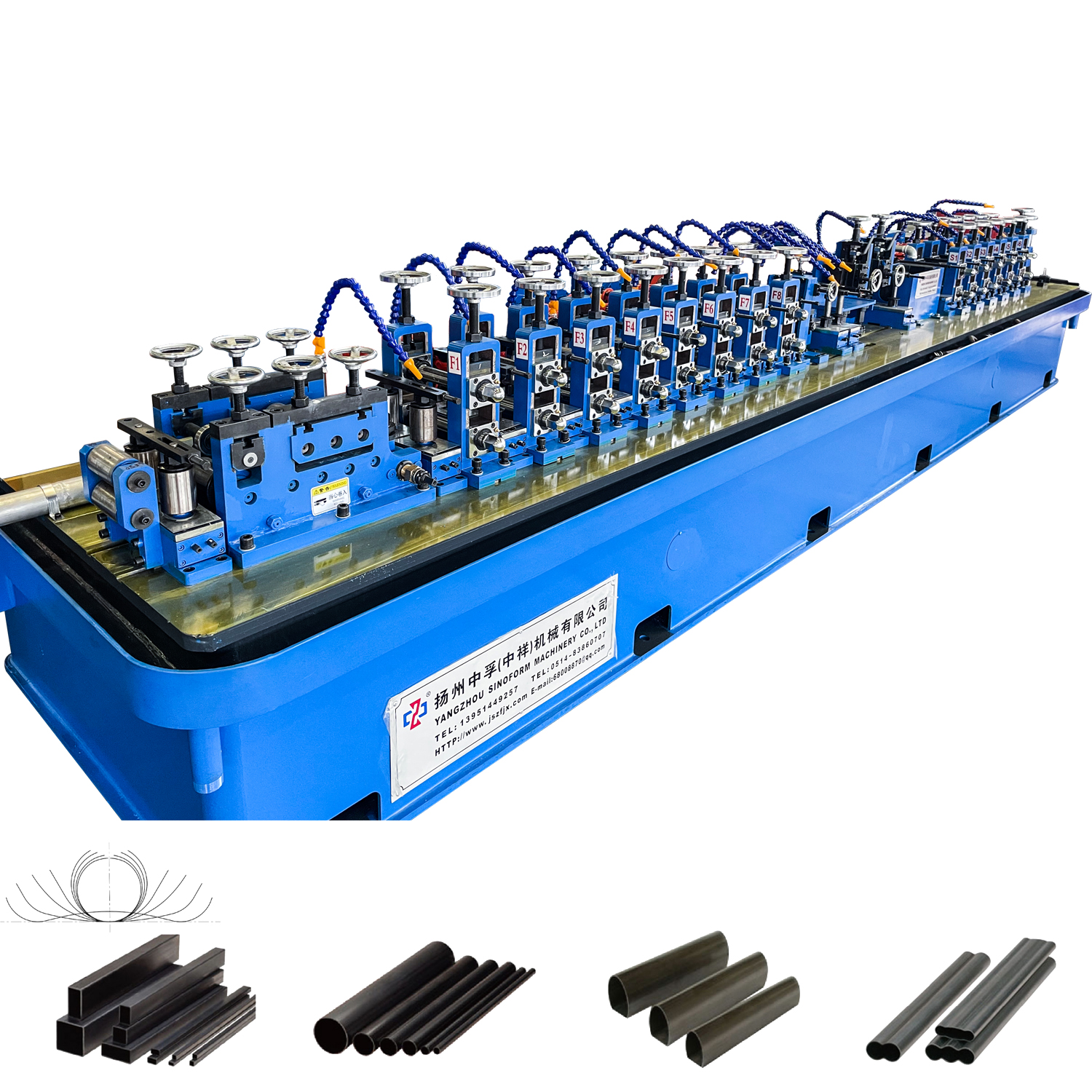
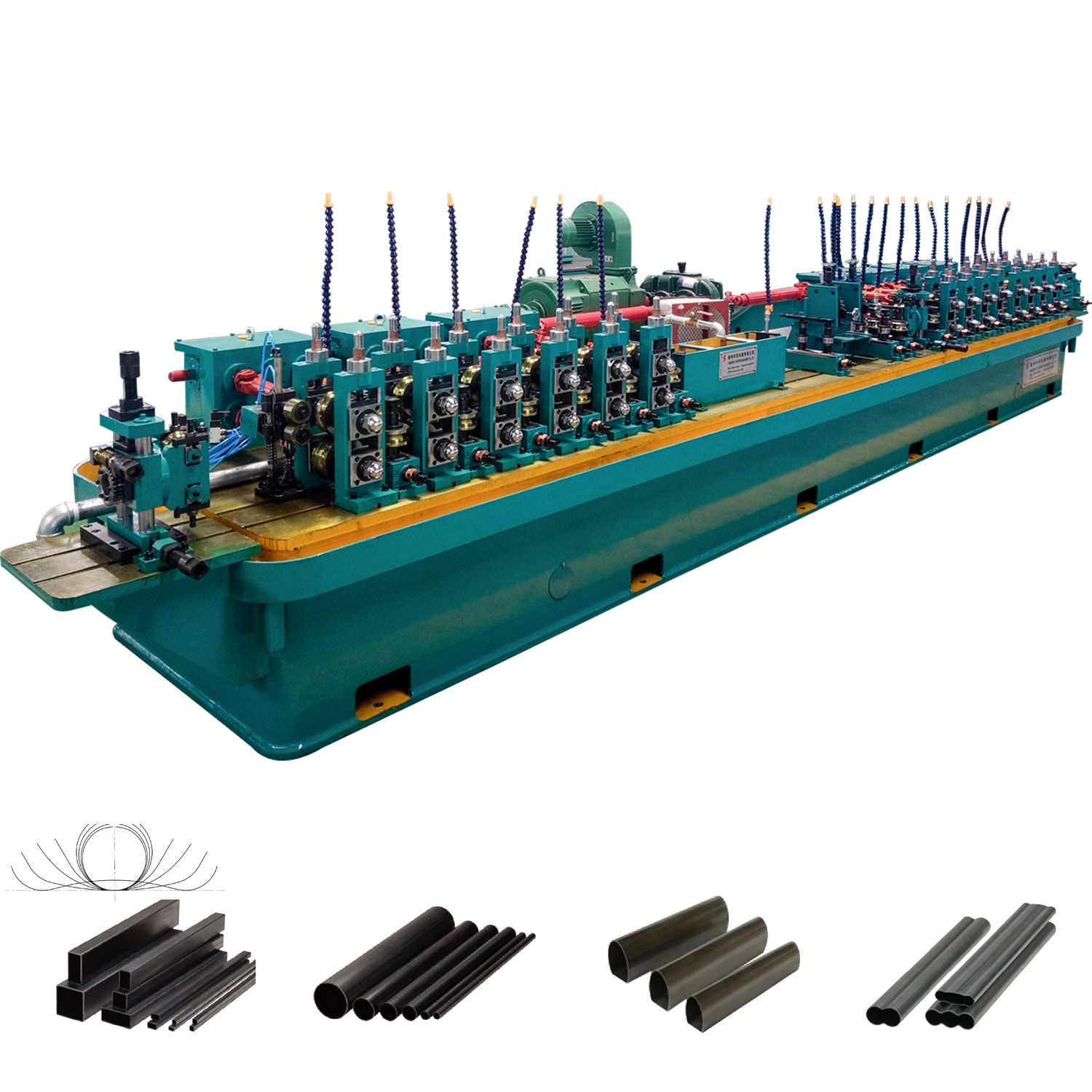
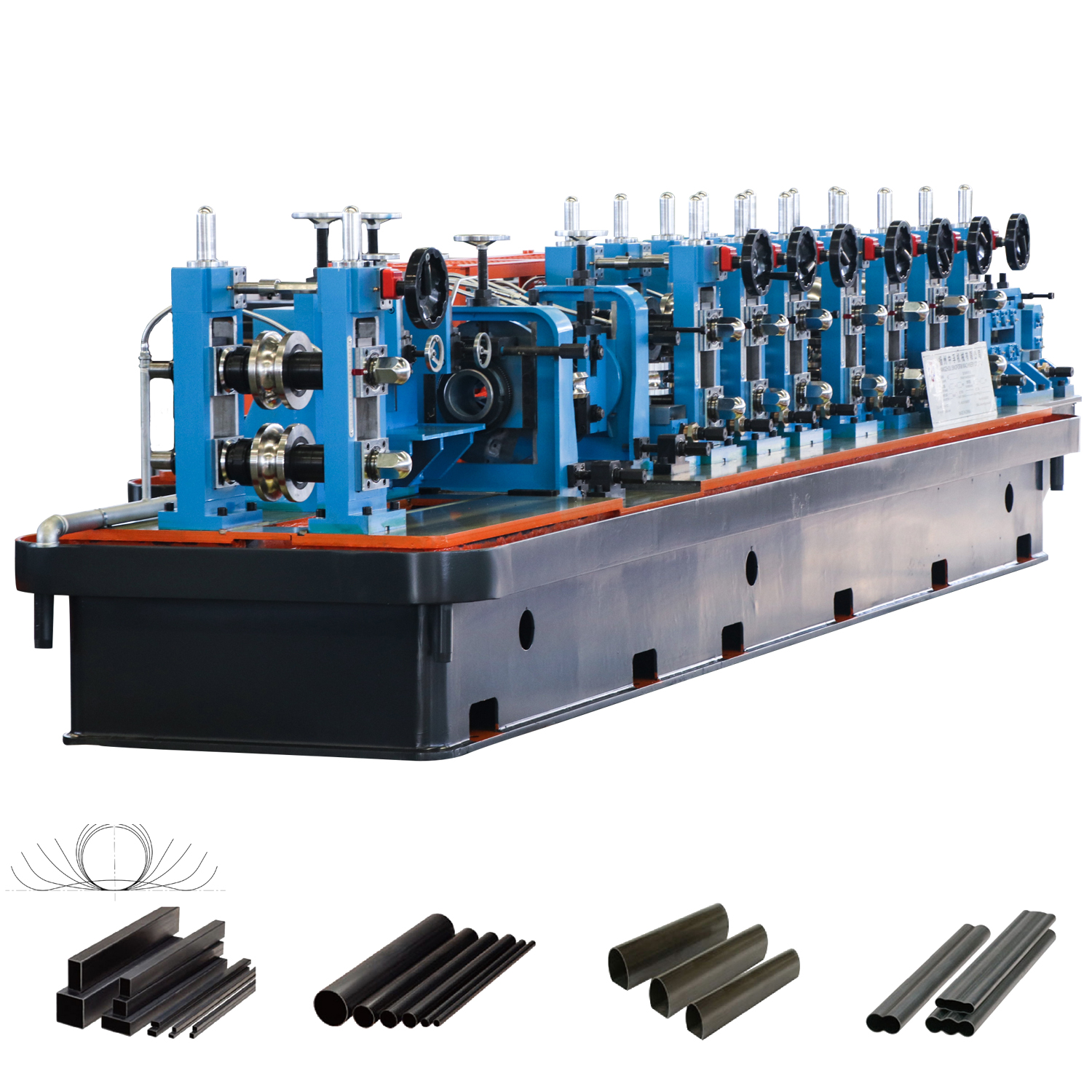
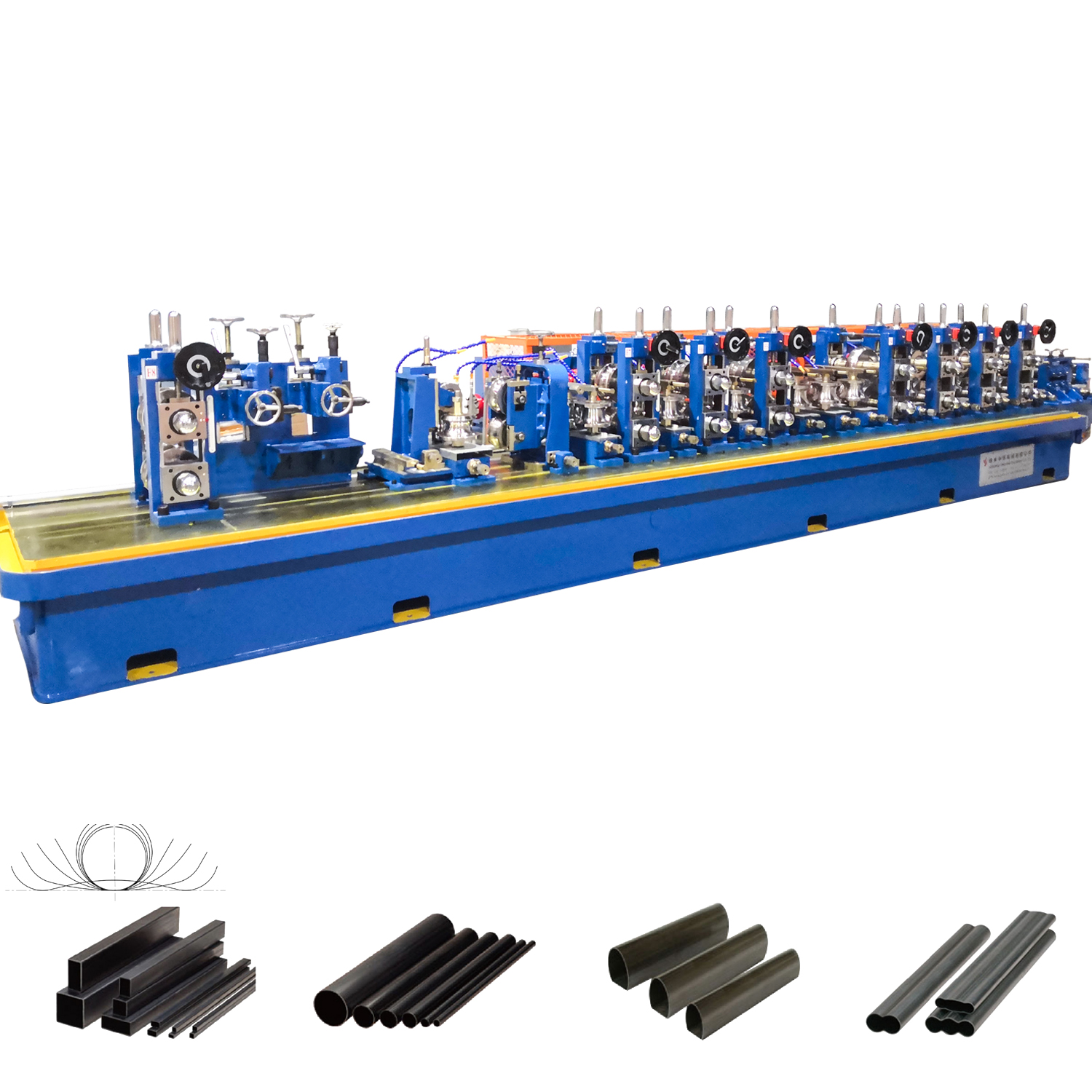
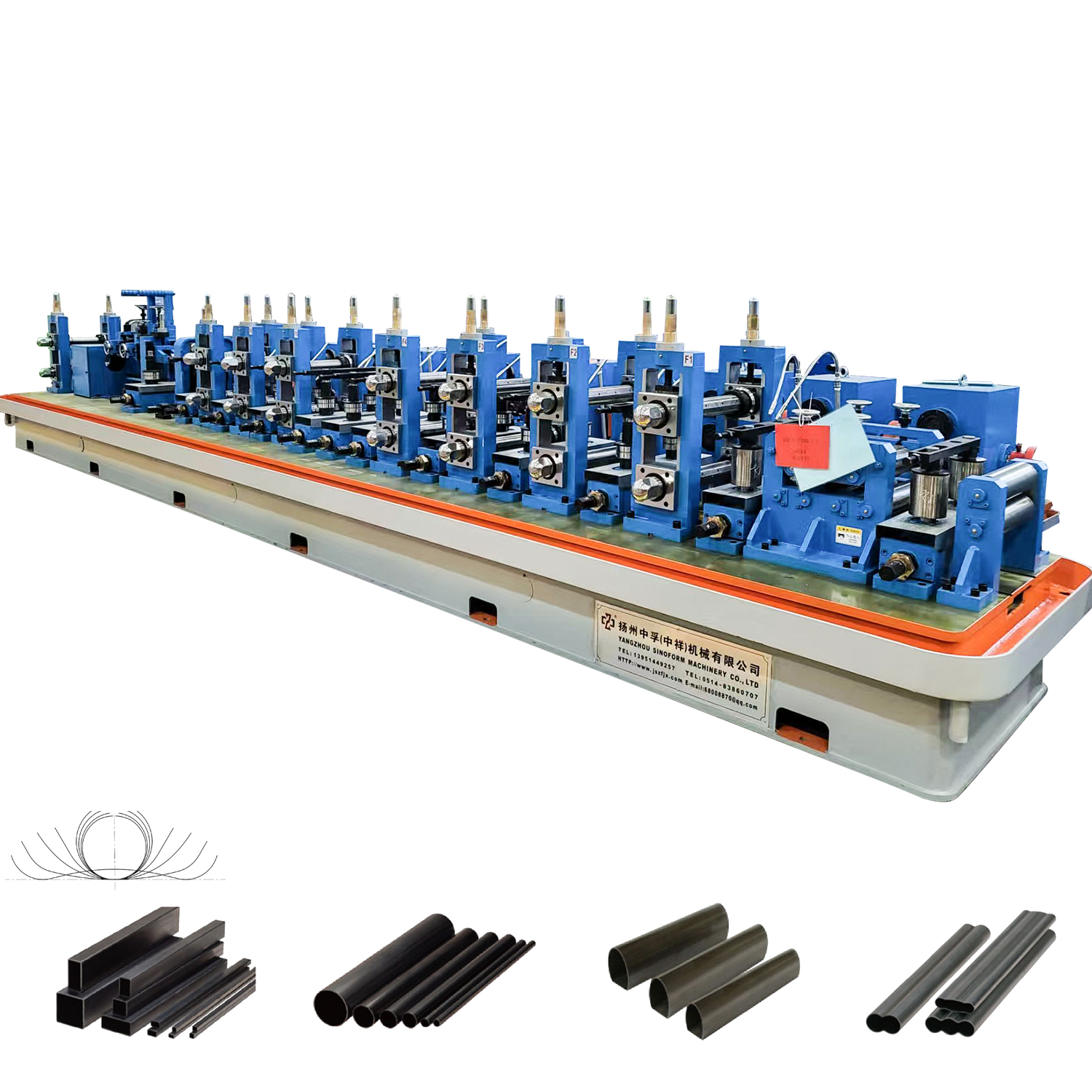
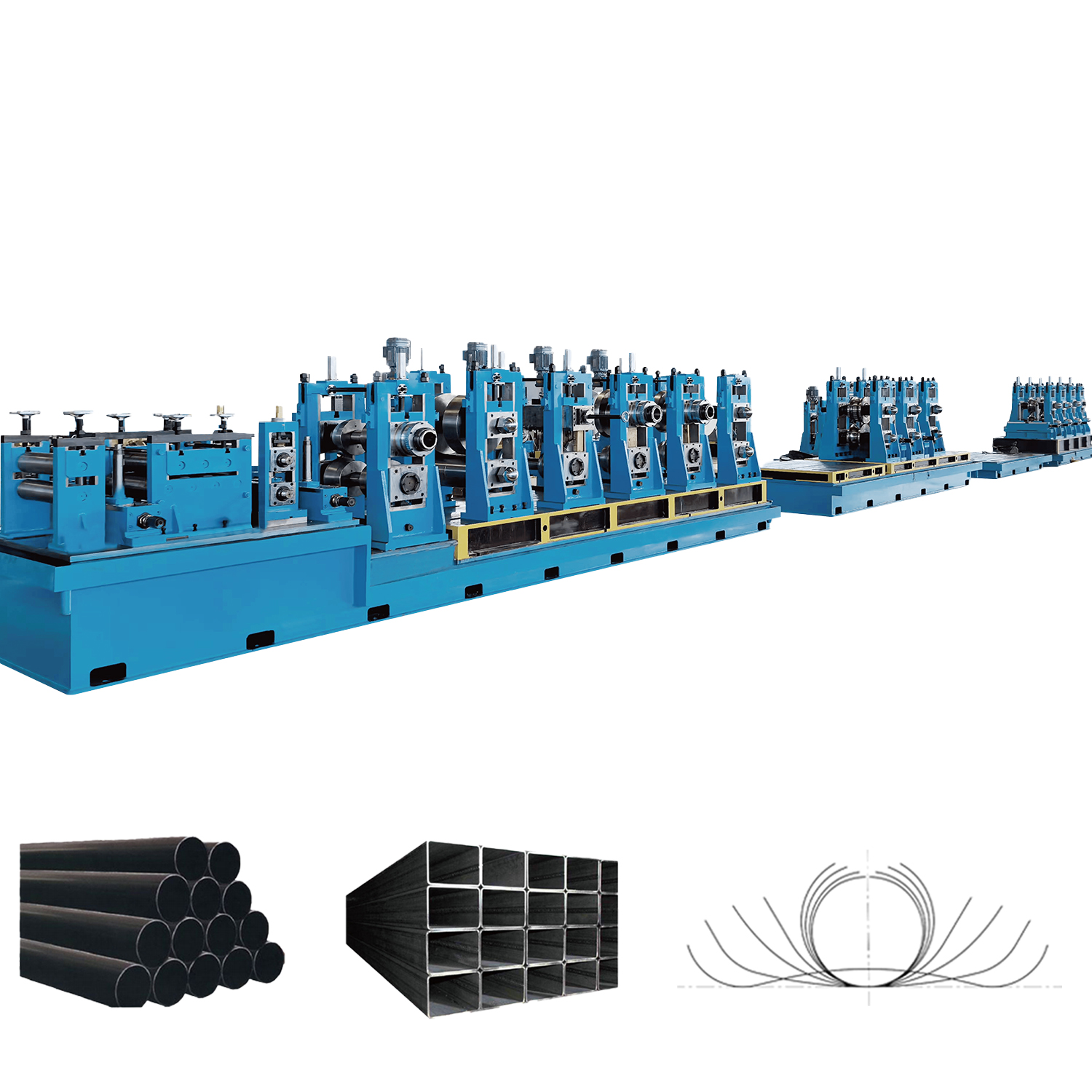
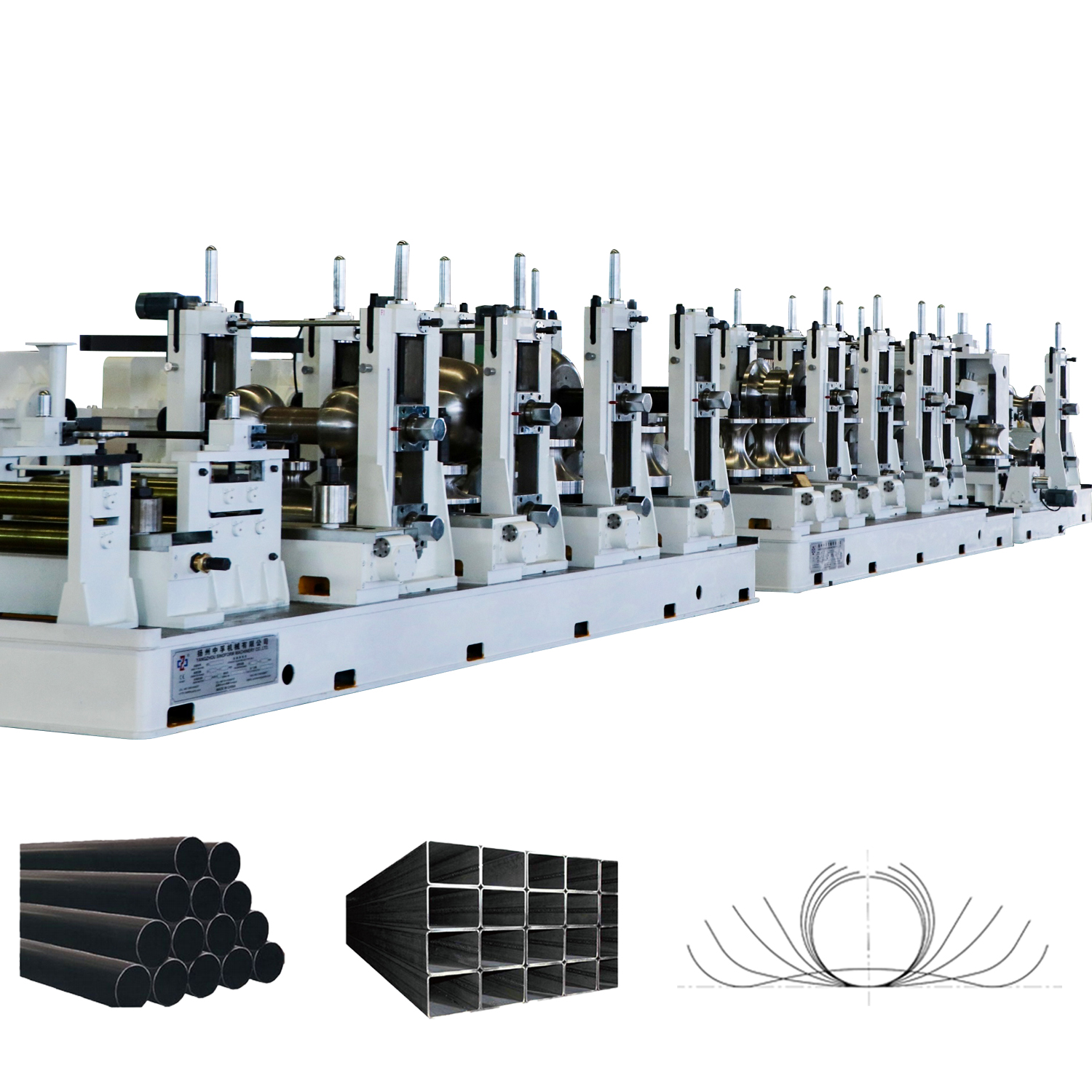
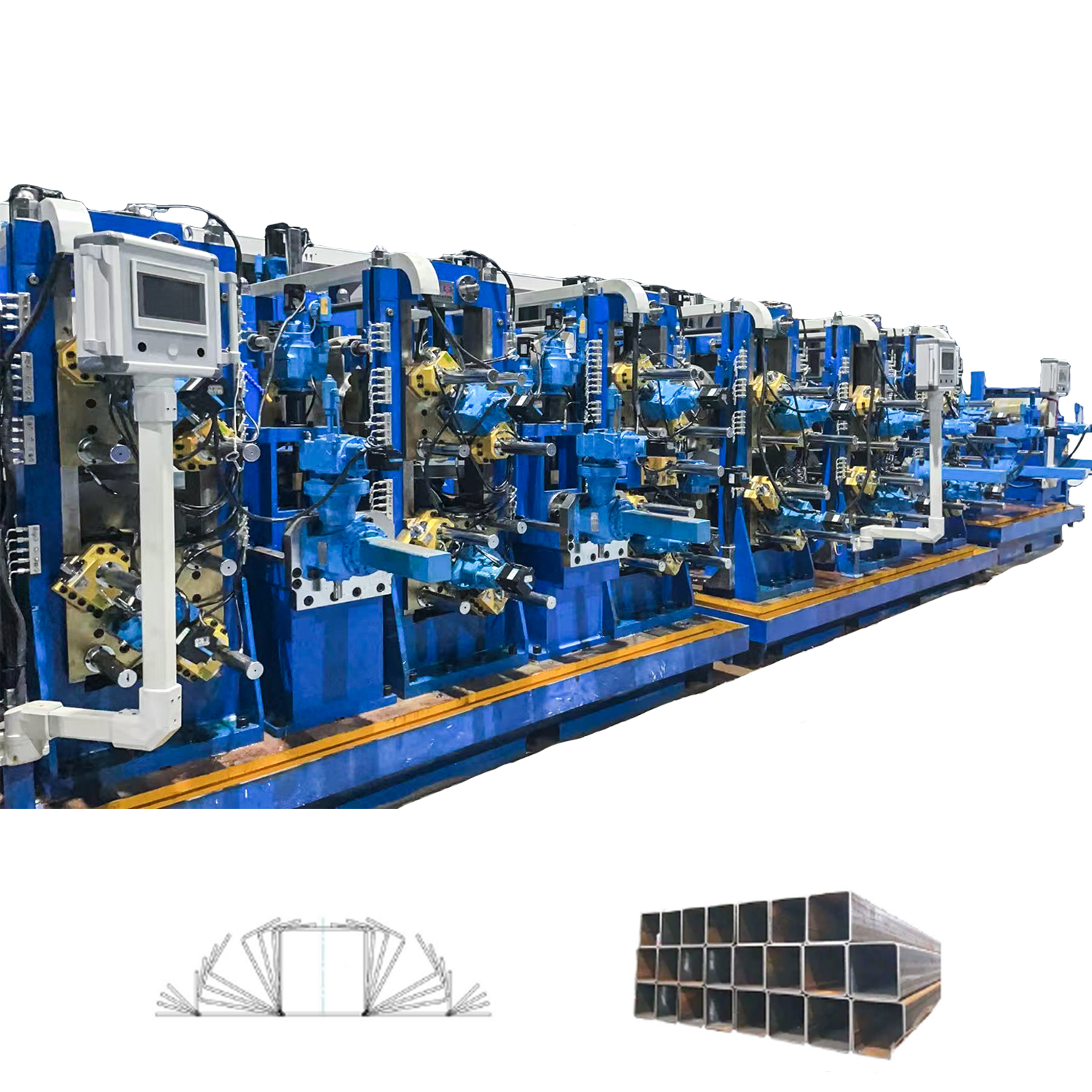
An SS tube mill machine is a specialized industrial production line designed to continuously form, weld, and size stainless steel (SS) tubes from flat coil strip. It is essential for modern manufacturing because it delivers high-speed, precision output with consistent wall thickness and dimensional accuracy — qualities demanded by industries ranging from oil & gas pipelines to food-grade processing equipment. Understanding how an SS tube mill machine works, which configuration fits your production goals, and what performance benchmarks to expect can mean the difference between a profitable operation and a costly underperformer.
Content
- 1 How Does an SS Tube Mill Machine Work?
- 2 Which Types of SS Tube Mill Machines Are Available, and How Do They Compare?
- 3 Why Choose an SS Tube Mill Over Other Fabrication Methods?
- 4 What Key Specifications Should You Evaluate When Selecting an SS Tube Mill Machine?
- 5 How Does an SS Tube Mill Machine Perform Across Different Stainless Steel Grades?
- 6 What Are the Most Important Maintenance Practices for an SS Tube Mill Machine?
- 7 Frequently Asked Questions About SS Tube Mill Machines
- 8 Conclusion: Is an SS Tube Mill Machine the Right Investment for Your Operation?
How Does an SS Tube Mill Machine Work?
The core process of an SS tube mill machine follows a continuous inline sequence — uncoiling, forming, welding, sizing, and cutting — without interrupting material flow. Below is a step-by-step breakdown:
1. Strip Feeding and Uncoiling
Stainless steel coil (typically 304, 316, or 321 grade) is loaded onto a decoiler. An automatic edge-guiding system keeps the strip aligned to within ±0.1 mm before it enters the forming section. Modern decoilers handle coil weights of up to 10 tonnes, minimizing changeover downtime.
2. Roll Forming
The flat strip passes through a series of forming roll stands — typically 6 to 14 stands depending on tube diameter — that progressively bend the strip into an open tubular profile. Precision-ground tooling made from Cr12MoV tool steel is critical here; worn tooling can increase edge misalignment by as much as 0.3 mm, causing weld defects downstream.
3. High-Frequency Welding (HFW)
The open seam is closed and fused using high-frequency induction welding (HFIW) at frequencies between 200 kHz and 400 kHz. Stainless steel requires more precise heat management than carbon steel due to its lower thermal conductivity. Leading stainless steel tube mill machines incorporate real-time temperature feedback loops that maintain weld-zone temperature within ±15 °C, resulting in burst-pressure values exceeding 95% of the parent material.
4. Internal Weld Bead Removal
For sanitary and pressure applications, an internal scarfing unit removes the weld bead to achieve an inner surface roughness (Ra) of ≤ 0.8 µm — a mandatory requirement for food, beverage, and pharmaceutical tubing under ASTM A270 and DIN 11850 standards.
5. Sizing and Straightening
After welding, sizing roll stands bring the tube to its final OD tolerance (typically ±0.05 mm for precision grades). A turks-head straightening unit eliminates longitudinal bow to keep straightness within 1 mm per metre.
6. Cut-to-Length
A flying saw or rotary cut-off system divides the continuous tube into ordered lengths — typically 6 m for structural or custom lengths for instrumentation — with a cut-length accuracy of ±1 mm.
Which Types of SS Tube Mill Machines Are Available, and How Do They Compare?
There are three principal configurations of SS tube mill machines, each suited to different output ranges and product families. The table below summarises the key differences:
| Machine Type | OD Range | Max Speed | Primary Application | Typical Investment |
| Small-Diameter SS Tube Mill | 6 – 50 mm | 80 m/min | Instrumentation, capillary, sanitary tubing | USD 400K – 900K |
| Medium-Diameter SS Tube Mill | 40 – 168 mm | 50 m/min | Structural, food & beverage, HVAC | USD 900K – 2.2M |
| Large-Diameter SS Tube Mill | 100 – 630 mm | 25 m/min | Oil & gas, chemical processing, power generation | USD 2M – 6M+ |
Table 1: Comparison of SS tube mill machine types by diameter range, production speed, application, and approximate capital cost (2025 market data).
In addition to diameter class, buyers must choose between single-line and combination (combo) tube mill configurations. A combination SS tube mill machine can switch between round, square, and rectangular profiles by changing roll tooling sets in 2 to 4 hours — an important flexibility advantage for job-shop producers serving multiple industries simultaneously.
Why Choose an SS Tube Mill Over Other Fabrication Methods?
Inline HFW tube milling outperforms alternative stainless tube manufacturing methods on nearly every economic metric. The table below provides a direct comparison:
| Method | Production Speed | Material Yield | Seam Quality | Typical Cost / Tonne |
| SS Tube Mill (HFW) | Up to 80 m/min | >98% | Consistent, automated | USD 1,200 – 2,000 |
| Seamless (Piercing/Extrusion) | 3 – 8 m/min | 82 – 90% | No seam | USD 3,500 – 6,000 |
| TIG Welded (Manual/Semi-auto) | 0.3 – 1 m/min | 94 – 96% | Excellent, slow | USD 4,000 – 8,000 |
| Laser Welded Tube Mill | Up to 30 m/min | >97% | Very narrow HAZ | USD 2,500 – 4,500 |
Table 2: Stainless steel tube production methods compared by speed, material yield, weld quality, and approximate production cost per tonne.
For high-volume commodity tubing, the SS tube mill machine's cost-per-tonne advantage of 40–65% over seamless production is decisive. Only pressure-critical applications demanding a seam-free bore (e.g., ultra-high-pressure hydraulic lines above 800 bar) justify the premium of seamless manufacture.
What Key Specifications Should You Evaluate When Selecting an SS Tube Mill Machine?
Selecting the right stainless steel tube mill machine requires evaluating eight critical specification categories. Skipping any one of them is a common source of post-installation performance gaps.
- HF Power Output: Measured in kW, this determines maximum wall thickness and line speed. For 316L stainless in 6-inch OD with 3 mm wall, a minimum of 400 kW solid-state HF power supply is required to maintain 30 m/min line speed.
- Roll Stand Drive System: Servo-driven AC gearless stands offer ±0.5% speed uniformity across all forming passes — a critical factor for thin-wall tubes (D/t ratio above 30) that are prone to wrinkling if tension is uneven.
- Impeder Design: Ferrite core impeders improve welding efficiency by 15–20% in small-diameter SS mills by concentrating induced current at the weld apex rather than dispersing it through the tube body.
- Weld Bead Scarfing Unit: For food-grade stainless tubing, a dual-stage scarfing system (rough + finishing pass) achieves Ra ≤ 0.4 µm consistently — meeting 3-A Sanitary Standard 63-03 without offline polishing.
- Inline NDT (Non-Destructive Testing): An inline eddy current or ultrasonic testing system detects weld defects at full production speed and automatically marks or rejects defective sections, reducing scrap rework by up to 30%.
- Cooling System: Stainless steel's work-hardening behaviour means weld-zone quench rate directly affects corrosion resistance. A fully recirculating demineralised water cooling system with temperature control to ±3 °C maintains the sensitisation-free microstructure of austenitic grades.
- CNC Control Platform: Modern SS tube mill machines feature PLC-based or PC-based CNC with recipe management — storing up to 500 product programs — cutting changeover time from 4 hours to under 45 minutes.
- Tooling Compatibility: A universal tooling holder system allows use of the same roll sets across both inch and metric product families, reducing tooling inventory cost by up to 40% for producers serving global markets.
How Does an SS Tube Mill Machine Perform Across Different Stainless Steel Grades?
Not all stainless grades behave the same on a tube mill machine. The formability, weldability, and work-hardening rate vary significantly, which impacts both machine setup and output quality.
| SS Grade | Weldability | Work Hardening | Typical Mill Speed Reduction vs 304 | Common End Uses |
| 304 / 304L | Excellent | Moderate | Baseline (0%) | Architecture, food processing, general fabrication |
| 316 / 316L | Good | Moderate-High | -8 to -12% | Marine, pharmaceutical, chemical |
| 321 | Good | Low | -5% | High-temperature, exhaust systems |
| 2205 Duplex | Moderate | Very High | -25 to -35% | Offshore oil & gas, desalination |
| 430 Ferritic | Limited (brittle HAZ) | Low | 0 to -5% | Automotive trim, decorative panels |
Table 3: SS tube mill machine performance characteristics across common stainless steel grades, with speed impact and typical applications.
Duplex grades such as 2205 and 2507 demand the most from an SS tube mill machine: higher HF power (+20–30%), stiffer roll stands to handle springback, and tighter coolant temperature control. Producers targeting duplex output should specify reinforced mill housings and at least 500 kW of installed HF power even for smaller diameter ranges.
What Are the Most Important Maintenance Practices for an SS Tube Mill Machine?
Proactive maintenance is the single biggest driver of long-term profitability in SS tube mill machine operations. Industry data suggests that unplanned downtime costs tube mills an average of USD 3,500 to USD 8,000 per hour when lost production, re-startup scrap, and labour are factored together.
Daily Checks
- Inspect impeder condition — a cracked ferrite core reduces weld efficiency by up to 40%.
- Verify coolant flow rate and temperature at the weld zone; target 18–22 °C inlet temperature.
- Check roll gap settings with a calibrated feeler gauge; confirm no backlash in drive shafts.
Weekly Checks
- Measure roll wear with a contour gauge; replace forming rolls when groove depth deviation exceeds 0.15 mm.
- Test inline eddy current or ultrasonic system with certified reference standard tubes.
- Lubricate all drive chains and check tension; chain stretch beyond 3% elongation signals replacement.
Quarterly / Annual Overhaul
- Rebore and regrind worn roll tooling or replace with new sets; budgeting USD 15,000–60,000 per year for tooling on a medium-diameter mill is normal.
- Calibrate HF power supply output against a calibrated load; power drift of more than ±3% indicates capacitor or transistor degradation.
- Full geometric alignment of all roll stands using laser tracker; misalignment is responsible for roughly 35% of chronic seam weld porosity issues.
Frequently Asked Questions About SS Tube Mill Machines
Q1: What is the typical payback period for an SS tube mill machine investment?
For a mid-range machine producing 304 stainless tube at 85% OEE, payback periods of 2.5 to 4 years are common when replacing outsourced tube supply with in-house production. Producers with captive downstream demand (e.g., heat exchanger fabricators) often achieve payback in under 24 months.
Q2: Can an SS tube mill machine produce both round and square/rectangular tubes?
Yes — a combination (combo) SS tube mill machine uses interchangeable sizing section tooling to switch between round, square, and rectangular profiles. Changeover typically takes 2 to 4 hours with pre-set tooling carts. Single-purpose round-tube mills are faster in operation but cannot produce hollow sections.
Q3: What minimum wall thickness can an SS tube mill machine achieve?
Advanced small-diameter SS tube mills with laser or TIG welding sections can produce stainless tubing with wall thicknesses as low as 0.2 mm for capillary applications. Standard HFW mills in the medium-diameter range have a practical minimum of 0.5 mm wall due to the thermal energy requirements of HF welding.
Q4: How does an SS tube mill machine handle the issue of sensitisation in austenitic stainless steels?
Sensitisation — chromium carbide precipitation at grain boundaries — occurs when austenitic SS is held between 450 °C and 850 °C. Modern SS tube mills address this through three strategies: (1) using low-carbon grades such as 304L or 316L; (2) rapid post-weld quenching with demineralised water; and (3) titanium or niobium stabilised grades (321, 347) for high-temperature service.
Q5: What certifications should an SS tube mill machine and its output comply with?
Common compliance requirements include ASTM A554 (ornamental/structural welded SS tubing), ASTM A270 (sanitary SS tubing), EN 10217-7 (pressure-purpose welded SS tubes), and ASME B36.19M (stainless steel pipe). Machine manufacturers should be able to provide documentation supporting full third-party inspection and mill certification under these standards.
Q6: How long does it take to install and commission an SS tube mill machine?
For a medium-diameter SS tube mill machine, installation and mechanical completion typically require 8 to 14 weeks on site, followed by 2 to 4 weeks of commissioning and trial production. Including foundation preparation and utilities tie-in, buyers should plan for a total project duration of 5 to 9 months from purchase order to stable production, depending on civil works complexity and equipment shipping origin.
Conclusion: Is an SS Tube Mill Machine the Right Investment for Your Operation?
An SS tube mill machine is the right investment if your operation requires consistent, high-volume stainless steel tubing with controlled dimensional tolerances and traceable weld quality. With production speeds up to 80 m/min, material yields above 98%, and a cost-per-tonne 40–65% lower than seamless alternatives, HFW tube milling delivers a compelling combination of productivity and economy that no other stainless tube production method can match at scale.
The key to success lies in aligning machine specification to your actual product mix — choosing the right diameter class, HF power level, and ancillary equipment (NDT, scarfing, cooling) before signing a purchase order. With the right configuration, a well-maintained SS tube mill machine will deliver reliable, certified production for 20 years or more, making it one of the most capital-efficient assets in the stainless steel processing industry.