Investing in an automatic tube mill machine in 2026 is one of the highest-return capital decisions available to steel tube and pipe manufacturers — because labor costs are rising, global infrastructure demand is accelerating, and modern automated tube mills now deliver production speeds, dimensional consistency, and energy efficiency that manual or semi-automatic lines simply cannot match. Facilities that upgrade to fully automatic tube mill machines consistently report output increases of 30–60%, defect rate reductions of up to 75%, and payback periods of 2–4 years on mid-range equipment.
This article examines the business case for investing in an automatic tube mill machine in 2026 in detail — covering market drivers, technology advantages, cost comparisons, ROI analysis, and the key factors to evaluate before making a purchase decision.
Content
An automatic tube mill machine is a continuous roll-forming production line that transforms flat steel strip coil into finished welded tubes or pipes through a fully automated sequence of uncoiling, forming, high-frequency welding, sizing, straightening, and cutting — all without manual intervention between process stages.
A complete automatic tube mill line typically integrates the following stations:
The defining characteristic of a fully automatic tube mill machine is that all of these stations operate in a synchronized, closed-loop controlled sequence. Parameter changes — welding power, forming pressure, cutting length — are made from the HMI and applied automatically across the line, without manual adjustment of individual stations.
Several converging market forces make 2026 an unusually favorable year to invest in automatic tube mill capacity — not just favorable compared to previous years, but strategically timed relative to demand cycles, technology maturity, and competitive dynamics.
Infrastructure investment across North America, Europe, Southeast Asia, and the Middle East is running at levels not seen since the post-war reconstruction era. The United States Infrastructure Investment and Jobs Act committed $1.2 trillion to roads, bridges, water systems, and energy grids — all of which are major consumers of steel tube and pipe. The EU's REPowerEU initiative and ongoing Gulf Cooperation Council megaprojects collectively represent trillions in additional steel demand through 2030.
Steel tube consumption is projected to grow at a compound annual growth rate (CAGR) of 4.8% through 2028 according to recent industry forecasts, driven by construction, energy transition infrastructure (solar mounting structures, wind tower components, EV charging station frames), and water supply expansion in developing markets.
Manufacturing labor costs have increased by an average of 18–27% across major tube-producing economies since 2021, driven by post-pandemic wage inflation, skilled labor shortages, and tightening employment regulations. An automatic tube mill machine replaces 4–8 manual operator positions per shift, depending on the level of automation. At a conservative labor cost saving of $35,000–$60,000 per position per year, a single automatic line can save $140,000–$480,000 annually in labor costs alone, before accounting for quality improvements and output gains.
The generation of automatic tube mill machines available in 2025–2026 represents a step-change in capability compared to equipment from even five years ago. Modern lines incorporate servo-driven forming stands, AI-assisted weld quality monitoring, predictive maintenance sensors, and Industry 4.0 data integration — capabilities that were either unavailable or prohibitively expensive in 2019–2020. This means buyers in 2026 get significantly more capability per dollar invested than predecessors who purchased in earlier cycles.
Regulatory pressure on industrial energy consumption is intensifying globally. Modern automatic tube mill machines consume 15–25% less energy per ton of output than older semi-automatic or manual lines of equivalent capacity, due to variable-frequency drives (VFDs) on all major motors, optimized induction welding coil designs, and heat recovery systems. Facilities that upgrade now position themselves ahead of forthcoming energy efficiency mandates and benefit from lower utility costs immediately.
The performance gap between automatic and older tube mill configurations has widened substantially as automation technology has advanced — making the case for upgrading more compelling than ever.
| Performance Metric | Manual Tube Mill | Semi-Automatic Tube Mill | Automatic Tube Mill Machine |
| Production speed | 20–40 m/min | 40–80 m/min | 60–120 m/min |
| Operators required per shift | 6–10 | 3–6 | 1–3 |
| Dimensional tolerance (OD) | ±0.5–1.0 mm | ±0.3–0.5 mm | ±0.1–0.2 mm |
| Weld defect rate | 2–5% | 0.8–2% | 0.1–0.5% |
| Product changeover time | 4–8 hours | 2–4 hours | 30–90 minutes |
| 24/7 unattended operation | Not feasible | Limited | Yes (with monitoring) |
| Data logging and traceability | Manual records only | Partial | Full digital traceability |
| Energy consumption per ton | High (baseline) | Medium (−10–15%) | Low (−20–30%) |
| Capital cost (relative) | Low | Medium | High (lowest cost per ton) |
Side-by-side performance comparison of manual, semi-automatic, and fully automatic tube mill machines across key production, quality, and operational metrics.
The benefits of an automatic tube mill machine extend well beyond speed — they compound across quality, cost structure, market competitiveness, and long-term asset value.
Automatic tube mills operate continuously at speeds up to 120 meters per minute, compared to 20–40 m/min on manual lines. More importantly, automatic lines achieve overall equipment effectiveness (OEE) rates of 80–92%, versus 50–65% for manual operations where human fatigue, shift changes, and inconsistent setup times create significant idle periods. At 120 m/min and 90% OEE running 20 hours per day, a single automatic line can produce over 130,000 meters of tube per day — a figure no manual operation approaches.
Automatic tube mill machines maintain weld quality through closed-loop control of all welding parameters — power, frequency, squeeze pressure, and travel speed — with zero dependence on operator skill or attention. Advanced systems incorporate real-time ultrasonic or eddy current weld inspection that automatically flags or rejects defective sections without stopping the line. This results in weld defect rates below 0.3%, enabling compliance with demanding specifications such as ASTM A500, EN 10219, and API 5L.
Precise automatic length control and optimized cutting algorithms reduce material scrap rates to below 1.5%, compared to 3–5% on manually operated lines where operator judgment governs cutting decisions. For a facility processing 500 tons of steel strip per month, reducing scrap from 4% to 1.5% saves approximately 12.5 tons of steel monthly — worth $7,500–$15,000 per month at current hot-rolled coil prices, totaling $90,000–$180,000 annually from this single improvement alone.
Modern automatic tube mills with quick-change tooling systems complete product size changeovers in 30–90 minutes, compared to 4–8 hours on conventional lines. This enables manufacturers to economically produce smaller batch quantities, respond to short-lead-time orders, and serve a broader range of customer specifications without sacrificing profitability. In markets where just-in-time delivery is increasingly demanded, this agility is a direct competitive advantage.
Automatic tube mill machines built for 2025–2026 markets offer complete production data logging — every coil, every tube, every process parameter — stored digitally for quality certification, customer documentation, and internal process analysis. Integration with ERP, MES, and quality management systems via OPC-UA, MQTT, or proprietary APIs allows real-time production visibility across a facility. This traceability is increasingly mandatory for export markets and for customers in oil and gas, automotive, and structural engineering sectors.
A properly specified automatic tube mill machine investment typically achieves full payback within 2.5–4 years, with a 10-year net present value (NPV) that dwarfs the initial capital outlay at current production economics.
| Cost / Benefit Item | Light-Duty Line (≤50mm OD) | Medium Line (50–150mm OD) | Heavy Line (150–400mm OD) |
| Typical capital cost (USD) | $400,000–$900,000 | $900,000–$2,500,000 | $2,500,000–$8,000,000+ |
| Annual labor cost saving | $140,000–$250,000 | $200,000–$400,000 | $350,000–$600,000 |
| Annual scrap reduction saving | $40,000–$90,000 | $90,000–$200,000 | $180,000–$450,000 |
| Annual energy saving | $15,000–$40,000 | $35,000–$90,000 | $80,000–$200,000 |
| Annual output increase value | $200,000–$500,000 | $500,000–$1,500,000 | $1,200,000–$4,000,000 |
| Estimated payback period | 1.5–3 years | 2–4 years | 2.5–5 years |
Indicative investment cost and annual return estimates for automatic tube mill machines across three capacity tiers. Figures are illustrative ranges based on industry benchmarks and vary by market, product mix, and facility specifics.
The end markets consuming steel tubes and pipes produced by automatic tube mill machines span virtually every major industrial sector, with particularly strong growth projected in energy transition, construction, and automotive through 2030.
A poorly specified tube mill purchase — even of a technically excellent machine — can underperform financially if key selection criteria are not carefully evaluated before signing a purchase agreement.
Define the full range of tube sizes — OD, wall thickness, and cross-section shape (round, square, rectangular) — you need to produce now and realistically expect to produce in the next 5 years. A line optimized for a narrow diameter range will be more productive within that range but inflexible. A line with a wider forming range requires more tooling sets but serves more market opportunities. Confirm the ratio between maximum and minimum OD the mill can accommodate without a full tooling change.
Verify that the mill is designed for the steel grades you intend to process. High-strength low-alloy (HSLA) steels, stainless steels, and galvanized strip each impose different requirements on forming roll design, welding frequency, and weld bead scarfing. A mill designed only for mild carbon steel may not weld stainless grades reliably, limiting your product portfolio and future market access.
Automatic tube mills use either high-frequency induction (HFI) welding or high-frequency contact (HFC) welding. HFI is contact-free, causes less electrode wear, and is preferred for thin-wall tubes and coated materials. HFC provides marginally higher electrical efficiency and lower equipment cost, and is preferred for heavy wall carbon steel tube. Confirm which technology the proposed mill uses and whether it matches your product specifications.
An automatic tube mill machine is a complex, long-life asset. The availability of spare parts, the response time of the manufacturer's service team, and the quality of operator and maintenance training are often more important to total operating cost than the initial purchase price. Before committing, request references from existing customers, confirm local or regional spare parts stocking, and review the scope of commissioning, training, and warranty support in the contract.
Every capital investment carries risk, and an automatic tube mill machine purchase is no exception — but the key risks are well-understood and manageable with proper due diligence.
| Risk | Description | Mitigation Strategy |
| Demand softening | Steel tube demand weakens post-infrastructure boom | Select a wide-range mill; diversify product portfolio across sectors |
| Over-specification | Purchasing a larger or more complex line than current volume justifies | Match line capacity to realistic 3-year volume projections with 20% growth buffer |
| Technical commissioning delays | Installation and startup takes longer than planned, delaying ROI | Contractually specify commissioning milestones and penalty clauses for delays |
| Operator skill gap | Existing workforce lacks skills to operate advanced PLC-controlled systems | Include comprehensive training in the purchase scope; plan for 6–12 months of ramp-up |
| Currency and tariff exposure | Import tariffs or currency movements inflate equipment cost post-order | Consider local-currency pricing, hedging, or domestic supplier options |
Key investment risks associated with purchasing an automatic tube mill machine in 2026 and recommended mitigation strategies for each.
A well-maintained automatic tube mill machine has a productive service life of 20–30 years. The mechanical forming and sizing components — rolls, stands, and frames — are extremely robust and rarely require replacement. The electrical control systems, HMI, and automation components may require technology refresh after 10–15 years as software support ends and spare parts become scarce. Many facilities plan for a controls modernization at the 12–15 year mark while retaining the mechanical line.
A complete automatic tube mill line — including decoiler, forming section, welding, sizing, cooling, cutoff, and run-out table — typically requires 40–80 meters of floor length and 6–10 meters of width, depending on the diameter range and production speed. A light-duty line for small-diameter tubes may fit in 40 × 6 meters; a heavy line for large structural tubes may require 80 × 10 meters or more. Coil storage and finished product staging areas add further space requirements that should be planned before site selection.
Yes — most modern automatic tube mills are designed as combination lines. The tube is formed and welded as a round, then passed through a shaping section after the sizing stands where roll tooling converts the round profile into square or rectangular hollow sections (SHS/RHS). Switching between round and shaped profiles requires a tooling change in the shaping section, typically taking 1–3 hours on a well-equipped line.
Power requirements vary significantly by line size. A light-duty automatic tube mill may require 200–400 kVA of installed capacity, while a heavy-duty line can demand 1,500–4,000 kVA or more, depending on welding frequency unit power and drive motor sizing. A dedicated transformer substation is typically required for medium and large lines. Confirm power supply availability and utility connection costs during site feasibility assessment — these are often underestimated in project budgets.
New equipment offers the latest automation technology, full warranty coverage, known maintenance history, and manufacturer support — making it the preferred choice for facilities prioritizing quality certification, long service life, and access to current digital features. Used equipment can reduce initial capital outlay by 30–60%, but carries risks of unknown wear, outdated controls, limited spare parts availability, and uncertain remaining service life. For a first investment in a new product line, new equipment is strongly recommended. For capacity expansion where proven tube mill expertise already exists in-house, refurbished equipment from reputable sources may represent acceptable risk.
From order placement to full commercial production, the typical timeline is 8–18 months. Equipment manufacturing and testing at the supplier's facility takes 4–10 months. Shipping, foundation preparation, installation, and electrical commissioning add 2–4 months. Trial production, operator training, and process optimization before reaching target OEE levels typically requires a further 2–4 months. Projects with complex site preparation requirements, import logistics challenges, or large custom-engineered lines should plan for timelines at the upper end of this range.
The business case for investing in an automatic tube mill machine in 2026 is compelling across every major evaluation dimension — market demand is accelerating, labor economics strongly favor automation, technology has never been more capable, and the payback periods on well-specified equipment are among the shortest in heavy industrial capital investment.
Facilities that delay this investment risk falling progressively further behind in production cost, quality certification capability, and delivery responsiveness — ceding market share to competitors who act sooner. The global infrastructure spending cycle, the energy transition, and the relentless growth of tube-consuming industries in developing economies all point to sustained demand for high-quality, competitively priced steel tube through the decade ahead.
The right automatic tube mill machine — correctly specified for your product range, properly installed, and supported by rigorous operator training — is not merely a production asset. It is a strategic platform that expands your addressable market, strengthens your quality credentials, reduces your cost per ton, and positions your business for durable profitability in an increasingly competitive global tube market.
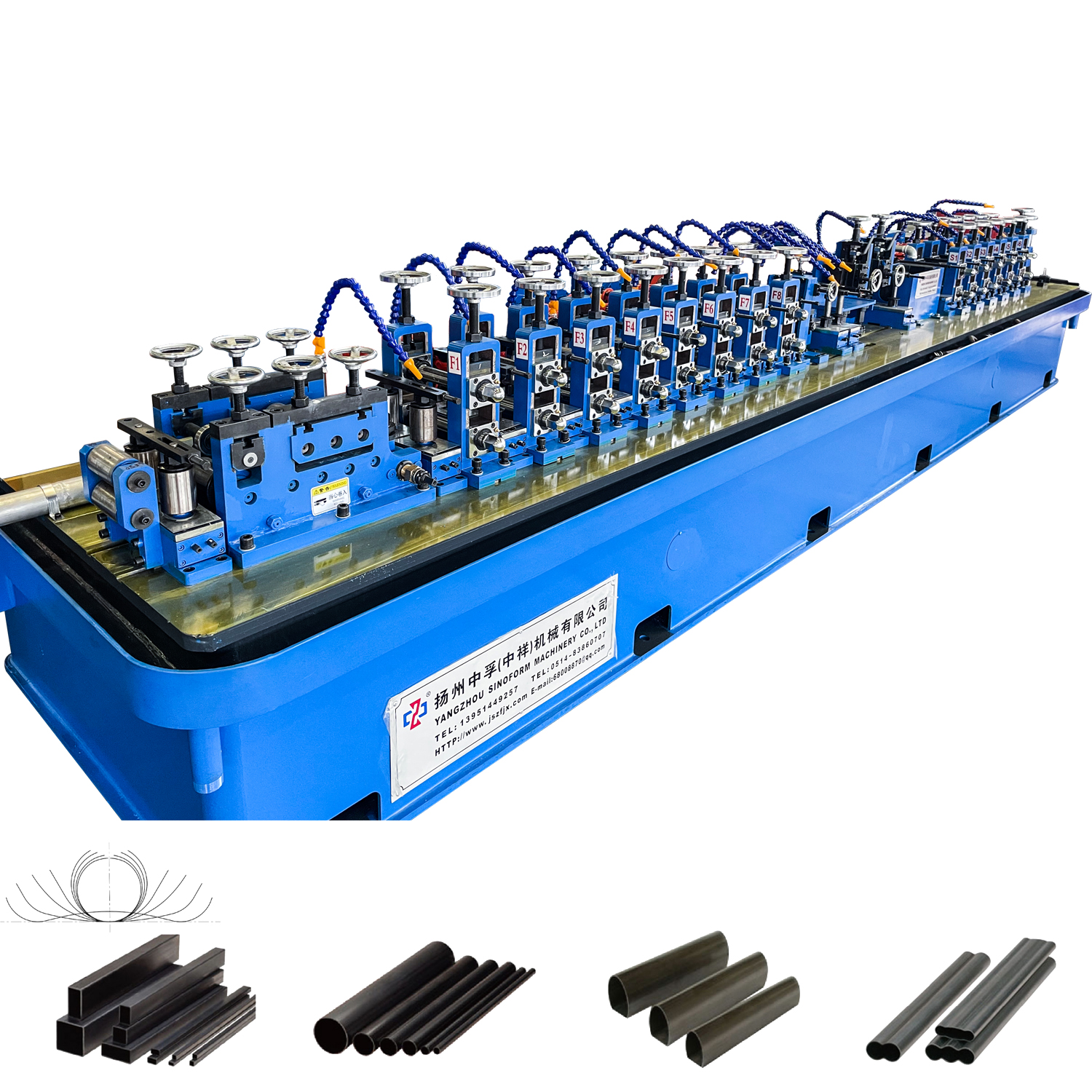 High Precision High-Frequency ERW Tube Mill line
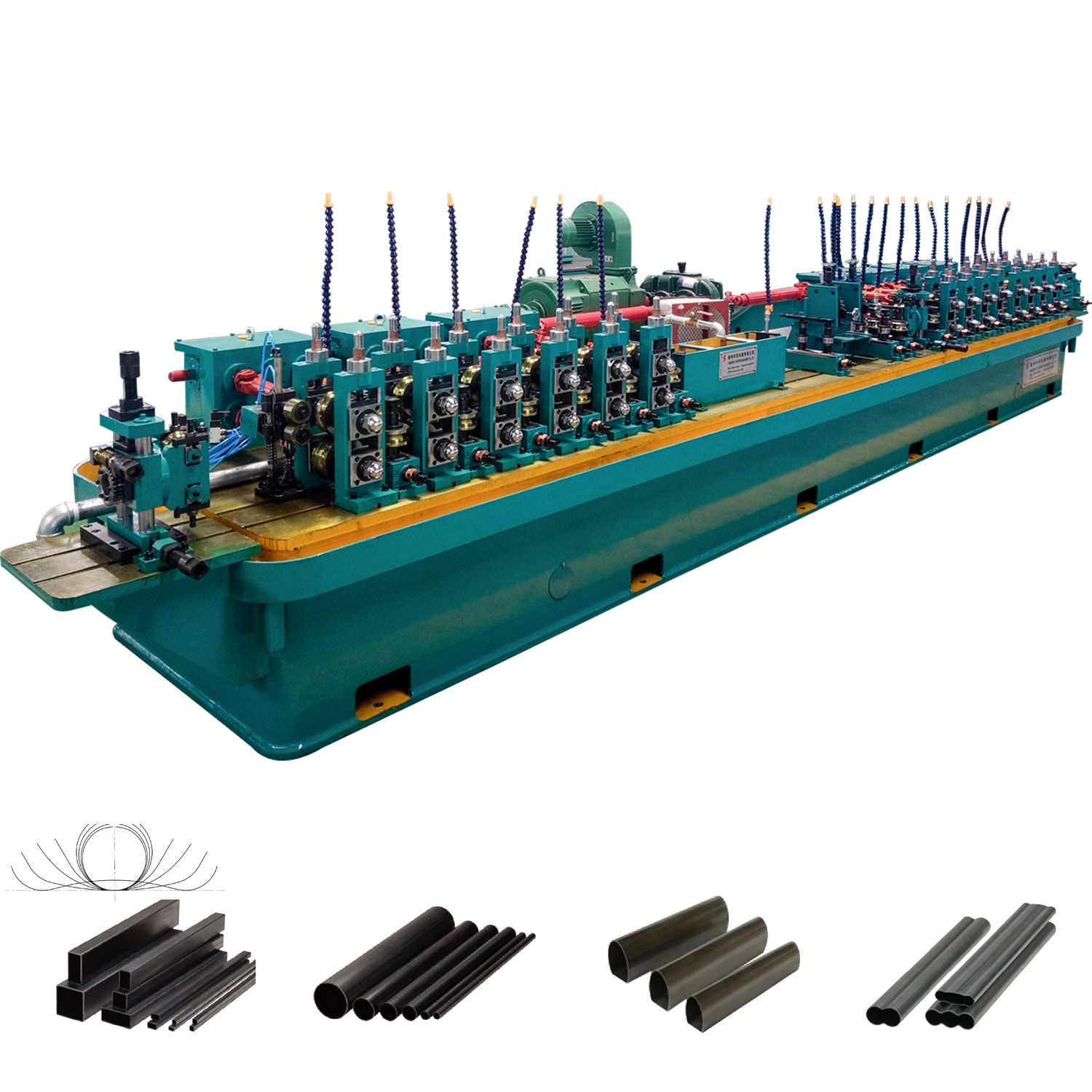 High Precision High-Frequency ERW Tube Mill line
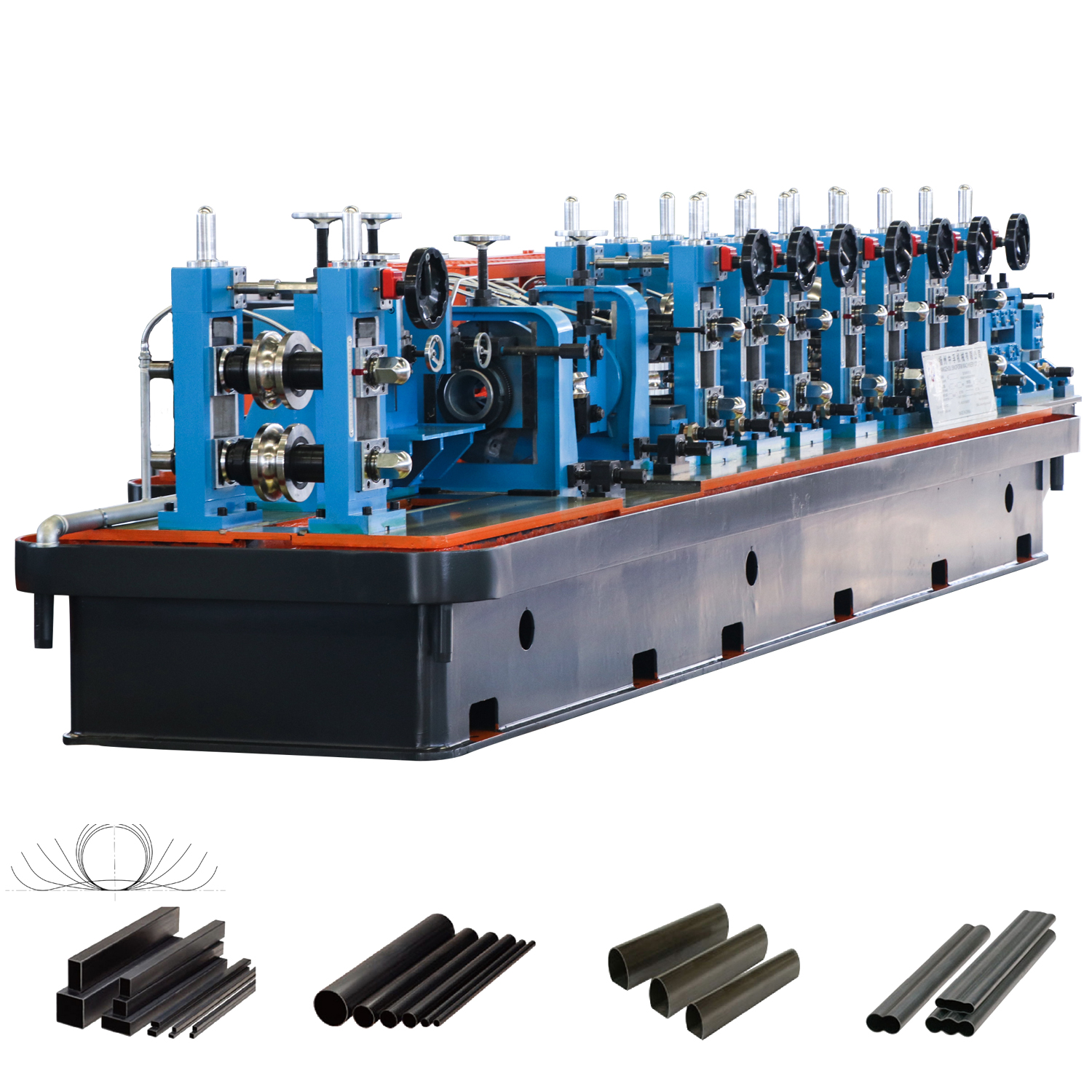 High Precision High-Frequency ERW Tube Mill line
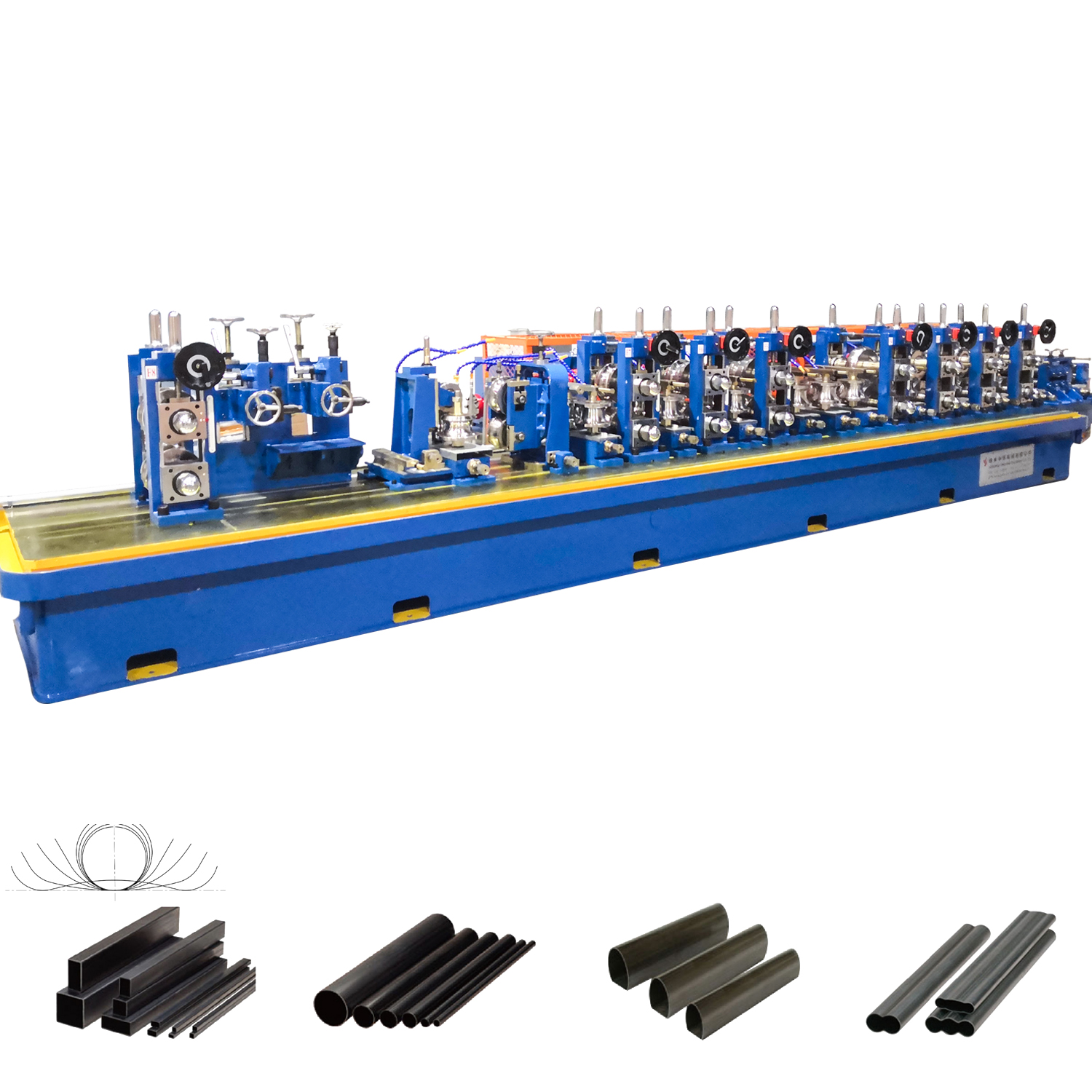 High Precision High-Frequency ERW Tube Mill line
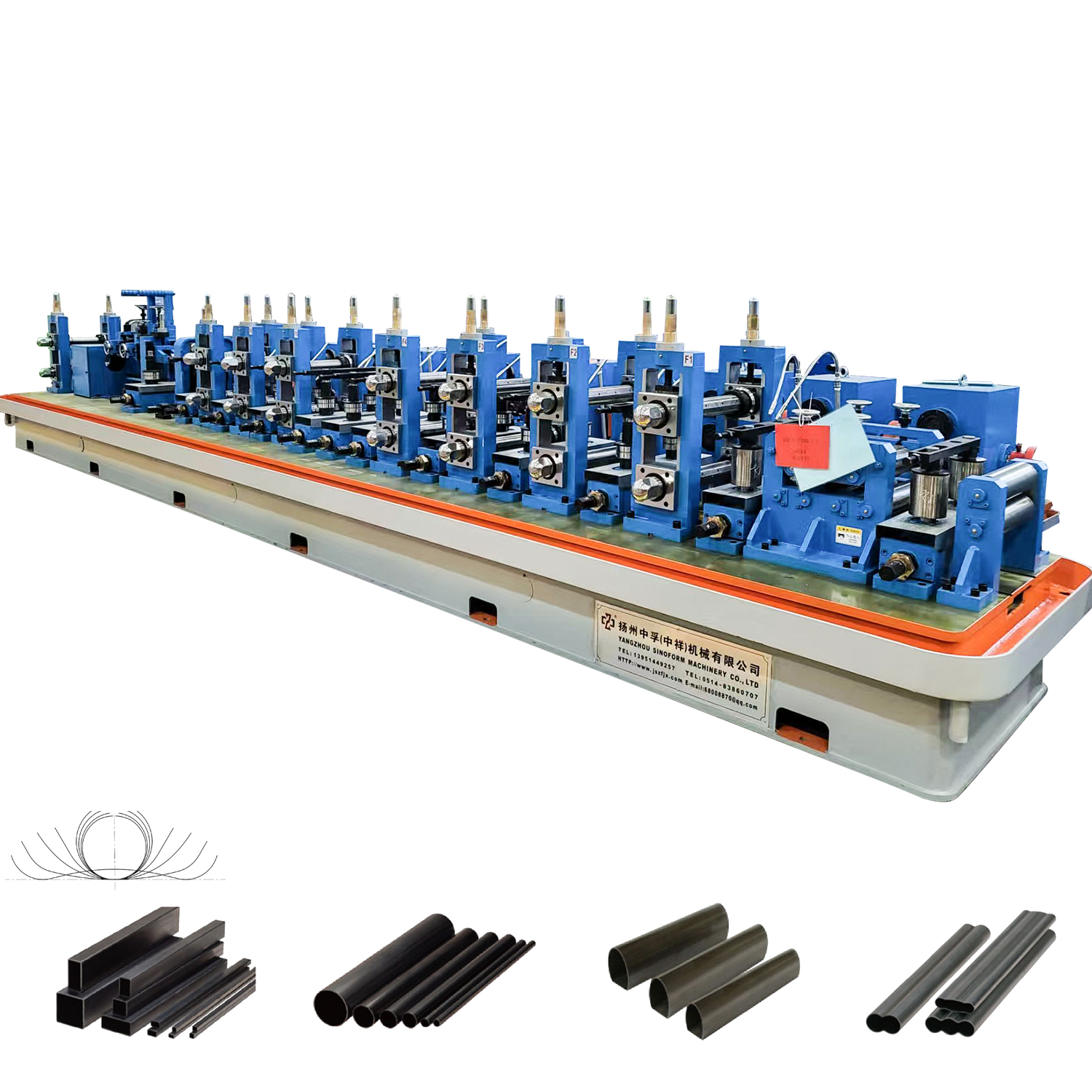 High Precision High-Frequency ERW Tube Mill line
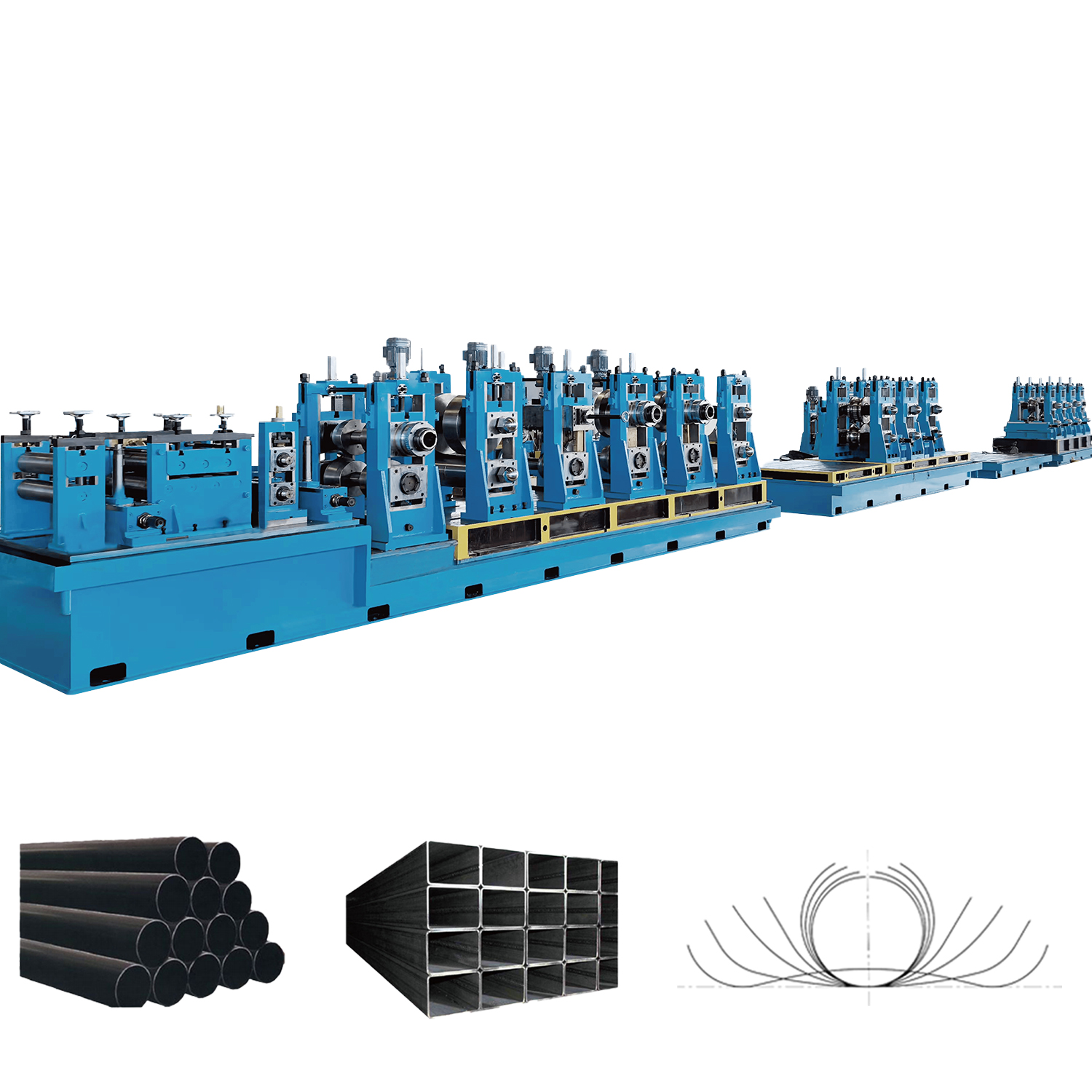 Large ERW tube mill line
Large ERW tube mill line
Large ERW tube mill line
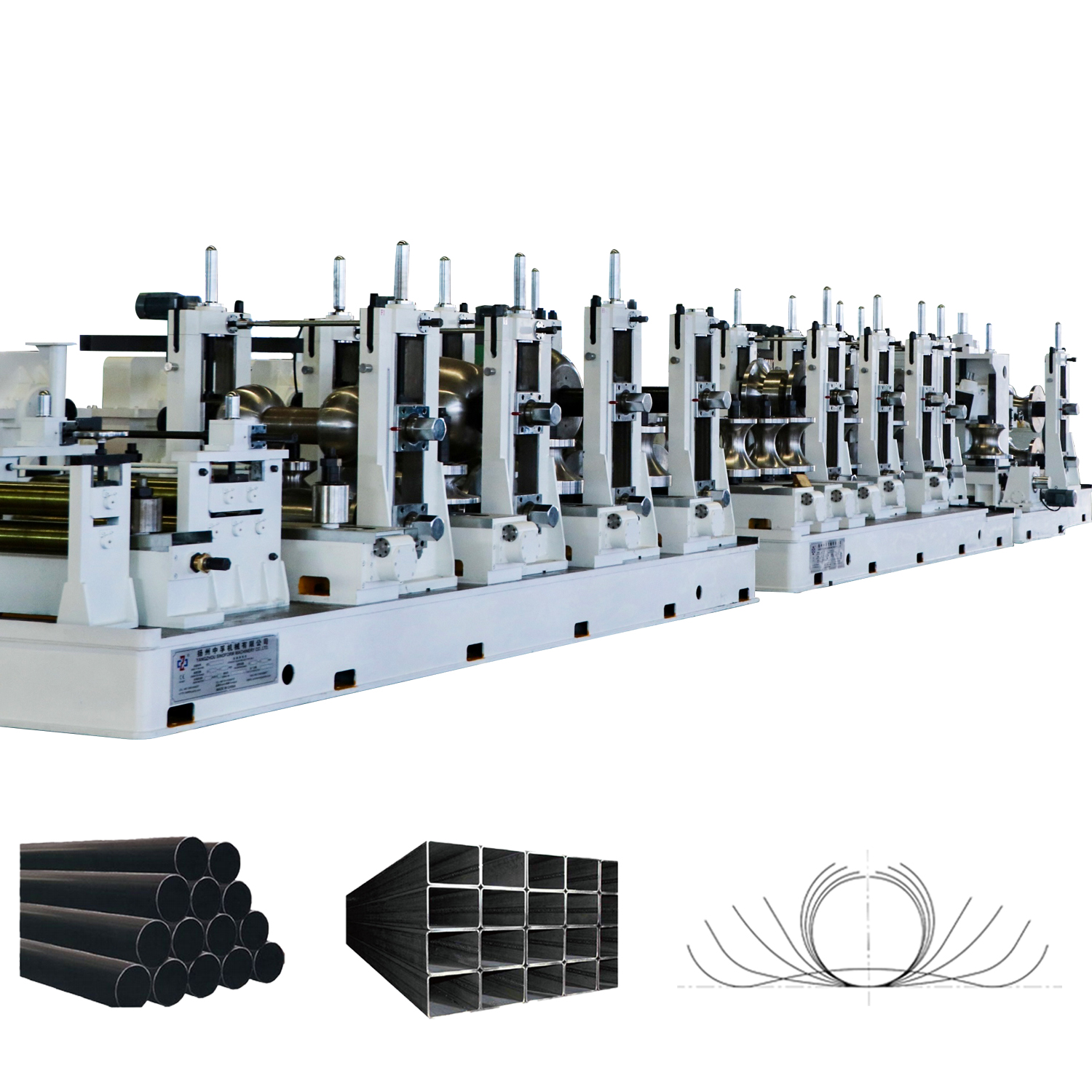 Large ERW tube mill line
Large ERW tube mill line
Large ERW tube mill line
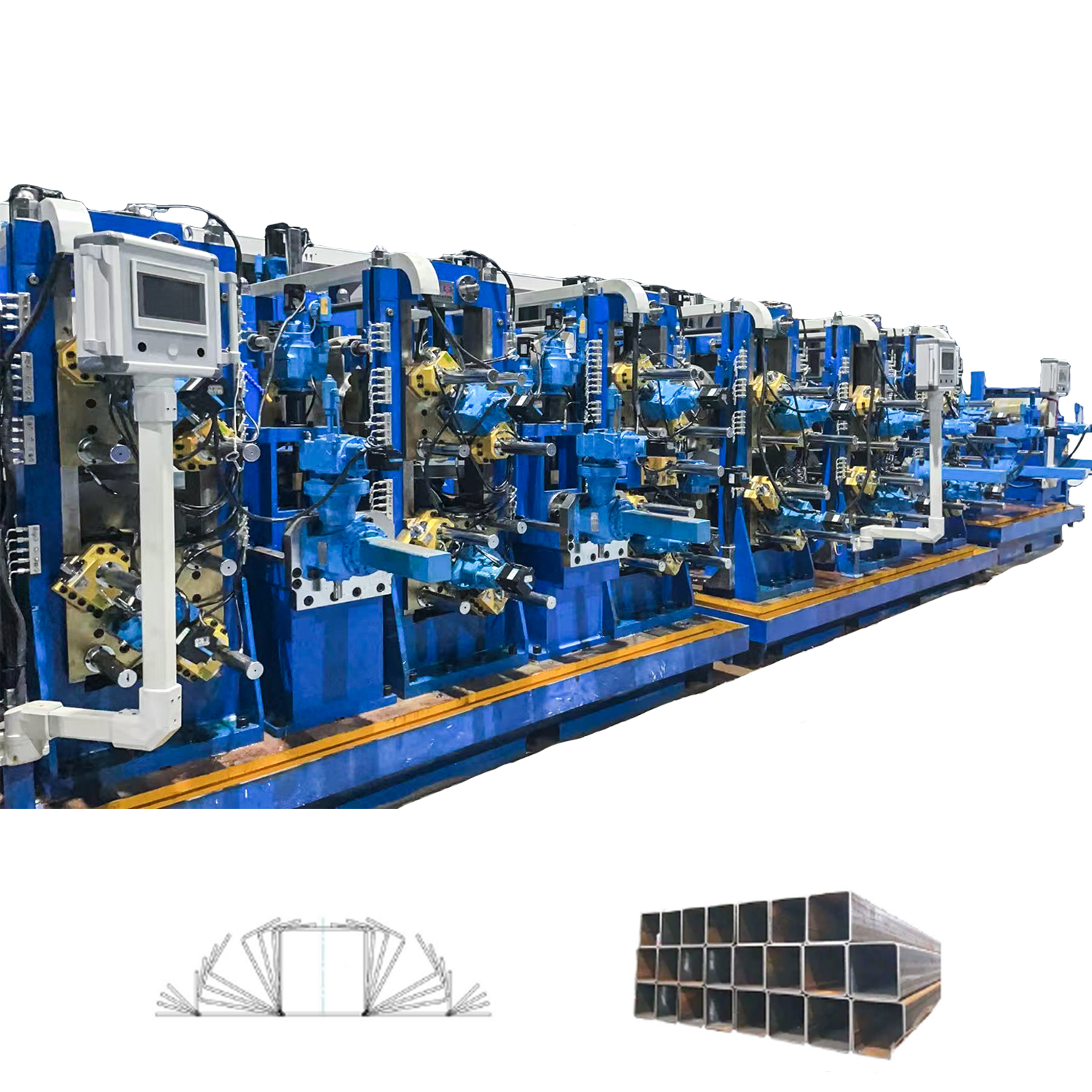 Direct To Square Welded Pipe Production Line
Direct To Square Welded Pipe Production Line
Direct To Square Welded Pipe Production Line
Direct To Square Welded Pipe Production Line
Direct To Square Welded Pipe Production Line

 No.1 Xiangjian Road, Northern
Suburbs Of Yangzhou City,
Jiangsu Province,China
No.1 Xiangjian Road, Northern
Suburbs Of Yangzhou City,
Jiangsu Province,China
 Phone: +86-0514-8363 8877
 E-mail: [email protected]
© Yangzhou SINOFORM Machinery Co., Ltd. Tube Mill Line Manufacturers
Pipe Making Machine Custom
Tube Making Machine Suppliers



 English
 Español
 عربى
عربى русский
 中文简体
中文简体