An integrated Tube Mill Line is the definitive solution for high-speed, precision-engineered metal pipe production, streamlining the transition from raw steel coils to finished structural products. By consolidating uncoiling, forming, welding, sizing, and cutting into a single automated sequence, a modern Tube Mill Line eliminates manual handling errors and significantly boosts output per square meter of factory space.
Content
The primary strength of a Tube Mill Line lies in its modular assembly of high-precision machinery designed to work in perfect synchronization. Each stage of the Tube Mill Line is engineered to handle specific mechanical stresses, ensuring that the final tube meets international standards such as ASTM or DIN.
A Tube Mill Line offers a massive leap in productivity and material consistency compared to older, segmented manufacturing methods. While traditional methods rely on manual welding and separate sizing stations, the automated Tube Mill Line ensures that every millimeter of the pipe is subjected to the same pressure and heat parameters.
| Feature | Traditional Fabrication | Advanced Tube Mill Line |
|---|---|---|
| Production Speed | 5 - 15 m/min | 40 - 120 m/min |
| Labor Requirement | High (Multiple operators) | Low (1-2 Technicians) |
| Weld Quality | Inconsistent (Manual) | High-Frequency Precision |
| Material Waste | 8% - 12% | < 2% |
The forming process within a Tube Mill Line relies on the principle of cold roll forming, where the yield strength of the steel is systematically overcome through localized pressure. This requires a sophisticated "Roll Pass Design" where each station in the Tube Mill Line contributes a specific percentage of the total deformation.
The breakdown stage of the Tube Mill Line is responsible for the initial "U" shape bending of the flat strip. This stage involves massive horizontal rollers that apply downward force, calculated based on the Young's Modulus ($E$) of the material. For instance, high-carbon steel requires a different roll profile than stainless steel to prevent "springback" within the Tube Mill Line.
In the fin-pass section of a Tube Mill Line, the edges of the strip are precisely aligned and prepared for welding. The rollers here include "fins" that physically guide the strip edges to maintain a parallel gap. This is crucial for High-Frequency Induction (HFI) welding, as any misalignment would result in a "cold weld" or an unstable seam, compromising the integrity of the Tube Mill Line output.
Investing in a high-tech Tube Mill Line provides a rapid Return on Investment (ROI) by minimizing operational costs and maximizing the grade of the finished product. By utilizing advanced PLC (Programmable Logic Controller) systems, the Tube Mill Line can be adjusted for different tube diameters in a fraction of the time required by manual setups.
Consider a production scenario where a factory produces 5,000 tons of steel pipe annually. A modern Tube Mill Line with an efficiency rating of 98% would reduce scrap by approximately 200 tons compared to older machinery. At a current steel price of approximately $\$800$ per ton, the Tube Mill Line saves $\$160,000$ per year in raw material alone, not accounting for energy and labor savings.
Preventative maintenance is the cornerstone of keeping a Tube Mill Line running at peak performance and avoiding costly downtime. Because a Tube Mill Line operates under high mechanical loads and thermal stress (near the welding station), a structured maintenance schedule is non-negotiable.
The future of the Tube Mill Line is defined by the integration of Industry 4.0, including IoT sensors and AI-driven predictive maintenance. These "Smart Tube Mill Lines" can detect micro-vibrations in the motor or fluctuations in the welding current before they cause a failure.
Furthermore, the "Quick Change" technology is becoming a standard feature for the modern Tube Mill Line. This allows operators to swap out the entire roller set for a new diameter in under 30 minutes, a process that used to take several hours. This flexibility enables the Tube Mill Line to handle smaller, custom orders without sacrificing overall plant efficiency.
A standard Tube Mill Line is primarily designed for carbon steel, but specialized versions can process stainless steel, aluminum, and galvanized coils with specific roller adjustments.
The footprint of a Tube Mill Line depends on the maximum tube diameter, but typically ranges from 30 meters to 100 meters in length.
Yes, by changing the sizing rollers at the end of the Tube Mill Line, the round welded pipe can be reshaped into square, rectangular, or even oval profiles.
With proper maintenance and part replacement, a heavy-duty Tube Mill Line can remain operational for 20 to 30 years.
In conclusion, the Tube Mill Line stands as the backbone of the global infrastructure and construction industries. By offering an unmatched combination of speed, precision, and material efficiency, the Tube Mill Line empowers manufacturers to meet the growing demand for high-quality piping solutions while maintaining a competitive edge in a demanding market. Whether for automotive components, scaffolding, or fluid transport, the Tube Mill Line remains the most reliable engine for industrial growth.
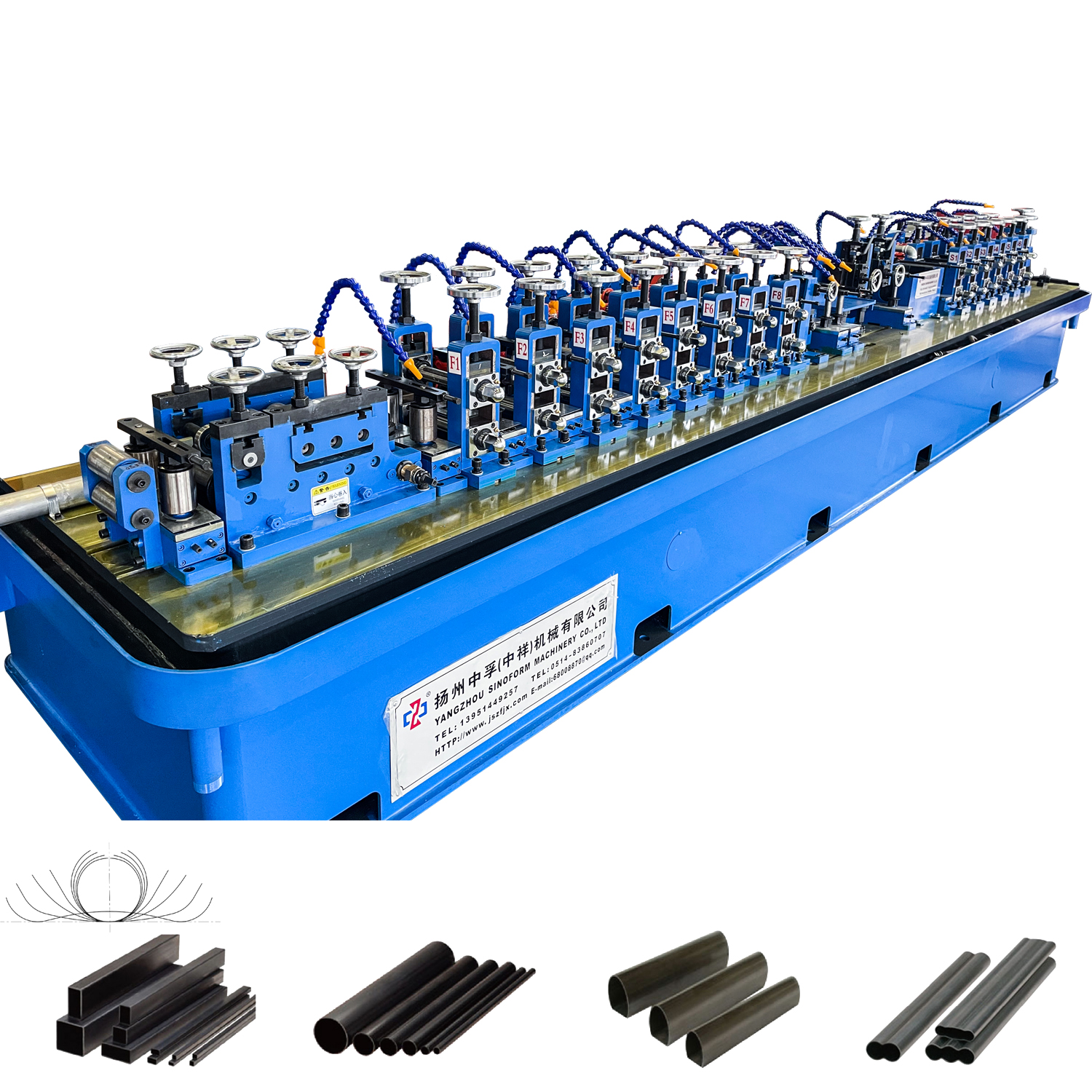 High Precision High-Frequency ERW Tube Mill line
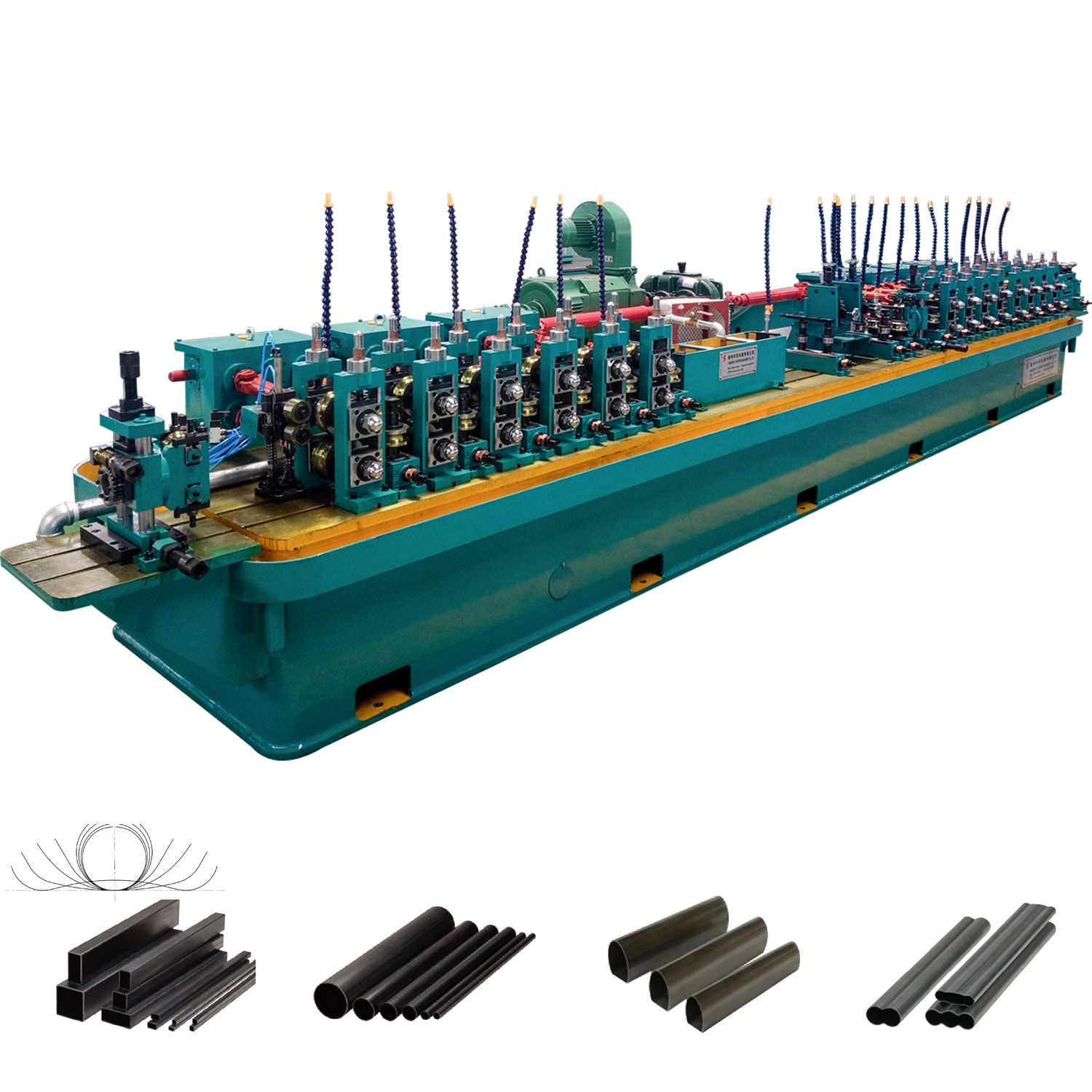 High Precision High-Frequency ERW Tube Mill line
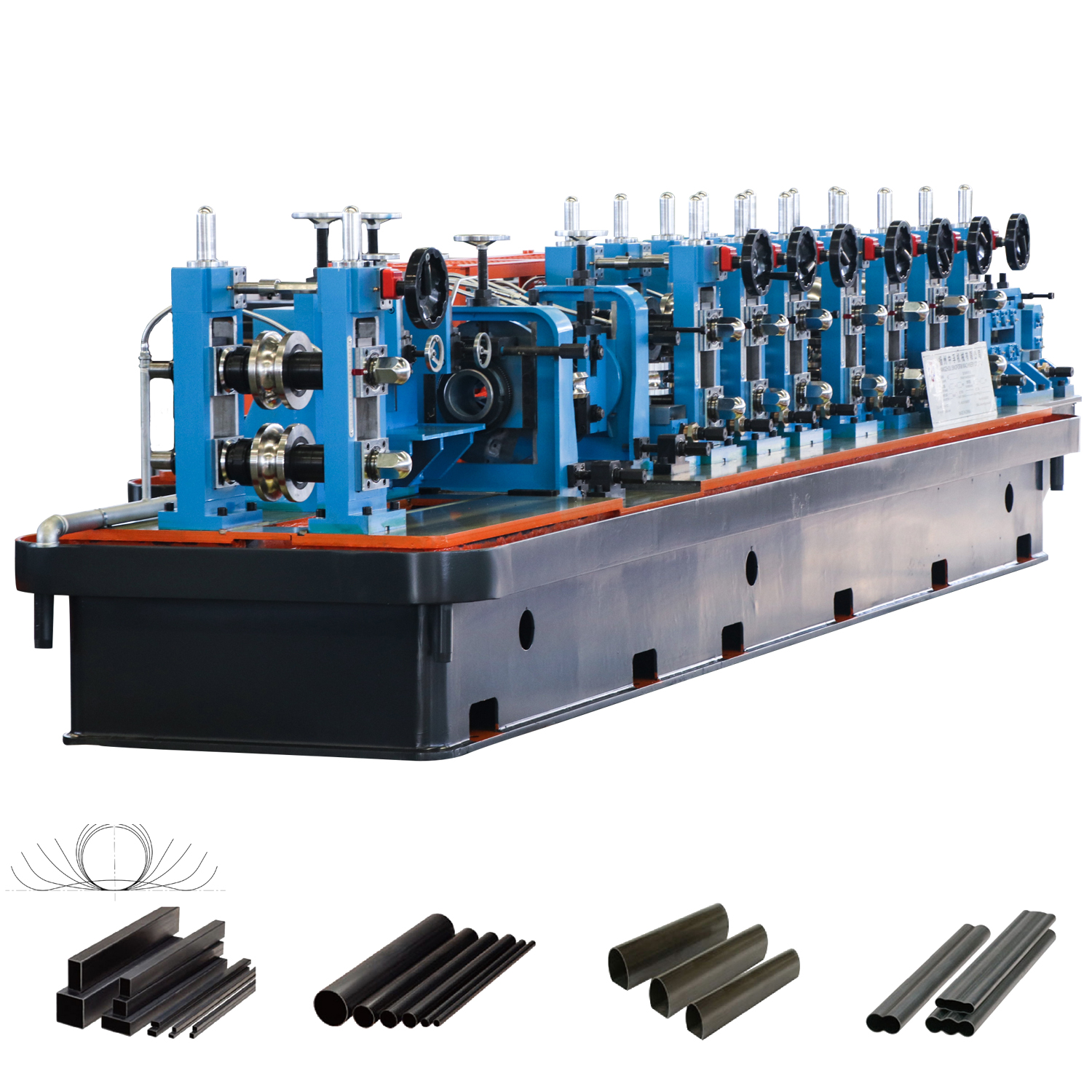 High Precision High-Frequency ERW Tube Mill line
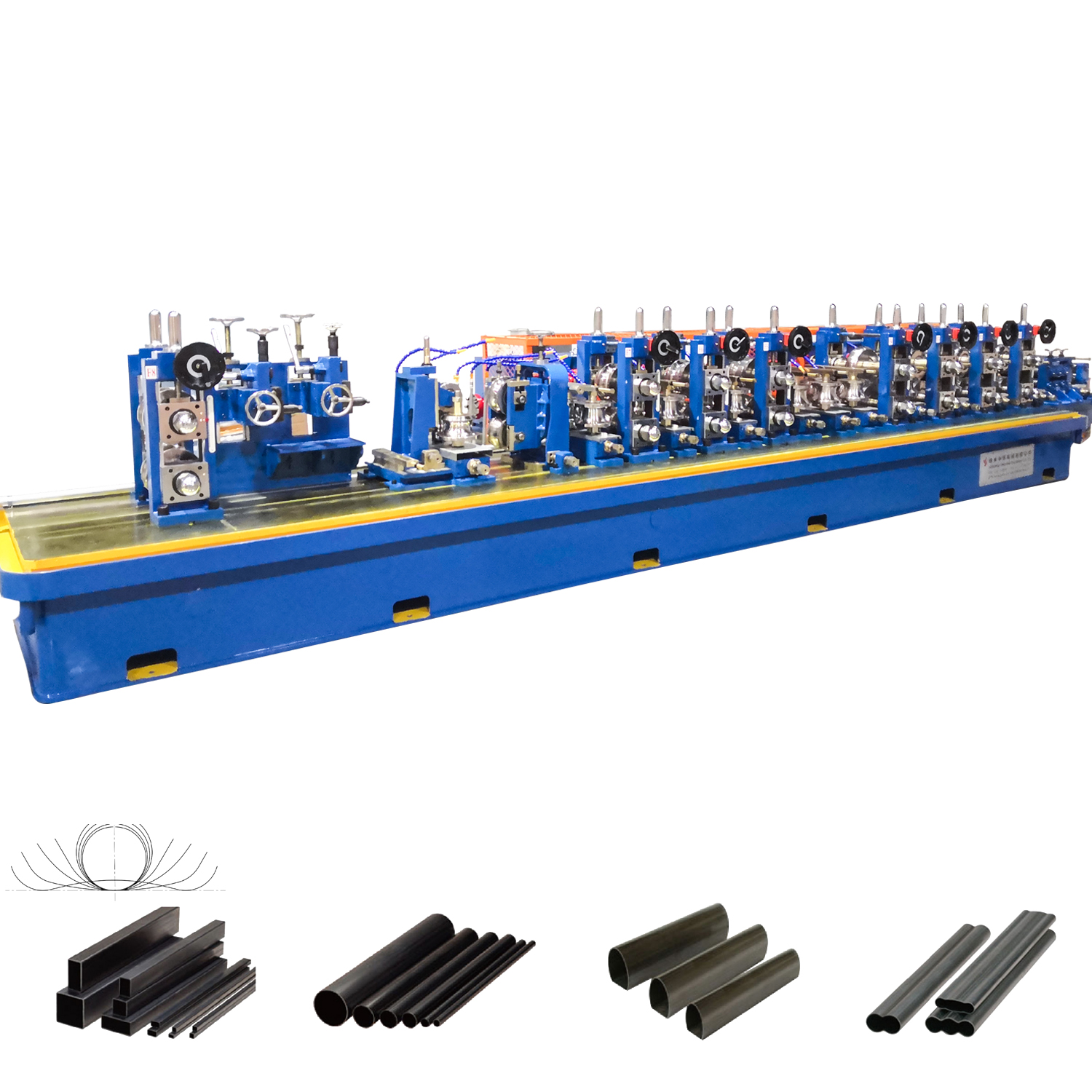 High Precision High-Frequency ERW Tube Mill line
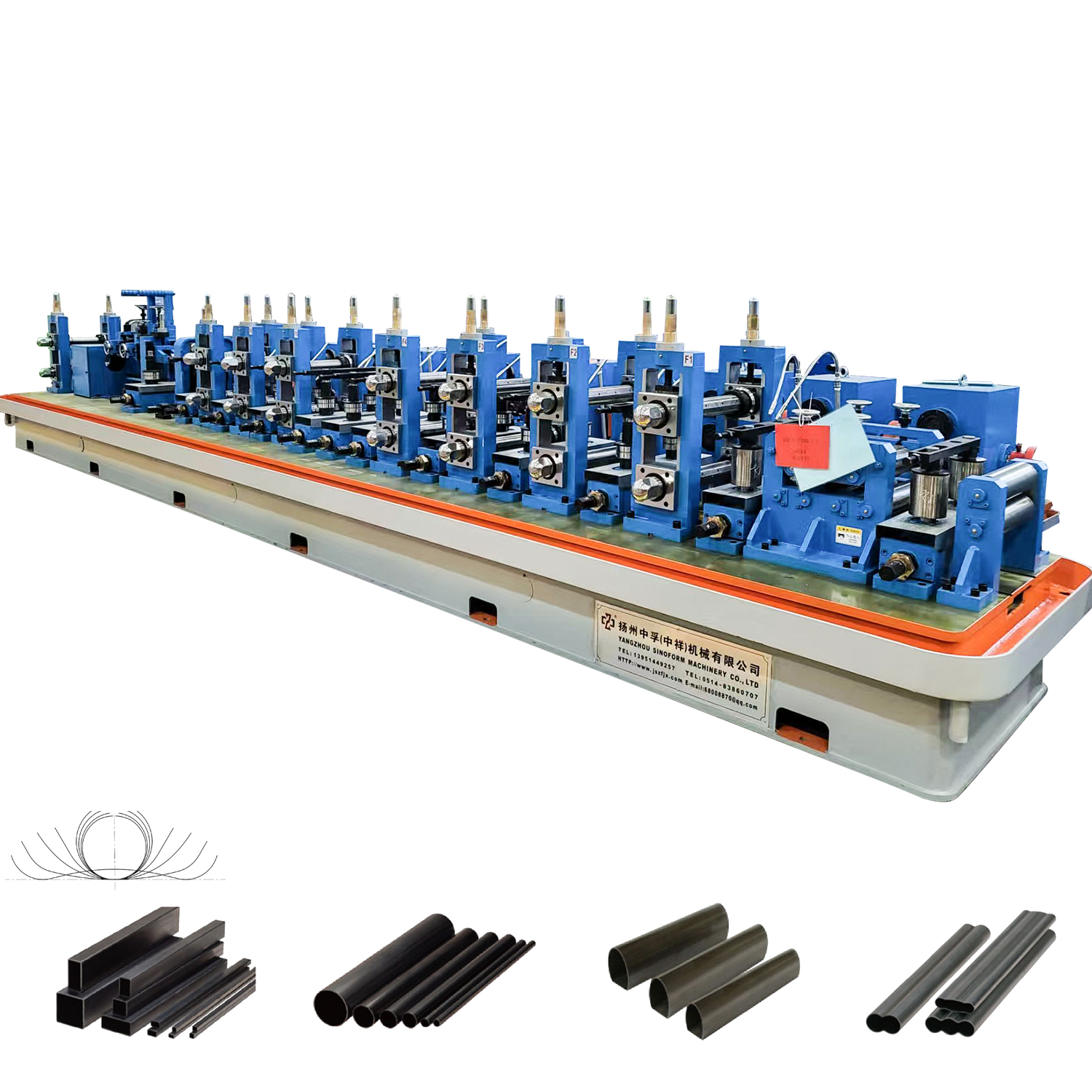 High Precision High-Frequency ERW Tube Mill line
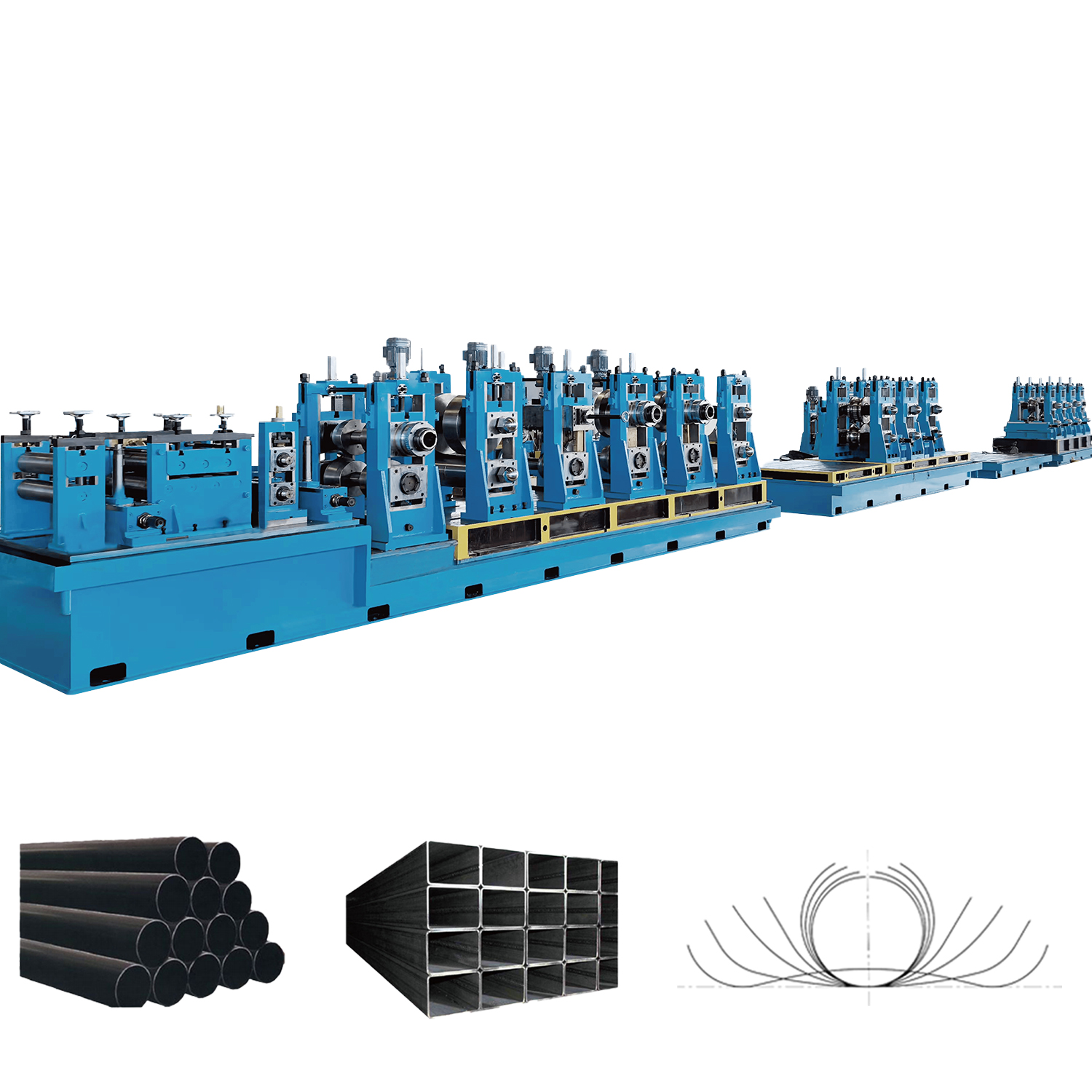 Large ERW tube mill line
Large ERW tube mill line
Large ERW tube mill line
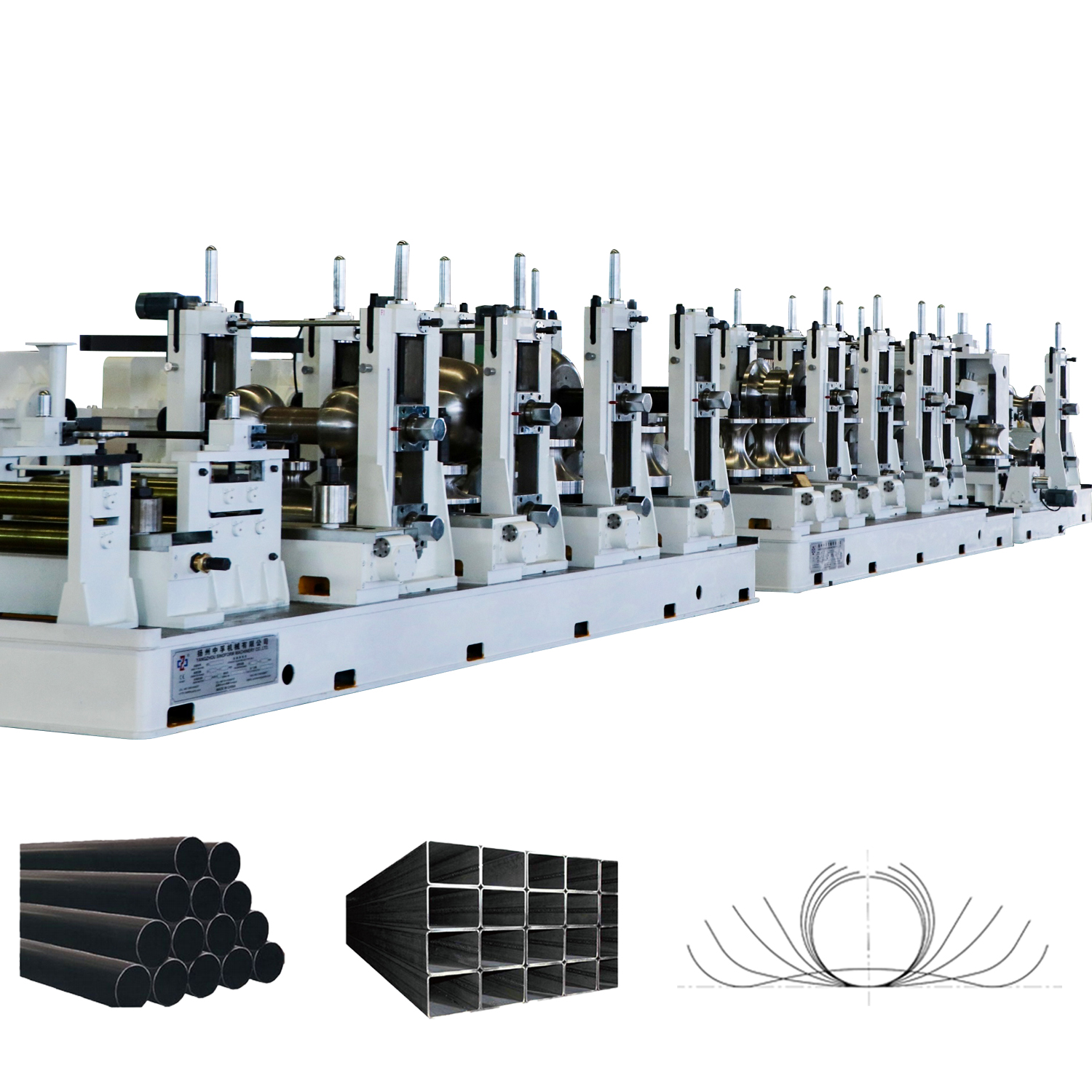 Large ERW tube mill line
Large ERW tube mill line
Large ERW tube mill line
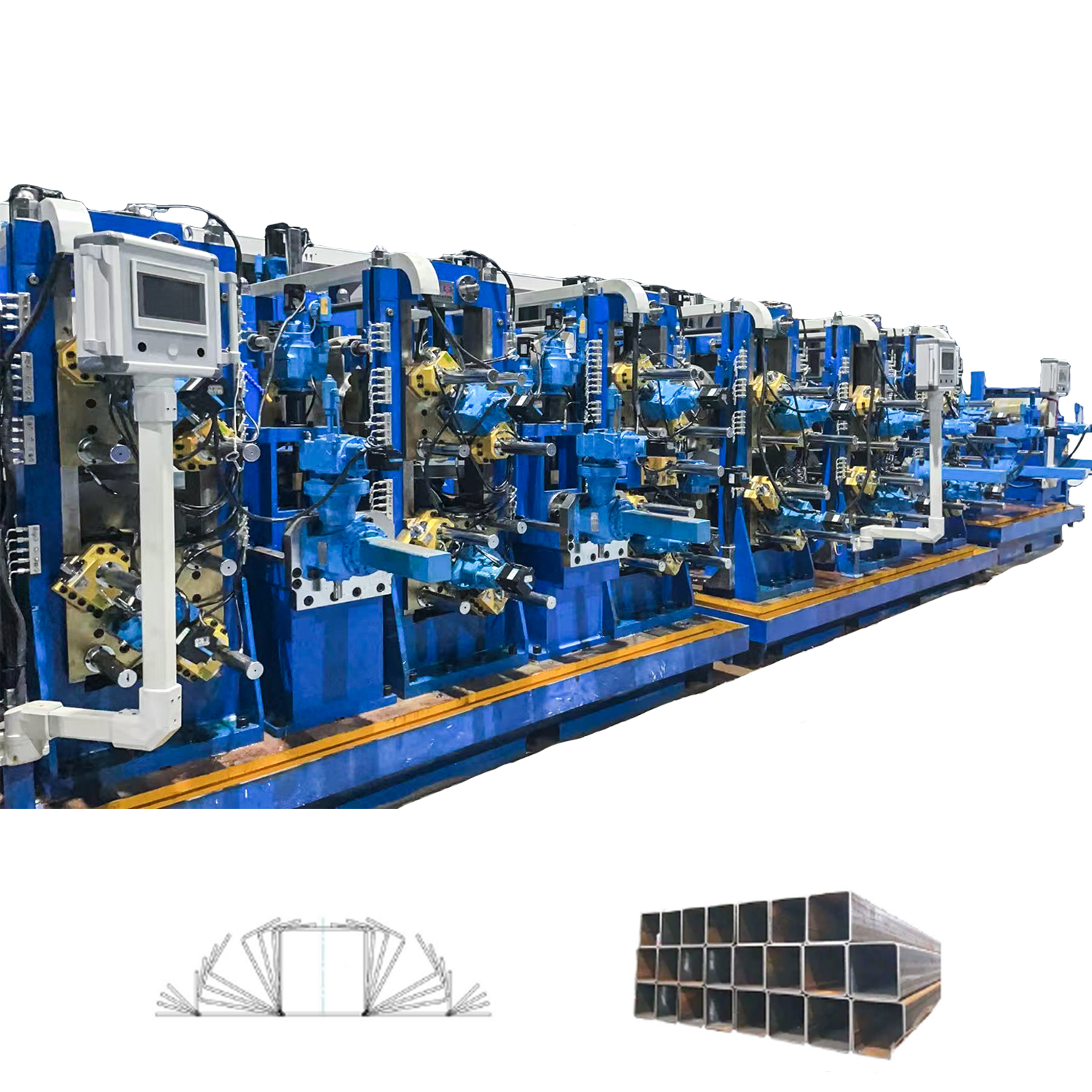 Direct To Square Welded Pipe Production Line
Direct To Square Welded Pipe Production Line
Direct To Square Welded Pipe Production Line
Direct To Square Welded Pipe Production Line
Direct To Square Welded Pipe Production Line

 No.1 Xiangjian Road, Northern
Suburbs Of Yangzhou City,
Jiangsu Province,China
No.1 Xiangjian Road, Northern
Suburbs Of Yangzhou City,
Jiangsu Province,China
 Phone: +86-0514-8363 8877
 E-mail: [email protected]
© Yangzhou SINOFORM Machinery Co., Ltd. Tube Mill Line Manufacturers
Pipe Making Machine Custom
Tube Making Machine Suppliers



 English
 Español
 عربى
عربى русский
 中文简体
中文简体